What Is Going On
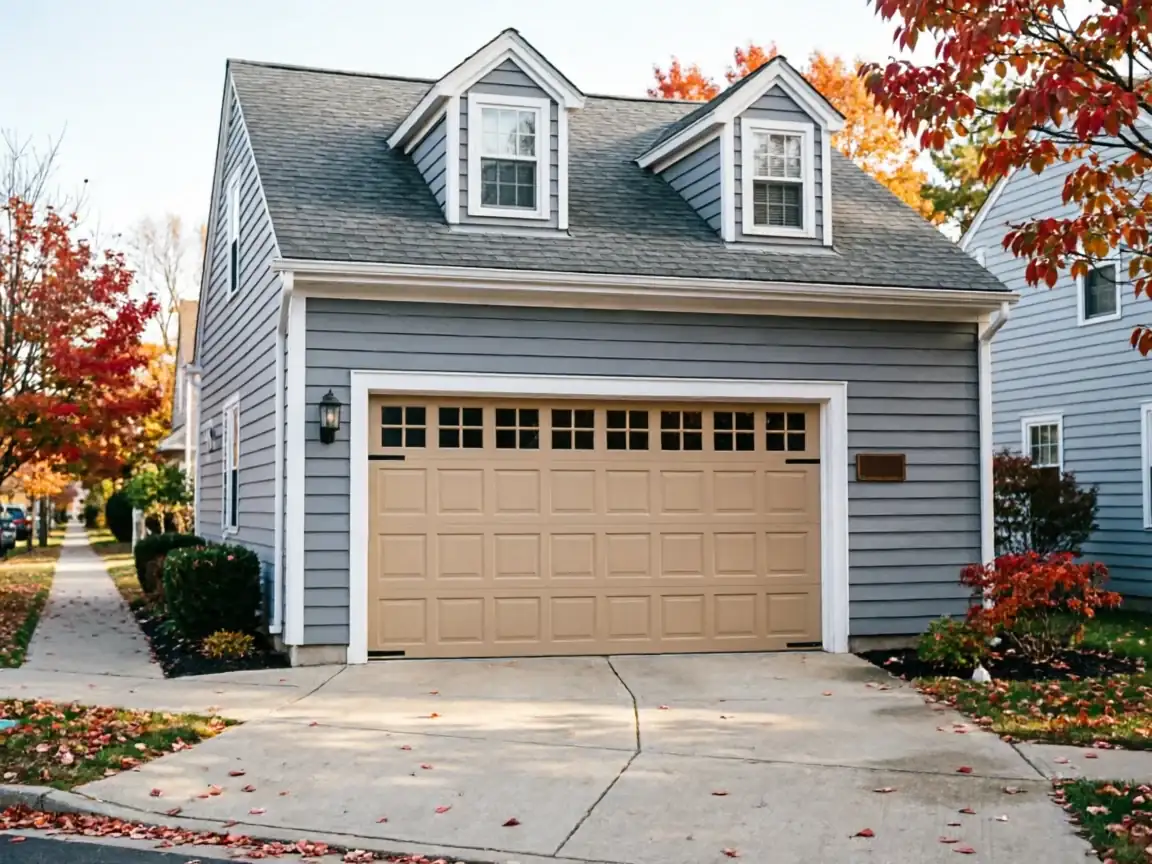
Most of the housing stock in and around Butler went up between 1938 and 1999, with the median build year landing around 1973. That matters when you're shopping for a replacement garage door because openings framed in that era don't always match the stock sizes carried by big box stores today. A lot of the original doors on these houses were single-layer steel or wood, sized to an opening that's become less common on newer product lines.
Across the 43 named areas that make up this part of the market - Oak Hills, Meridian, Shanor-Northvue, and out through Saxonburg and Zelienople - the stock runs mostly 1960s and 70s construction. That means the same issues come up again and again: non-standard width, worn jamb framing, and hardware installed before torsion-spring safety cables were standard practice. If your house falls into that window, expect the first question any installer asks to be about your actual opening dimensions, not the nominal size on the old door's data plate.
Checking It Yourself
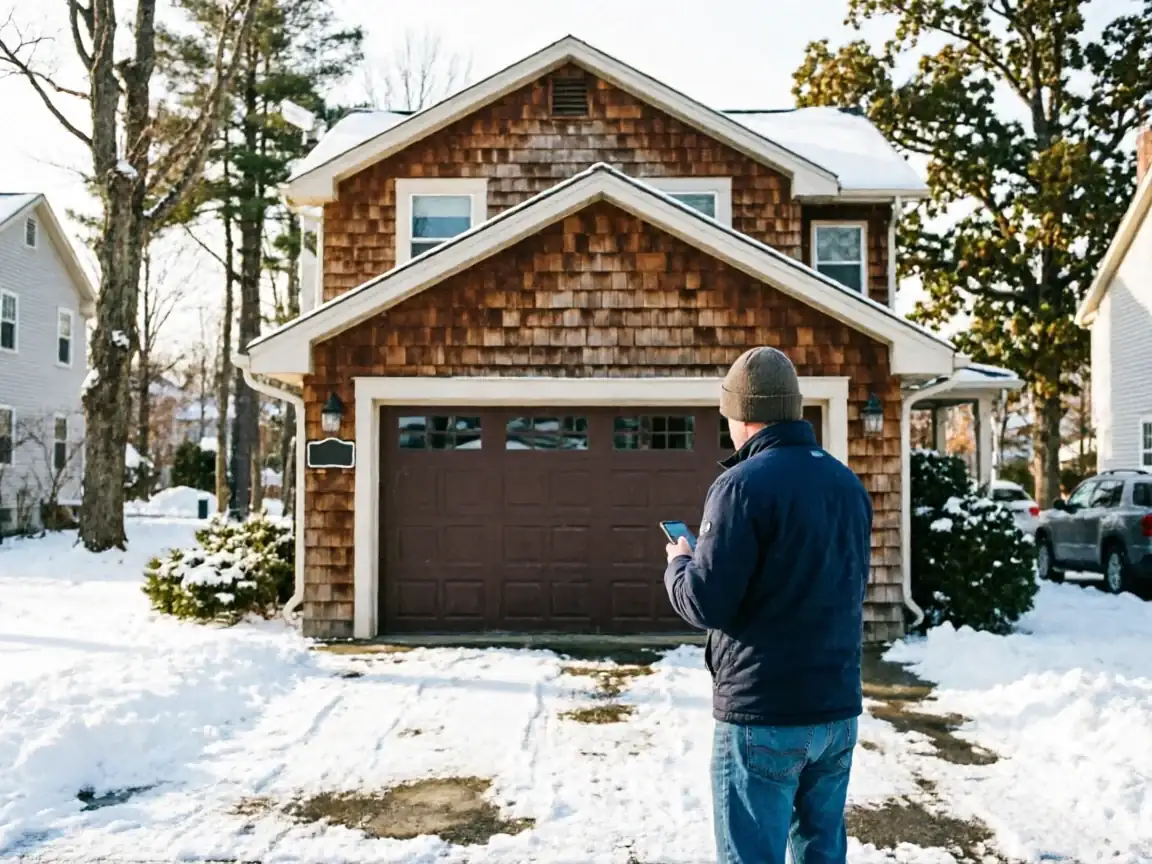
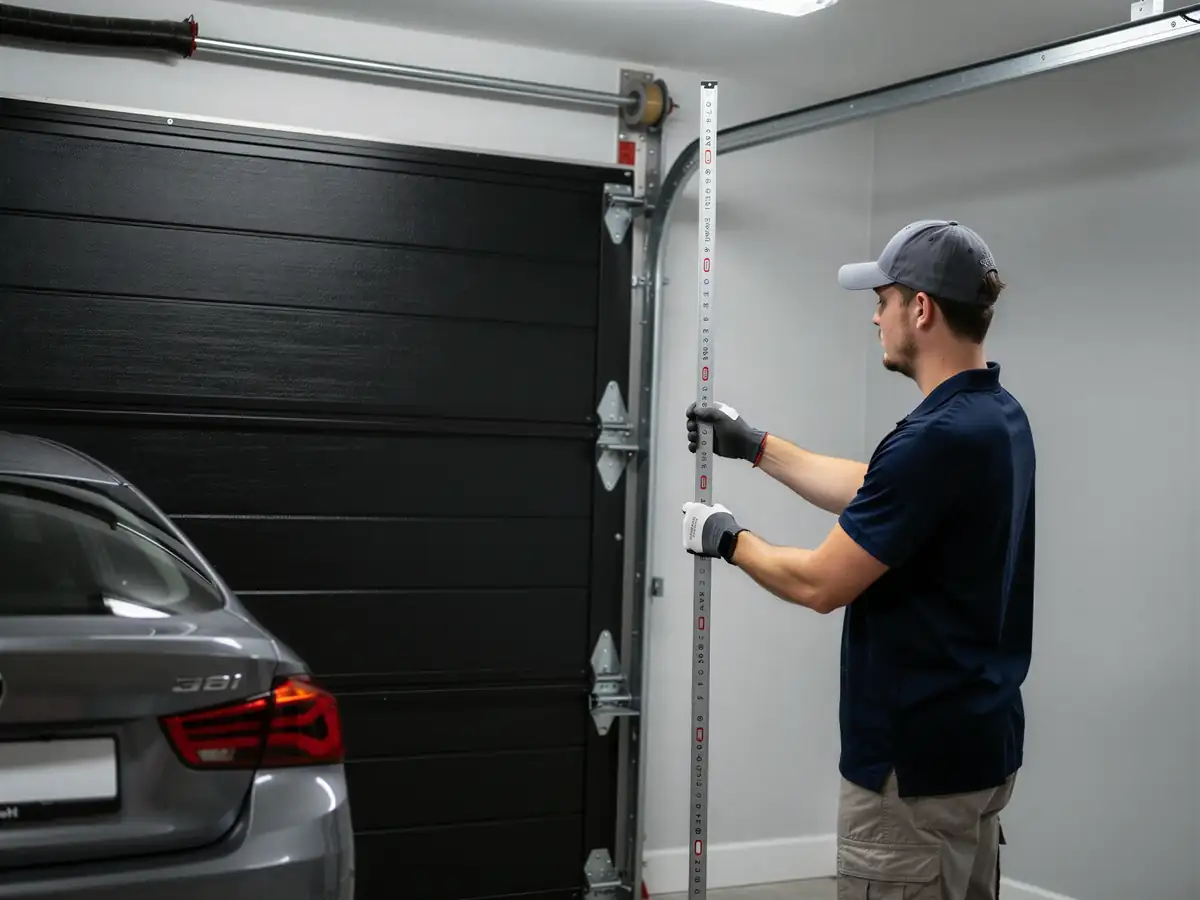
Before you call anyone, pull a tape measure and a flashlight. Measure the opening width and height at the widest and tallest points, not just at the frame edge - older framing settles, and a quarter inch out of square changes which stock door will actually fit. Check the bottom panel for rust-through, especially where the door meets the slab; on houses from the 1960s and 70s that panel has usually taken decades of road salt and snowmelt.
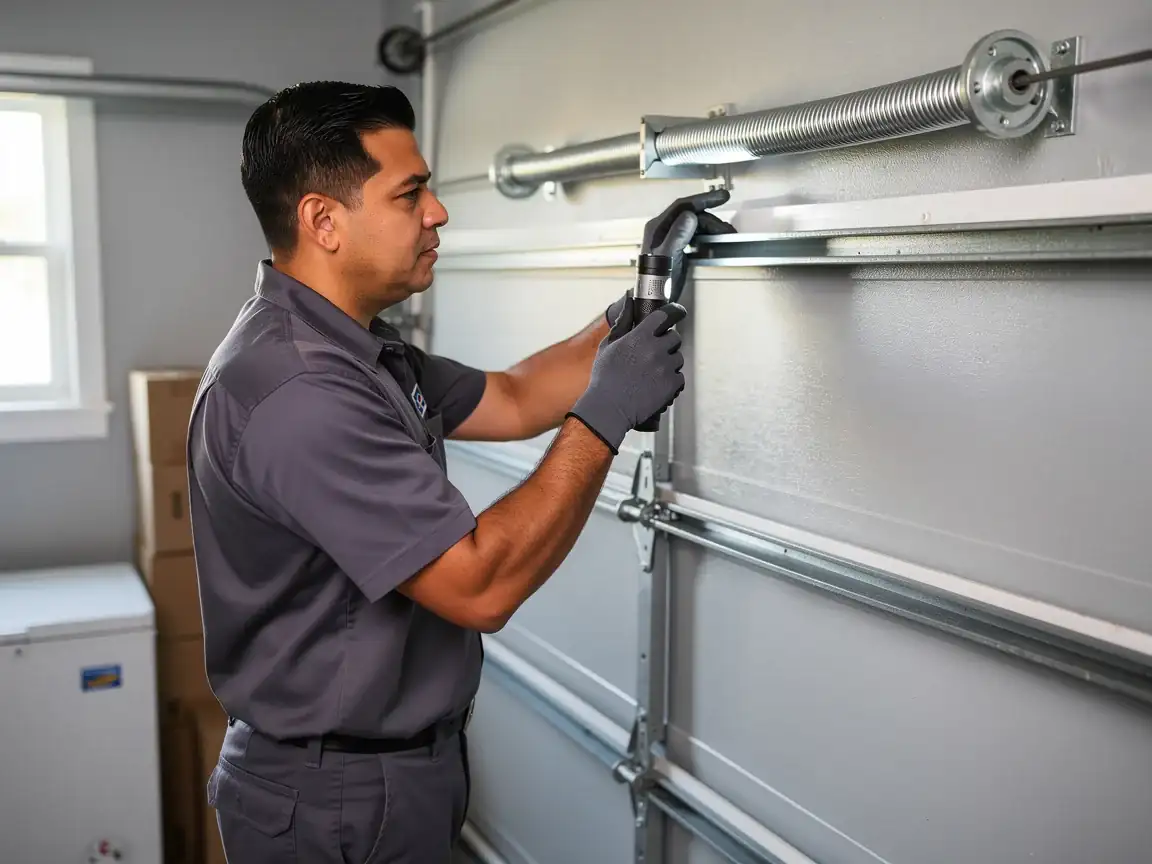
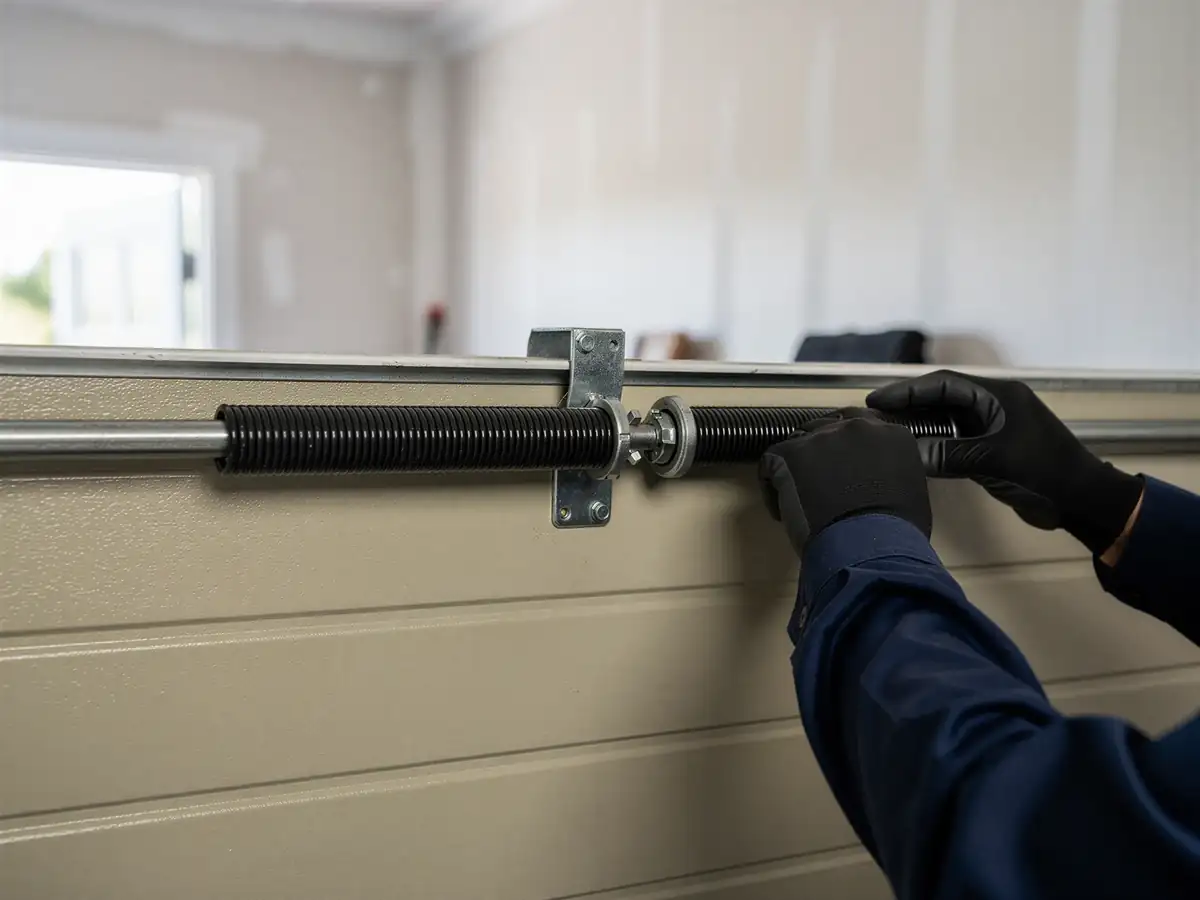
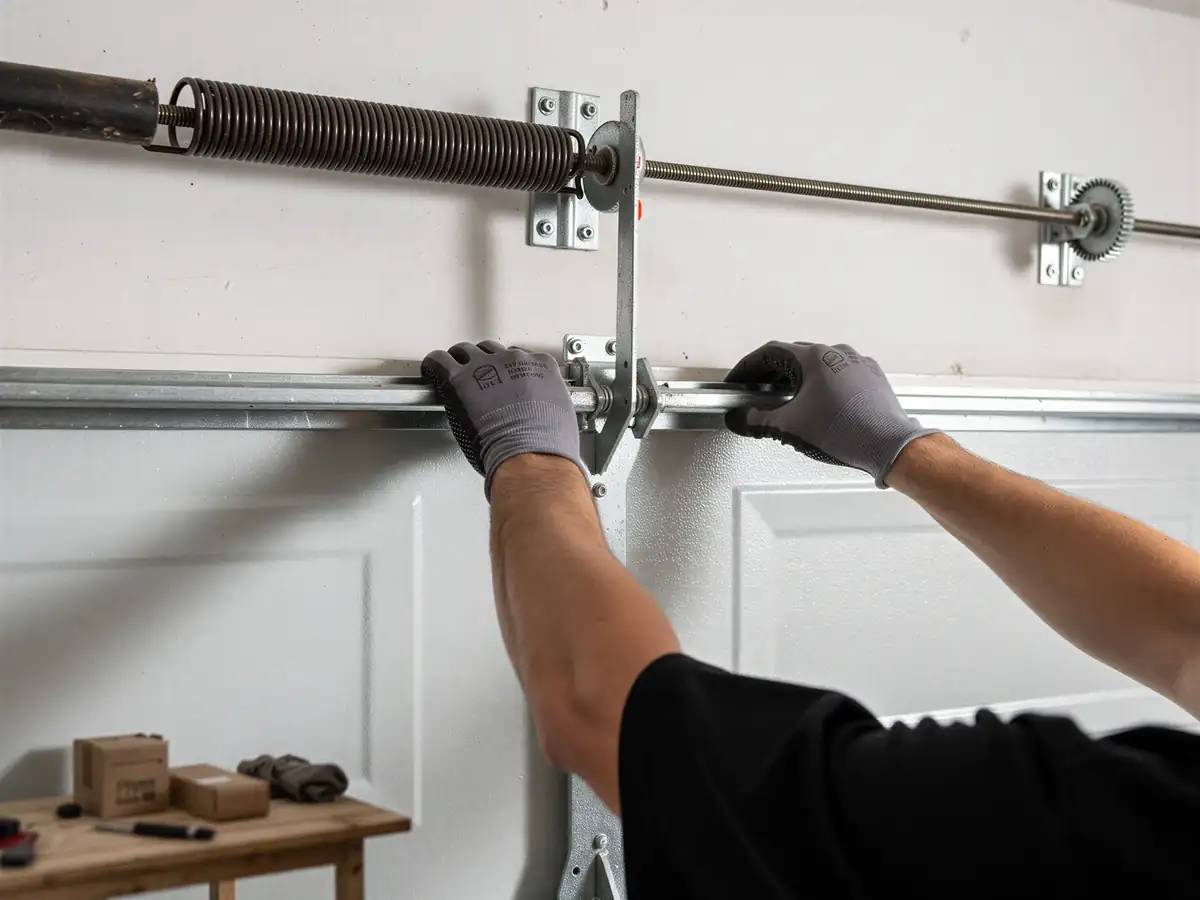
Look at the springs. If you can see daylight through a gap in a torsion spring coil, or the door feels uneven lifting by hand with the opener disconnected, that's wear, not cosmetic. Check weatherstripping at the bottom and sides - on a cold-climate house, a gapped seal isn't just a draft, it's where ice forms on the track in a hard freeze.
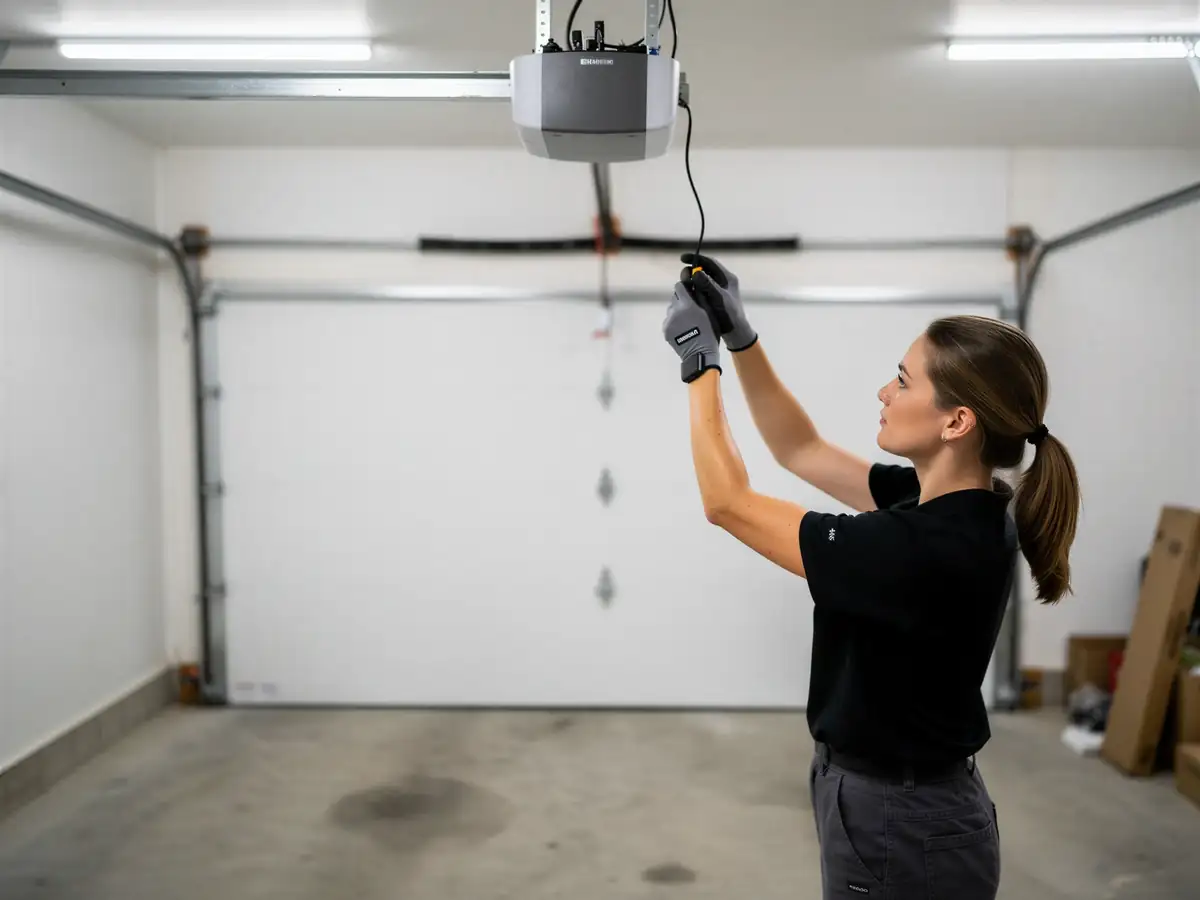
What you can't reliably check yourself is spring tension and cable condition under load. Those carry enough stored force to cause real injury, and that's the honest line where I'd stop a homeowner from going further on their own.
How Local Conditions Play In
Butler sits in a cold climate band that the federal classification marks as severe
Not moderate. That's not a marketing line - it changes what door you should actually buy. An insulated steel door with a solid core holds up better against the freeze-thaw cycle than the uninsulated single-layer doors that came standard on houses built through the 1970s and 80s.
With 28,947 owner-occupied houses in the service area and a median household income of $72,842
Most replacement decisions here are budget decisions, not showroom decisions. An insulated door costs more up front, but on a house with an attached garage and living space above it, the difference shows up on the heating bill every winter the old door stays in.
- 28,947 owner-occupied
- $72,842 median household income
Snow load and wind exposure in this area also factor into which panel gauge and track hardware get specified
A door rated for a milder climate zone further south isn't rated for what Butler gets most winters, and a seller who doesn't ask about your climate band isn't selling you the right door.
When It Stops Being a DIY Job
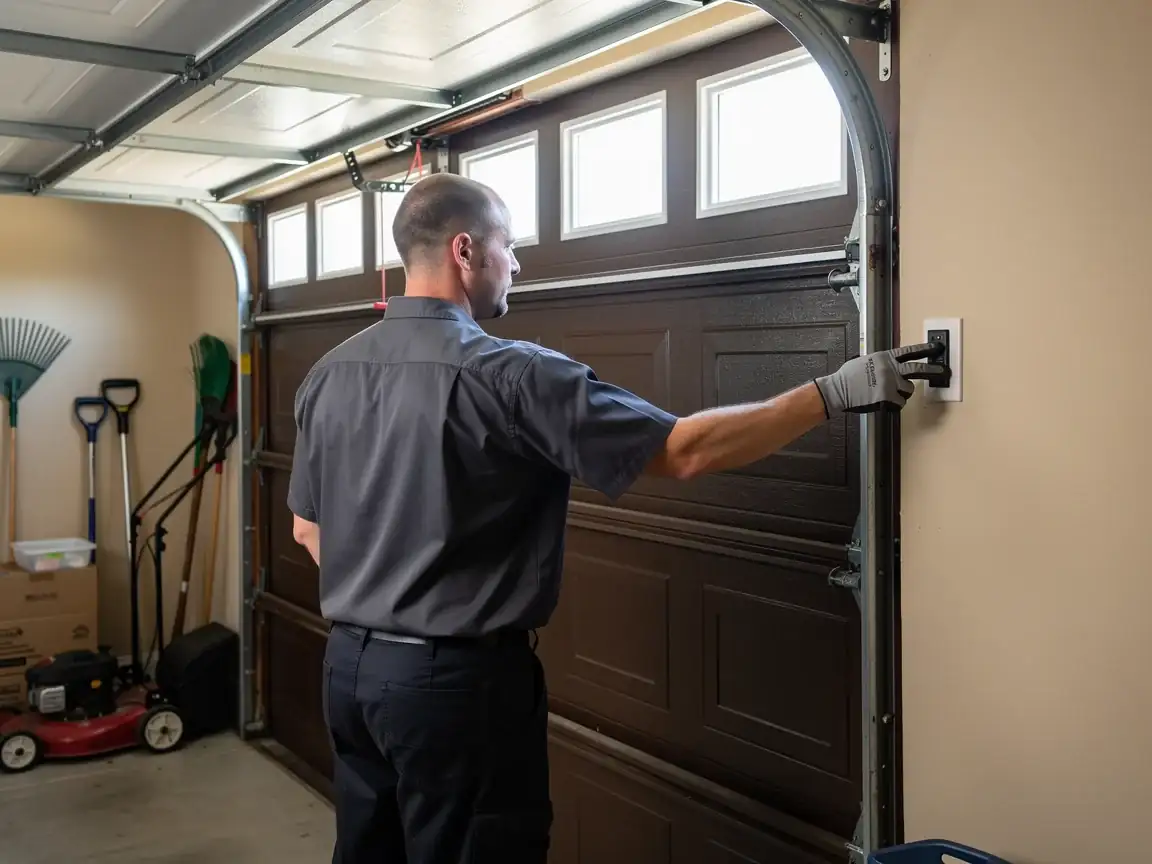
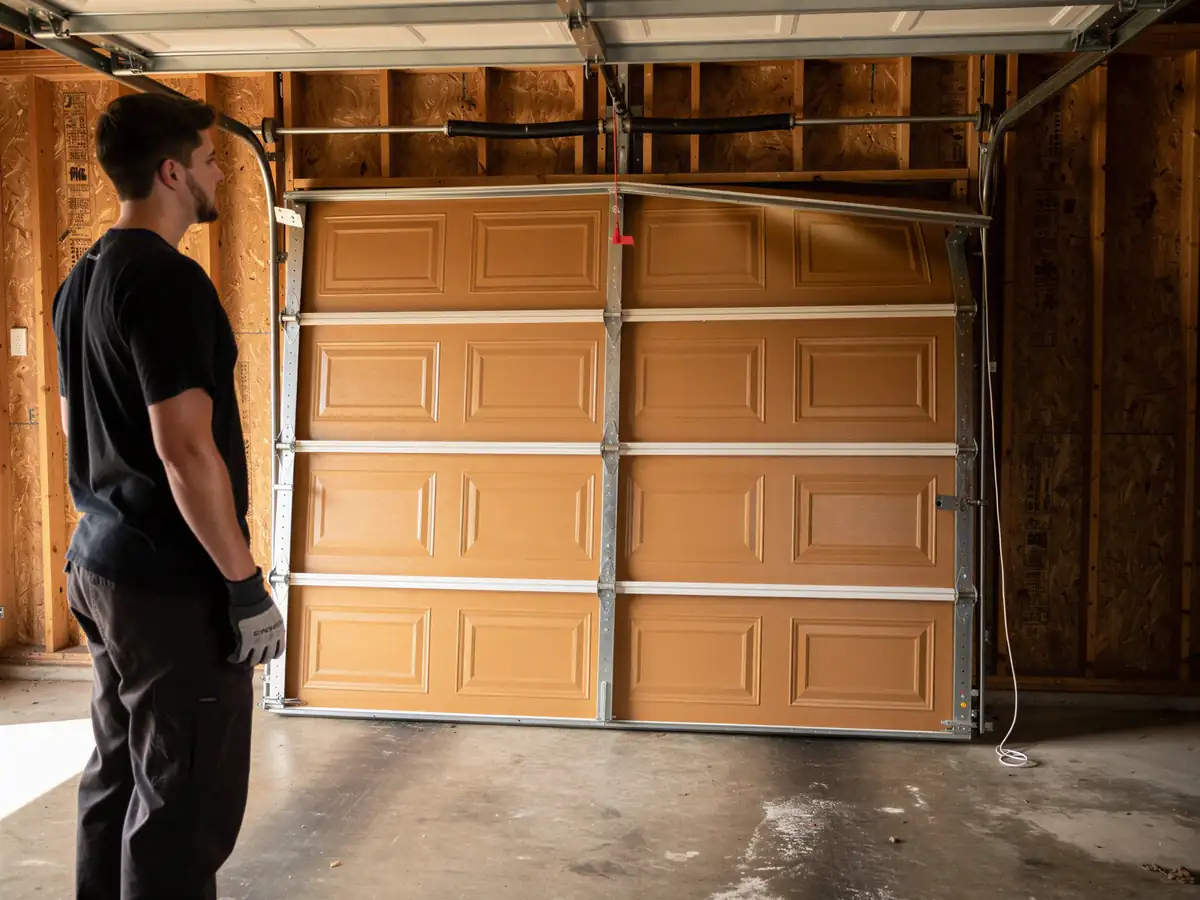
If the opening is out of square by more than an inch, if you're dealing with a double-wide door on a house from the 1973-median era where the header was sized for a lighter original door, or if the torsion spring needs replacing at all - that's a call, not a weekend project. Spring work on a door this size carries enough stored force to break a wrist or worse.
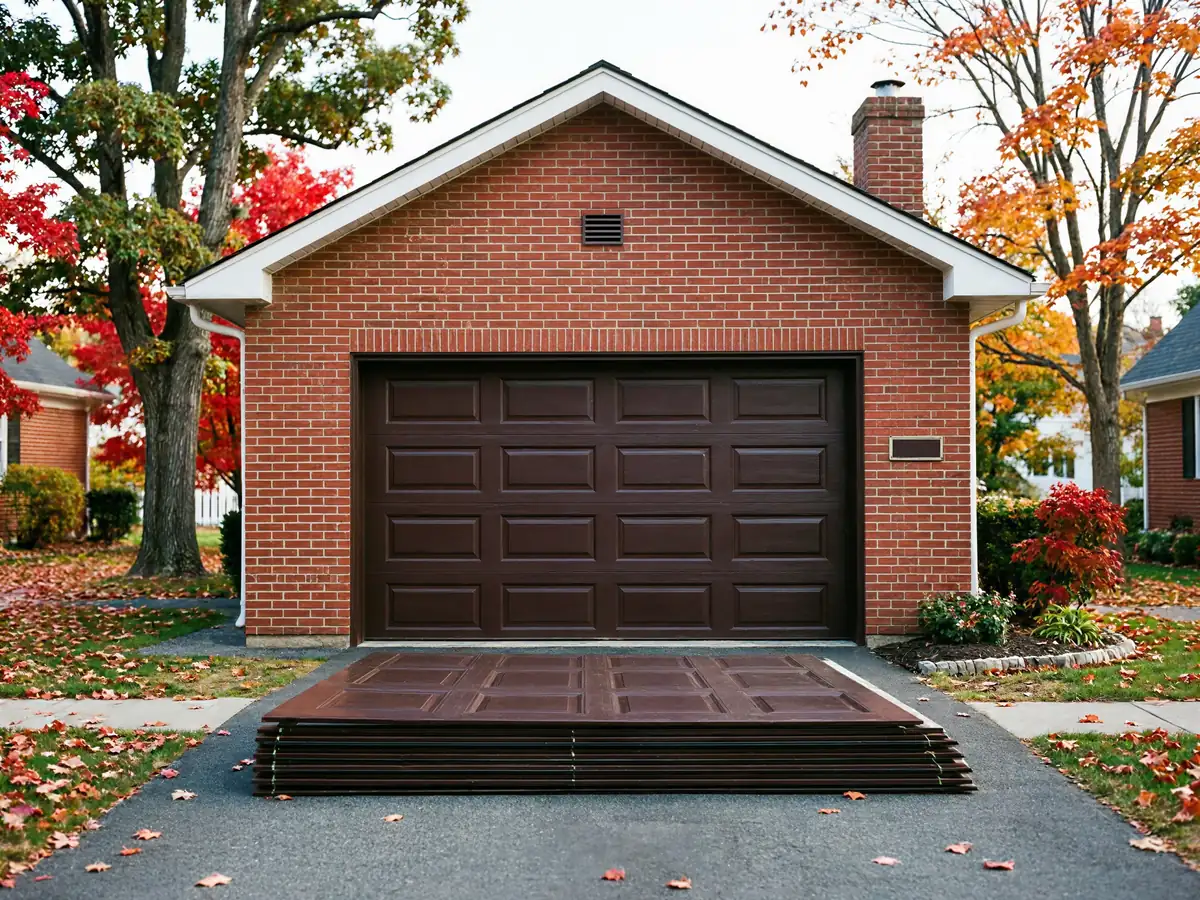
I'll also be straight about lead time: custom-width doors for the older openings common across these 43 areas aren't something that ships same-day. If your house needs a non-standard size, expect to order and wait before install day, not walk out of a store with it under your arm.
Swapping a full door and track system on a house built before today's header and jamb standards usually means some carpentry alongside the door work - reinforcing framing, not just hanging new panels. That's the point where a DIY job turns into one that needs a crew and a truck, not just a Saturday and a borrowed ratchet.