How It Shows Up
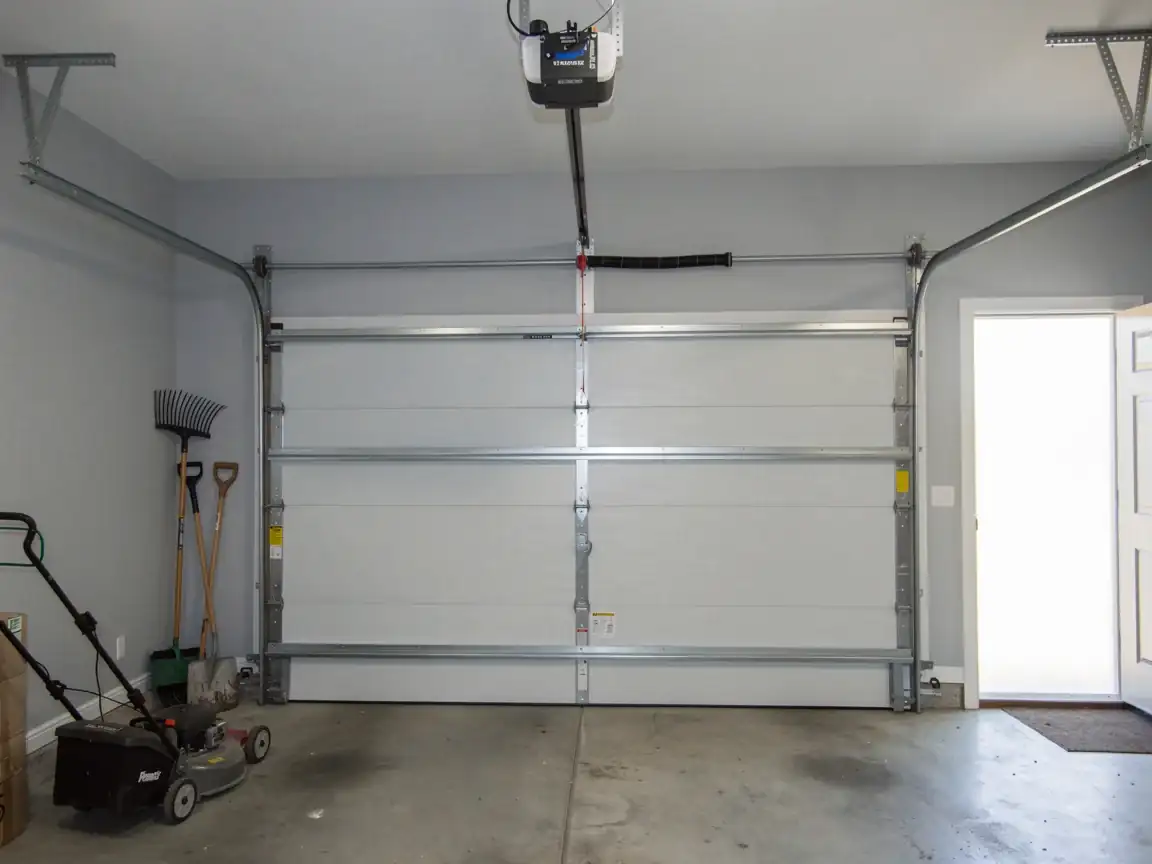
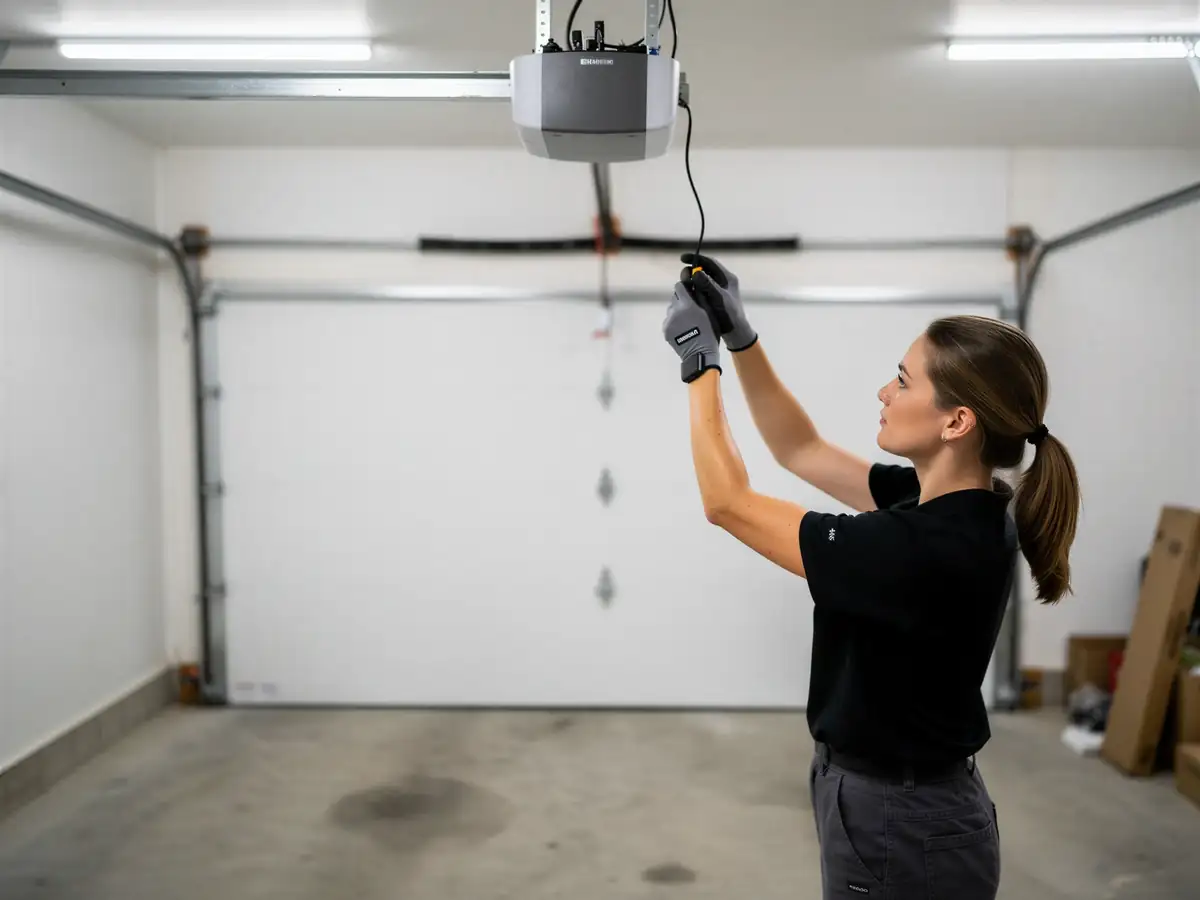
The opener doesn't fail all at once. It starts with the chain slapping against the rail, or the motor running longer than it used to before the door actually lifts. Then one morning it hums and doesn't move at all, or it reverses halfway up for no reason you can see. On older chain-drive units, the gear kit inside the motor housing wears down to plastic dust, and that's usually the point where repair stops making sense and replacement starts.
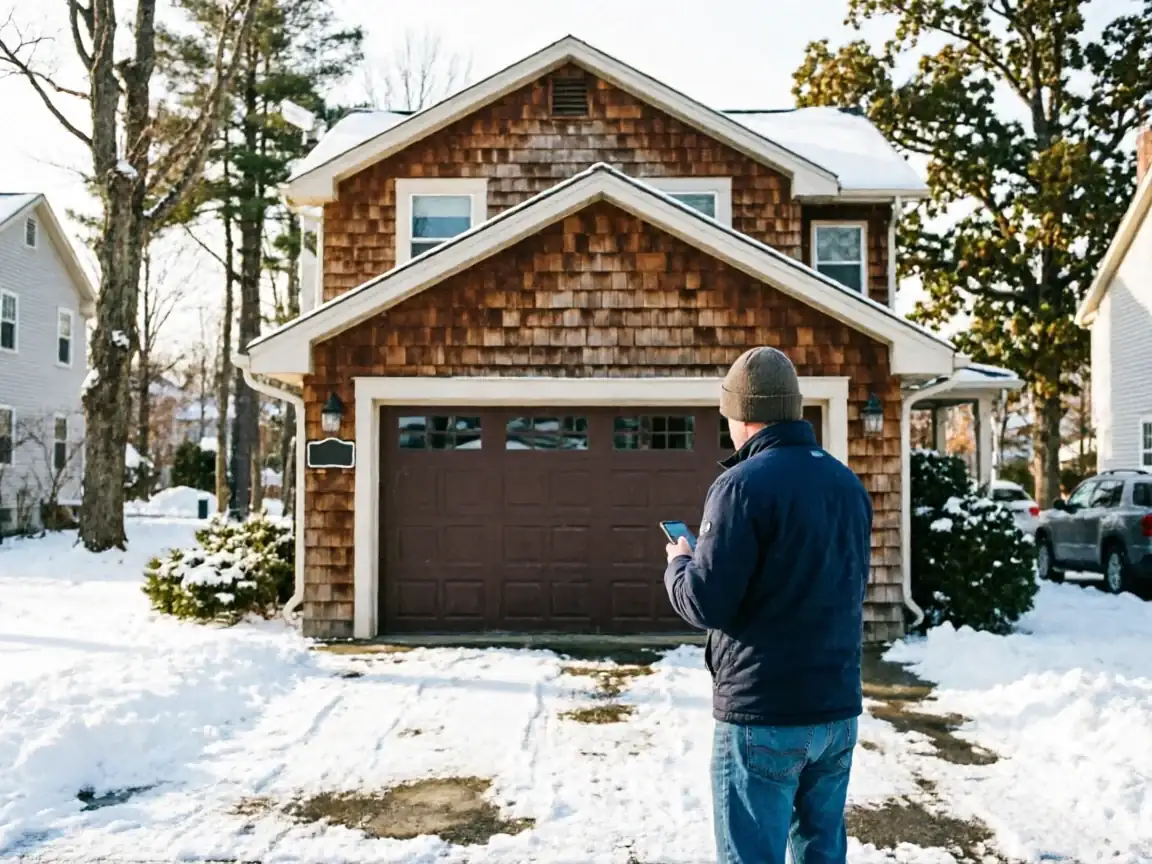
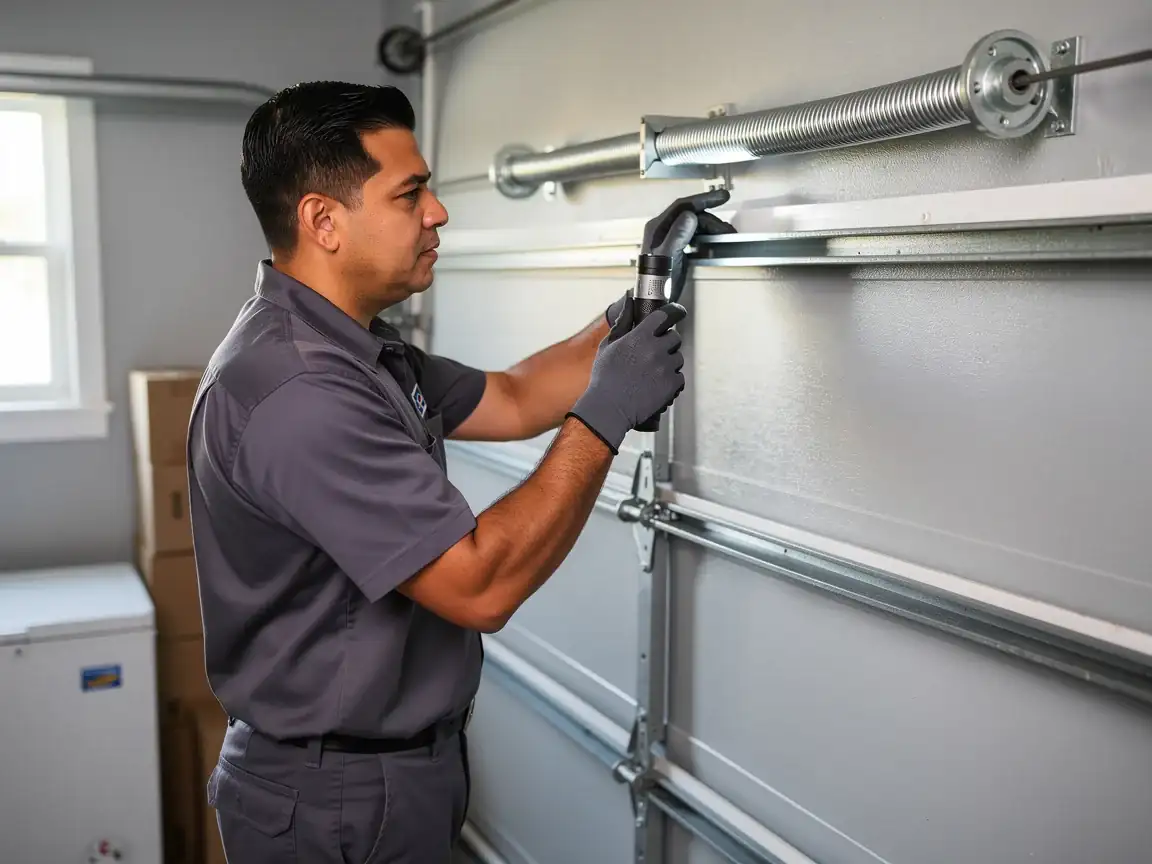
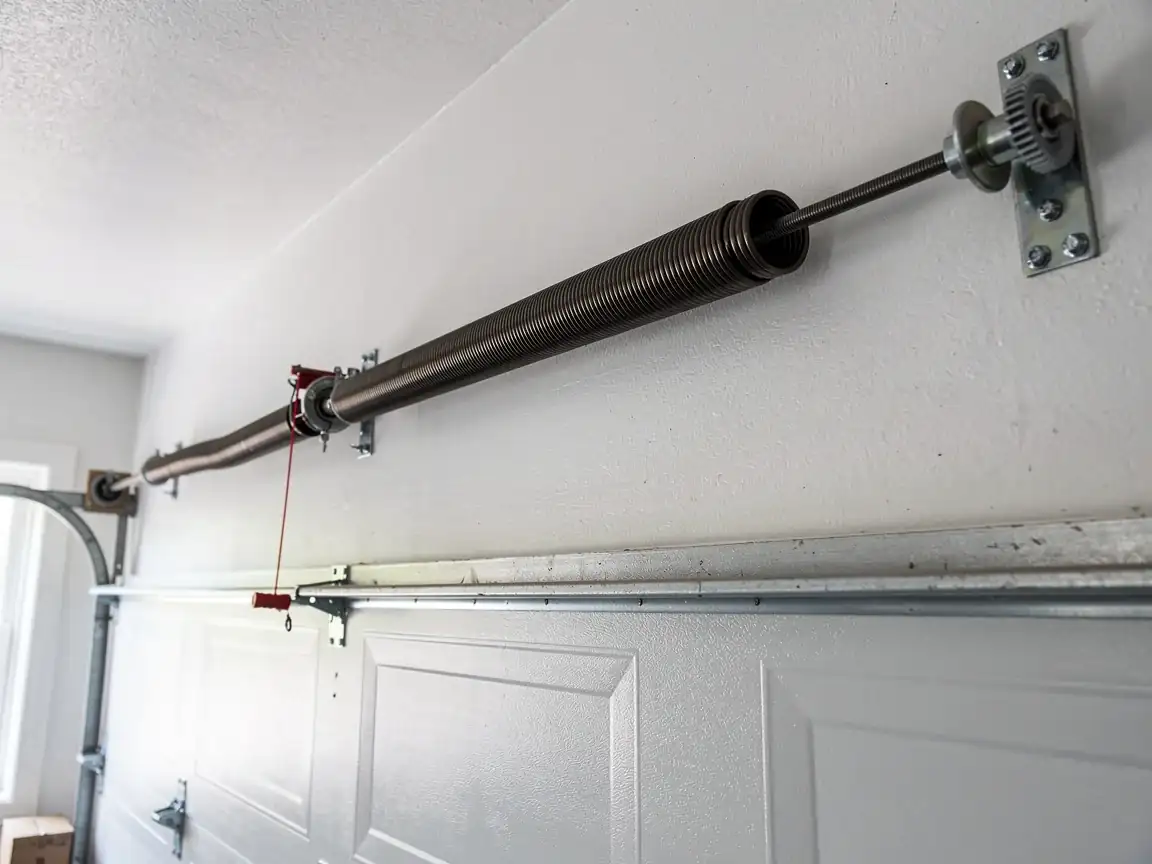
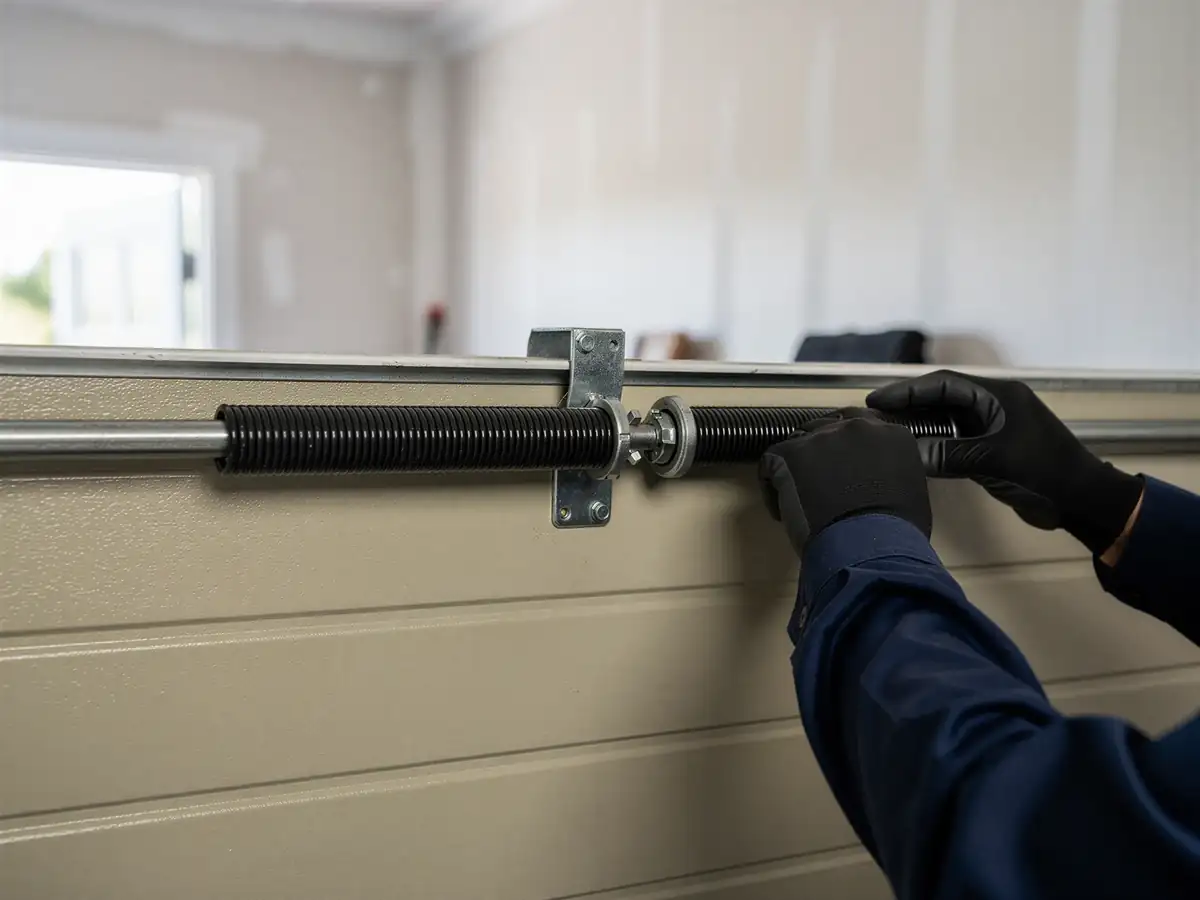
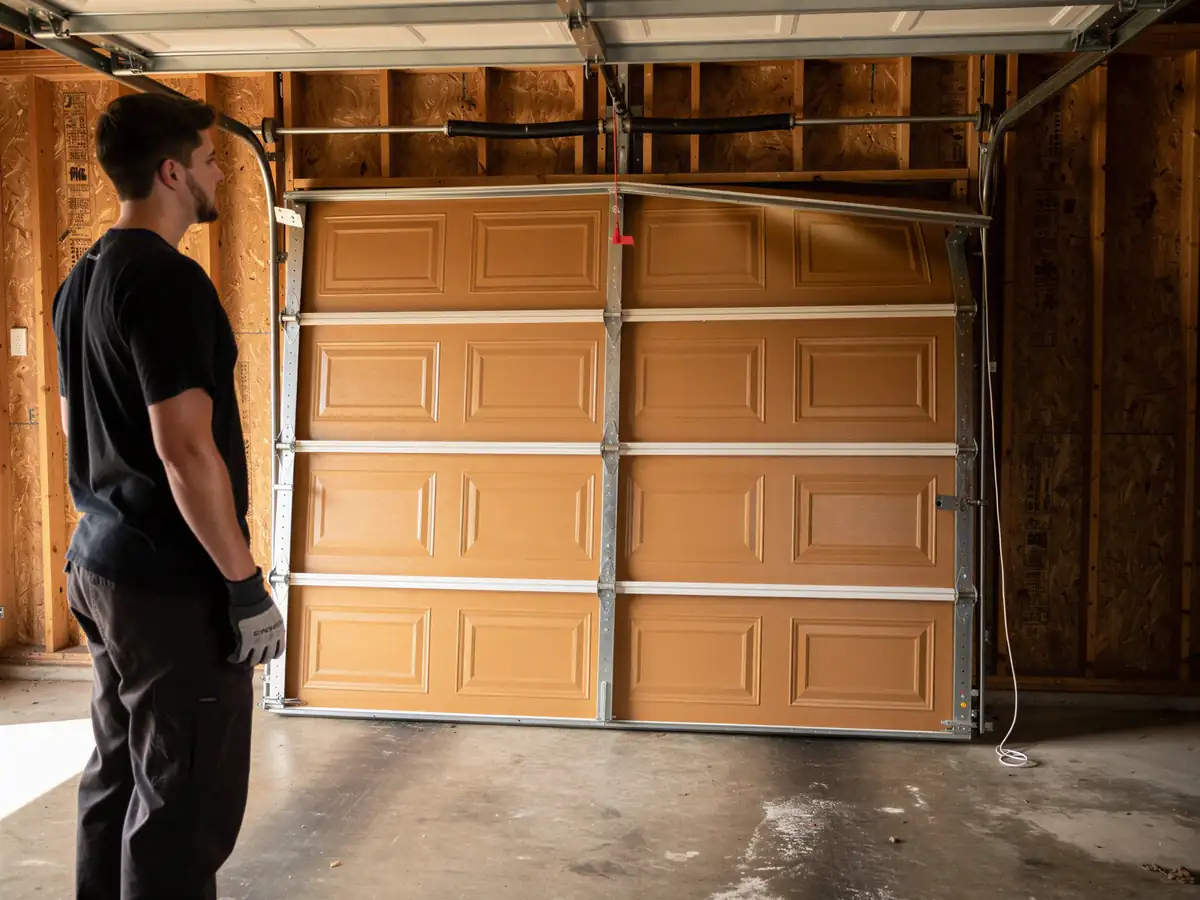
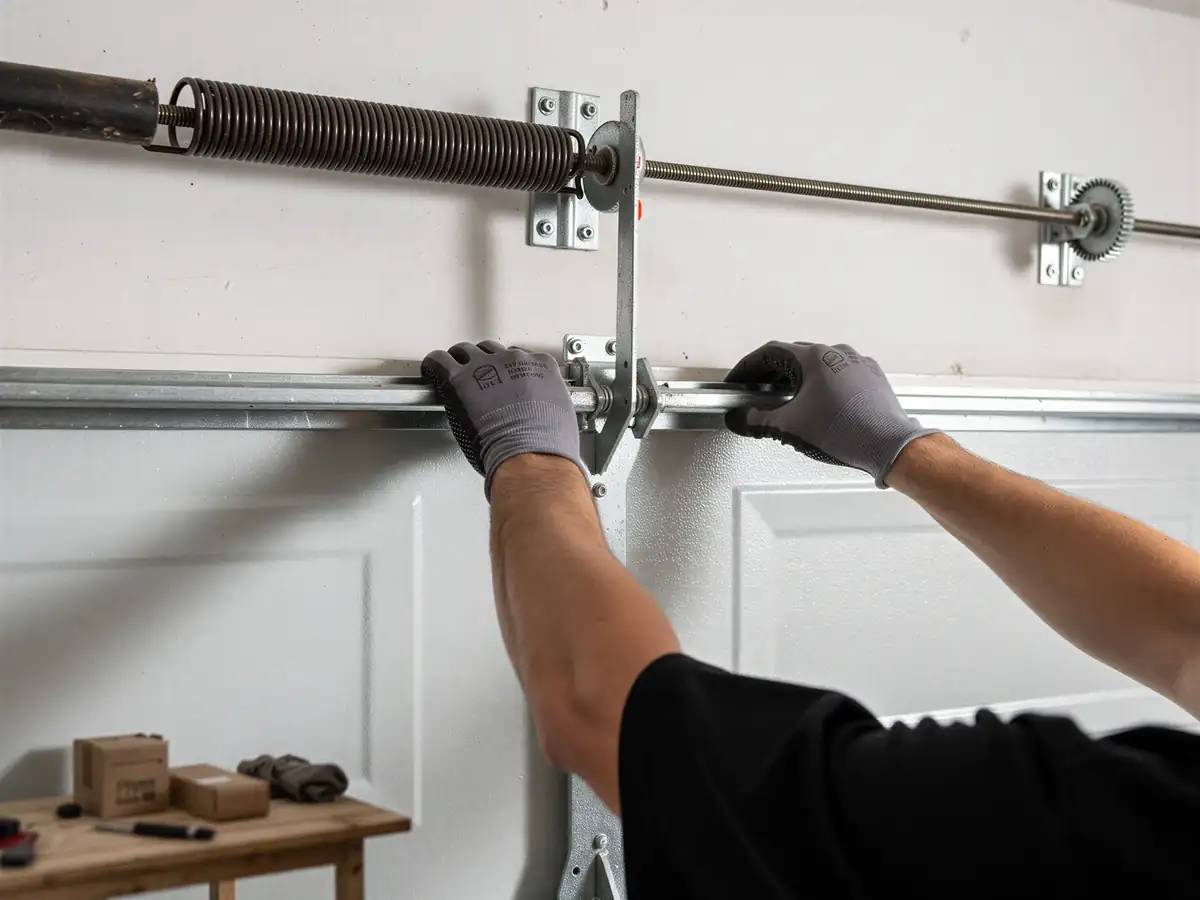
A lot of calls we get start with someone standing in the driveway, remote in hand, door stuck halfway. Sometimes it's the opener. Sometimes it's a spring or a track issue that just looks like an opener problem because the door won't respond to the button. Worth checking which one you've actually got before you buy a new unit, since a new motor won't fix a bad spring.
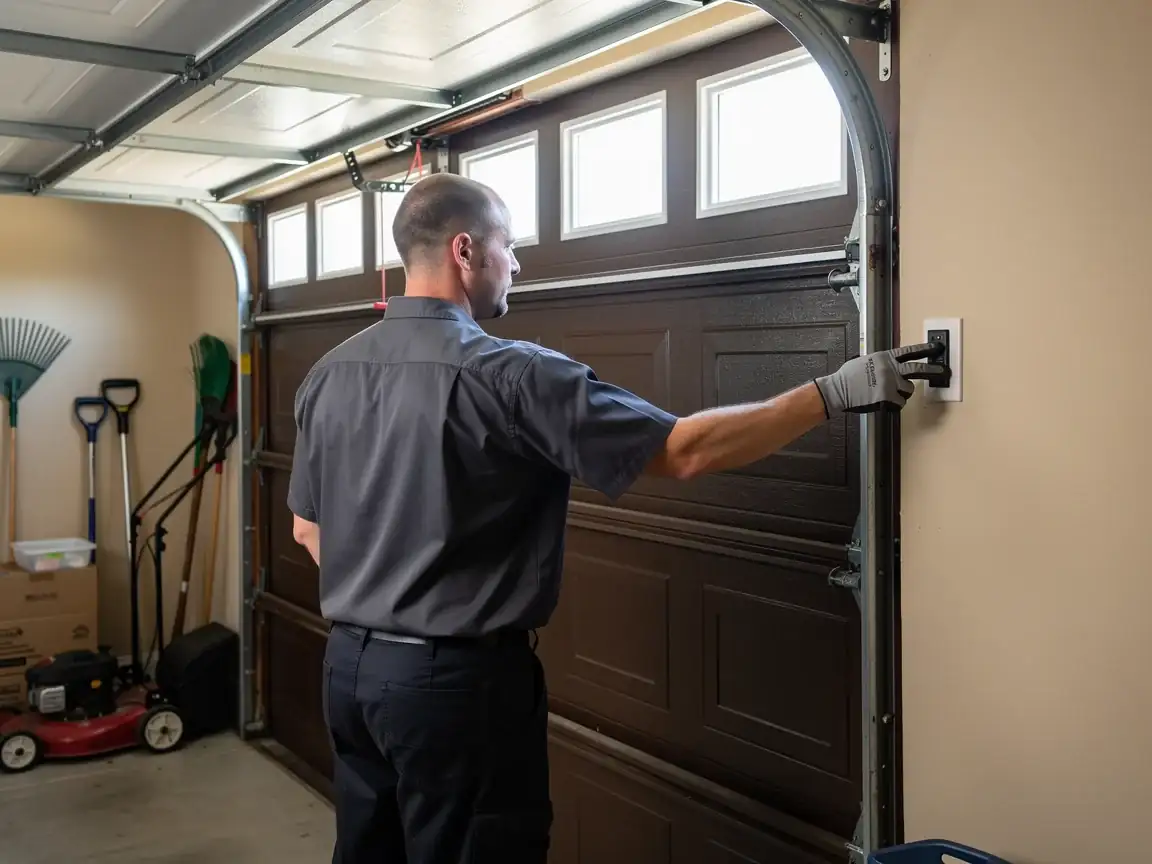
The safety sensors near the floor are another common failure point - a knocked-out-of-alignment eye will stop the door from closing at all, and on houses with the original wiring from decades back, that wiring itself can be the weak link, not the sensor.
Why It Happens Here
Housing across this area runs mostly 1938 to 1999, with the median built around 1973, and that matters for openers specifically. A house built in that window usually has its original framing and header setup, sized for the hardware of its decade - not for a modern opener's mounting bracket or rail length. Across the 43 communities in this service area, the bulk of the stock is 1960s and 70s construction, which means a lot of garages still running first- or second-generation openers nobody makes parts for anymore.
Cold is the other piece. This area sits in the severe end of the cold climate band, and that kind of winter is hard on an opener in ways people don't expect - grease in the drive gear stiffens, belt and chain tension changes with temperature swings, and a motor that's already tired has to work harder to break a door loose from a frozen seal. That's a lot of extra strain on a unit that was already at the end of its service life from age alone. Replacement in this kind of climate isn't just about convenience - it's about a motor that can actually move a heavy door on a cold morning without burning itself out.
What You Pay
We don't have a flat number to put here
Because the honest cost of opener installation depends on the unit, your door's weight, and what's already wired into your garage. What we can tell you: this area's household income runs a median of $72,842, and most of the 28,947 owner-occupied houses here are older builds, not new construction - so most installs are a swap on an existing setup, not a from-scratch wiring job. That tends to keep the work more predictable than installing into a garage with no prior opener at all.
- 28,947 owner-occupied
One limitation worth saying plainly
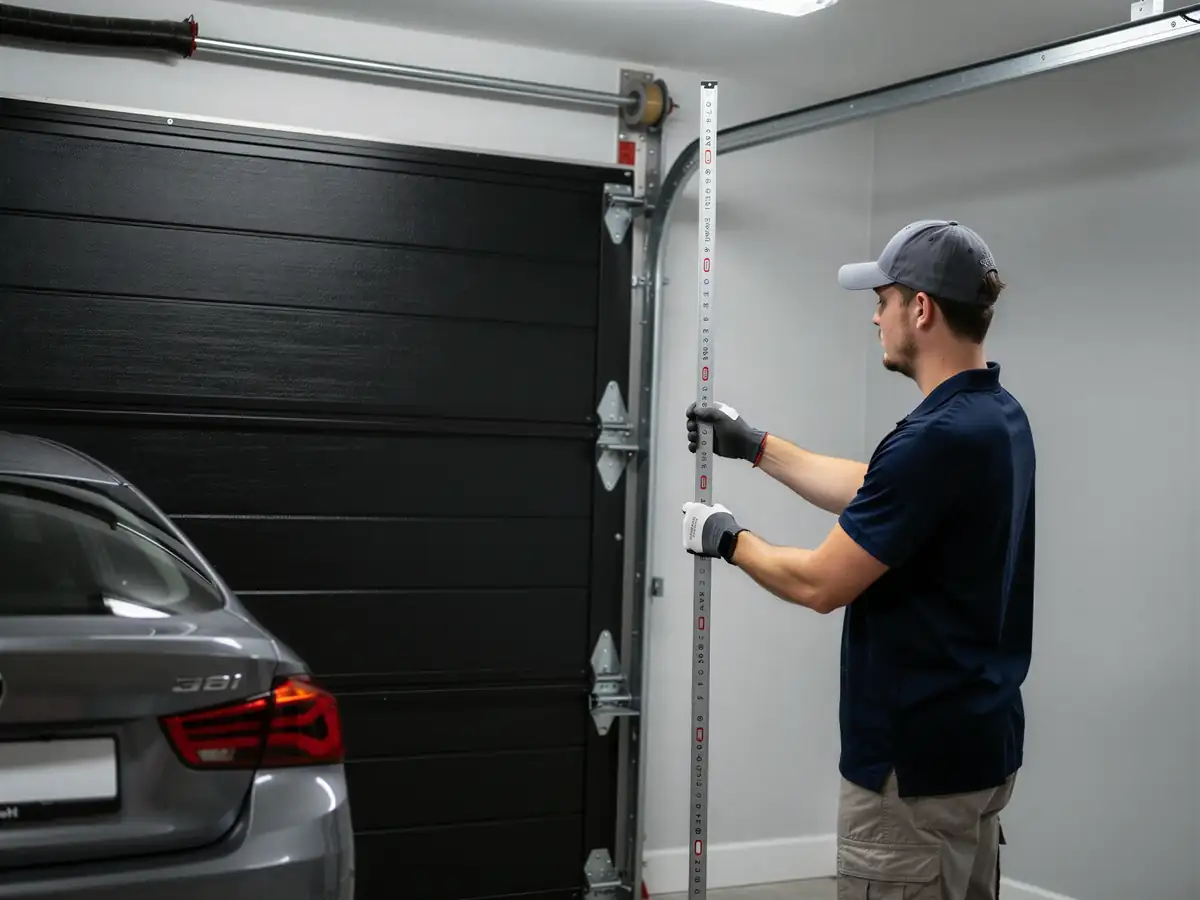
If your door itself is out of balance or the springs are undersized for the door's weight, a new opener will wear out fast no matter how good it is. We'll tell you if that's the case before we install anything, even if it means a harder conversation than just selling you a motor.
Getting It Booked In
With 45,835 households across this service area and a lot of homes sharing the same era of construction - places like Oak Hills, Meridian, and Shanor-Northvue a few miles out, or Saxonburg and Zelienople further afield - we see the same opener failures repeat across the whole region, not just in one neighborhood. That's part of why this page covers the service broadly rather than promising something specific to a street we haven't seen.
When you call, tell us the age of the house if you know it and whether the door itself moves smoothly by hand with the opener disconnected. That one detail alone tells us a lot before we even get a truck out. From there we'll talk through what unit makes sense for your door size and garage setup, and get a day on the books.