What We Do Most in This Area
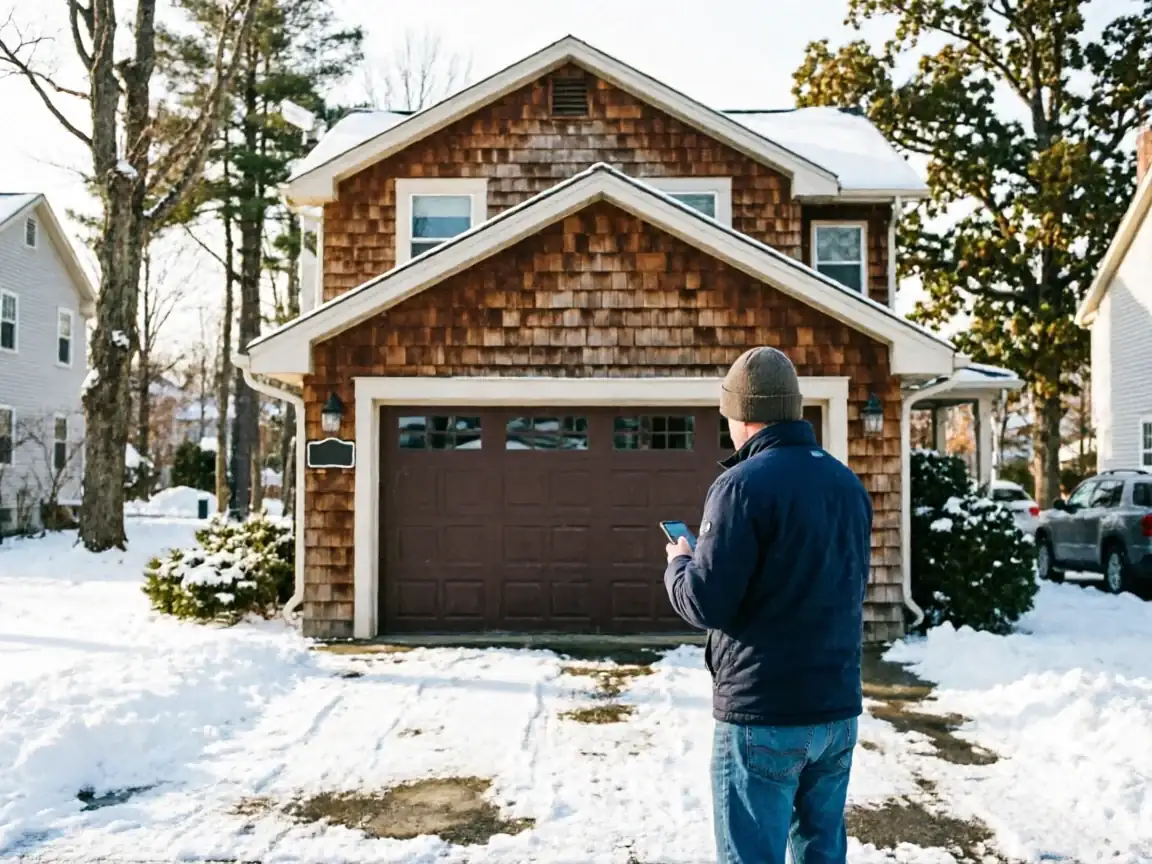
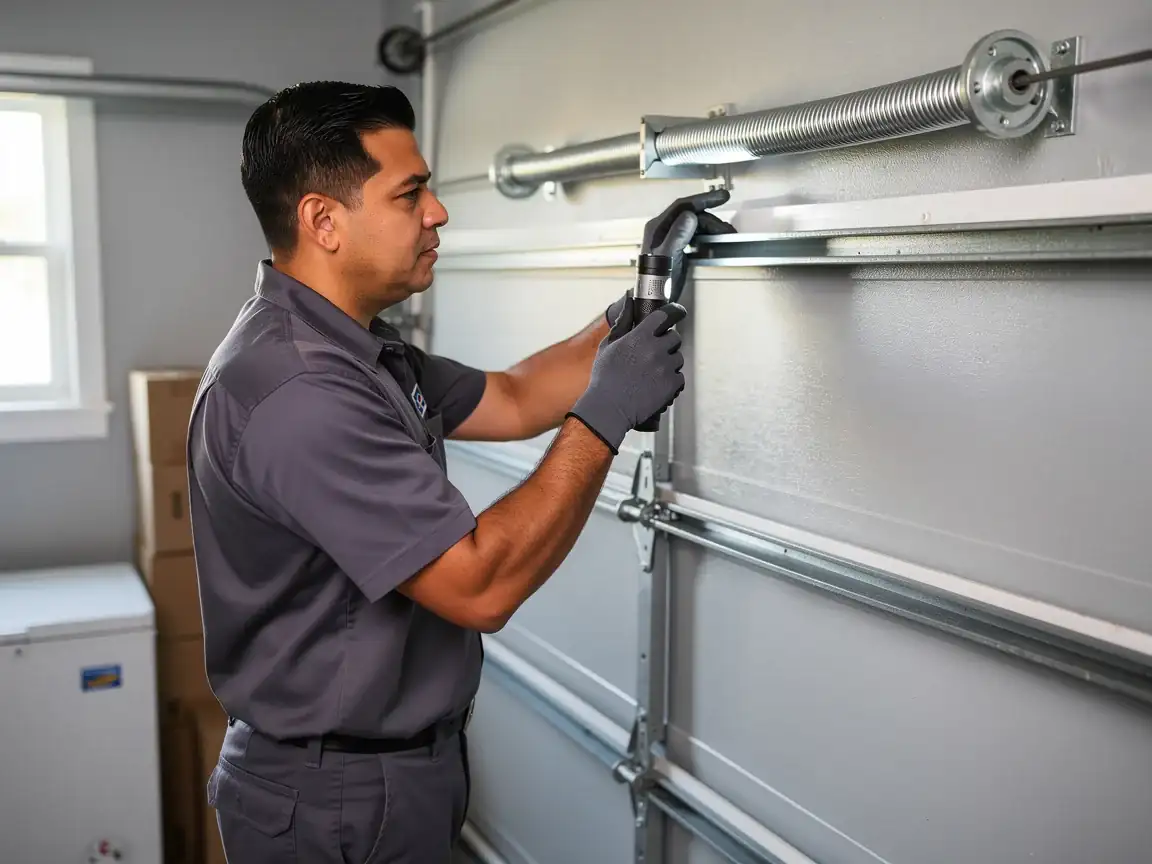
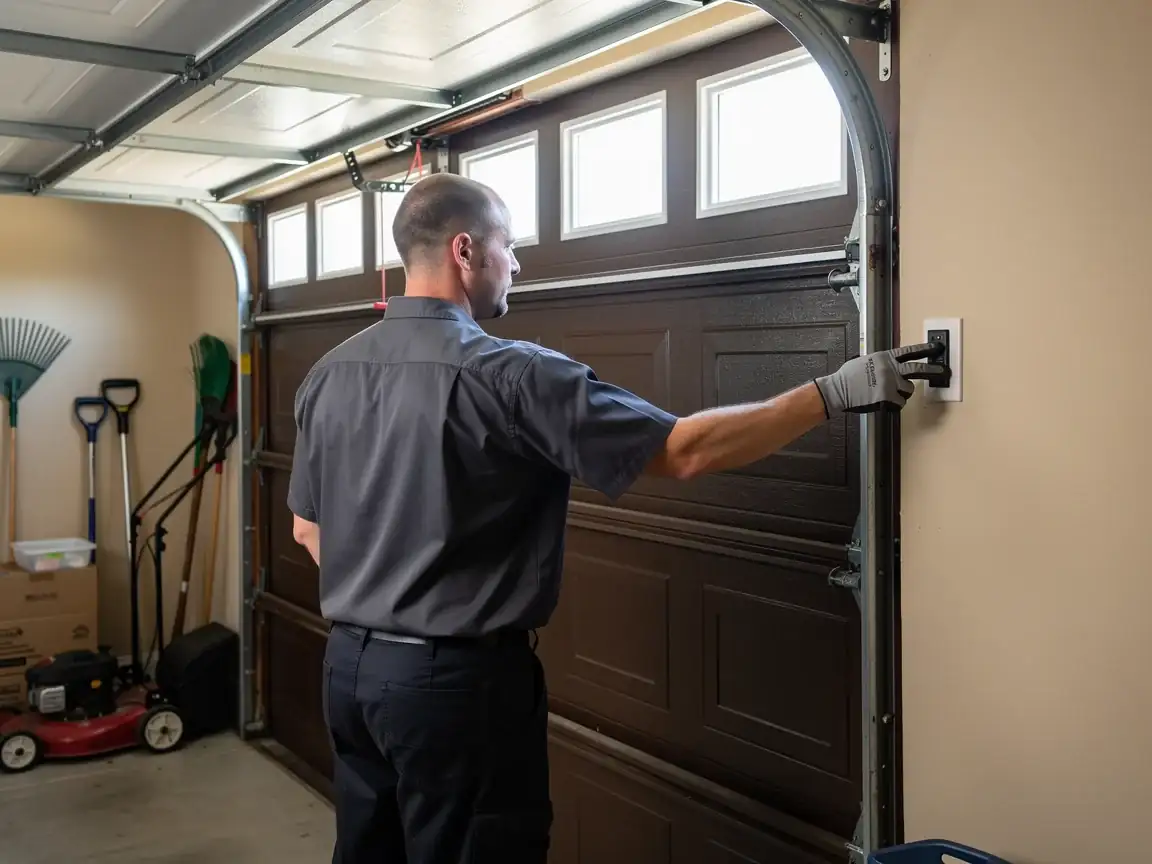
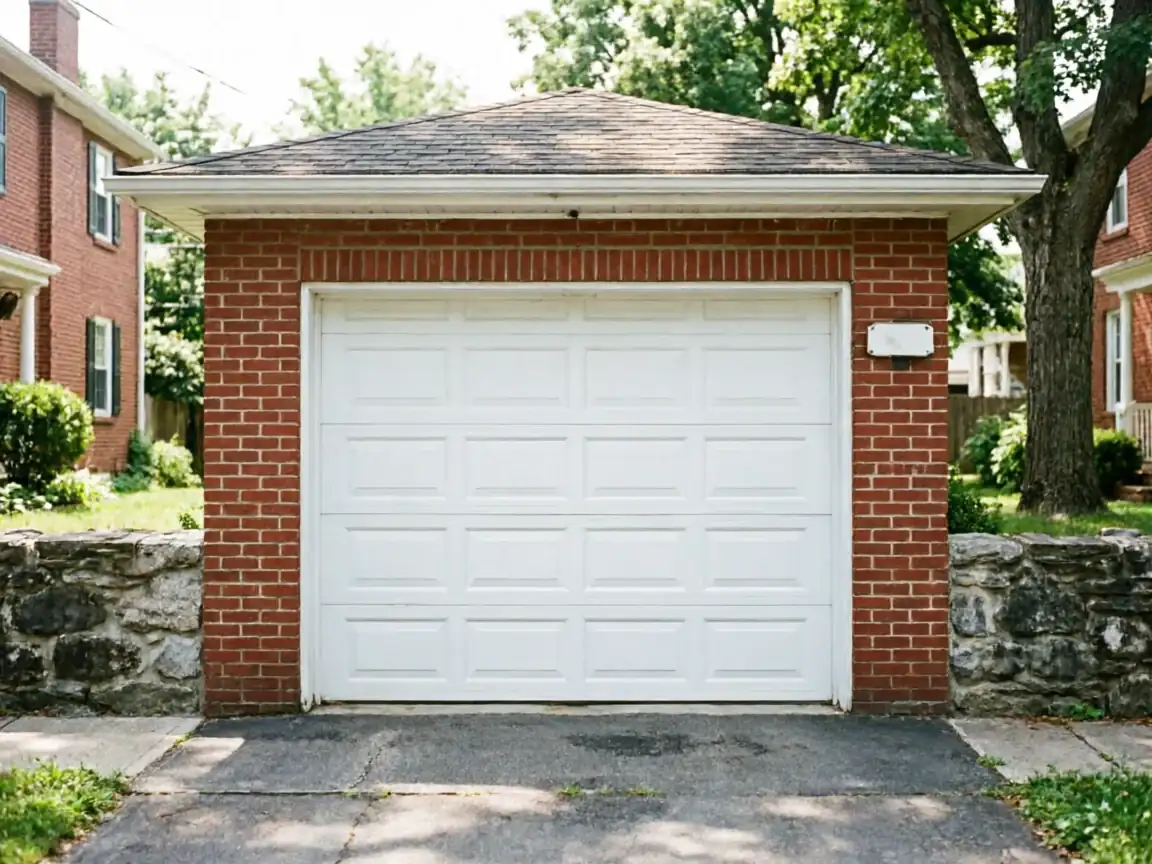
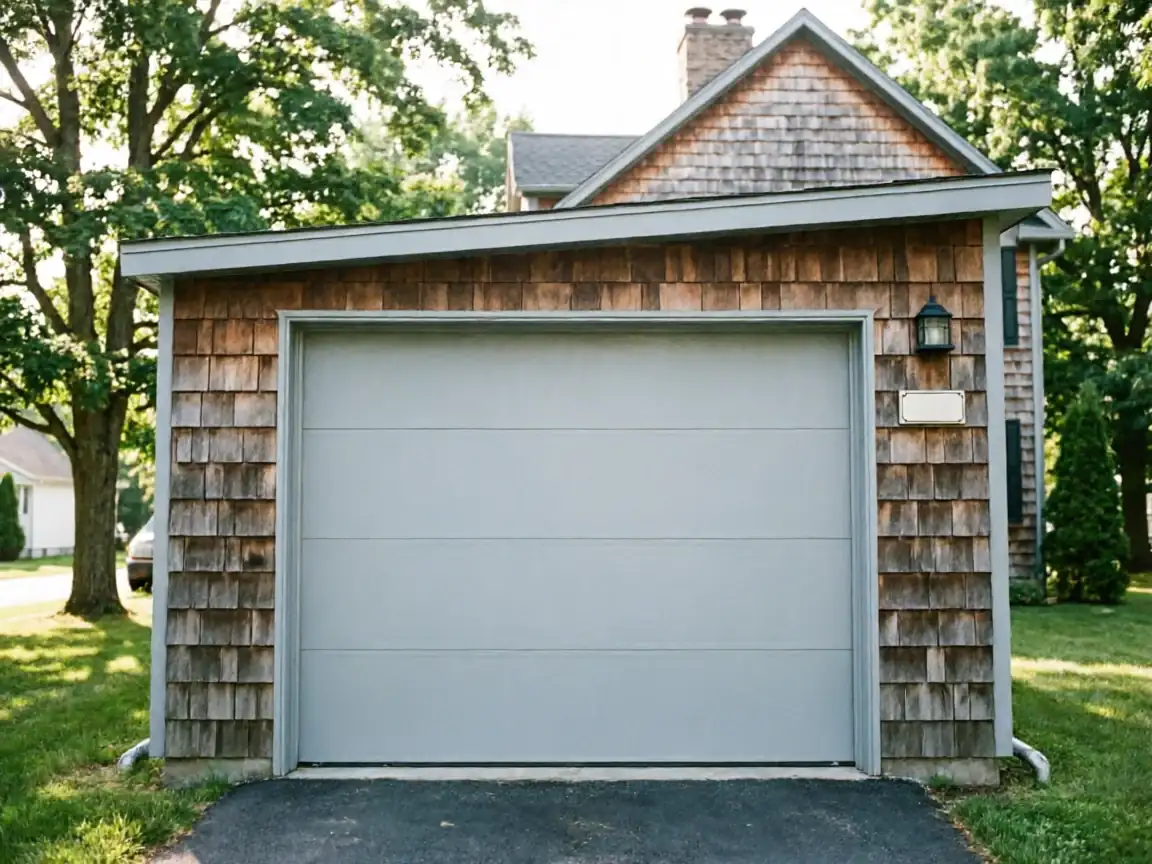
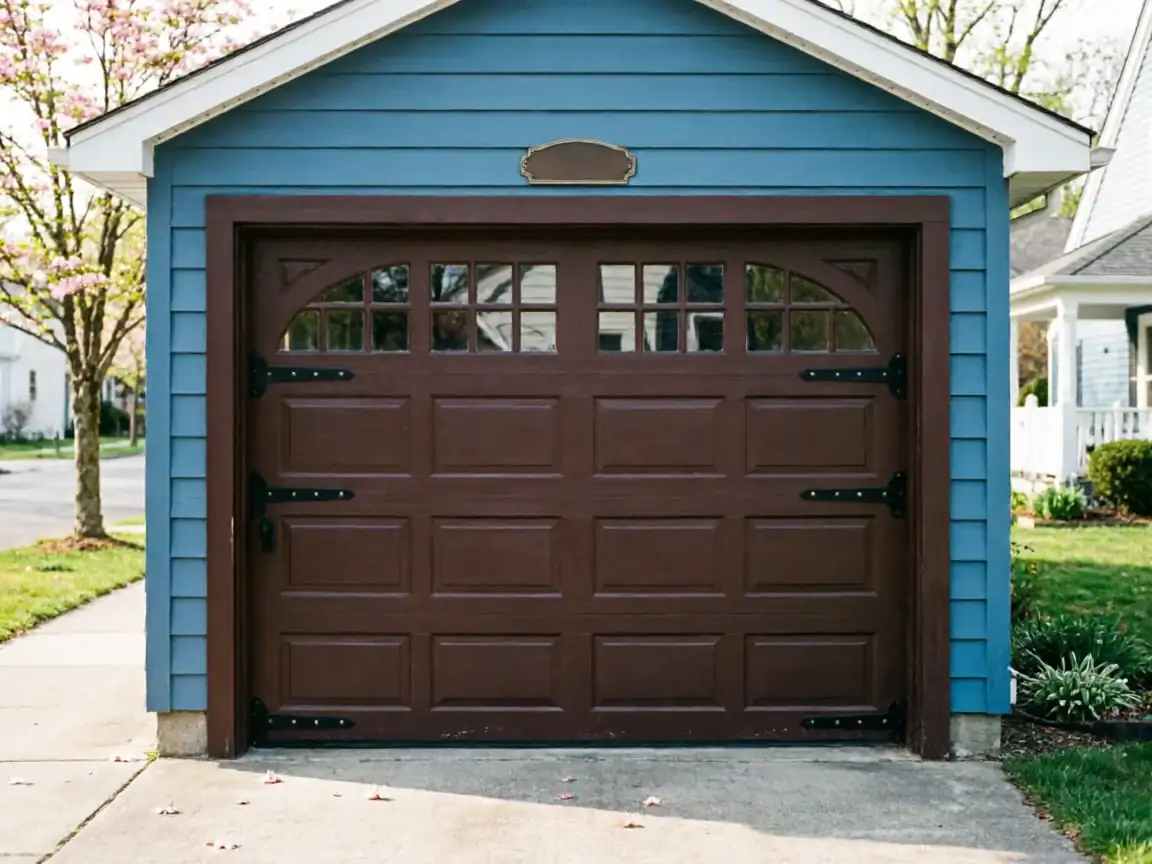
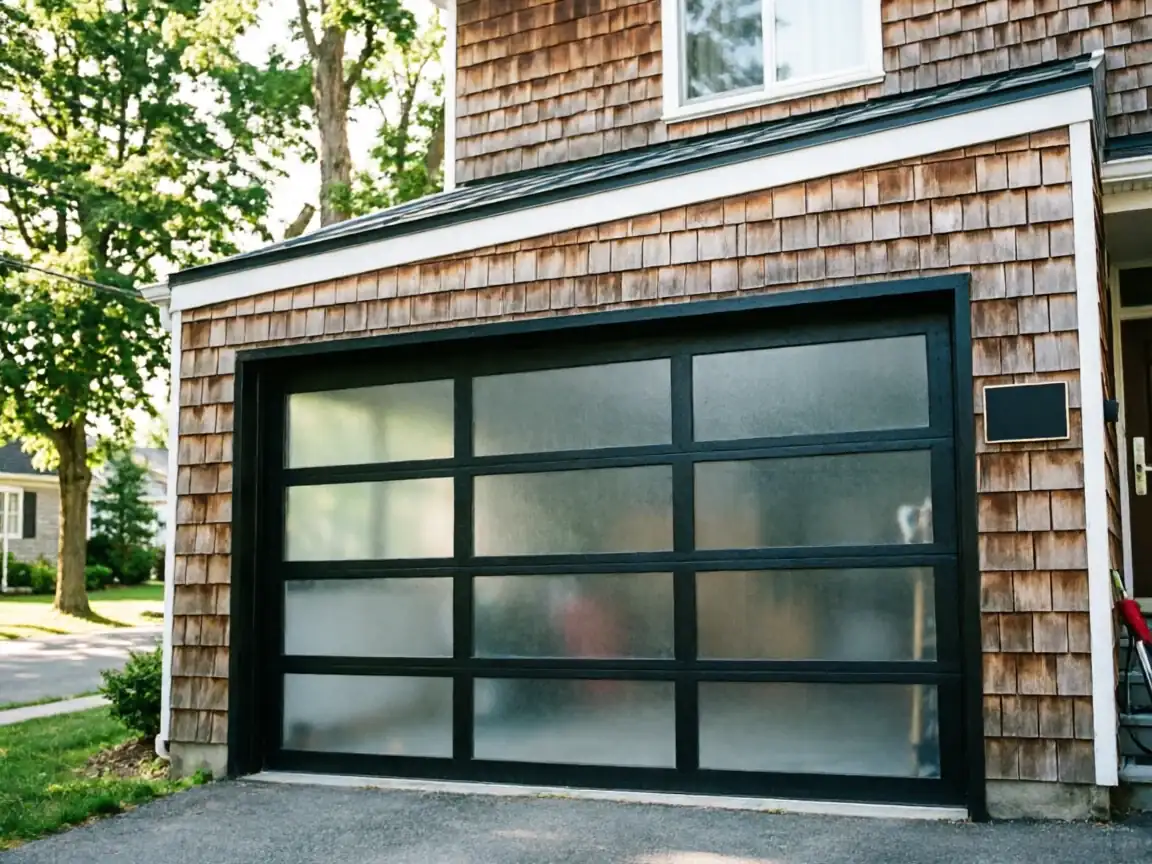
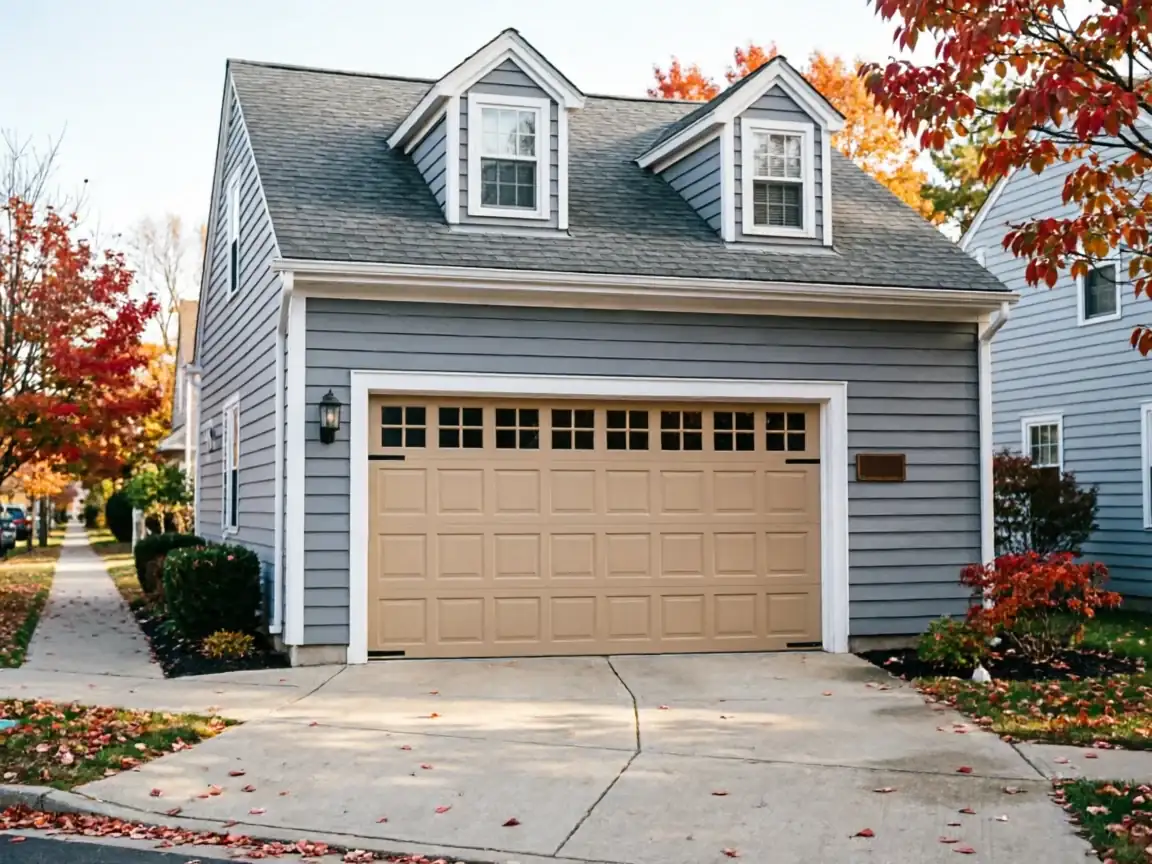
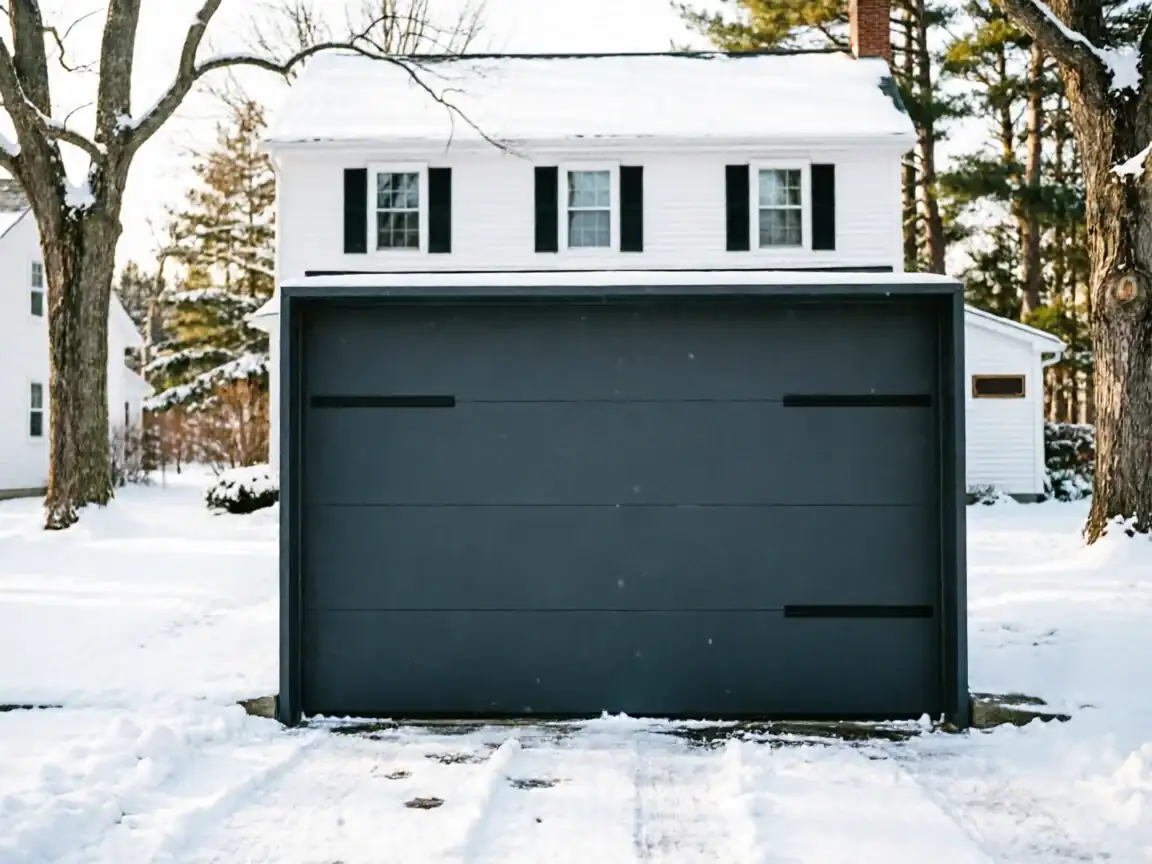
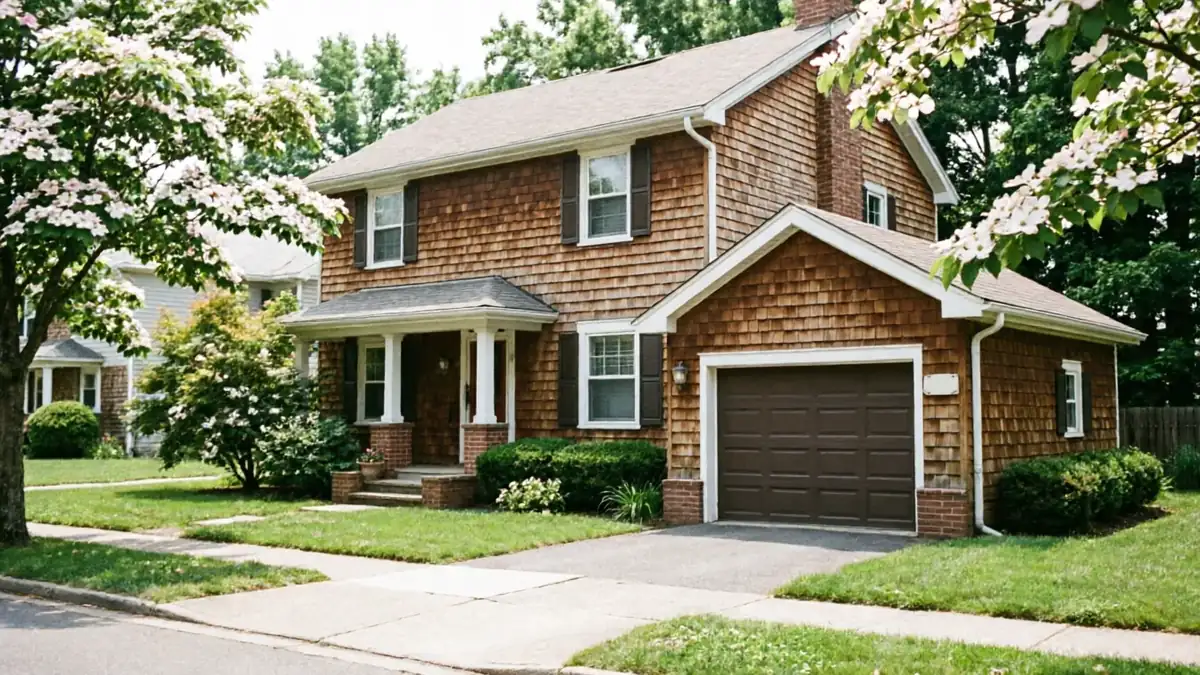
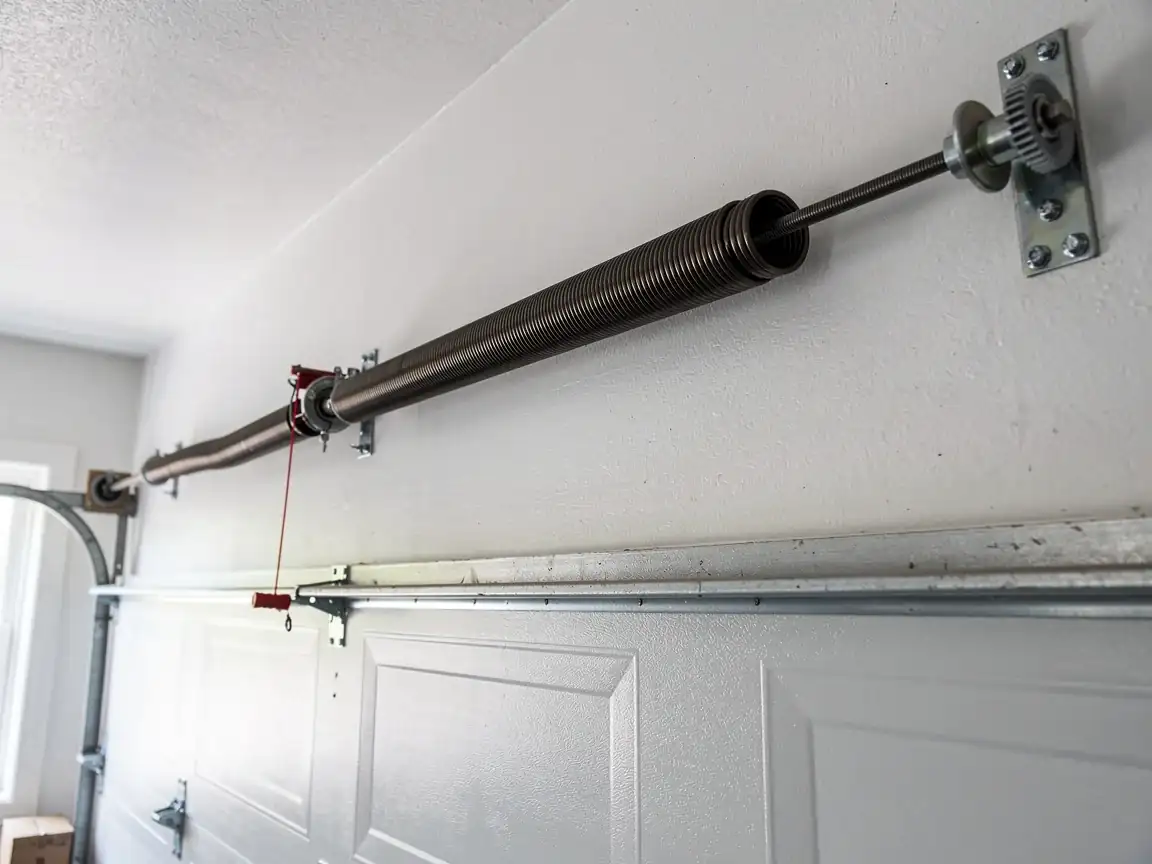
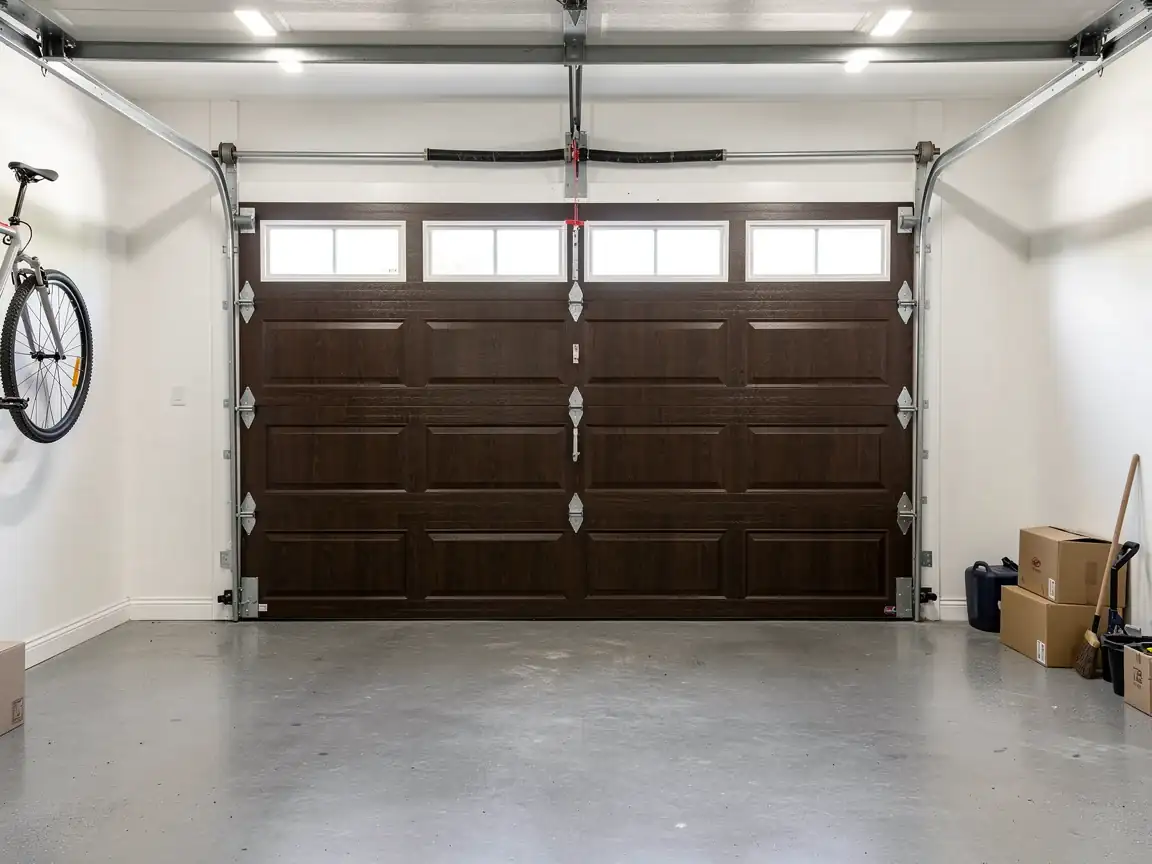
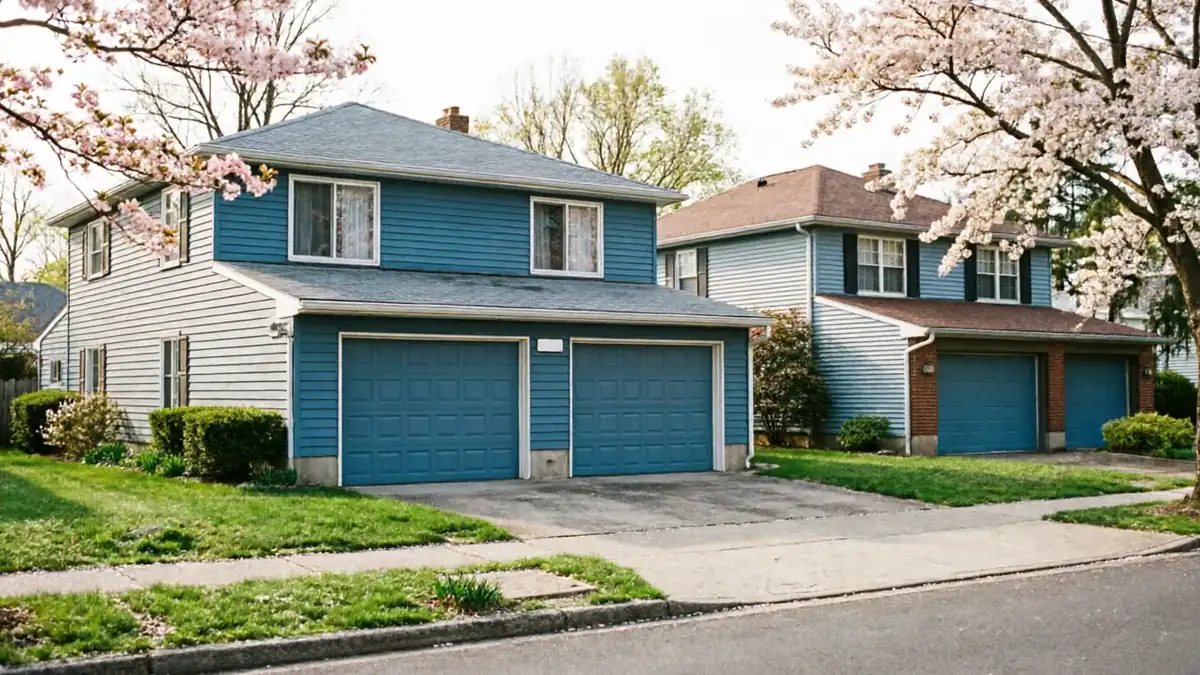
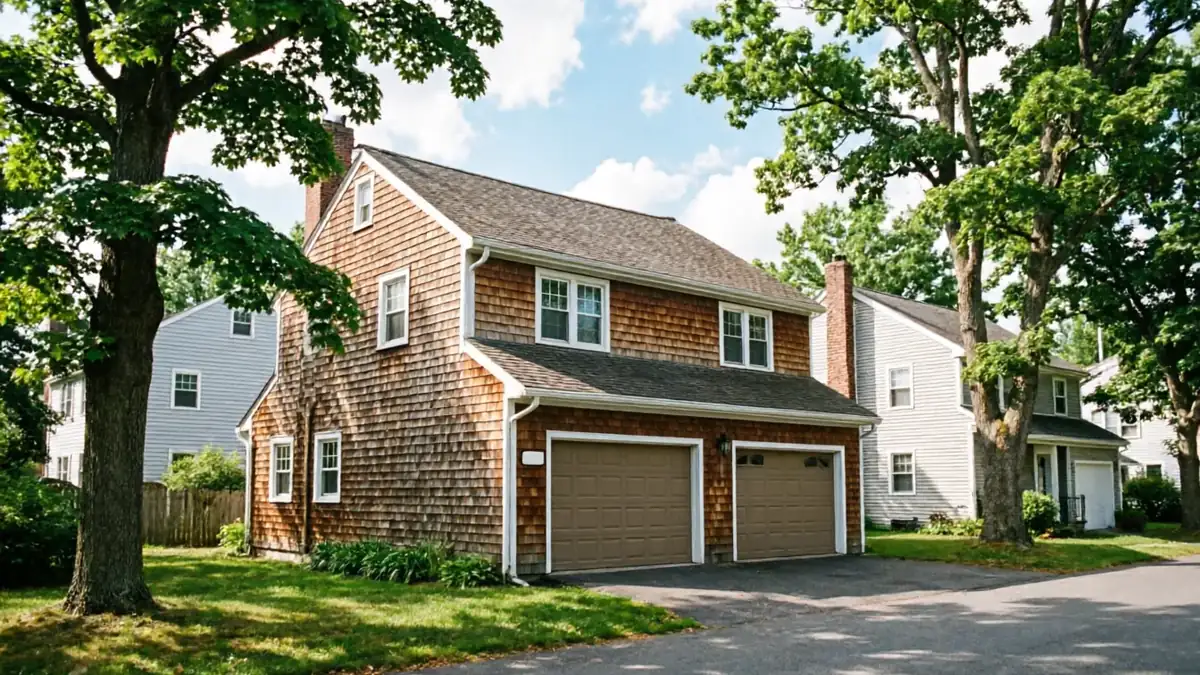
The median house in Shanor-Northvue went up around 1974, which puts most garages here on original or first-replacement torsion systems that are now pushing fifty years old. That's the call we get most from this side of Butler: a torsion spring that finally gives out after decades of winter cycling, or an opener from a later retrofit that's grinding instead of lifting. Because the area's build year sits right at the tail end of the wider region's 1938-1999 housing span, you get a mix - some houses still running the steel panel doors that came standard in the mid-70s, others with openers swapped in during the 90s or 2000s. We see fewer of the oldest wood-panel doors here than in older pockets of the service area, and more mid-weight steel doors with standard-width tracks. Roller wear and cable fraying on 45-to-50-year-old hardware is common; outright structural failure of the door itself is less so, since steel holds up better than the wood doors from earlier decades. If your door is original to a 1970s build, the spring and cable are the parts most likely to need attention first, not the panels.
What the Housing Means for Your Door
A 1974 build year means your garage was likely designed around a single torsion spring and a chain-drive opener, not the dual-spring or belt-drive setups common in newer construction. That's not a flaw - it's just the standard of the era - but it does mean parts and spring sizing have to match what's actually on the house, not what's sold as a universal fit at a box store. The area sits in a cold-climate zone with severe winter conditions, and metal fatigue in springs accelerates with repeated cold-to-warm cycling, which is part of why spring failure shows up more here than in milder regions. Household income in Shanor-Northvue runs higher than the service-area median, and we mention that only because it tends to mean owners replace a worn opener or a damaged door section rather than patch it repeatedly - something worth knowing if you're deciding between a repair and a full swap. One limitation worth saying plainly: if your opener is original to the house, we may not be able to source an exact replacement motor, and a full opener swap is sometimes the more honest answer than chasing a discontinued part.
This Area's Housing
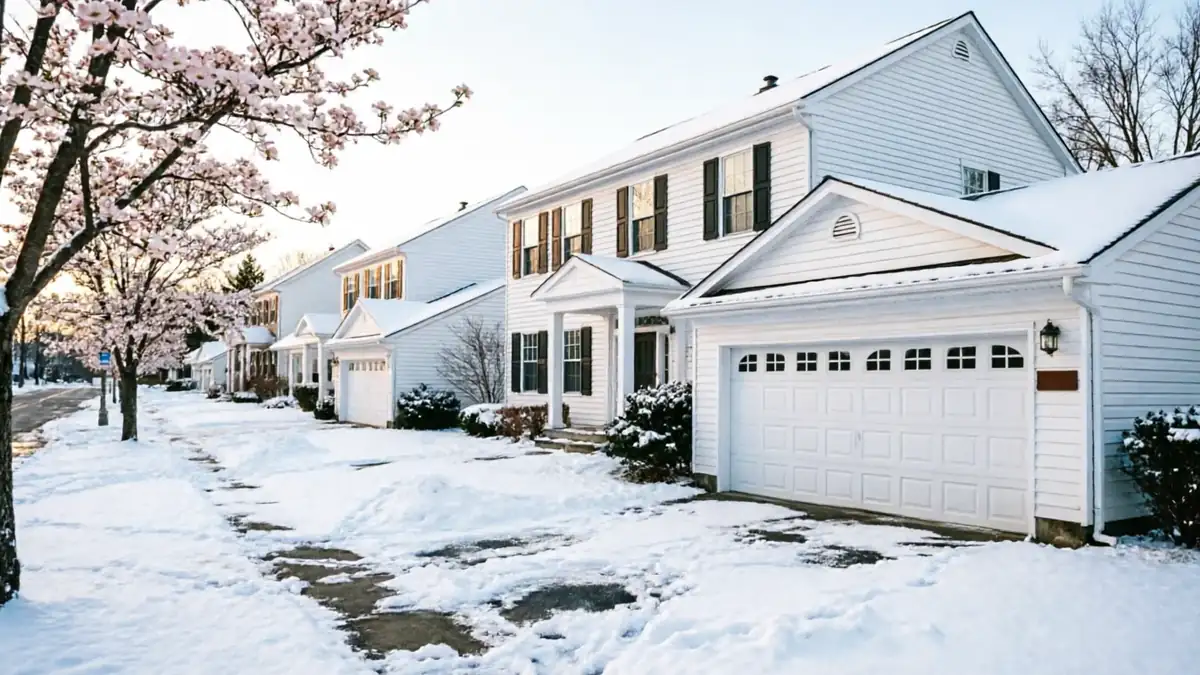
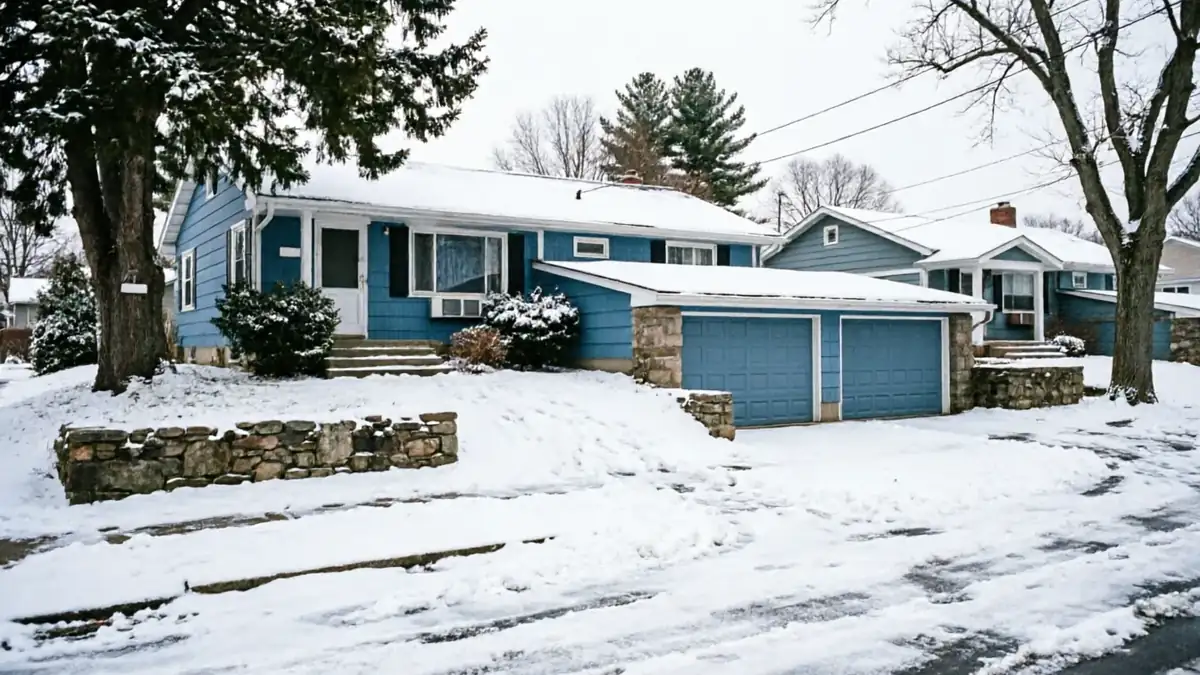
Shanor-Northvue has roughly 2,194 households, smaller than many of the surrounding named areas in the wider Butler service territory, and its median household income of $98,878 runs well above the service-area median of $72,842. That gap matters less for how we diagnose a door and more for what homeowners here tend to choose once we do: full opener and door replacements are more common here than patch repairs, compared to older or lower-income pockets of the region. The 1974 median build year places Shanor-Northvue near the newer end of the area's overall 1938-1999 housing range, which runs with a median closer to 1973 region-wide. In practice, that means fewer of the original wood-slab doors still in service and more steel doors on torsion hardware that's reaching the end of a normal lifespan. The severe cold-climate rating that applies across the broader area applies here too - the hardware wears the same way regardless of income or house value, since cold is cold on a steel spring either way.