Parts We Carry
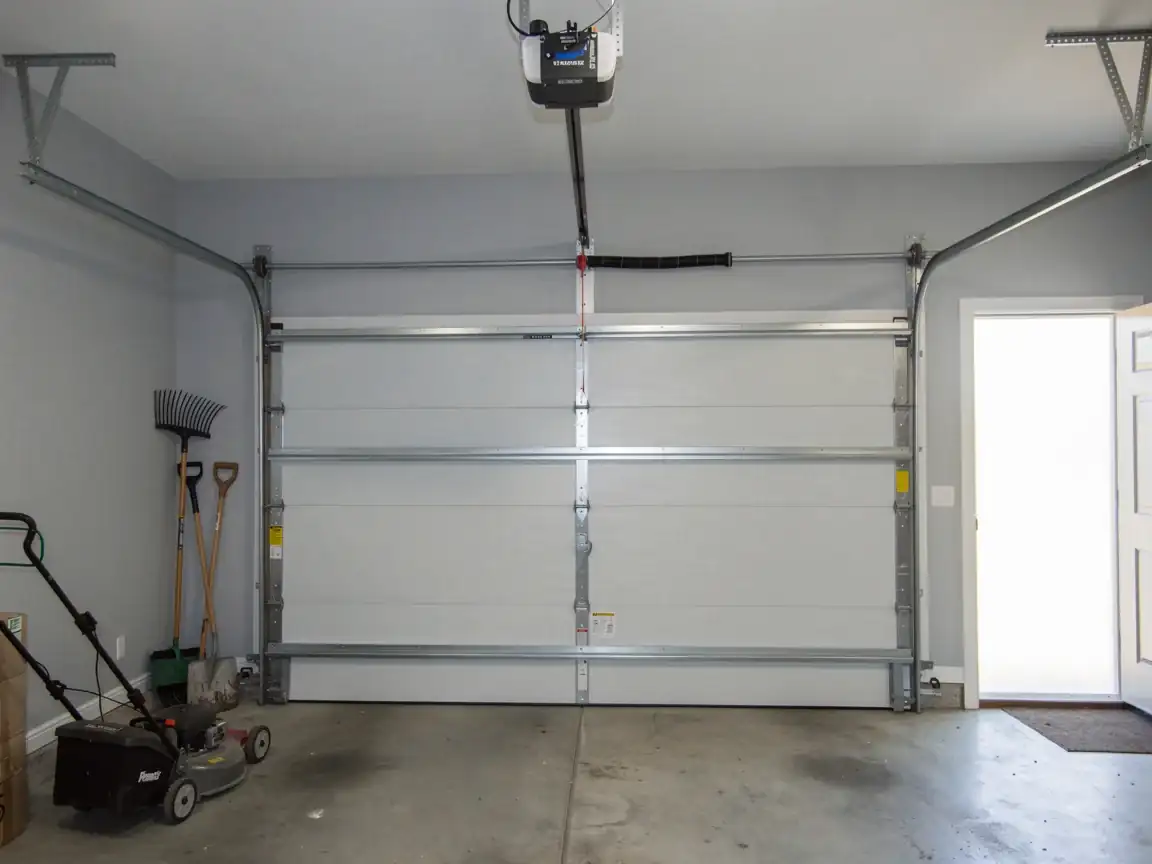
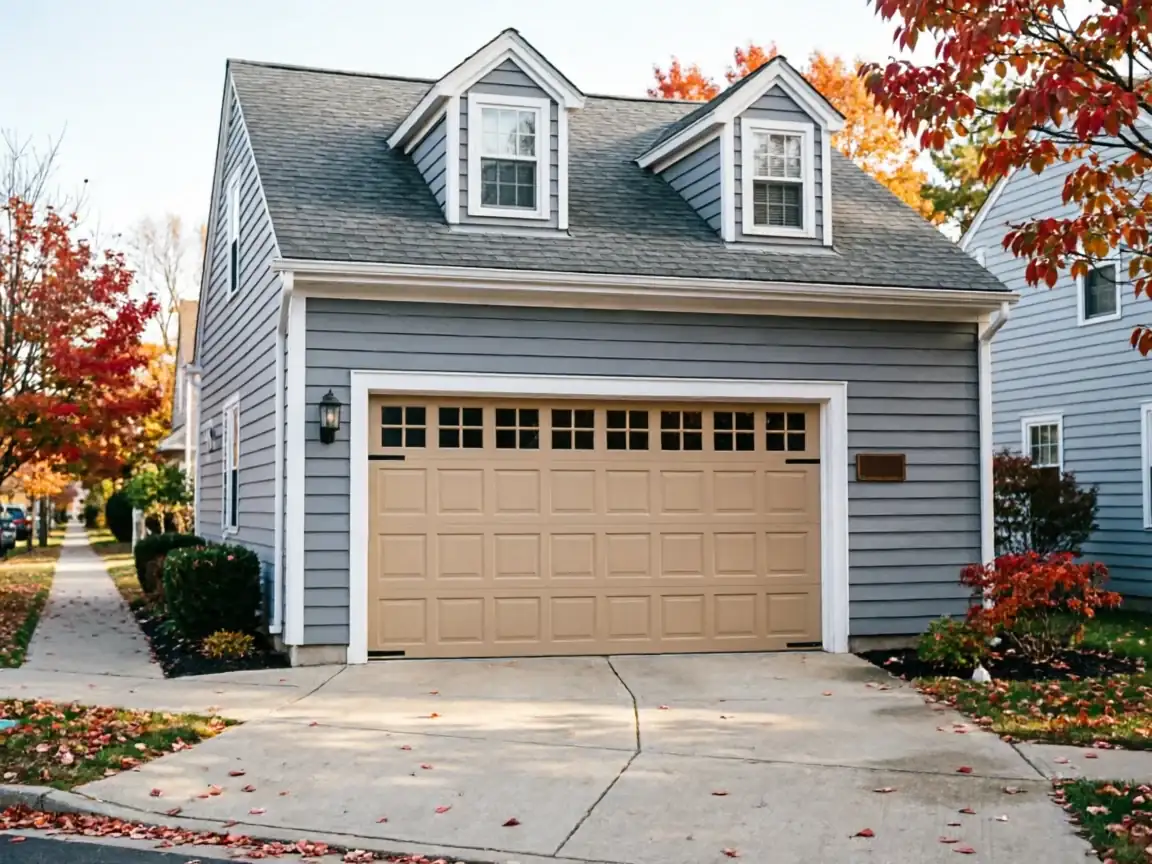
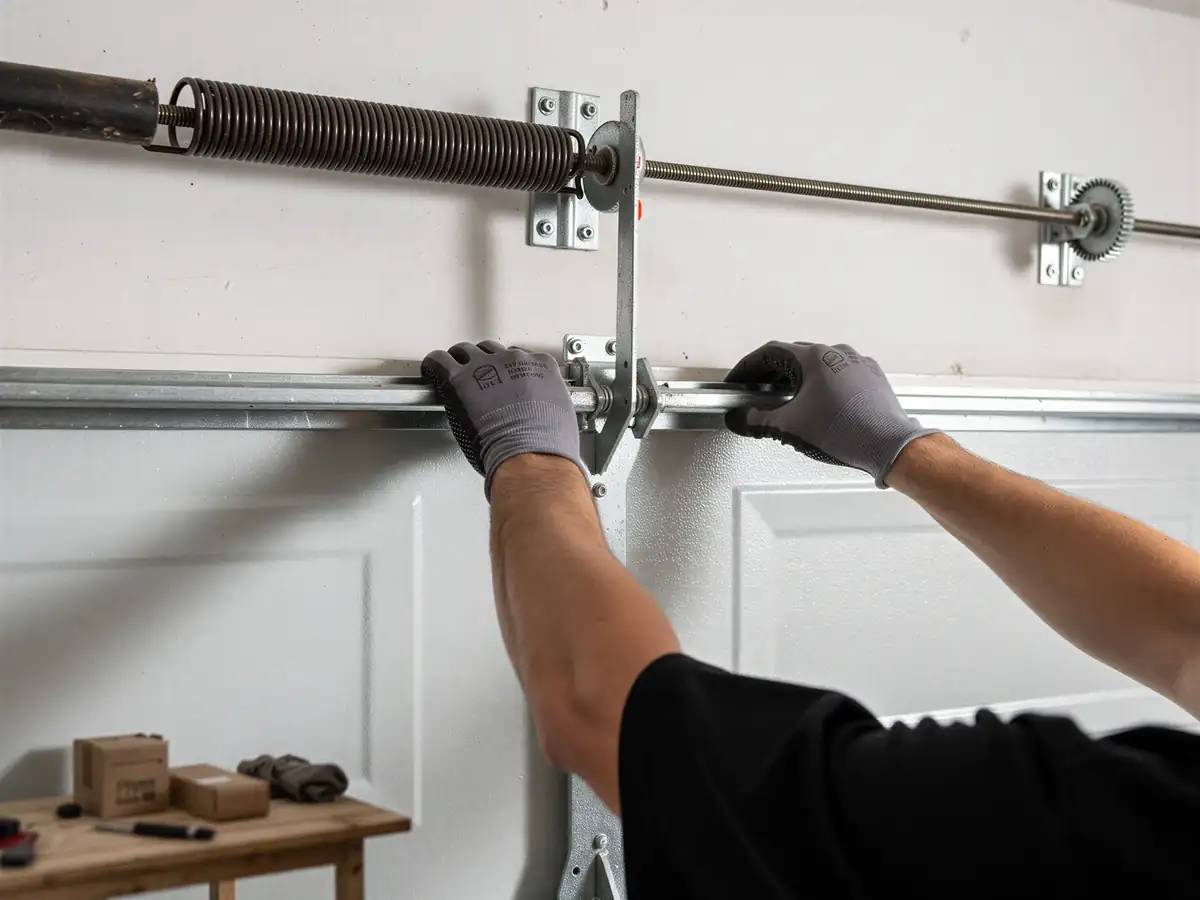
Shanor-Northvue sits about 4 miles from our Butler shop, which is close enough that we stock for this area the same way we stock for Butler itself: torsion springs sized for doors installed between the late 1960s and early 1980s, since most of this town's housing went up around 1974. That means standard 2-inch shaft torsion springs in the wind counts that matched builder-grade doors of that era, plus the extension spring kits some of those same houses got when a side-mount conversion happened later. What we don't carry on the truck is anything custom - a spring cut for an oversized or architect-built door from outside that build window. If your house is one of the newer builds mixed into the area, we may need to confirm the spring spec before the truck leaves Butler, which can add a short delay. That's the one real limitation: we're set up for the housing stock that actually exists here, not for the exceptions.
Why It Happens Here
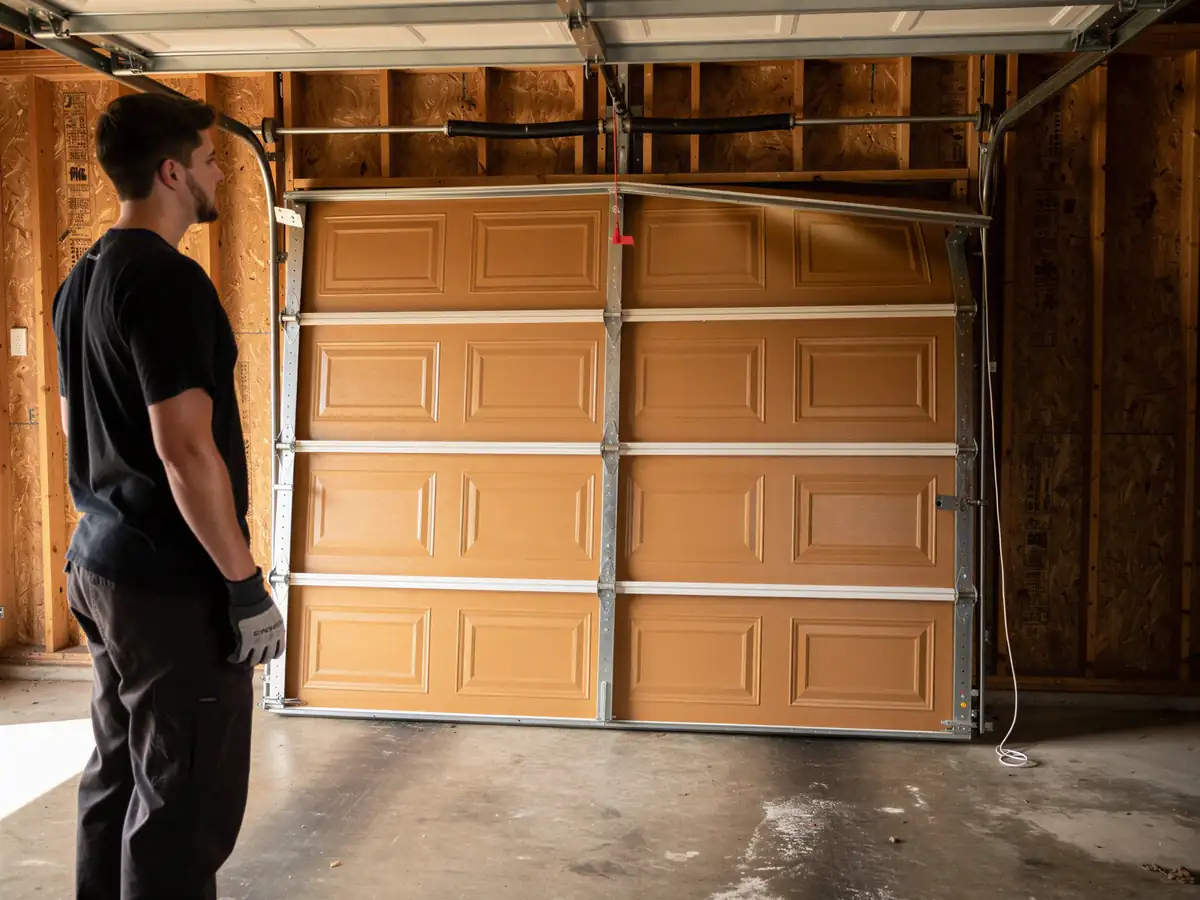
A torsion spring is rated for a cycle count, not a calendar date, but age still tells you most of the story. With median construction here around 1974, a lot of these doors are running original or first-replacement springs that have been cycling for decades. Cold is the other half of it. This area sits in a severe cold climate band, and steel springs lose flexibility as the temperature drops - the coil that stretched fine in July can snap on the first hard freeze of the year. We see the same pattern across this whole stretch of Butler County's older housing: doors that worked all summer and let go the first cold snap. It isn't bad luck, it's a 50-year-old spring meeting a 20-degree morning.
What the Fix Involves
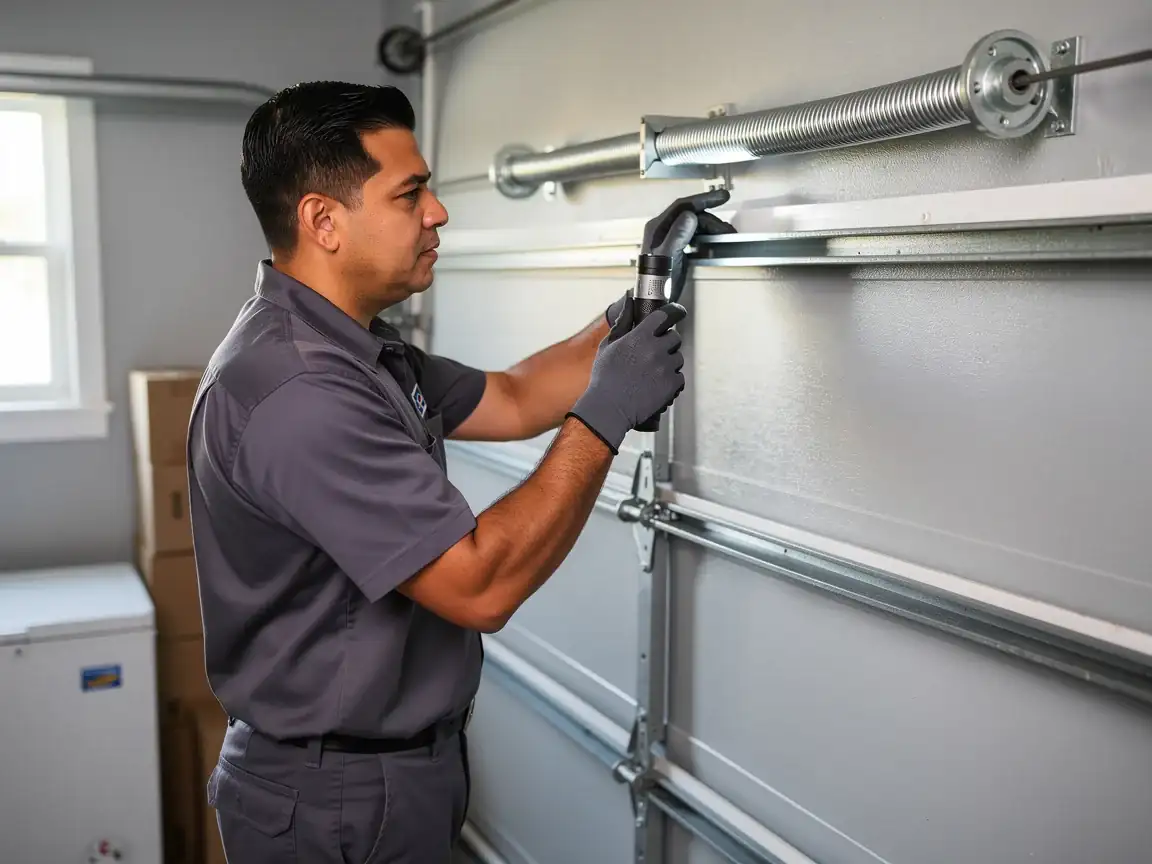
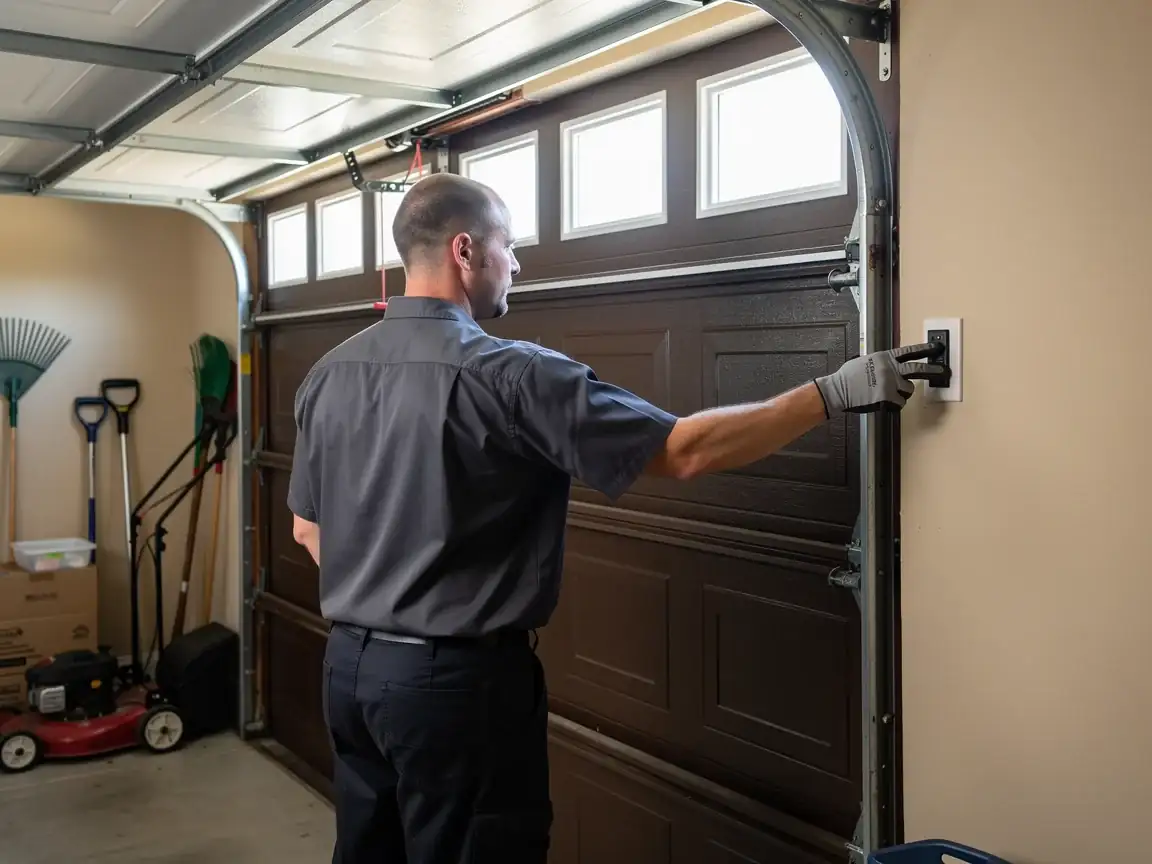
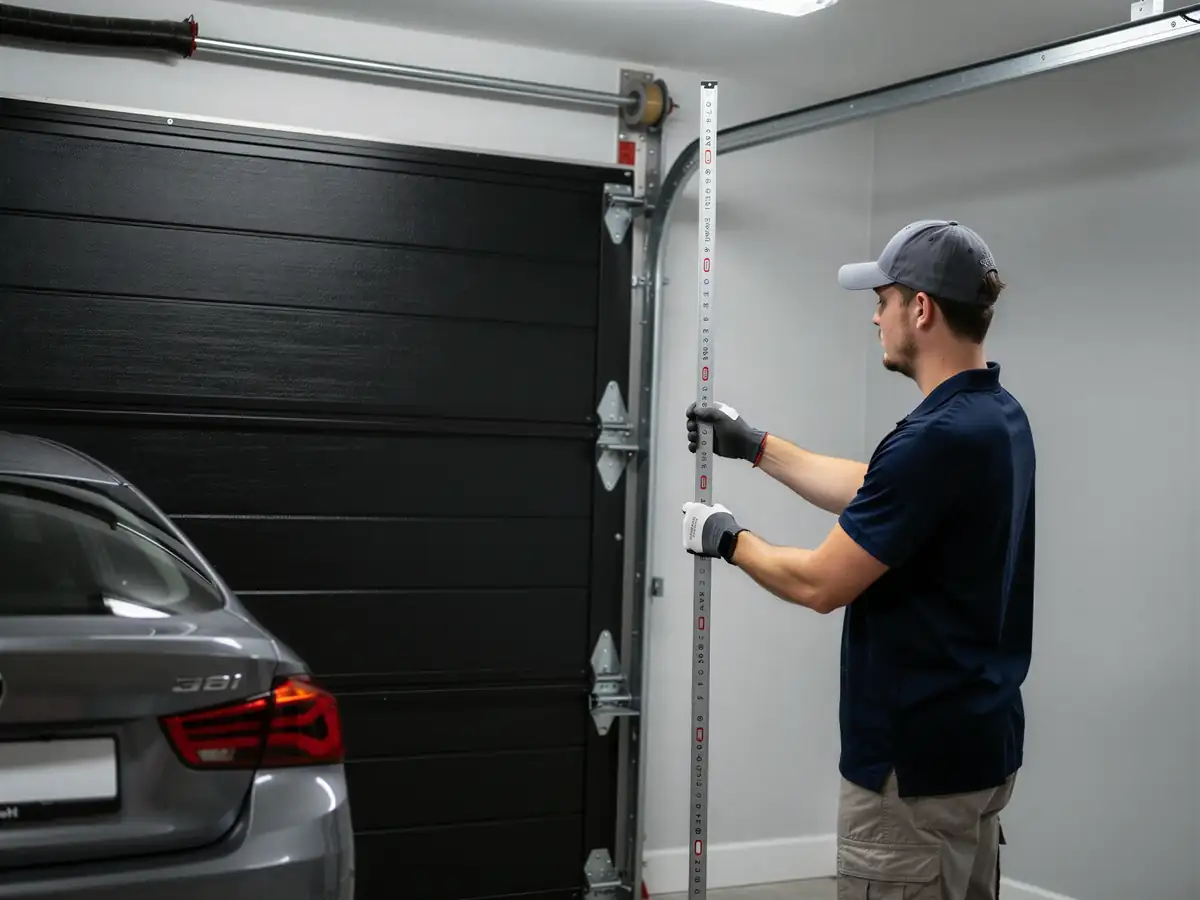
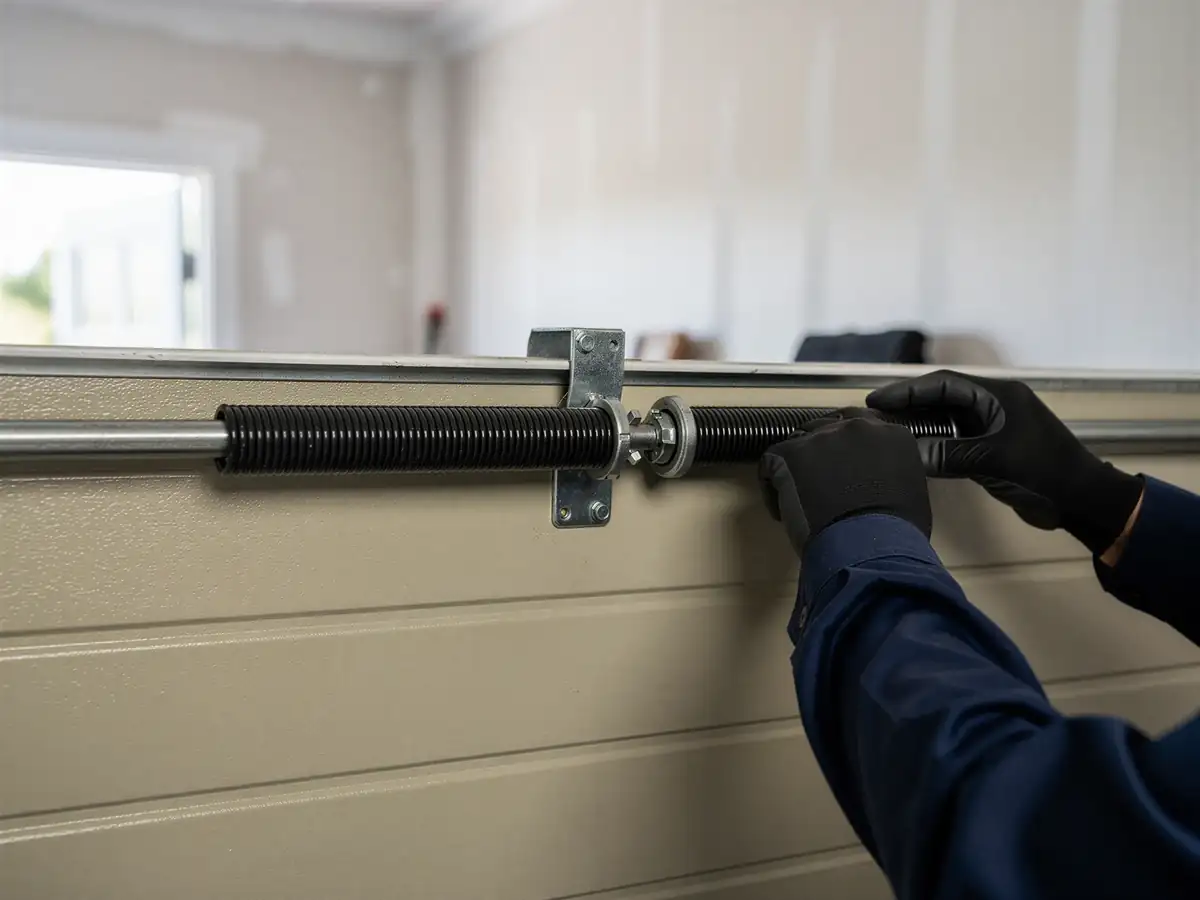
On a torsion spring job, we unload the spring tension safely, pull the old spring off the shaft, and set a replacement matched to the door's weight and the shaft size common to homes built in this window - mid-20th-century construction typically used lighter doors than today's insulated models, so the spring has to match the door, not just the opening size. We check the cables and drums at the same time, since a spring that's been failing for a while often takes a cable partway with it. If the door is an older extension-spring setup instead of torsion, the process is different - new springs, safety cables if they're missing, and a check of the pulleys. We test full travel before we call it done, open and close, under load, listening for drag or binding in the track.
What You Pay
We don't post a flat number for spring repair because the two spring types price differently, and a door with extra wear - a bent track, a worn drum - costs more than a clean spring-only swap. What we can tell you is that this area's housing, averaging a household income around $98,878, tends toward doors in decent structural shape even when the spring itself has failed, which usually keeps the job to spring and cable work rather than a bigger rebuild. We'll give you the actual number after we see the door, not before, because quoting blind on a 50-year-old torsion system is how you end up back at the house a second time.