What We Do Most in This Area
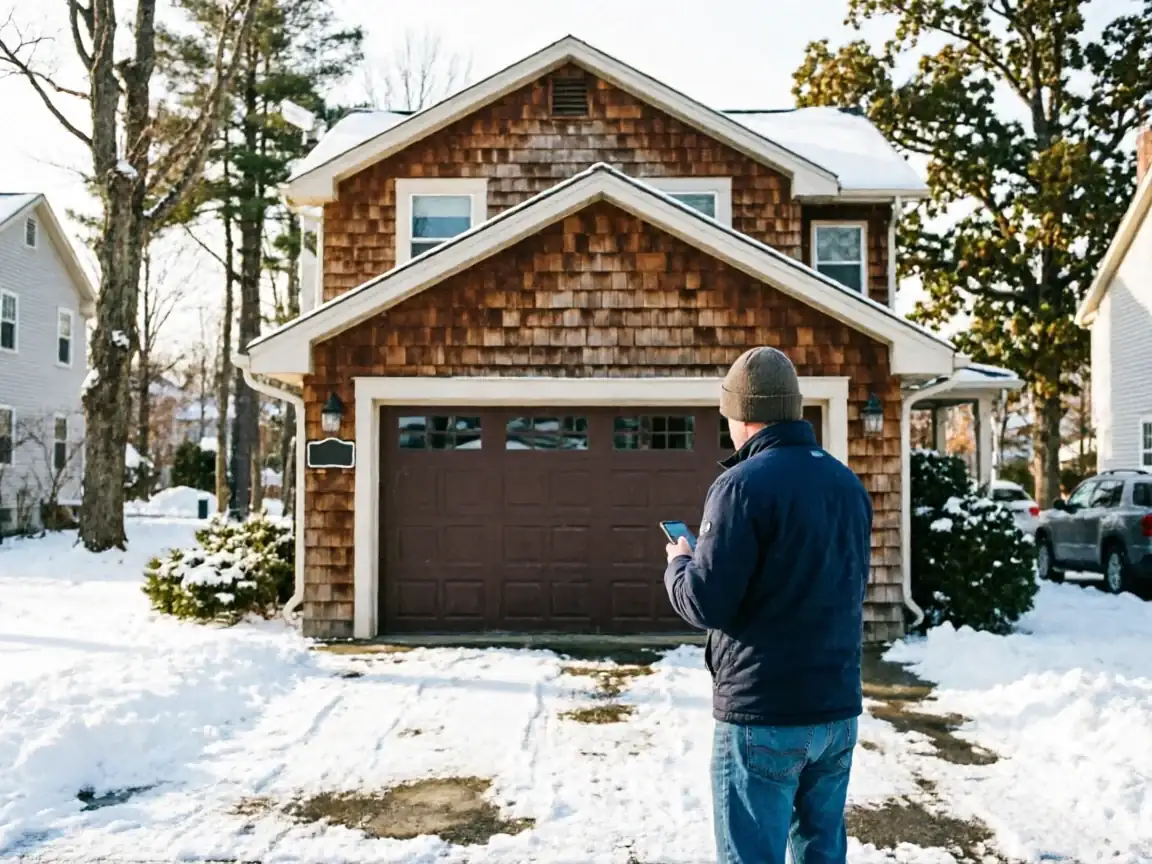
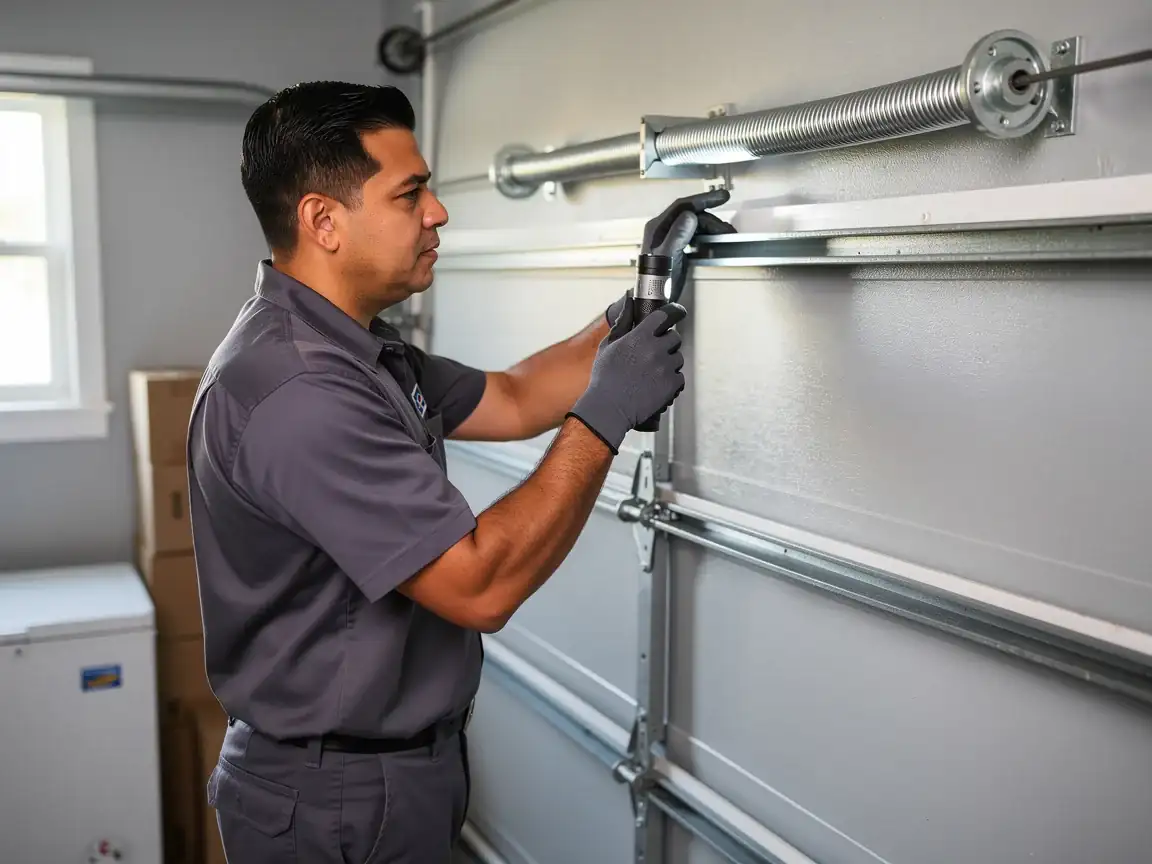
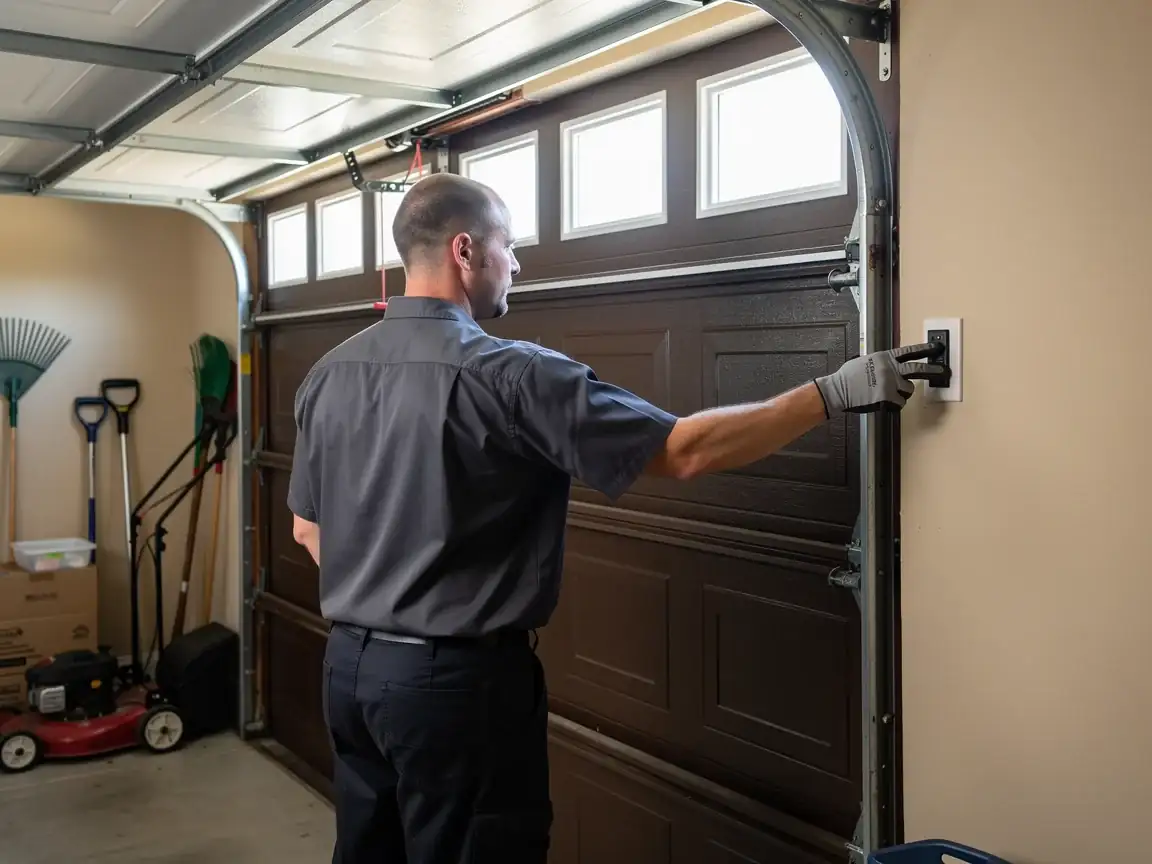
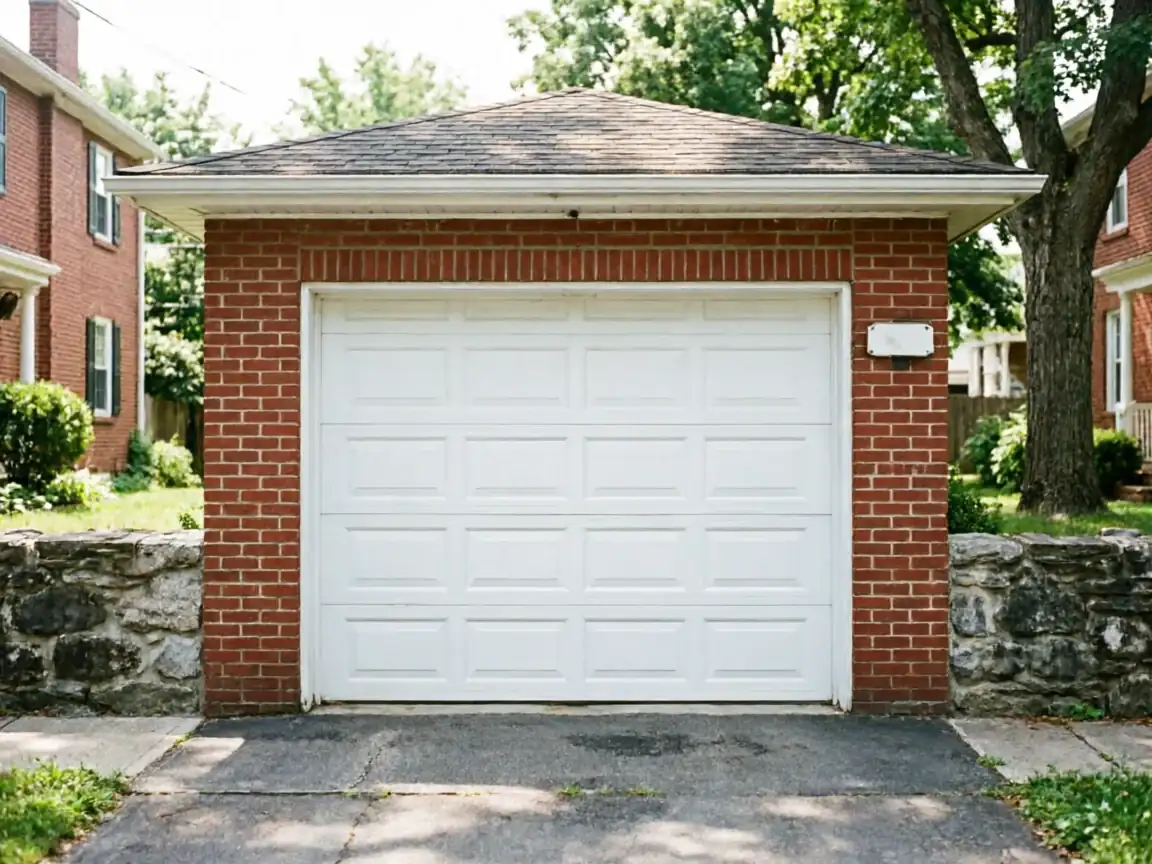
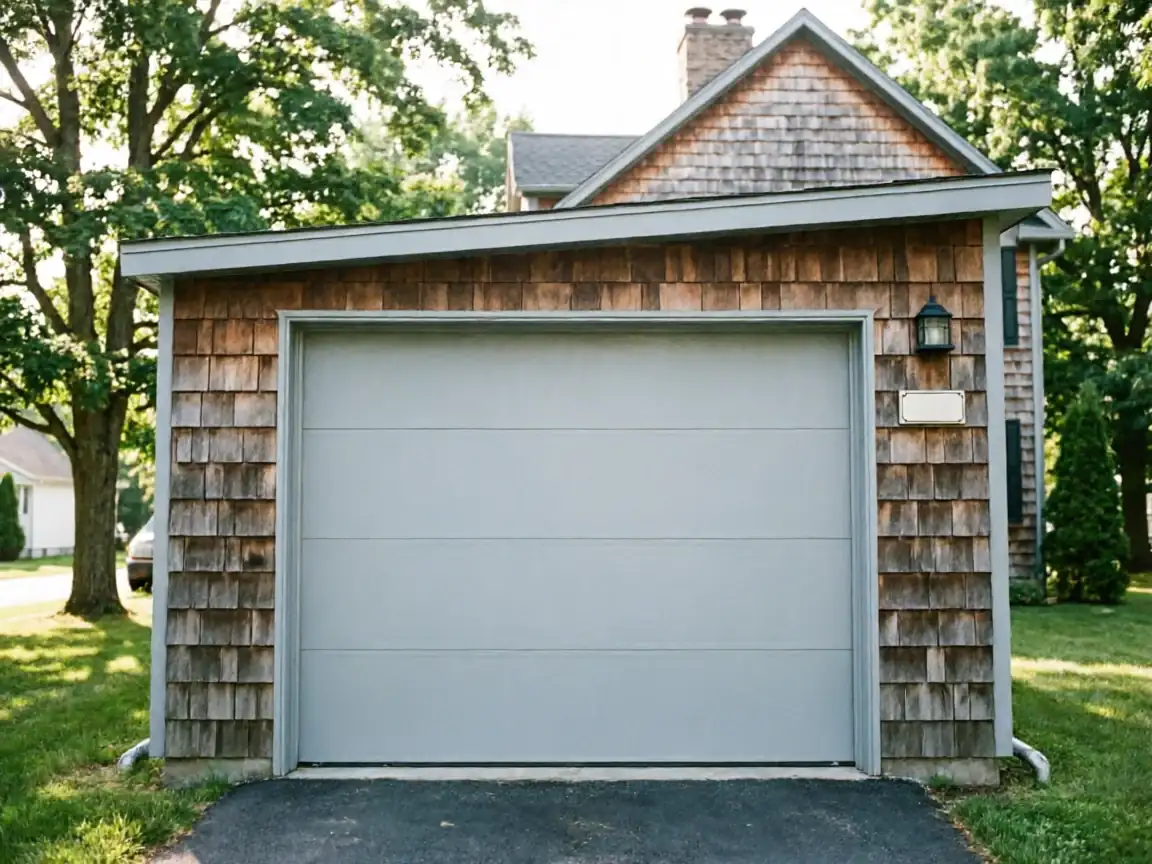
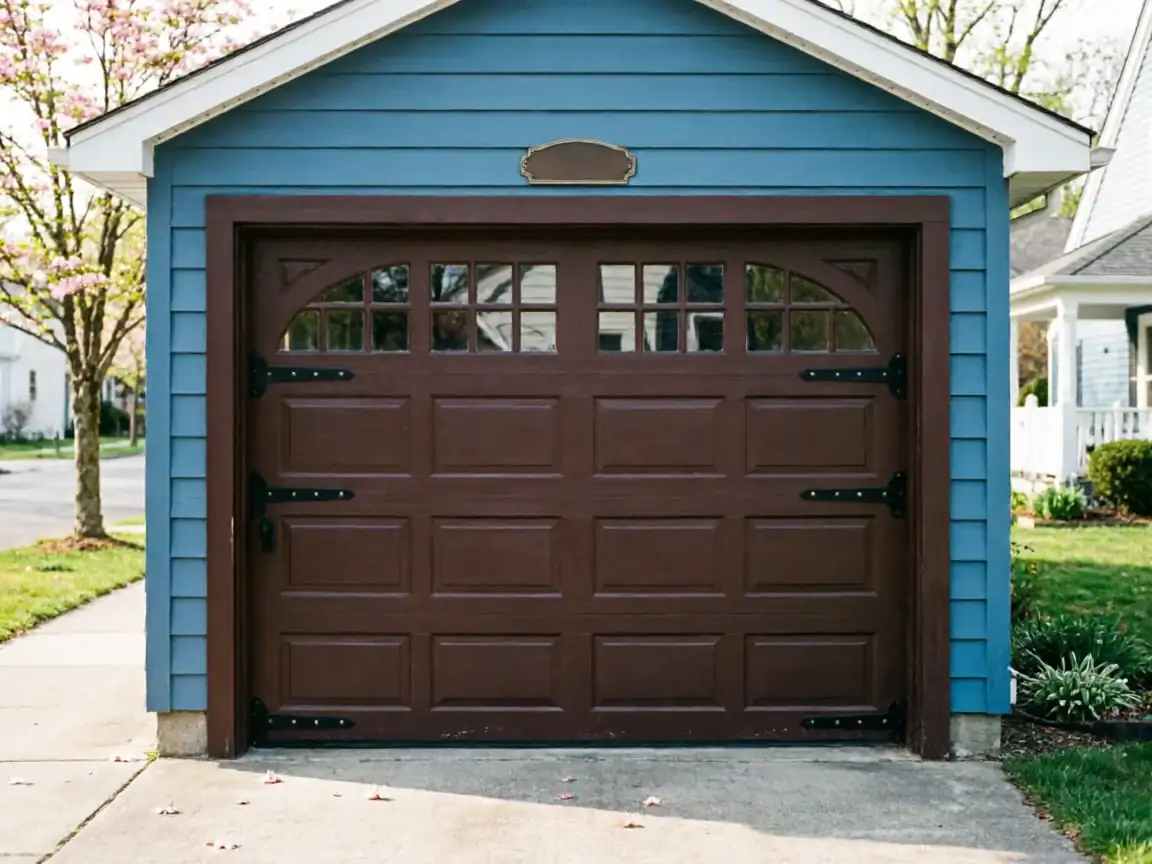
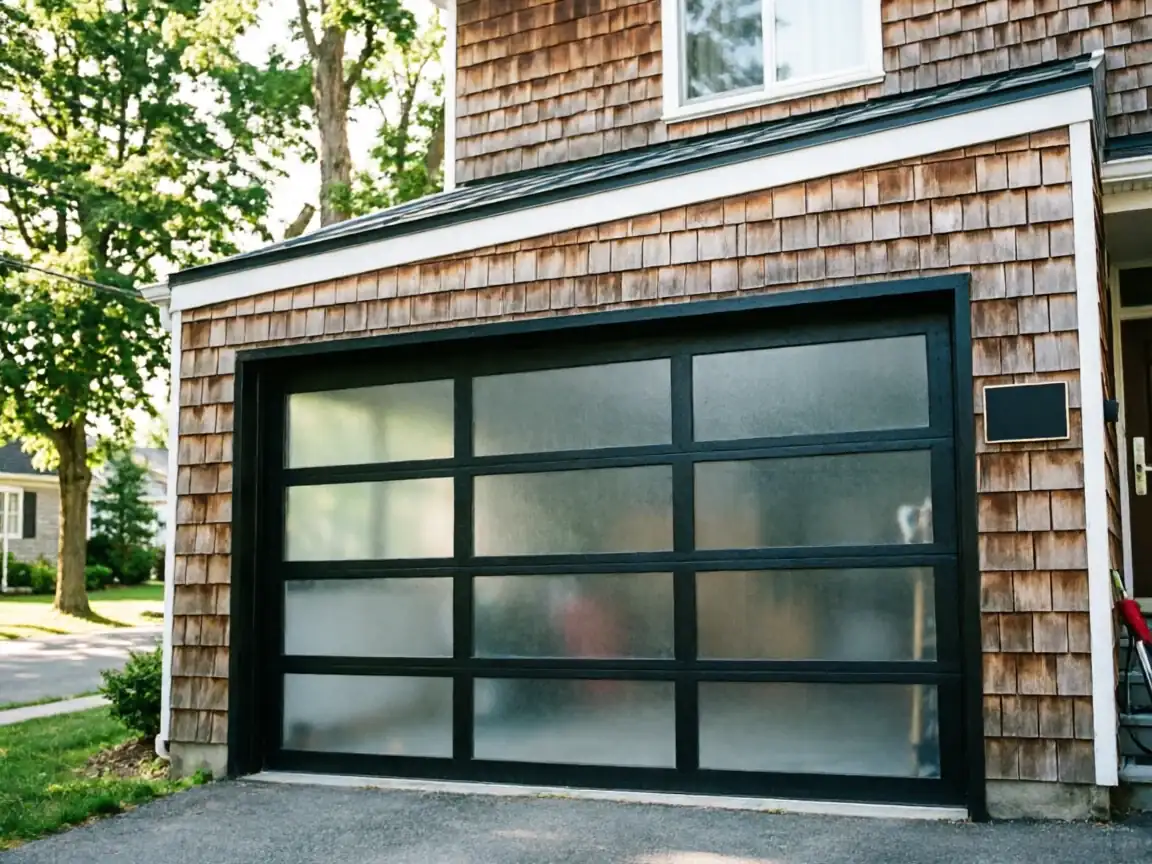
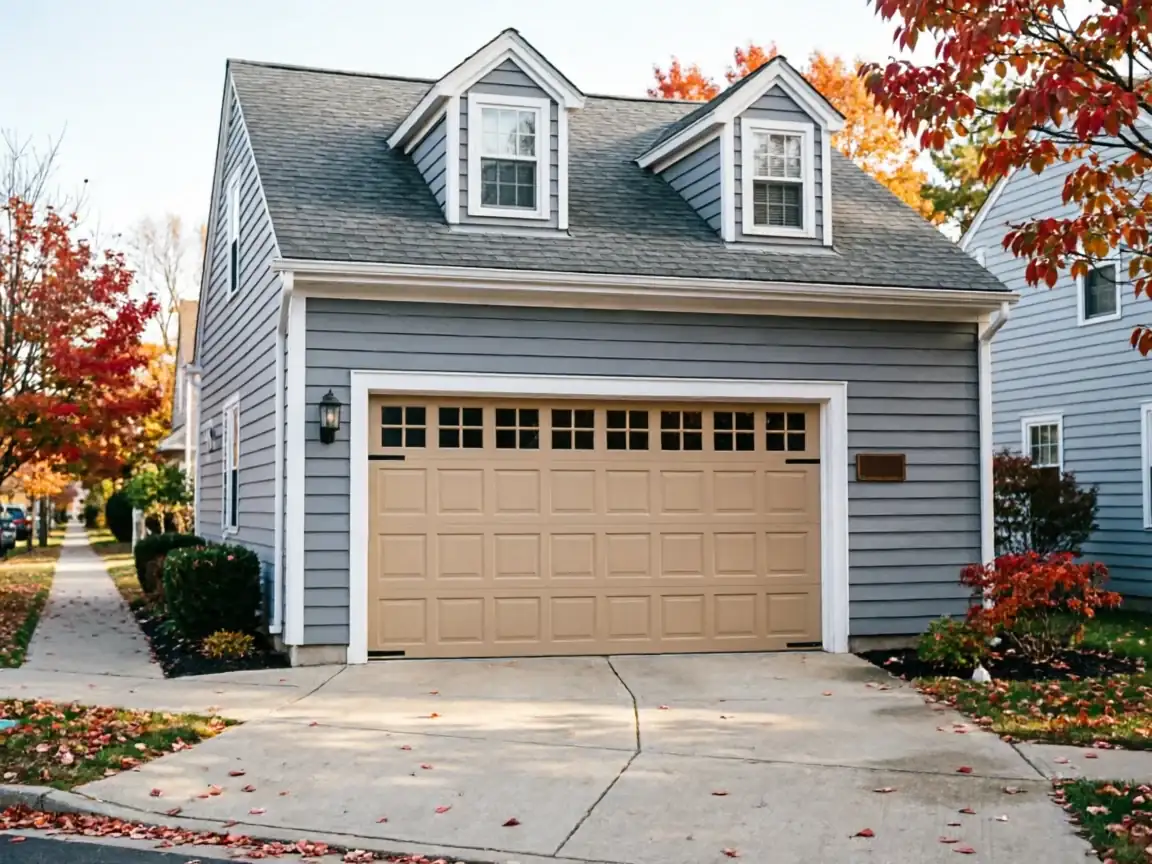
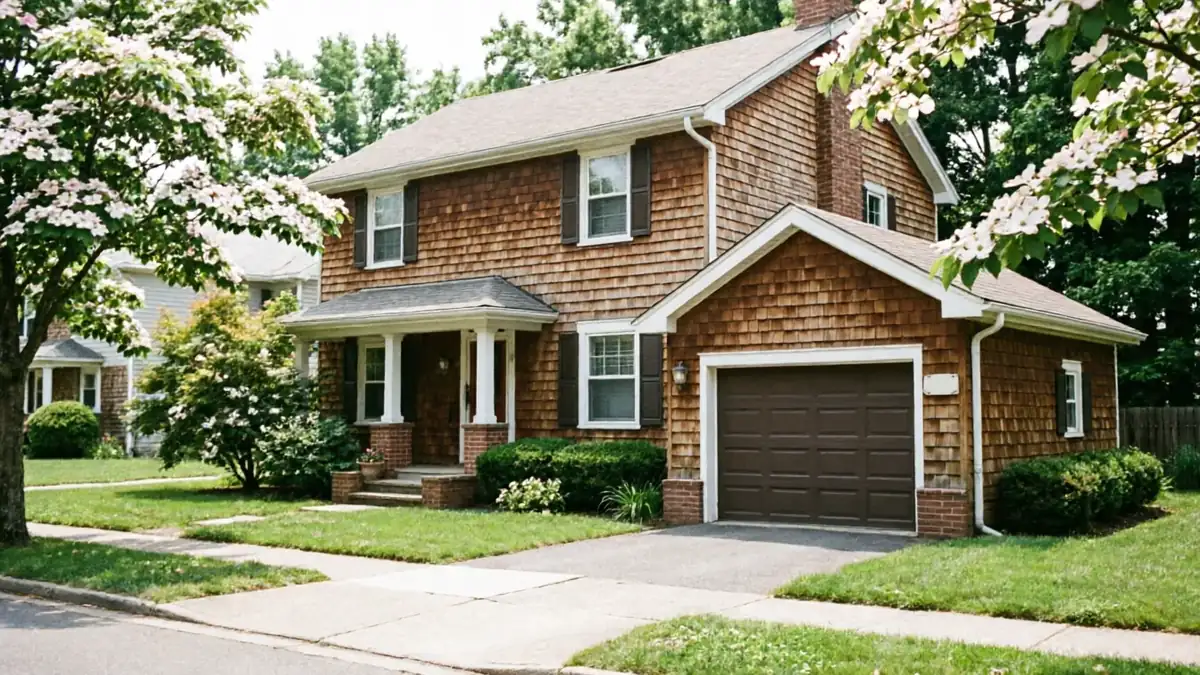
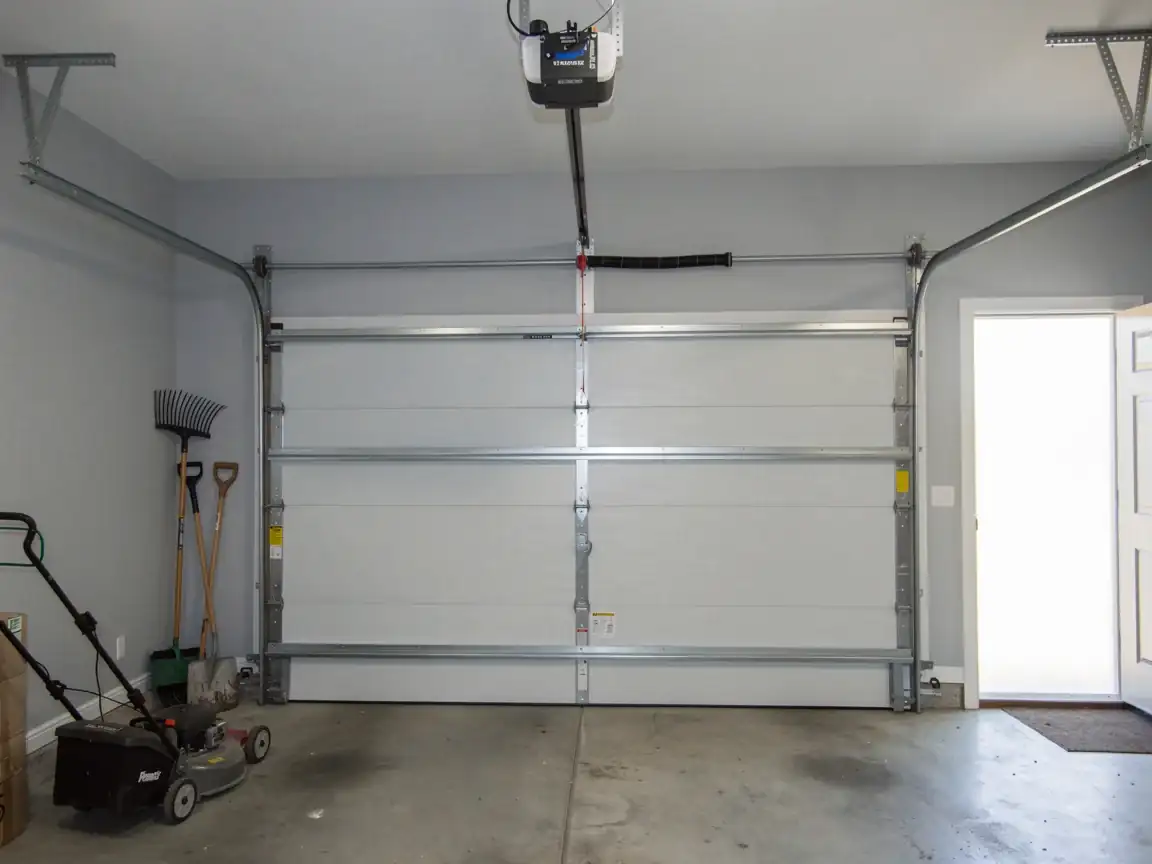
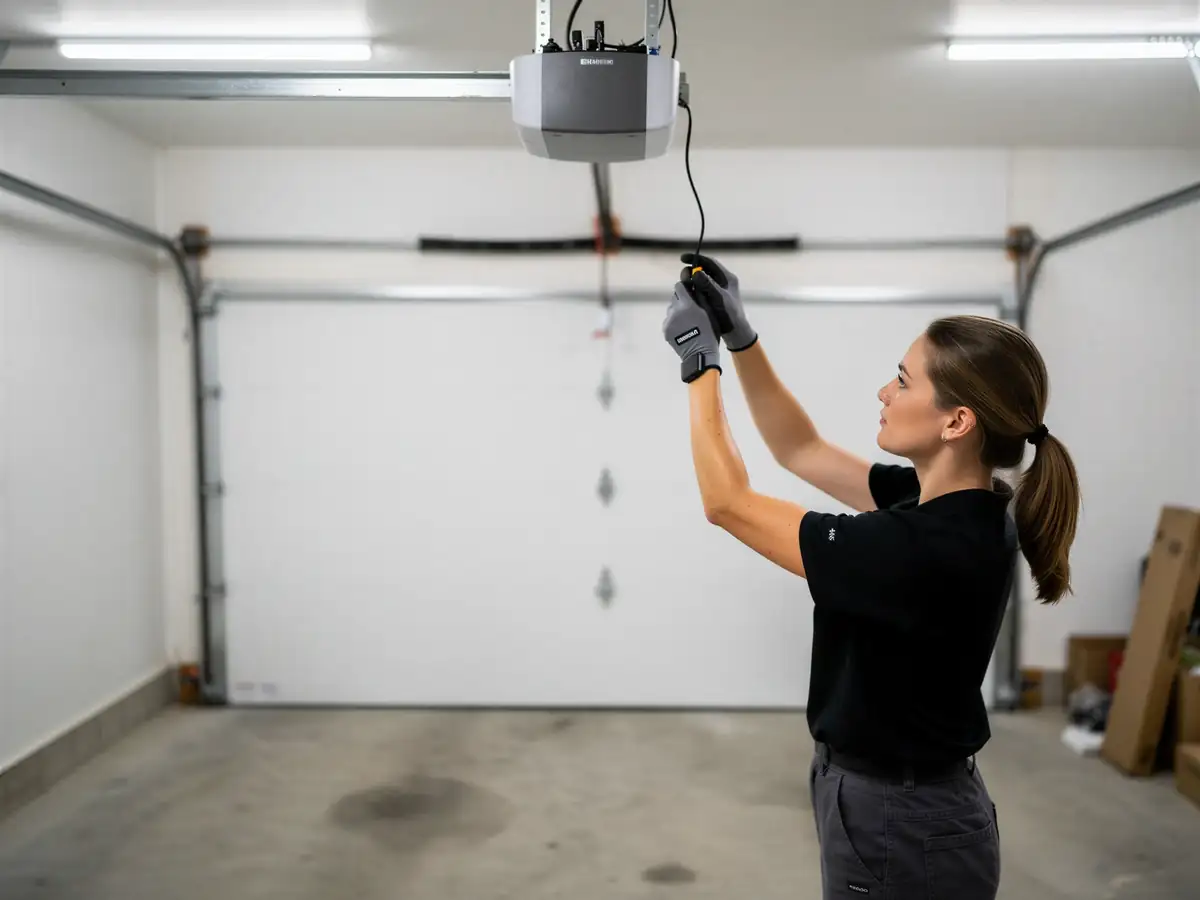
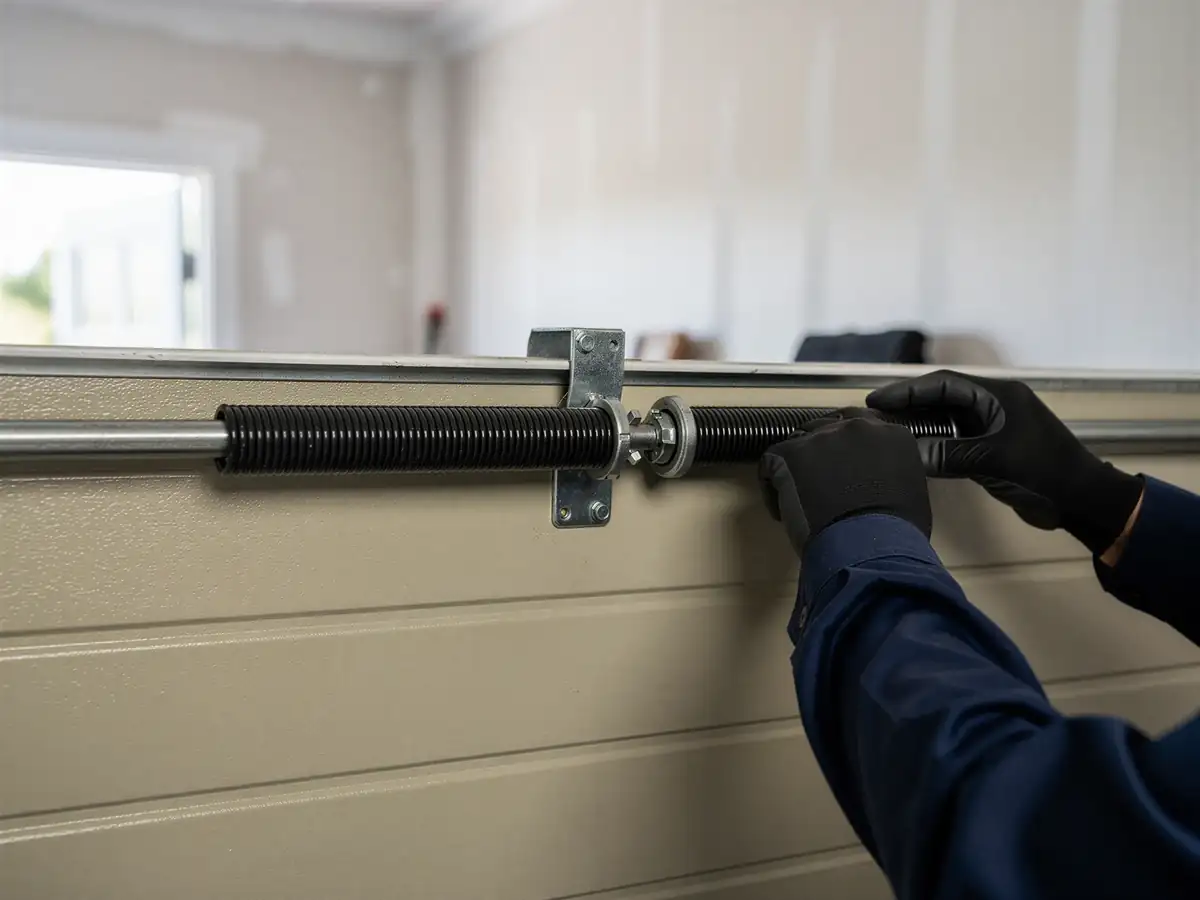
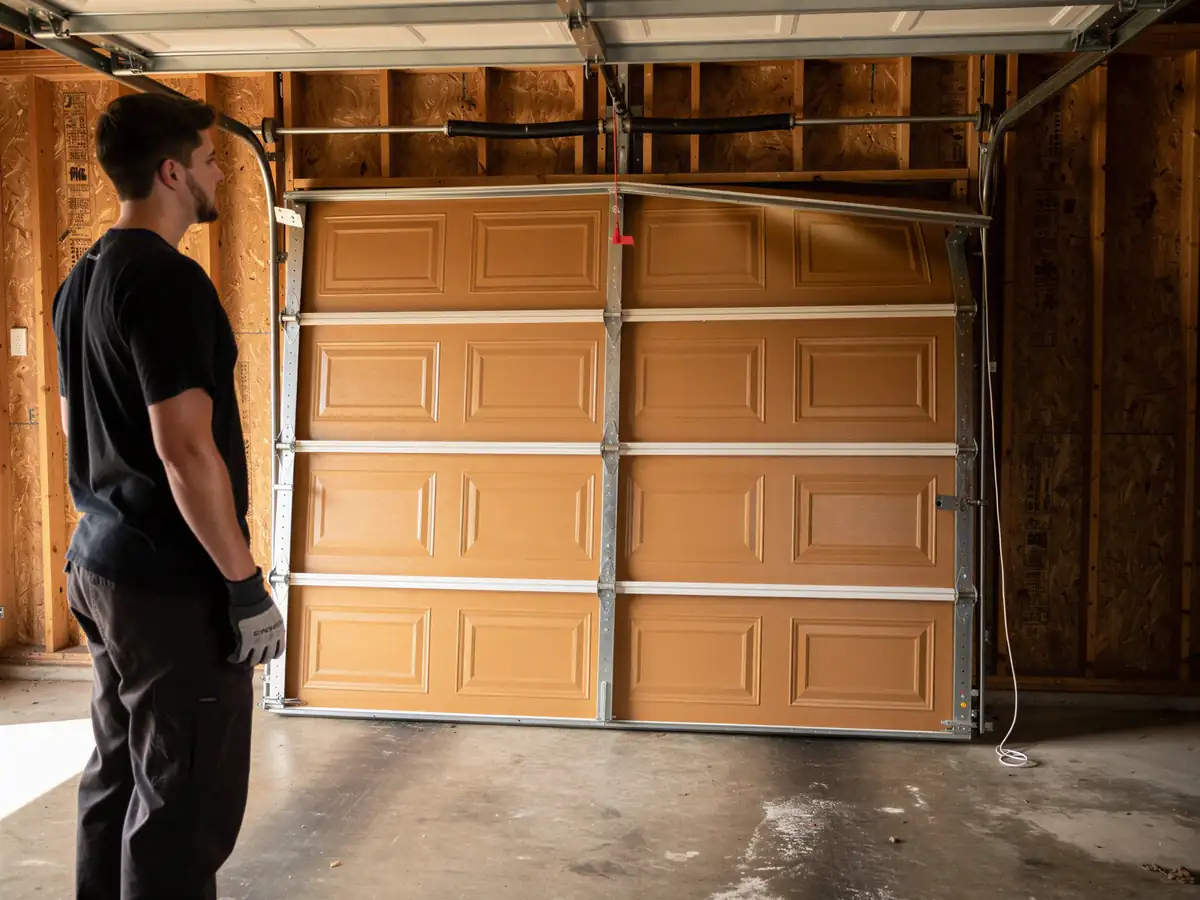
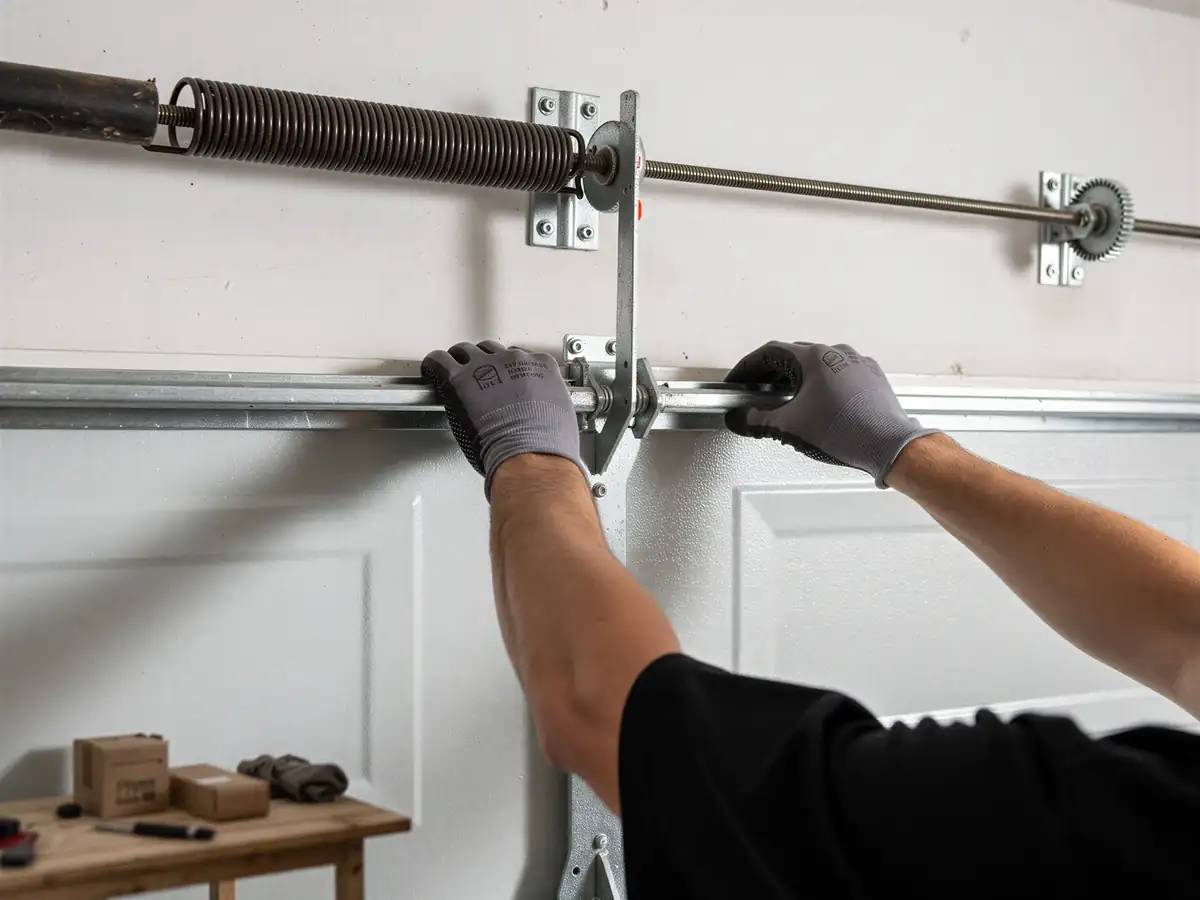
The calls we get from Oak Hills skew toward a specific set of problems, and it traces straight back to when the houses went up. With a median build year around 1979, this pocket is a bit newer than the broader Butler service area, where the typical house dates closer to 1973. That decade gap matters: 1979 construction usually means a steel sectional door instead of the older wood or fiberglass panel doors, often paired with an early chain-drive opener that's now on its second or third drive gear. We replace a lot of stripped plastic gears and worn nylon rollers on these doors, plus the occasional extension spring setup that was original to the house and never upgraded to torsion. We also get calls for opener logic boards that have simply aged out - not broken from abuse, just done after four-plus decades of Pennsylvania winters cycling the mechanism. It's less dramatic than a snapped cable, but it's the bread-and-butter work here.
What the Housing Means for Your Door
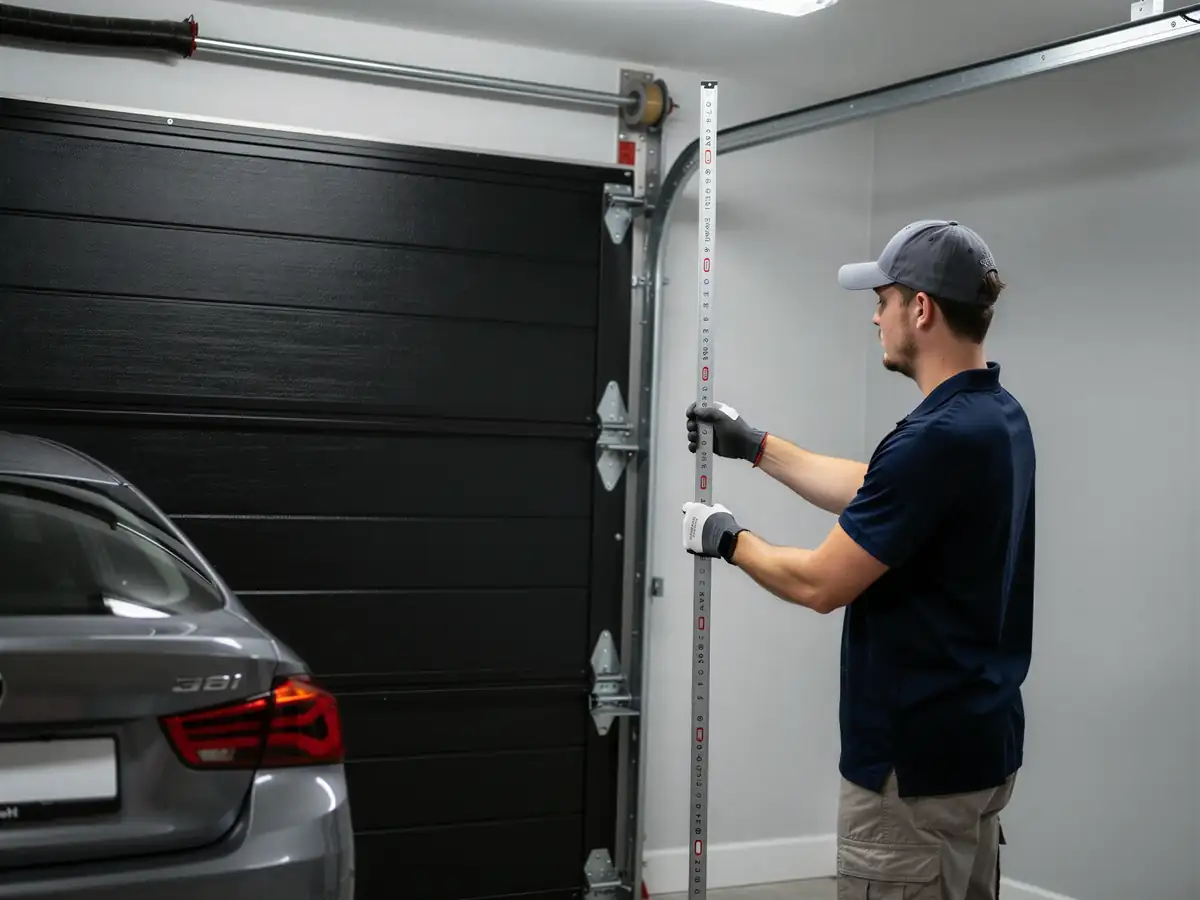
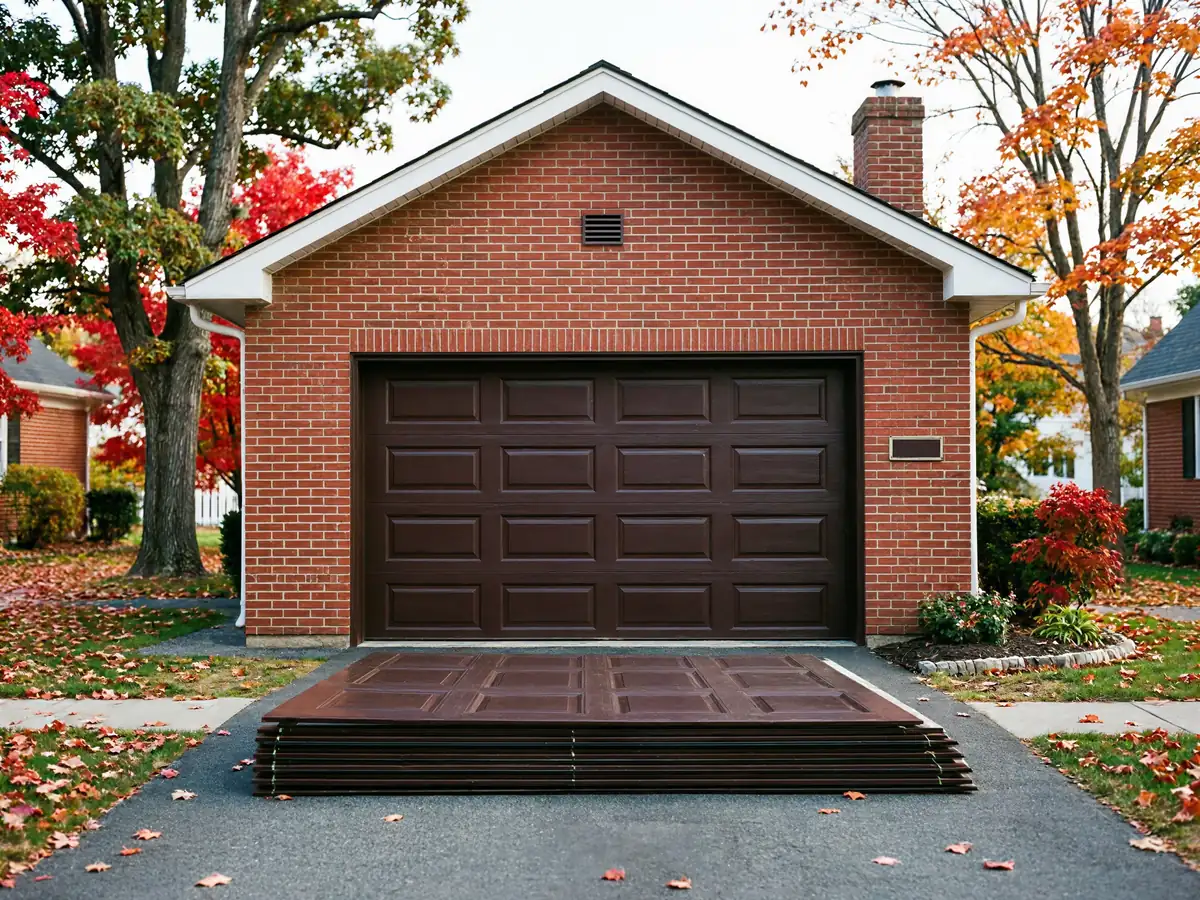
A door installed when Oak Hills was being built out in the late 1970s was engineered to a lighter standard than what's sold today, and the track hardware from that period is narrower gauge than current residential track. If your door still has its original hardware, the rollers are probably steel on a track that wasn't designed for today's heavier insulated panels, so if you ever upgrade the door itself, plan on swapping the track and opener at the same time rather than bolting a new door to 1979 rails. On the plus side, houses from this era generally have decent headroom and standard-width openings, so most jobs here are straightforward retrofits rather than custom work. We won't pretend every door needs replacing - plenty of these original setups still run fine with a spring swap and a lube job, and we'll tell you when that's the honest answer instead of pushing a full replacement.
This Area's Housing
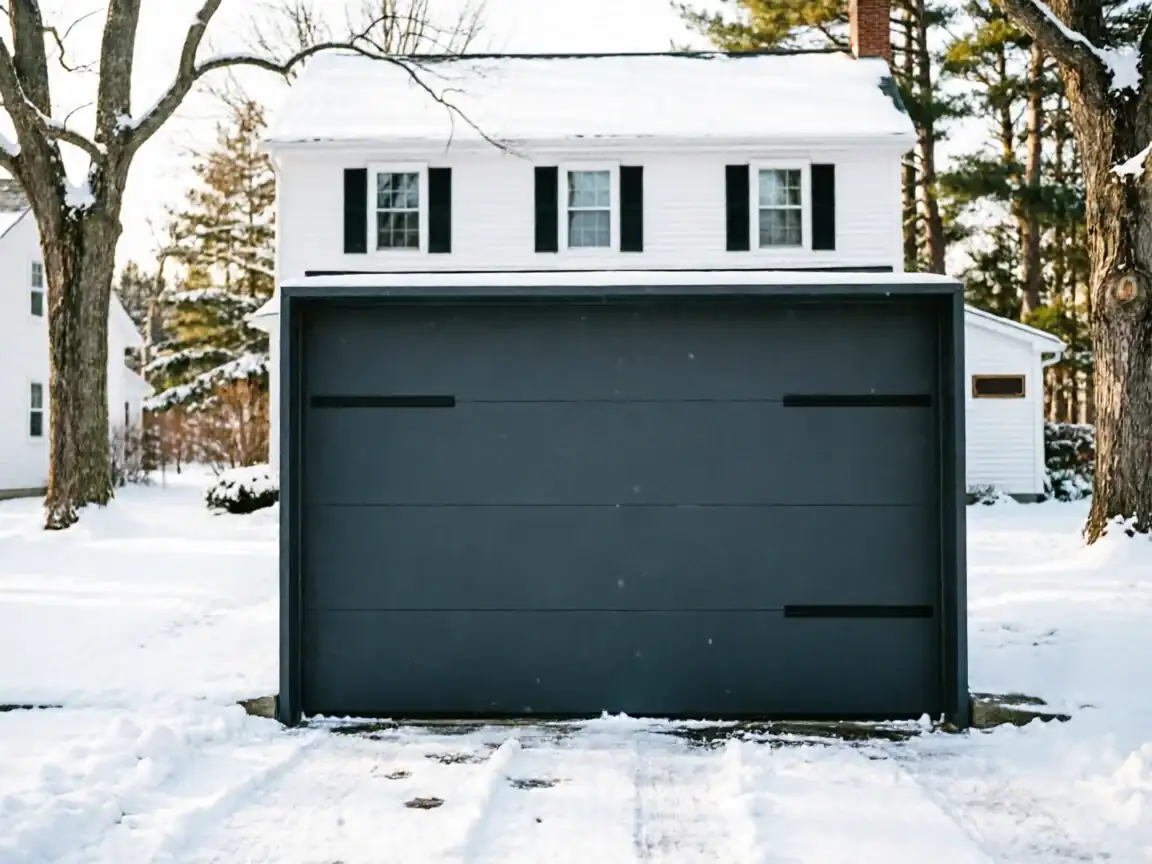
Oak Hills runs about 1,196 households with a median income near $88,807, both noticeably higher than the wider Butler service area's figures of 45,835 households and a $72,842 median. That tracks with the newer build year - this is a later-developed pocket, not the oldest core housing stock in the area. Winters here fall into the same cold, severe climate band as the rest of the region, which means steel doors see real temperature swings through the year: expansion and contraction that loosens hardware and stiffens lubricant on a predictable schedule, whatever decade the door was built in. We don't have year-by-year permit data for this specific area, so we're going off the construction era and the climate band rather than claiming anything more precise than that.