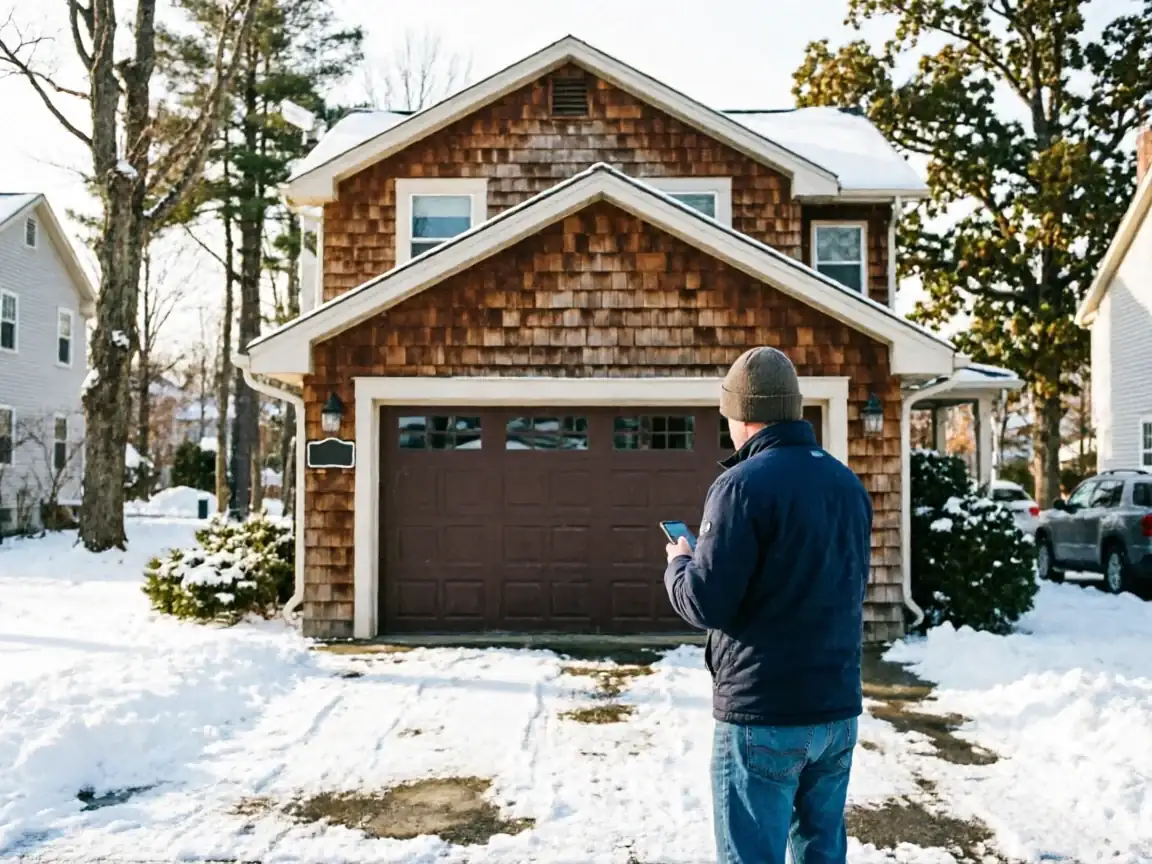
What Is Going On
Most of the housing stock around Butler went up between 1938 and 1999, with the median build year sitting at 1973. That matters for garage doors because insulation requirements for residential doors weren't common practice until well after that median year. A huge share of the houses across the 43 named areas we work in - Oak Hills, Meridian, Shanor-Northvue, Nixon, and the rest out toward Saxonburg and Zelienople - went up during that 1960s-70s building wave, before builders were putting anything but a single steel skin on a garage door.
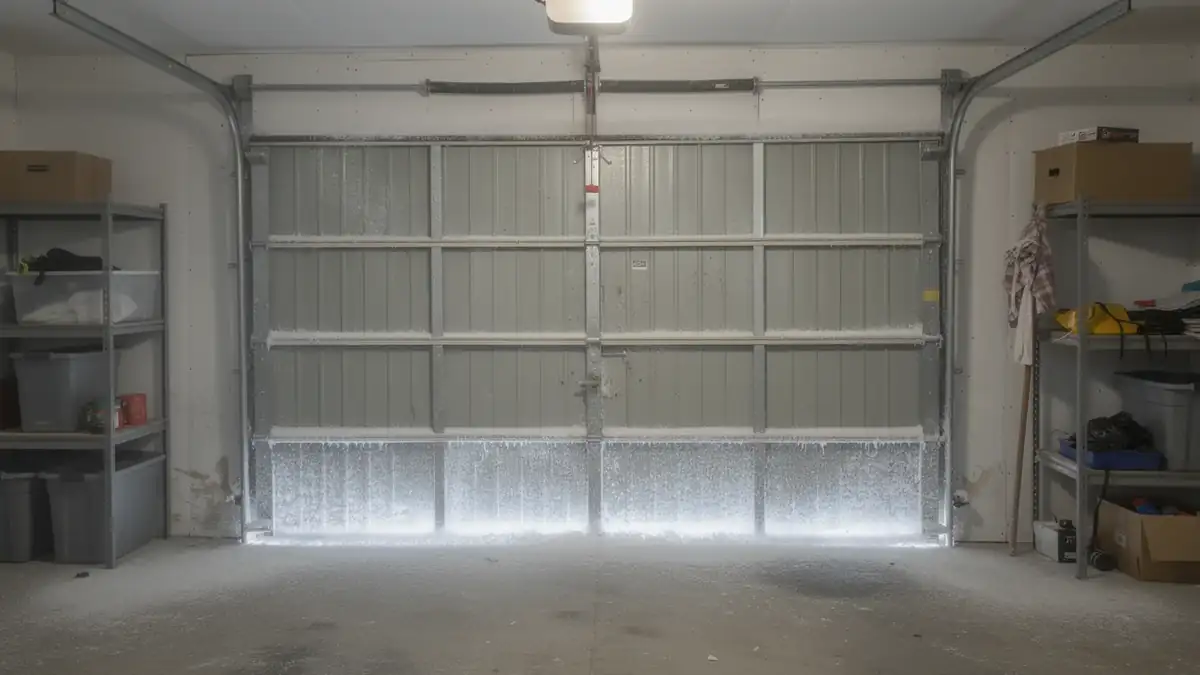
What that means in practice: a lot of these original doors, or their first-generation replacements, are a single layer of steel with no foam backing. No R-value to speak of. In a severe cold climate like ours, that's not a cosmetic problem - it's the reason the inside of an attached garage wall feels like the outside of the house for four or five months a year, and it's why panels on these older doors tend to oil-can and dent more easily than anything built in the last fifteen years.
Checking It Yourself
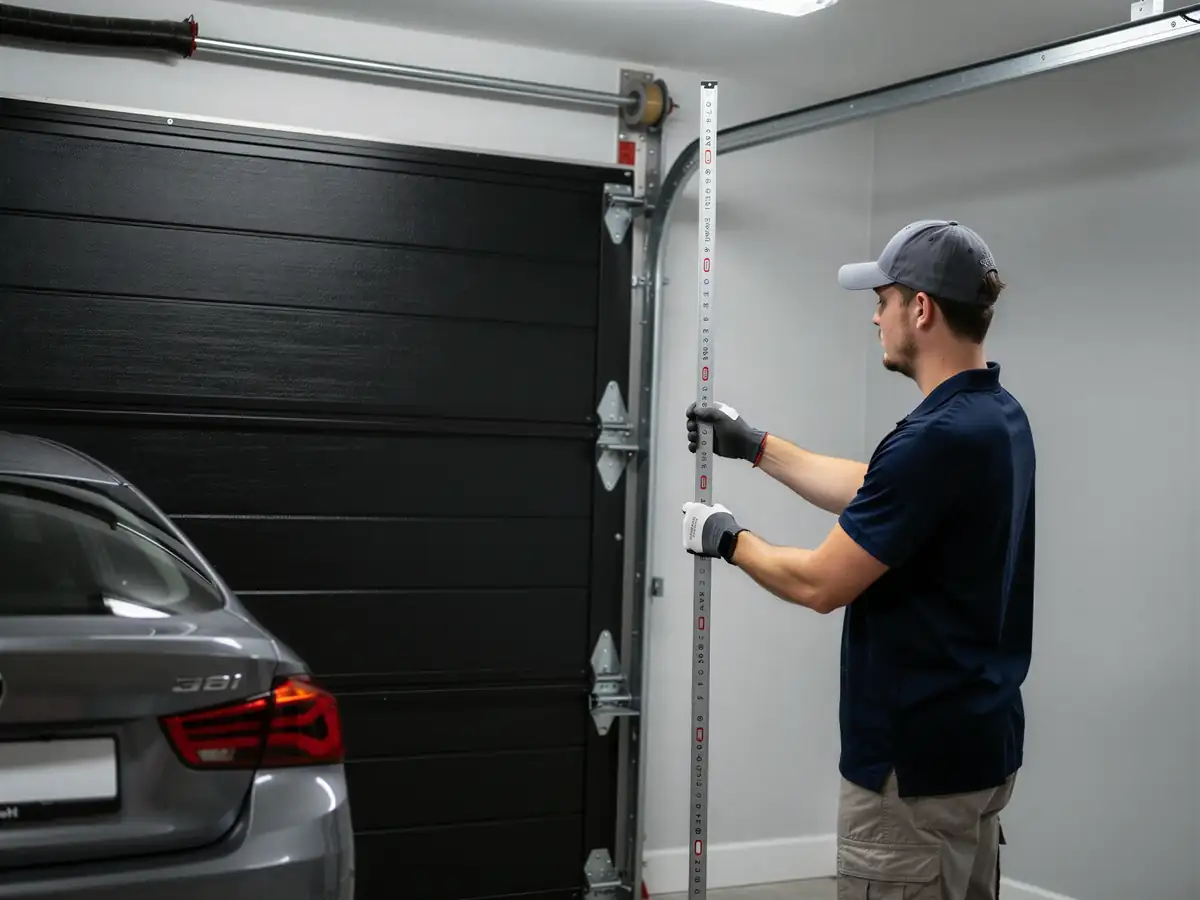
Before you call anyone, a few things you can check from inside the garage. Press your palm flat against the inside face of the door on a cold morning. If it's a single layer of steel with ribbing you can feel right through, you're looking at an uninsulated or lightly insulated door - typical of the 1960s-70s stock that makes up most of the housing around Butler.
Next, look at the bottom corners and the weather seal along the floor. On a house built anywhere in that 1938-1999 window, the original astragal seal has usually been replaced at least once, sometimes with whatever strip was available at the time rather than a proper match. Gaps there let cold air straight in under the door.
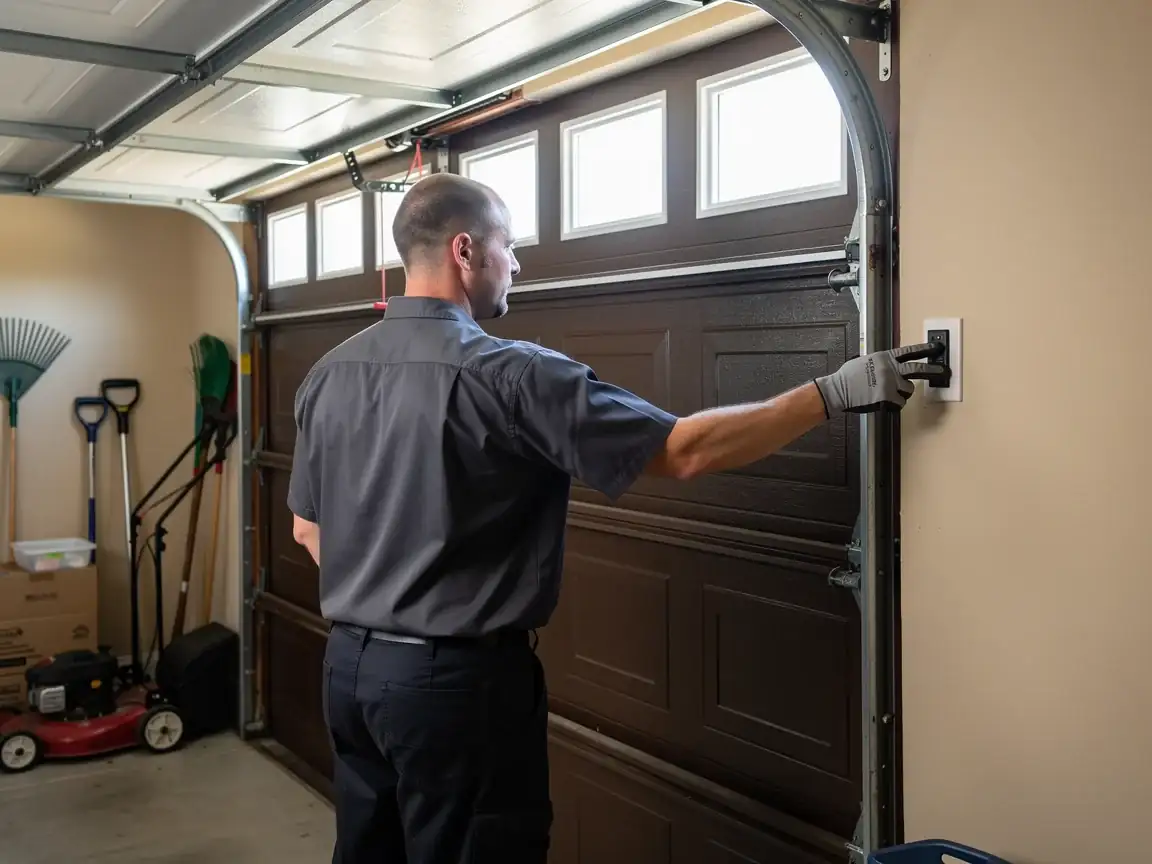
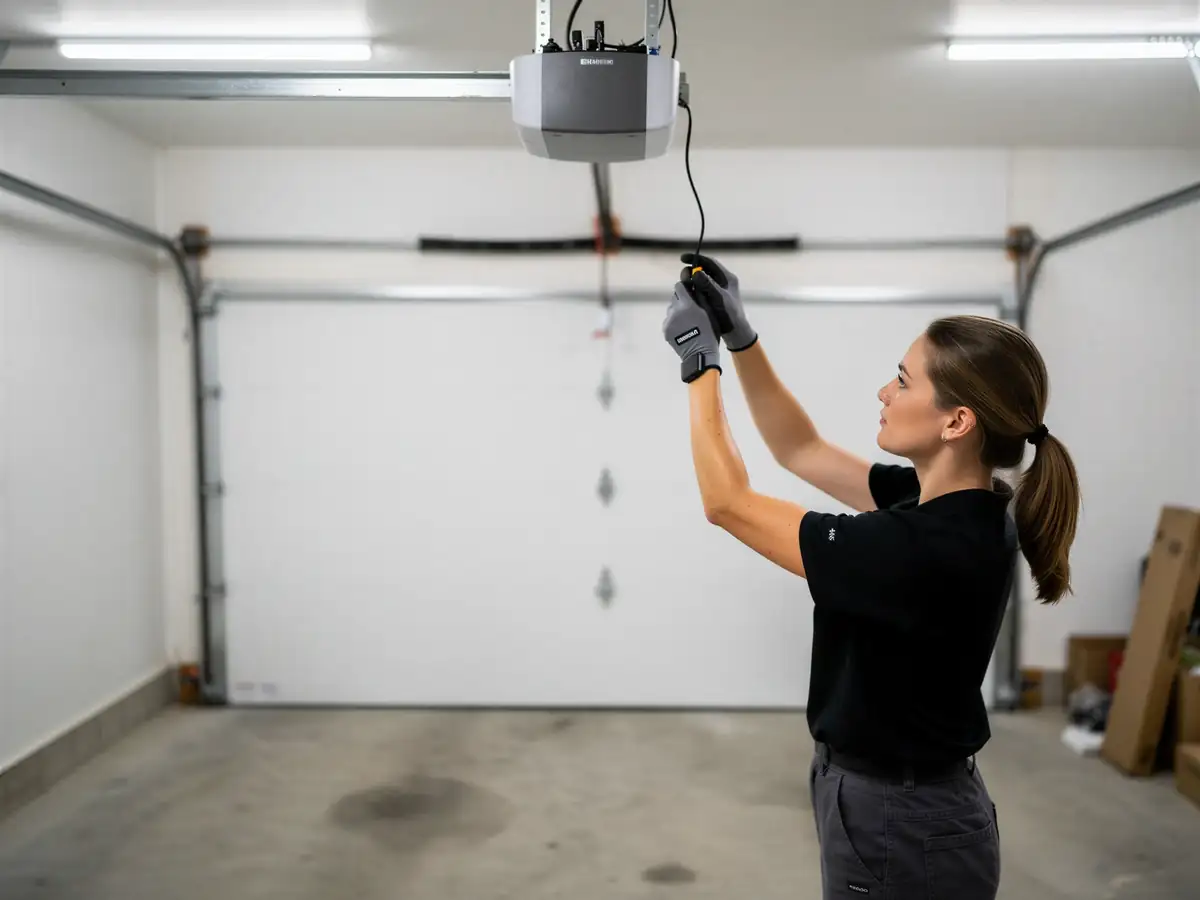
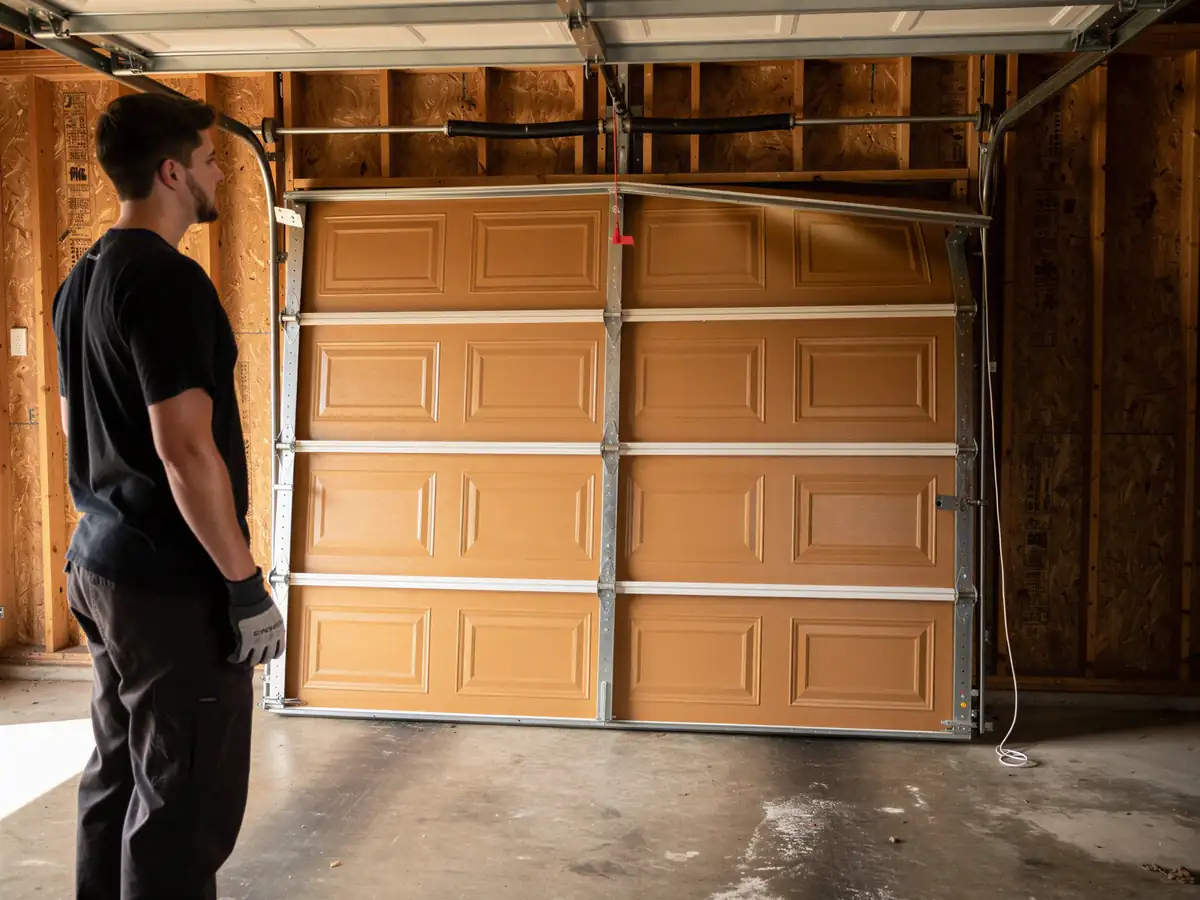
Check the panels themselves for flat spots or waviness - a sign the steel has flexed over decades of temperature swings. And listen to the opener. On older torsion setups original to a 1960s or 70s build, a grinding or popping sound on cold starts often means the spring is working harder than it should because the door itself is heavier and stiffer in the cold than it was designed for.
How Local Conditions Play In
Butler sits in a cold climate zone with winters severe enough that uninsulated steel doors go through real stress
Not just discomfort for whoever's standing in the garage. Steel contracts in the cold, and on a door with no foam core backing it, that contraction happens unevenly across the panel. That's a direct driver of the warping and seam separation we see on doors original to houses from that 1938-1999 build window.
It also affects hardware
Grease in rollers and hinges thickens in severe cold, and on a door that's already fighting a stiff, uninsulated steel skin, that added resistance is what finally snaps an aging torsion spring or strips an opener's gears. Garages attached to the house lose heat fast through an uninsulated door, which pushes up heating costs on homes already decades past the point where insulation standards would have required anything better.
With 28,947 owner-occupied houses across this service area and a median household income of $72,842
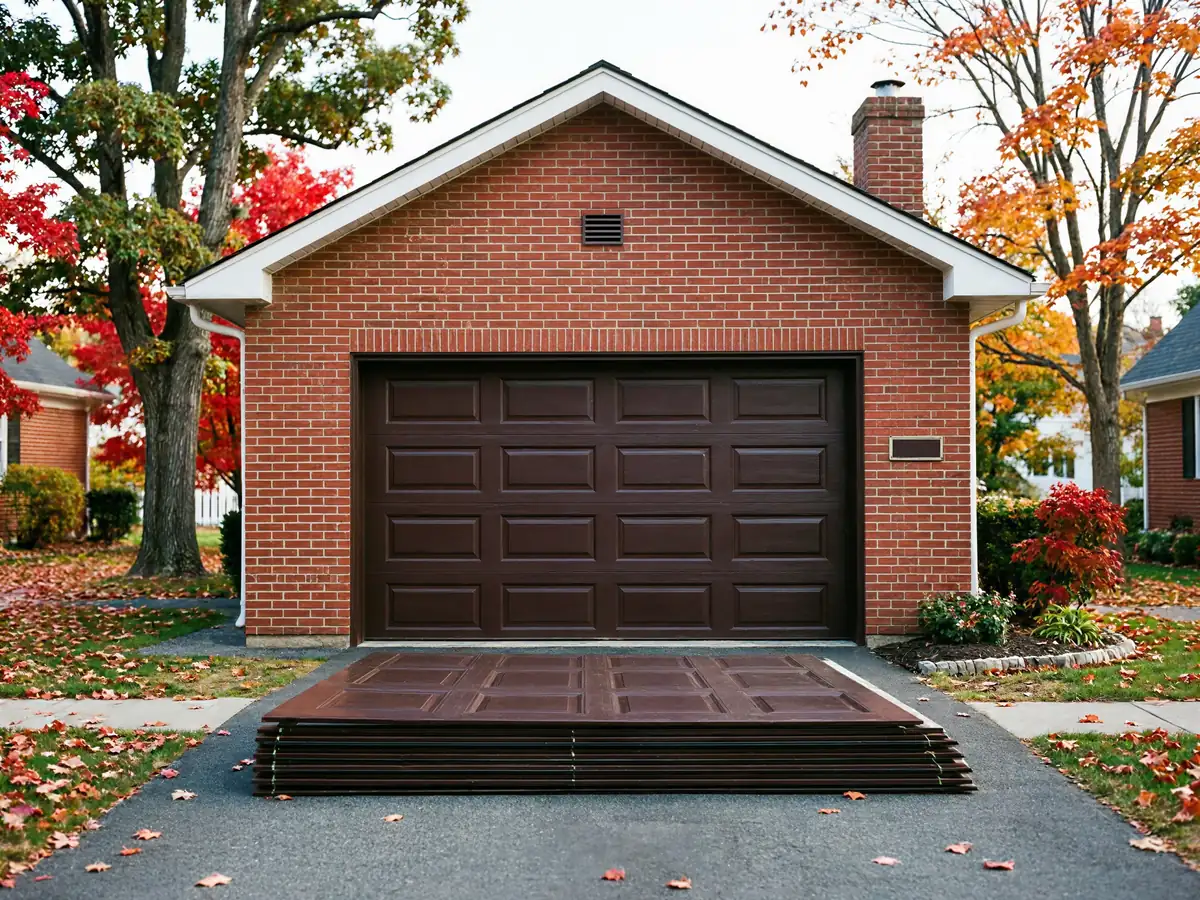
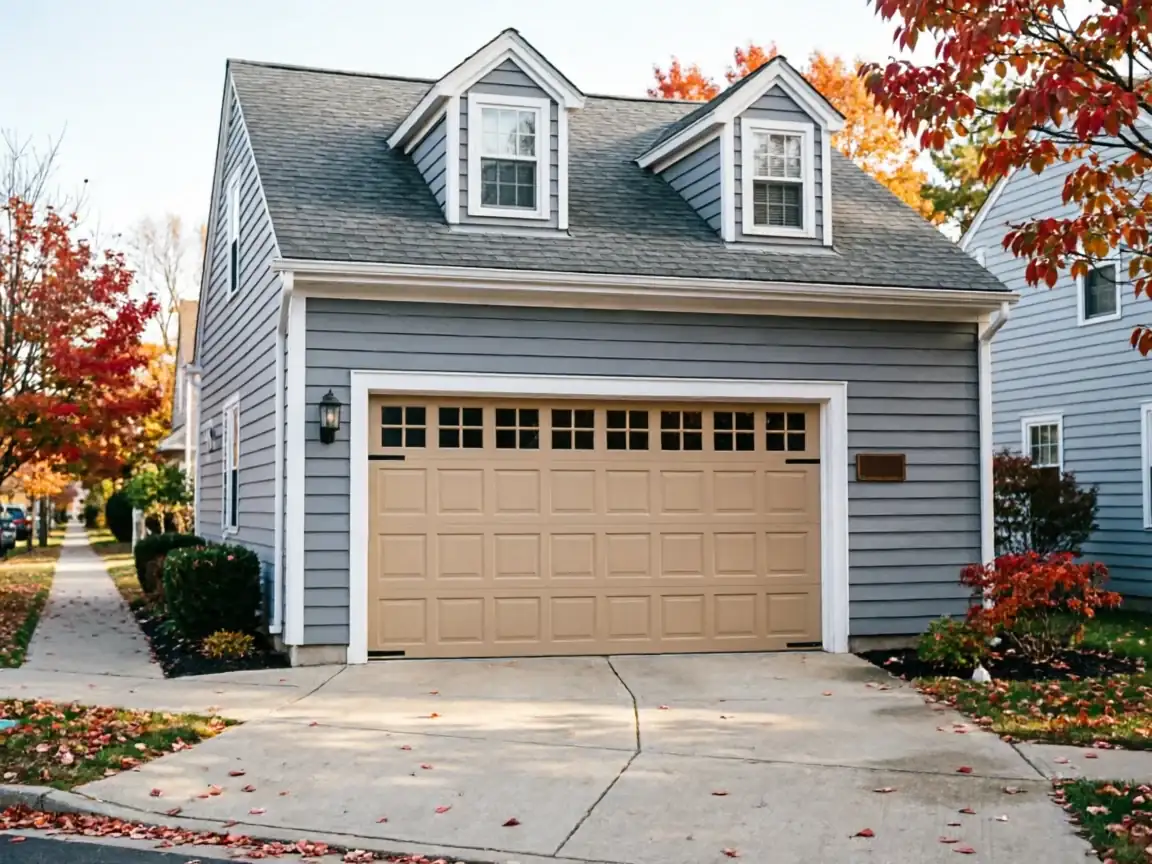
Replacing an old uninsulated door with an insulated steel or composite one is a common upgrade decision - but it's one worth sizing against the actual age and condition of the door first, not assumed as the default.
- 28,947 owner-occupied
- $72,842 median household income
When It Stops Being a DIY Job
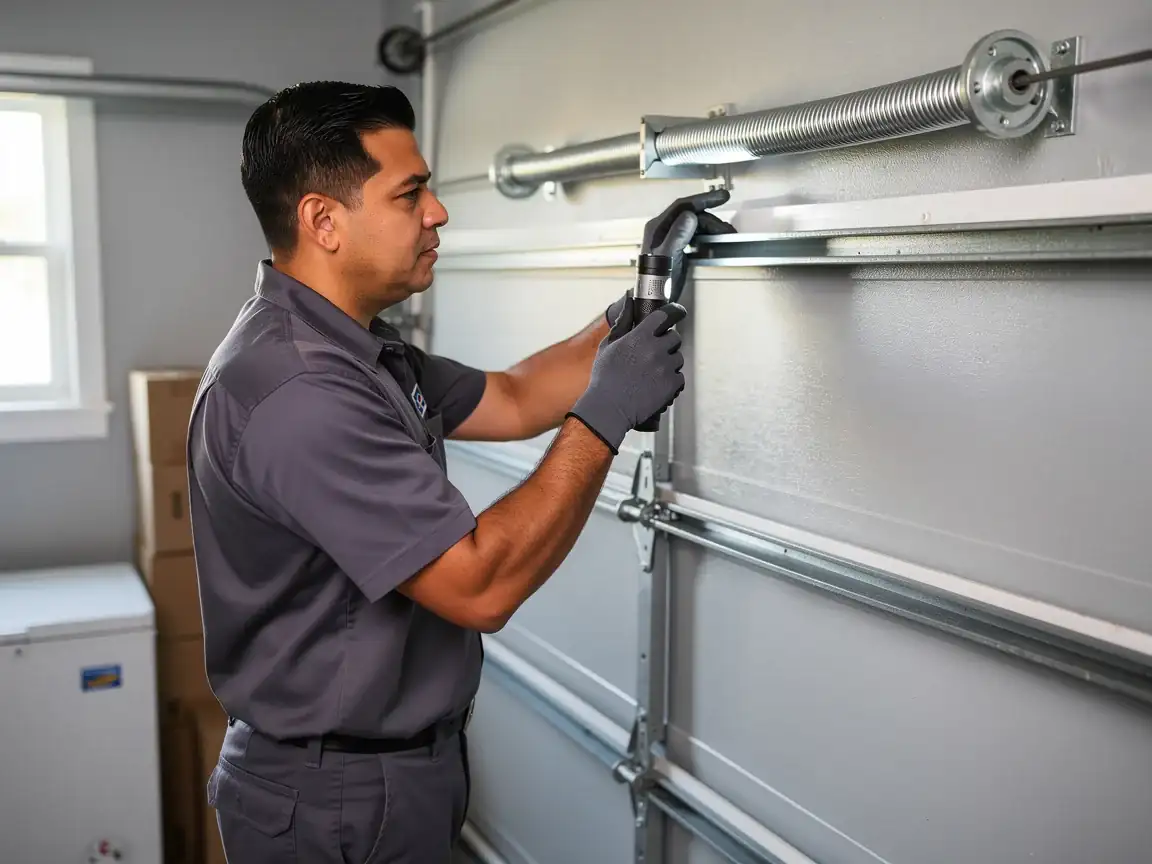
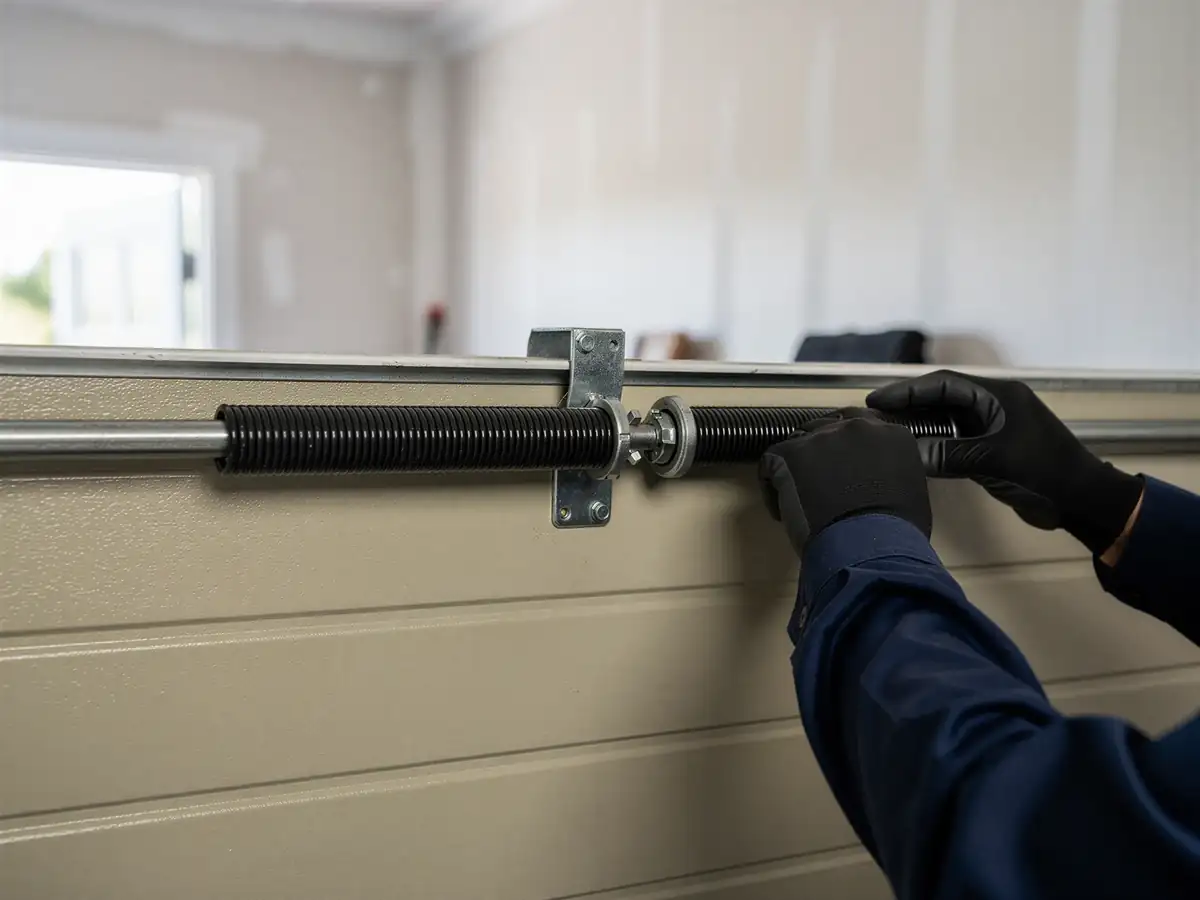
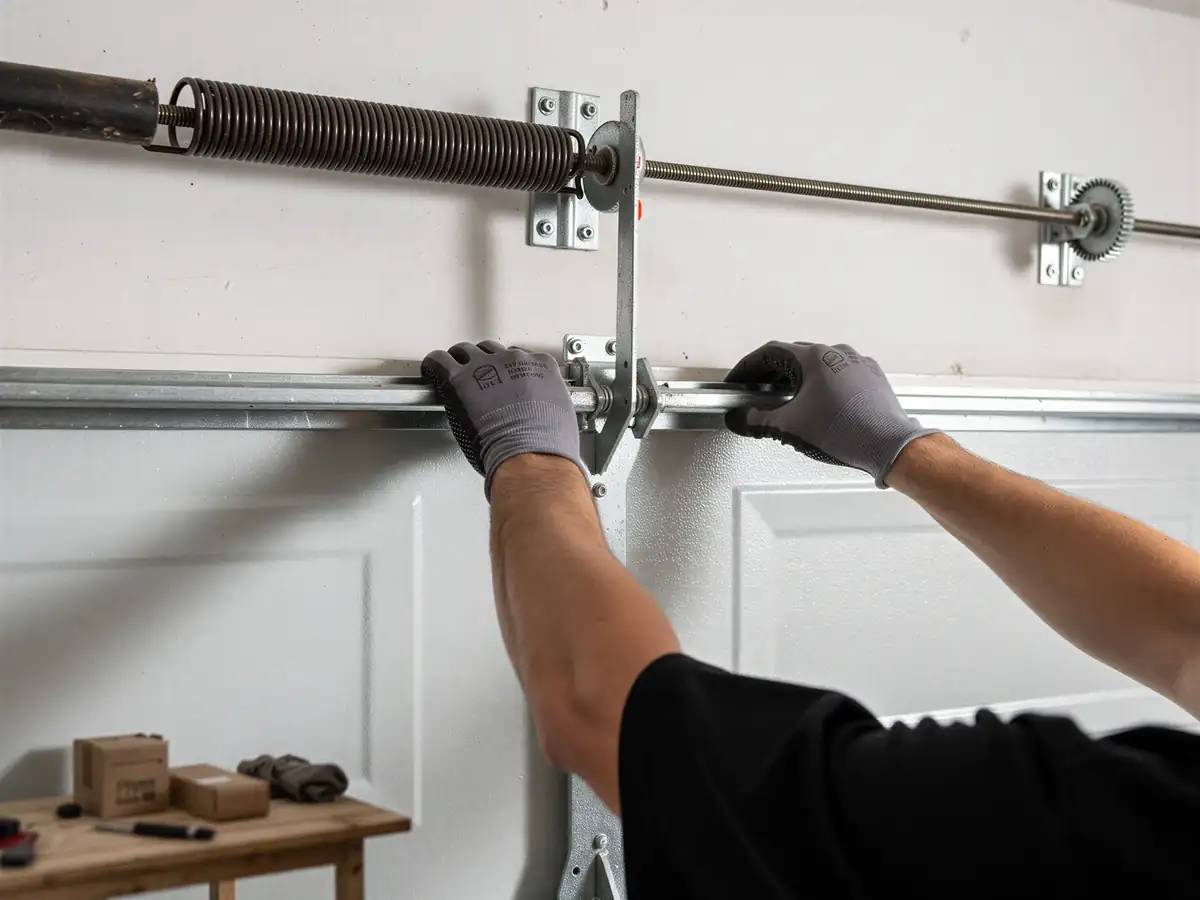
A loose bottom seal or a dirty roller, you can handle. A torsion spring on a door of this vintage is not something to open up yourself - the spring tension on these older systems, especially original hardware from a 1960s-70s build, can be enough to cause serious injury if it's released wrong. If the panels are warped badly enough that the door binds in the track on cold mornings, that's a sign the steel itself has reached the end of its useful life, not something a new seal will fix.
One honest limitation: we don't try to retrofit foam insulation kits into severely warped original panels. Once the steel has flexed that much, insulation won't make it seal properly, and it's a waste of a homeowner's money to pretend otherwise. At that point replacement makes more sense than repair, and we'll say so rather than sell a patch job.