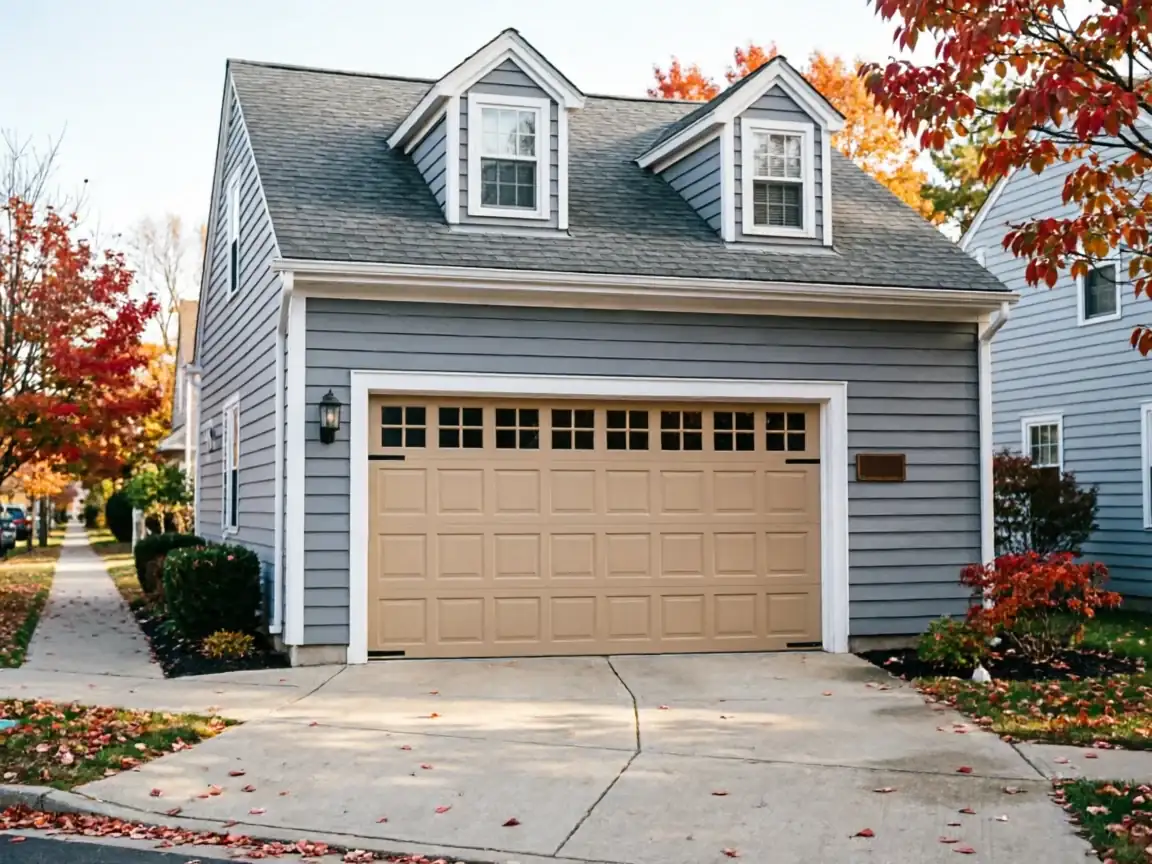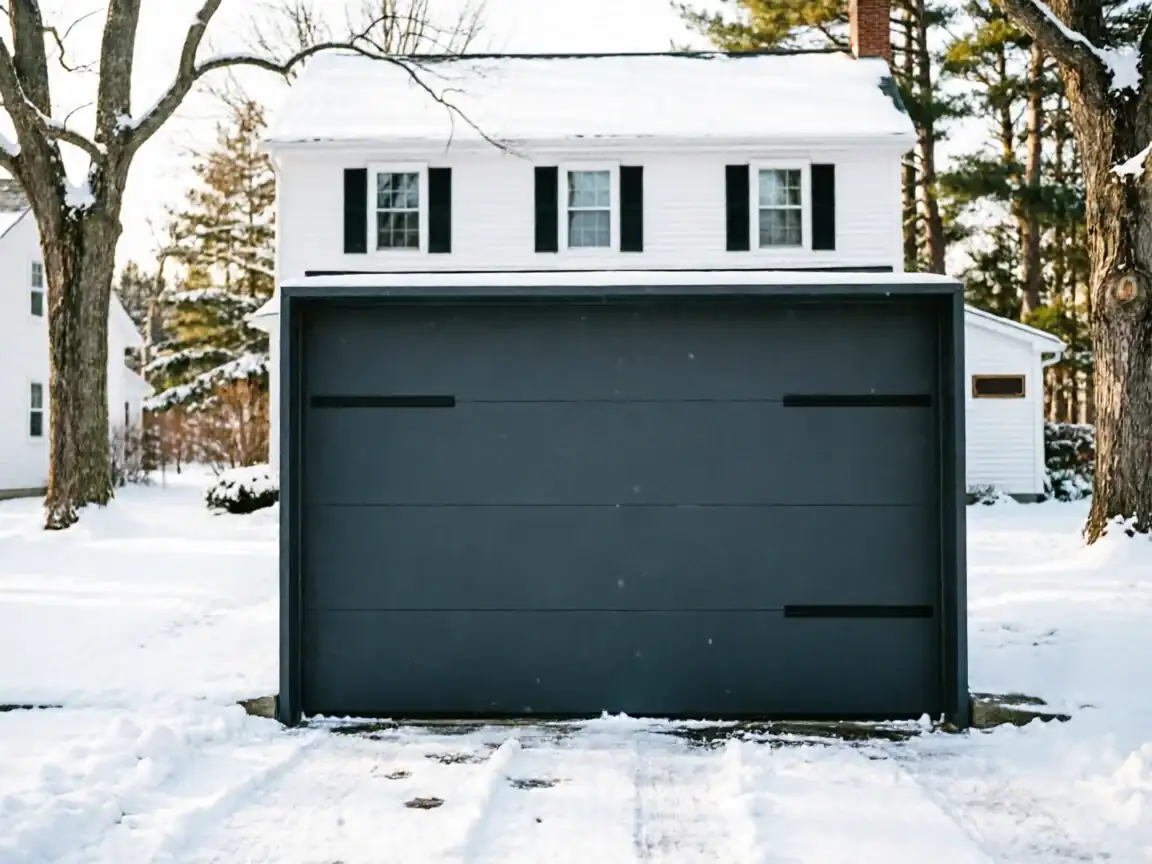
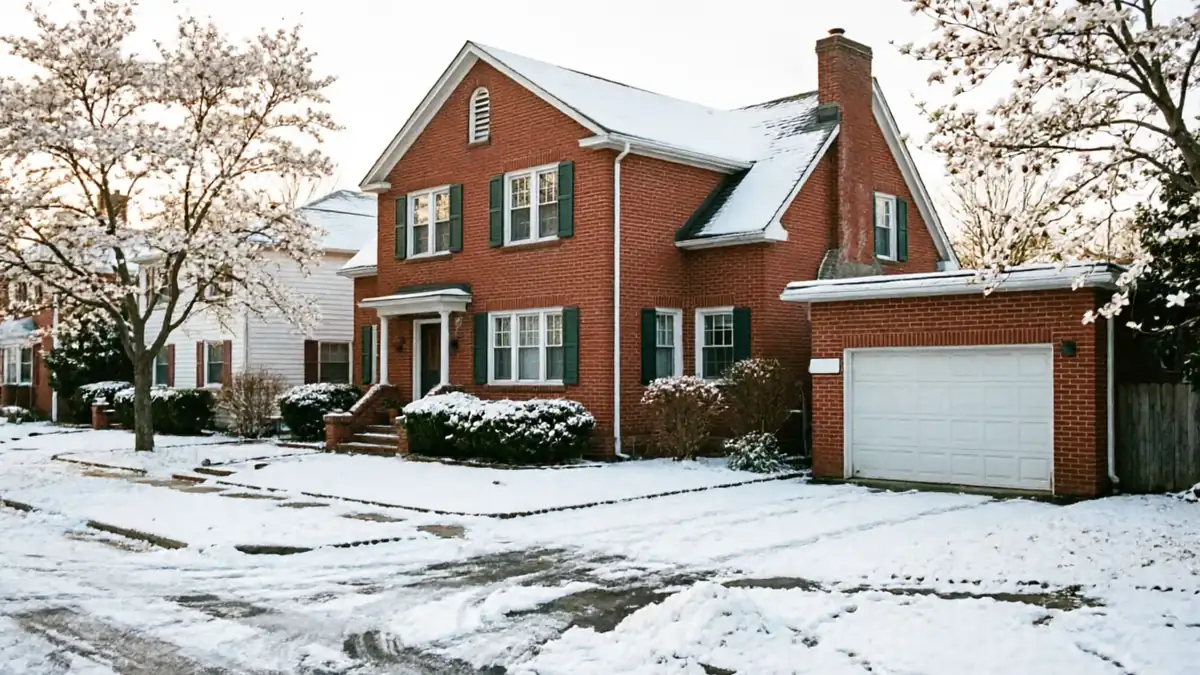
What We Do Most in This Area
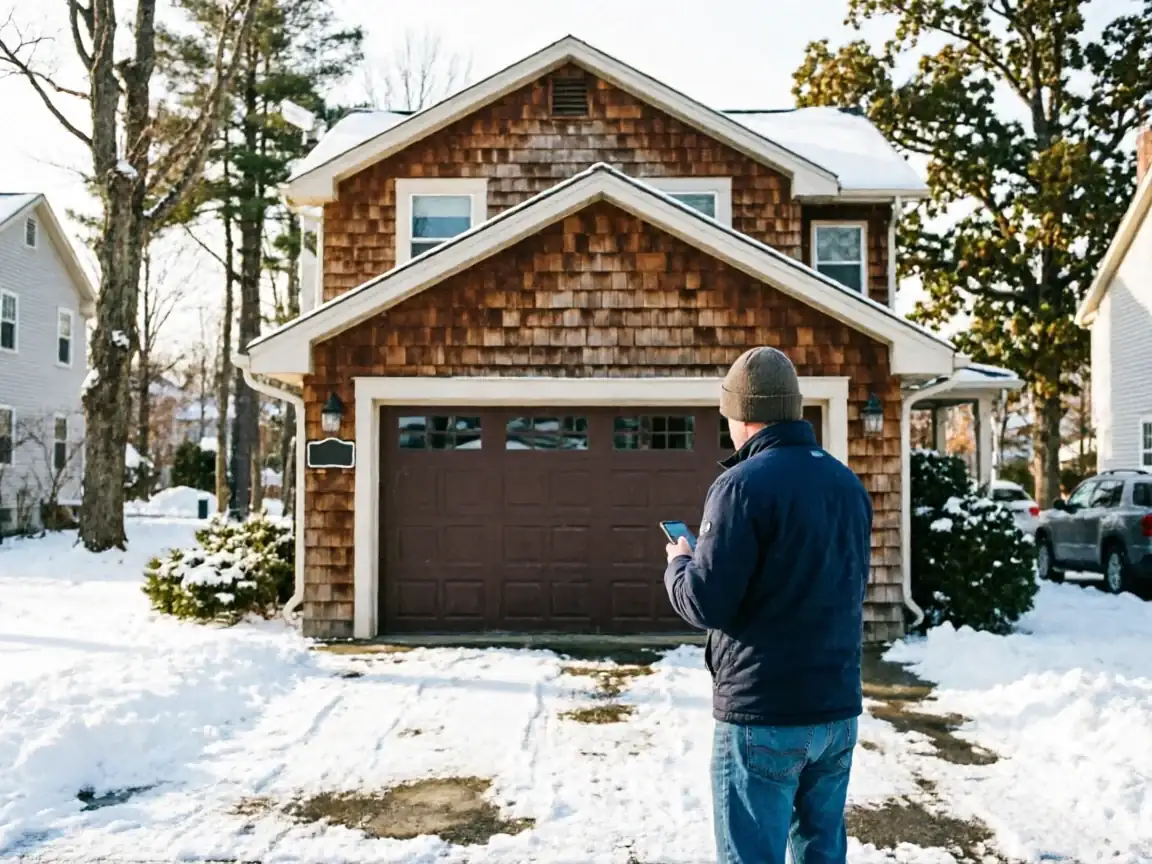
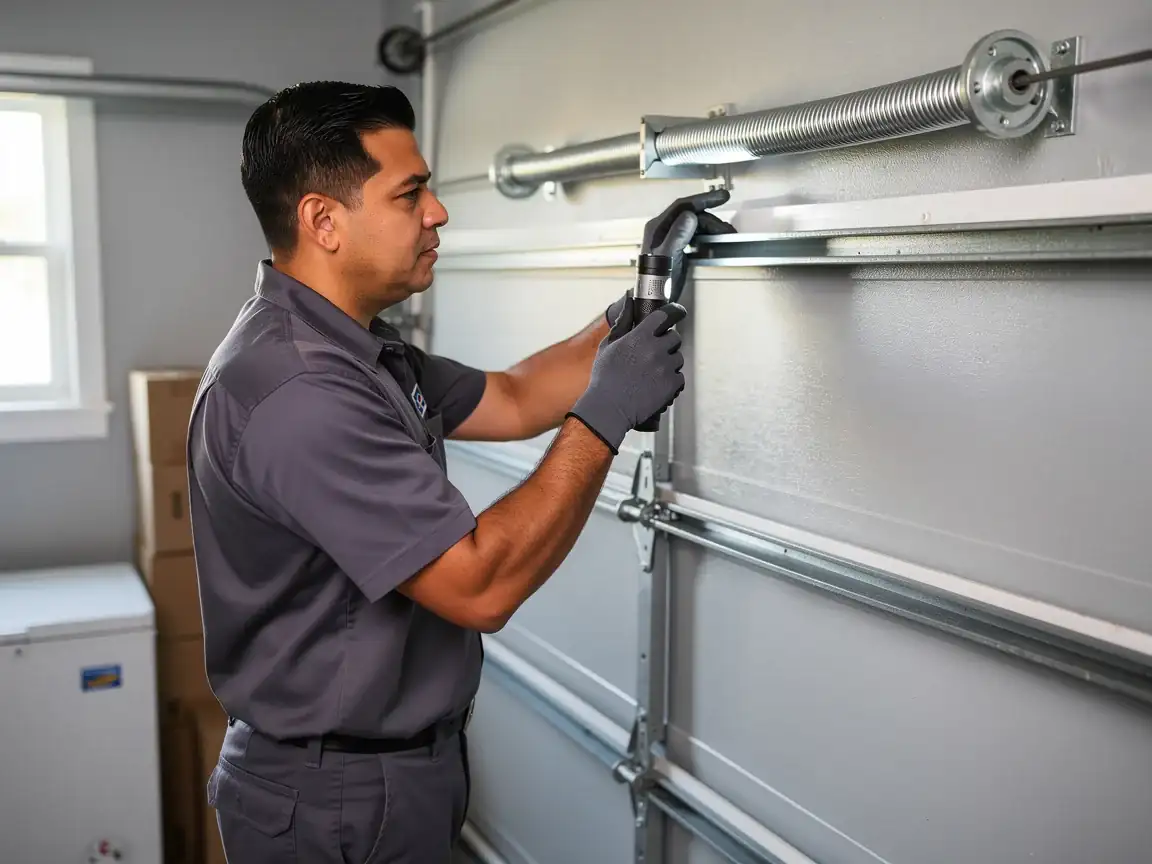
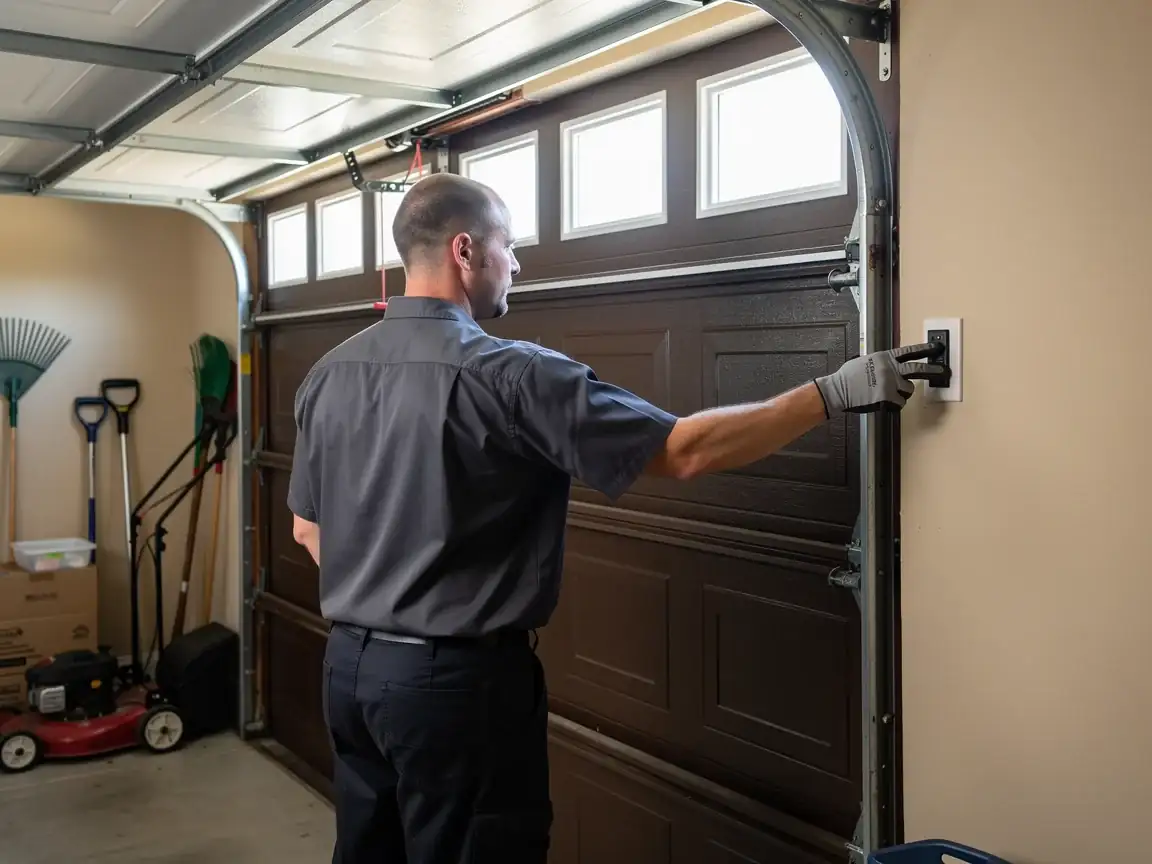
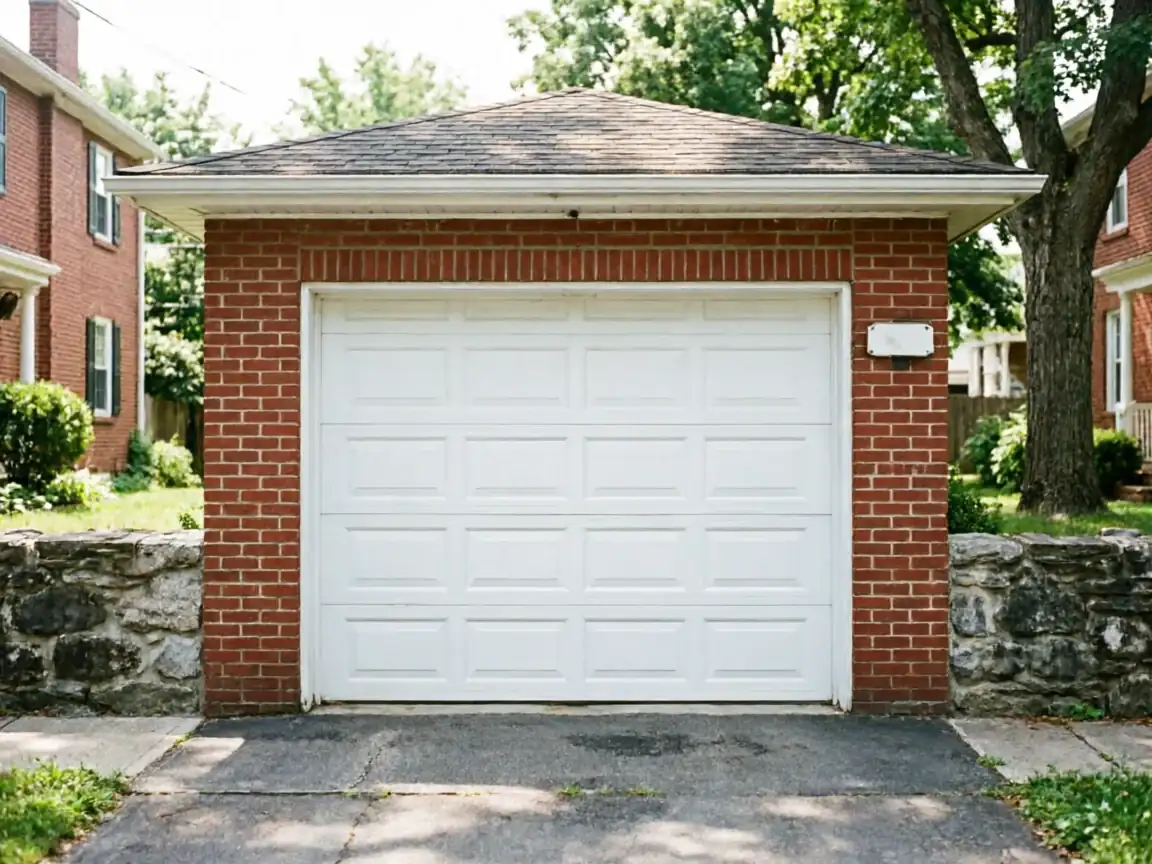
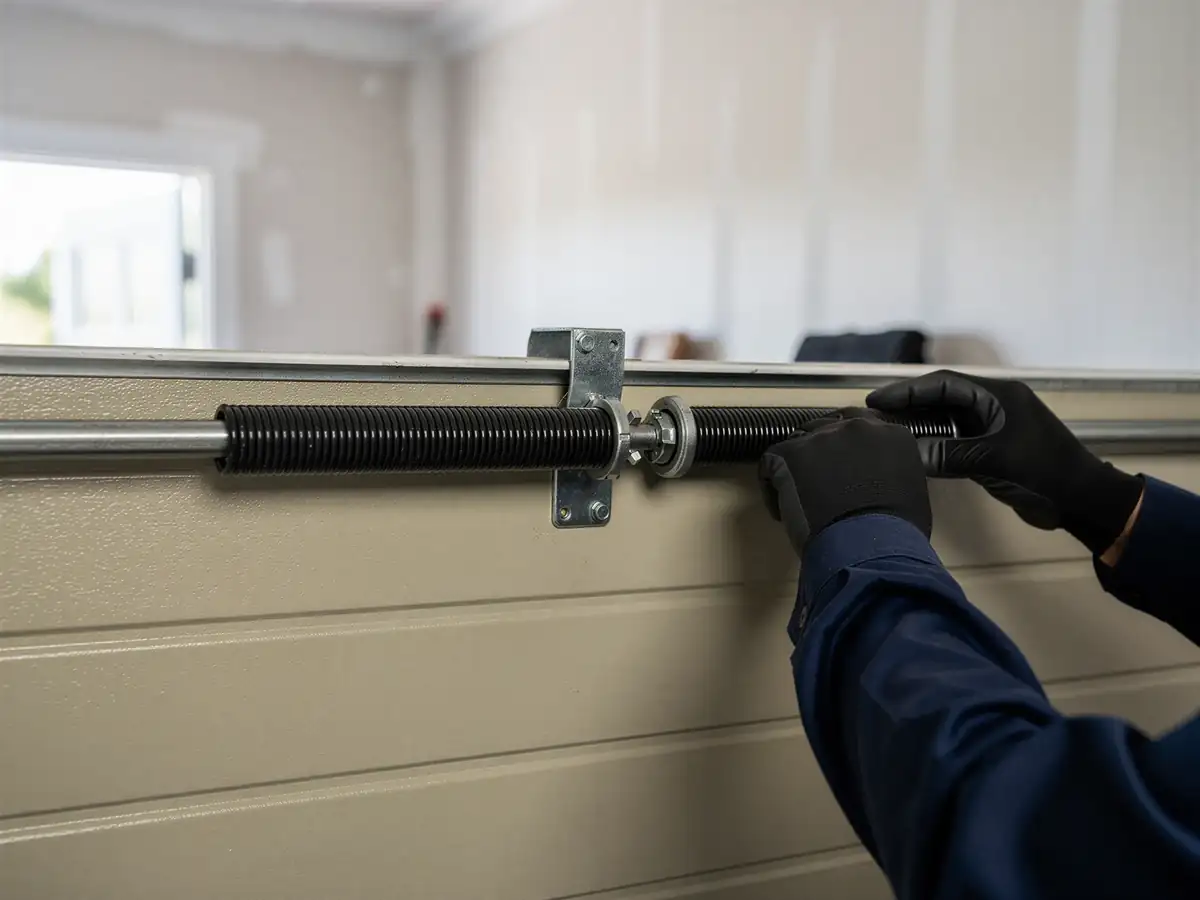
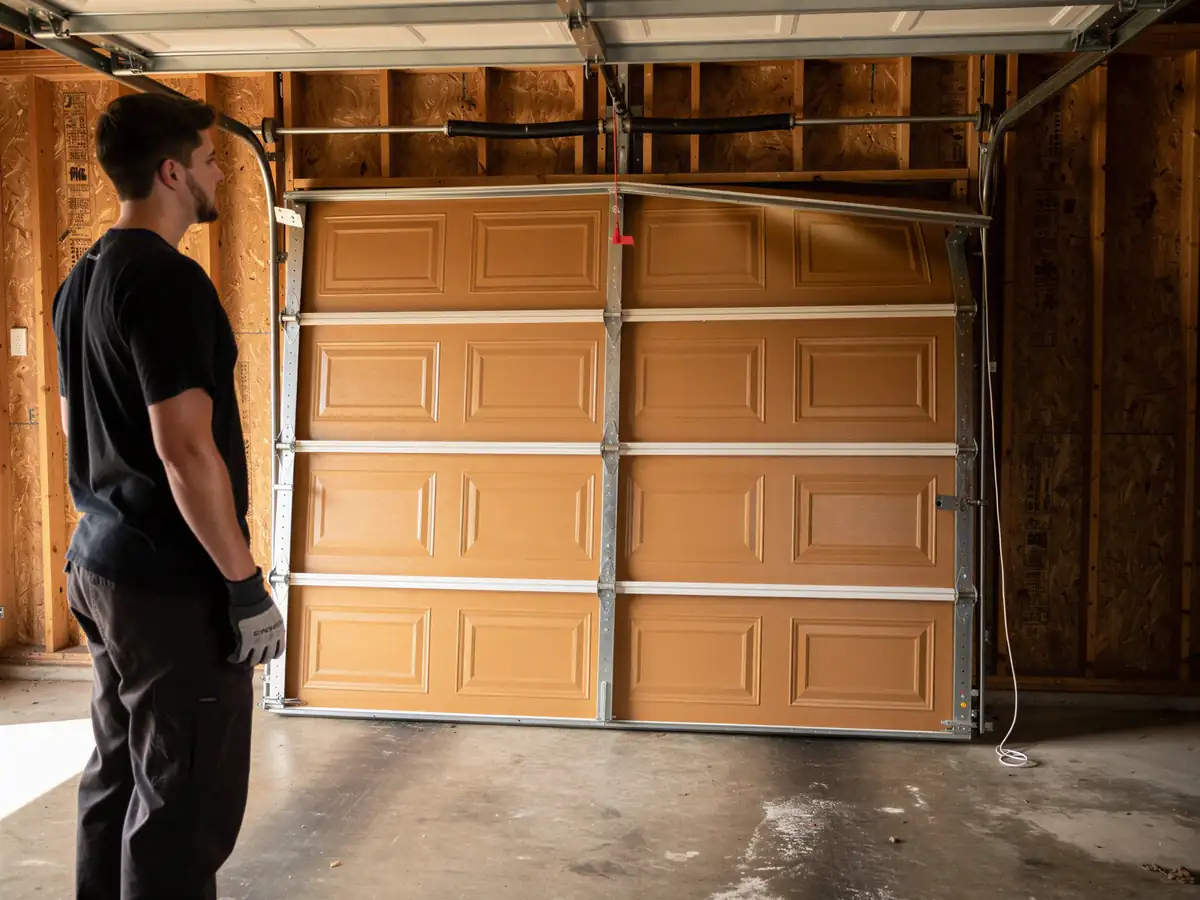
Most of the calls we take from Zelienople are torsion spring jobs and opener repairs on doors that have been in place since the house was built. With a median build year of 1973 in this area, a lot of the original hardware is still hanging on, which means broken springs, worn rollers, and cables that have finally given out after five decades of use. We also get calls on openers that are past their useful life - chain-drive units from the 80s and 90s that grind, stick, or stop responding to the remote.
Panel damage shows up too, usually from a car bumping the bottom section or a winter freeze-thaw cycle warping a steel panel that was never insulated to begin with. We don't push full door replacement on every call. If the track is straight and the springs are the only problem, we fix the springs and leave the rest of the door alone. If the door is steel from the 1970s with no insulation and the panels are rusting through, replacement usually makes more financial sense than patching it again.
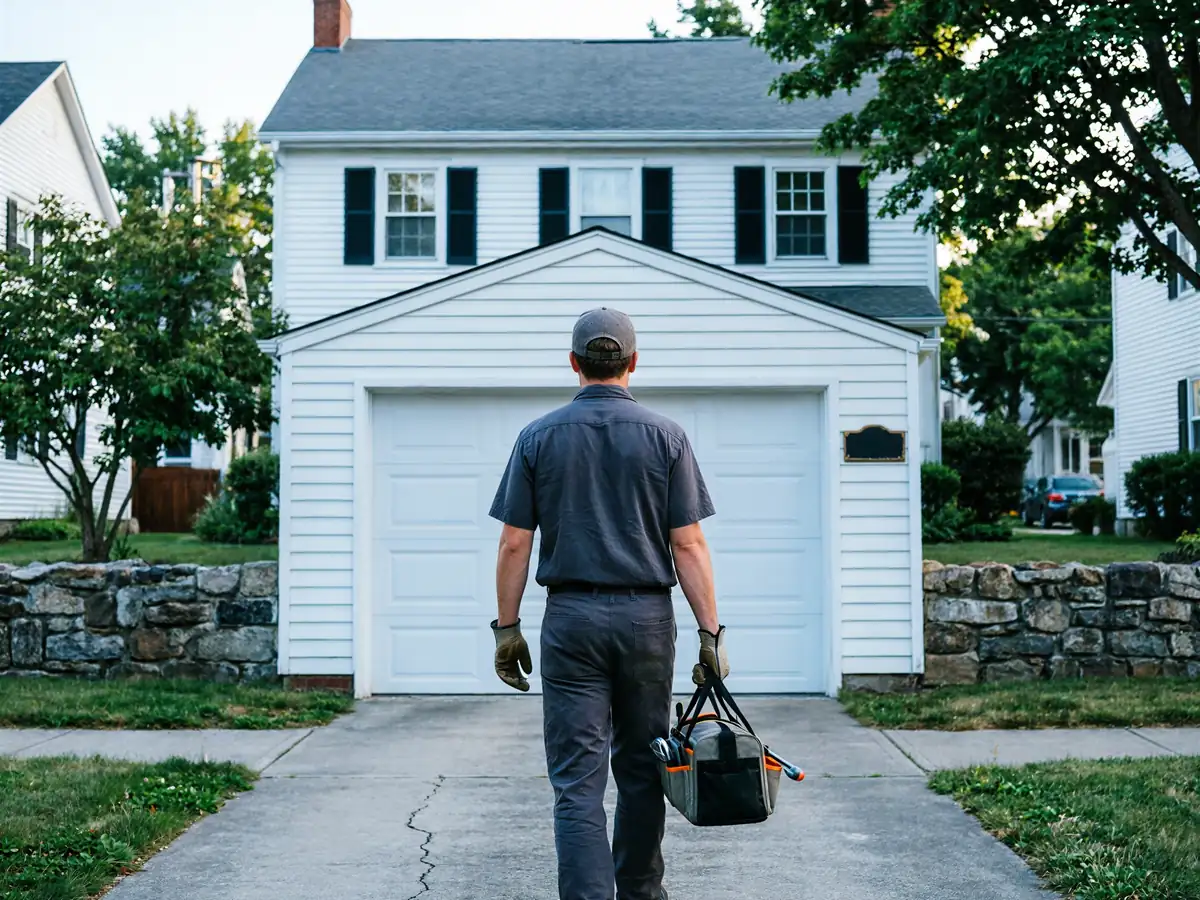
We travel to Zelienople from our shop in Butler, about 14 miles out, so we schedule the trip rather than treat it as a same-day drop-in for every call.
What the Housing Means for Your Door
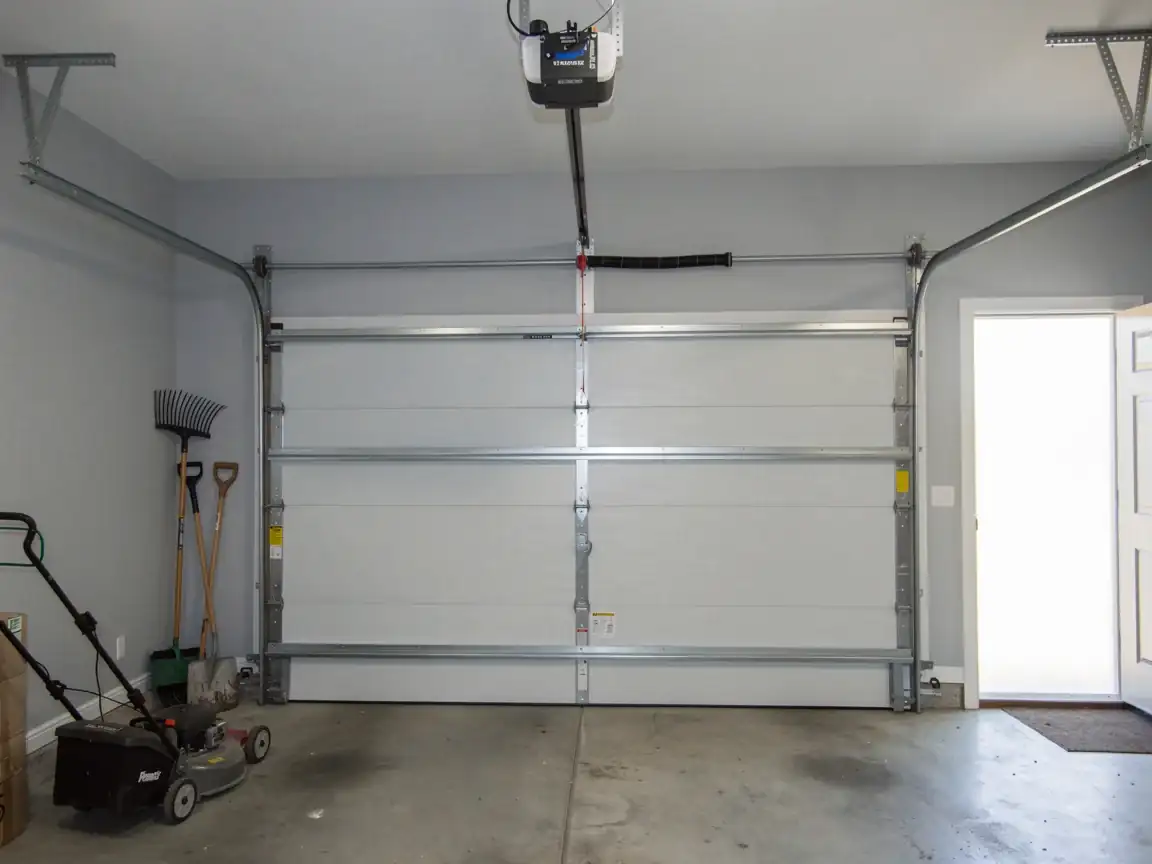
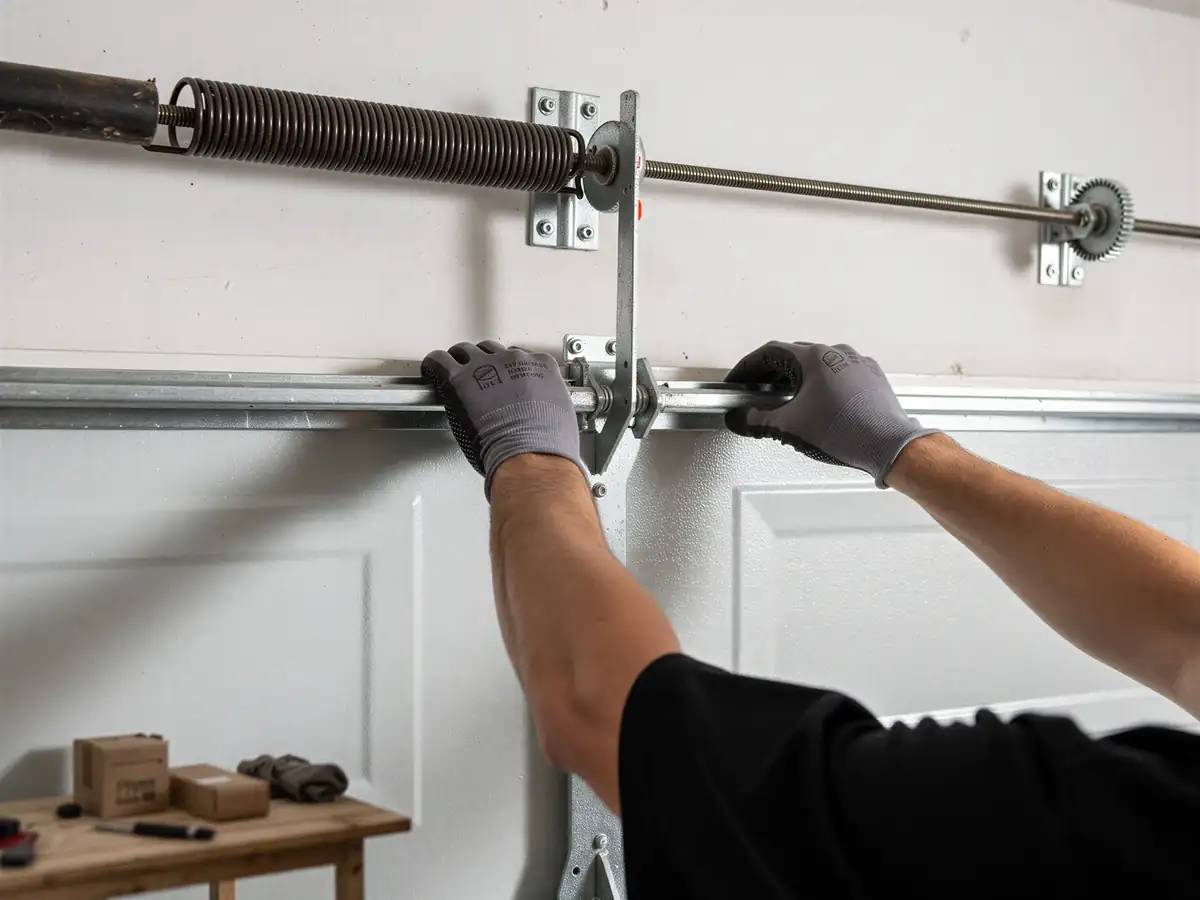
A house built around 1973 in this area almost always came with a steel door on a side-mounted torsion spring, or in some cases an older extension-spring setup if the garage was added later. That hardware is reliable but it's not what hardware stores carry on the shelf anymore - the spring wire gauge and drum sizes on a 50-year-old door often don't match today's standard kits, so we carry sizing charts and order parts cut to the original spec rather than guessing.
Across this part of Butler County, housing generally dates to the 1960s and 70s, and Zelienople's 1,923 households mostly sit in that same window. That consistency is actually useful for us: we know roughly what we'll find before we open the garage, which cuts down on surprise charges once we're already on-site.
The cold winters here matter too. Steel doors from that era typically have little to no insulation, and temperature swings make old torsion springs more likely to snap in January than in July. If your door is original to a 1970s build and you haven't touched the springs, it's worth having them checked rather than waiting for a cold-morning failure.
When We Can Get There
We run out of Butler, and Zelienople is about 14 miles from the shop
That's a real drive, not a next-door hop, so we build it into the route rather than treating every call as urgent same-day work. If your spring breaks and the door won't move at all, tell us that when you call - we prioritize jobs where the door is stuck shut or open over routine maintenance and sound checks.
- 14 miles
We don't keep a crew stationed in Zelienople, and we're upfront about that
If you need a five-minute emergency fix, a closer outfit might get a truck to you faster. What we offer instead is a crew that shows up with the right spring sizes and opener parts for houses built in this era, because we've already seen the pattern across the surrounding townships.
This Area's Housing
Zelienople's housing stock centers on a median build year of 1973, which puts most garages here at full working life for original hardware - springs, rollers, and cables that were never meant to last past the 30-year mark. Median household income in this area runs $64,583, a bit below the wider service area's $72,842, which is part of why we try to repair rather than replace whenever the door itself is sound.
Across the broader region we cover - including nearby Harmony, Mars, and Zelienople itself - the housing dates mostly to the 1960s and 70s, built on a similar run of torsion and extension spring setups. That regional consistency means we're rarely dealing with a hardware style we haven't seen before, but it also means a lot of doors in this area are overdue for a spring swap at the same time, which is worth knowing if you're due for one yourself.