What You Pay
We don't post a flat price for Zelienople because no two jobs are the same - a broken torsion spring on a single door costs less than replacing a bent track on a double, and we won't quote either over the phone without seeing the door. What we can tell you is that the truck comes from Butler, about 14 miles out, so the service call includes that drive. Median household income here runs $64,583, lower than some of the other towns on our route, and we get that cost matters. We'll tell you straight when a repair makes sense and when it doesn't, rather than running up a bill on a door that's better off replaced. If a part needs to be special-ordered - some of the older torsion springs sized for doors from the 1970s aren't something every supplier keeps on the shelf - we'll say so up front instead of promising a same-day fix we can't back up.
Where This Job Goes Sideways
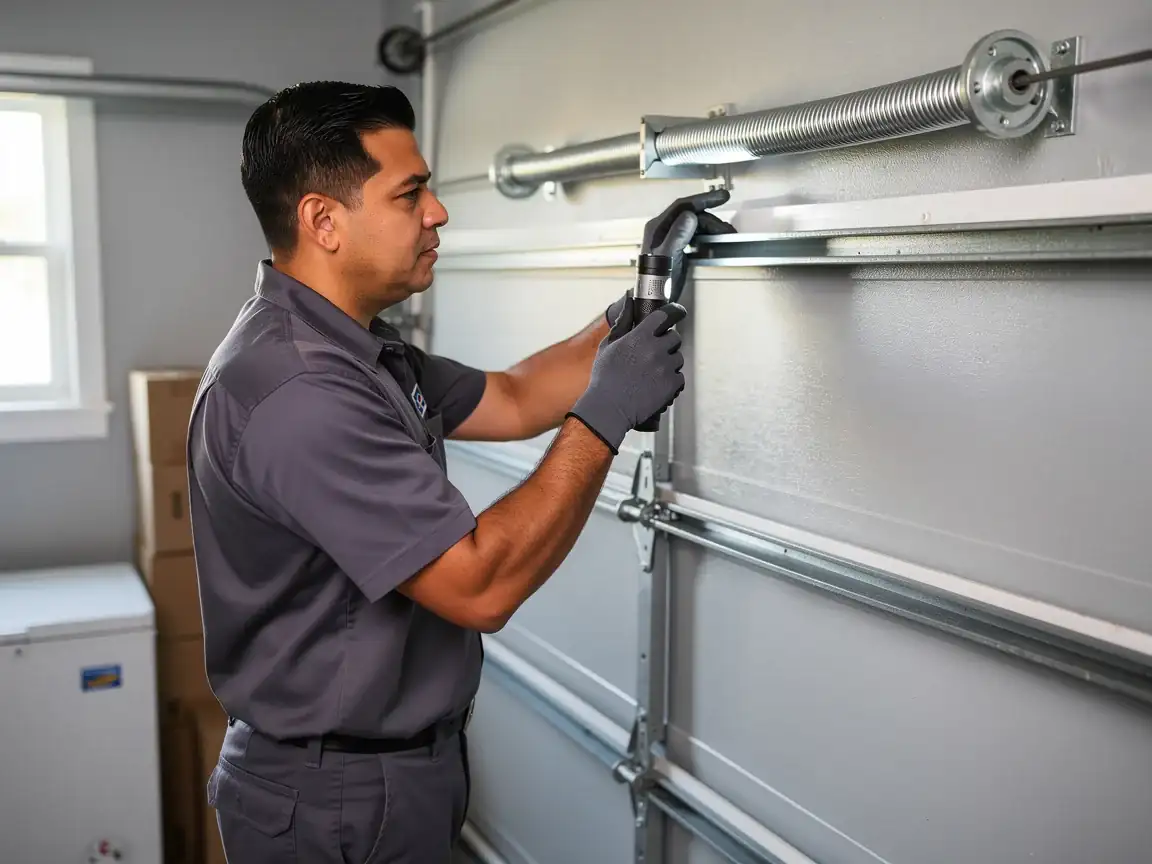
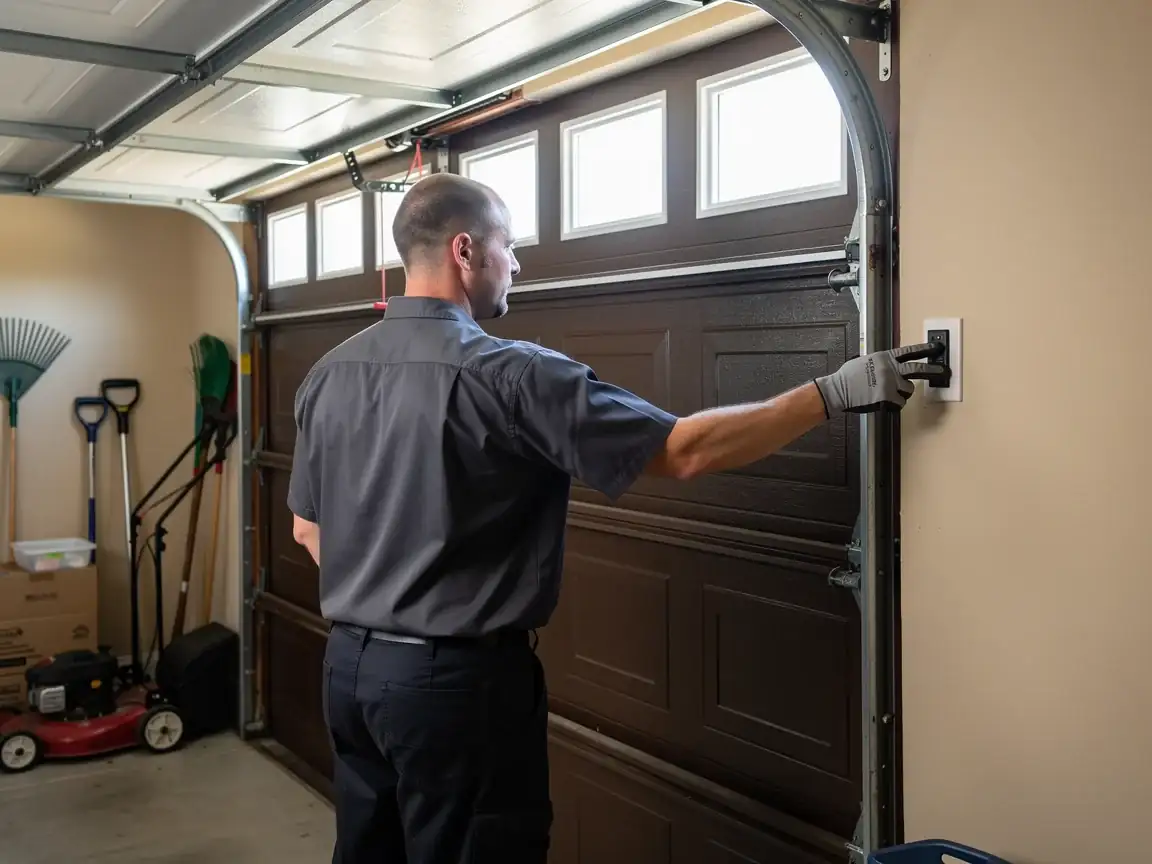
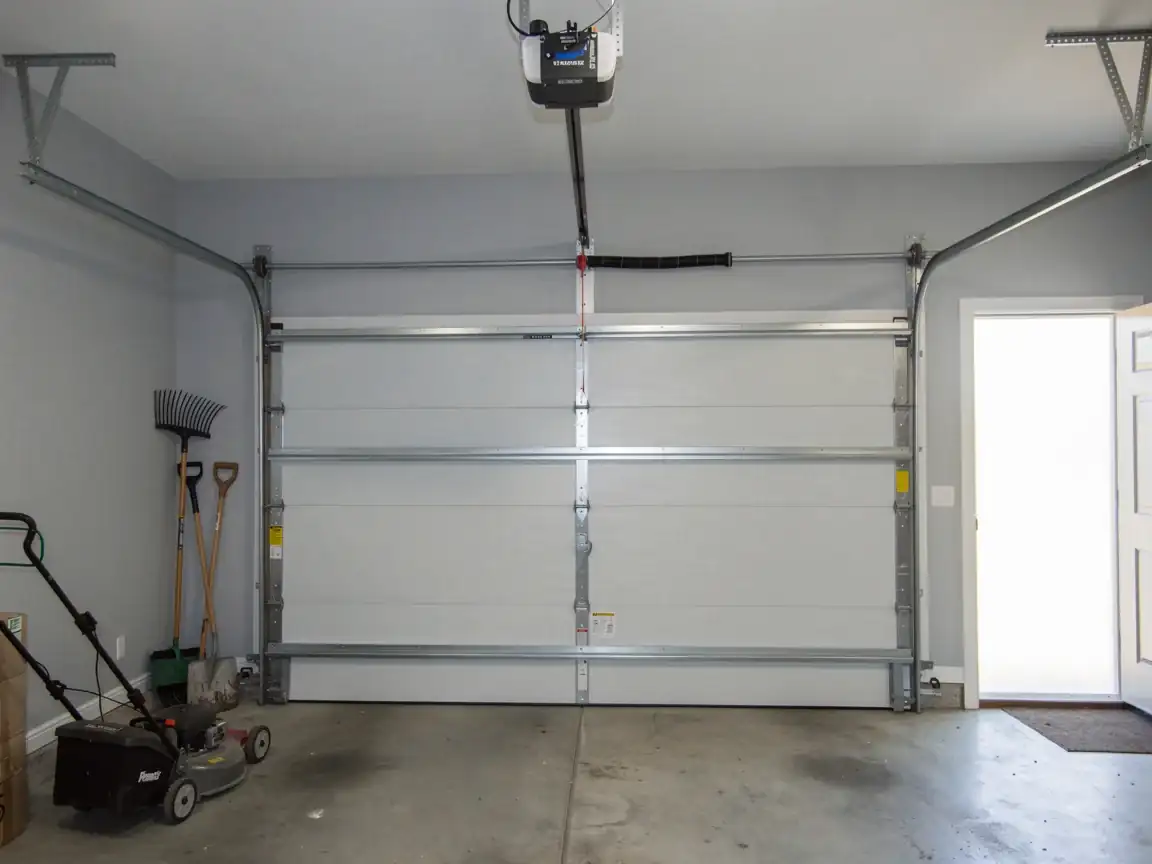
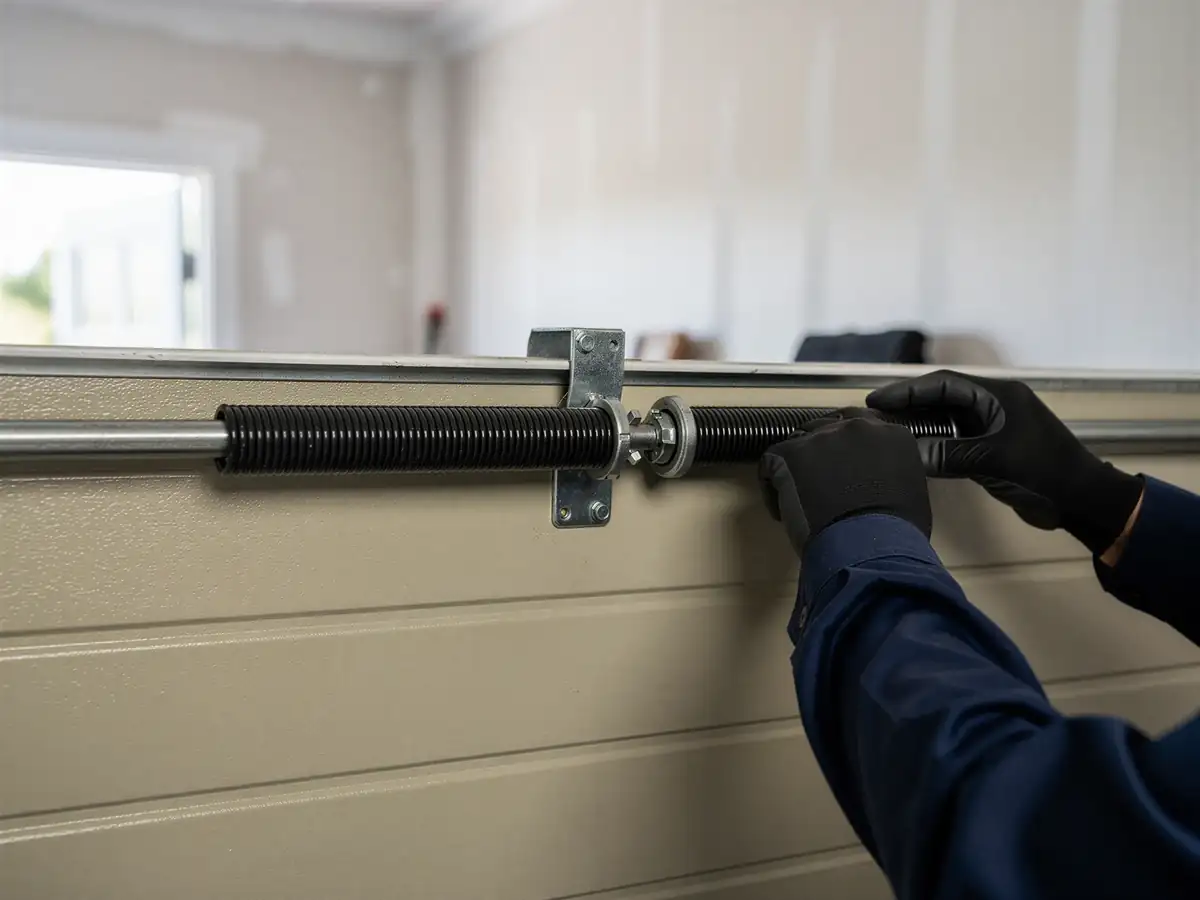
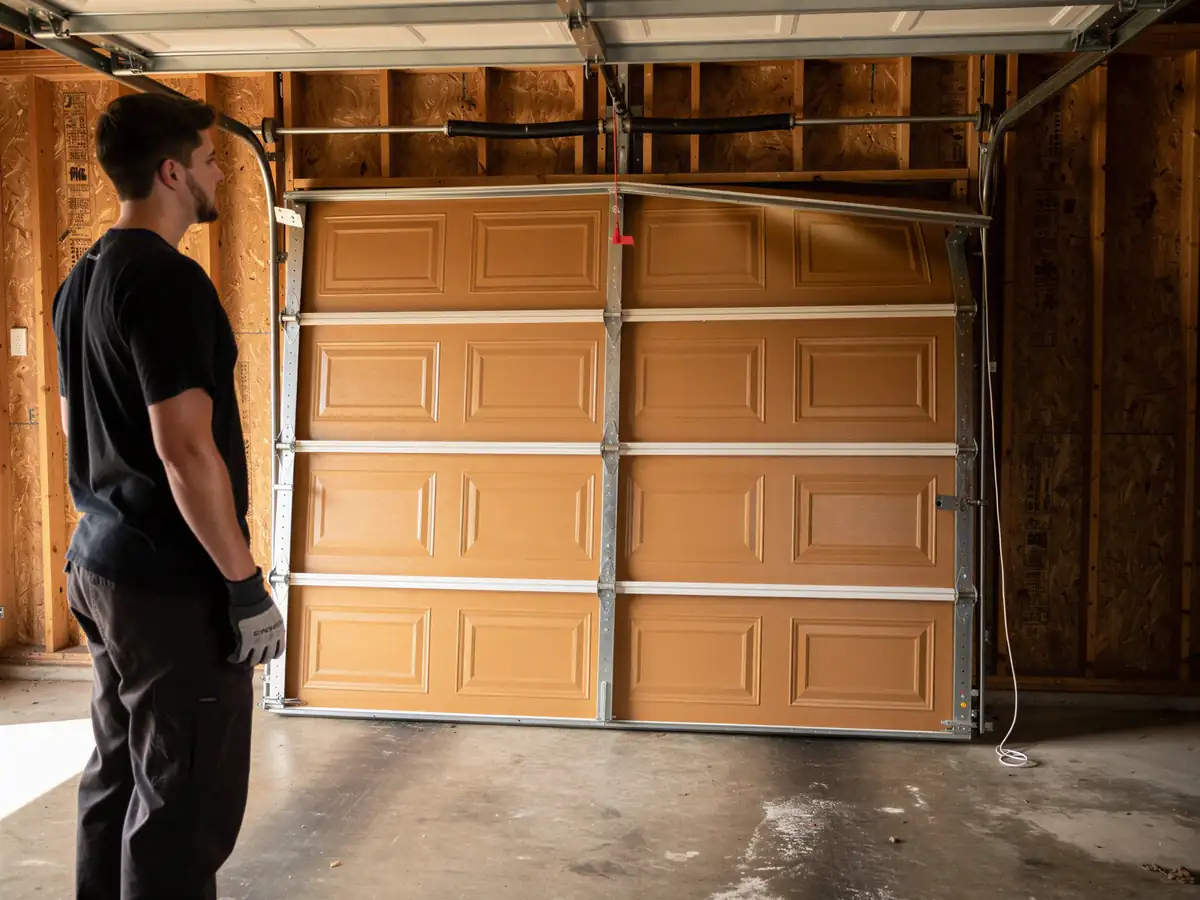
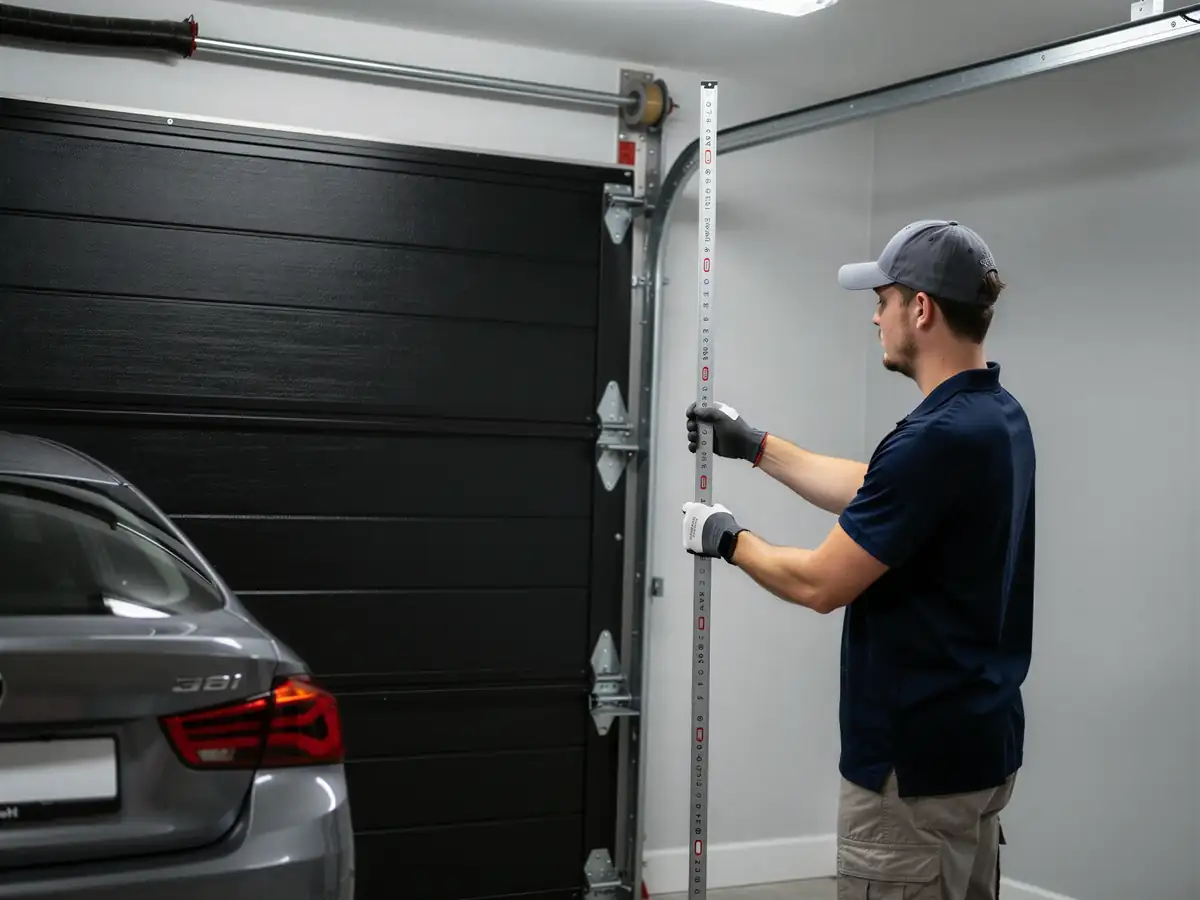
Zelienople's housing stock mostly went up around 1973, which means a lot of doors are still running on original or first-replacement torsion hardware - side-mounted springs, older drum and cable setups, sometimes a center-bearing plate that's seen forty-plus winters of flex. The failure mode we see most isn't a dead opener, it's a spring that's finally given out after outliving its rated cycle count, taking a cable or a bottom bracket with it on the way down. Jobs go sideways when a homeowner tries to free a stuck door by forcing the opener past a broken spring - that's how a track bends or a panel cracks, turning a spring job into a door job. On the older doors in this stretch, the opener was often added years after the door itself, so the two don't always match up cleanly, and that mismatch is usually where the real trouble starts.
Why It Happens Here
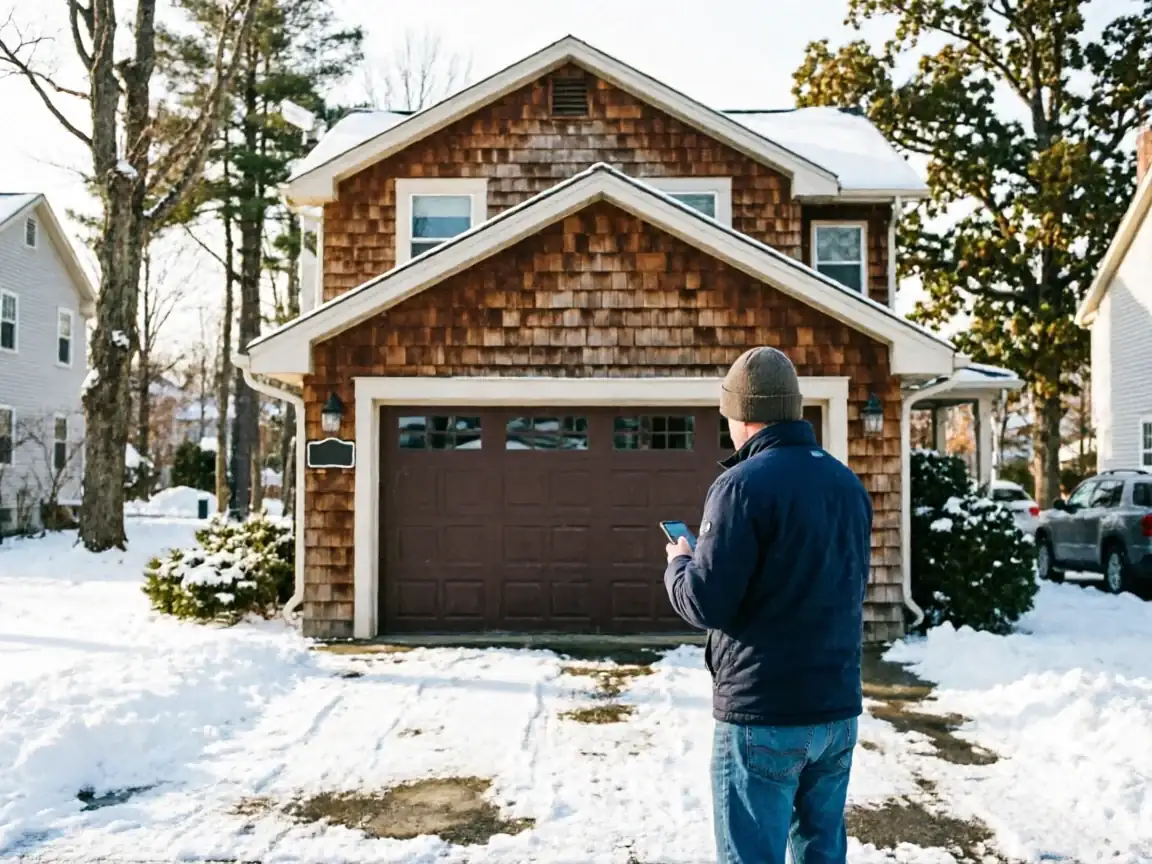
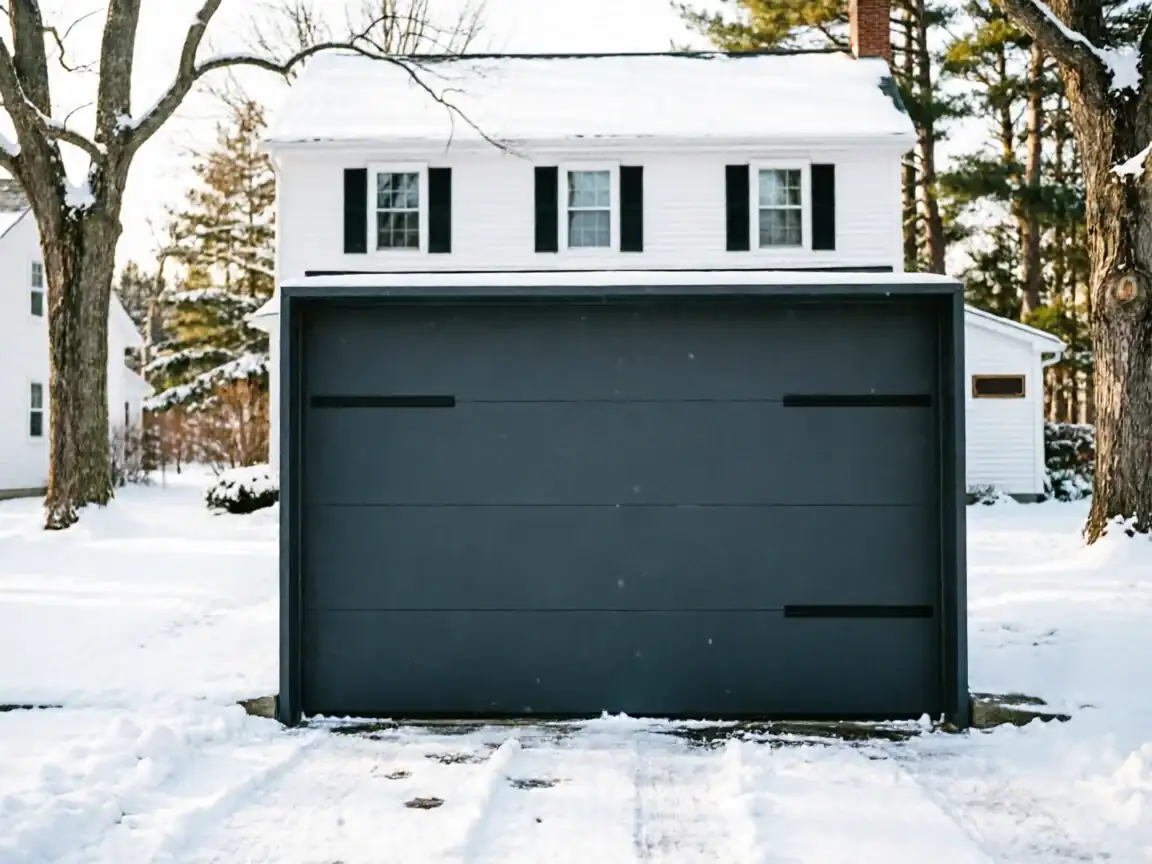
Two things stack up in Zelienople: the age of the housing and the climate. A lot of the doors date to the early 1970s, which puts the original torsion springs decades past any reasonable service life even on a door that's barely used. On top of that, this area sits in a cold climate band with severe winters, and cold steel doesn't flex the way warm steel does - a spring that's already fatigued is more likely to snap on a sub-freezing morning than a mild one. We see the pattern every winter: doors that worked fine in October start sticking, groaning, or refusing to open once the temperature drops and stays down. It's not bad luck, it's forty-some years of hardware meeting a hard winter.
The DIY Question
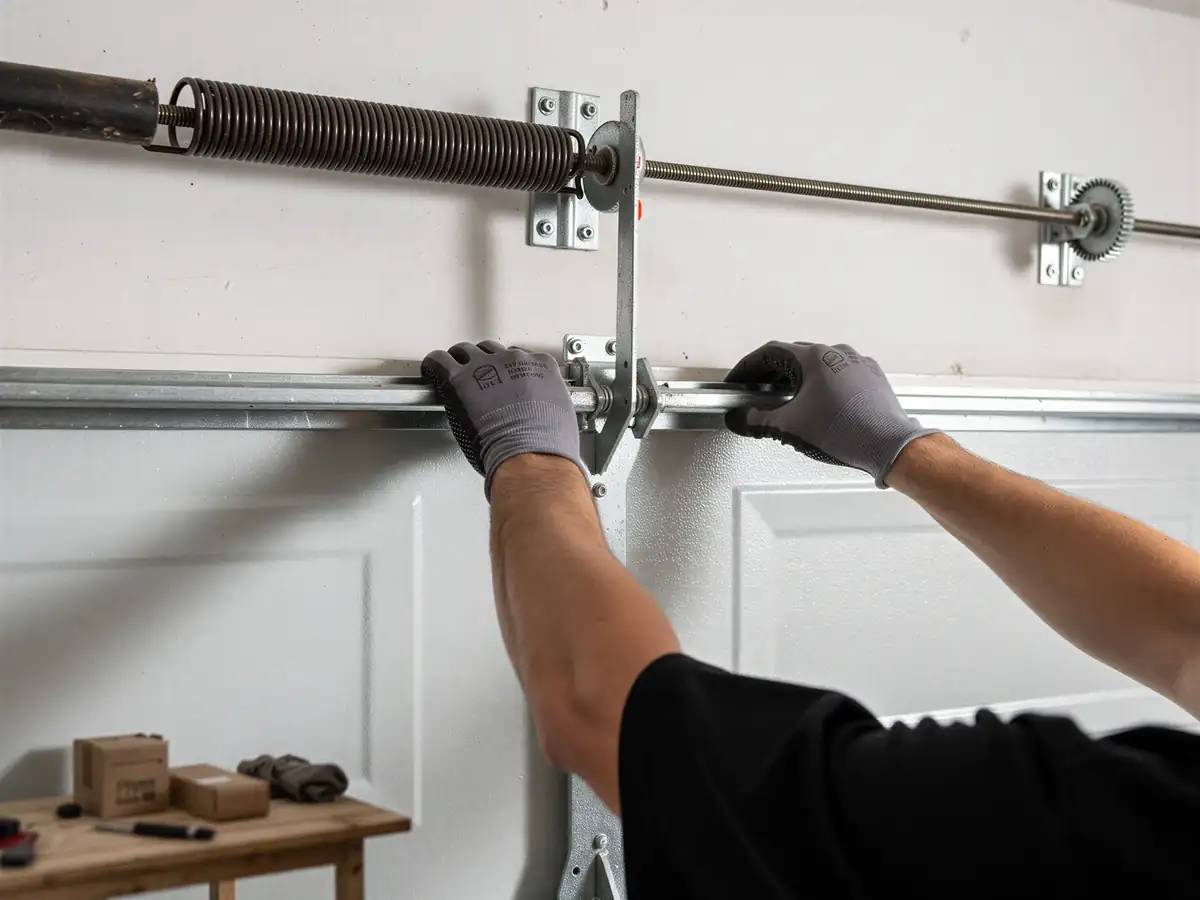
Changing a garage door spring is not a weekend job, and we'll say that plainly: a torsion spring under tension can break bones or worse if the winding bar slips, and that risk doesn't go away because the door looks simple. Swapping a roller or tightening a loose track bracket is reasonable DIY territory for most homeowners. Replacing a spring, a cable, or anything that's under load is not - that's true in Zelienople the same as anywhere, and we won't talk anyone into trying it to save a service call. Where local conditions matter is cold: working on spring hardware outdoors in a hard freeze makes the steel more brittle and the job riskier than it would be in better weather, so if it's not an emergency, waiting a day for warmer conditions is a fair trade.