
What You Pay
We don't post a flat emergency rate here because the fix depends on what's broken, and in Zelienople that's usually a torsion spring sized for a door installed sometime around 1973 - the median build year in this town. Springs rated for that era's lighter steel doors aren't always the same part a 2005 insulated door needs, so the tech has to confirm the size before quoting, not after.
Zelienople's median household income sits at $64,583, a step below the $72,842 median across the wider Butler service area we cover. That gap shows up in the calls themselves - more requests to repair a cable or replace a single spring, fewer requests to swap the whole door for a new one. We'll tell you straight when a repair makes sense and when it doesn't, but we're not going to upsell a full replacement because the job's 14 miles from the shop.
Where This Job Goes Sideways
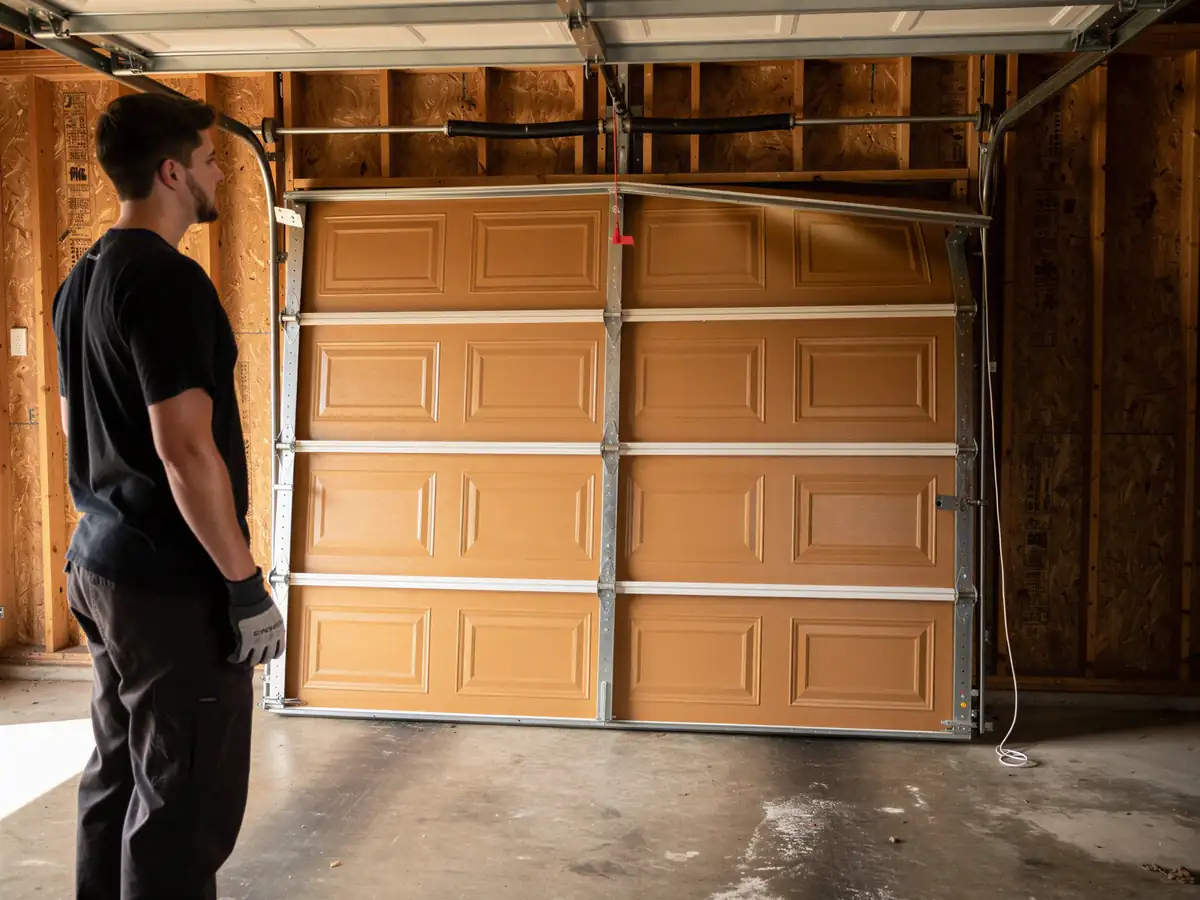
The failure we see most in this town isn't the spring itself - it's what the spring takes down with it. Doors built in the early 1970s often ran side-mounted torsion hardware on a single shaft, and when that shaft's bearing plate has been flexing for fifty years, a snapped spring can bend the plate or twist the track on its way down. That turns a spring job into a track-and-hardware job, and it's not something you catch from the driveway.
Cold matters too. This region sits in a severe cold climate band, and steel contracts hard on the first deep-freeze night of the season - that's when an already-fatigued spring gives out. If your door drops and won't budge anywhere along the track, don't keep hitting the opener button. That just walks the problem further down the rail before we get there.
Getting It Booked In
Tell us what the door is doing
Stuck halfway, cable off the drum, spring visibly split - and we'll get a sense of what's riding in the truck before it leaves Butler. We travel the roughly 14 miles out to Zelienople for these calls; we don't keep a separate stock point in town, so the parts we bring are based on what you describe on the phone.
- 14 miles
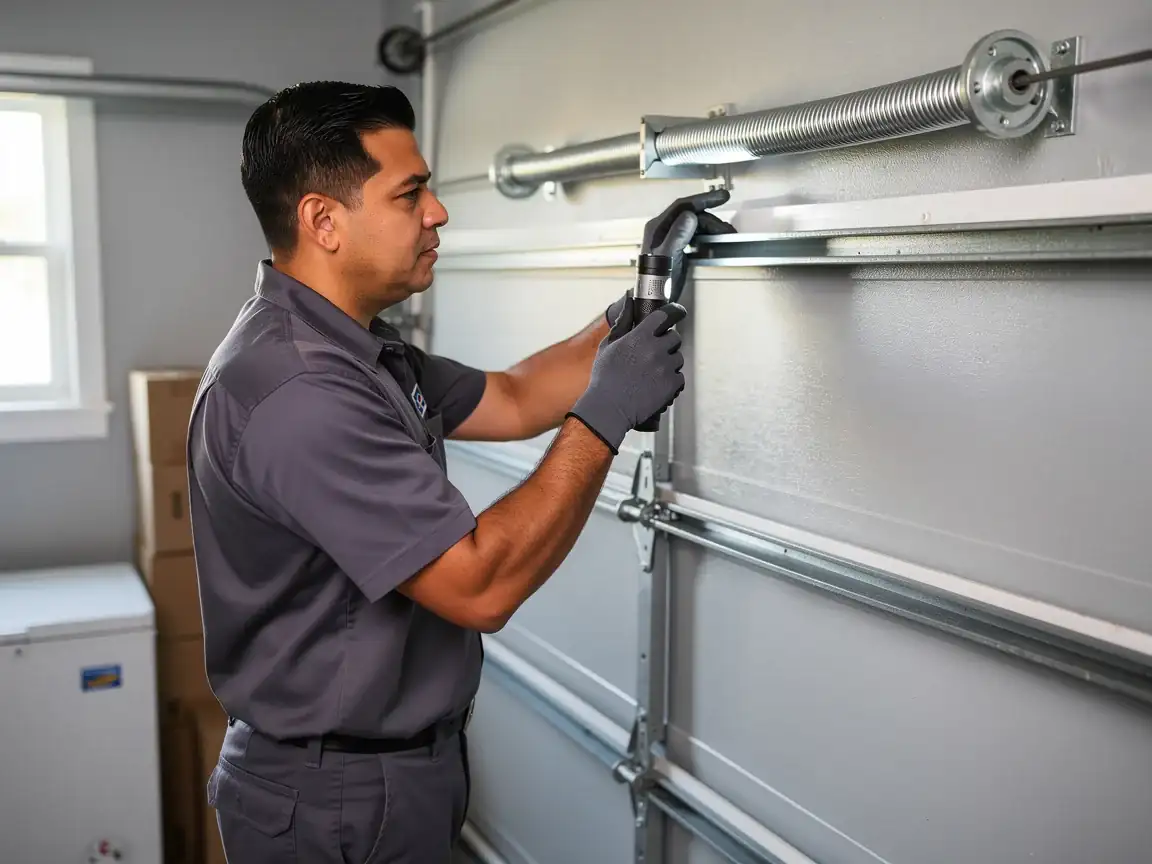
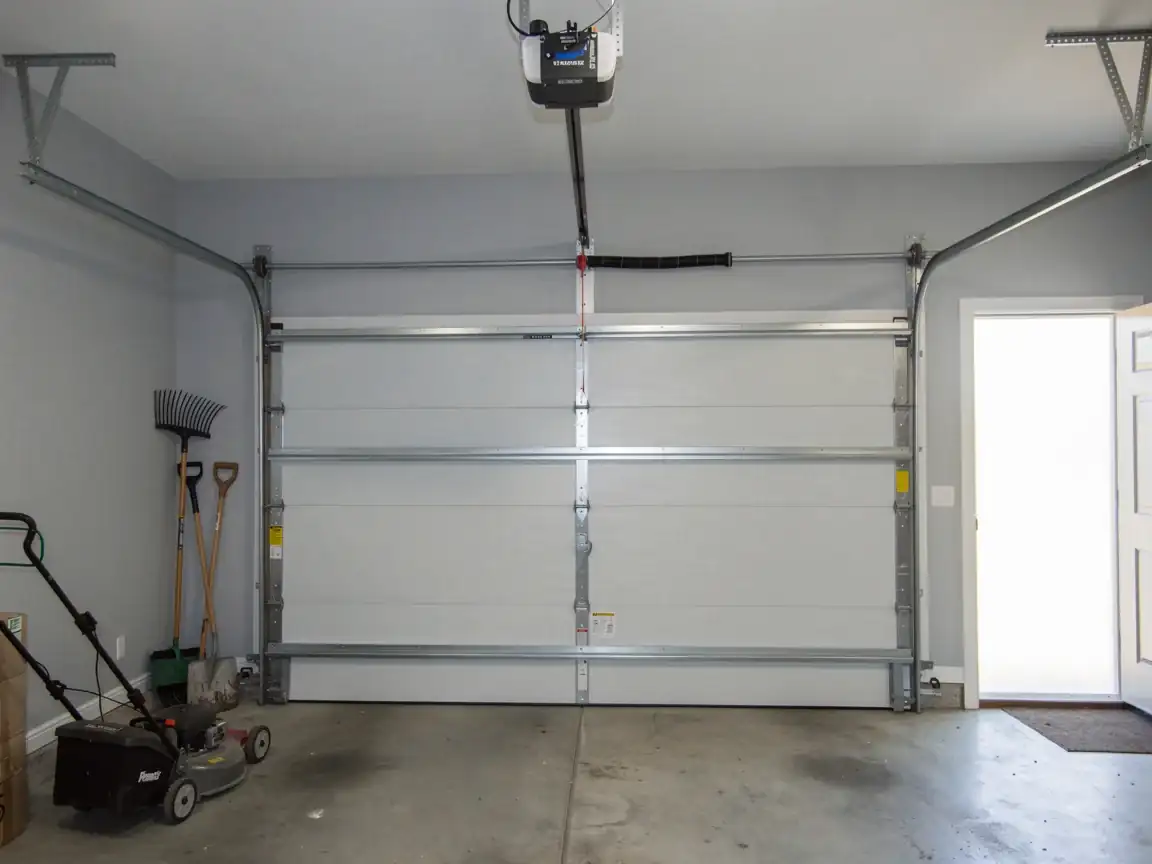
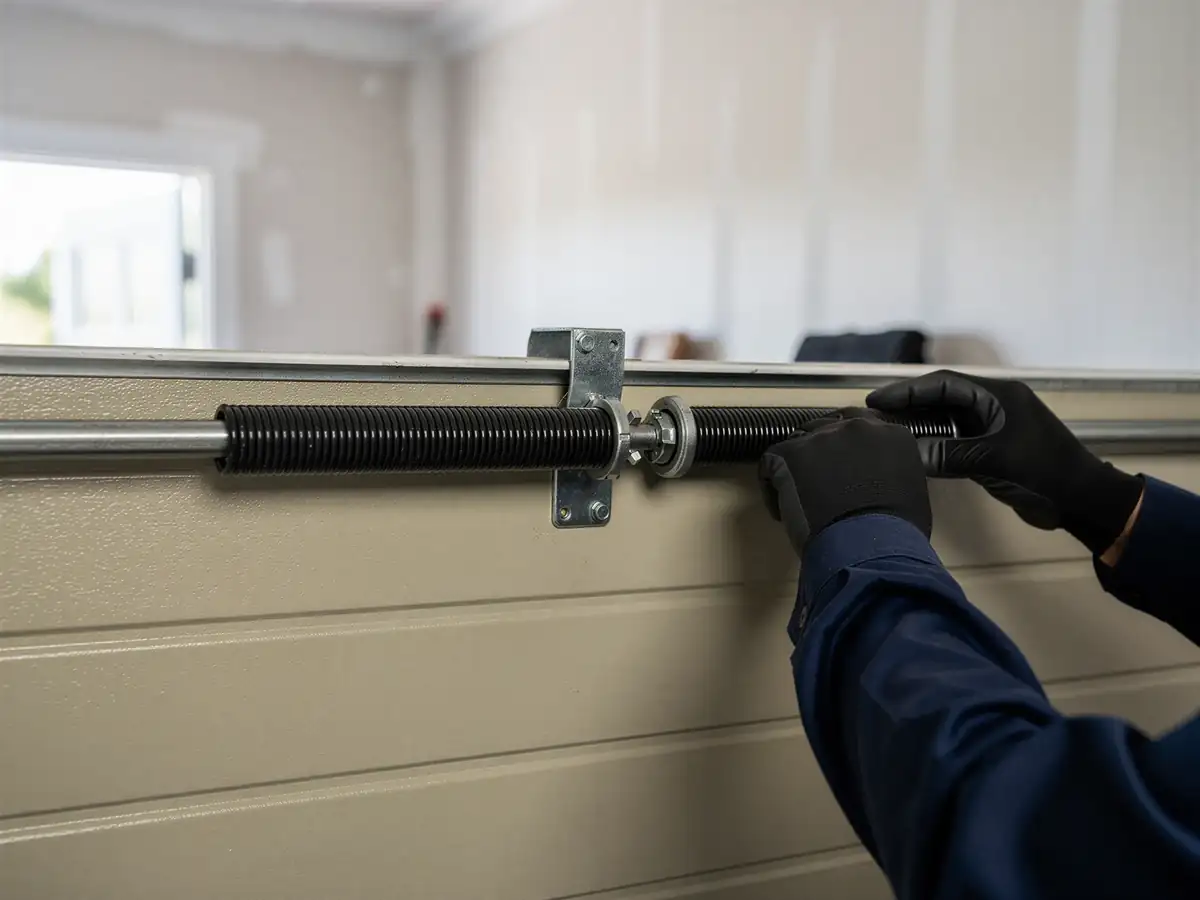
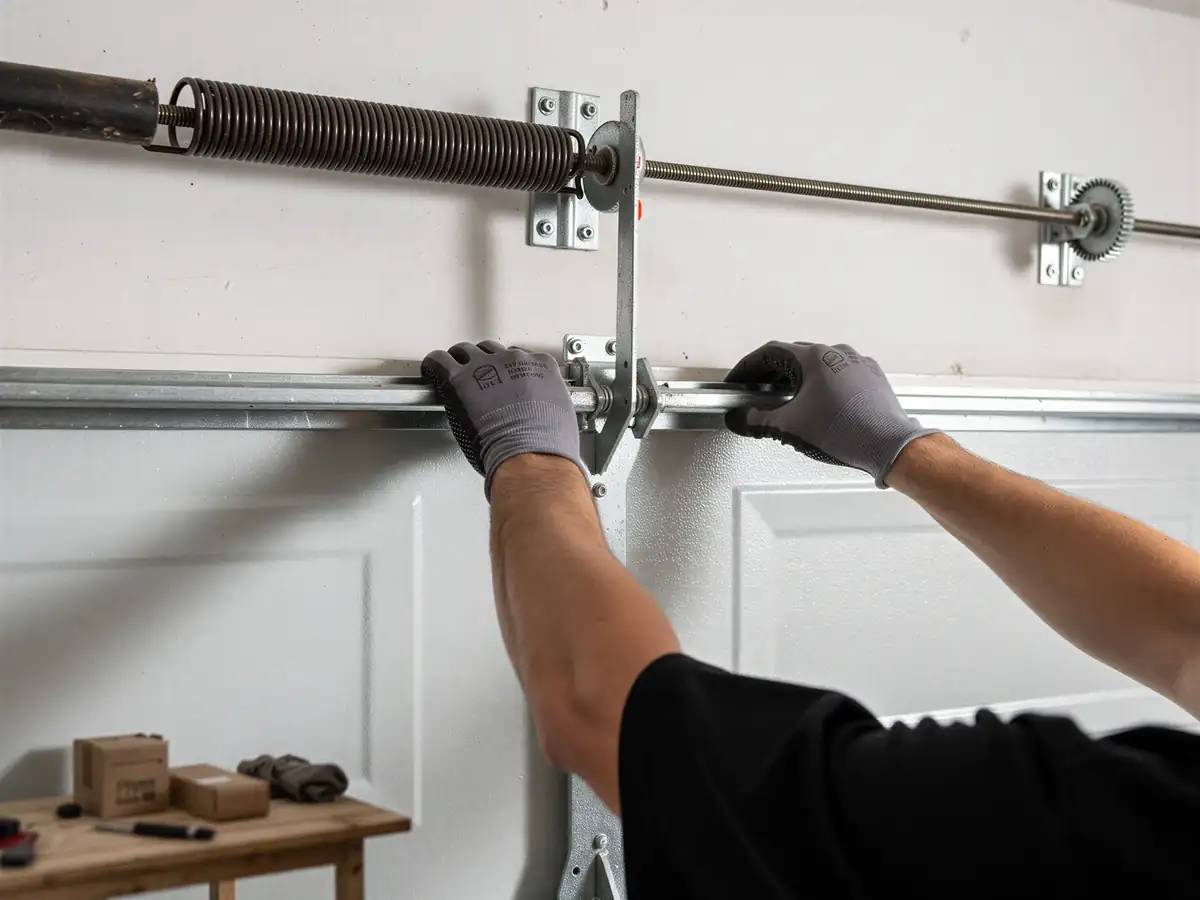
If you can, get a photo of the spring and the track where it meets the wall bracket
On a lot of these 1973-vintage setups, that bracket has been painted over more than once, and a clear shot saves the tech from guessing the mount style before he's even in the driveway.
Why It Happens Here
Housing across this part of the service area mostly went up between 1938 and 1999, with the bulk landing in the 1960s and '70s - and Zelienople's own median build year of 1973 puts it right in that window. Doors from that stretch were built lighter than today's insulated models, which means the torsion springs were wound to a lower load spec. Thirty, forty, fifty years of cycling later, those springs are past the end of their rated life even if the door still looks fine from the street.
With only 1,923 households in Zelienople itself, this isn't a market where every supplier keeps a deep bench of legacy parts on hand. That's part of why we load spring sizes for that era before we head out rather than hoping to source one locally mid-call.
The DIY Question
A torsion spring under load can take a finger or worse, and on a door this old, the winding cones and bearing plates are often original - meaning there's no telling how much corrosion is hiding inside the coil wind until someone's got the bars in it. We won't walk you through replacing one over the phone.
What you can safely check: whether the door is binding on one side only (track issue, not spring), whether the opener is still trying to pull against a dead spring (turn it off at the wall), and whether the release cord has already been pulled, which tells us the door's in manual mode when we arrive. Beyond that, leave the bars and cones to the truck.
Parts We Carry
Because so much of Zelienople's housing clusters around that 1973 build year
We stock torsion springs sized for the lighter steel doors common to that period, along with the bearing plates and standard-lift cable lengths that pair with them. What we don't carry on every truck are parts for high-cycle commercial openers or custom architectural doors - those get special-ordered, and lead time runs longer than an emergency call allows.
If your door turns out to need one of those parts
We'll say so on site rather than stall you with a part that doesn't fit.