Serving Butler, PA & nearby
(724) 281-1876
Butler, PA

What Actually Happens on a Butler Service Call

A breakdown of what happens during a Butler, PA garage door service call - inspection, diagnosis, and what the area's older housing stock and cold winters mean for repairs.

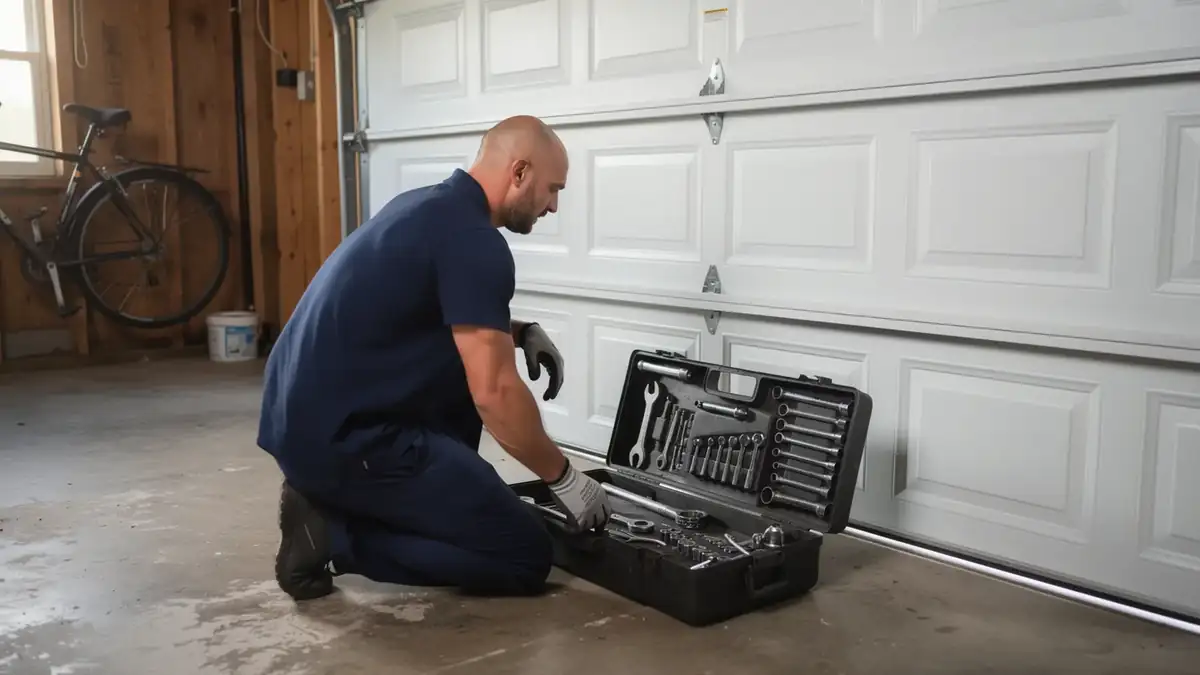
A technician kneels on a concrete floor, looking into an open toolbox in front of a white garage door.

What Is Going On

When you call us out, we're not just looking at the one part that quit. Most houses in and around Butler went up between 1938 and 1999, with the bulk of the stock dating to the 1960s and 70s across the named areas we cover - Oak Hills, Meridian, Shanor-Northvue, and the rest. That matters because a door built or installed in that window was likely matched to hardware that's no longer sold the same way. A spring snaps, or an opener starts grinding, and the first question we're answering isn't "what broke" but "what era of door is this, and does the fix need a part from that era or a modern equivalent." A service call starts with us walking the track, checking the spring type, checking the opener's age against the door's age, and only then talking about what it'll take to fix it. On a lot of these houses the door has been replaced once already but the track and header hardware are original, which changes the math on a repair quote.

Checking It Yourself

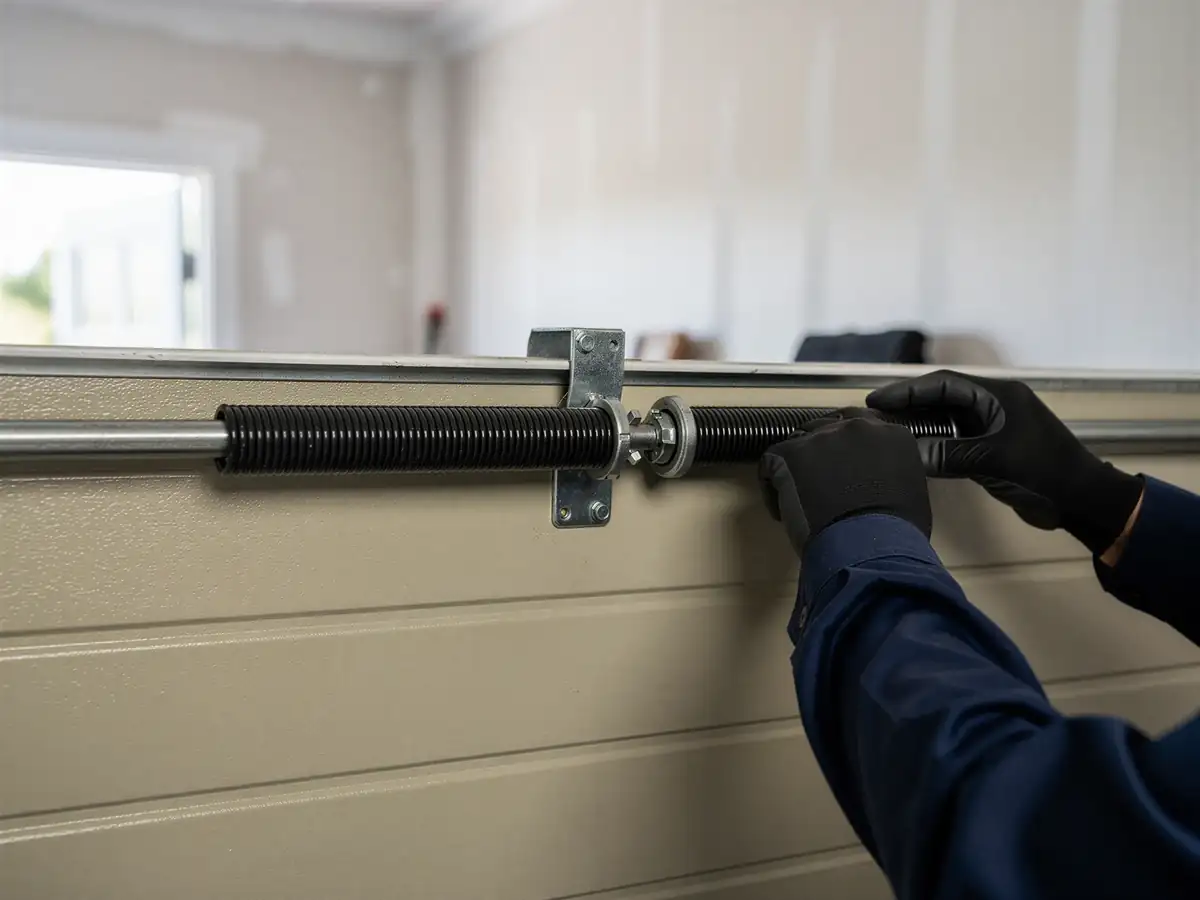
Before you call anyone, there's a short list worth doing yourself. Pull the manual release and move the door by hand - it should take one hand and move smooth, no grinding, no spots where it fights you. Look at the two springs above the door (if it's a torsion setup) for gaps in the coil or rust pitting; a severe winter freeze-thaw cycle is hard on metal that's already decades old. Check the rollers for flat spots or cracking - plastic rollers from an older build don't age as well as the steel ones. Listen to the opener motor; a straining or clicking sound usually means the gears inside are worn, not that the whole unit needs replacing. None of this requires tools beyond your eyes and ears, and it's the same walkthrough we do first, just without the diagnostic equipment. If something looks obviously wrong - a frayed cable, a bent track, a spring with a visible gap - stop there and don't force the door open or closed.

How Local Conditions Play In

Butler sits in a cold climate band with severe winter conditions, and that shows up in specific ways on a service call. Steel panels contract in the cold, which means a door that closed flush in August can leave a gap at the bottom seal by January - not a sign of failure, just metal doing what metal does. Torsion springs lose a little tension as temperatures drop, so a door that felt balanced in warm weather can feel heavier in the cold, which is often what triggers the call in the first place. Lubricant matters more here too; grease that's fine in summer can gum up and slow a track down once it's below freezing for weeks at a stretch. On a lot of the older housing stock - built well before today's weatherization standards - we also find the bottom seal and weatherstripping were never upgraded, so cold air pools at the slab and the door works harder than it should just to stay sealed.

When It Stops Being a DIY Job

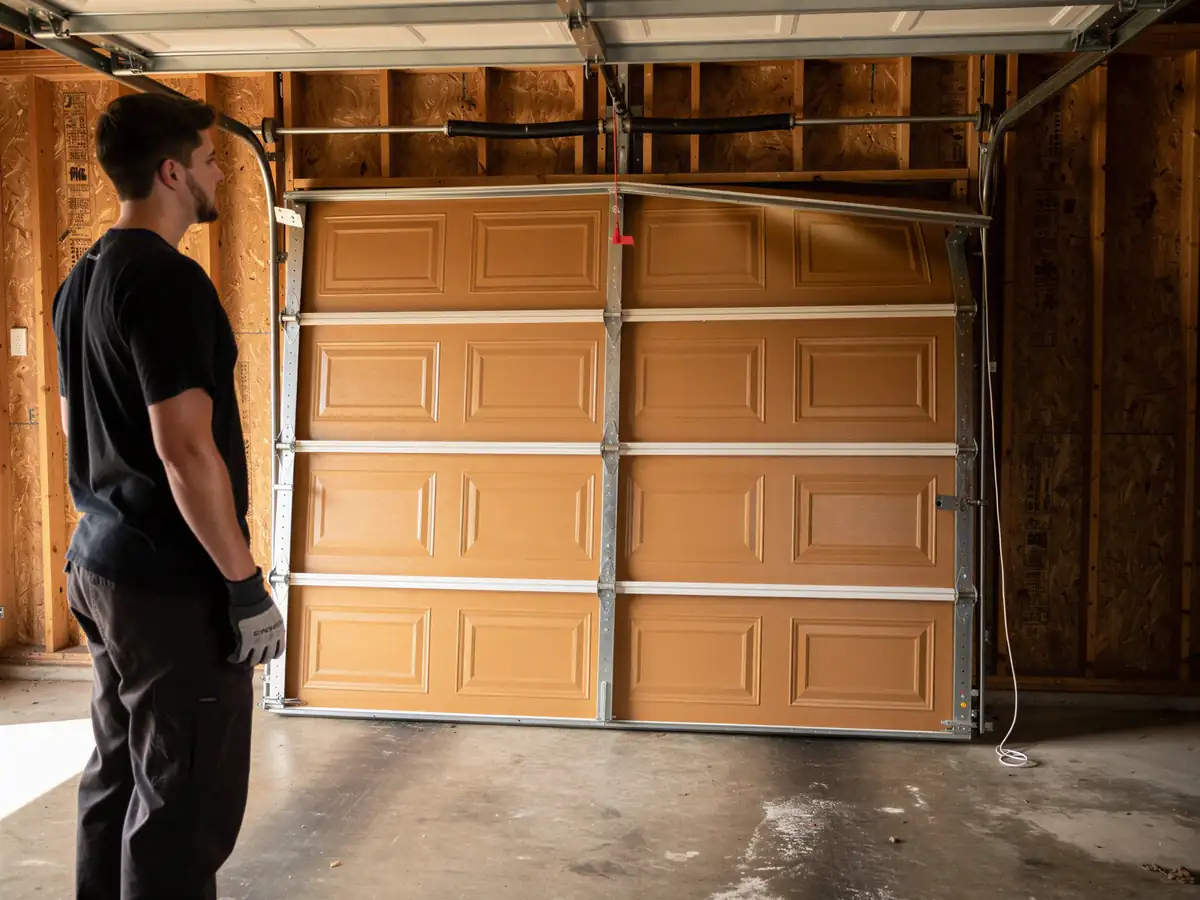
A torsion spring under tension is not something to touch yourself - that's true anywhere, but it's worth saying plainly here because a lot of the doors we see on 1960s and 70s builds still have the original spring assembly, and original hardware from that period is more likely to fail suddenly than gradually. If the door is off its track, if a cable has frayed or snapped, or if the opener is pulling against resistance instead of smooth tension, that's a call-us situation, not a weekend project. We'll also tell you honestly when a repair isn't worth it: if the door itself is original to a house built in the 1940s or 50s and the track hardware is sized for a panel that's no longer manufactured, patching it piece by piece can cost more over a year than replacing the unit once. We don't stock every obsolete part going back to 1938, and we won't pretend we do - sometimes the honest answer on an older door is that replacement beats a repair quote that keeps climbing.
How it works

From “it’s stuck” to “it’s fixed”

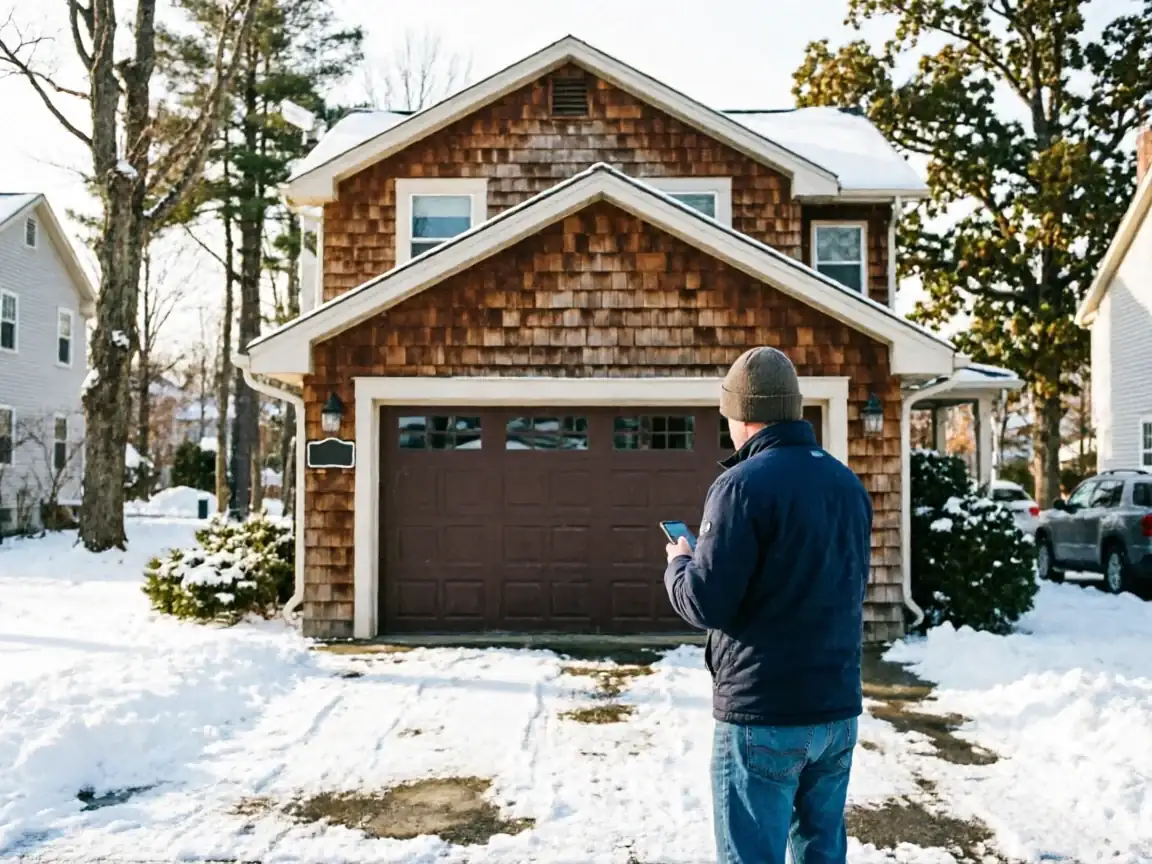
A man stands in a snowy driveway looking at his phone in front of a house.

Tell us what’s wrong

Describe the symptom - won’t open, loud bang, opener runs but the door won’t move.

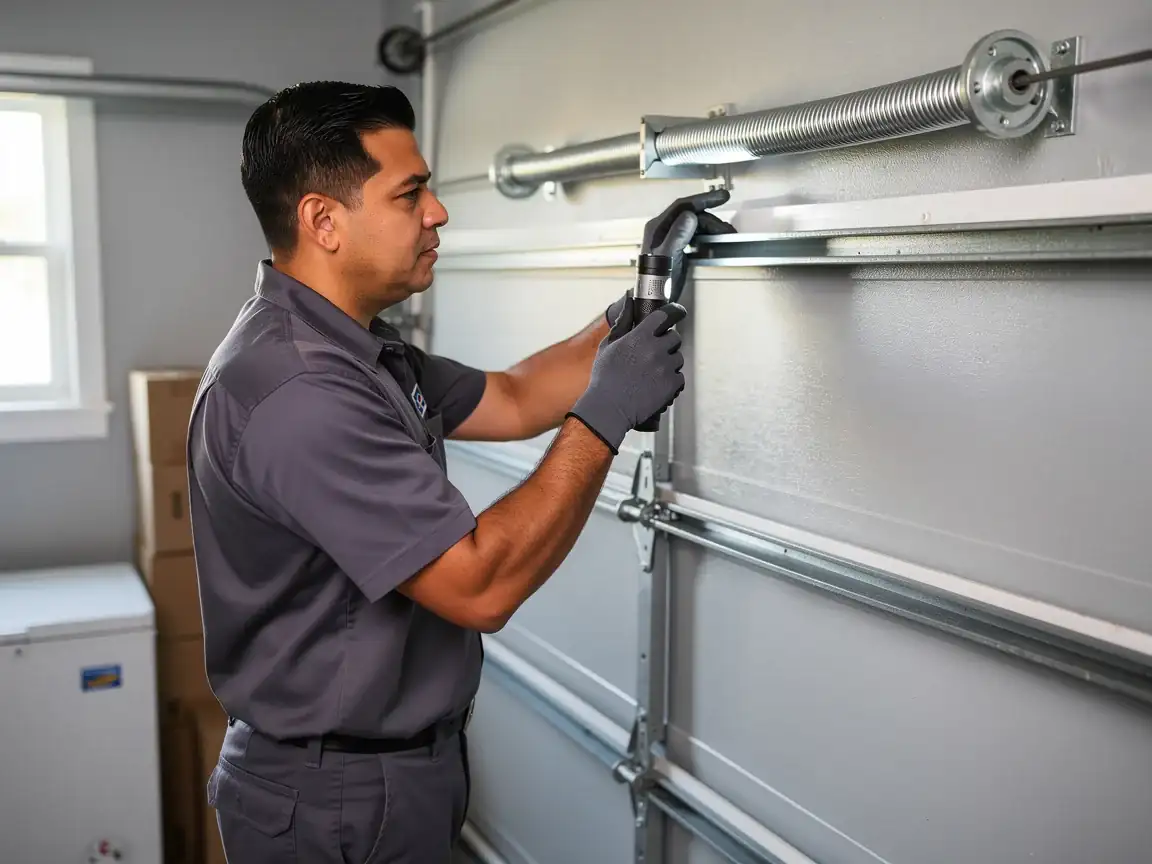
A technician holds a flashlight and works on a garage door torsion spring.

On-site diagnosis

A technician tests the door under power and by hand and finds what actually failed.

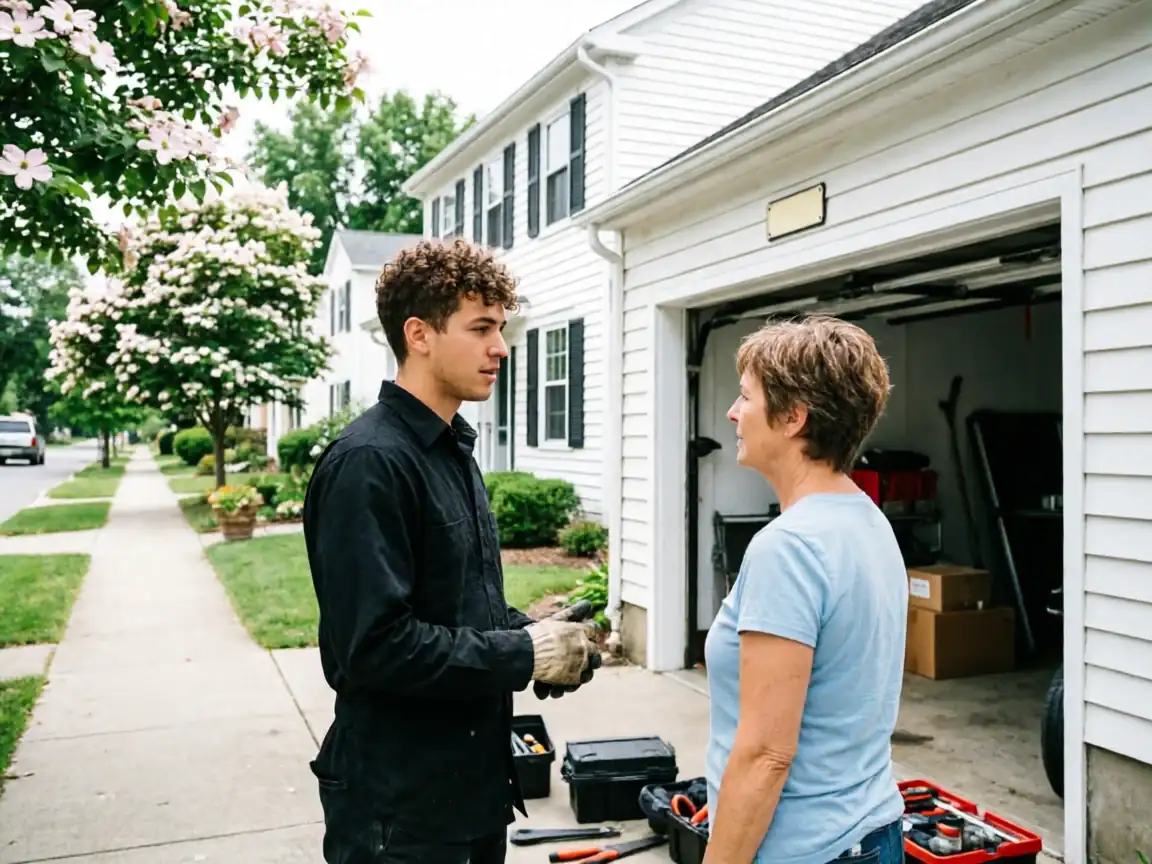
A technician talks to a woman in front of an open garage.

Clear, up-front plan

You get the fix that’s needed and what drives the cost - before any work starts.

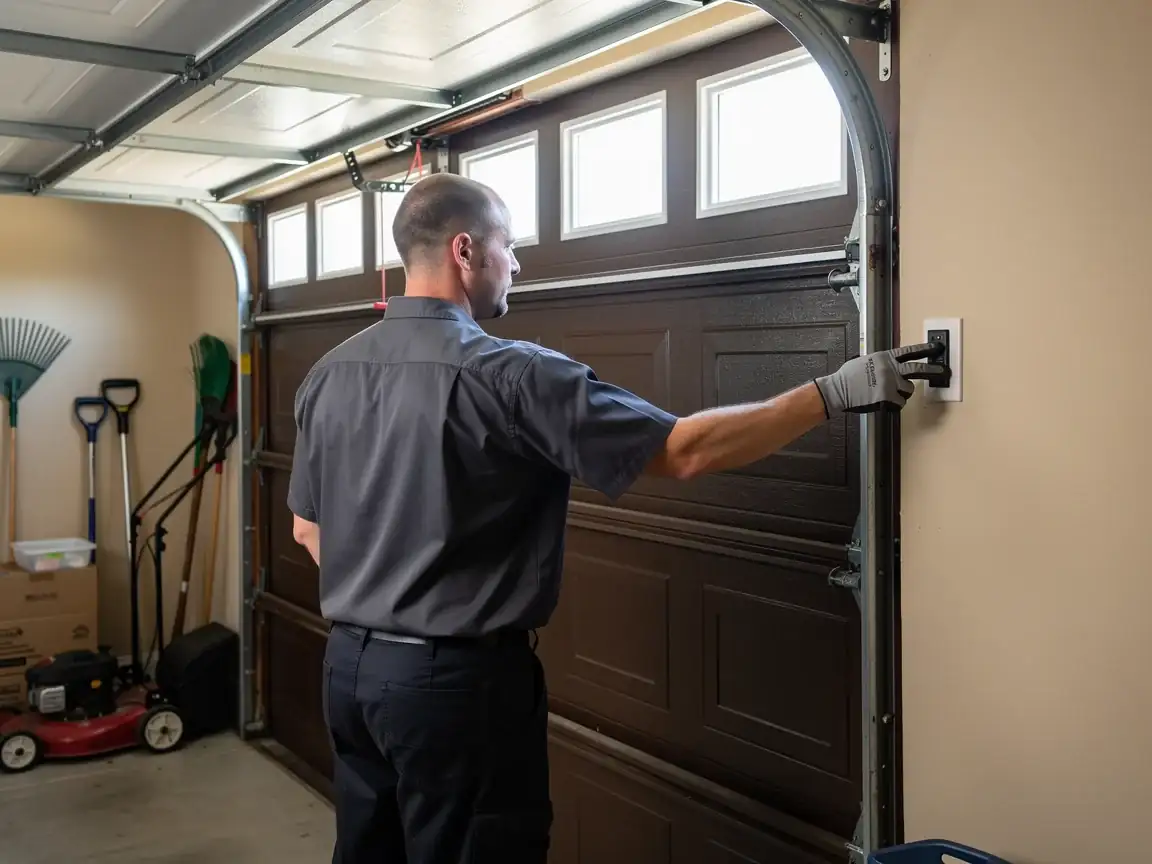
A technician in a gray shirt presses a button on a wall next to a brown garage door.

Repaired & tested

The repair is done, the door is set true and tested, and the work area left clean.

Not sure which repair your door needs in Butler, PA? Describe what it’s doing - every job starts with a diagnosis.

5areas covered
How we work

What to expect

Diagnosis firstEvery visit starts by finding what actually failed - not a pre-written parts list.
The right part for the doorSprings and openers matched to the door’s weight and age, so the fix holds up.
Straight answersWhen a repair makes more sense than a replacement - or the reverse - you hear it plainly.
Clean, careful workTension released safely, hardware set true, the door tested under power before we leave.
What we do

Garage Door Services

Repair and installation work for Butler homes and businesses.

Questions

Frequently asked

Straight answers about garage door repair in Butler. Still unsure? Ask us directly.

How do you figure out what's wrong before quoting a price?

We start by looking at the door's age and hardware type, since a lot of homes around Butler have original track or spring assemblies from a 1960s or 70s build. We check balance, listen to the opener, and inspect cables and rollers before giving you a number, because guessing at parts on an older setup usually means a second trip.

Why does my door feel heavier in winter?

Cold temperatures reduce torsion spring tension, and Butler's winter conditions are classified as severe, so it's common for a door that felt balanced in summer to feel noticeably heavier once it's been below freezing for a stretch. That's usually a spring adjustment, not a sign the opener is failing.

Is it ever not worth repairing an older door?

Yes. If the door and track are original to a house built decades ago and the hardware is no longer made, repeated patch repairs can add up to more than a replacement. We'll tell you when we think that's the case instead of running the meter on parts that keep failing.

Ready to get your garage door sorted?

Tell us what it’s doing and where you are in Butler - we’ll take it from there.

Request a QuoteCall