What Is Going On
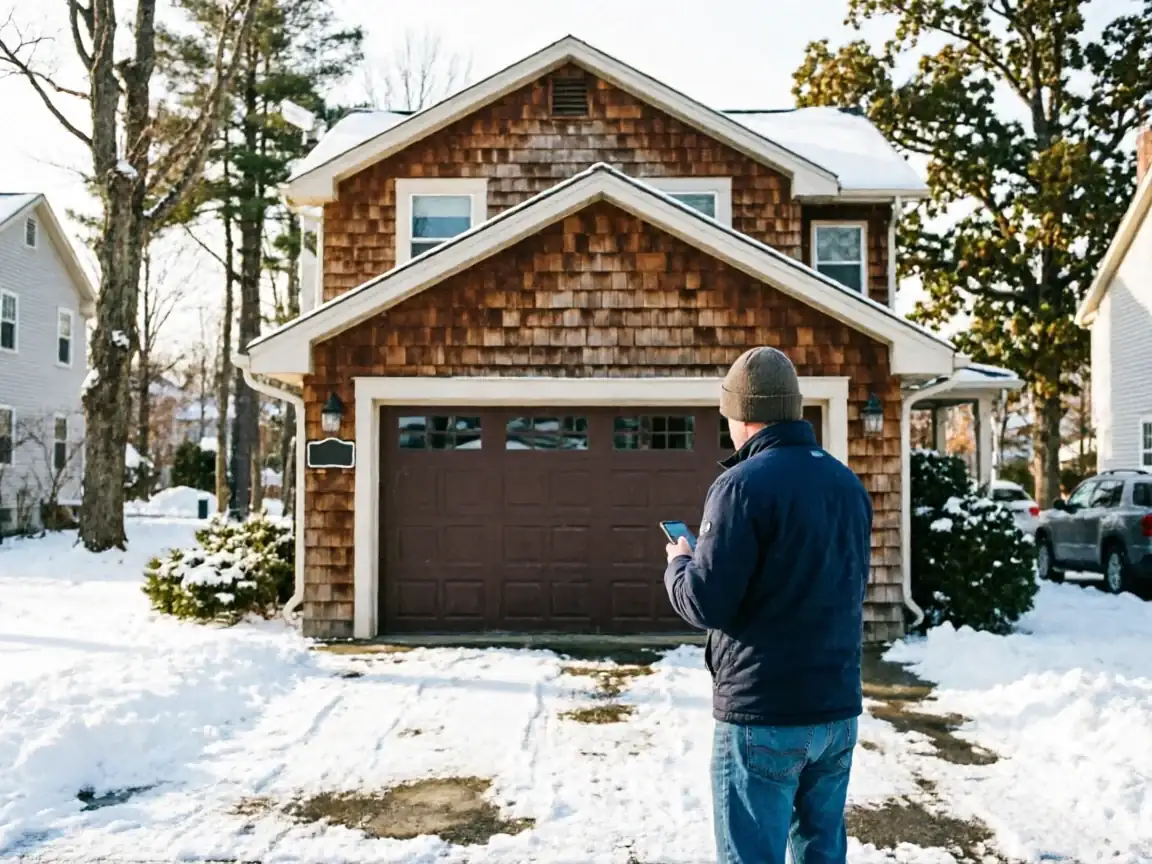
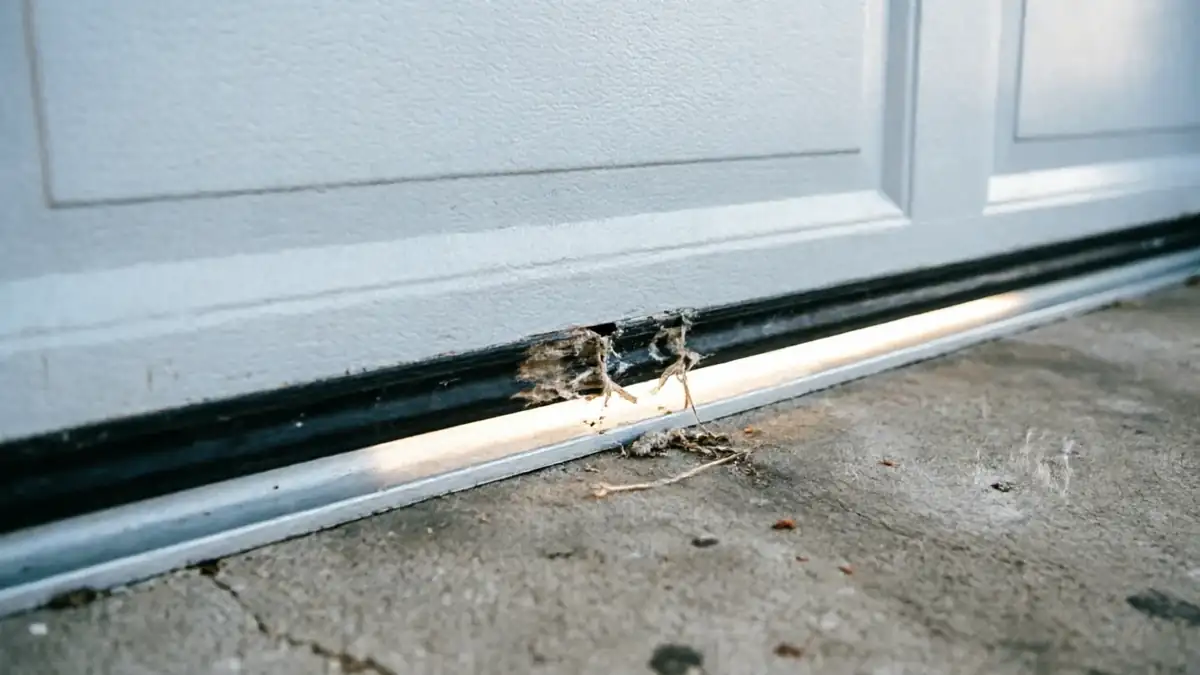
Most houses around Butler went up between 1938 and 1999, with the typical build year sitting around 1973, and a lot of the garage doors on those houses are still the originals or close to it. The bottom seal, the vinyl strip that runs along the floor of the door, is usually the first thing to fail. On a door that old it's gone hard and cracked, or it's shrunk away from the slab entirely, and you can see daylight under the corners. Side seals and the top header seal do the same thing over time - the vinyl dries out, loses its give, and stops closing the gap when the door comes down. None of this is dramatic. It's just a door doing what thirty or forty-year-old rubber does. What it means for you is draft at floor level, a colder garage, and in some cases enough airflow to matter if anything lives in that space - a water heater, a freezer, a workbench. It's rarely the opener or the springs causing the draft complaint. It's almost always the seals.
Checking It Yourself
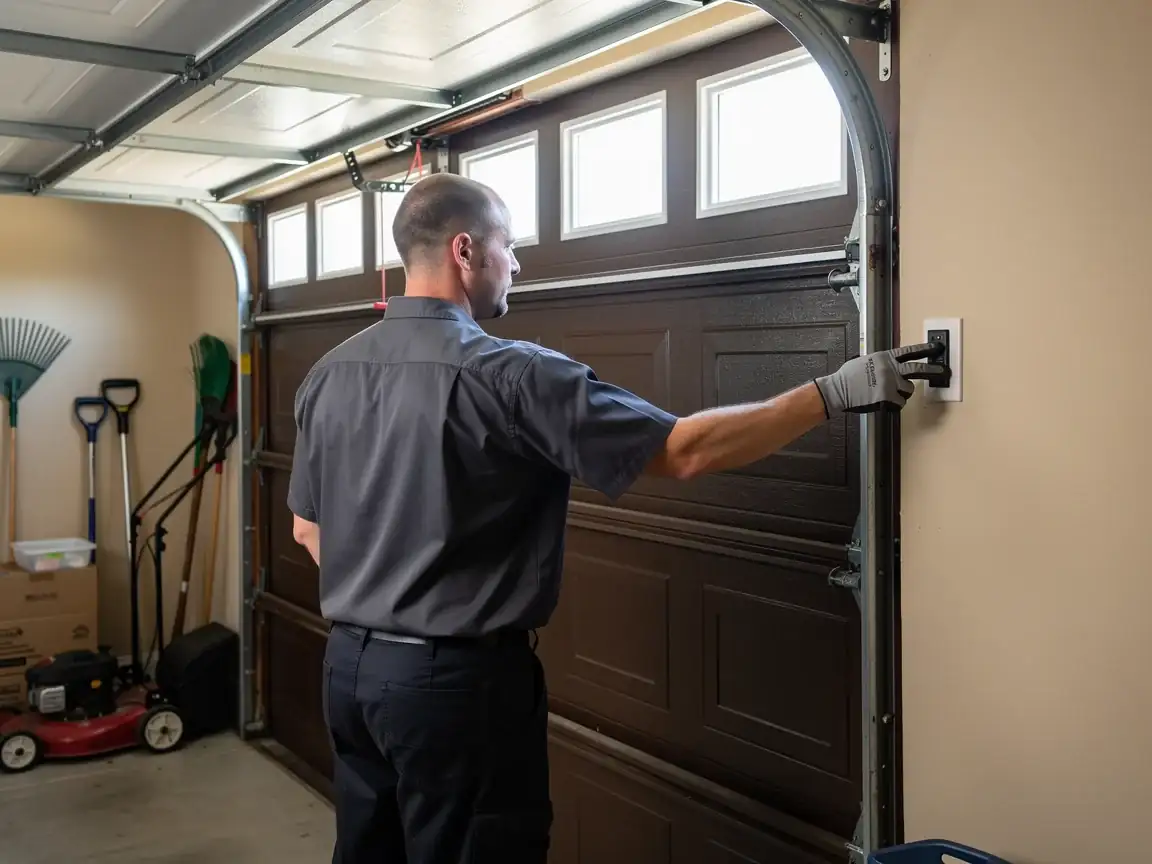
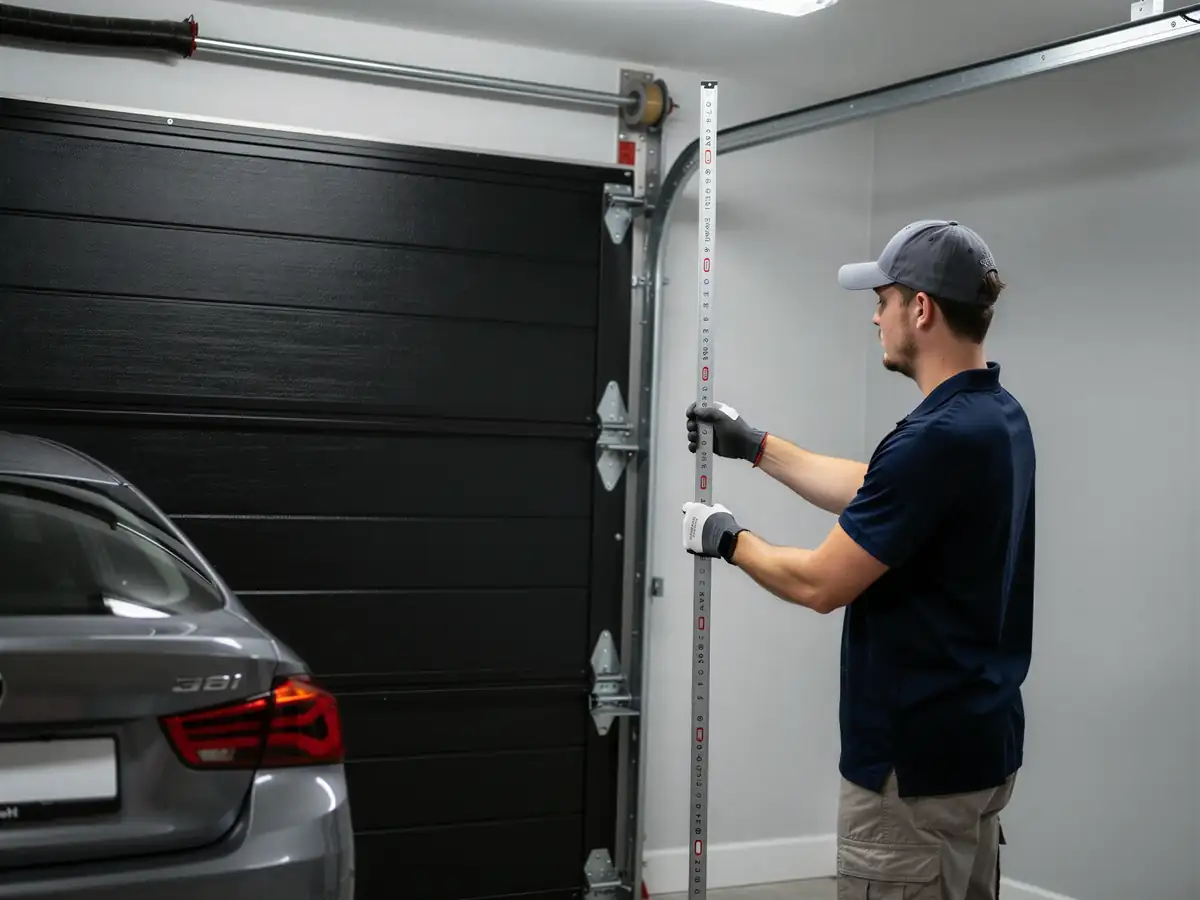
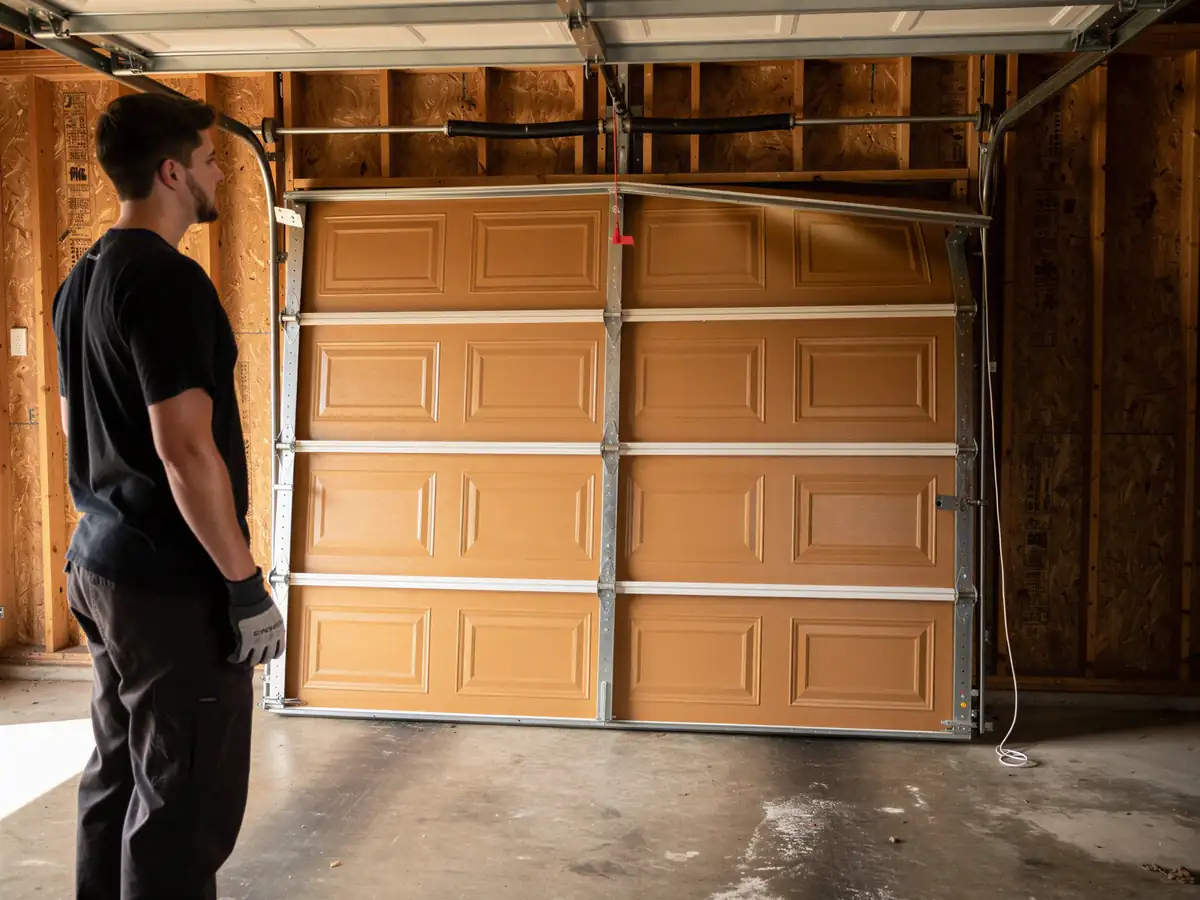
Close the door and walk around it from outside at night with the garage light on inside. Any light leaking through a gap is air leaking through that same gap. Check the bottom seal by pushing a finger along it - if it's stiff, cracked, or doesn't spring back, it's done. Check where the door meets the frame on both sides; gaps wider than a pencil are worth noting. On the older builds in this area, where the track brackets were often set straight into wood framing rather than a steel jamb, that framing can shift a little over fifty-plus years and throw the door slightly out of square, which opens a gap on one side even with good seals. You can true up the strike points yourself with shims in some cases. What you can't fix with a trip to the hardware store is a door that's genuinely racked or a track that's bent - that's a different job. If the seal is the only problem, it's a cheap fix. If the draft is coming from a gap that won't close no matter how you adjust the seal, that's your sign something structural moved.
When It Stops Being a DIY Job
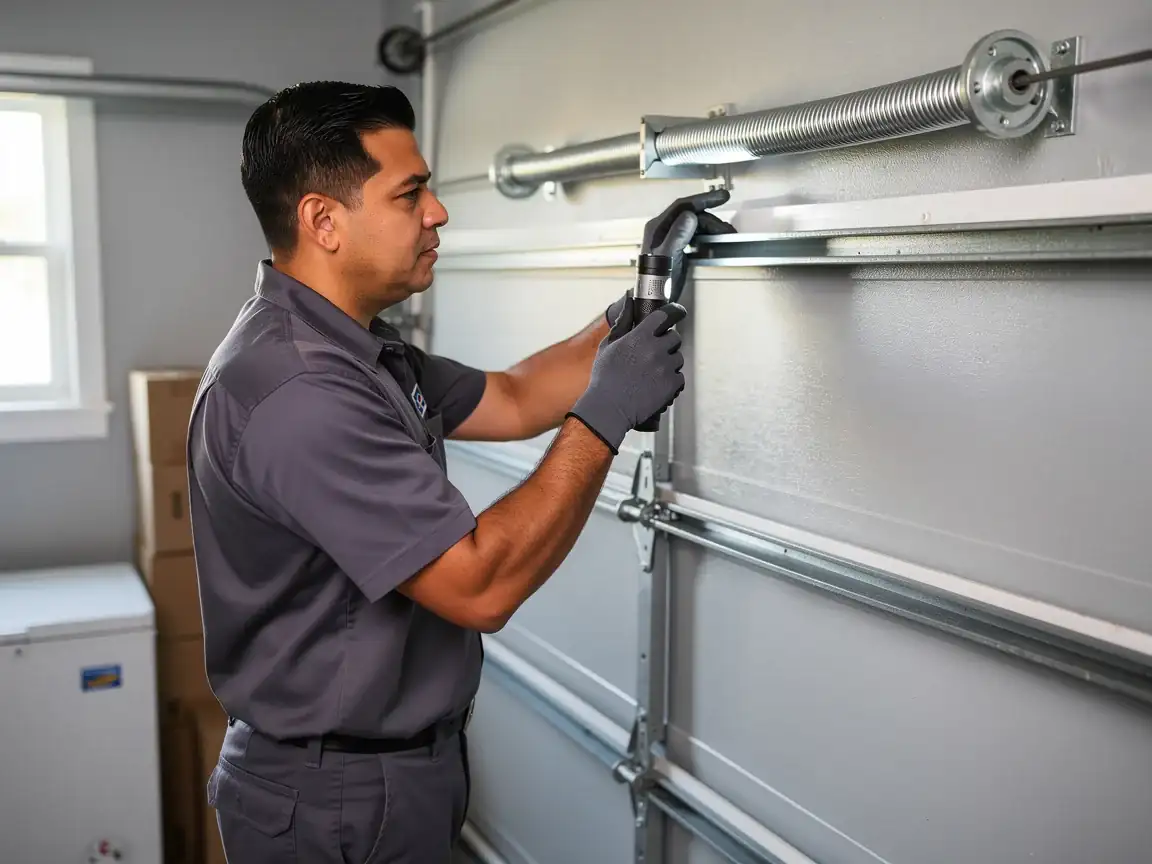
Seal replacement is a real DIY job for most people - the kits are cheap and the install is a Saturday afternoon. Where we'd tell you to stop and call someone: if the gap is from a racked door rather than worn rubber, if the track brackets are pulling loose from framing that's softened with age, or if the door is binding when it moves. Forcing a seal onto a door that's out of square just means you'll be back here next winter with the same complaint. With median household income in this area at $72,842, most owners we talk to reasonably want to try the seal kit first before they consider anything bigger, and that's the right order to go in. Our honest limitation: we don't carry every seal profile for every door brand off the truck, so on an older or less common door there can be a short wait on the exact part. If your door is original to a house built well before 1973, matching the track hardware sometimes takes longer than the repair itself.