What Is Going On
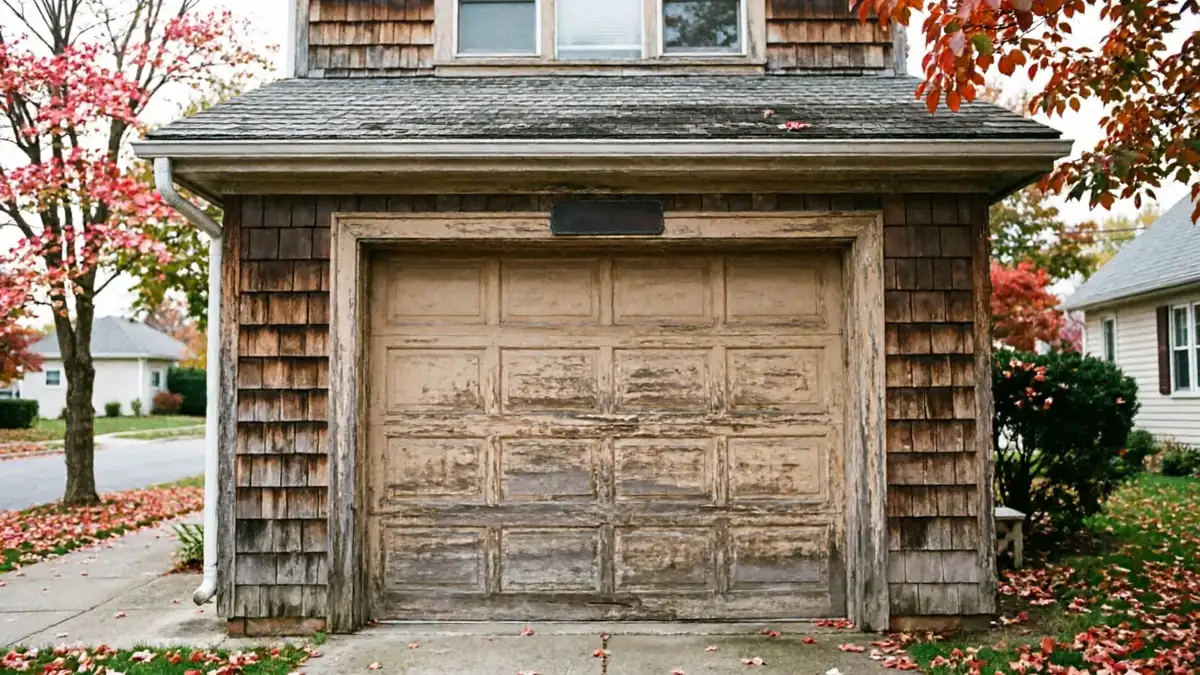
Most of the housing stock around Butler went up between 1938 and 1999, with the median landing in 1973. That means a lot of the doors we get called out on are original or close to it - steel sectional doors from the 60s and 70s, hung on hardware nobody has made in decades. These doors were built heavier than what you'd get today, which is part of why they've lasted this long. But the galvanizing wears thin, the track mounting brackets loosen from 50 years of thermal cycling, and the springs that came with the house are usually on their second or third life already.
Across the 43 named areas that make up this stock, the pattern repeats: a door that still opens fine but groans doing it, a panel with surface rust along the bottom seam, an opener that's been replaced once already but bolted to a track that hasn't. The question isn't whether the door looks old - it's whether the drivetrain underneath it is still sound enough to trust with a 150-pound slab of steel over your head every day.
Checking It Yourself
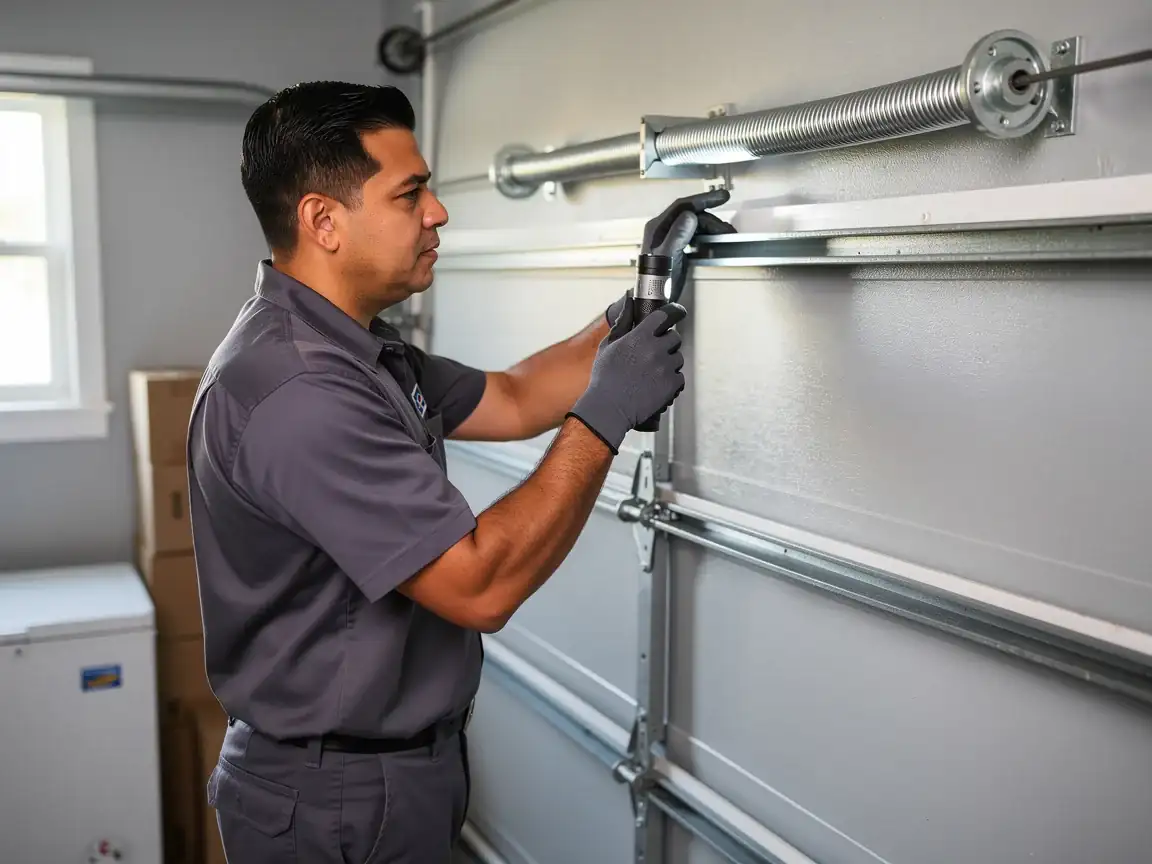
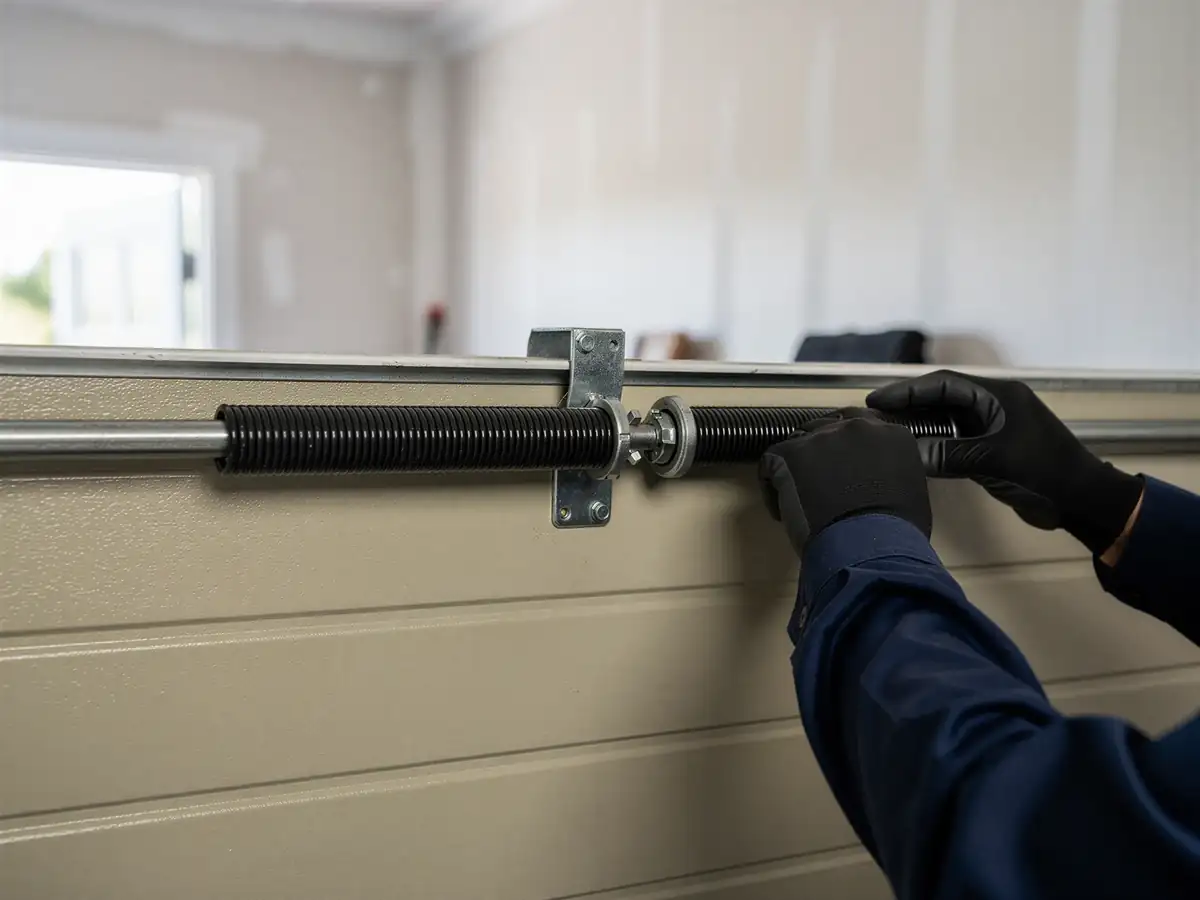
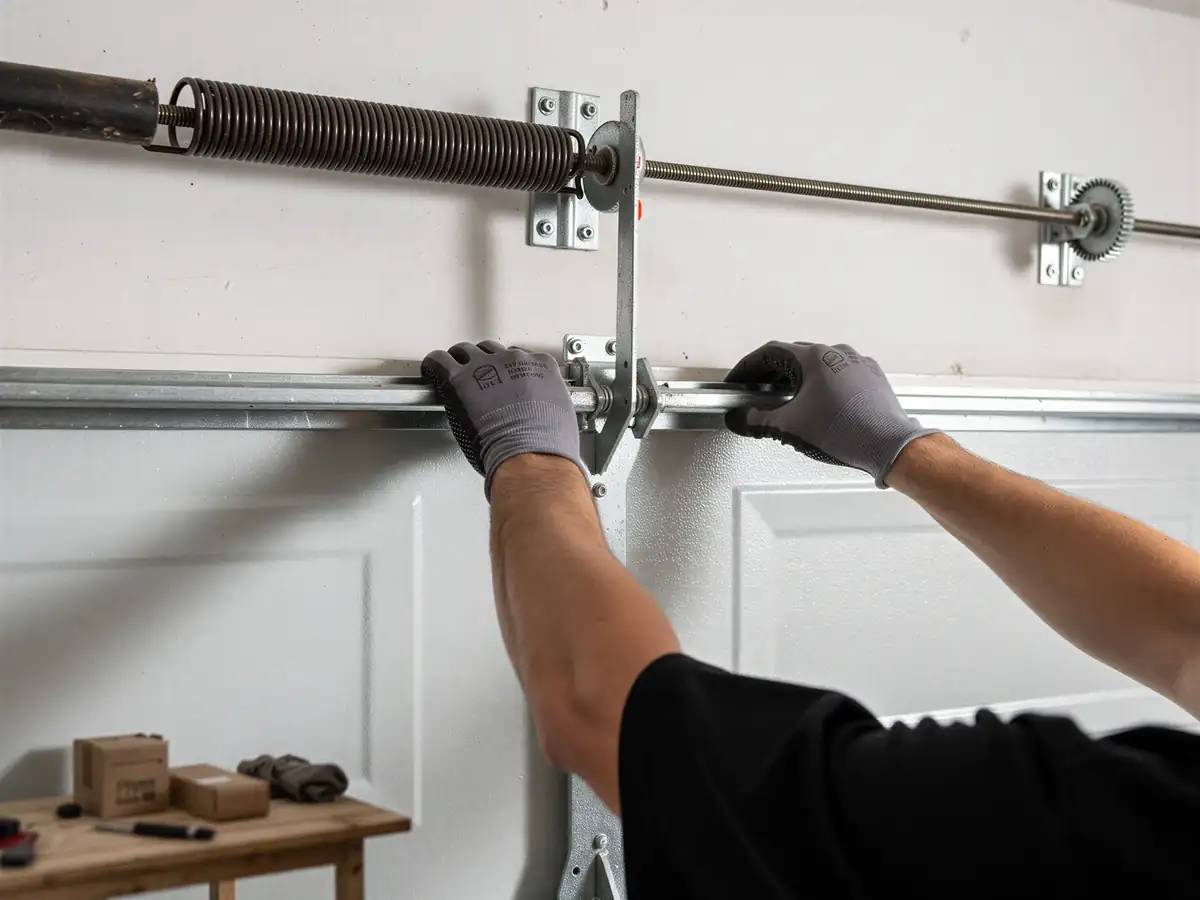
Start with the springs. If you've got exposed torsion springs above the door and they're original, you're looking at wire that's outlived its rated cycle count - most residential torsion springs are rated for 10,000 cycles, and a door that's been opening twice a day since the Nixon administration has used that up more than once over. Check for gaps in the coil or rust that's eaten into the wire itself.
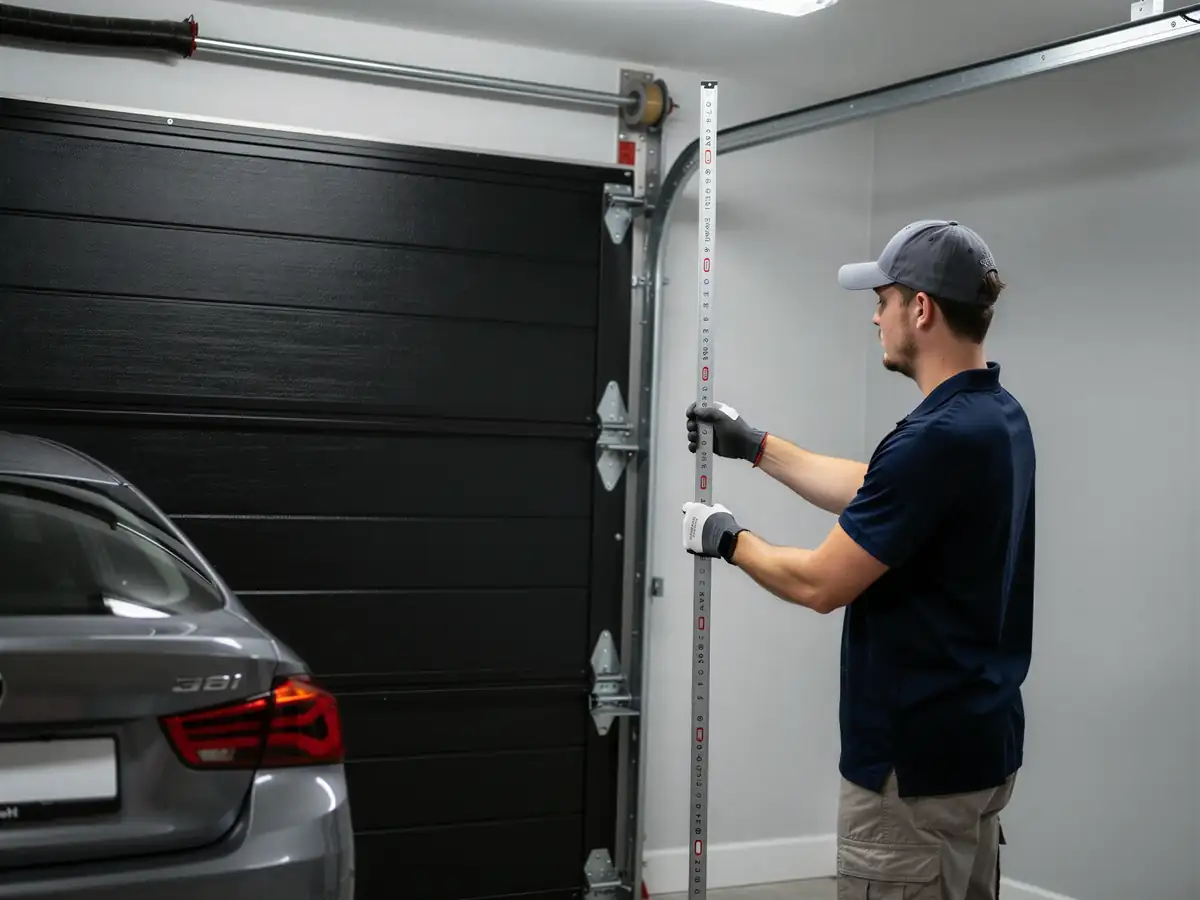
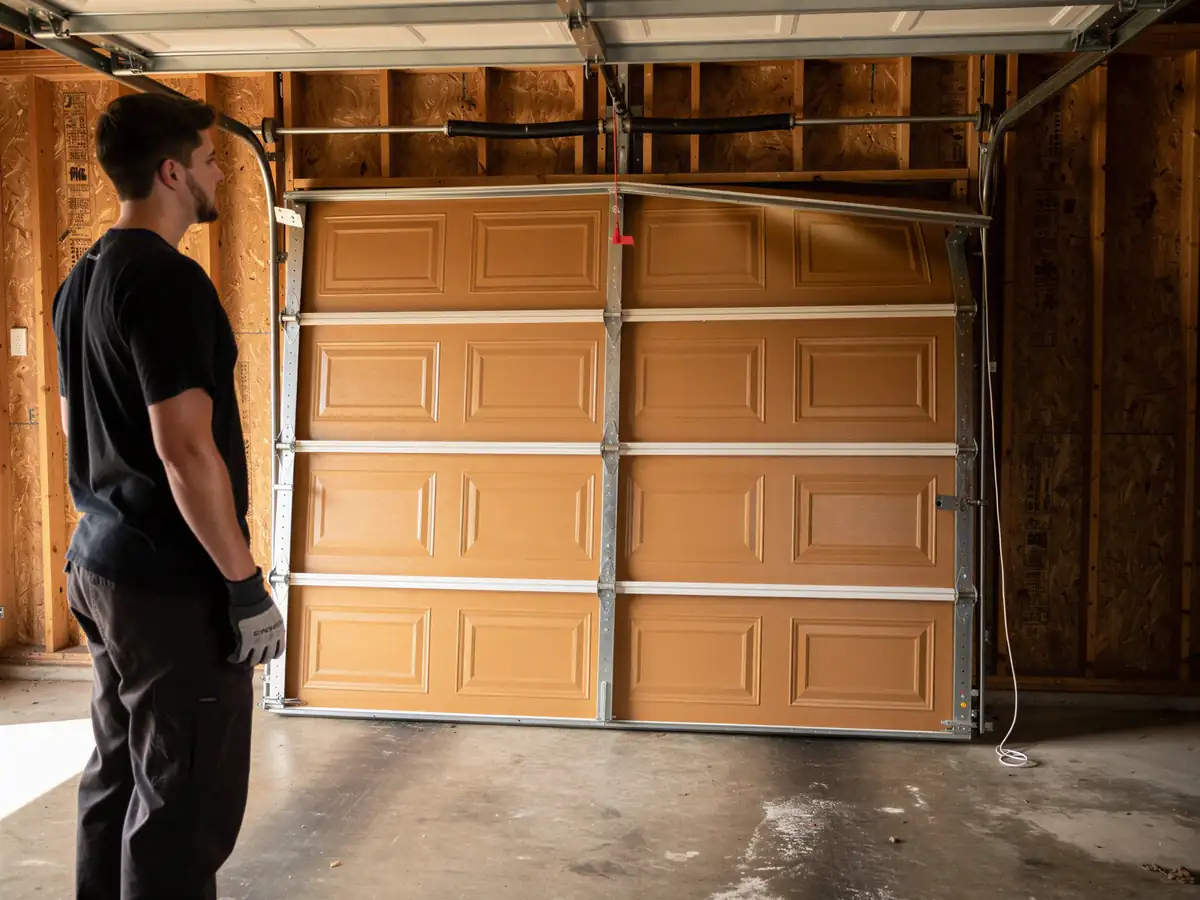
Next, the track. Pull the door down by hand (disconnect the opener first) and look at the brackets where the horizontal track meets the vertical section. On houses built before the 1980s, these are often lag-bolted into framing that's shifted slightly over the decades - you'll see daylight between the bracket and the stud, or hear a knock when the door passes that point.
Last, the bottom panel. Steel doors from this era don't have the thermal break that later doors got, so condensation collects at the bottom seal and the steel rusts from the inside out. If you can flex the bottom panel by hand or see bubbling paint along the seam, that panel's structural integrity is already compromised, even if the rest of the door looks fine.
How Local Conditions Play In
Butler sits in a cold, severe climate band, and that matters more for an old door than new owners usually expect
Cold doesn't just stiffen grease and make springs brittle - it drives the freeze-thaw cycle that works metal fatigue faster than a mild climate would. A torsion spring that might run another five years in a warmer region can fail without warning here once the wire's already pitted with surface rust, because cold makes steel less forgiving right before it breaks, not gradually weaker.
It also means the weatherstripping at the bottom of an older door
Which was never rated for the kind of seasonal swing this area sees, has usually hardened and cracked by the time the door itself is 20 years old. That's not a safety issue, but it's an energy one - and on a house from the 1973 median build year, that door is pushing 50 years past its original install in most cases.
- 20 years
- 50 years
Households here have a median income of $72,842
Which puts a full replacement within reach for most owners, but it also means the repair-versus-replace math isn't just about what you can afford - it's about whether fixing a 50-year-old track system is actually cheaper than starting over with hardware rated for this climate.
- $72,842 median household income
When It Stops Being a DIY Job
If the spring is original or you can't tell when it was last replaced, that's not a DIY repair - torsion springs store enough energy to break a hand or worse, and we don't recommend touching them without the right bars and clamps. Call it in.
If the track brackets have pulled away from framing, that's also past the point of a home fix, because resetting them wrong on an old door with worn cables is how doors come off the track entirely.
What we're honest about: if your door is from the 1973 median build era and the springs, track, and bottom panel are all showing their age at once, a full replacement usually costs less over five years than patching one system at a time - new doors built for this climate band hold weatherstripping and galvanizing a lot longer than what went up in the 70s. We'll tell you straight if that's where you're at instead of selling you three separate repairs.