What Is Going On
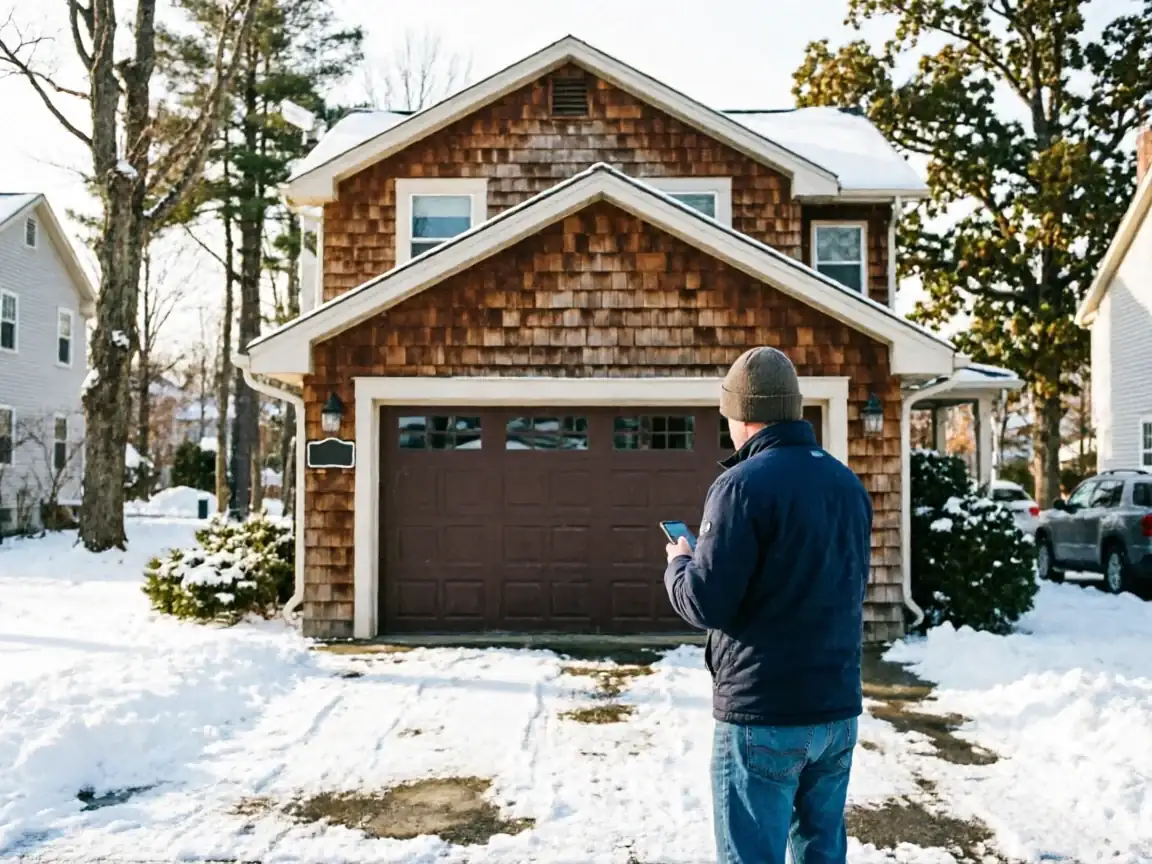
Butler's housing stock runs from 1938 up through 1999, but the median year built lands around 1973, and most of what's out there is 1960s and 70s construction. That matters for openers because a house built in that window almost never came with the chain-drive or belt-drive opener you'd buy today - it got retrofitted somewhere along the way, often more than once. When the power goes out across this area, cold climate (severe band) means outages tend to run with ice or heavy snow load on lines, not just a quick flicker. An opener that's been running fine for years can lose its position memory, its safety-sensor alignment, or its battery backup charge the moment the power drops and comes back wrong. Across the roughly 45,835 households and 28,947 owner-occupied houses in this service area, the pattern repeats: older house, older or mismatched opener, cold-weather outage, and a door that won't respond the way it used to.
Checking It Yourself
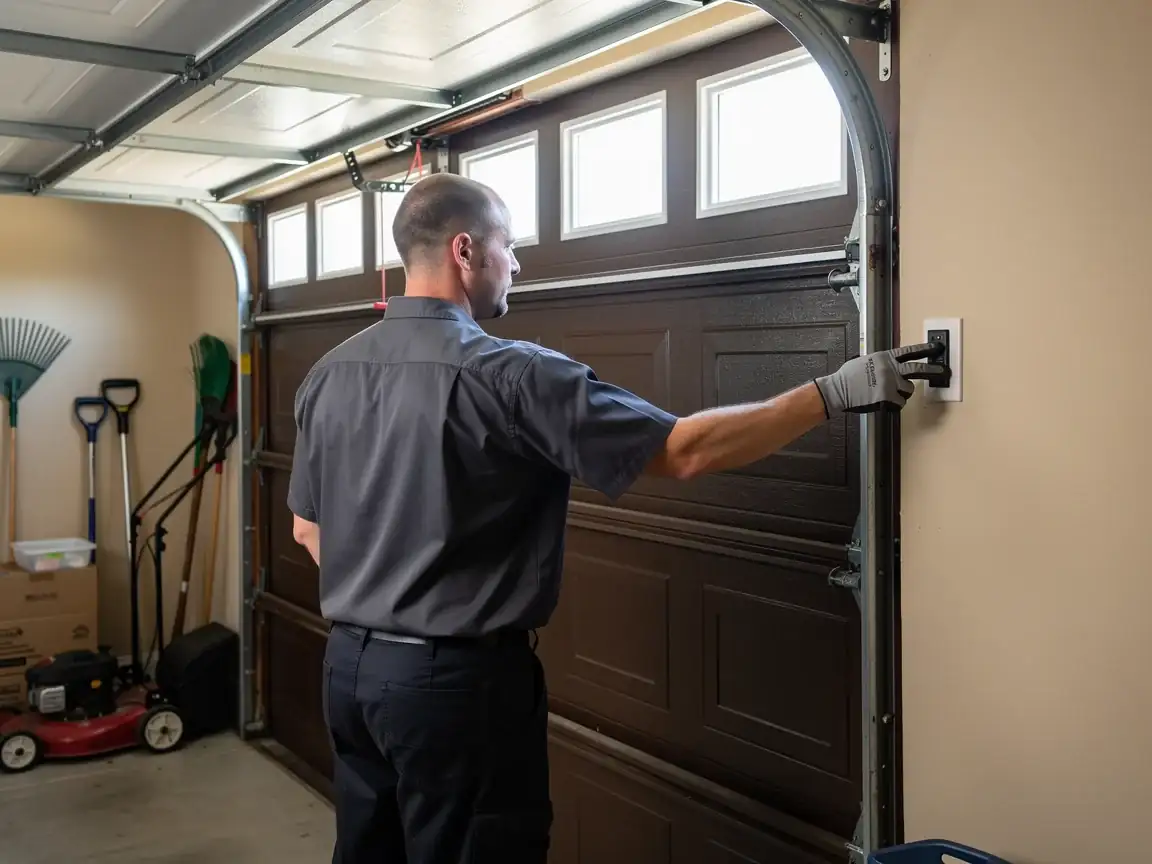
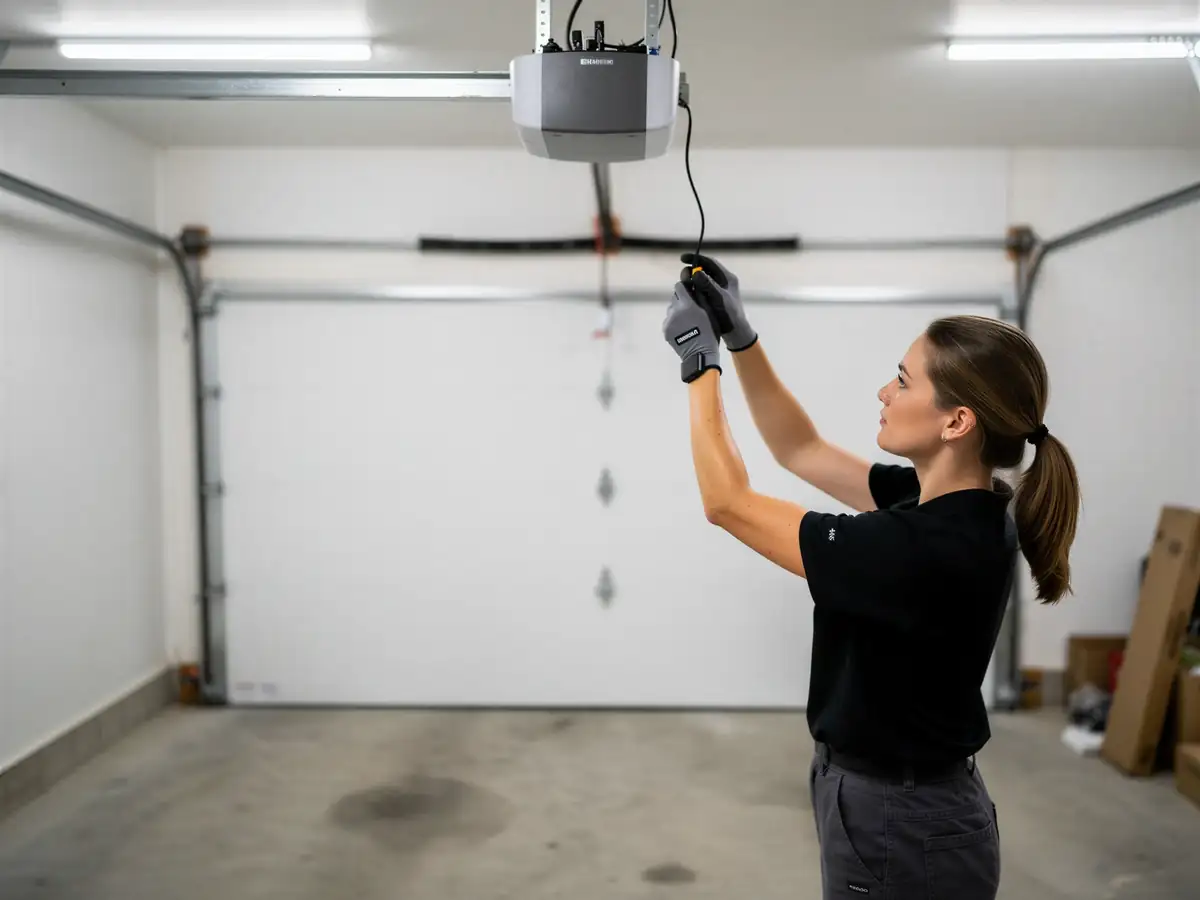
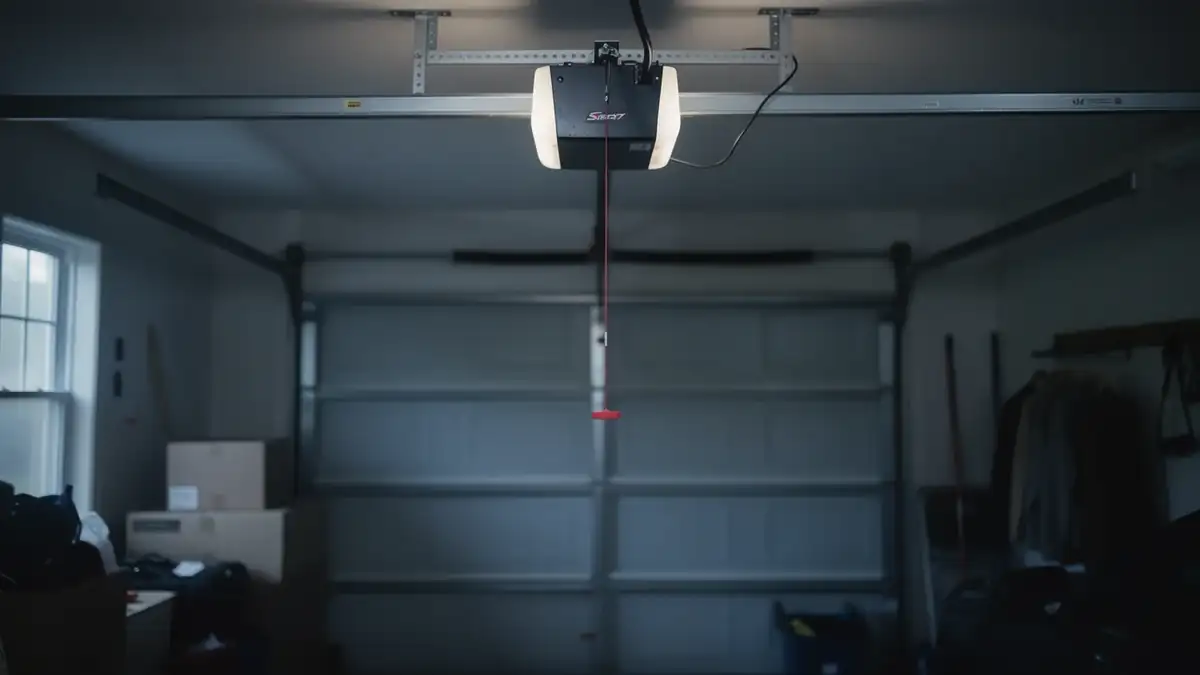
Before you call anyone, pull the manual release cord - the red handle hanging from the trolley - and see if the door moves by hand, smooth and even, no binding. If it does, the problem after a power cut is almost always the opener logic, not the door itself. Check whether your opener has a battery backup unit; a lot of the openers in houses built in the 1960s-70s wave were installed or replaced long before battery backup was standard, so there's nothing there to fail quietly. If you do have one, a battery that's lost charge in cold weather will act like a dead opener even with power restored. Reset the opener by unplugging it for thirty seconds, then plug back in and reprogram the remote if needed. Look at the wall switch wiring where it meets the opener head - loose low-voltage wire is common after someone's bumped a ladder against it. What you should not do is start adjusting the travel limits or force settings by guesswork; those controls interact with the spring tension on the door, and getting them wrong can make a door slam or reverse unpredictably.
When It Stops Being a DIY Job
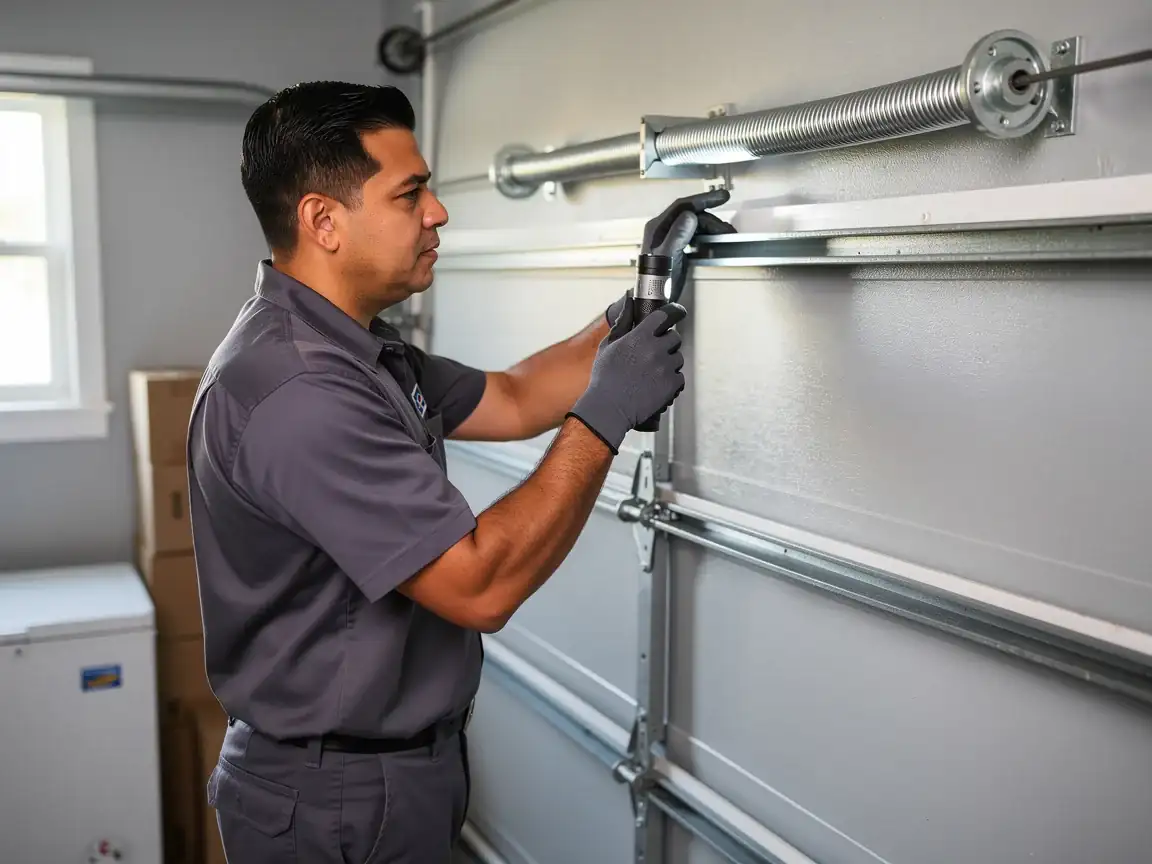
If the manual release lets the door move freely by hand but the opener won't re-engage after a reset, that's a logic board or wiring problem, and those aren't troubleshot by trial and error - a wrong wire swapped on a circuit board can fry the whole unit. If the door doesn't move smoothly by hand, binds, or feels heavy on one side, the issue is mechanical - spring, cable, or track - and that's a job we handle, not a homeowner job, full stop. Given how much of the opener fleet in this area dates back to houses from the 1960s and 70s original build-out, a decent share of what we see isn't a quick fix; it's a unit old enough that replacement parts are backordered or discontinued, and putting more money into it doesn't make sense next to a new opener. We'll tell you straight when that's the case instead of running up a bill on a unit that's going to fail again next winter. What we don't do is same-day replacement on every call - if your opener needs a part we don't carry on the truck, there's a wait, and we'll tell you that up front too.