How It Shows Up
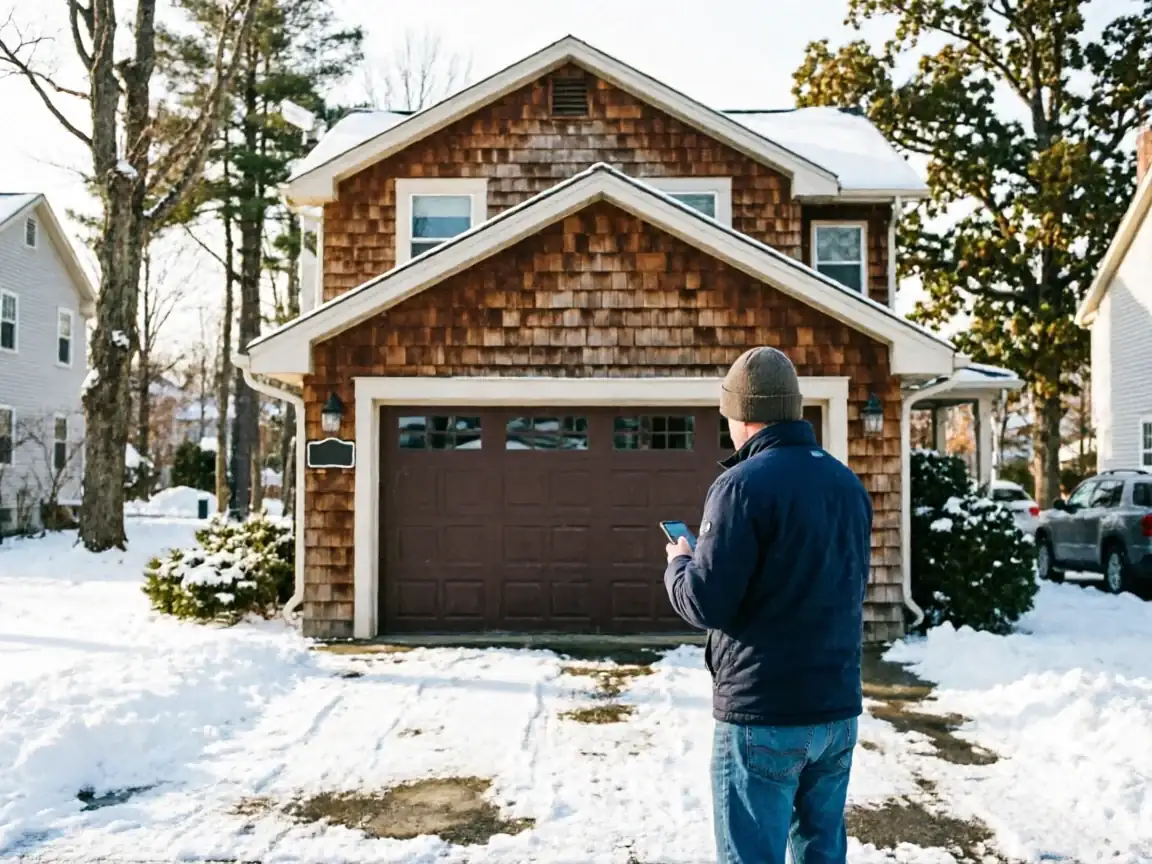
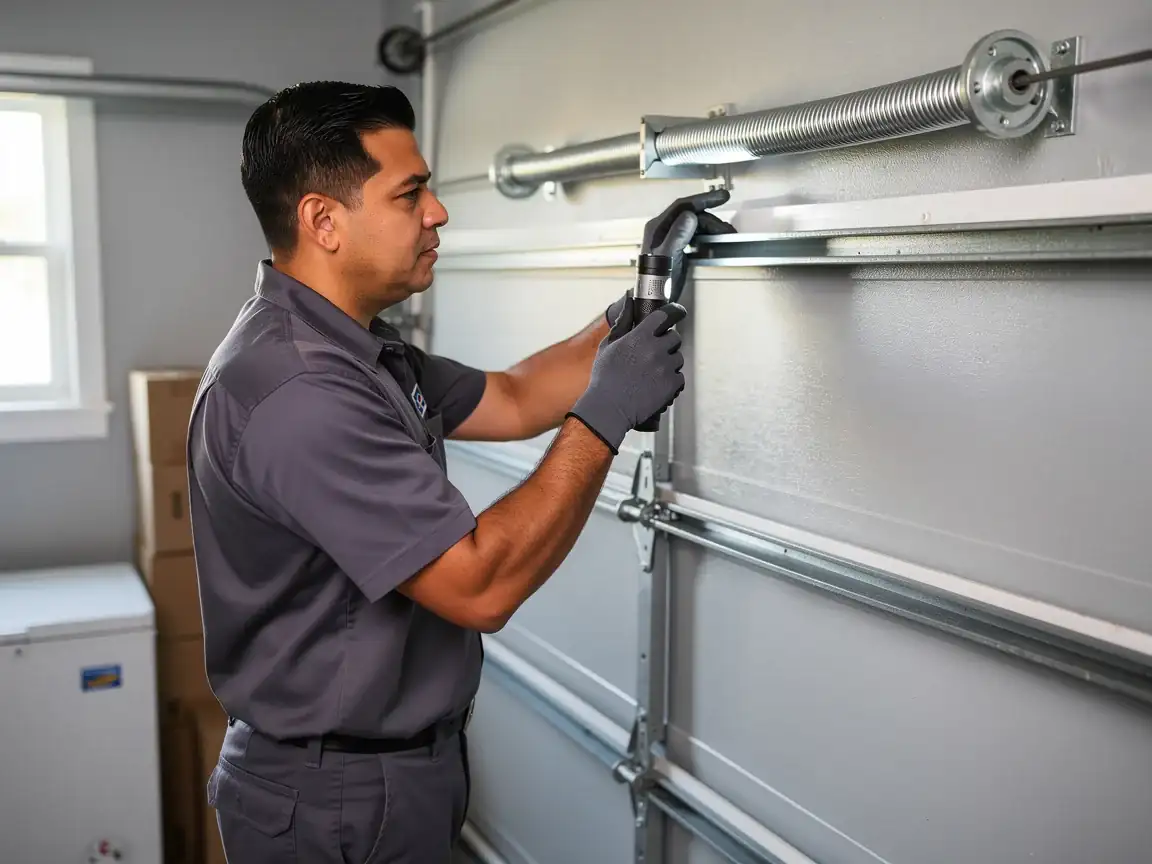
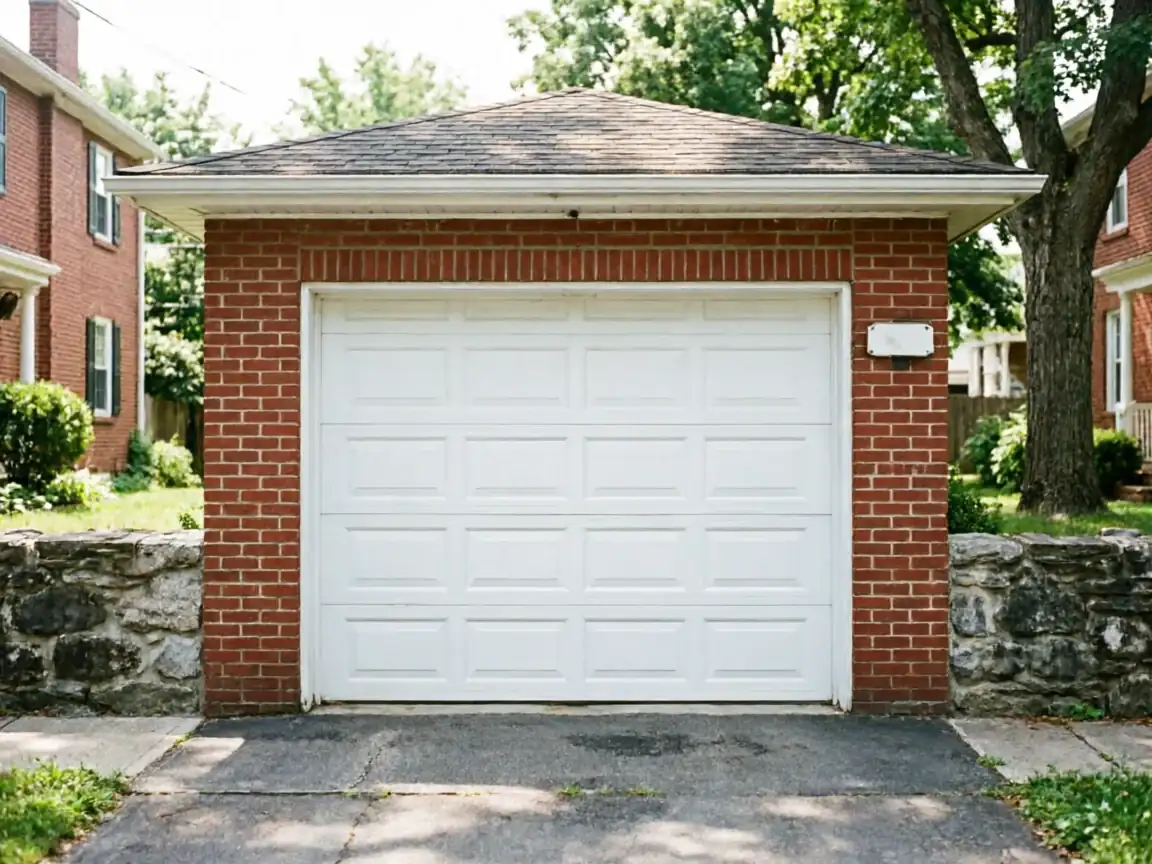
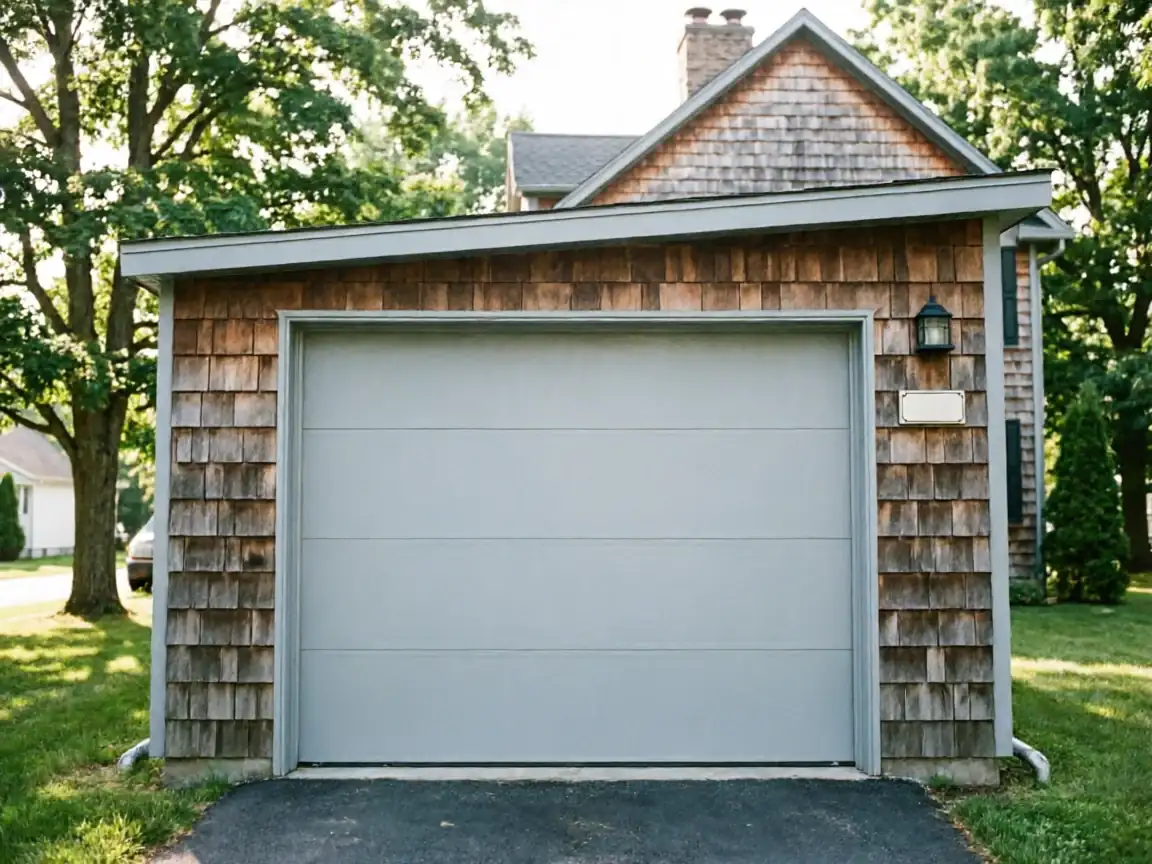
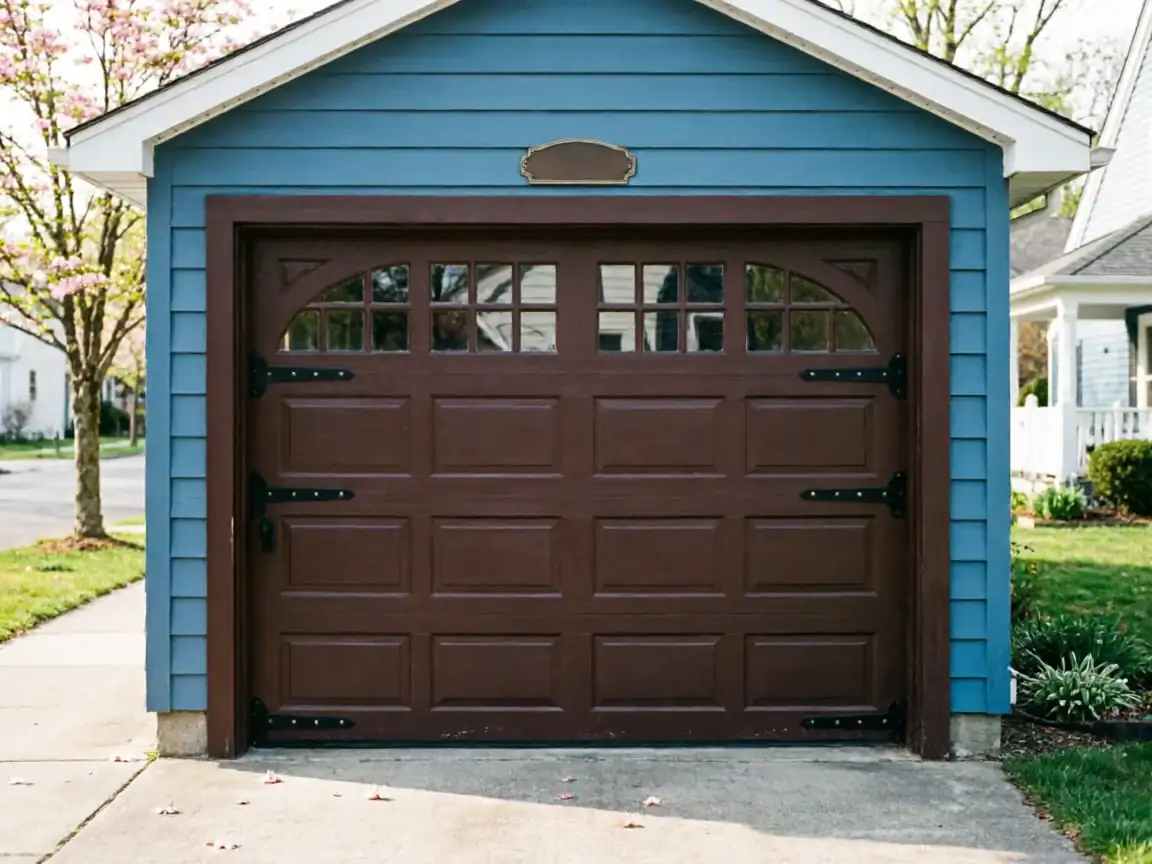
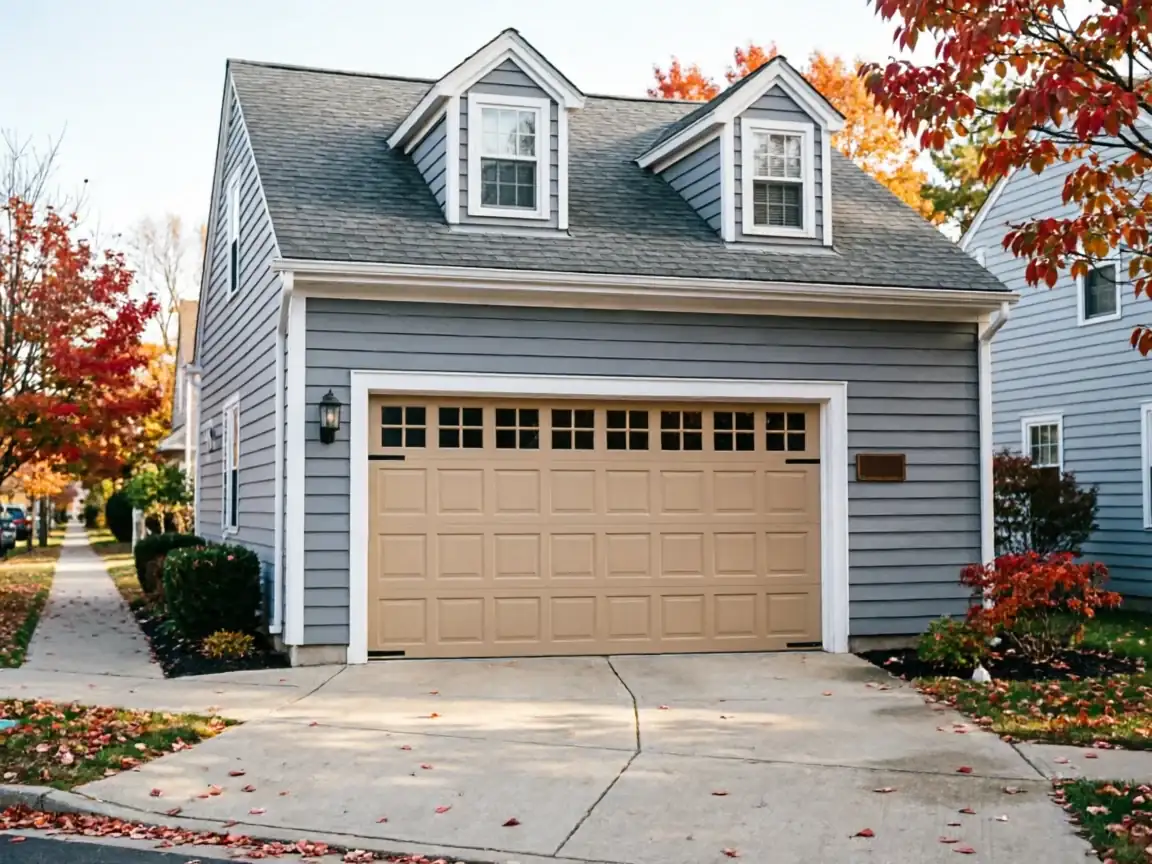
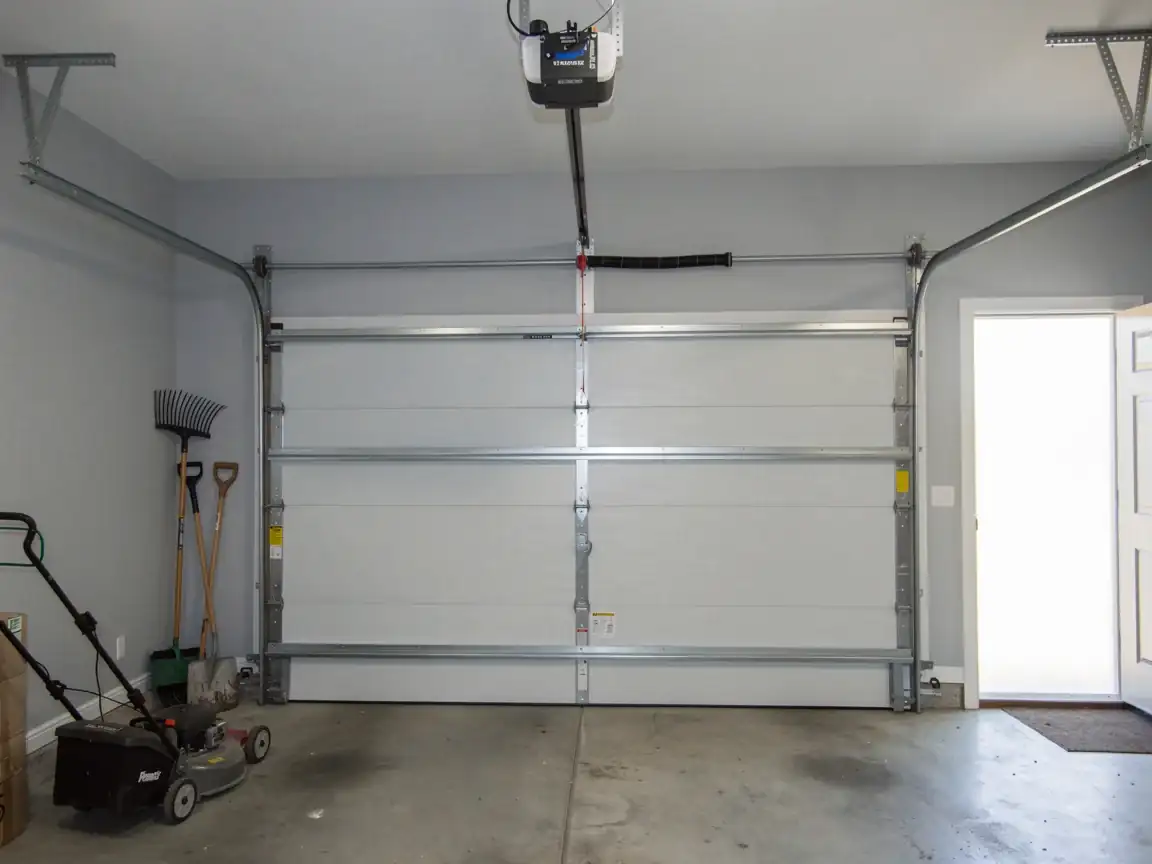
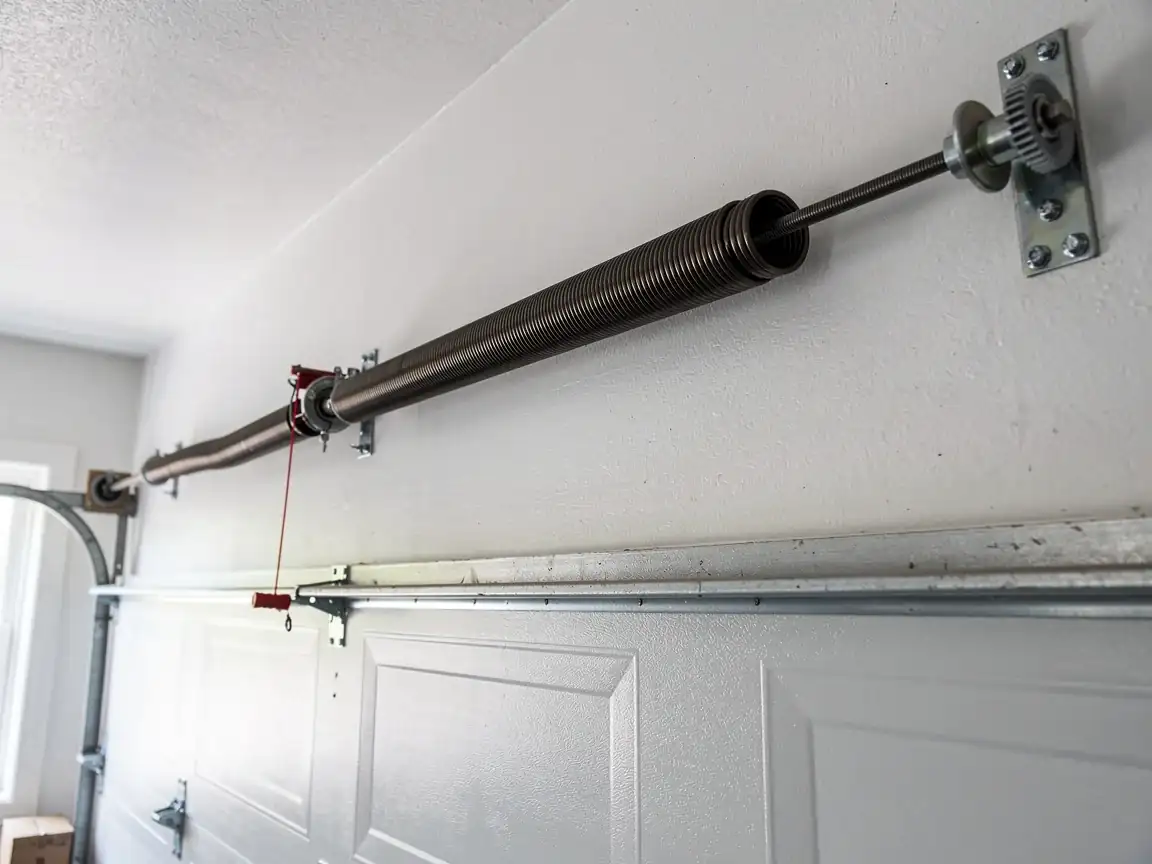
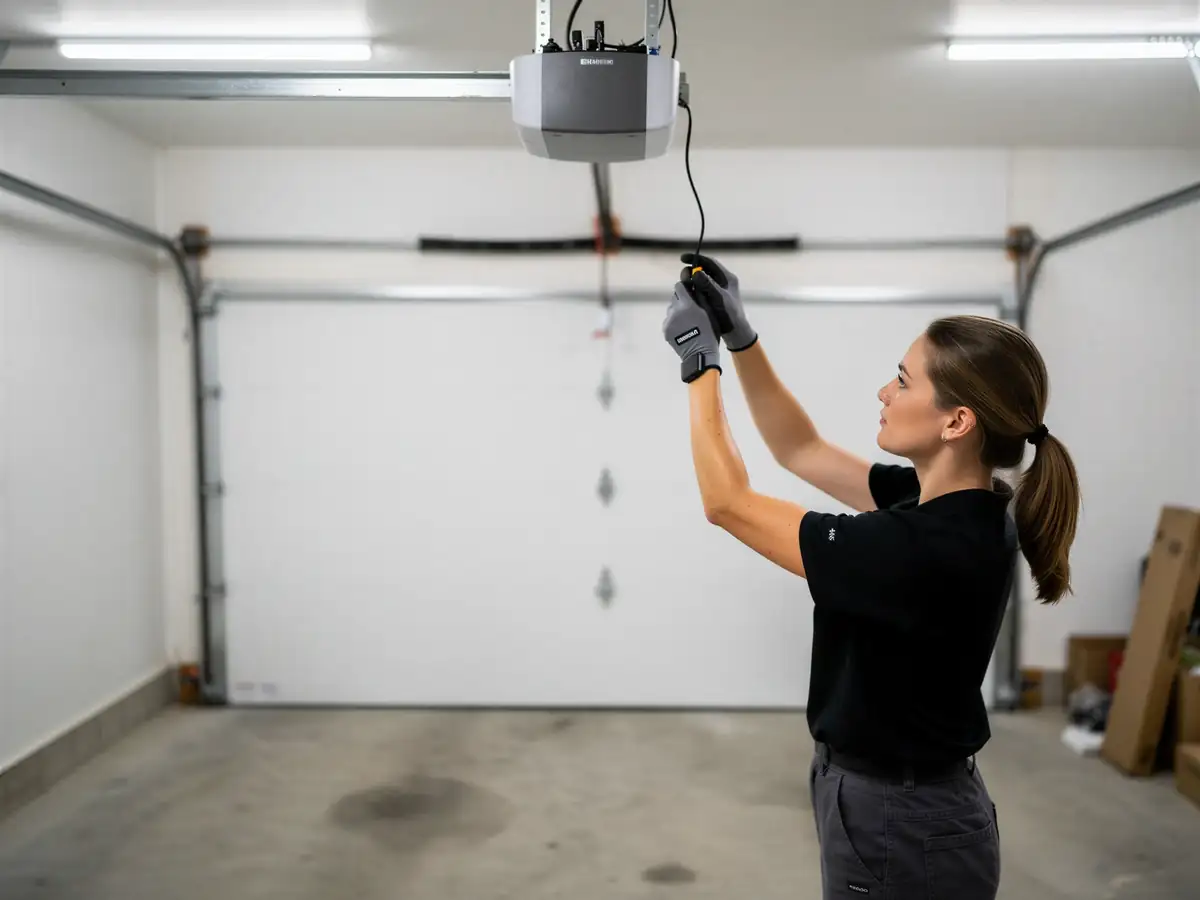
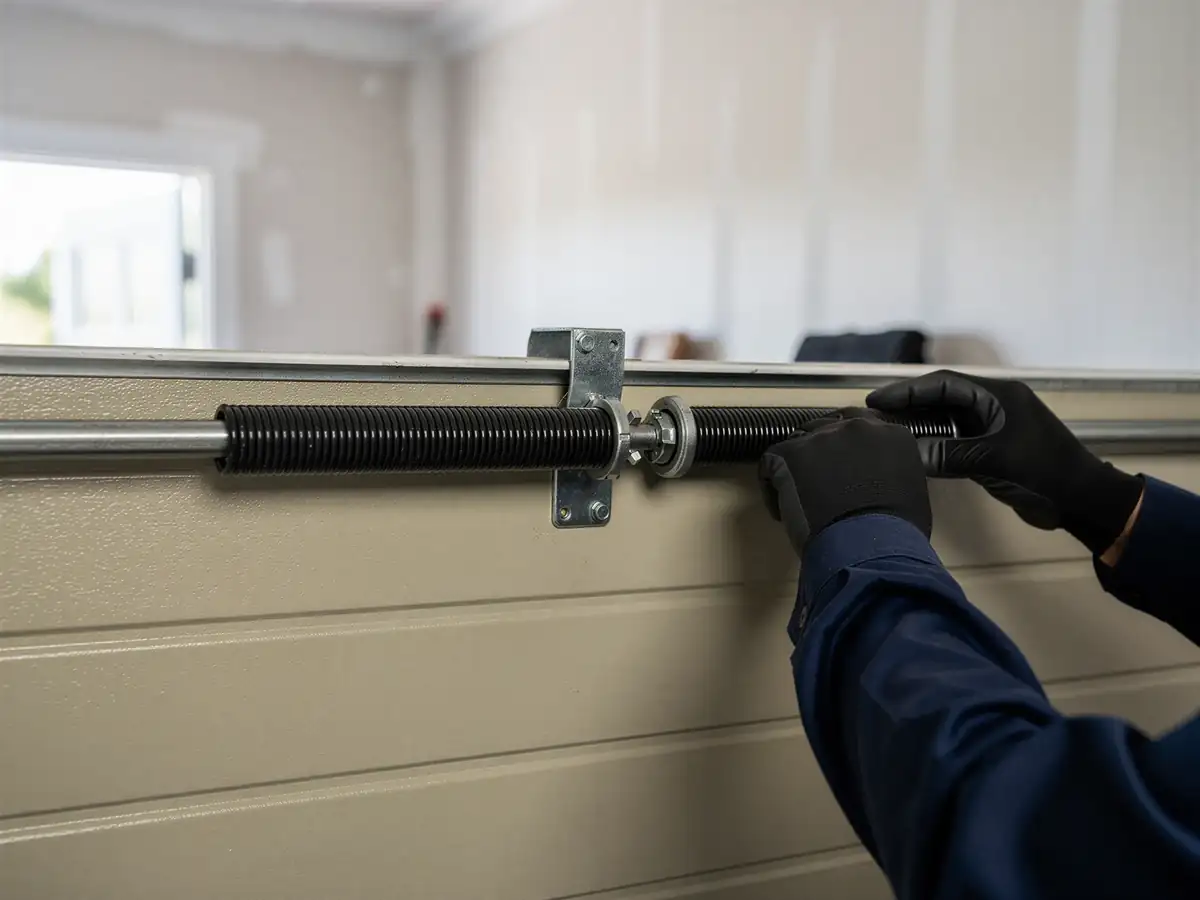
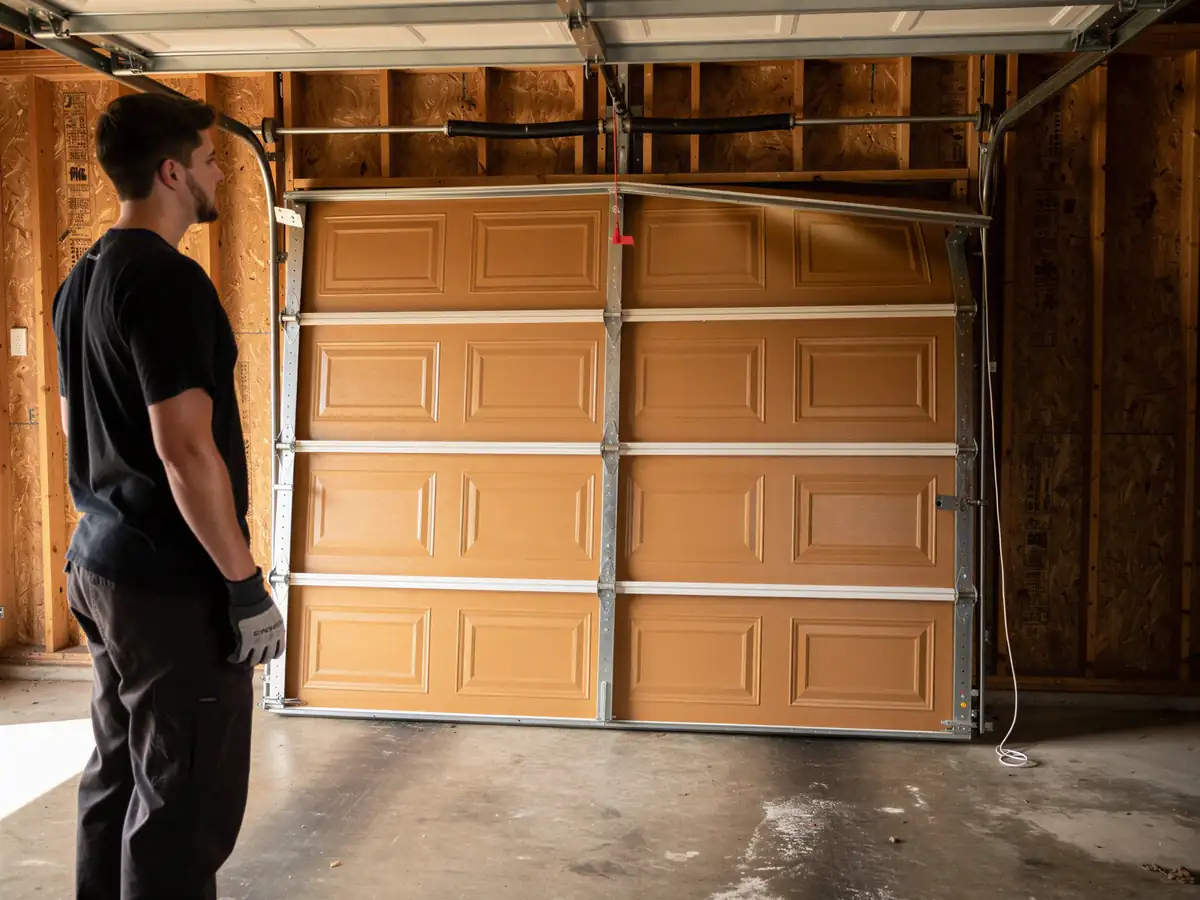
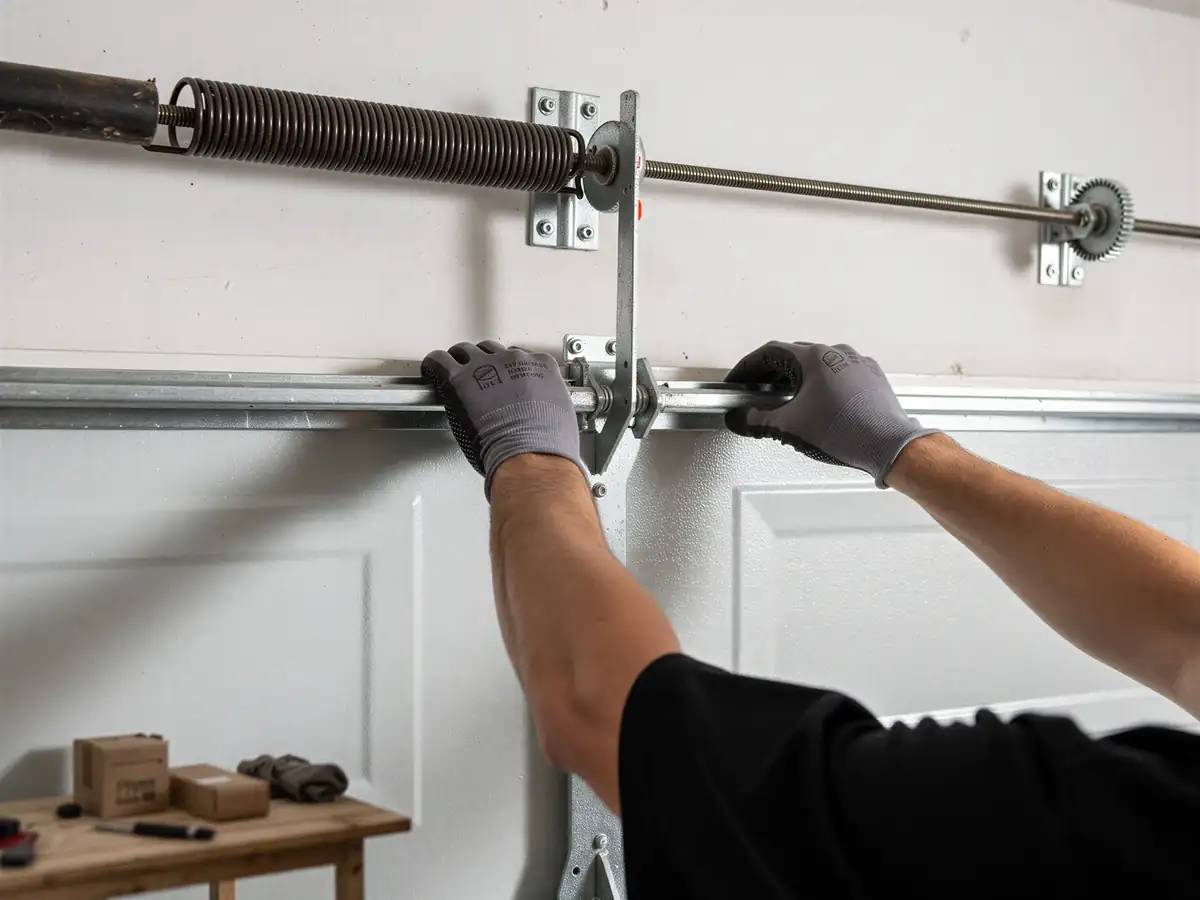
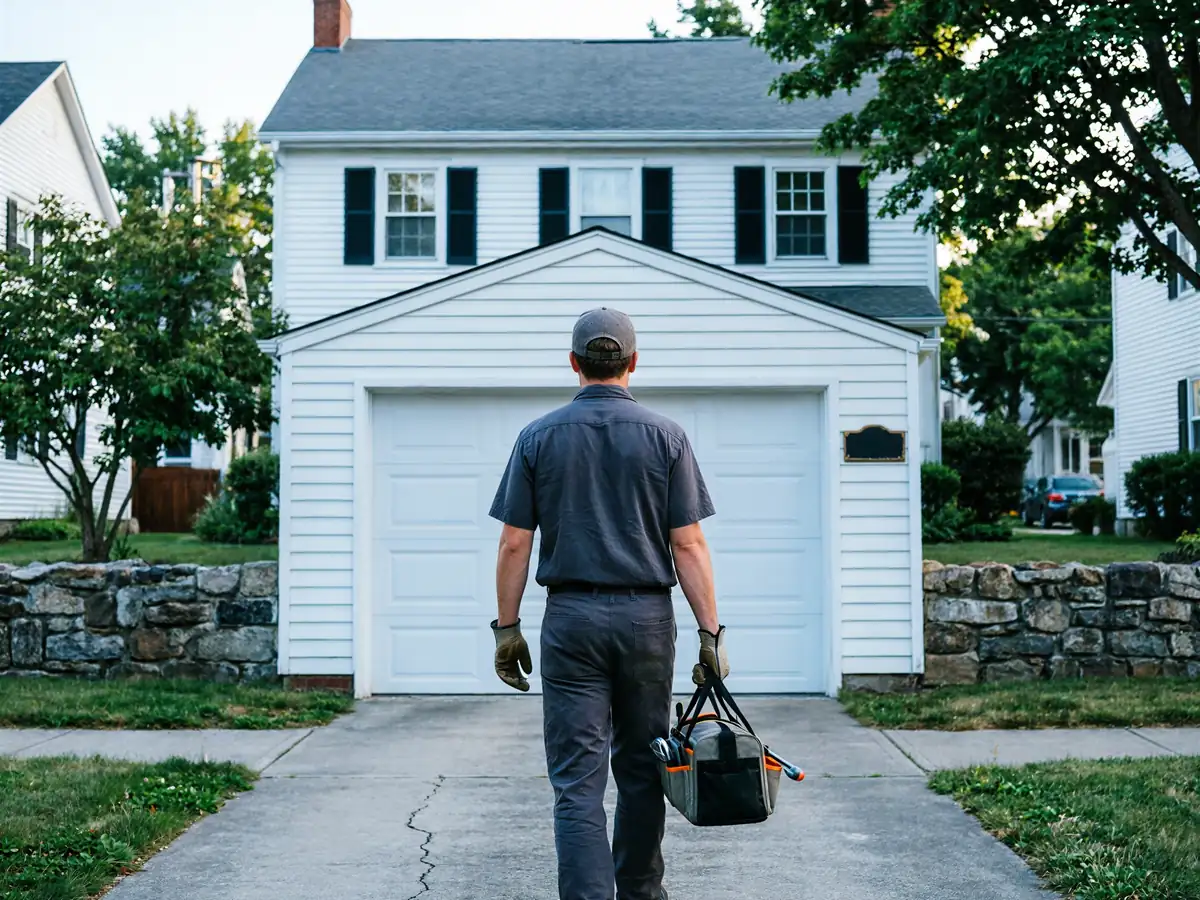
In Butler, the call usually starts the same way: the door won't open on a cold morning, or it opens crooked and binds halfway up the track. With housing here running 1938 to 1999 and a median build year of 1973, a lot of what we're pulling out are original openings built around steel sectional doors from the 1960s and 70s - track widths, header clearance, and spring mounts that don't match what's sold today. When a homeowner calls about installation rather than repair, it's often because the old door has finally outlived its hardware, or because an opener retrofit onto a 50-year-old track just won't hold up anymore.
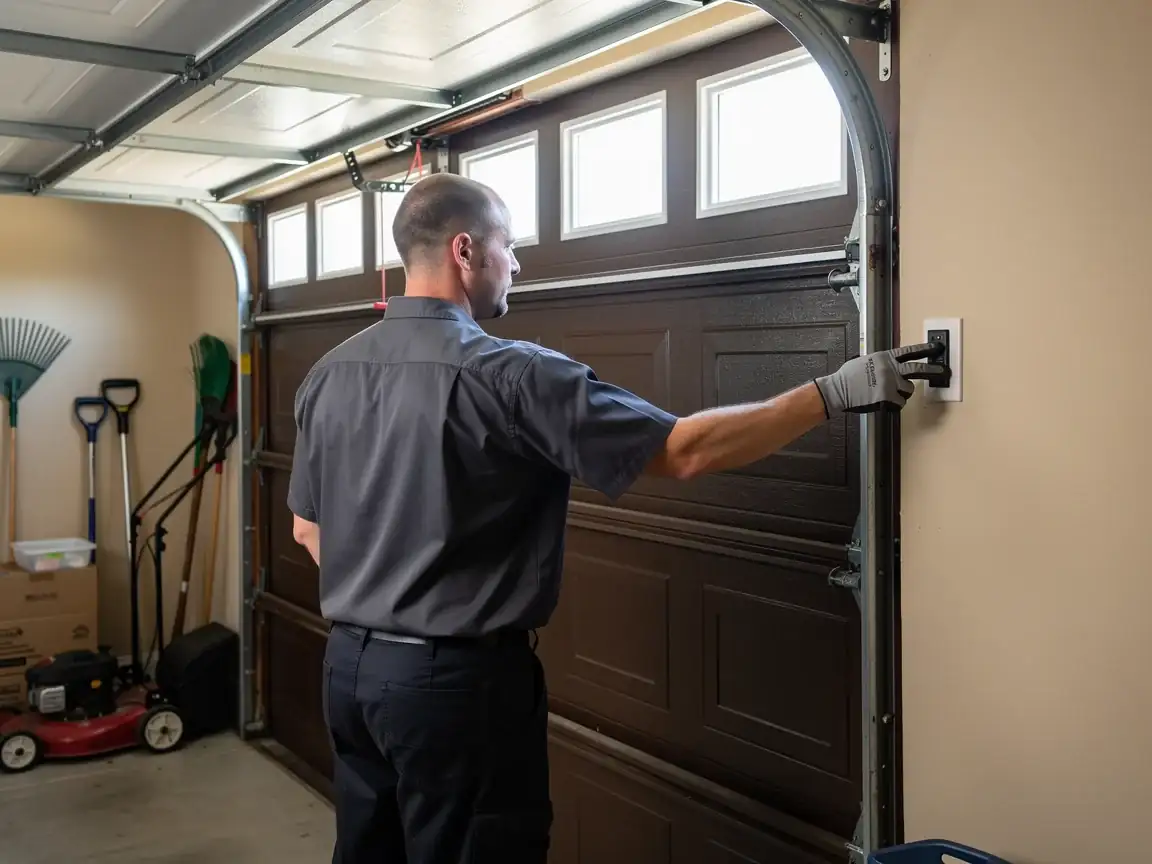
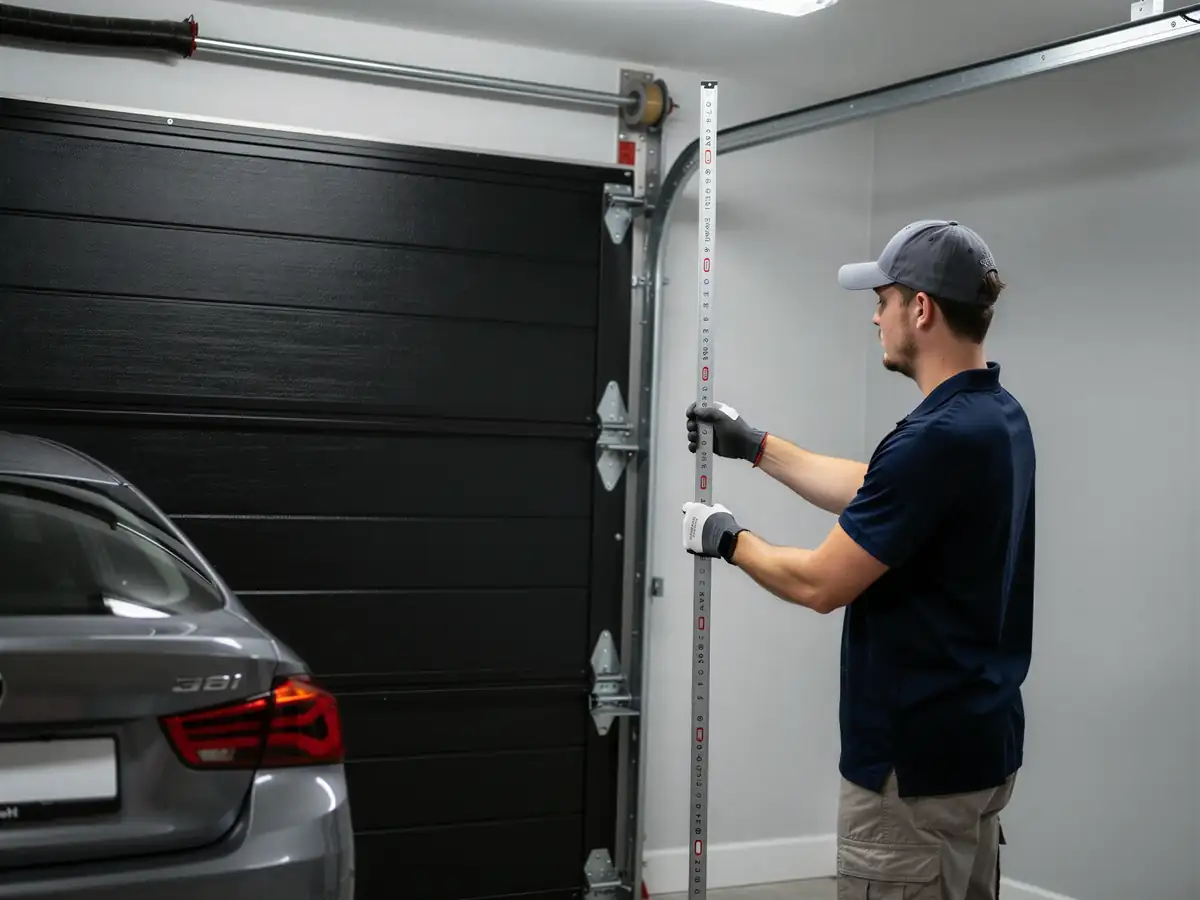
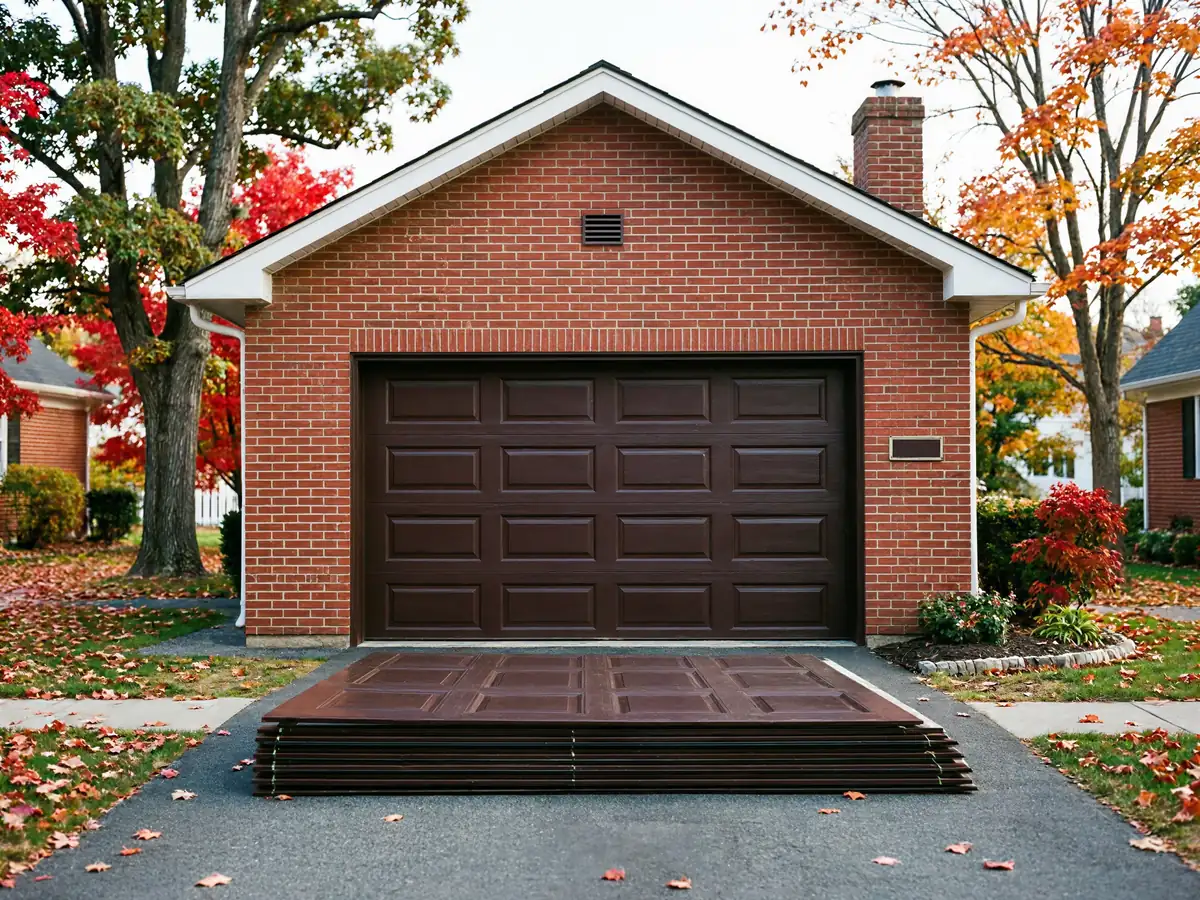
Across the 43 named areas we cover around Butler, the pattern repeats: a short-panel door sized for a narrower opening, wood jambs that have shifted slightly over six decades, and rollers worn oval from years of cold-weather cycling. New installation on these houses isn't a drop-in job - it's measuring what's actually there before ordering anything.
Why It Happens Here
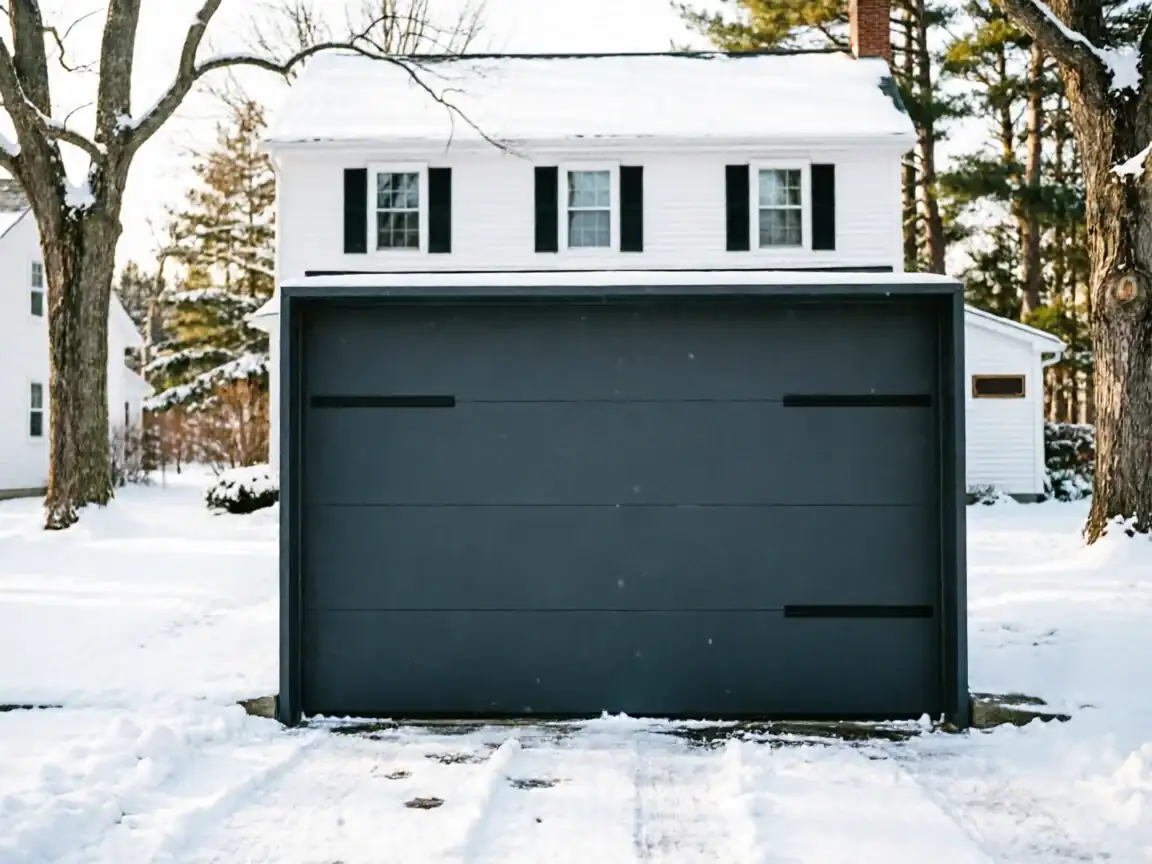
Butler sits in a cold-severe climate band, and that matters more for garage doors than people expect. Steel panels contract in low temperatures, and on a door that's already 40 to 50 years old - common given the 1973 median build year - the seams and seals that were fine in July start gapping in January. Combine that with framing built to 1960s-70s standards, before current insulation expectations, and you get doors that never sealed well to begin with, now failing faster because of decades of freeze-thaw cycling on the track and jamb.
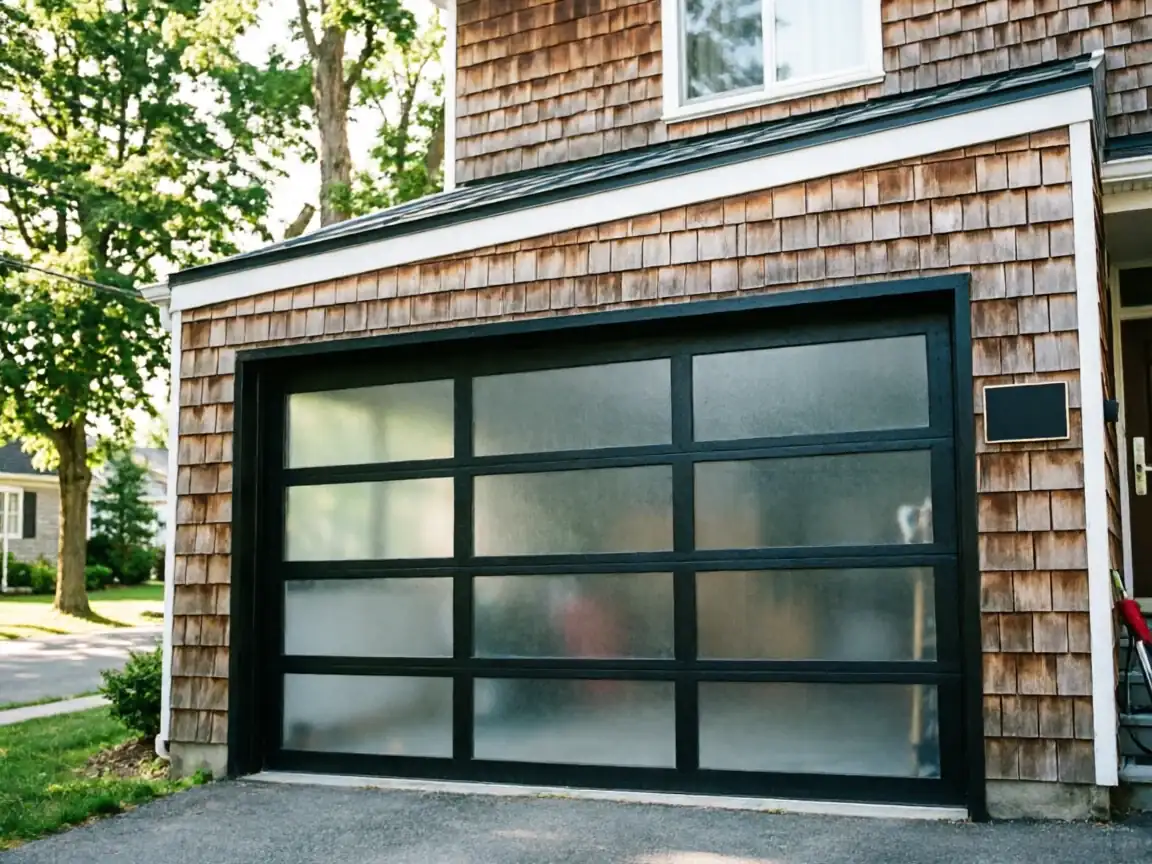
This is the core reason installation jobs cluster in certain pockets of the service area rather than being spread evenly: houses built before the 1980s simply weren't built with today's thermal performance or hardware tolerances in mind. A new door, properly insulated and matched to current track specs, holds up through a Butler winter in a way a legacy 1970s door and opener combination just can't.
What You Pay
We won't post a number here
Because what you pay depends on the door you're replacing and what's behind it - whether the opening needs reframing, whether the opener gets replaced at the same time, and what insulation level you choose for a cold-severe climate. A straightforward swap on a standard opening costs less than a job where we're also correcting decades of settling or upgrading undersized header framing, which shows up more often on the older end of Butler's housing stock.
One honest limitation
If your opening is badly out of square or your framing has shifted significantly, we'll tell you before we order a door, not after. Sometimes that means a small carpentry fix first. It's a smaller job done right than a door that never seals properly against this area's winters.
Getting It Booked In
Installation gets scheduled around measuring the actual opening, not a standard size off a shelf. We cover Butler and the surrounding area out to places like Oak Hills, Meridian, and Shanor-Northvue a few miles out, and farther communities like Saxonburg, Zelienople, and Slippery Rock. Call and we'll walk through what's currently installed, what climate-rated options make sense for a cold-severe winter, and what the opening itself will allow.
If you're not sure whether your situation calls for installation versus repair, say so on the call - a lot of what looks like a dead door is actually a fixable spring or track issue, and we'd rather tell you that than sell a replacement you don't need yet.