How It Shows Up
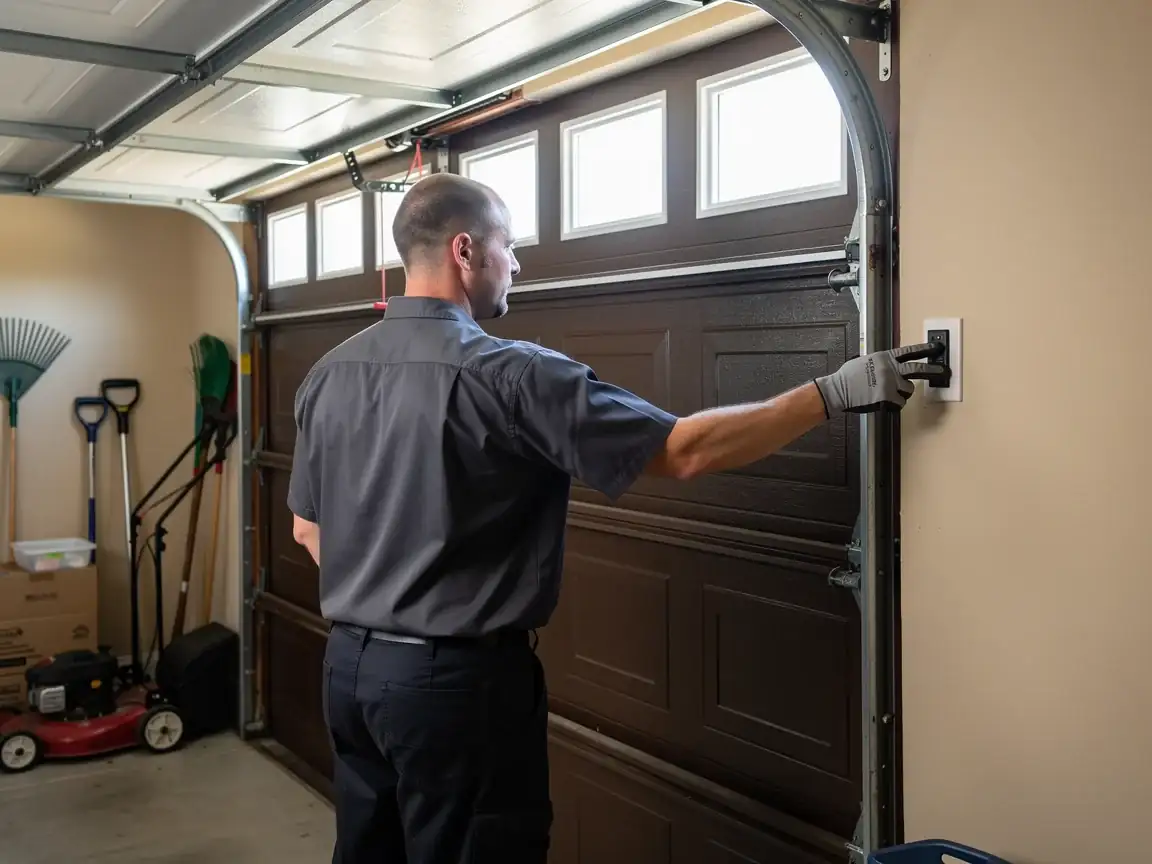
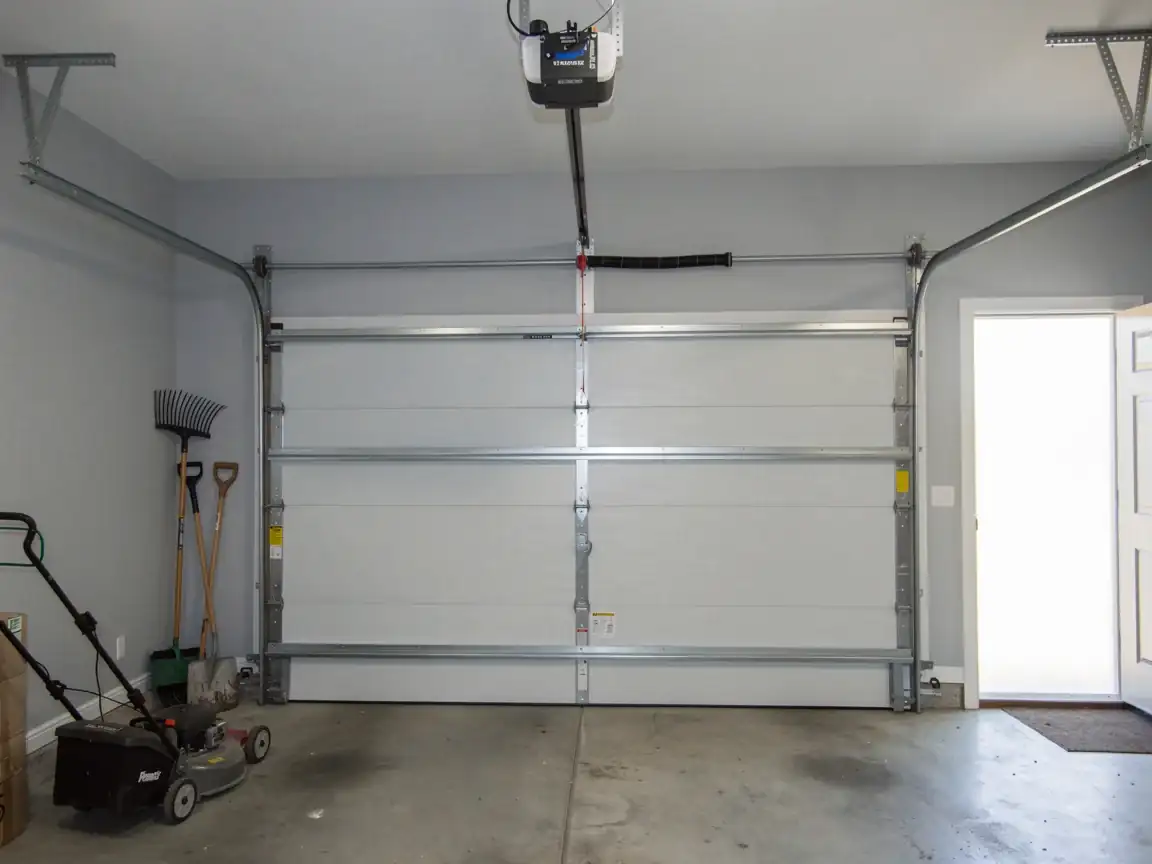
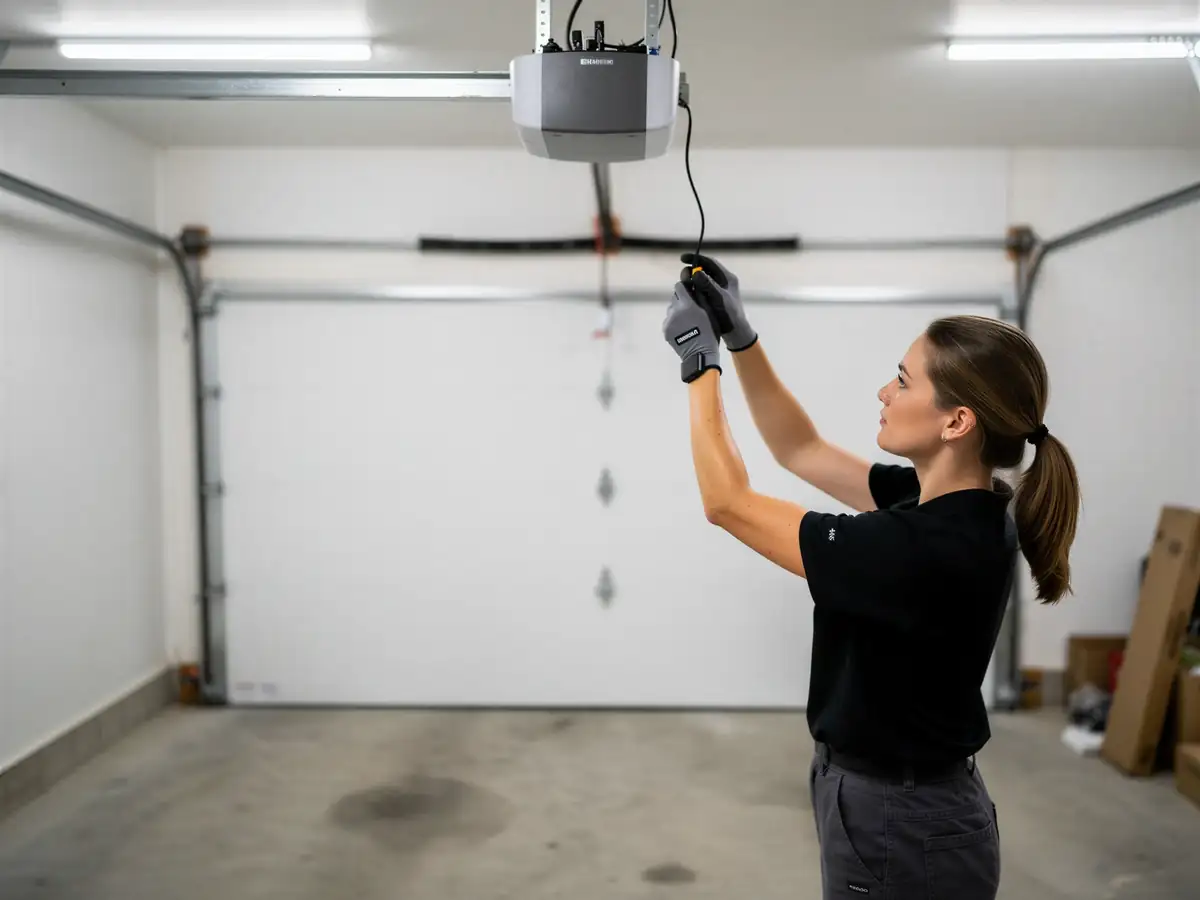
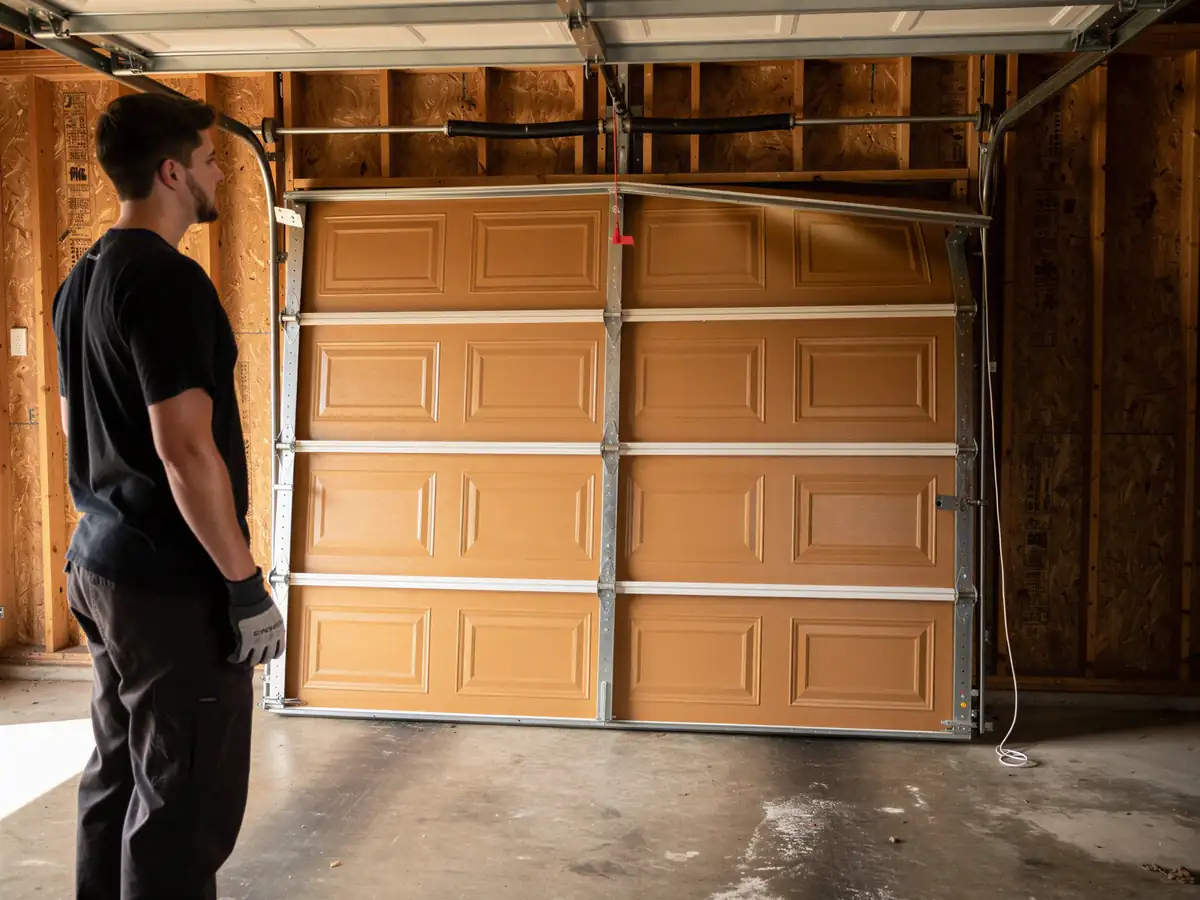
The call usually starts the same way: the door hesitates halfway up, or it slams the last six inches down instead of settling. Sometimes it's a grinding noise from the rollers, sometimes a cable that's started to fray where it wraps the drum. On a lot of the doors we look at across this service area, the opener still runs fine but the hardware underneath it has quietly worn past the point where lubrication alone fixes anything.
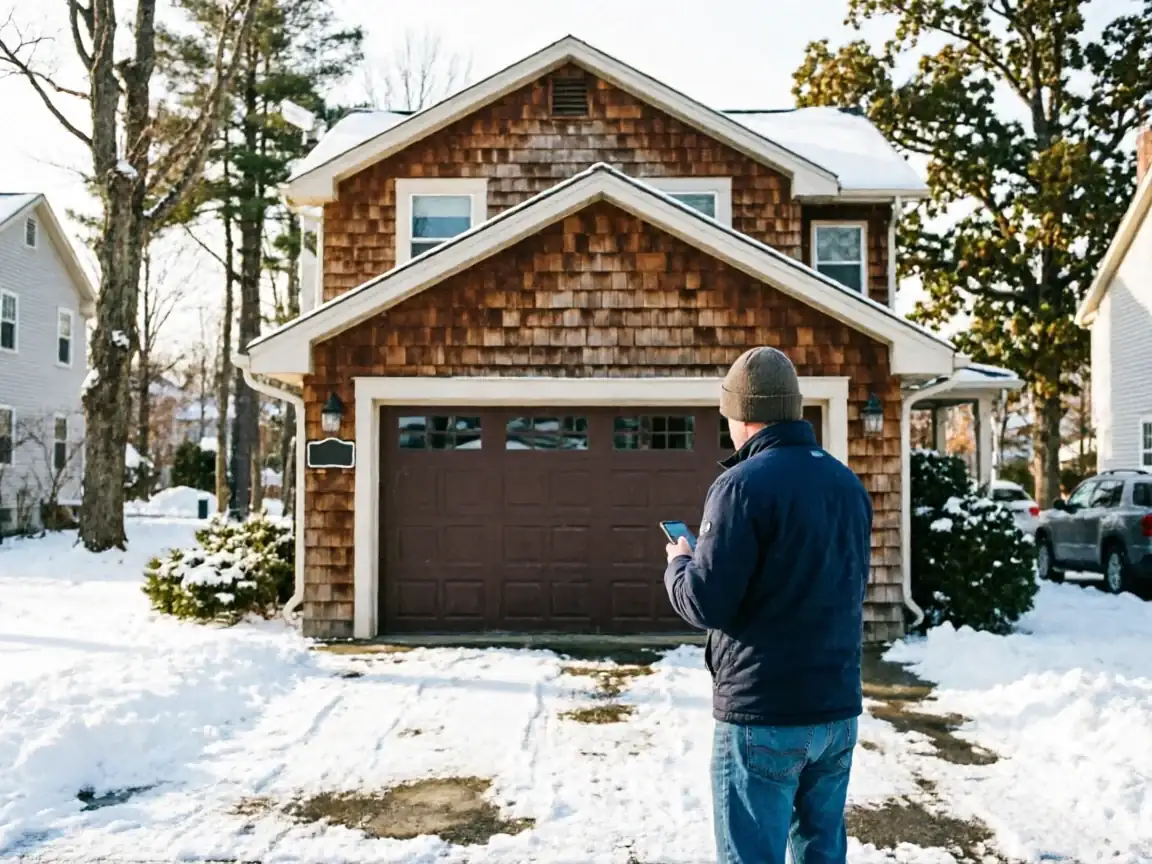
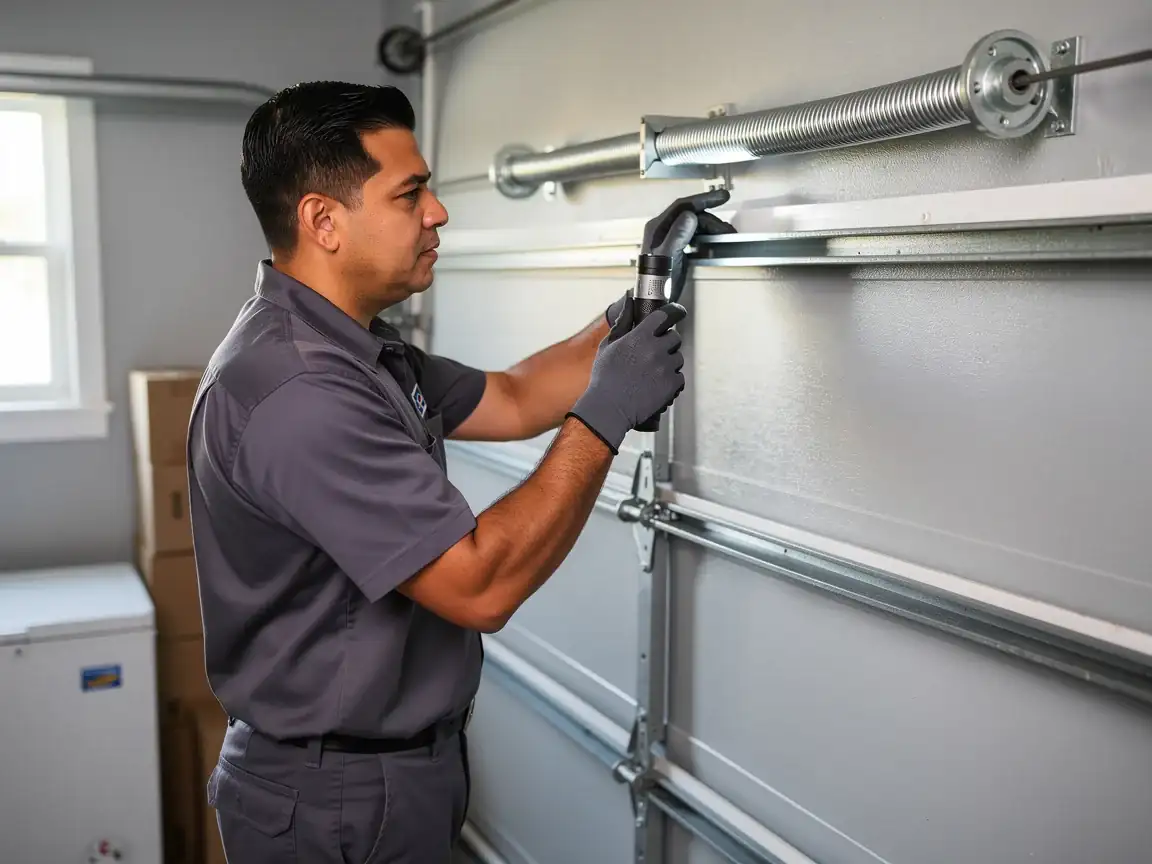
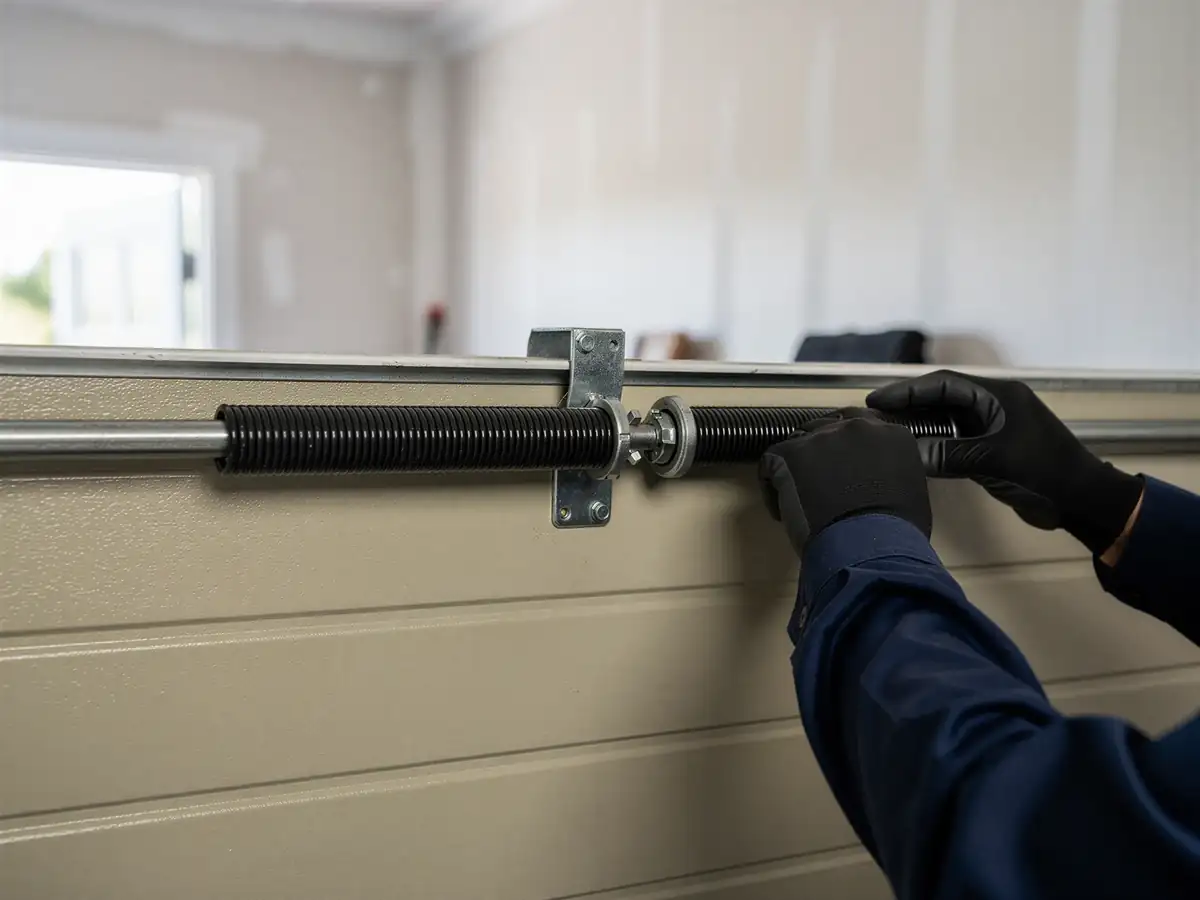
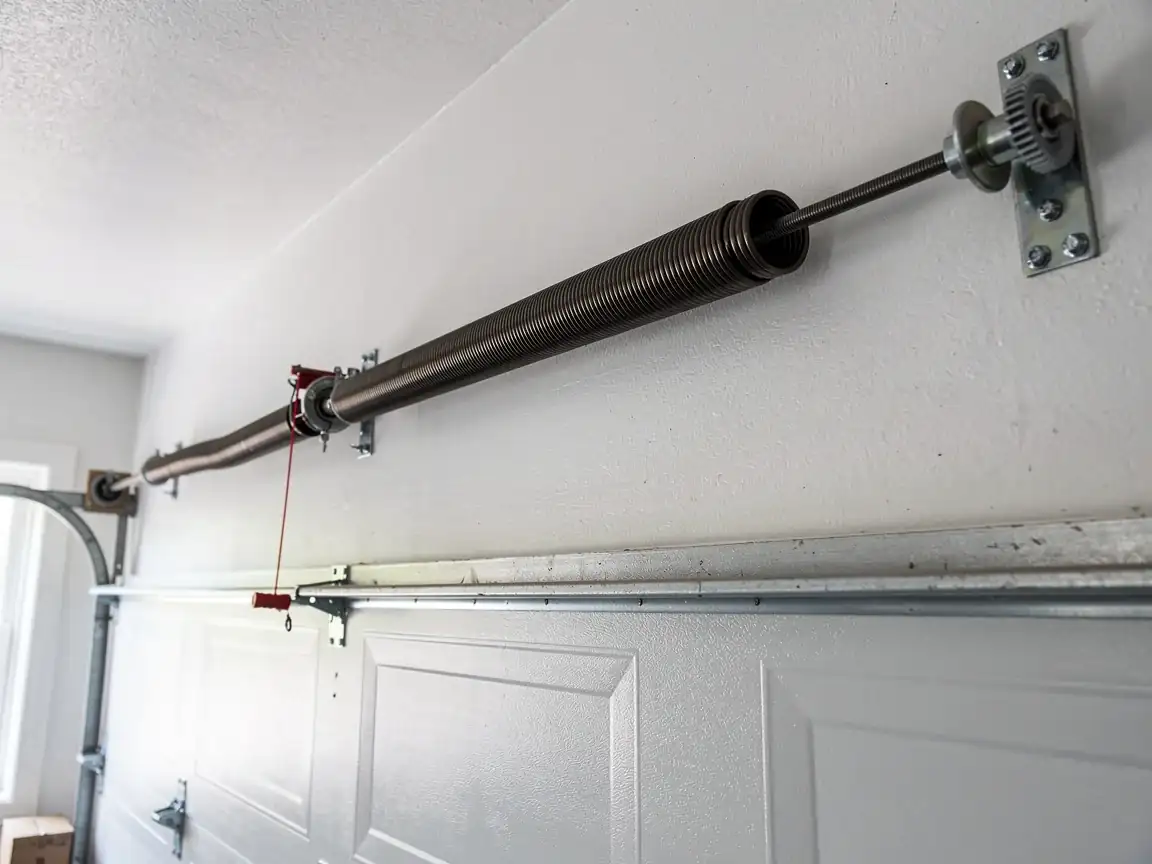
Winter makes it worse. Steel contracts in the cold, so the clearance between roller and track that was fine in July gets tight in January, and a roller that's already worn flat starts binding instead of rolling. Torsion springs lose a little tension every cold snap too, so a door that opened smoothly in fall starts feeling heavy by February - that's usually the first sign an owner notices, months before the spring actually breaks.
We also see a fair number of doors where the bottom seal has cracked and let moisture into the bottom panel, which on an older steel door means rust starting from the inside out, not the outside in. By the time it's visible on the face of the panel, it's been going on for a season or two already.
Why It Happens Here
Housing stock across this service area was mostly built between 1938 and 1999, with the bulk going up through the 1960s and 70s across all 43 named communities we work in. That means a big share of the doors we service are either original to the house or a first replacement from decades back - sized and hung for openers and springs that were standard then, not matched to the heavier insulated panels a lot of owners have added since.
The cold is the other half of it. This area sits in a severe cold-climate band, and that kind of repeated freeze-thaw cycling is hard on anything with moving metal parts outdoors. Torsion springs lose tension faster, track bolts work loose as wood jambs swell and shrink with the seasons, and old grease turns stiff right when the door needs it to flex most - on the coldest morning of the year.
Put those two things together - 1960s-70s hardware paired with a genuinely hard winter climate - and you get the maintenance pattern we see on repeat: not catastrophic failure out of nowhere, but steady wear that shows up as noise and stiffness months before something actually breaks.
What You Pay
We don't have a flat number to quote you here, and we're not going to make one up
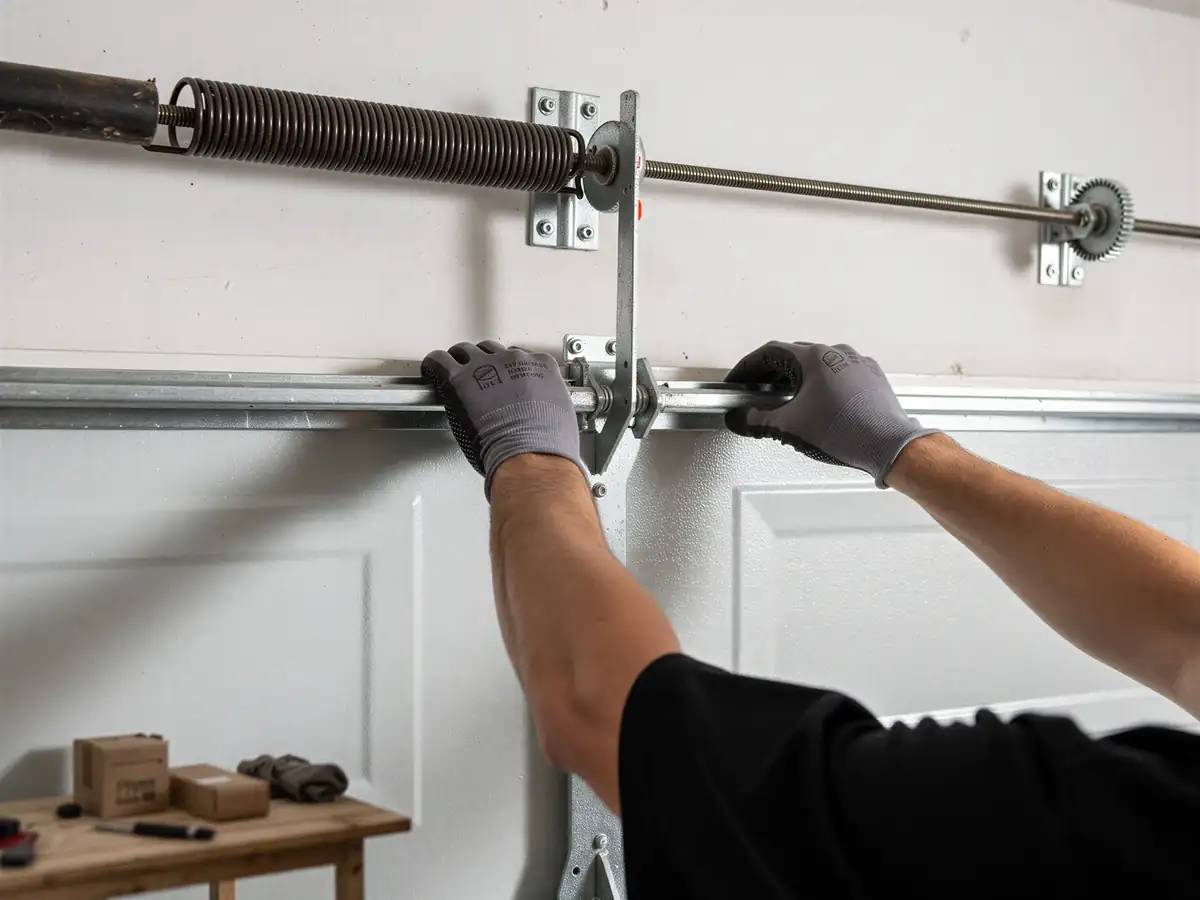
What a maintenance visit runs depends on what we find once the door's open - a tune-up on a door that's just noisy is a different job than one where a cable's frayed down to a few strands or a spring's lost half its coils.
What we can tell you is what drives the cost either way
Whether it's a single-car or double door, whether the springs are original 1970s-era stock or already replaced once, and whether the track needs more than a realignment. A straightforward lubrication-and-adjustment visit is the low end of that range; swapping a worn spring or a cracked bottom seal adds parts cost on top.
One honest limitation
If your springs or cables are more than a few years past their last service, we'll usually recommend replacing both springs on a double door at once rather than just the one that's failing, because the second one is close behind it and we don't want you calling us back in six months for the same job.
Getting It Booked In
If your door's been getting louder, heavier, or slower over the past few months, that's the window to call - before a spring snaps with the door halfway up or a cable lets go under load. We cover the Butler service area out to towns like Oak Hills and Meridian three miles out, Shanor-Northvue and Nixon a bit further, all the way to Slippery Rock seventeen miles out, and everywhere in between.
We book maintenance visits the same way we book repairs: you tell us what the door's doing, we ask a few questions about age and symptoms, and we get a truck out. If the door's original to a house built back in the 1960s or 70s, mention that up front - it changes what parts we bring with us.