What We Do Most in This Area
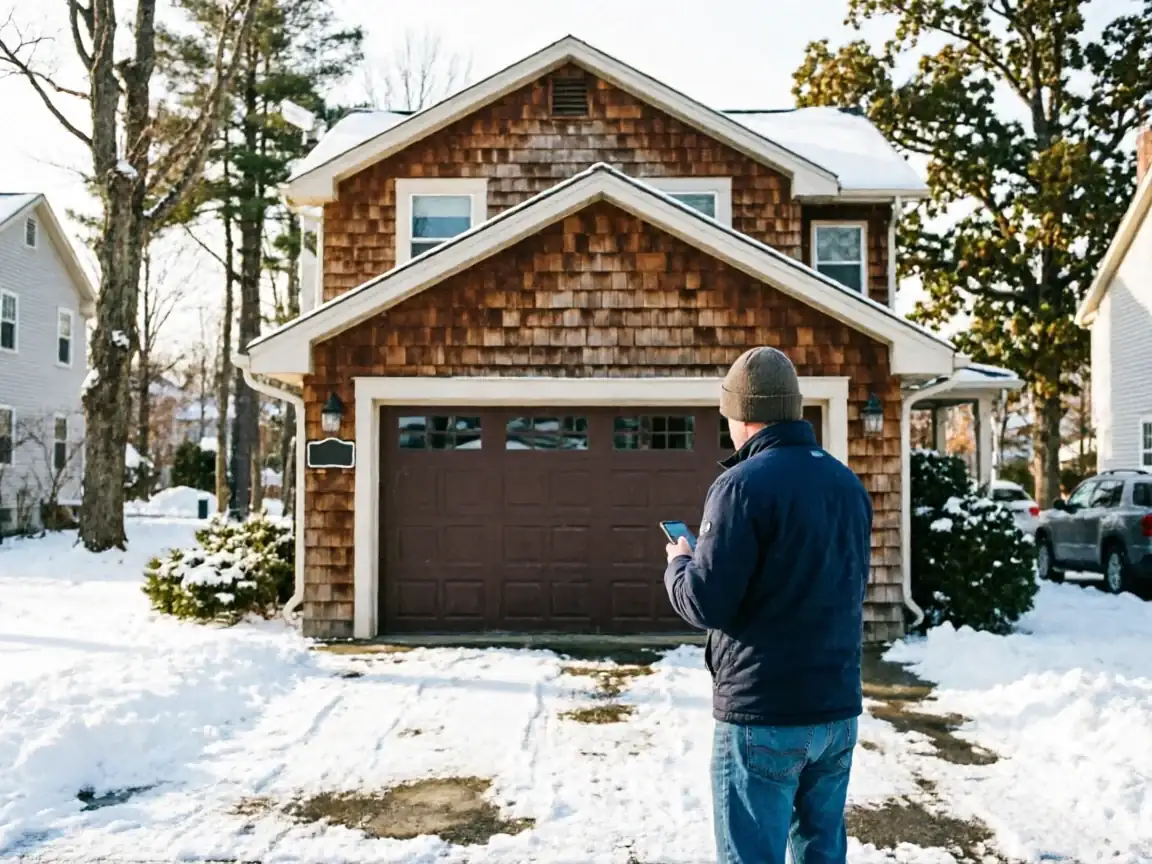
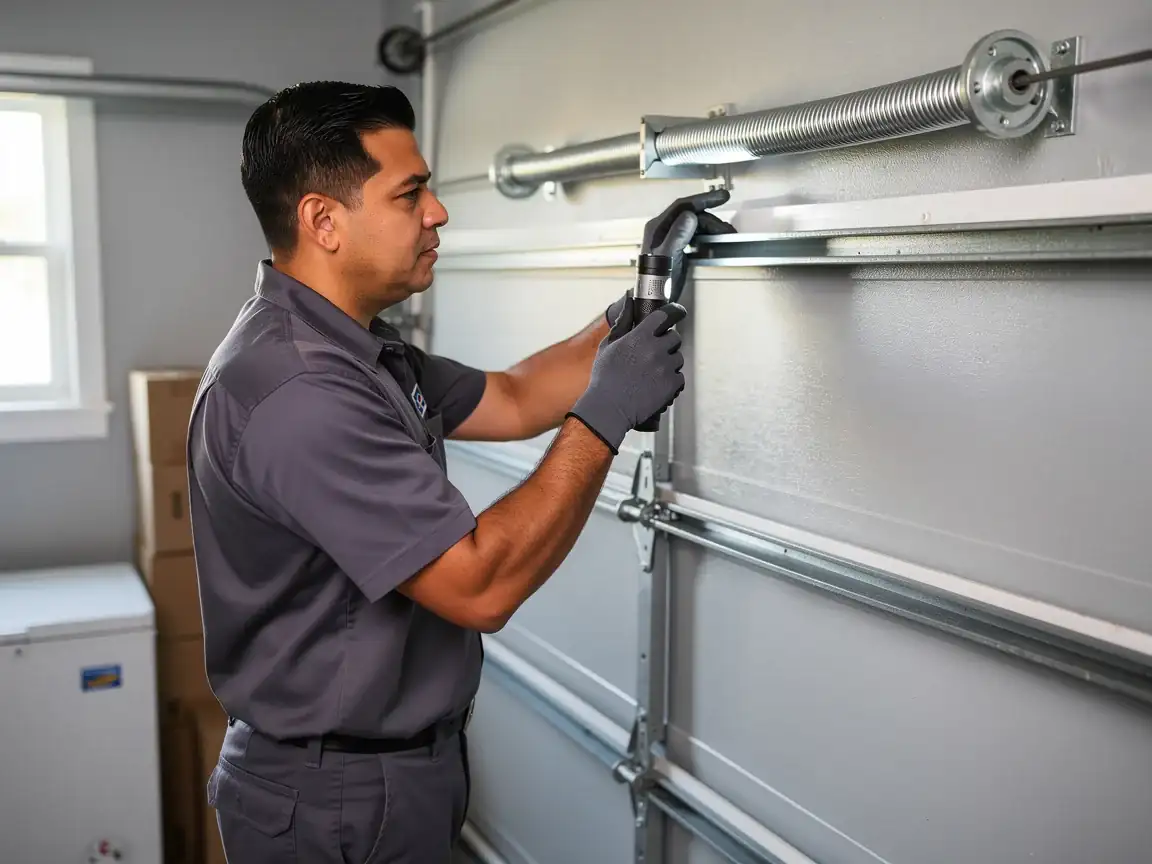
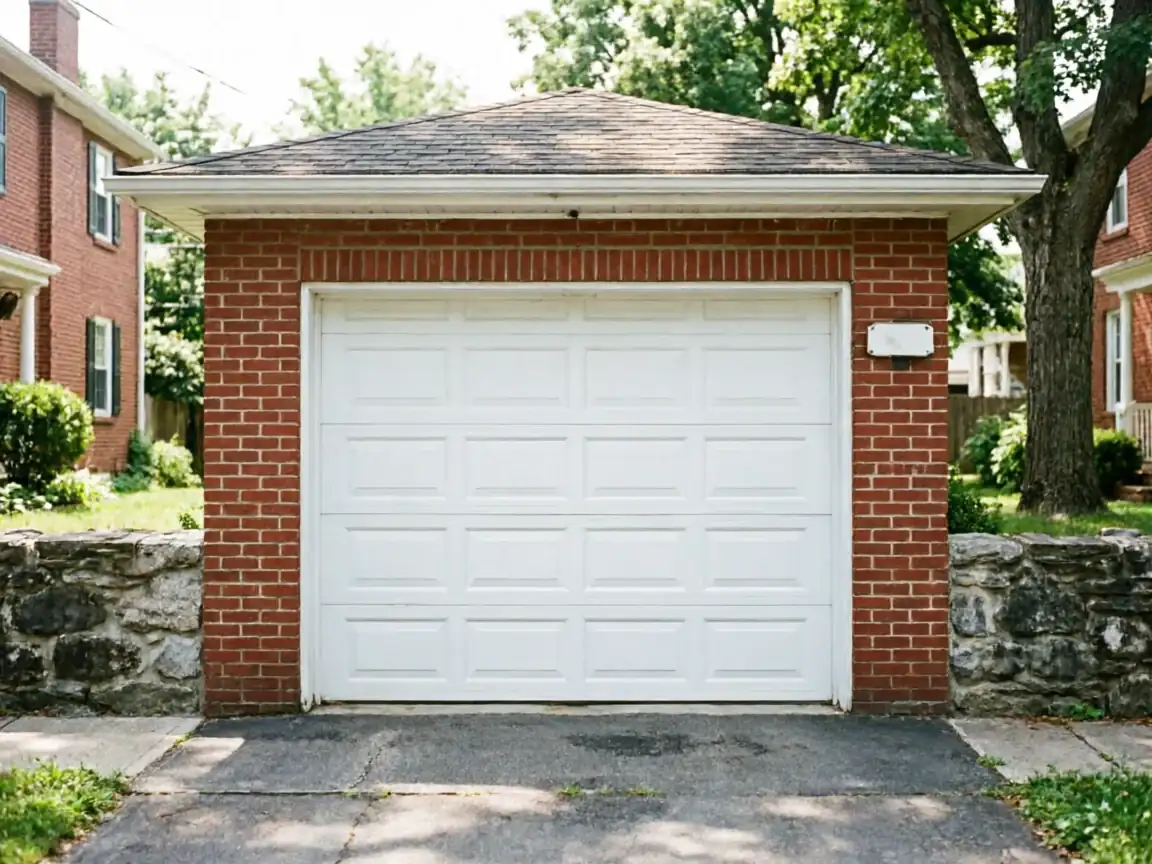
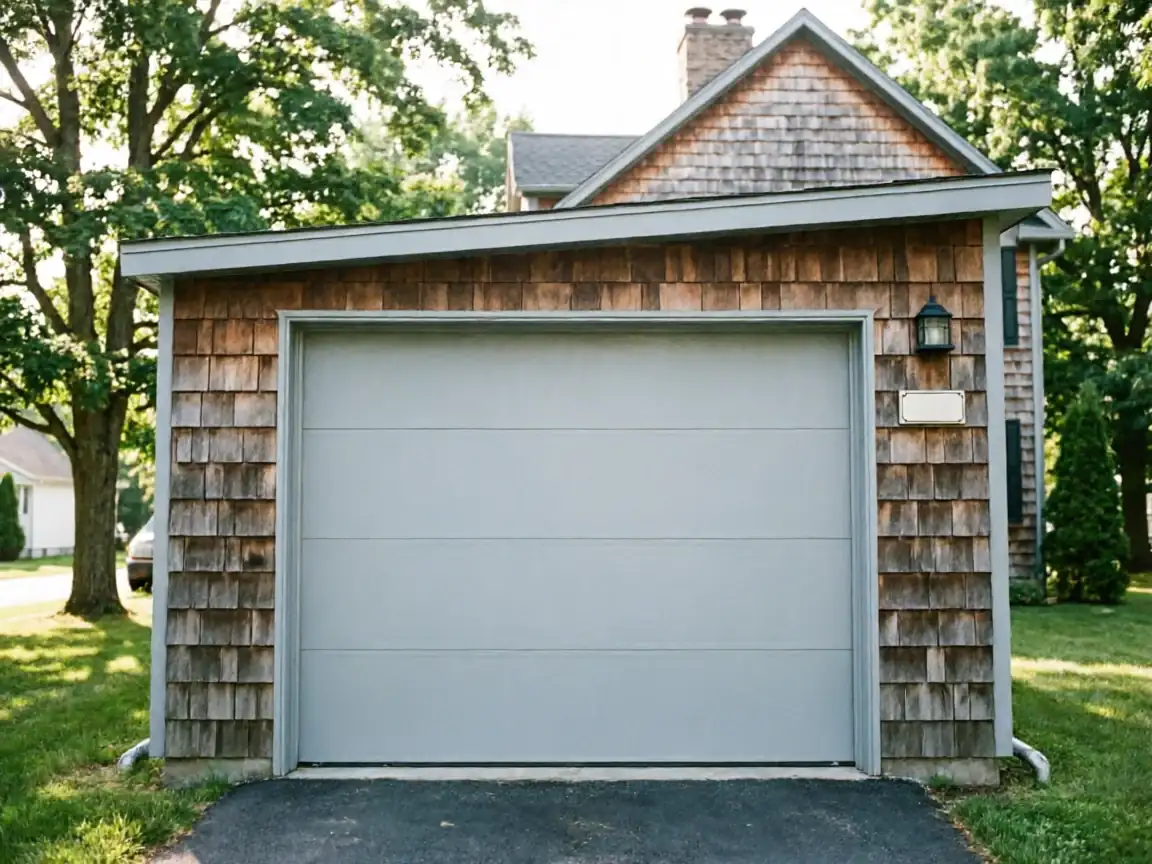
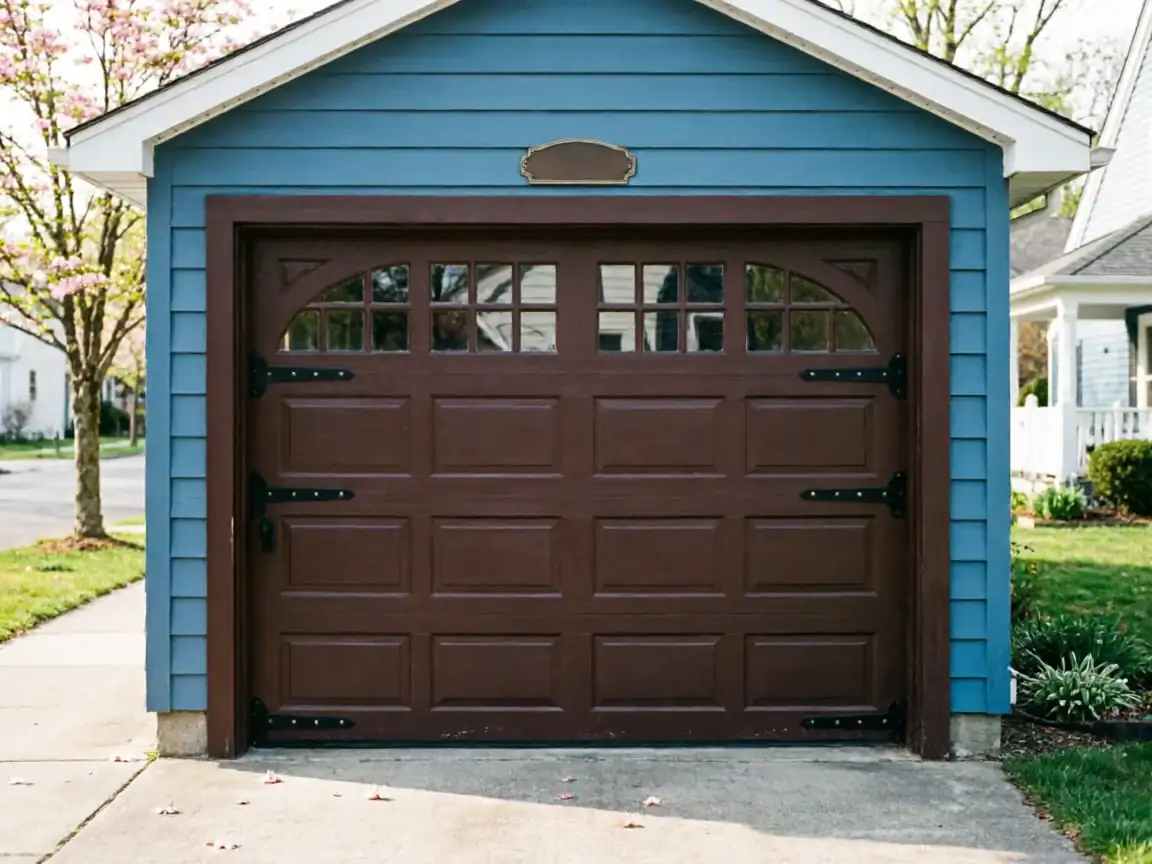
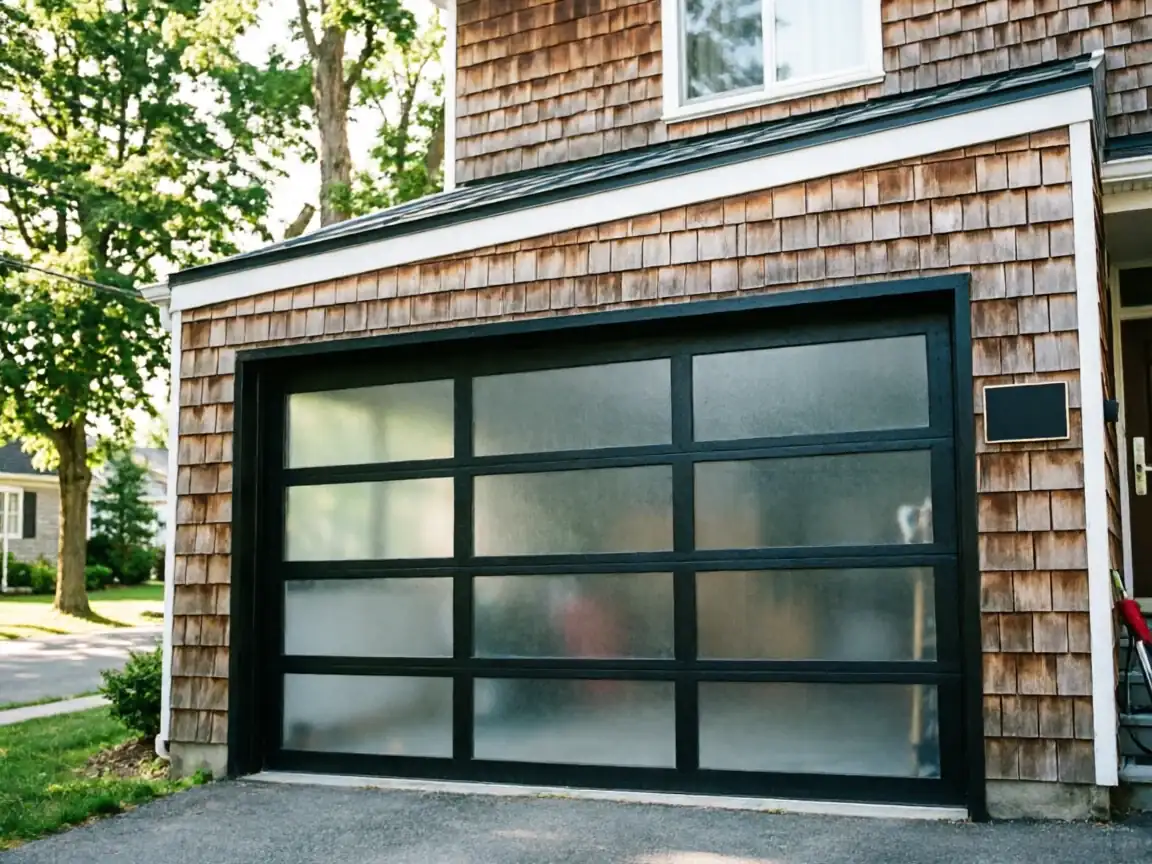
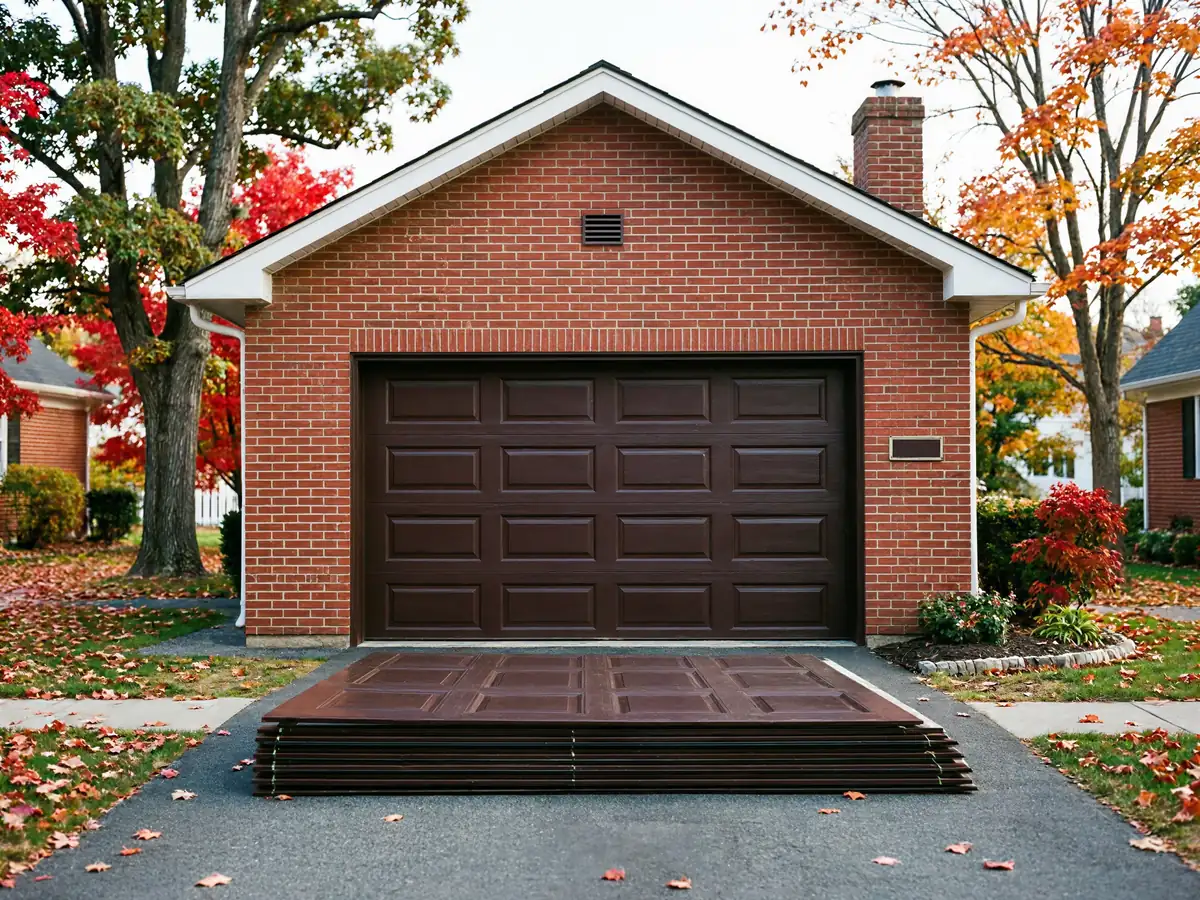
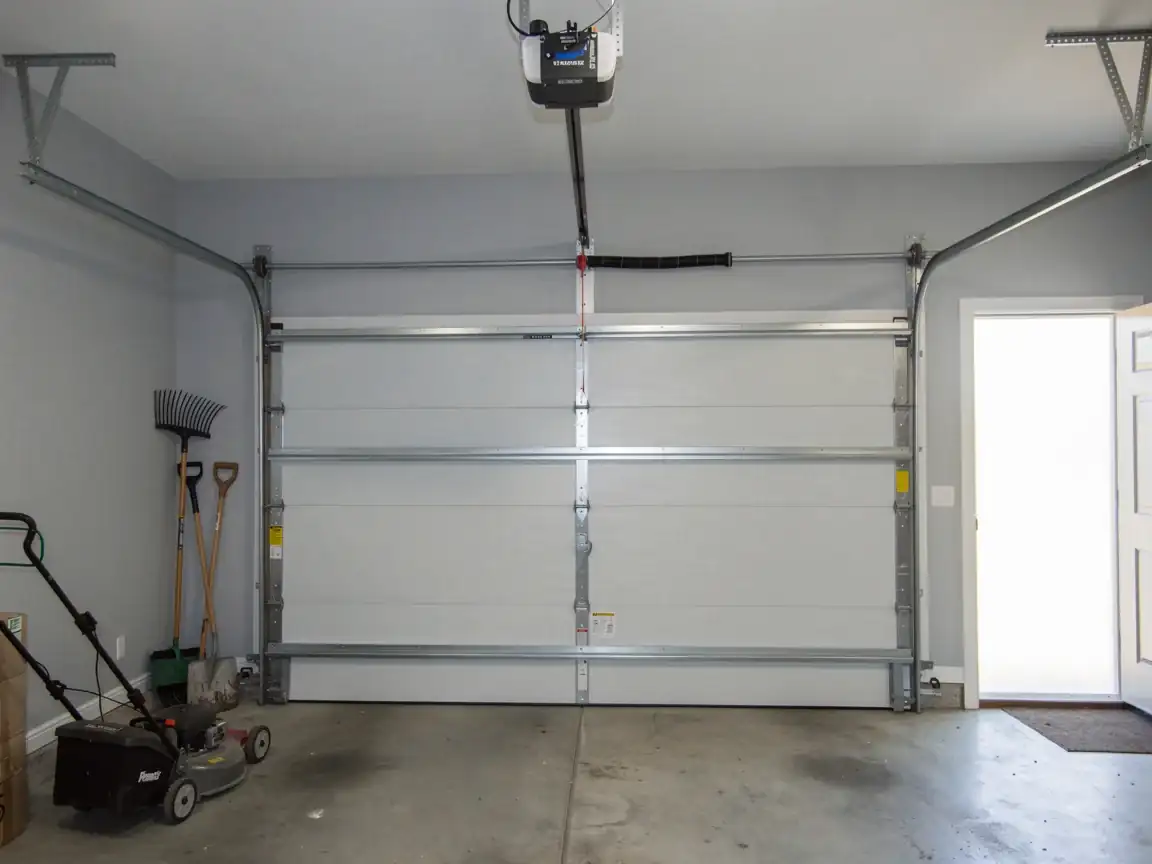
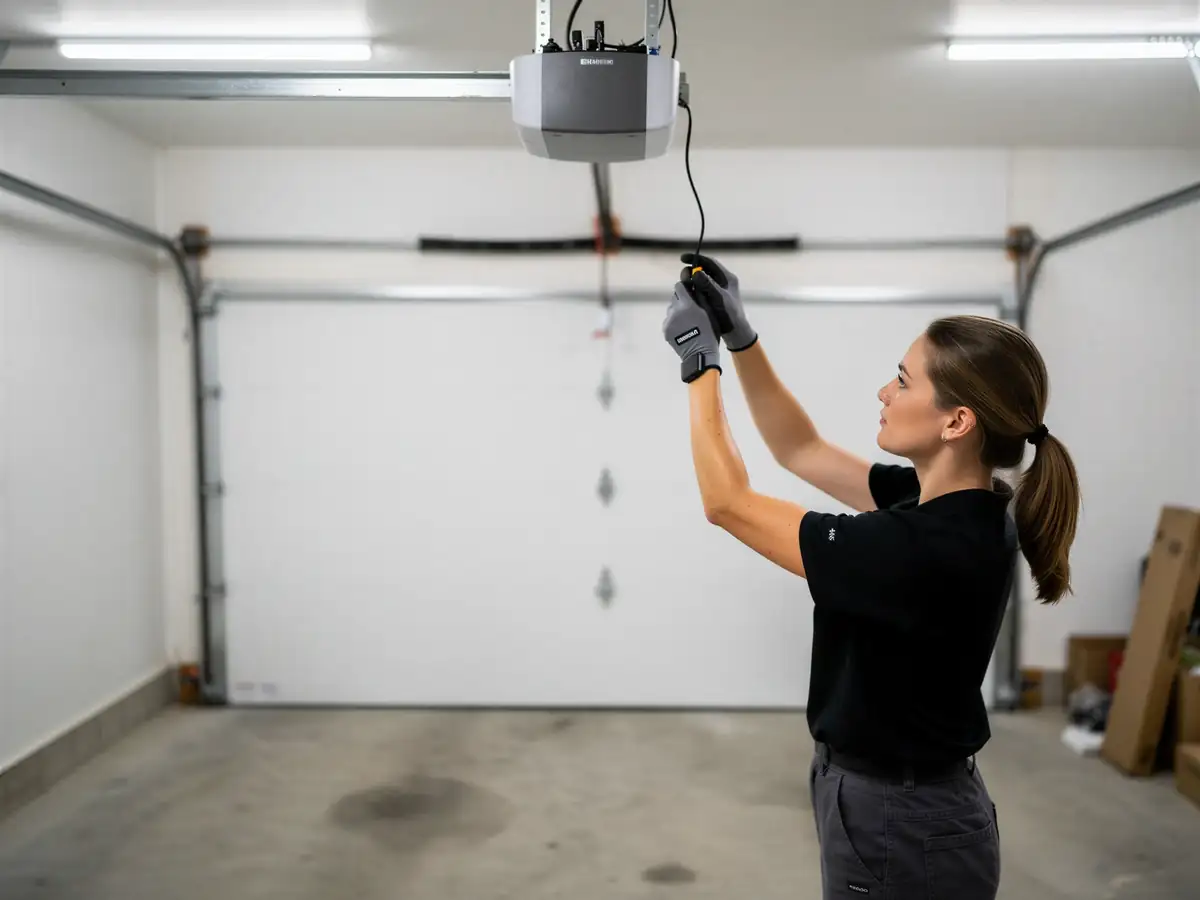
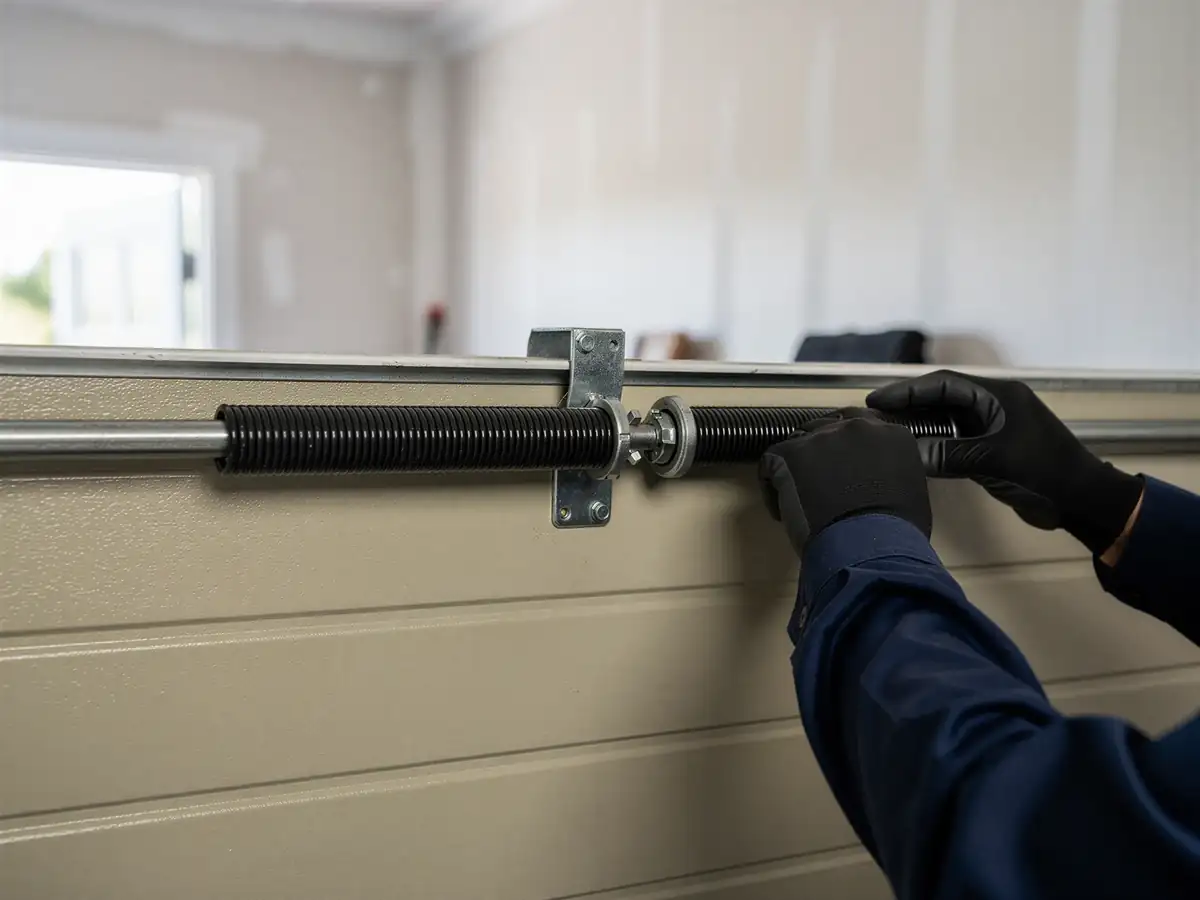
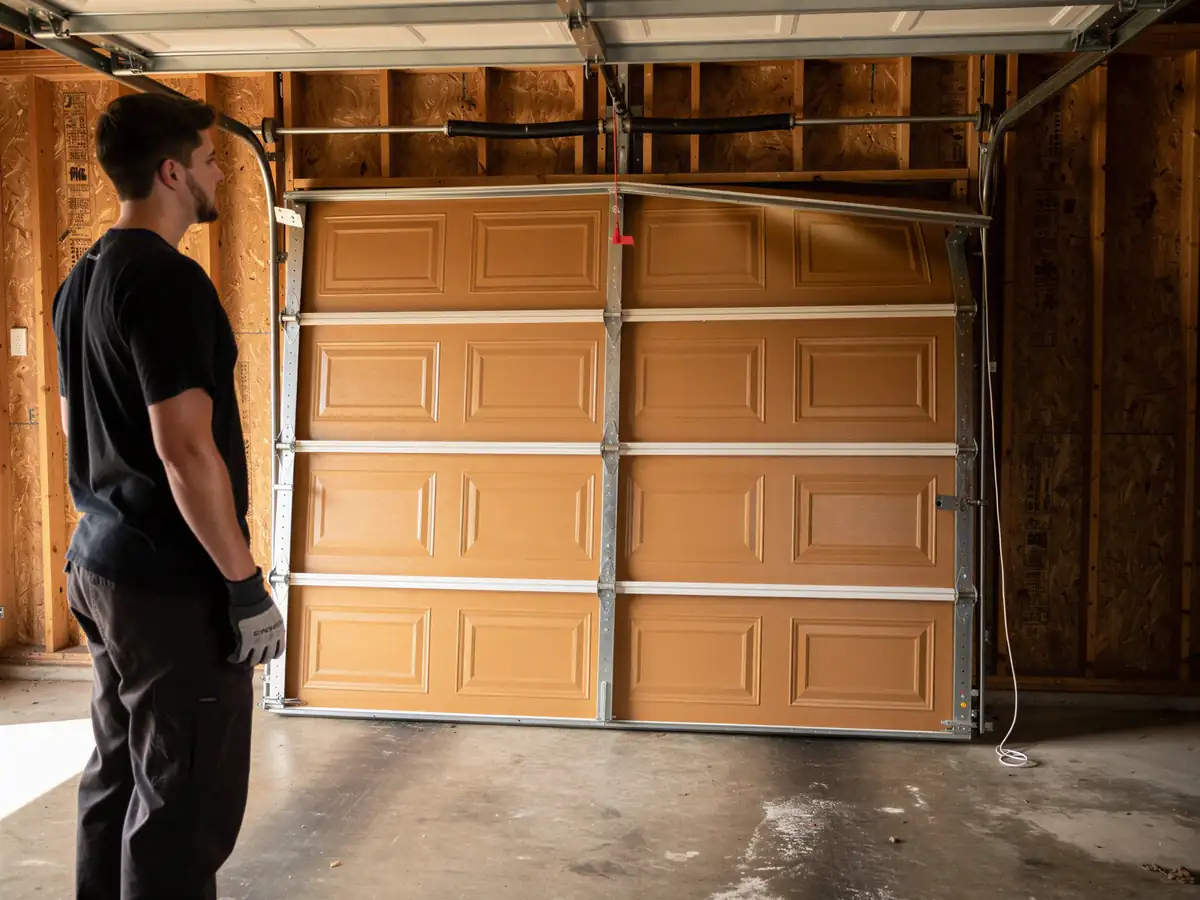
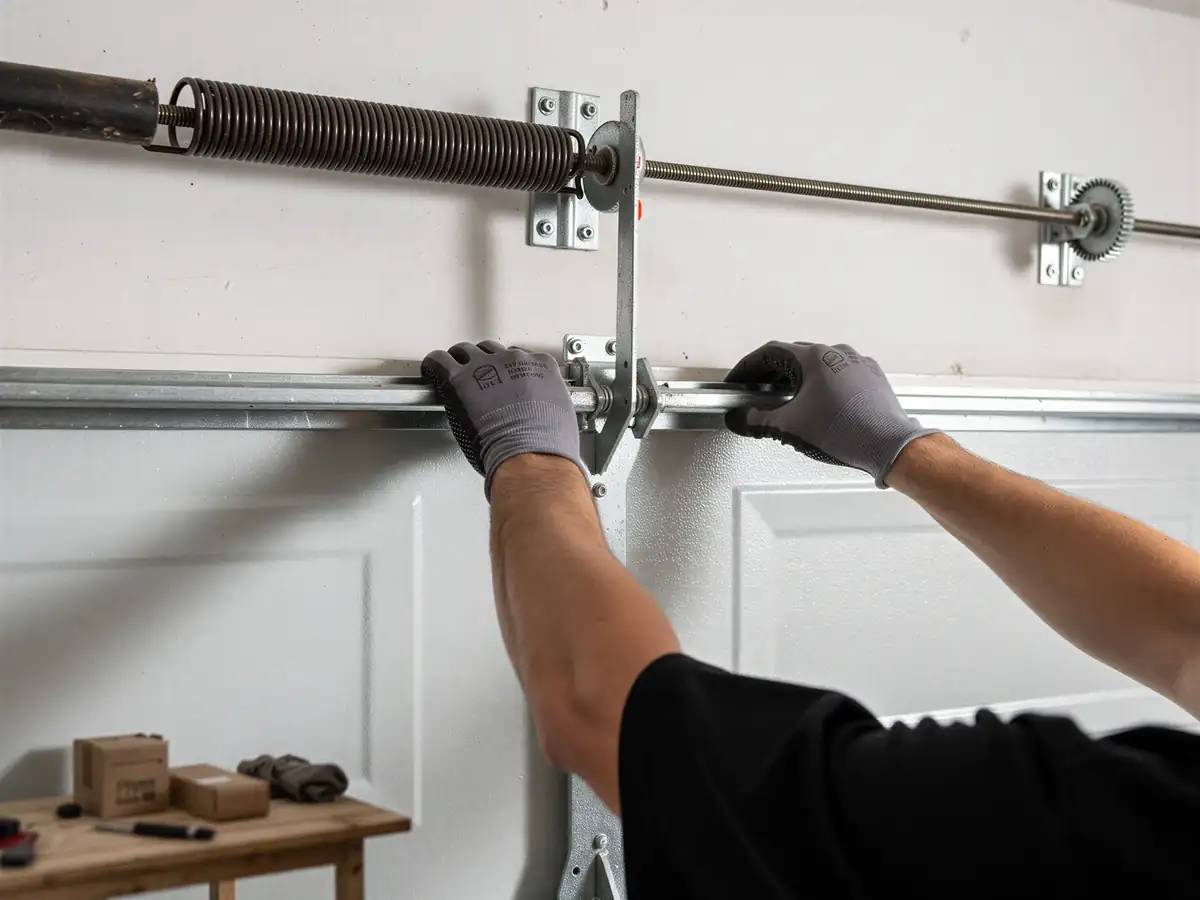
The calls we get out of Mars skew toward age, not accidents. Houses here were mostly built around 1962, a full decade ahead of the median across the rest of our service area, which runs closer to 1973. That matters because a door installed in 1962 has usually been through two or three openers already, and the torsion spring on it is rarely the one the house shipped with. We see a lot of worn extension springs on older two-car setups, galvanized track that's pitted from decades of freeze-thaw, and openers with chain drives that have outlived their warranty by thirty years. We also get steady calls for panel replacement on steel doors from the 1970s and 80s retrofit wave, since the original wood sectional doors in this part of town have mostly been swapped out by now. If your door is original to the house, don't be surprised if the fix is a full unit rather than a part - we'll tell you straight if that's where you're headed.
What the Housing Means for Your Door
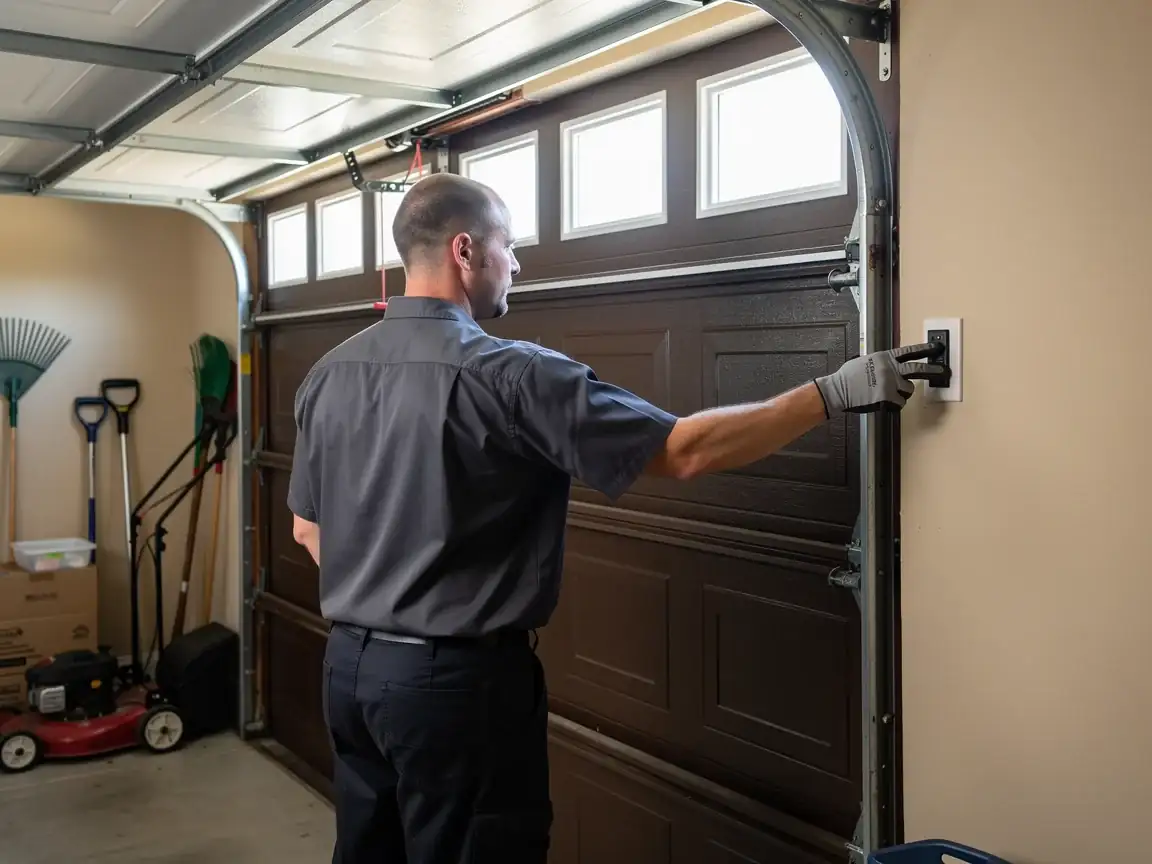
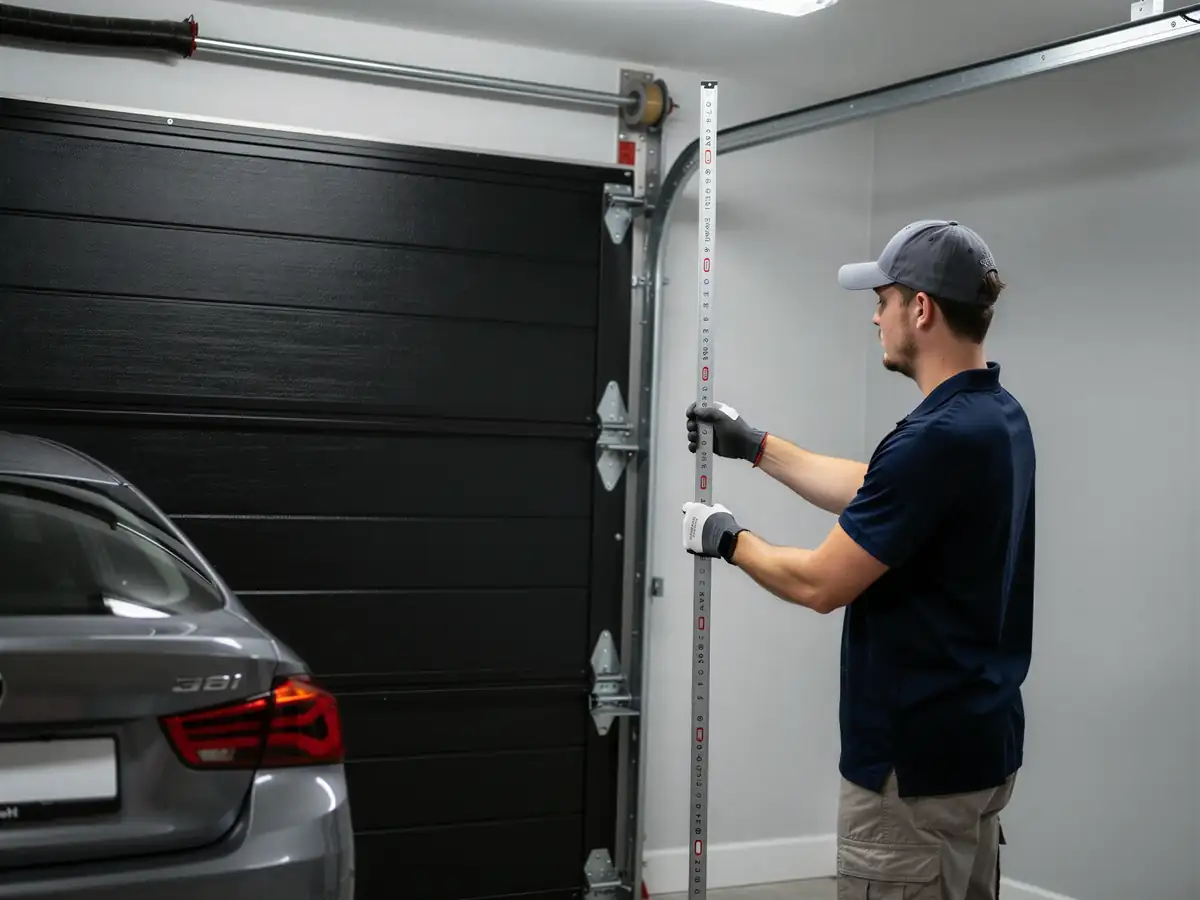
A door built to match a 1962 house doesn't always play nice with today's hardware. Opening widths from that era run narrower than current builder-grade doors, so a stock replacement panel sometimes needs trimming or a custom order instead of an off-the-shelf fit. Torsion spring systems from this period were often sized for lighter wood doors; if a homeowner upgraded to a heavier insulated steel door later without resizing the spring, the opener ends up doing work it wasn't built for, and that shows up as a motor that strains or a door that won't stay put halfway open. We also find a fair number of side-mounted jackshaft openers on these older single-car garages, which is a different repair than the ceiling-mount units on newer doors elsewhere in the territory. None of this is unusual for a house from this stretch of years - it just means the tech needs to know what decade he's walking into before he opens the truck.
This Area's Housing
Mars is a small pocket in a much bigger territory - about 580 households here, against 45,835 households and 28,947 owner-occupied houses across the full service area we cover out of Butler. Median household income in this area runs around $58,000, noticeably under the broader area's median of $72,842. That gap shows up in the calls: more requests for a solid repair that extends the life of an existing door, fewer requests for a full premium replacement without being asked first what the cheaper option costs. We don't push a new unit on a door that still has a few good years left in it, especially in a smaller market like this one where a $58,000 median income household is weighing that repair bill against other things. When replacement really is the better call - rotted panels, a cracked section, an opener that's failed twice this year - we'll say so, but we're not defaulting there just because it's the bigger ticket.