
Parts We Carry
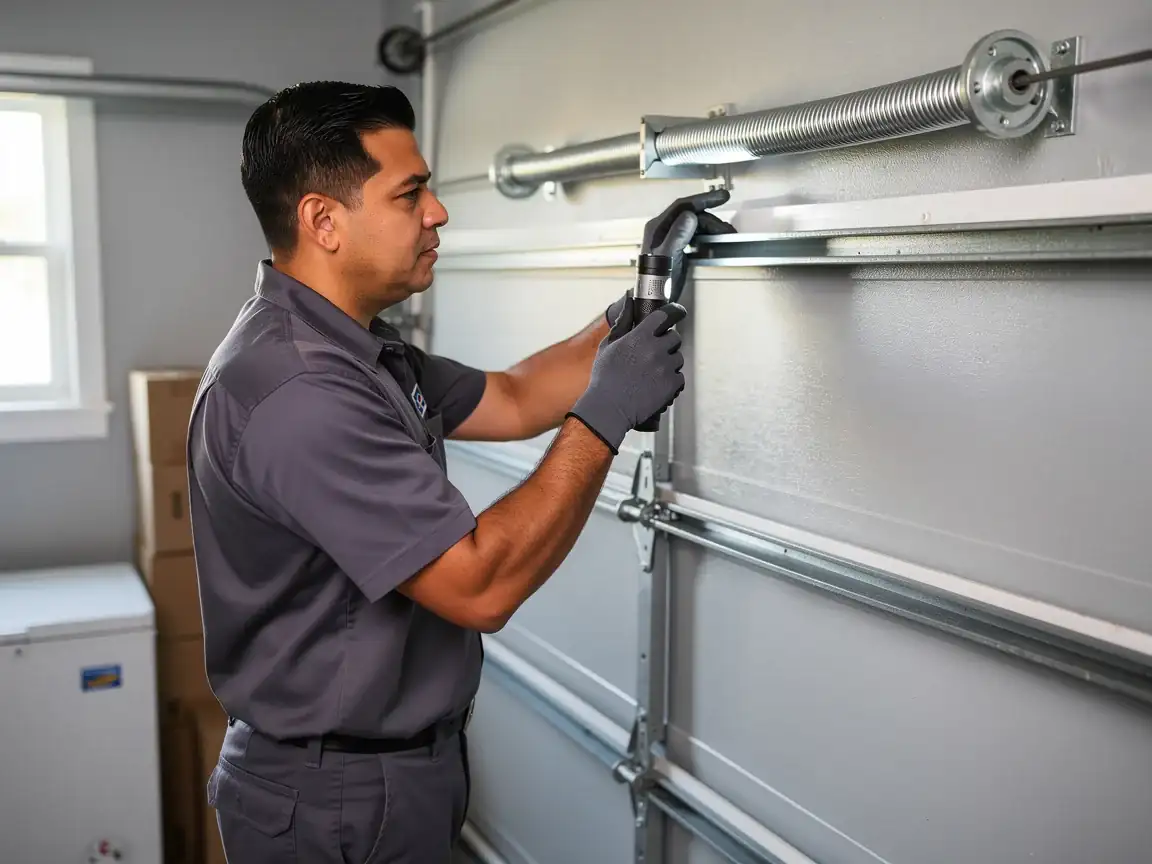
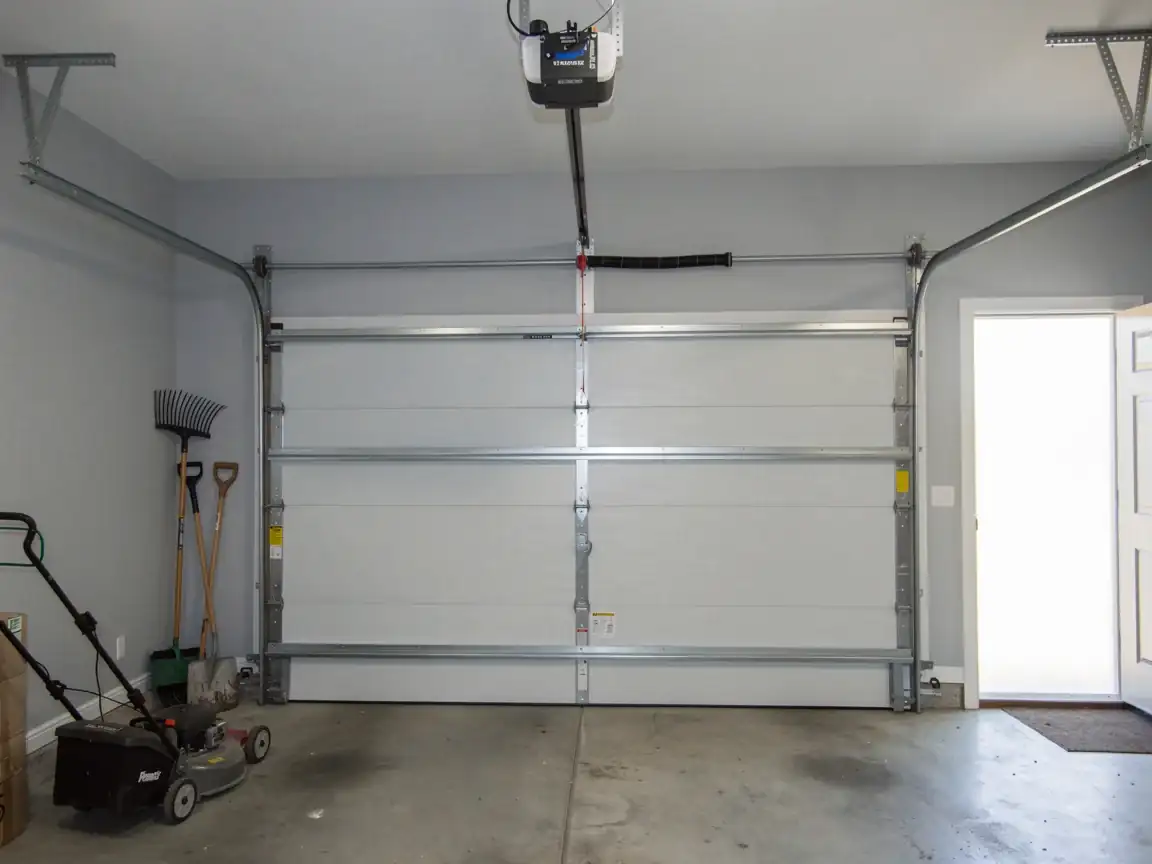
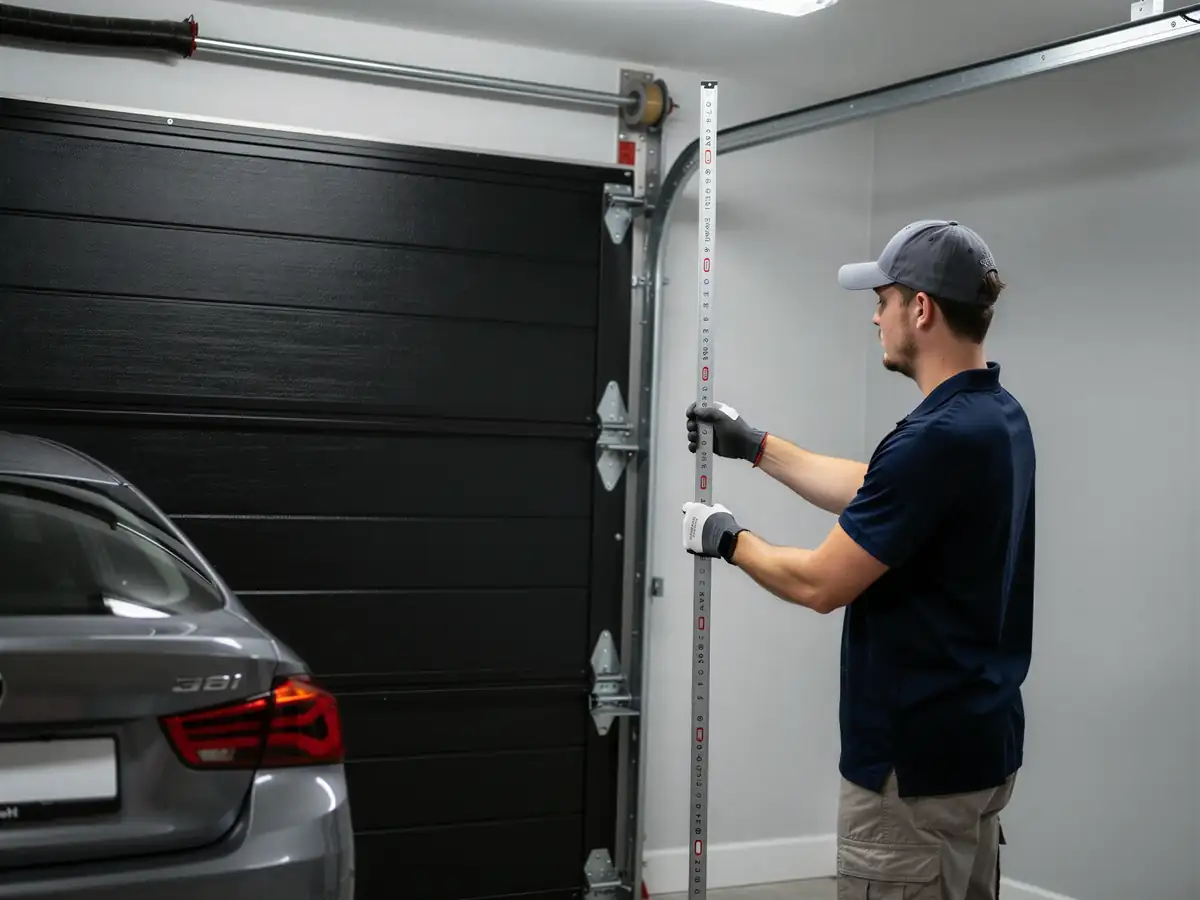
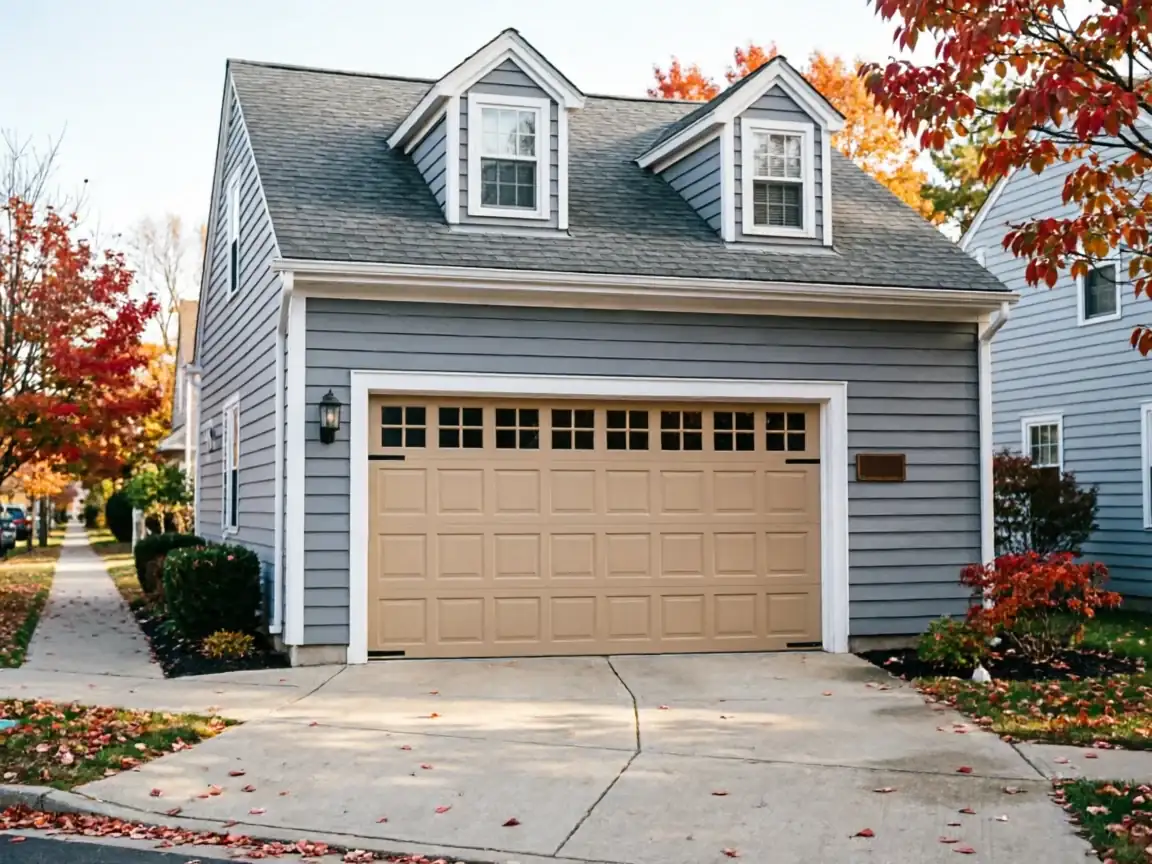
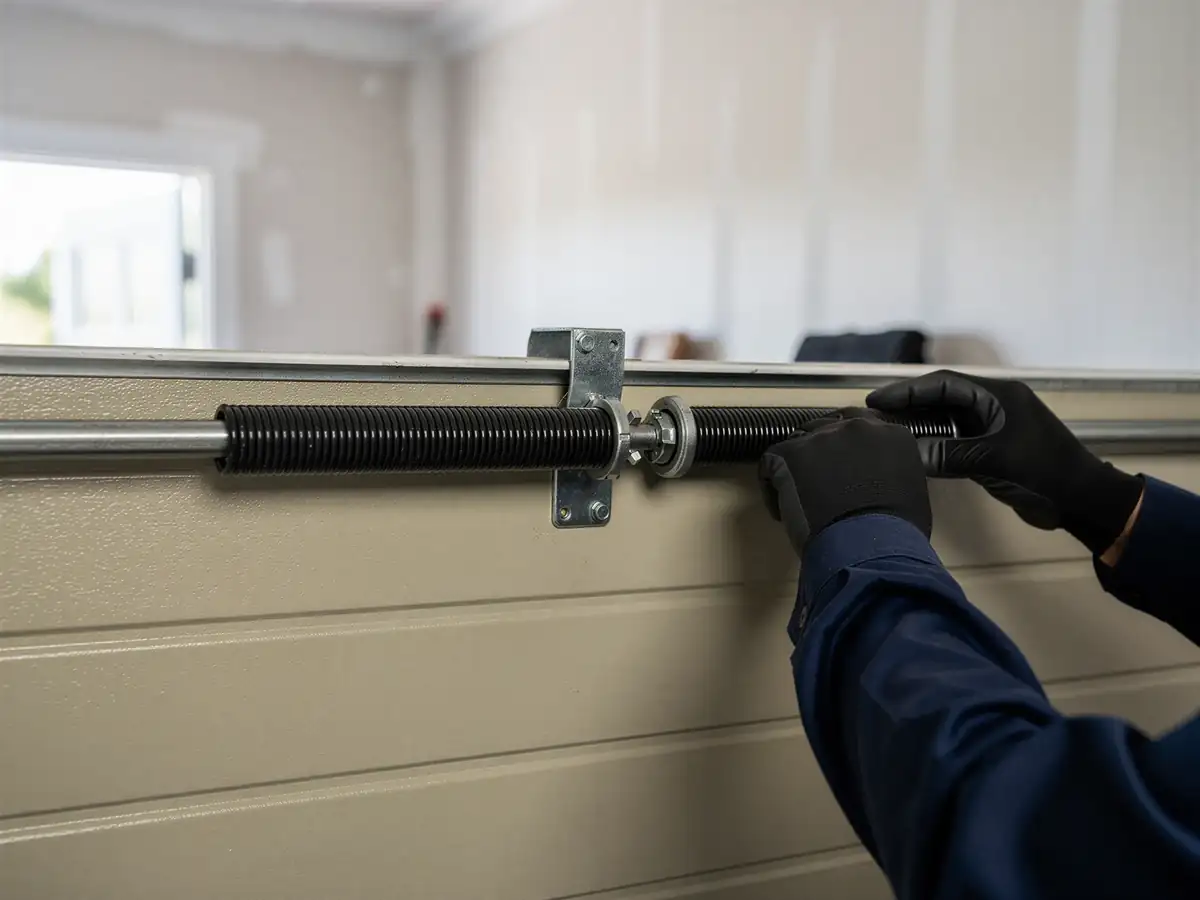
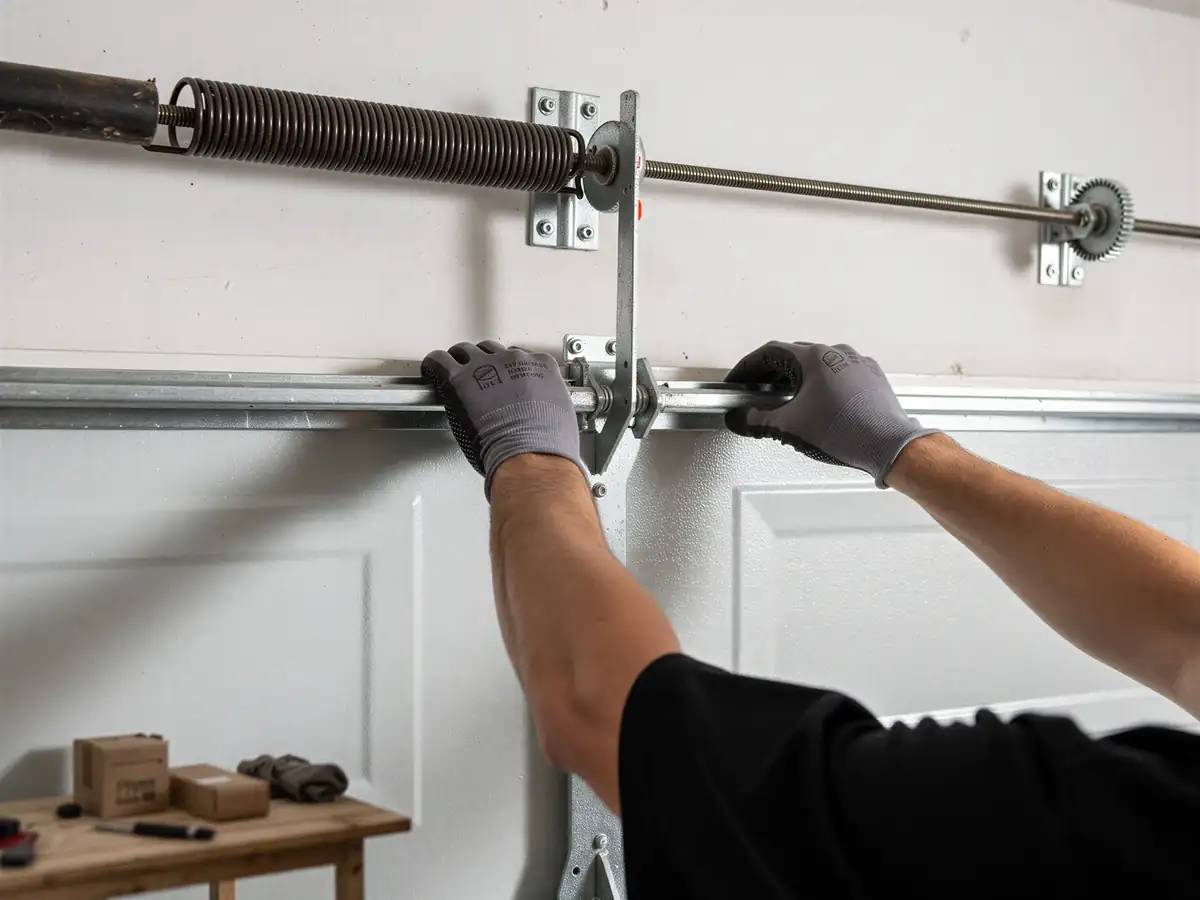
A house built in Mars around 1962 usually went up with a steel sectional door running on an extension spring system - two stretched coils mounted along the horizontal track, not a torsion bar centered over the opening. That's what was standard before torsion hardware became the norm across the wider service area, where the median build year runs closer to 1973. On a call to Mars we carry extension springs in the common residential weights, the open-eye and closed-eye end fittings that era used, and replacement safety cables, since a lot of these older setups were installed before cables were required and never got retrofitted. We also carry standard torsion springs and drums for the newer doors mixed in among the older stock. What we don't stock on the truck is anything custom-sized - a door that's been resized or a track bent to fit an odd-height opening means a measure-first visit before the part gets ordered. That's a real limitation, not a sales line: some of these older openings just aren't standard, and guessing at a spring weight on a 60-year-old extension system is how you end up back at the house a second time.</p>
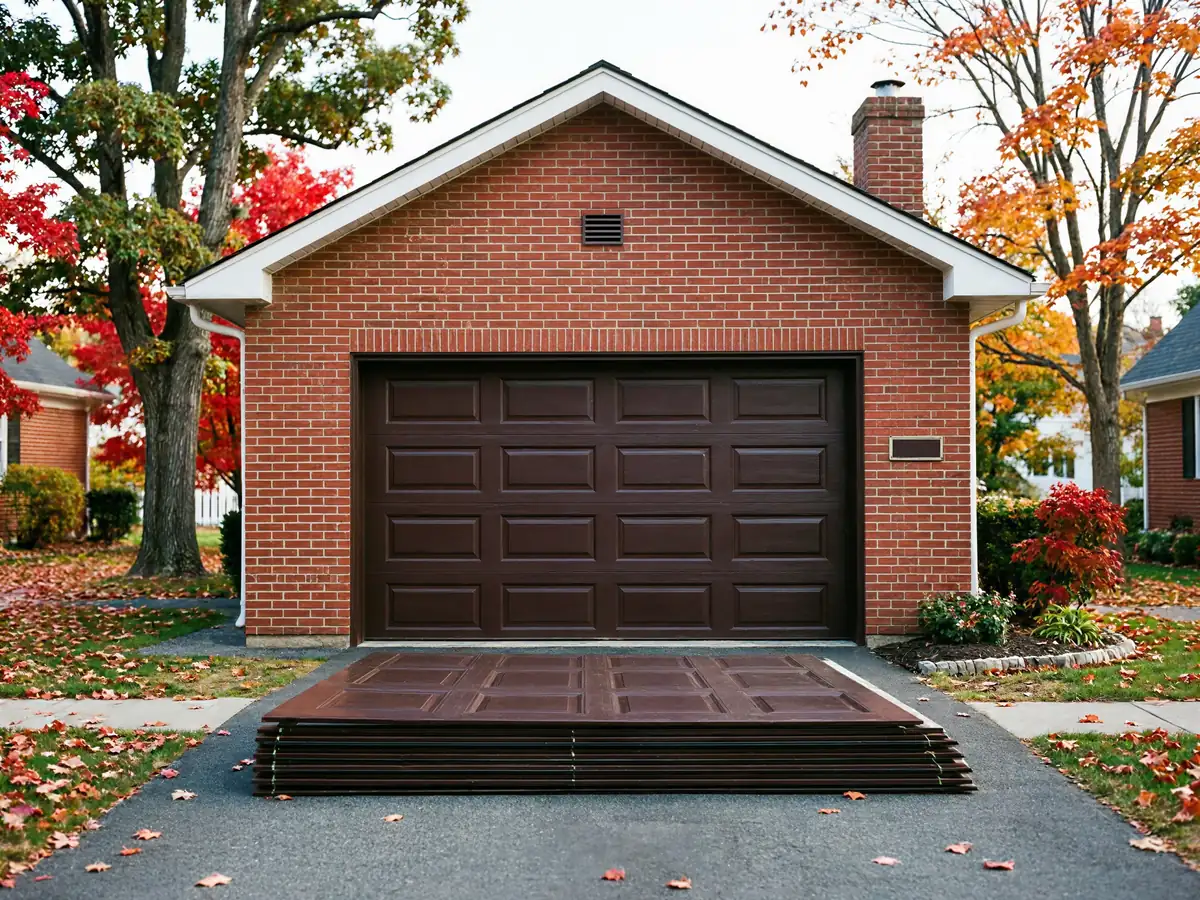
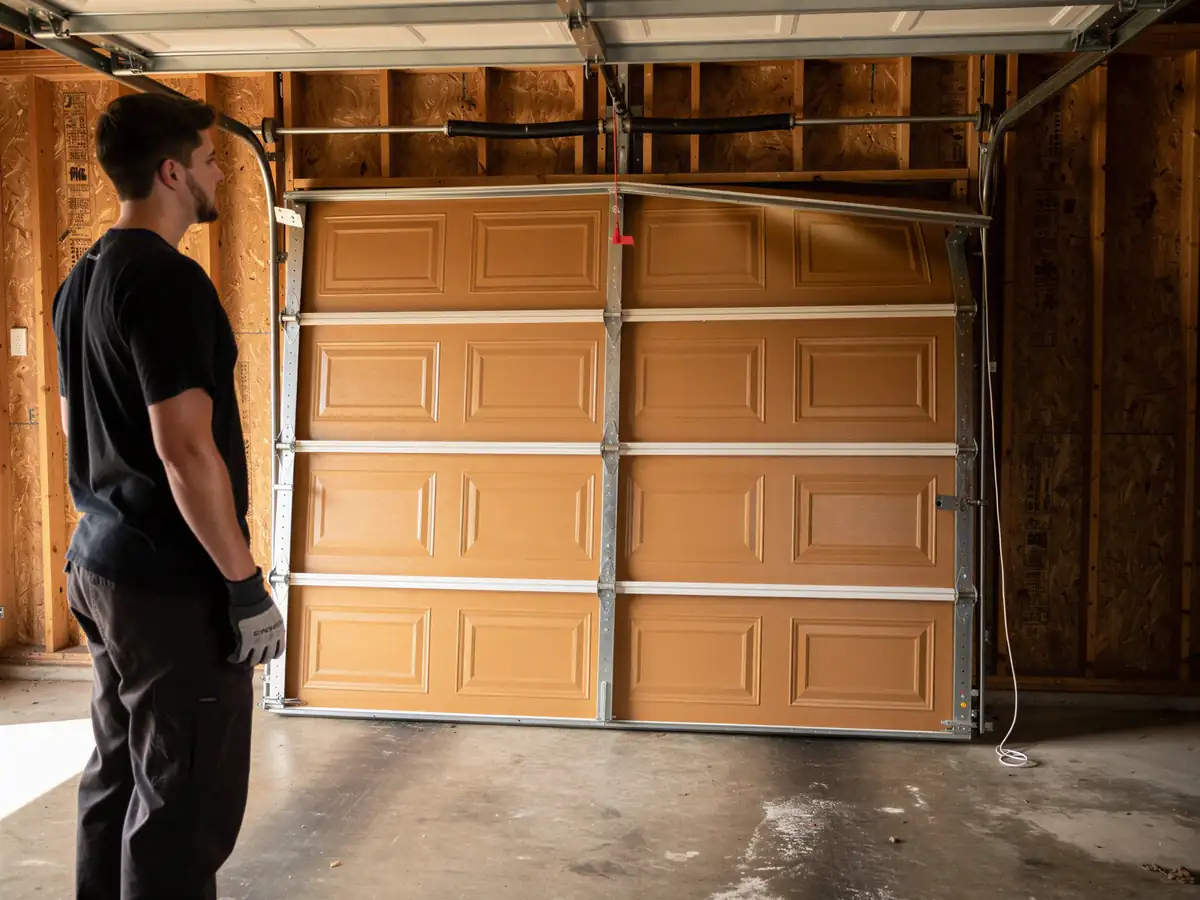
For the roughest jobs - a cable that's jumped the drum or a panel that's folded from a car hit - a repair this old sometimes can't be matched to new stock at all, and replacement of the section or the whole door is the honest answer.
How It Shows Up
On an extension-spring door, the failure usually announces itself as the door refusing to go more than a foot before stalling, or one side dropping faster than the other because only one spring let go. That asymmetry is specific to this hardware - a torsion system fails differently, binding evenly across the opening instead of racking to one side. In the service area's severe-cold climate band, steel coils that have been stretching and releasing for decades lose temper faster once hard freezes start, so late-winter calls in Mars tend to run heavier than calls from newer torsion setups nearby. The other common call is a cable that's frayed off the drum - on these older systems the cable runs exposed along the track edge, and once it starts fraying it usually goes within days, not months. Openers themselves hold up fine regardless of the door's age; most opener trouble in this area is a sensor knocked out of alignment or a logic board that's just old, not something tied to the house's build year.
What the Fix Involves
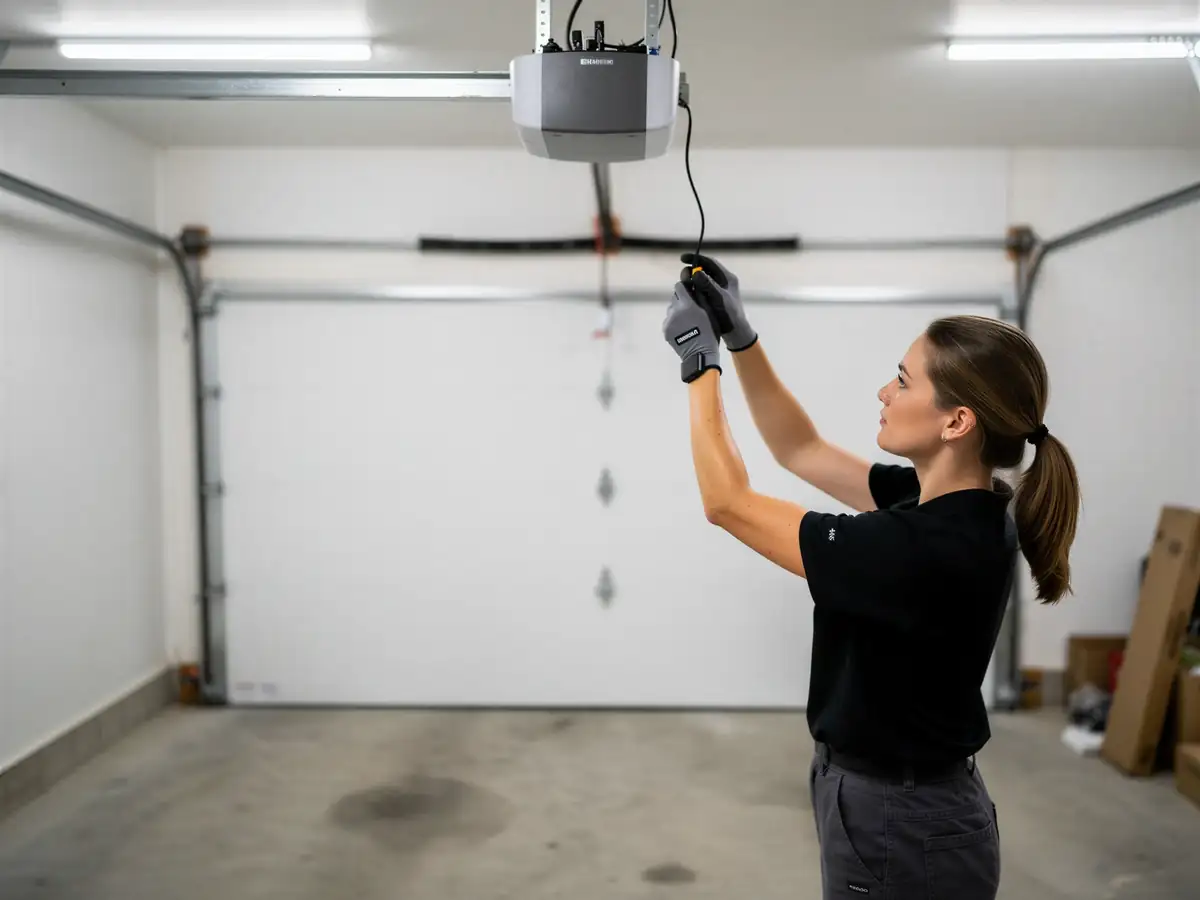
Every call to Mars comes from our Butler location, about 13 miles out, so a technician builds drive time into the schedule before confirming a window - this isn't a town with its own depot or standing truck. Once on site, a spring job on an extension system means releasing tension safely on both sides, checking the drums and cable for wear while the springs are off anyway, and testing balance on the whole door before buttoning it back up. If the opener's involved, we check the travel limits and force settings after any hardware swap, since a new spring weight changes how hard the opener has to pull. For a cable replacement, we check the other cable too - if one side's worn through, the other usually isn't far behind, and replacing both in one visit beats a second emergency call next month.