Parts We Carry
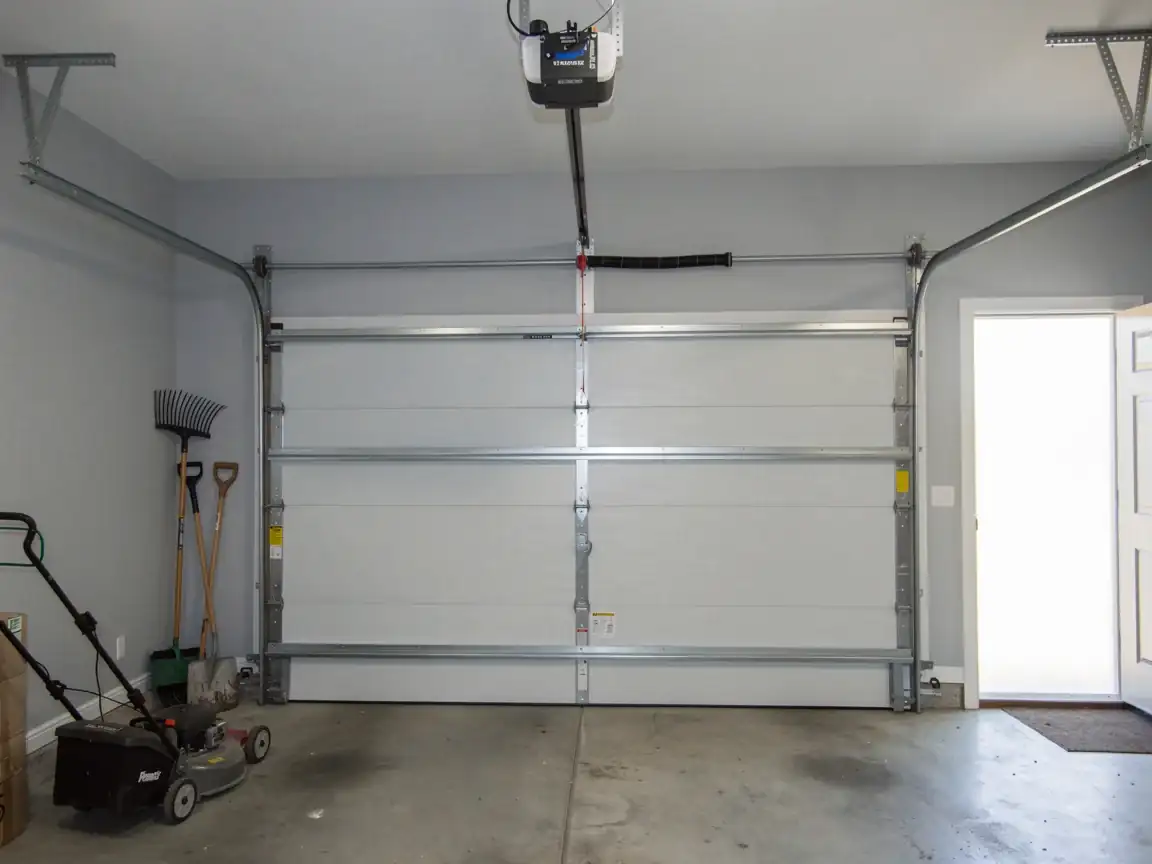
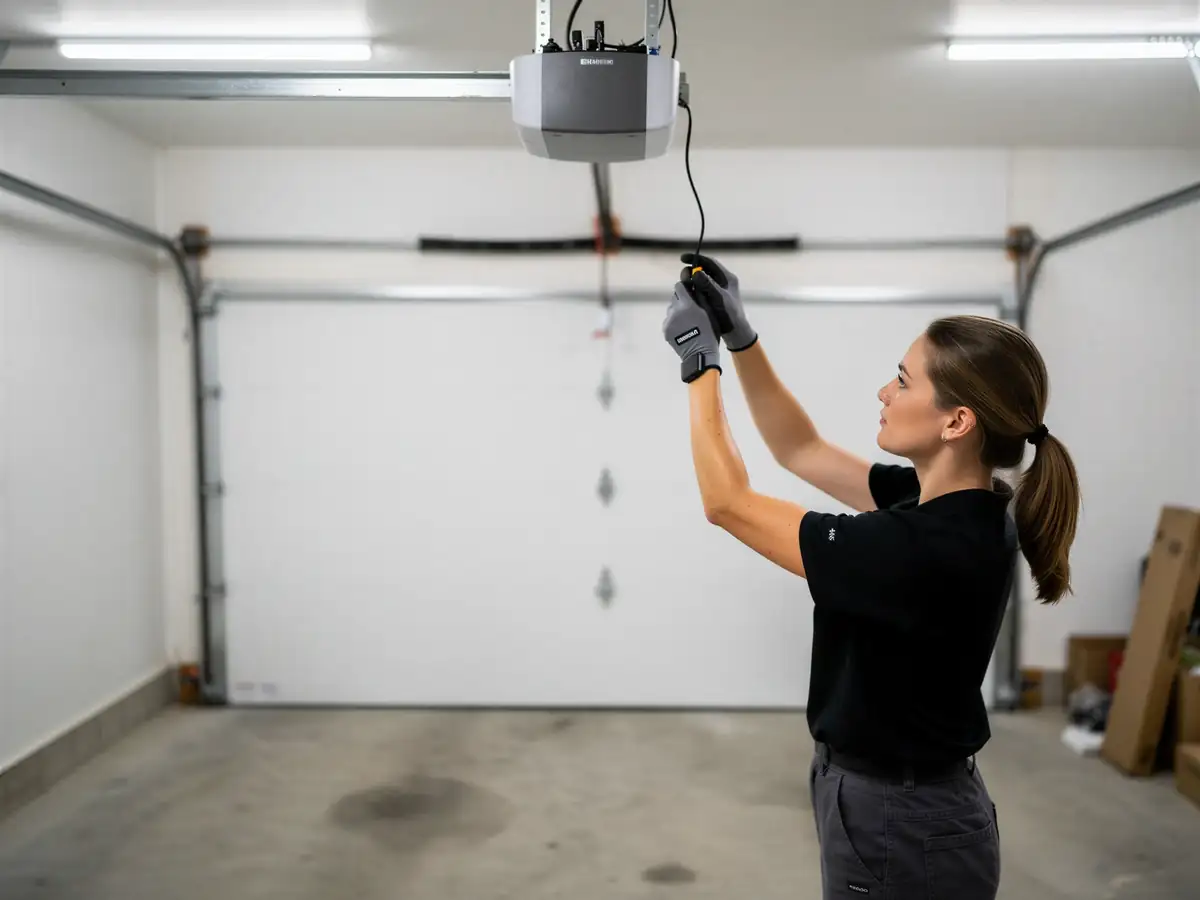
Mars is a small place - around 580 households, not a sprawling grid of new subdivisions. That size matters for opener work because it means we're not stocking parts for twenty different builder-grade openers installed last year. Most of the openers failing in Mars right now are chain-drive units that went in sometime after the original garage went up, replacing whatever came with the house in the 1960s and 70s. We carry chain-drive and belt-drive replacements that bolt onto the same header bracket as those older units, plus the heavier-duty circuit boards built for cold-climate starts. We don't stock every smart-opener brand on the market. If you want a specific app-connected model we don't carry, we'll tell you that up front rather than sell you something close enough.
We also keep standard travel-limit switches and safety sensor kits on the truck, since those are the parts that fail first on openers that have been sitting in an unheated garage through a few Pennsylvania winters. If your opener is original to a 1962-built house, the odds are good the whole unit needs replacing rather than a single part - we'll tell you which it is before we start.
How It Shows Up
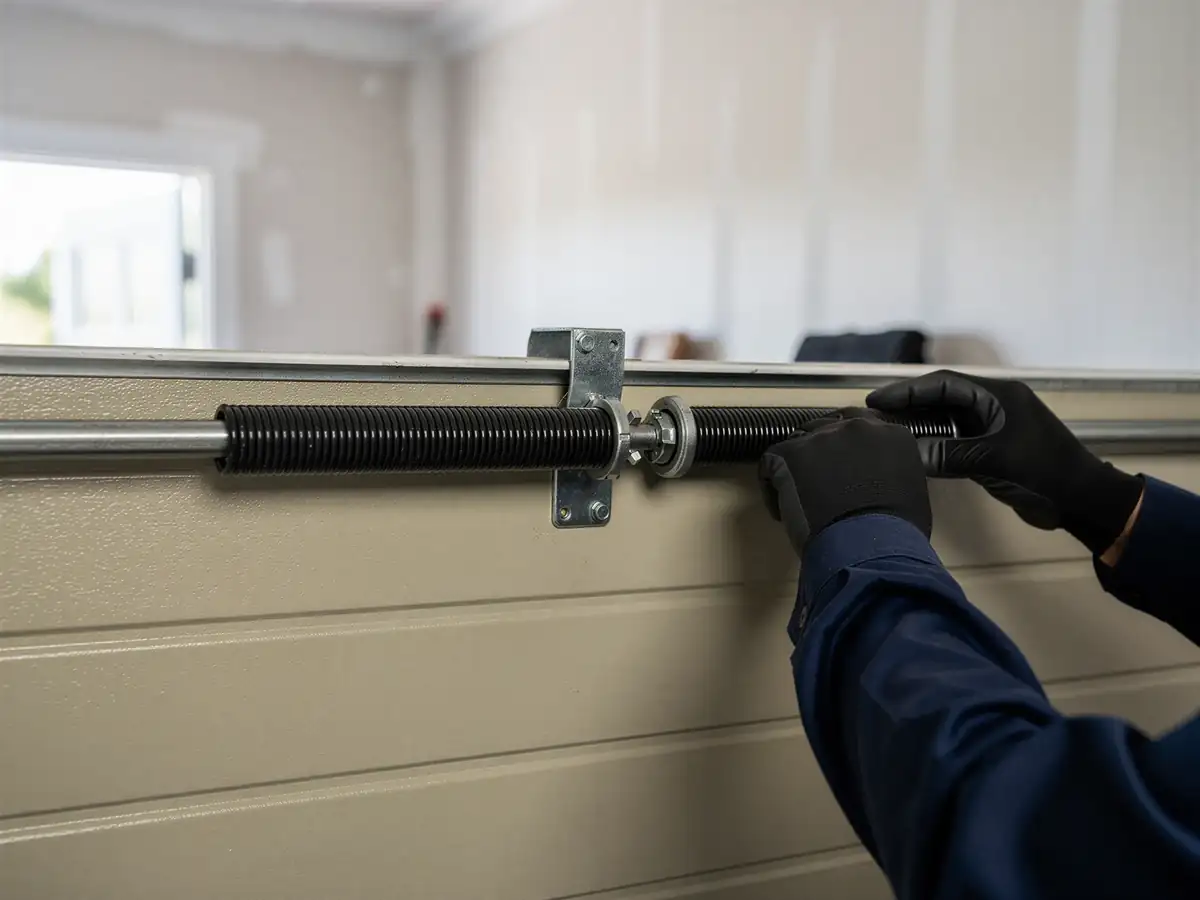
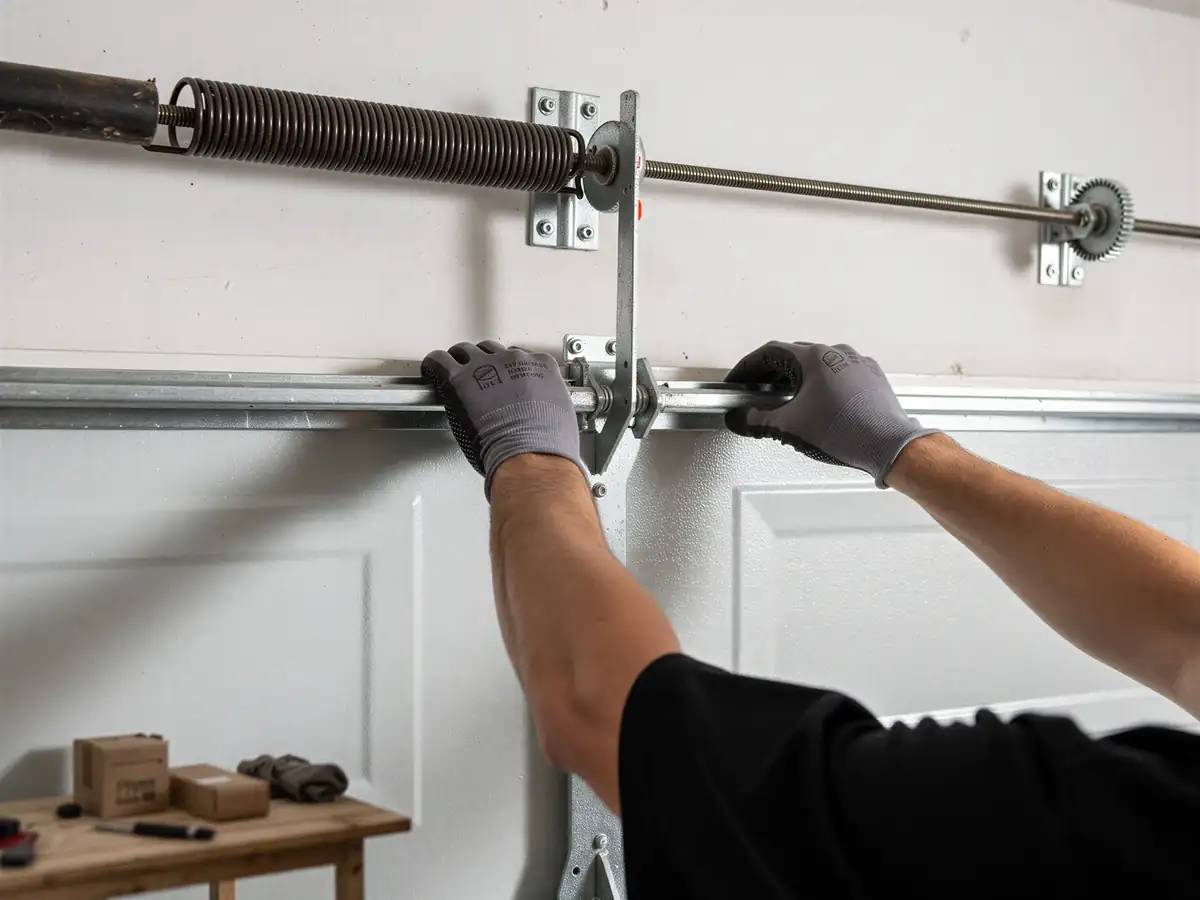
With housing in this stretch running 1960s to 70s construction, the openers we get called about in Mars are usually the second or third one a house has had, not the first. The common failure is a motor that still hums but won't lift - capacitor's gone, or the gears inside have stripped from age, not from a single hard winter. Cold-climate stretches like this one put real strain on opener motors and on the springs they're paired with, so when one goes, the other's often close behind.
Because the housing stock here predates modern opener safety standards, some of these garages still have the old pull-cord manual release wired oddly or missing a working photo-eye sensor pair. We see that more in Mars than in newer-built areas simply because the stock is older. If your opener dates to before sensors were standard equipment, we'll flag that during the visit - it's not a failure on your part, it's just what houses built in this era started with.
What You Pay
We don't have a flat number to quote you here without seeing the opener and the door it's lifting
So we won't make one up. What we can tell you is what drives the cost: whether it's a straight swap onto existing brackets or a full new rail and header install, whether the door's springs are original and need attention at the same time, and which drive type you choose. Median household income across this part of the service area sits near $58,000, and most jobs we run in towns this size are priced with that in mind - we're not pricing Mars like a job in a denser, higher-income suburb closer to Butler.
One honest limitation
If your opener is a specialty or discontinued model, parts can take longer to source than a same-day job allows, and sometimes full replacement is the faster, cheaper call than chasing an obsolete part.
What the Fix Involves
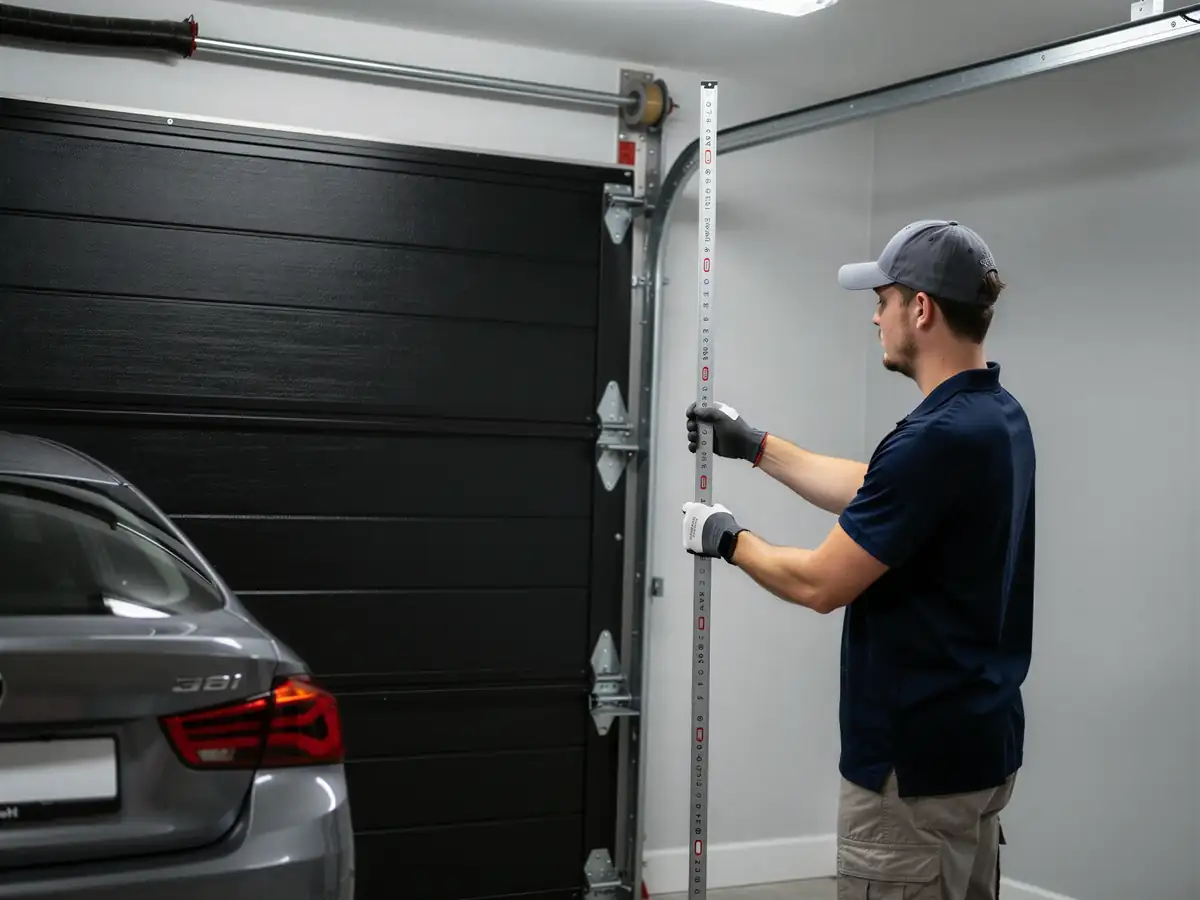
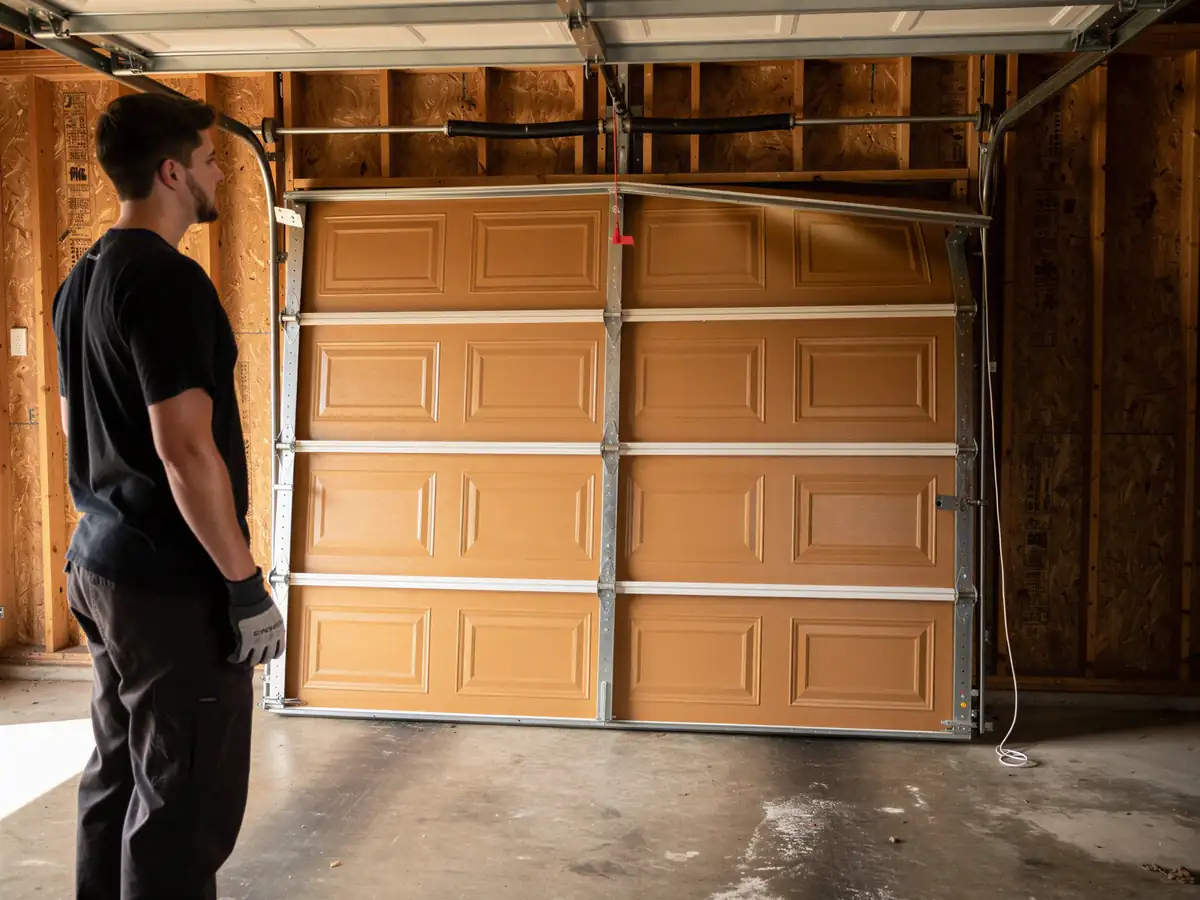
The visit starts with the door, not just the opener - on a house built around 1962, we check the springs and track alignment before we touch the opener motor, because a worn spring will burn out a brand-new opener just as fast as it burned out the old one. If the bracket and header are solid, swapping the unit itself usually takes a few hours. If the garage needs new mounting hardware because the old wood header has softened over sixty years, that adds time.
We travel the 13 miles out from Butler for these calls, so we schedule Mars jobs together where we can rather than running back and forth. Once the new opener's in, we test the safety reverse and the sensor pair under load, not just on an empty door - that's the step that gets skipped when a job's rushed, and it's the one that matters most once winter ice adds weight to the door.