Parts We Carry
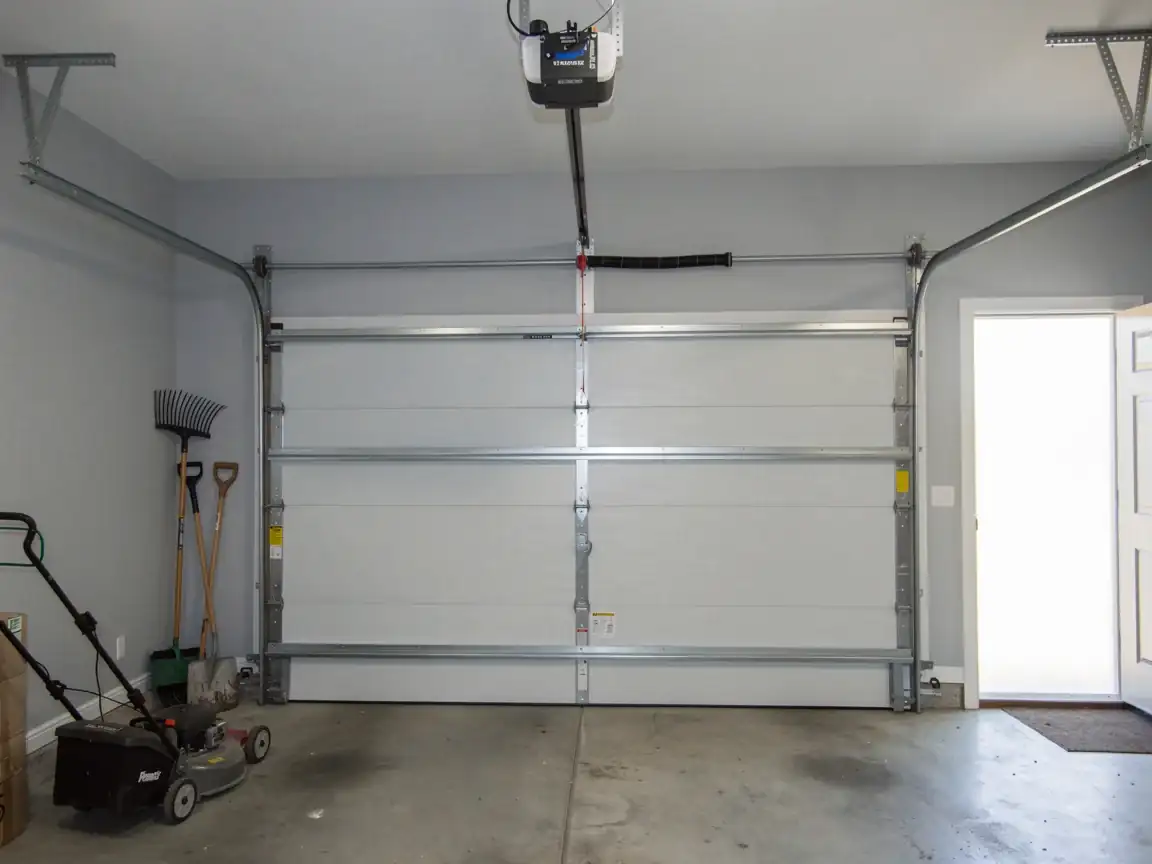
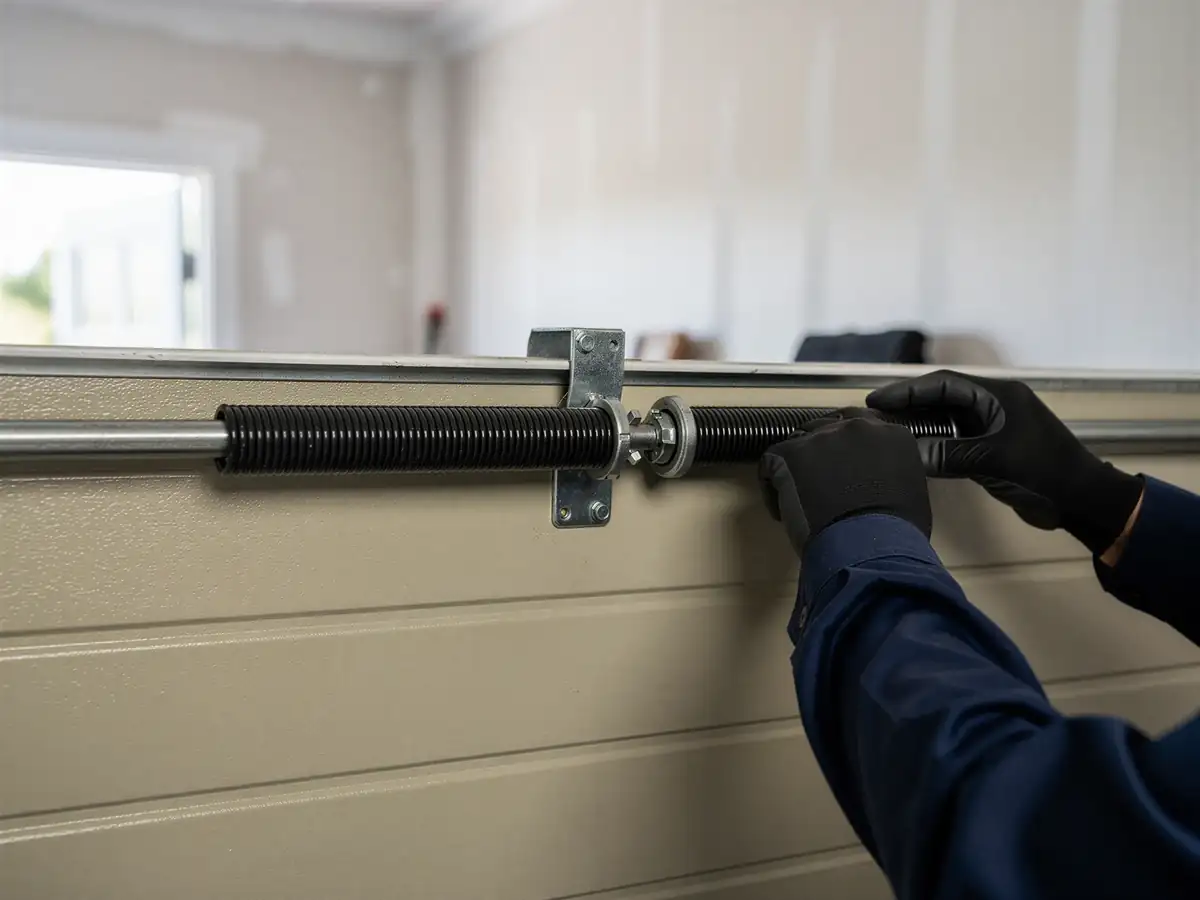
Mars sits about 13 miles out from our shop in Butler, and that drive shapes how we stock the truck before we ever turn out of the lot. If a call comes in from Mars, we're loading for 1960s hardware before we leave - that's not a guess, it's what the housing stock out there actually is. Most of the doors we see on these calls are original torsion spring setups or early replacements on the same track mounts, since a lot of this area was built up around 1962. We carry standard torsion springs in common cable lengths, steel rollers, and the hinge sets that match older panel gauges, because those are the parts that fail first on a door this age. What we don't carry on the truck is anything proprietary to a specific opener brand installed in the last few years - if your door was replaced recently with a newer system, that part may need a second trip once we confirm the model. We'd rather tell you that up front than have you wait on the driveway while we figure it out. The 13-mile run means we plan the parts list before we're anywhere near your garage, not after we're standing in front of the door guessing.
How It Shows Up
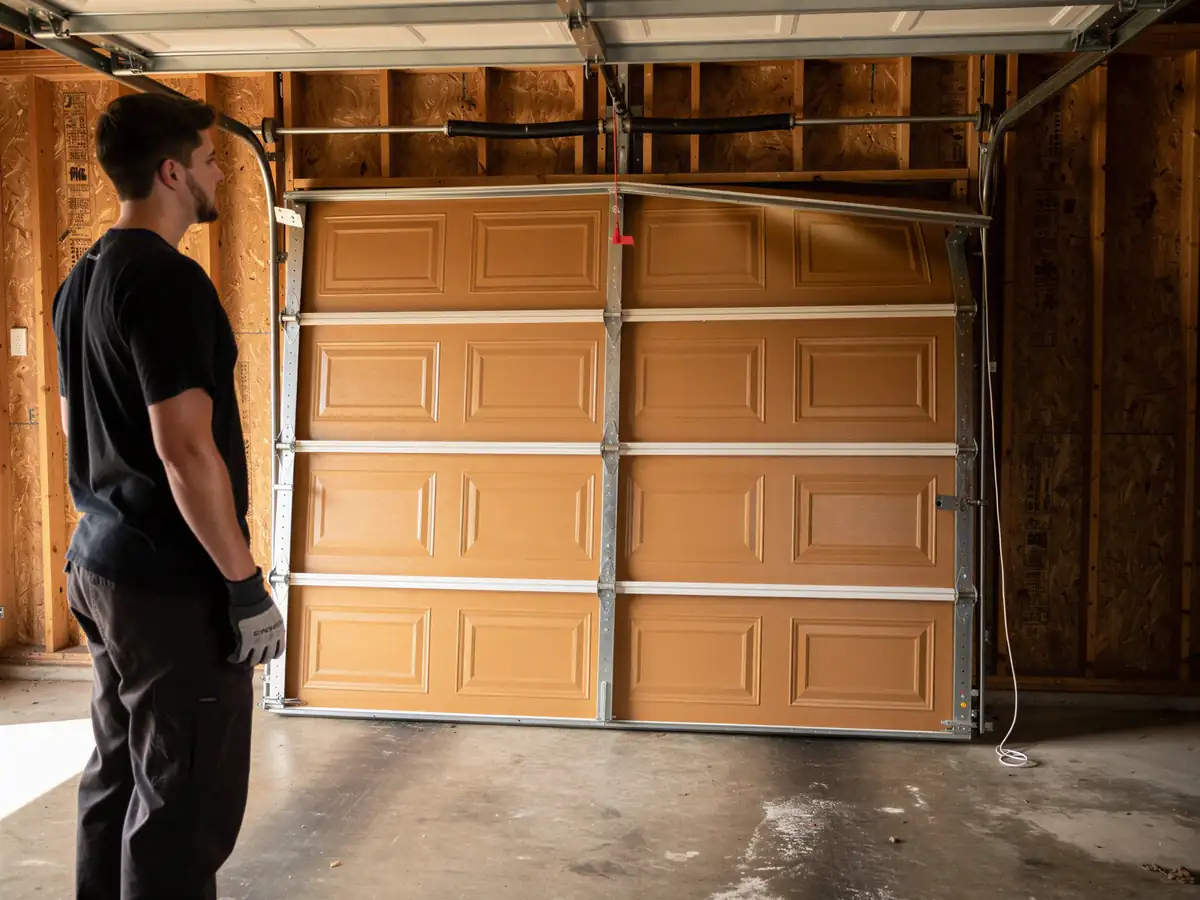
On a door that's been in service since the early 1960s, the first sign of trouble usually isn't the spring snapping - it's the door getting louder and slower over a few months before anything actually breaks. Rollers on original hardware tend to be steel, not nylon, so they wear unevenly and start grinding in the track well before the door stops moving. Cold winters do real work on this hardware too: a severe cold climate means metal contracts, grease thickens, and a spring that was fine in October can bind or snap in January without warning. With roughly 580 households in Mars, we're not covering a dense grid of calls here, so the pattern we see is less about volume and more about age - doors from the same build era failing in the same way, spring tension dropping off, torsion bars sagging slightly out of level. If your door has started hesitating halfway up, or the opener strains and reverses before fully closing, that's usually the hardware telling you it's near the end of its working life, not a one-time glitch.
What the Fix Involves
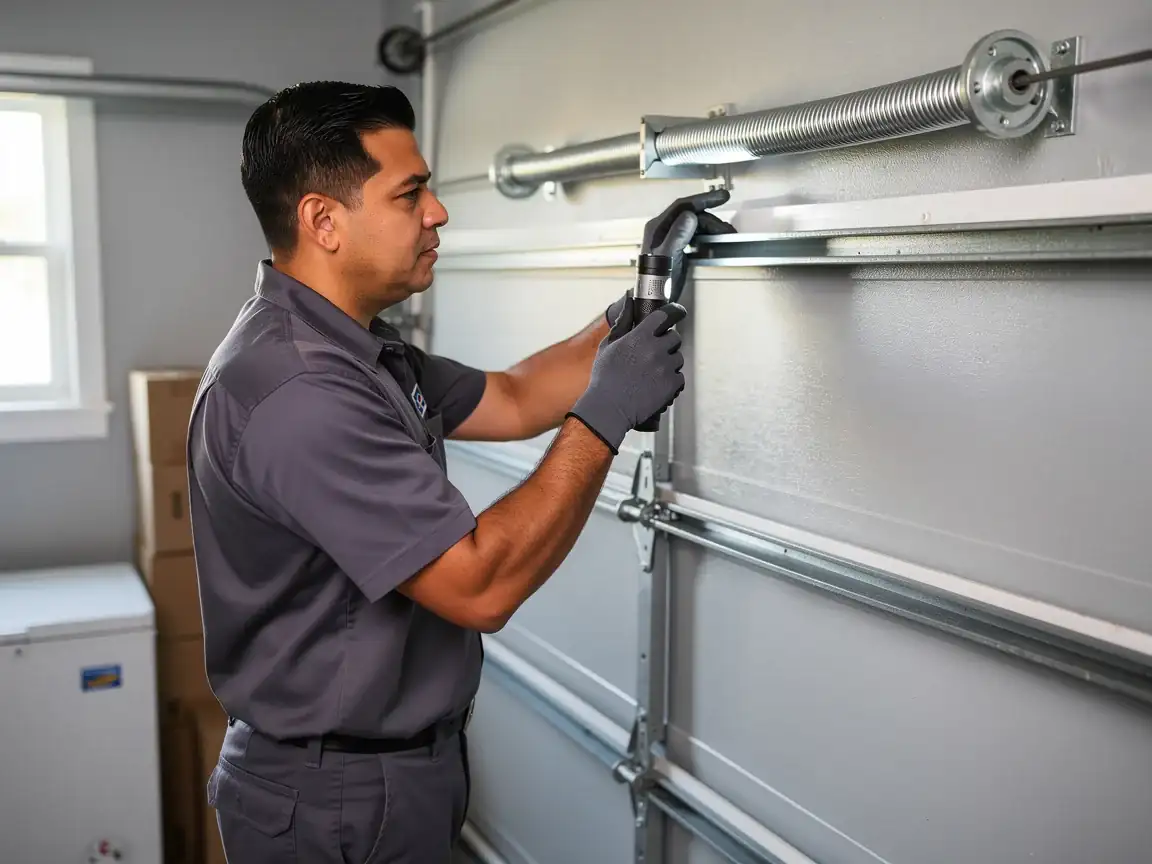
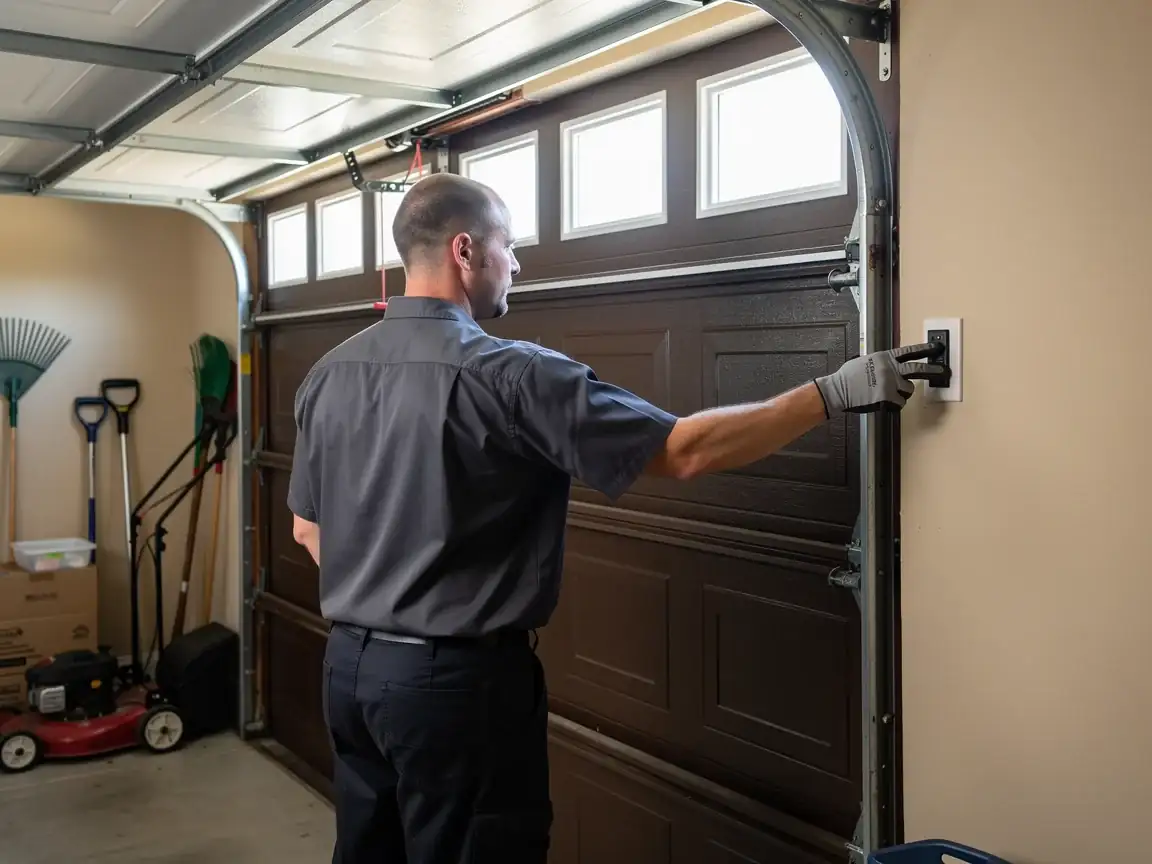
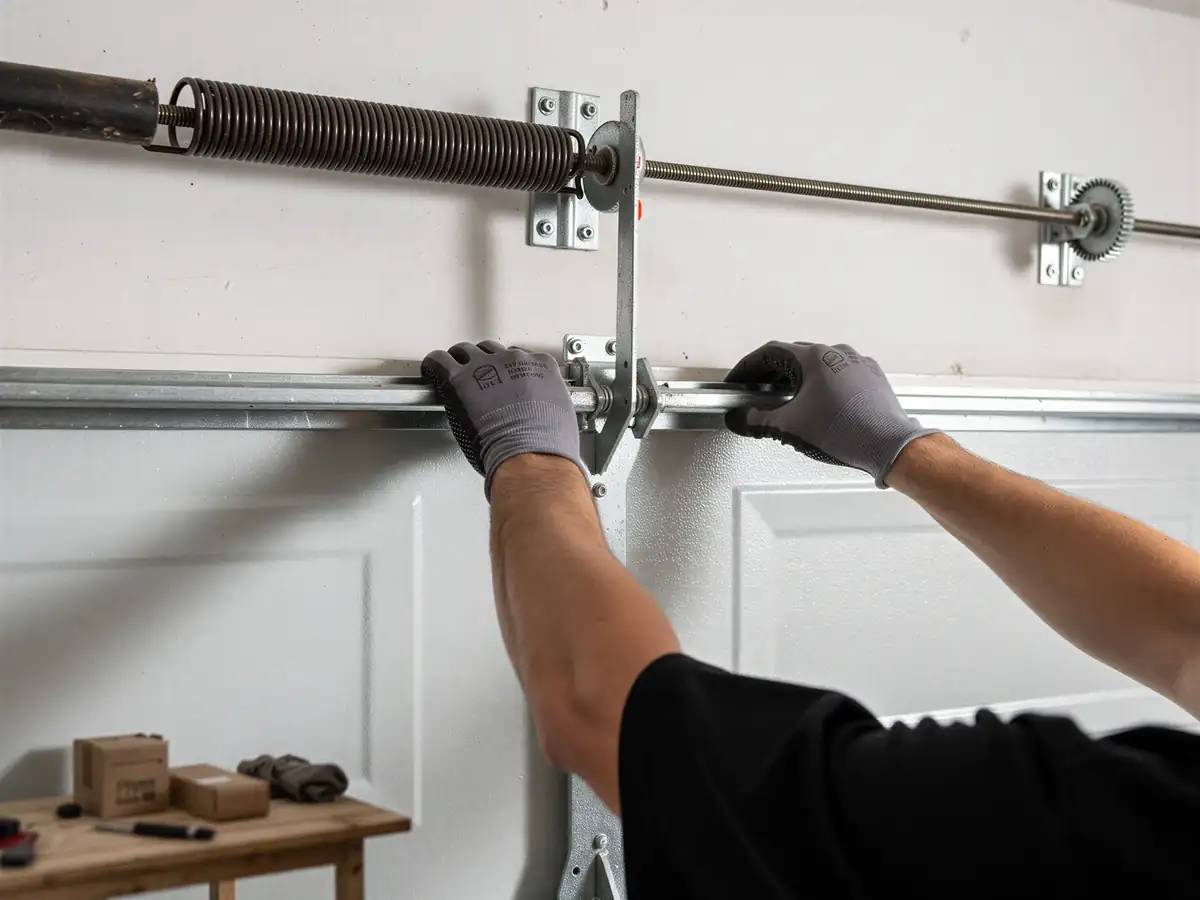
On a typical maintenance visit for a Mars house, we start by cycling the door by hand with the opener disconnected, since that's the only way to feel whether the spring tension is actually balanced on hardware this old. We check the torsion bar for sag, inspect the cable drums for fraying, and look at the track bolts, which on original 1960s installs are often the original fasteners and have had six decades of seasonal contraction working them loose. Lubrication goes on the hinges, rollers, and springs - not the track itself, which just collects grit. We test the auto-reverse safety function, since a door this old may never have had it adjusted since the opener was added years after the original install. If we find a spring that's close to its fatigue limit, we'll tell you the realistic lifespan left rather than push a replacement before it's needed. The whole visit is built around one fact: hardware from the early 1960s wasn't built to the same spring-cycle ratings as what's sold today, so a maintenance check here is really a check for metal fatigue, not just dirt and dust.