How It Shows Up
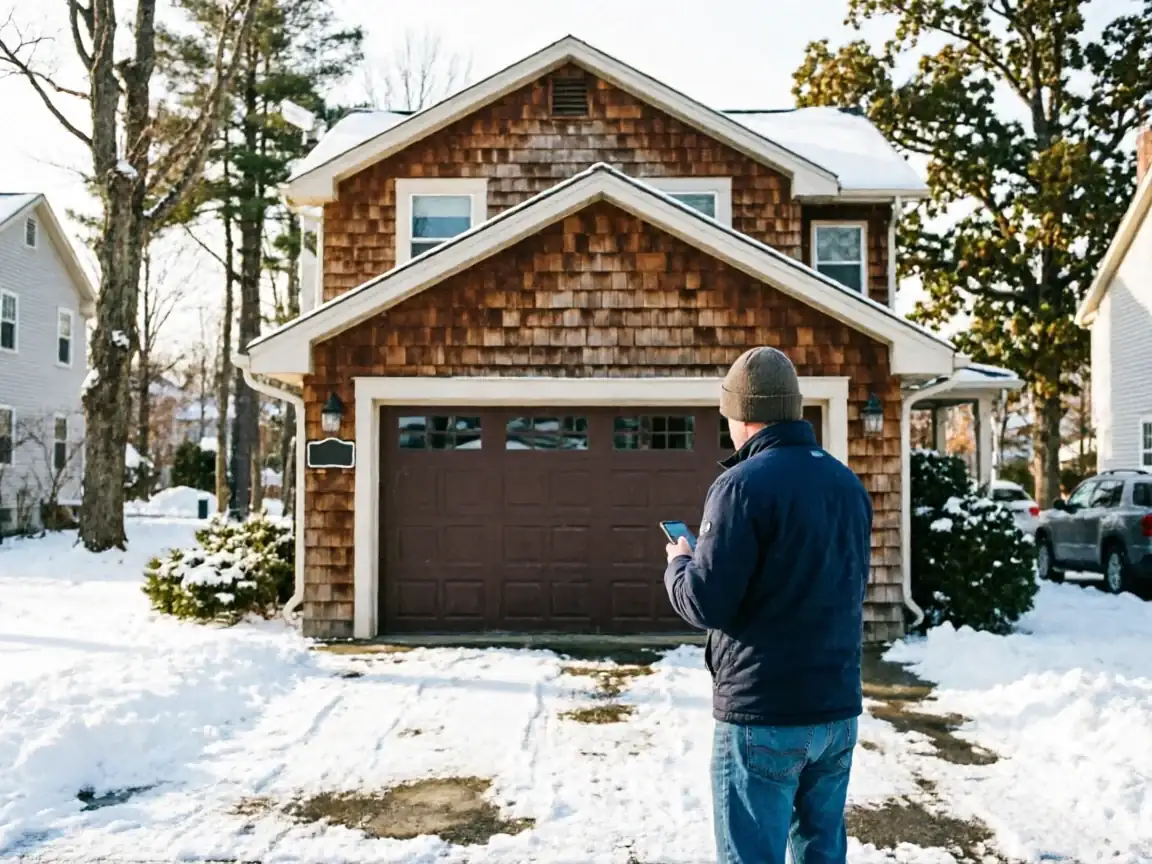
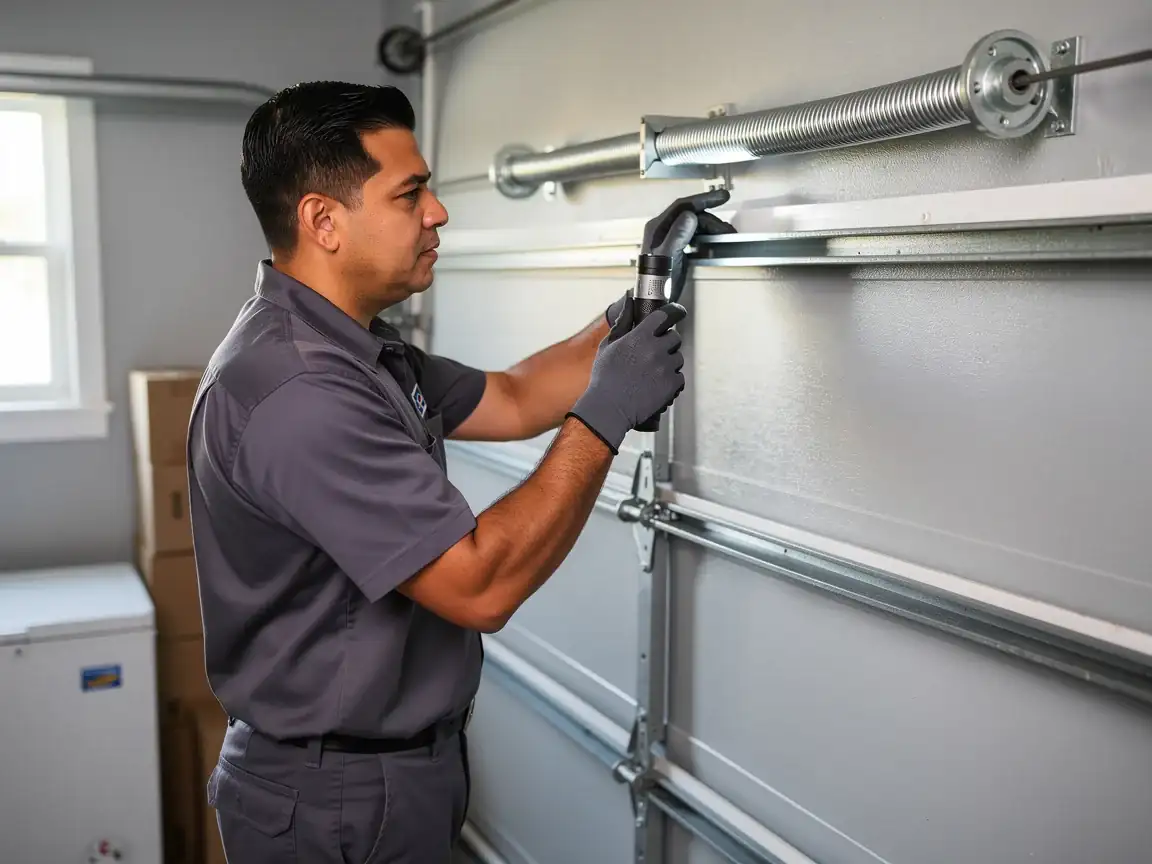
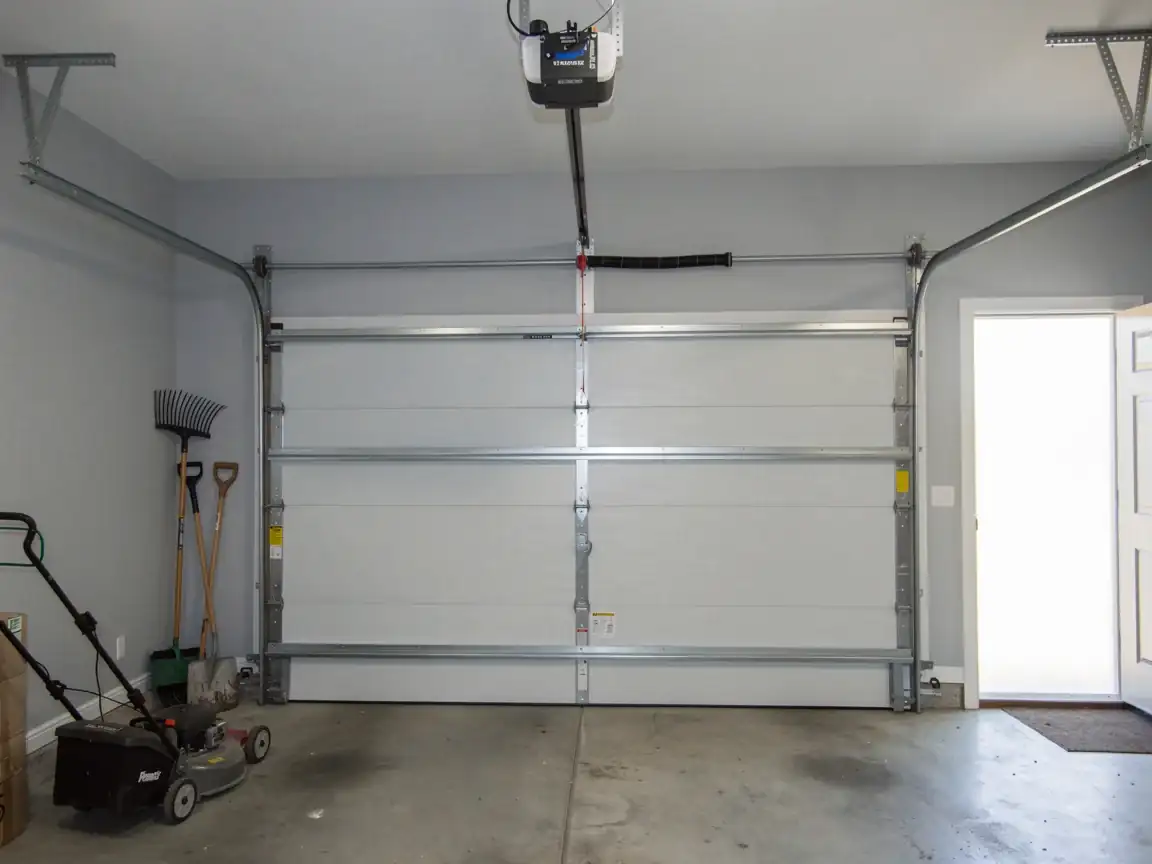
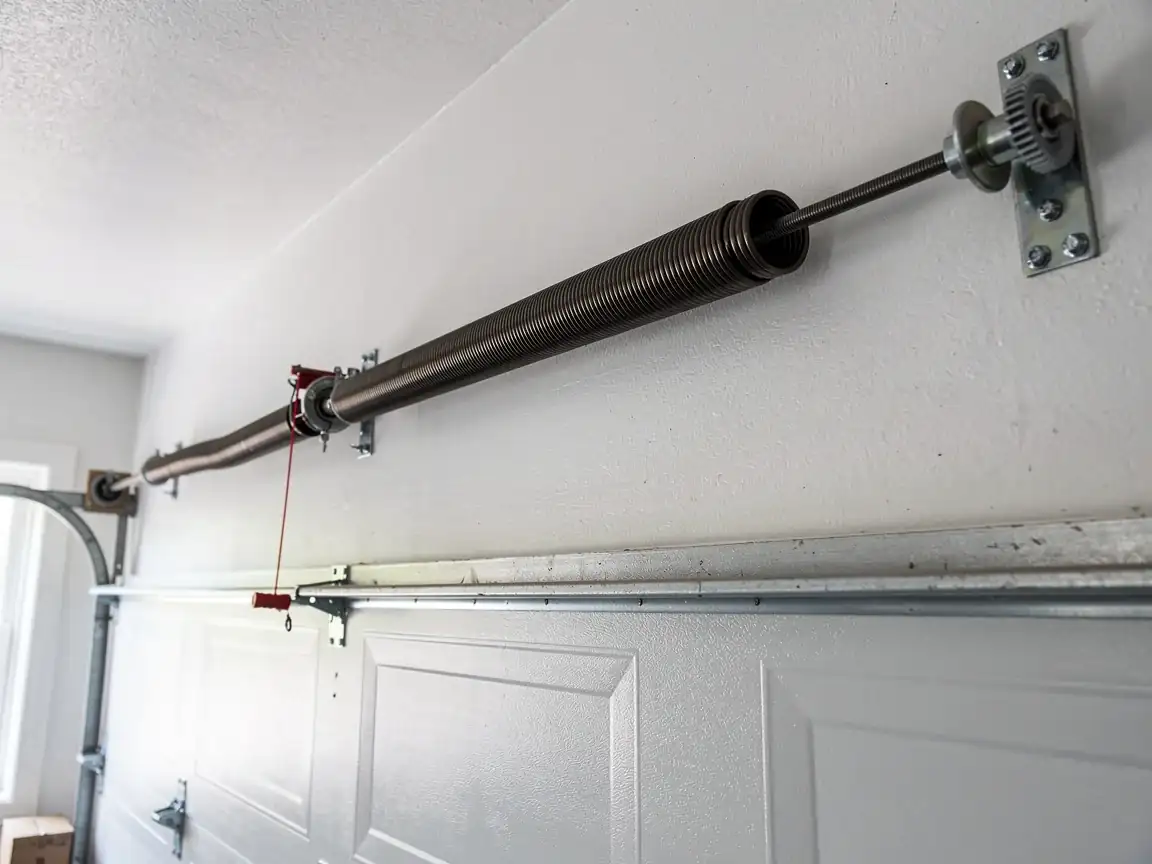
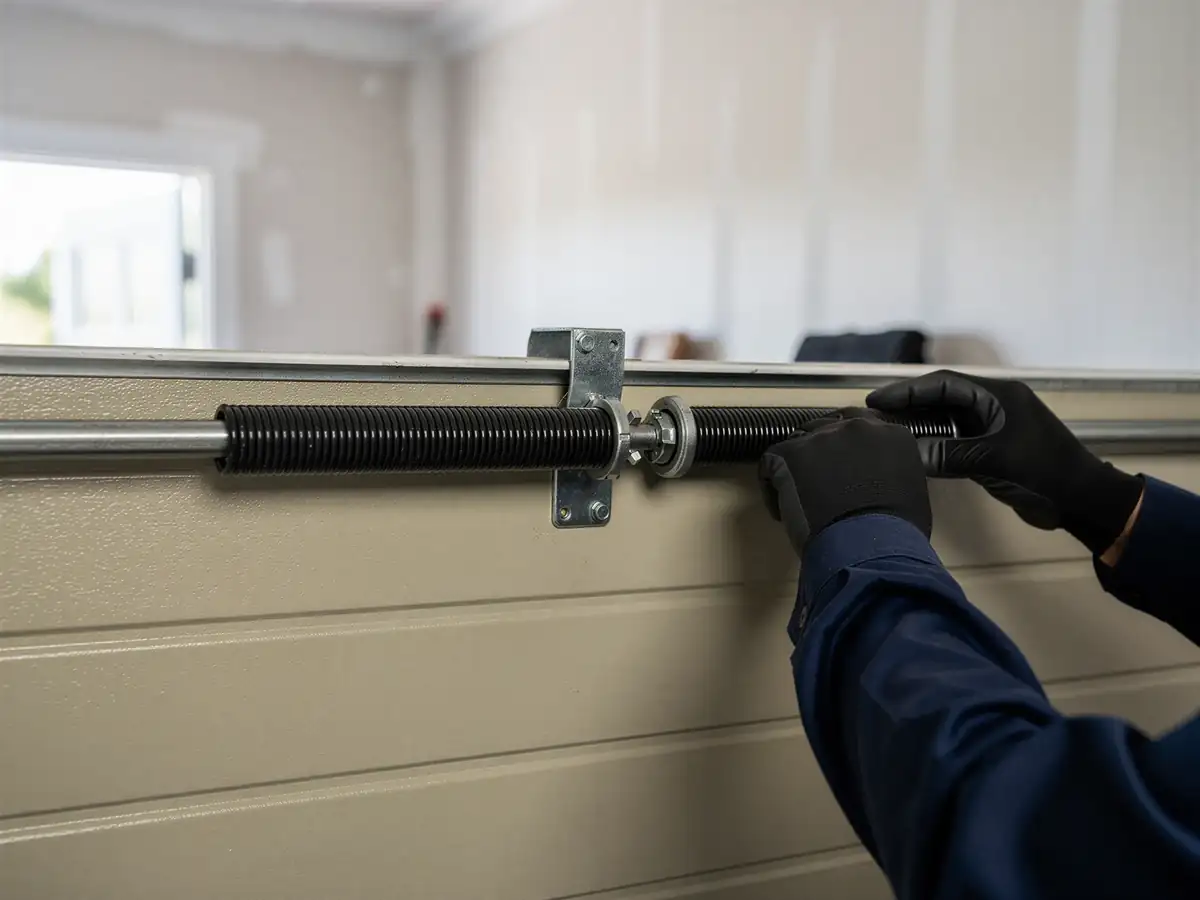
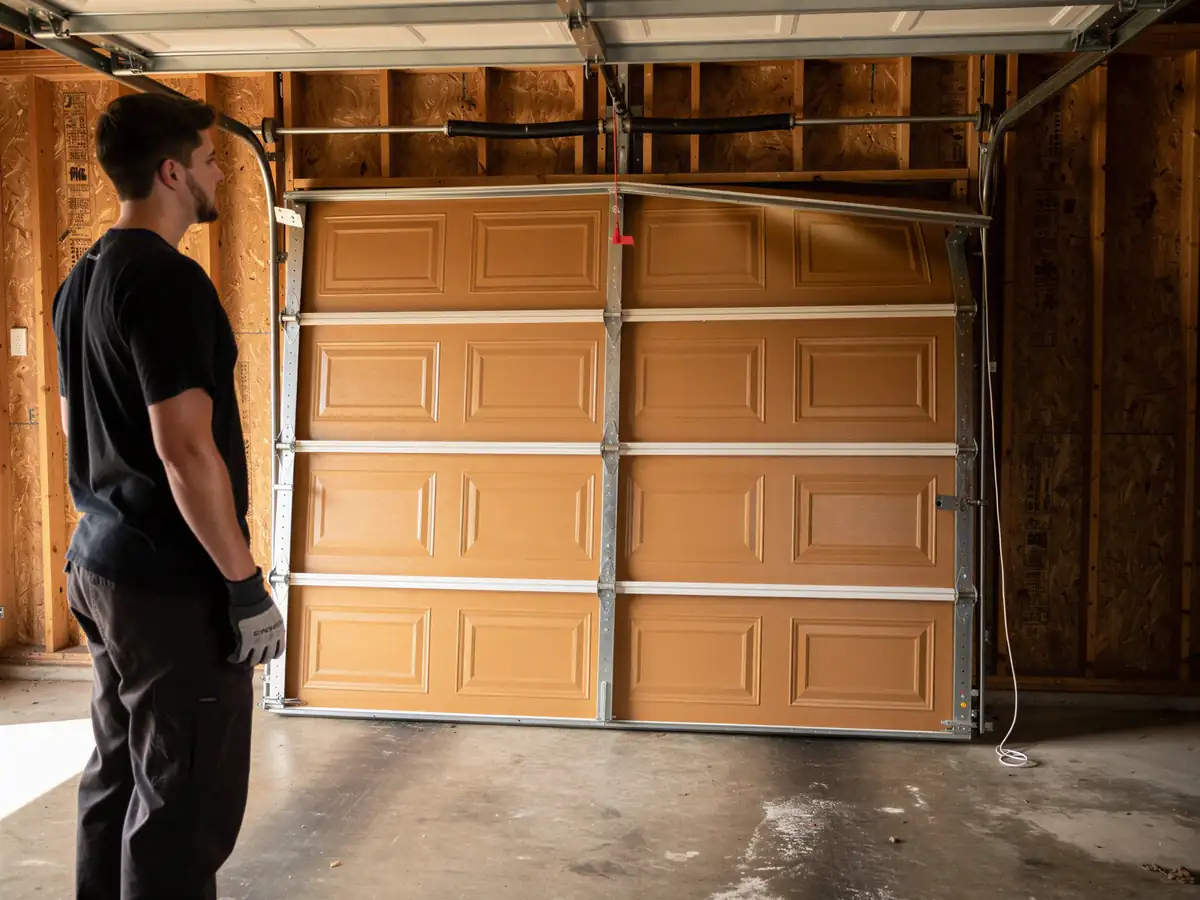
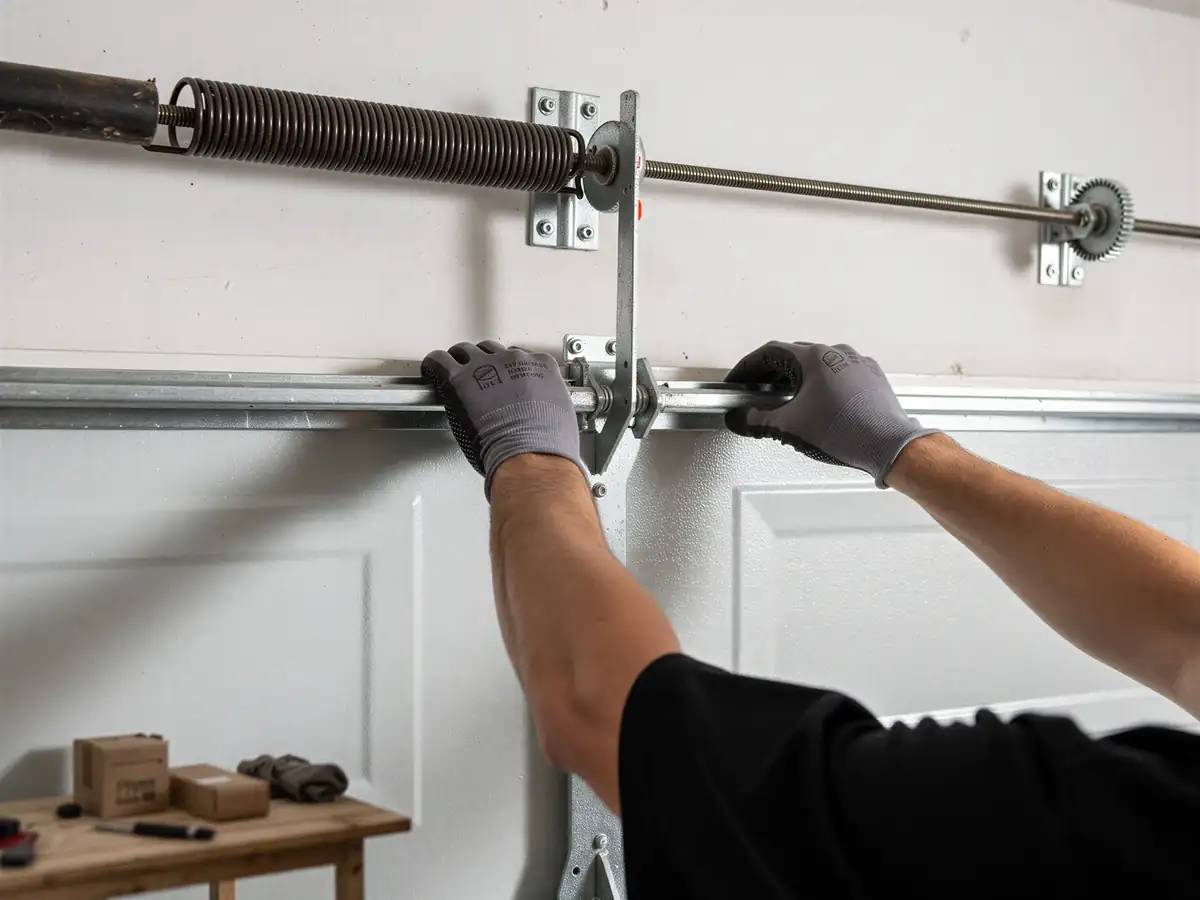
The call we get most from Butler homeowners is a door that won't open, or one that opens a few inches and stops. Usually it's a torsion spring that's let go, or cables that have frayed off the drum. On double doors, you'll hear it before you see it - a bang, then the door sits dead on the track.
A lot of the houses in this service area were built between 1938 and 1999, with the median landing around 1973. That means a huge share of the doors and openers out there are not original, but the track hardware and header framing often are. When a spring fails on a door that's hung on 50-year-old brackets, the fix isn't just the spring - it's making sure the mounting plate the new spring pulls against hasn't fatigued too.
Rollers are the other common one. Steel rollers on nylon bushings from an older install wear a groove into the track over the decades, and once that groove is deep enough the door starts binding every time it gets cold. That's not a dramatic failure - it's a slow one, and it usually ends with a service call once the door starts fighting the opener every morning.
Why It Happens Here
This area sits in a cold, severe climate band, and that matters more to a garage door than most people expect. Steel torsion springs lose tension capacity as the metal contracts in low temperatures, and a spring that was already near the end of its cycle life tends to pick the coldest week of the year to finally snap.
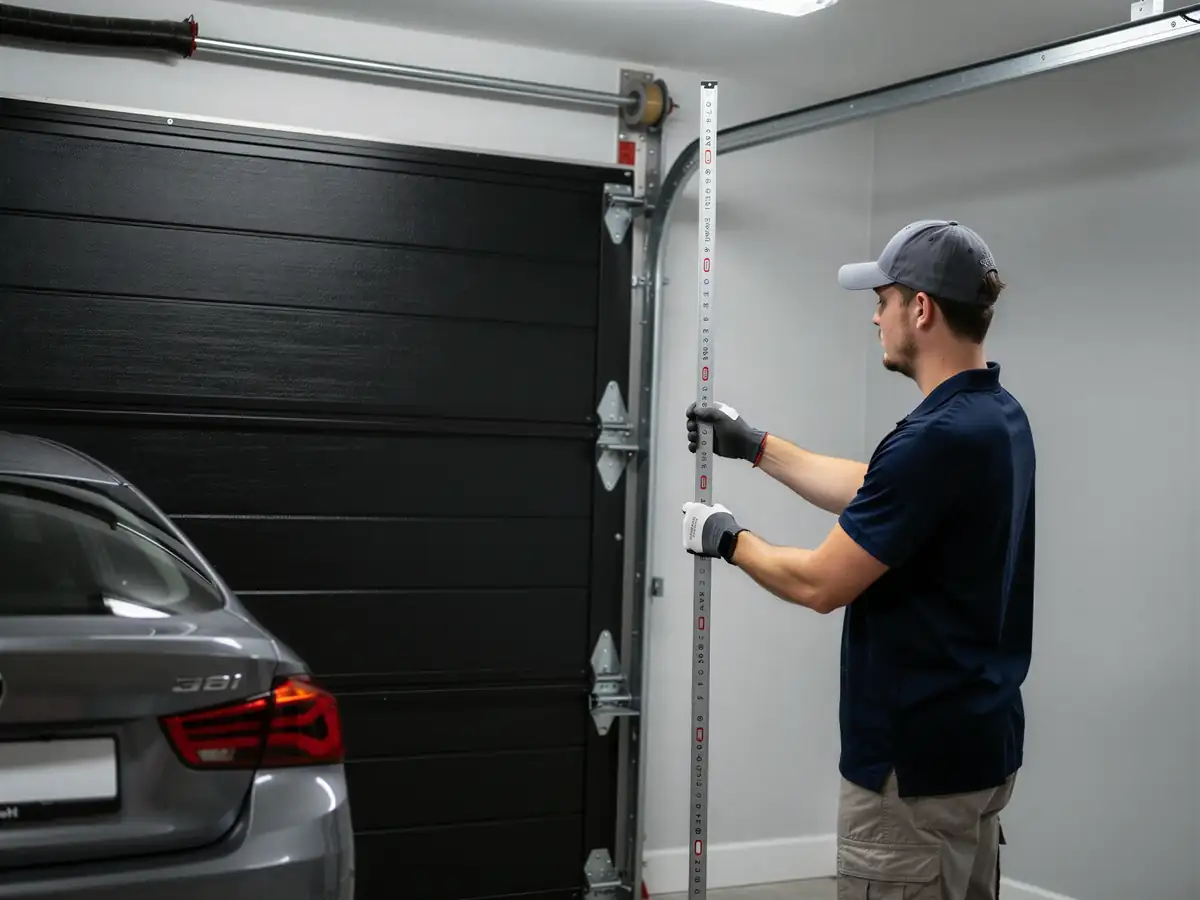
Across the 43 named areas we cover around Butler - from places like Oak Hills and Meridian a few miles out to Saxonburg, Zelienople, and Mars further afield - the housing stock runs mostly 1960s and 70s construction. That generation of garage was built with single-car or narrow double openings and lighter-gauge track than what gets installed today. Combine that lighter track with 40-plus winters of freeze-thaw cycling on the slab, and you get doors that drift out of plumb at the jambs. The door still looks fine. It just doesn't seal, and the opener has to work harder every cycle to compensate.
Cold also stiffens the lubricant in older rollers and hinges, so a door that was already due for lube and adjustment can seize up hard on the first sub-freezing morning of the season. It's rarely one single cause - it's old hardware meeting a climate that doesn't forgive deferred maintenance.
What You Pay
We don't post flat prices here because a spring job on a 1970s single door and a cable repair on a wider double with a heavier insulated panel aren't the same job
And quoting one number for both would be a guess dressed up as a fact. What we can tell you is what drives the cost: whether it's a spring or a cable, whether one side failed or both, and how much the opener had to compensate before anyone noticed.
One honest limitation
If a door has been run hard on a broken spring for even a day or two, the opener's gears or the track itself can take damage that wasn't part of the original problem. We'll tell you straight if that's happened rather than quote a spring repair and find more wrong once we're in it.
We give a number before we start work, not after
If a repair is going to cost close to what a new door section would run, we'll say so instead of pushing a repair that doesn't make sense for the house.
Getting It Booked In
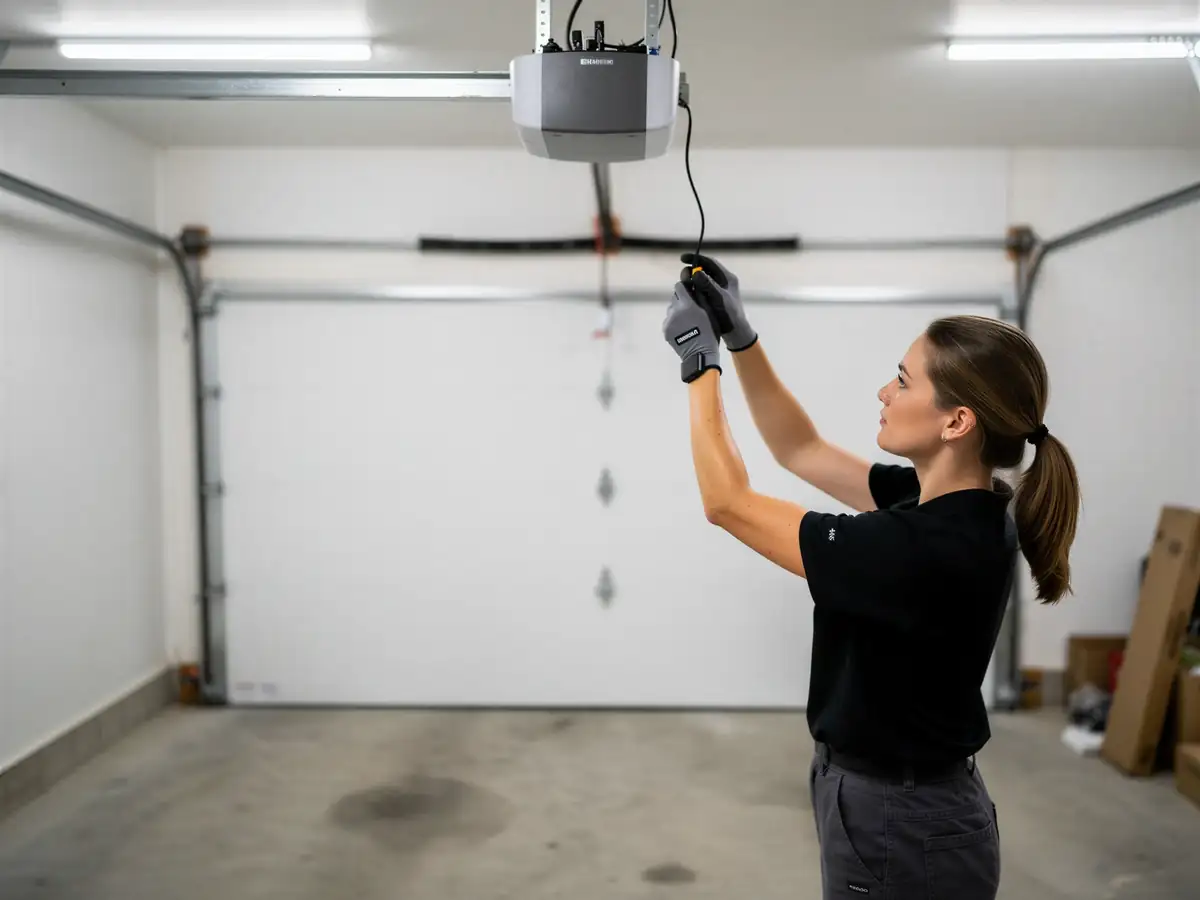
Most of what we see on service calls around Butler is repairable the same visit - springs, cables, rollers, and track alignment are all parts we carry on the truck. Openers are more of a mixed bag; some repair clean, some are old enough that parts are getting hard to source; we'll tell you which one you've got before we start.
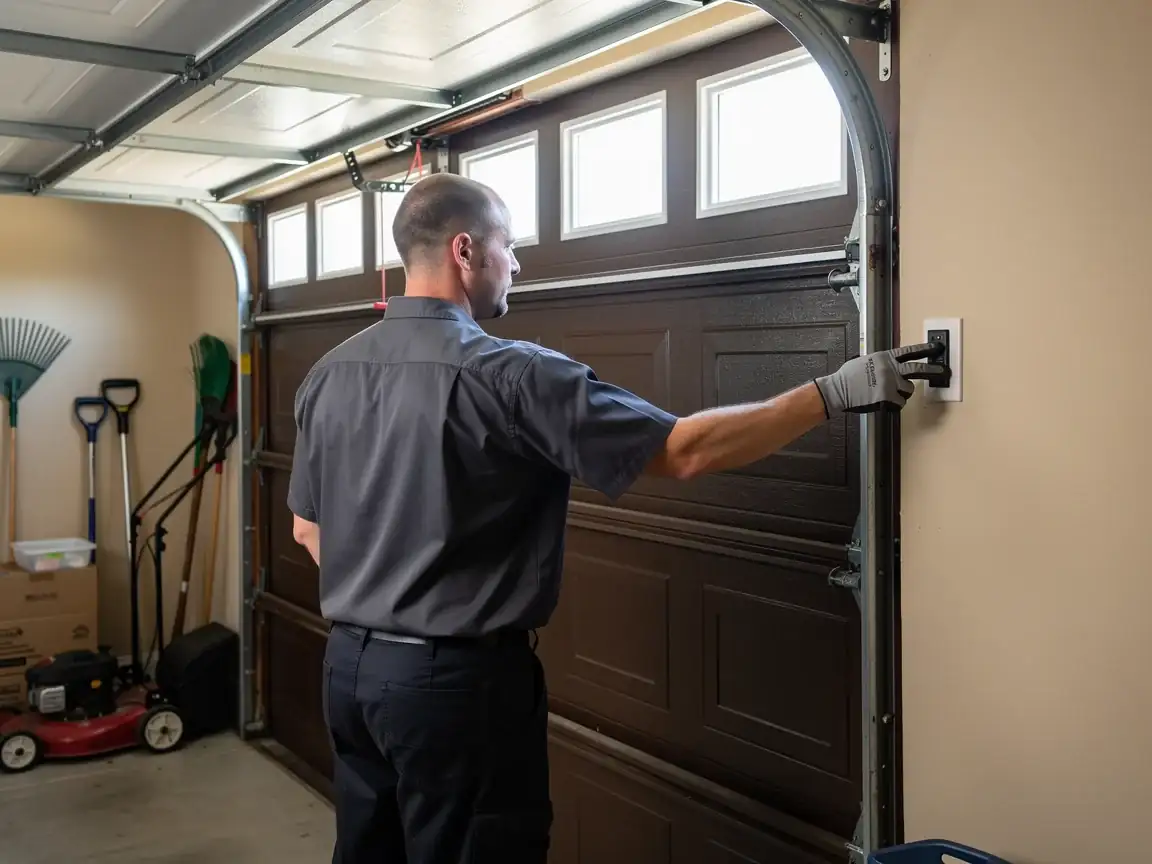
If your door is stuck shut, don't force it with the opener - that's the fastest way to turn a spring repair into a spring-and-track repair. Pull the manual release if you can reach it safely and leave the door as is until we get there.
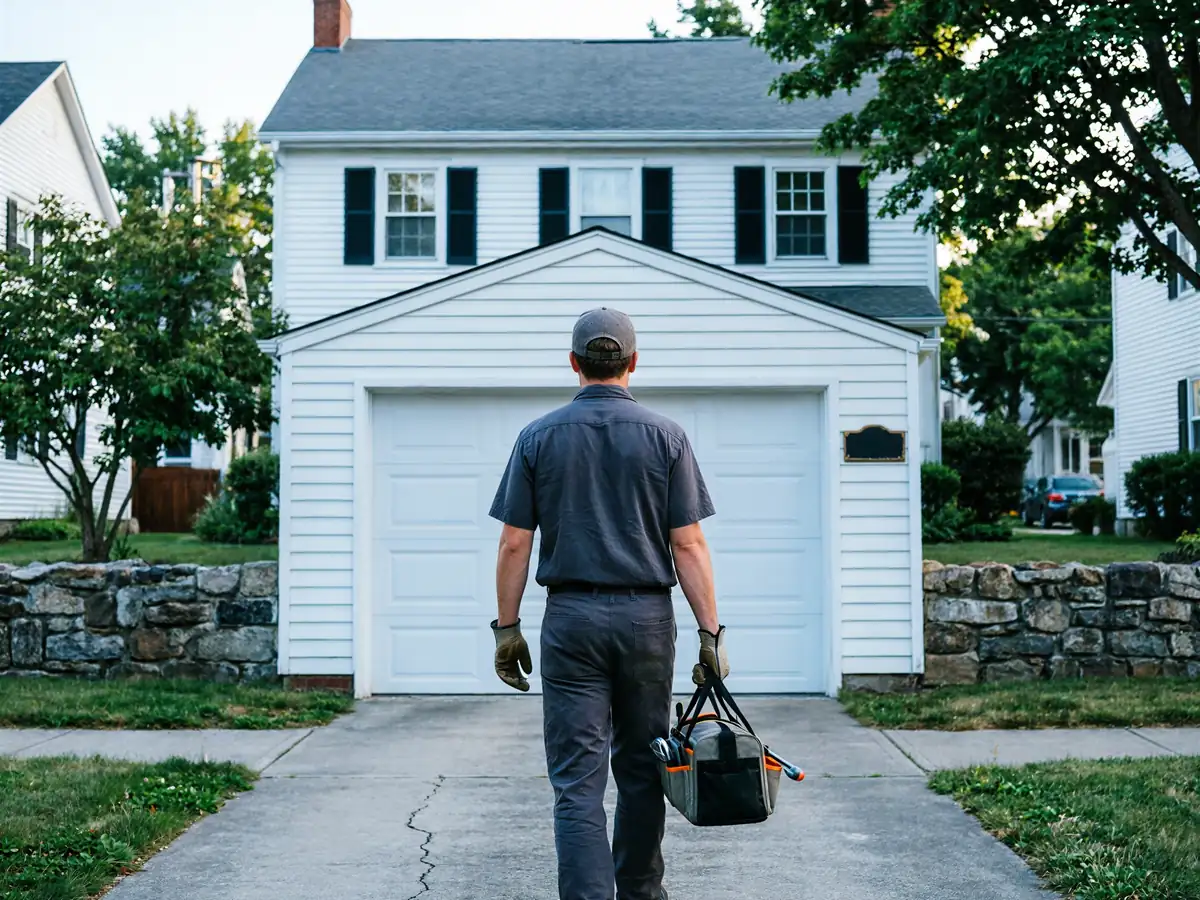
We work the Butler service area out to communities like Harmony, Slippery Rock, and Gibsonia, and everywhere closer in between.