How It Shows Up
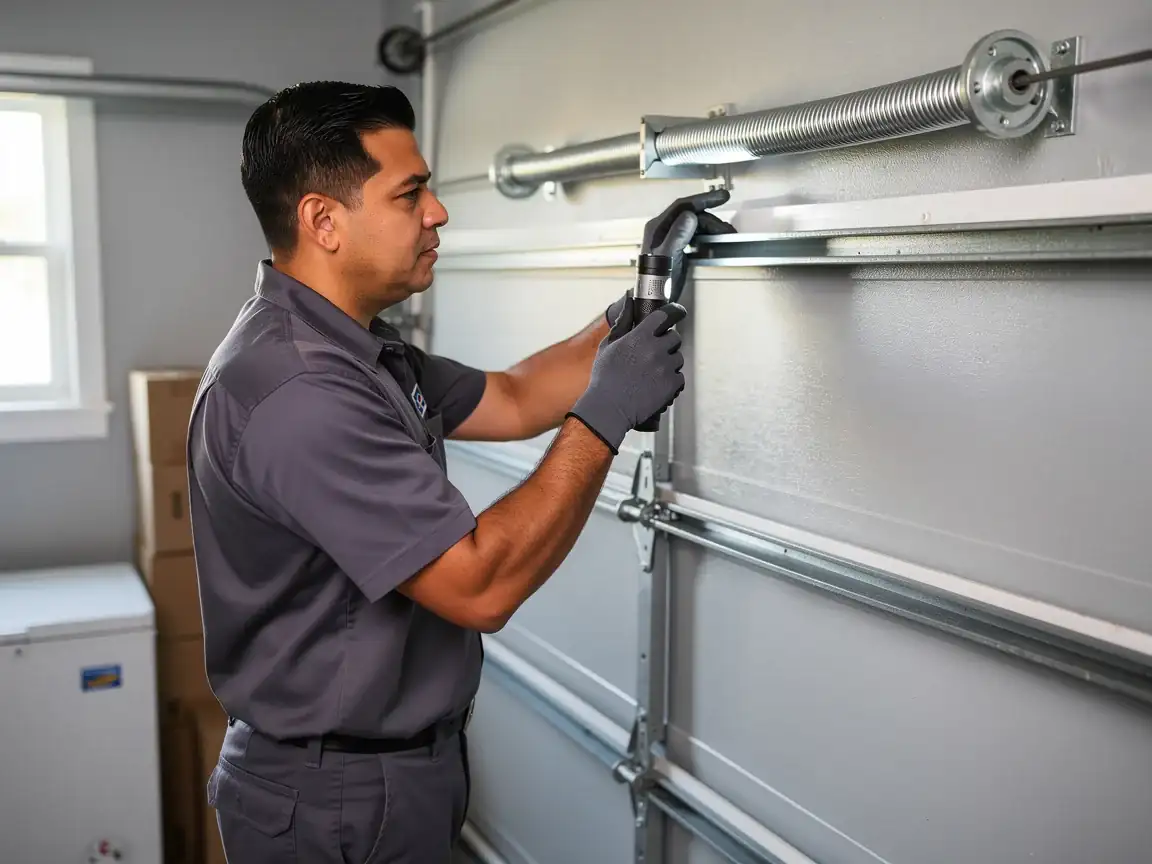
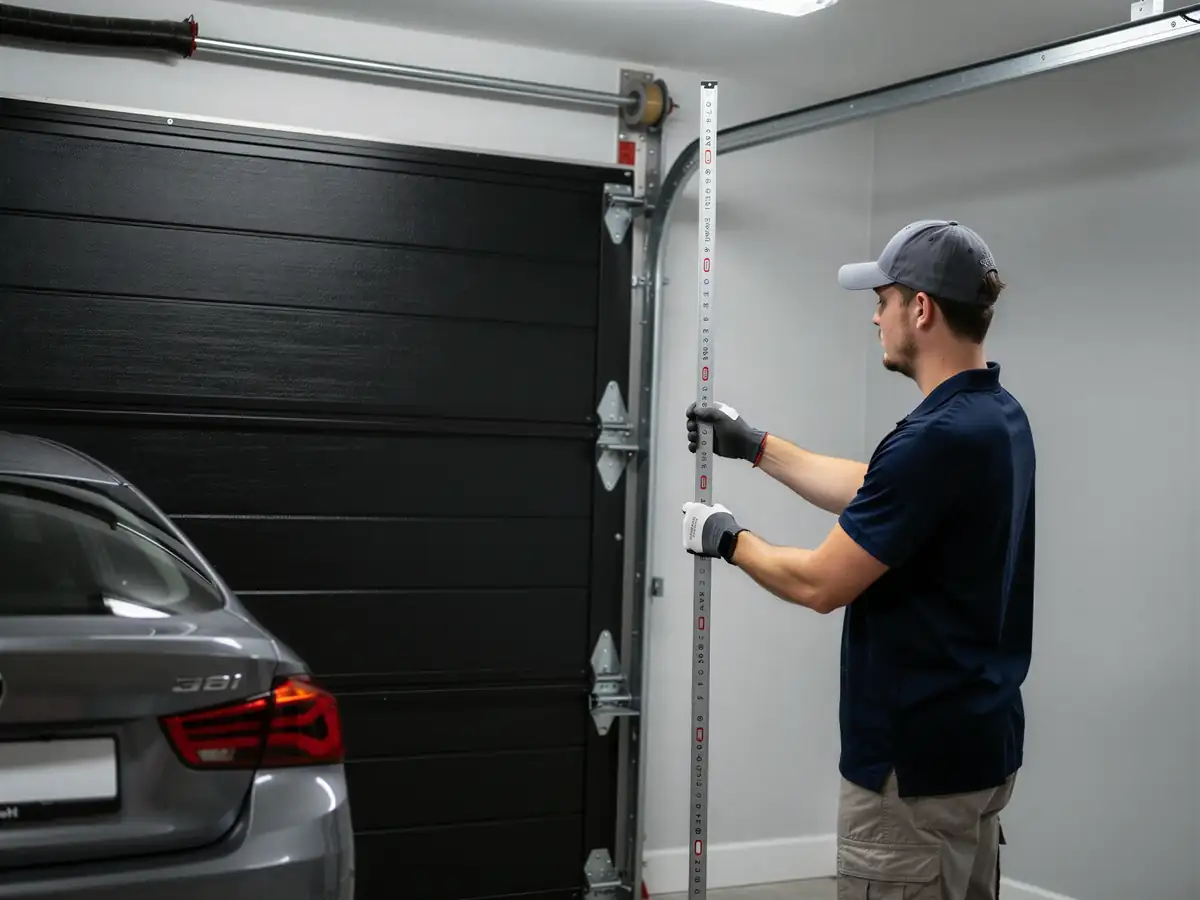
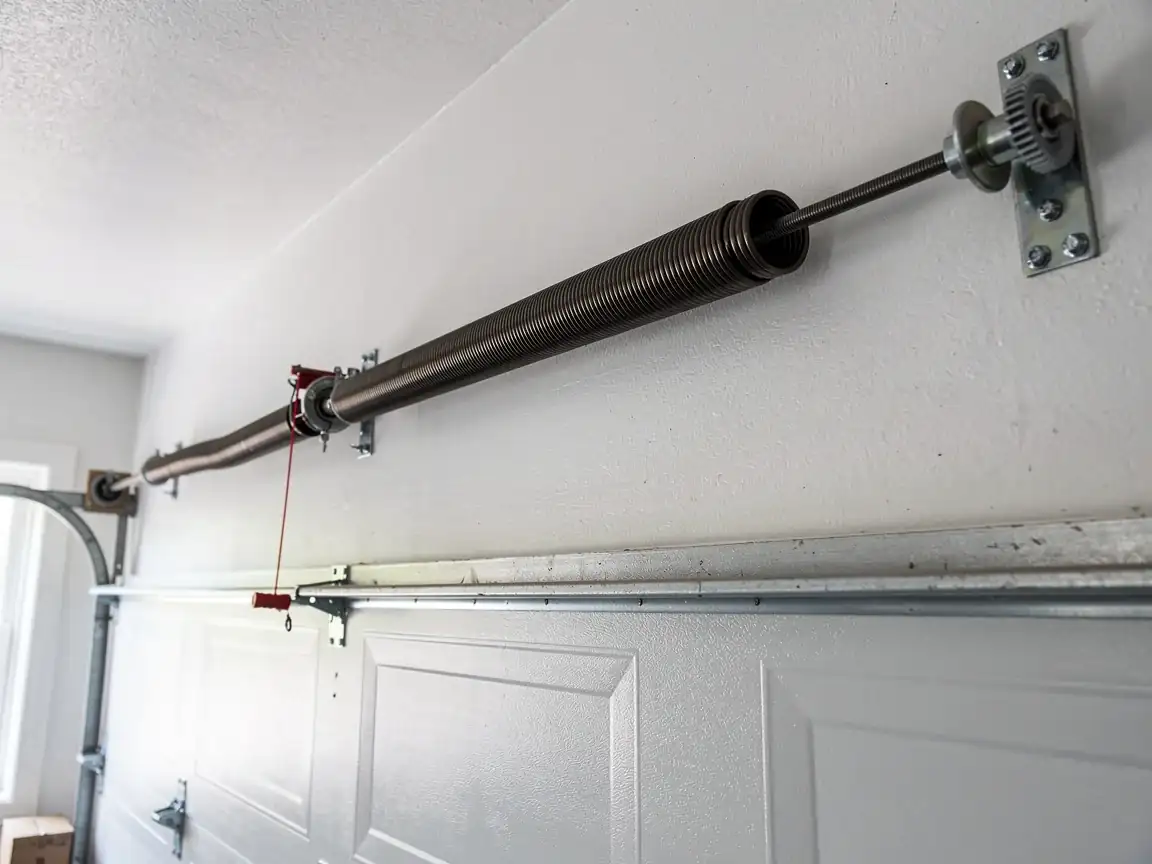
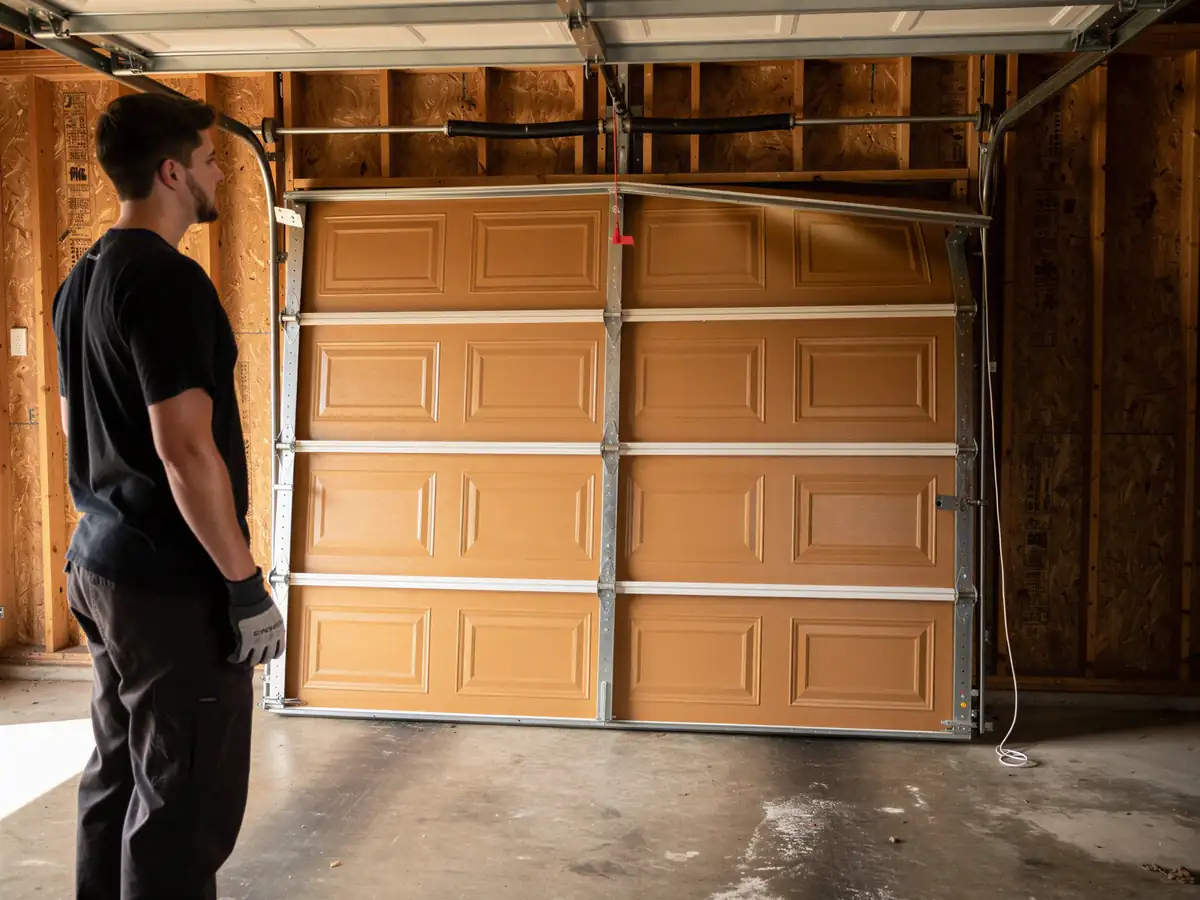
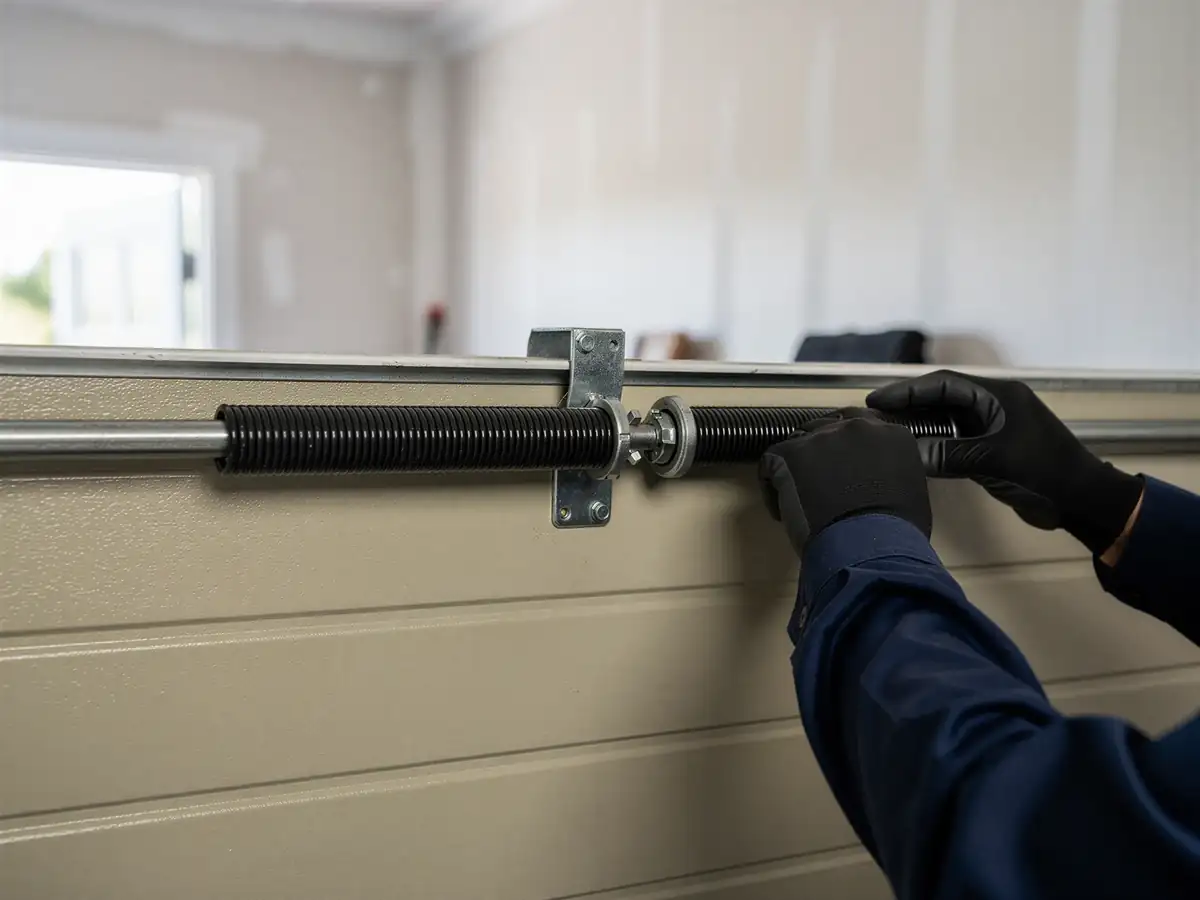
The call almost always starts the same way: the door won't go up, or it goes up six inches and stops. Sometimes there's a bang from the garage first - that's the spring letting go, not the opener failing. On a double door, if only one of the two torsion springs breaks, you'll often see the door hang crooked, one side higher than the other, because the remaining spring is fighting the weight alone.
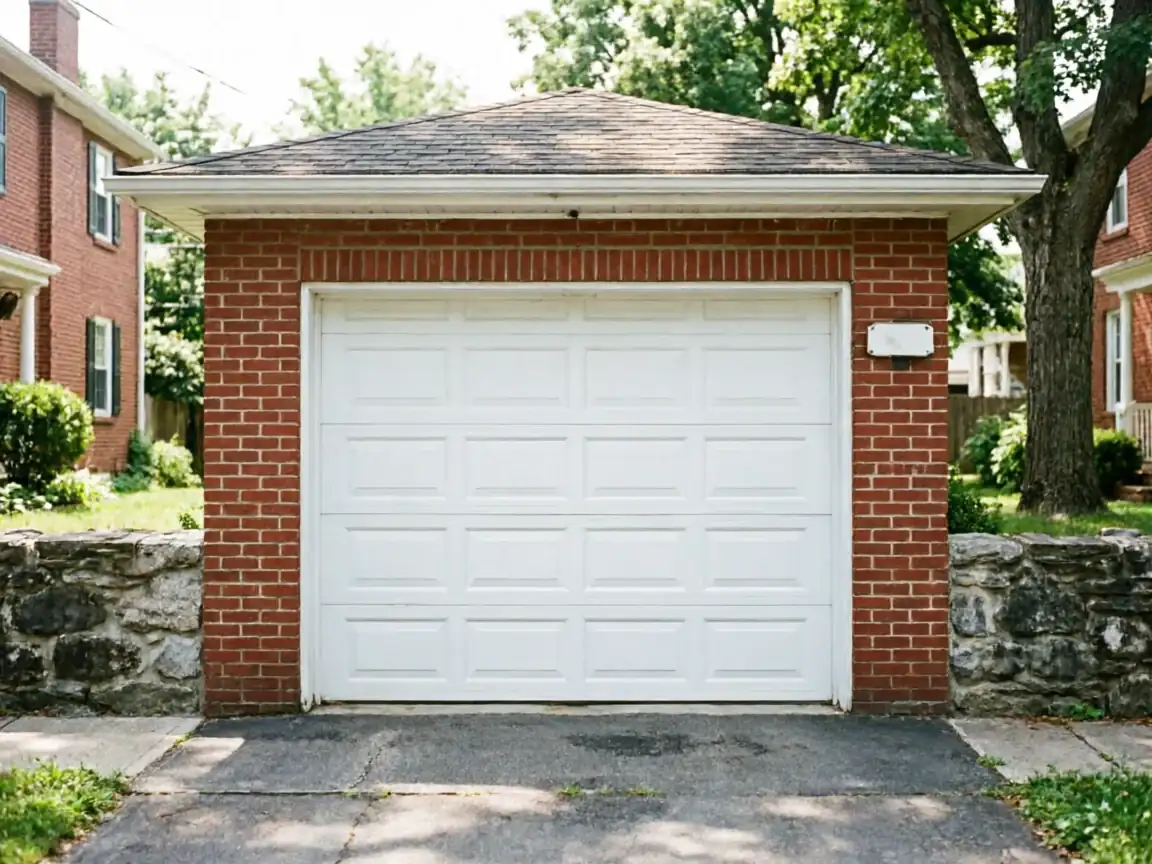
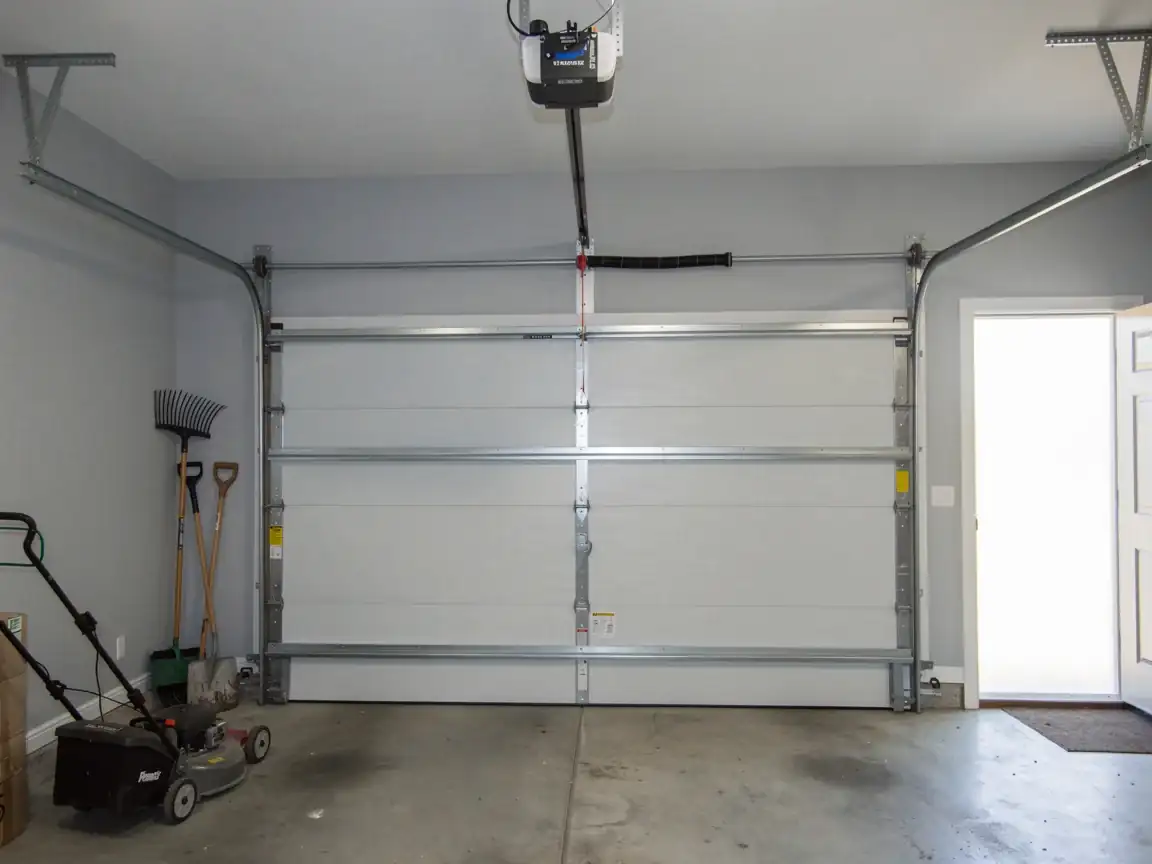
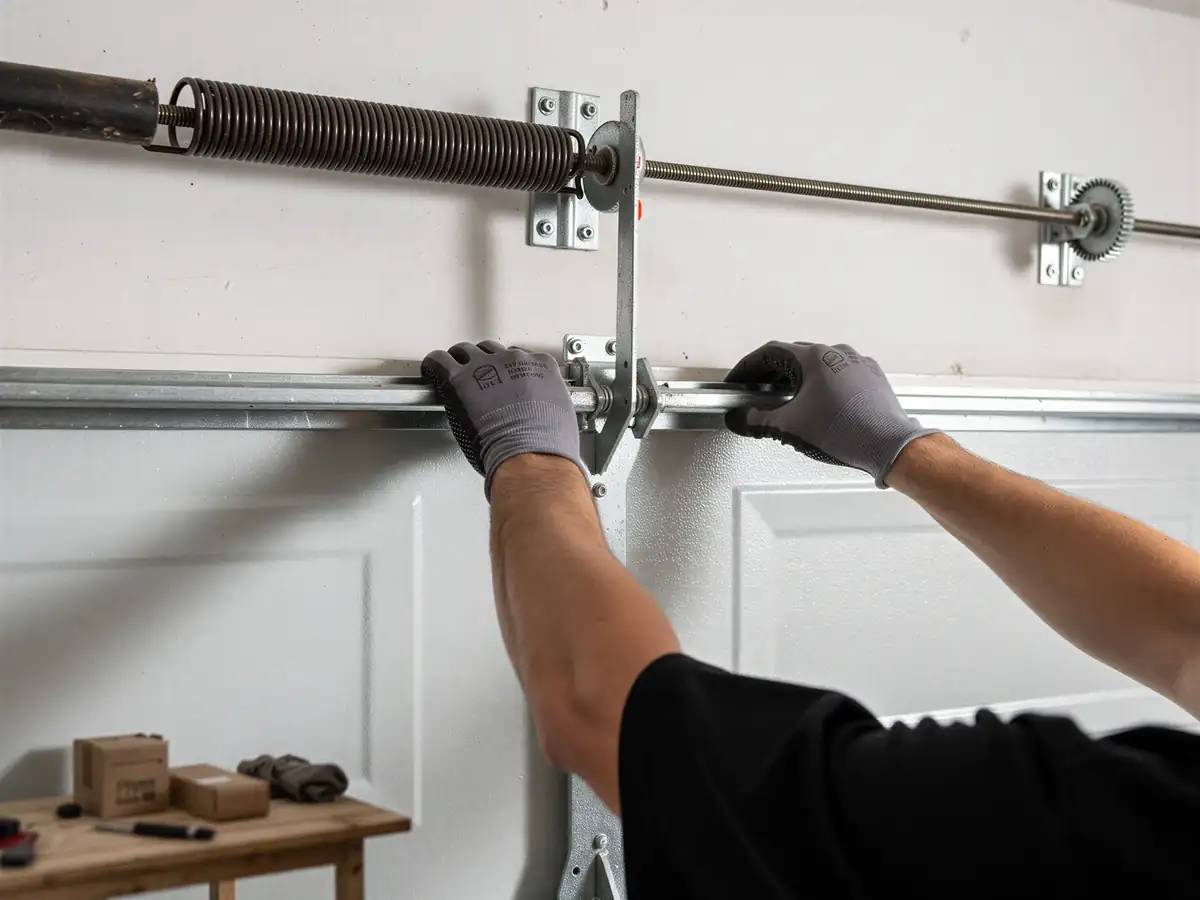
On older extension-spring setups, which are common on the single-car garages built across this area in the 1960s and 70s, the failure looks different: a spring stretched out along the horizontal track, sometimes with the safety cable missing entirely, which is its own hazard. If you try to force the door with an opener that's straining against a broken spring, you risk burning out the opener motor on top of the spring job, so it's worth stopping as soon as you notice the extra effort or the sag.
We work across the whole service area - Butler and the named communities nearby - and the pattern repeats: the door was fine, then it wasn't, usually in the cold months.
Why It Happens Here
Housing in this service area was mostly built between 1938 and 1999, with a median build year around 1973, and the bulk of it clusters in that 1960s-70s wave across the 43 named communities we cover. Torsion and extension springs from that era were sized for the doors and hardware common at the time, and most of them have long since been swapped at least once - but a lot of the original side-mounted brackets and lower-grade coil stock are still in service, and that's what fails.
The bigger driver is the climate. This area sits in a severe cold band, and steel spring coils lose flex and fatigue faster through repeated freeze-thaw cycles than they would somewhere mild. A spring rated for a certain number of cycles doesn't care about the calendar, but cold makes the metal stiffer and more brittle right when the door gets used the most - heavy doors, cold mornings, someone in a hurry leaning on the opener.
Put those two things together - 50-plus-year-old housing stock and a hard winter climate - and spring failure isn't random bad luck. It's the single most predictable garage door repair call in this part of Pennsylvania, and it clusters hard from late fall through early spring.
What You Pay
We don't have a flat number to quote here
Because spring jobs vary by door size, whether it's one spring or two, and whether the drums, bearings, or cable show wear once we're up on the ladder looking at it. What we can tell you is what drives the number up or down: single vs. double door, torsion vs. extension setup, and whether the opener needs anything after the spring is replaced.
Household budgets across the area run close to a median income of $72,842
And most of the roughly 28,947 owner-occupied houses here among 45,835 households are dealing with the same aging spring stock, so we quote the job on the door in front of us, not a guess over the phone. If you want a real number, we look at the door and tell you before any work starts - no work begins until you've heard that number and said go.
- $72,842 median household income
- 28,947 owner-occupied
- 45,835 households
Getting It Booked In
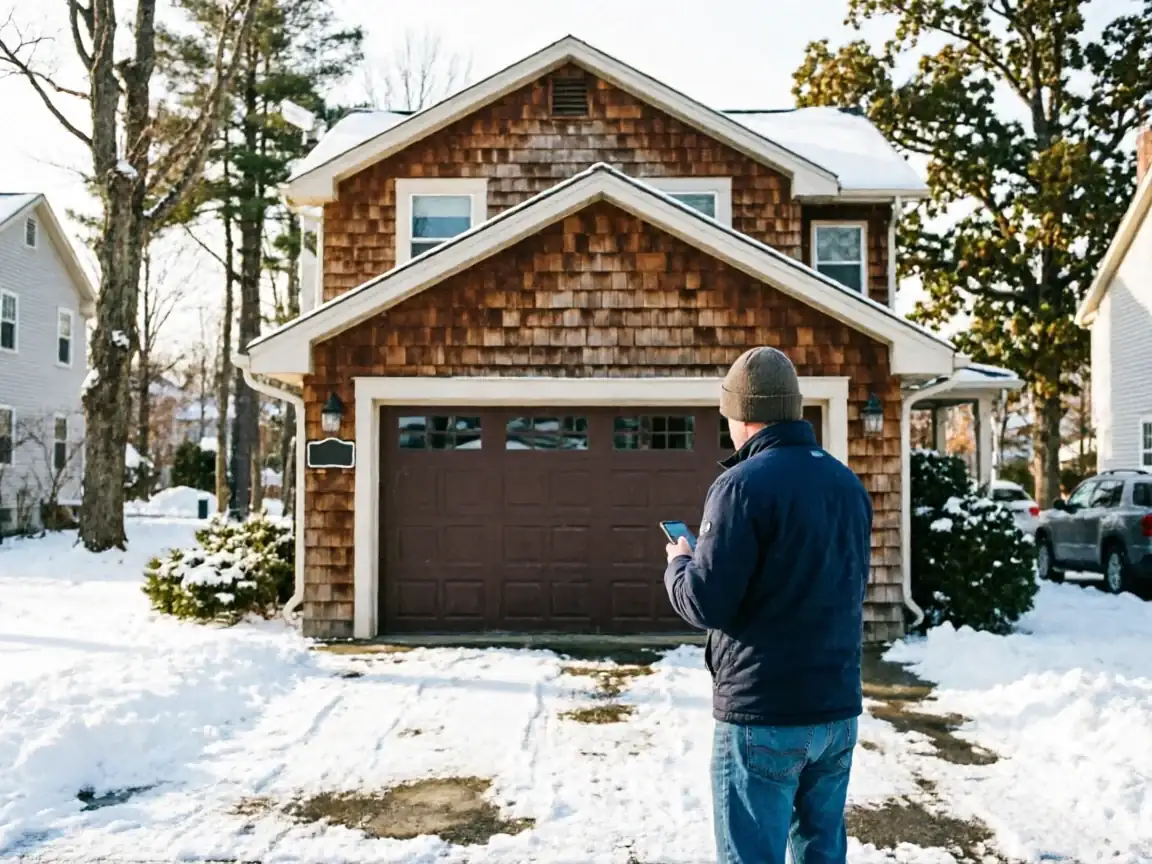
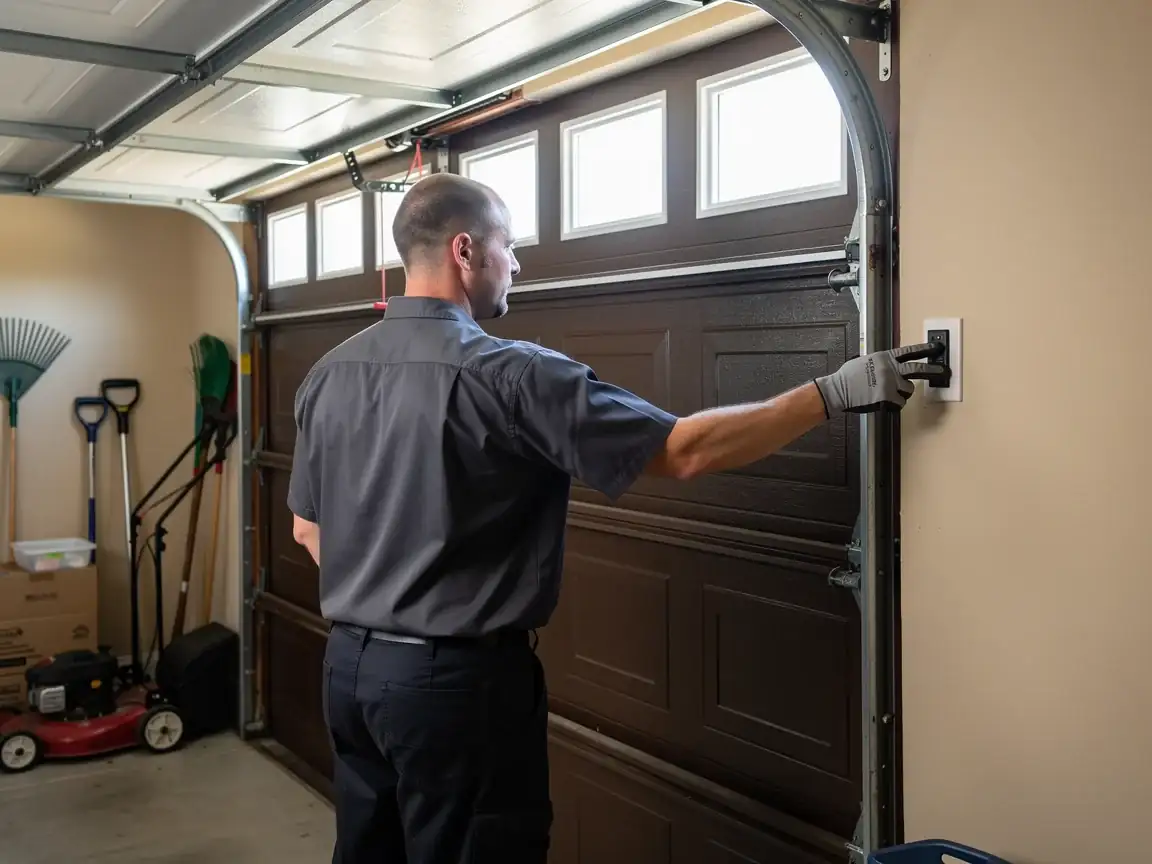
If the door is stuck down, don't keep hitting the opener button - that's how a spring job turns into a spring-and-opener job. Leave the door where it is, and if you can get a hand underneath to lift it manually without forcing anything, do that; otherwise just leave it be and call us.
We cover Butler and the surrounding towns we service, including places like Oak Hills, Meridian, Shanor-Northvue, Nixon, and Jefferson, along with the rest of the named communities in our area. Tell us the door size, whether you see one spring or two, and whether it's a torsion bar across the top or stretched springs along the side tracks - that helps us bring the right parts the first trip instead of a second one.
One honest limit: if your spring size or drum is an older or oddball dimension that isn't something we stock on the truck, we may need to order it, which can push the job out a day or two rather than same-day. We'll tell you that up front rather than promise a fix we can't deliver that day.