What Is Going On
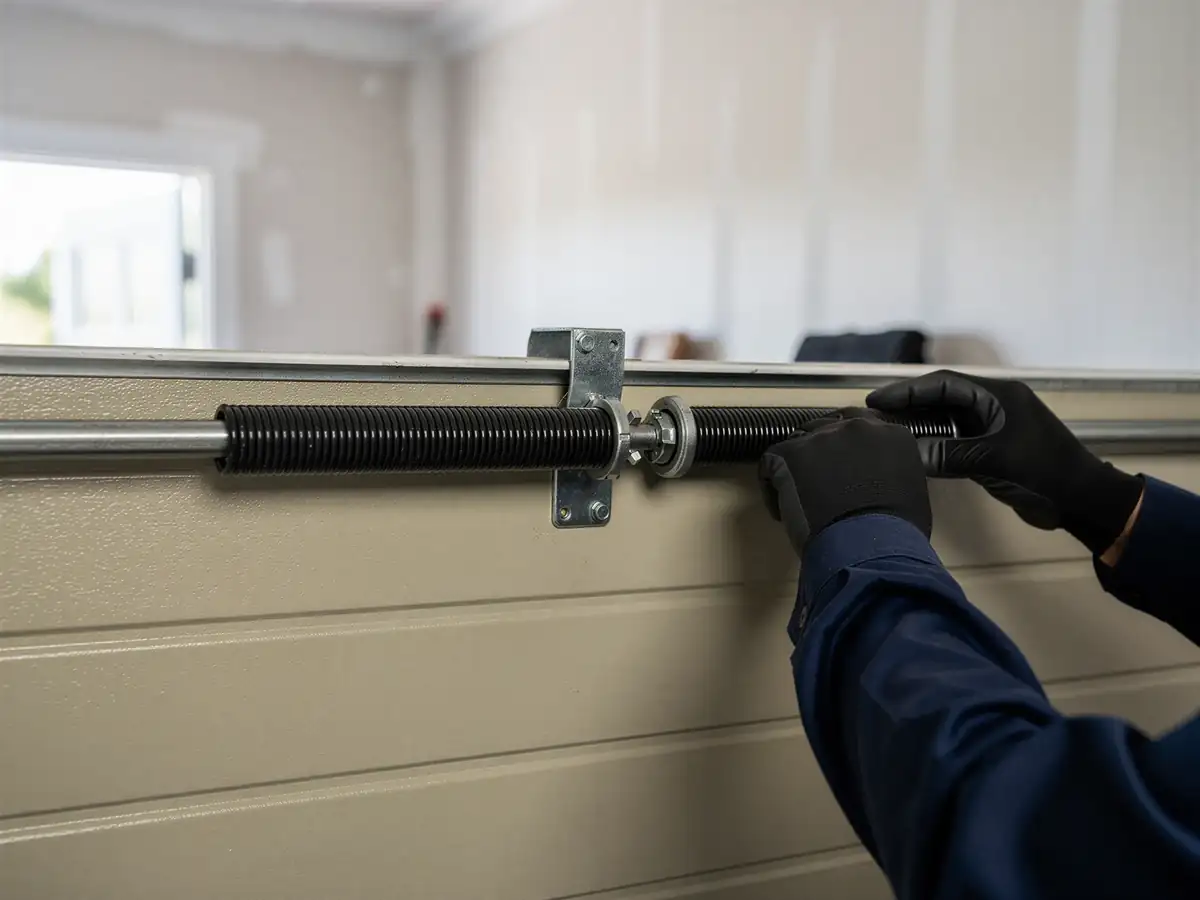
A torsion spring stores energy by twisting steel wire tight. Cold makes that wire stiffer and more brittle, and the metal contracts just enough to change how much tension the spring is actually holding versus what it was wound for. On a door that's been doing this for twenty or thirty winters, that's the difference between a spring that's merely tired and one that lets go.
Most houses around Butler went up between 1938 and 1999, with a lot of that stock dating to the 1960s and 70s. That matters here because springs have a rated cycle life - usually somewhere around 10,000 open-and-close cycles - and a door on a house built in that window has likely burned through at least one spring already, sometimes two. The one on it now may not be new either.
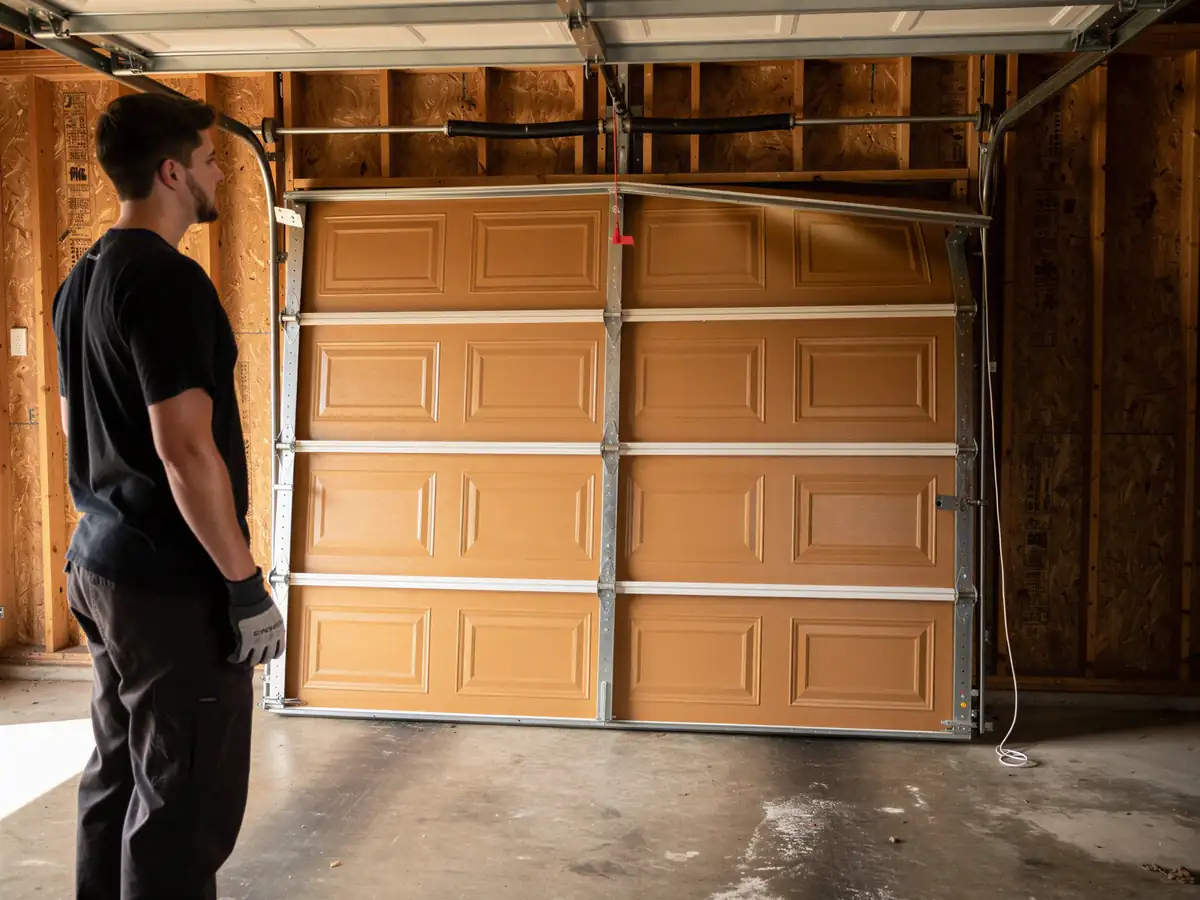
When a spring breaks in cold weather specifically, it's rarely bad luck lining up with bad timing. The cold is the final push on a spring that was already near the end of its wire life from age and use. You'll hear it - a bang from the garage, usually when the door is going up or has just been sitting closed overnight in single-digit temperatures.
Checking It Yourself
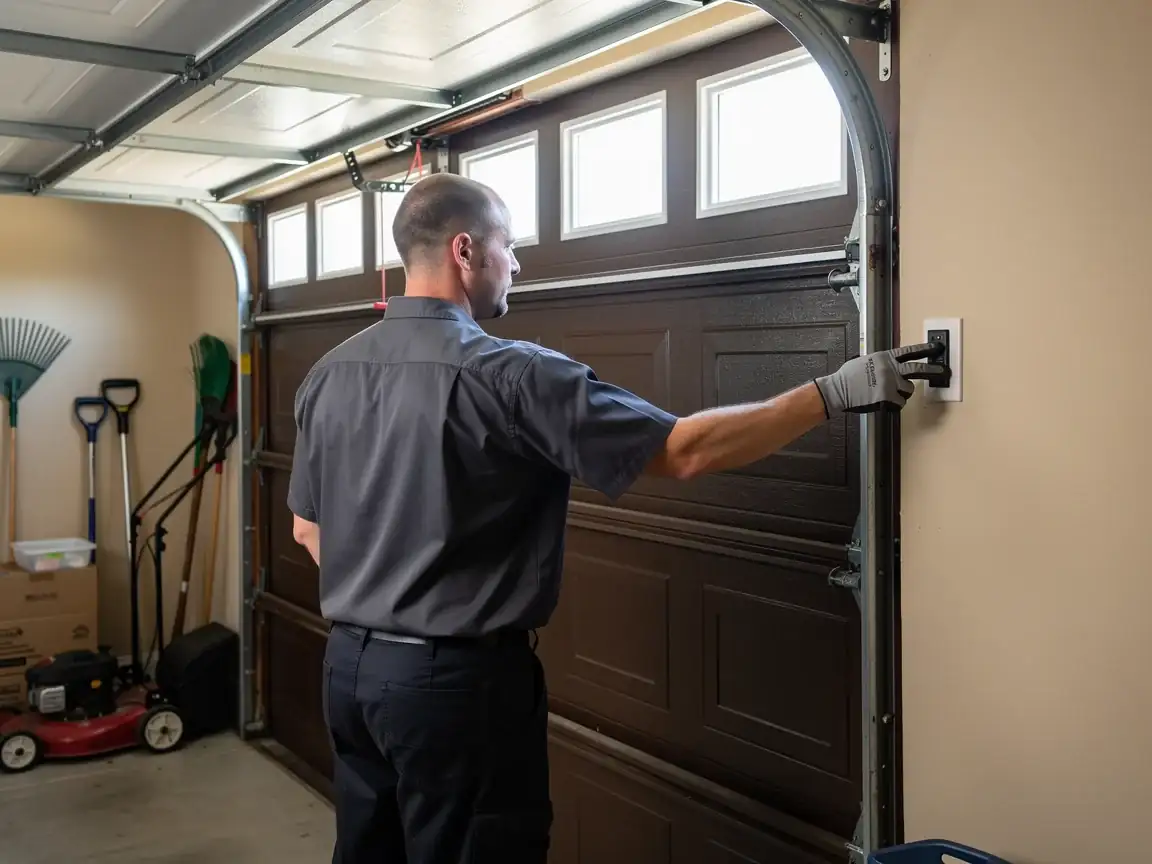
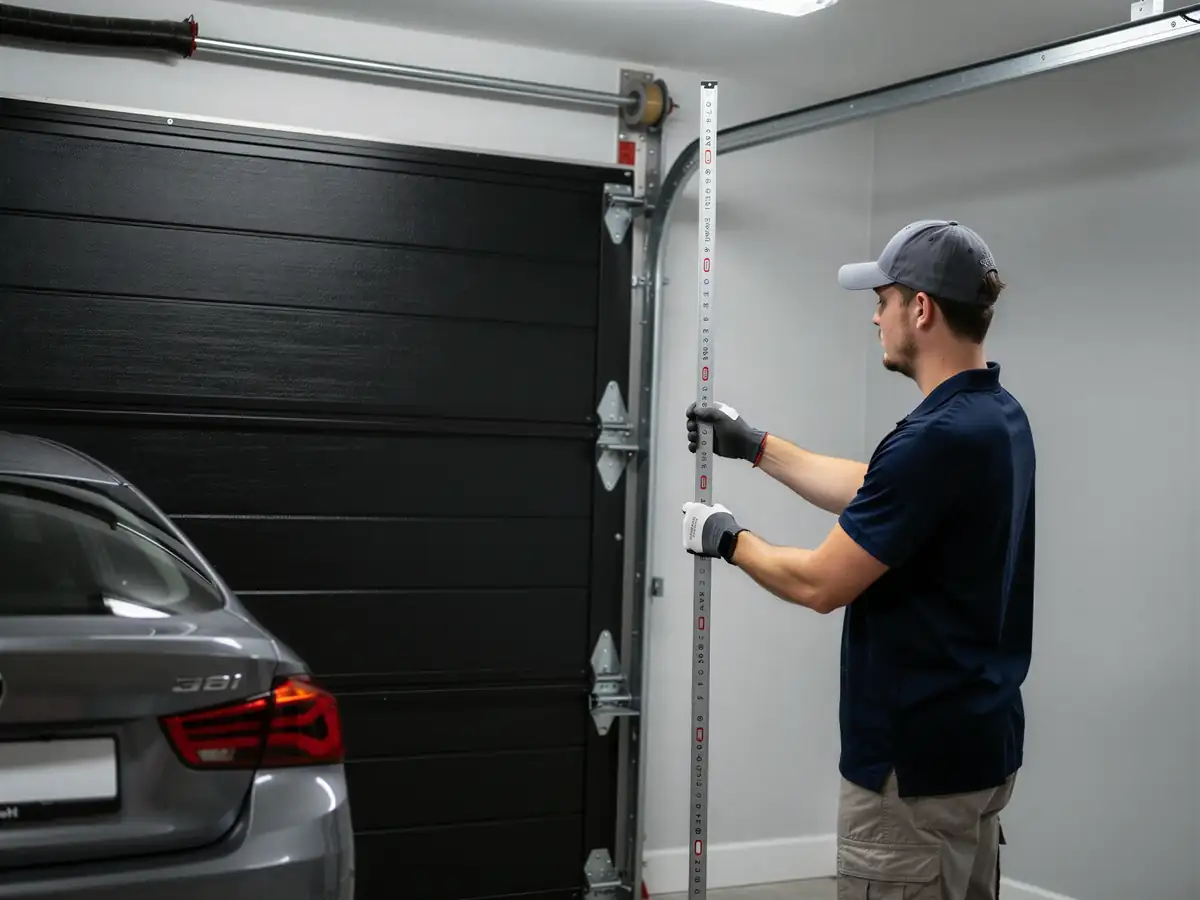
You can check a few things safely without touching the spring itself. Disconnect the opener by pulling the release cord, then lift the door by hand about halfway. If it's balanced, it should stay put on its own. If it drops like it's not holding any weight, or it's noticeably harder to lift than it used to be, that's a spring losing tension - and in cold weather that loss happens faster.
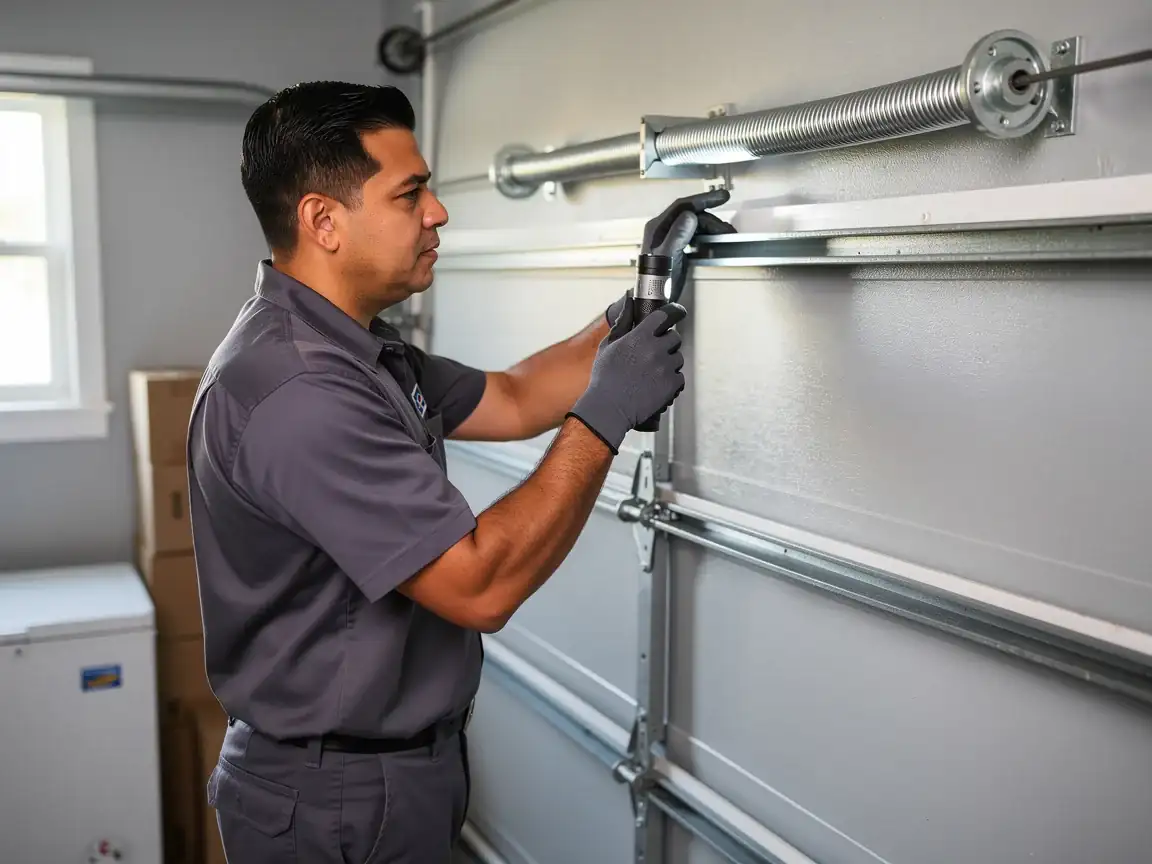
Look at the spring itself, if you can see it safely from the side, not from underneath. A separation in the coil, or a gap where the wire has visibly pulled apart, means it's already broken or about to. Don't reach toward it, and don't put your hands anywhere near it while the door is up - a wound torsion spring holds enough stored force to cause a serious injury if it releases.
Check the cables on either side of the door too. Fraying or looseness near the bottom bracket usually shows up around the same time as spring wear, since both carry the same load. If the cables look rough, that's worth noting even if the spring still seems fine - cold makes brittle cable fray faster than it would in warmer months.
That's the limit of what's safe to check yourself. Anything past this point involves the spring under tension.
How Local Conditions Play In
Butler sits in a cold-severe climate band
Which means the winter swings here are sharp enough to matter for steel fatigue, not just uncomfortable to stand in. A spring loses flexibility as it gets cold, and the repeated cycle of freezing overnight and warming during the day adds stress that a mild-climate house never puts on its hardware.
That stacks on top of the housing stock
A door installed when a house went up in 1973, the median build year for this area, is carrying original or first-replacement hardware sized for an older, heavier door - not the lighter insulated doors sold today. Across the named areas in this service territory, from Oak Hills three miles out to Slippery Rock seventeen miles out, you're looking at the same combination: 1960s-70s vintage doors sitting through the same cold-severe winters.
If you live out toward Saxonburg or Zelienople
You're still inside that same cold-severe band and the same housing wave, so the pattern of failures doesn't change much with distance from the center of town - it's the age of the door and the winter it's sitting through that drives it, not which side of the area you're on.
When It Stops Being a DIY Job
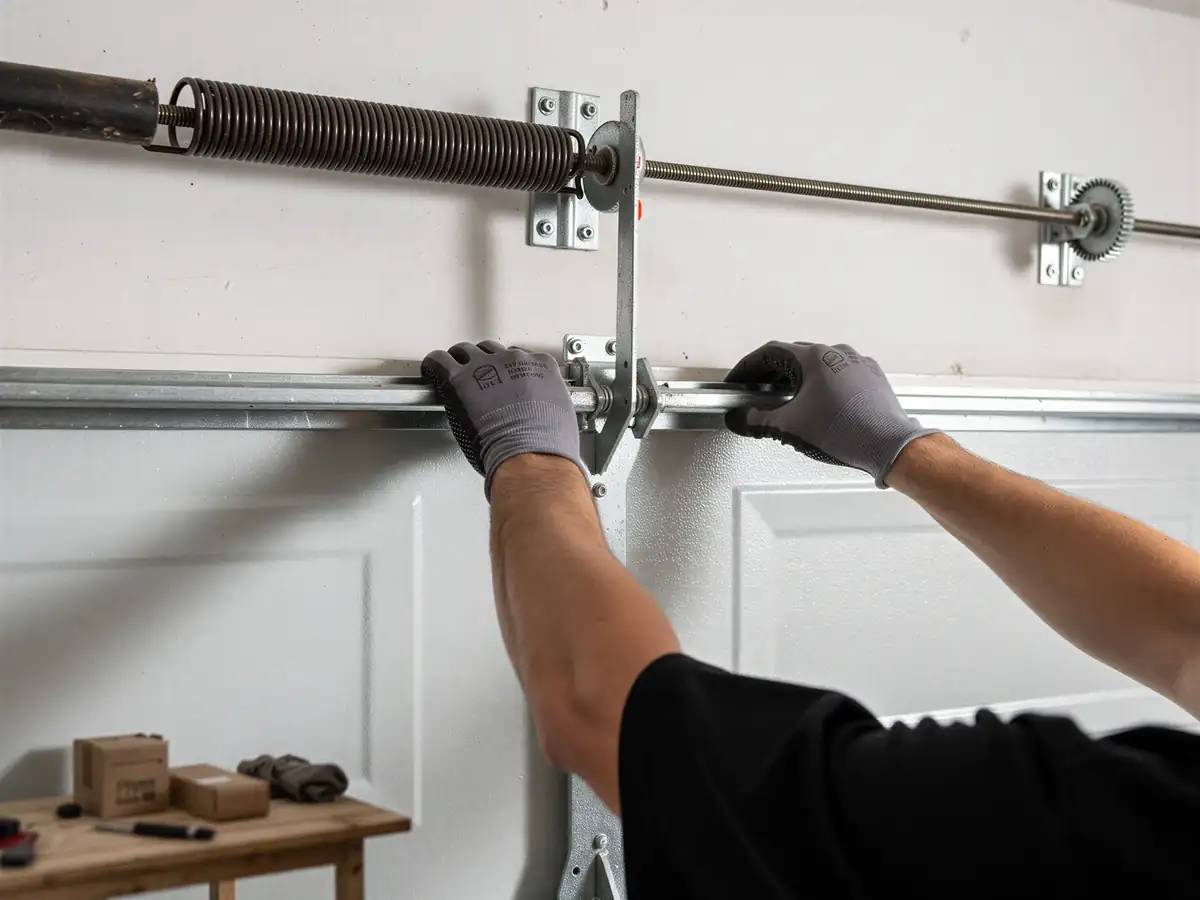
Replacing a broken torsion spring is not a job to do yourself, regardless of how handy you are. The wire is under enough tension to break bones or worse if the winding bar slips, and that risk doesn't go down because the weather is cold - if anything, stiff gloves and a cold garage make it easier to lose your grip at the wrong moment.
Here's the honest limitation: if your door is an older size that isn't common anymore, matching springs or cables can take longer to source than a standard stock size, and we won't promise a same-day fix on something we have to order in. It's worth knowing that going in, rather than hearing it after the fact.
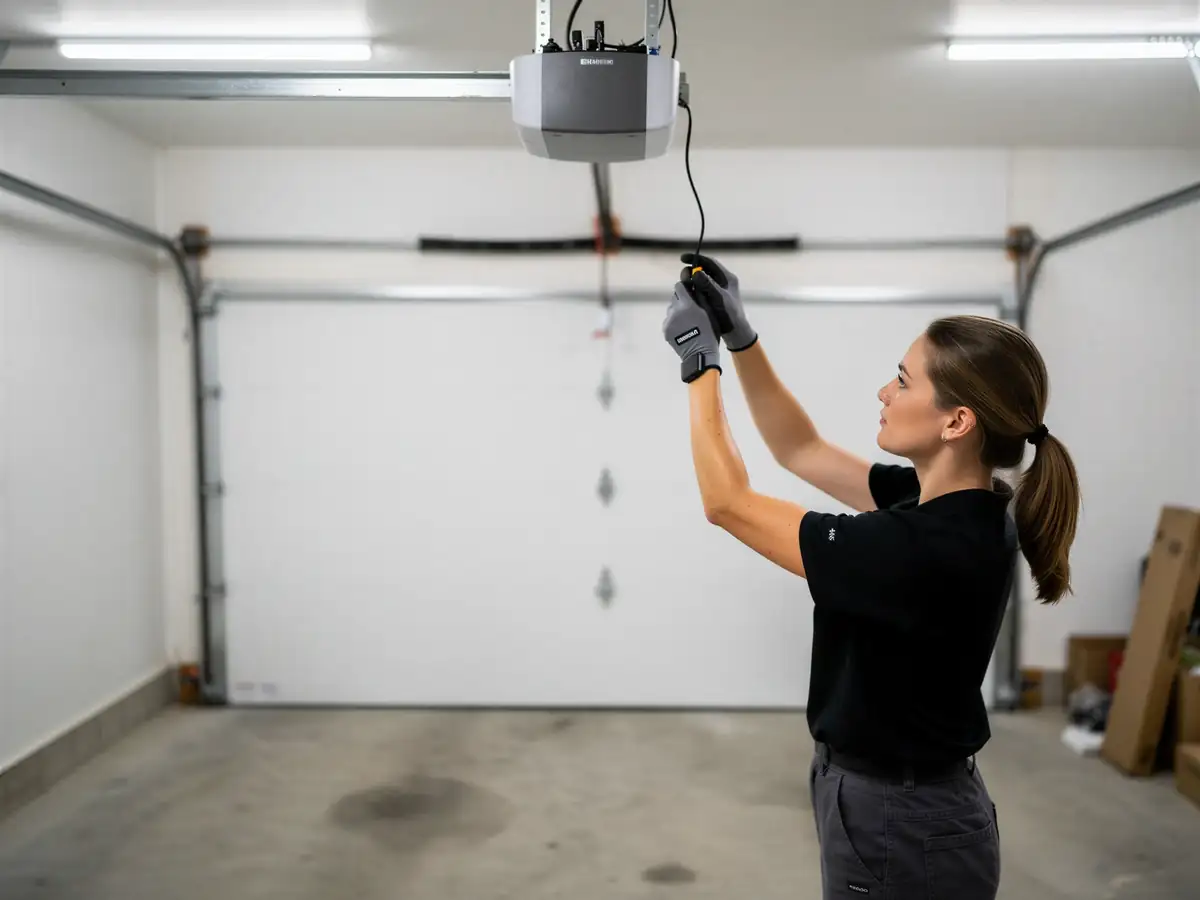
Call a pro once you've confirmed the door isn't balancing right, you can see a gap in the spring coil, or you've heard the bang. Don't try to operate the opener past that point - running a garage door opener against a broken spring puts strain on the opener's drive gear that it wasn't built to handle, and that turns a spring job into an opener replacement too.