Parts We Carry
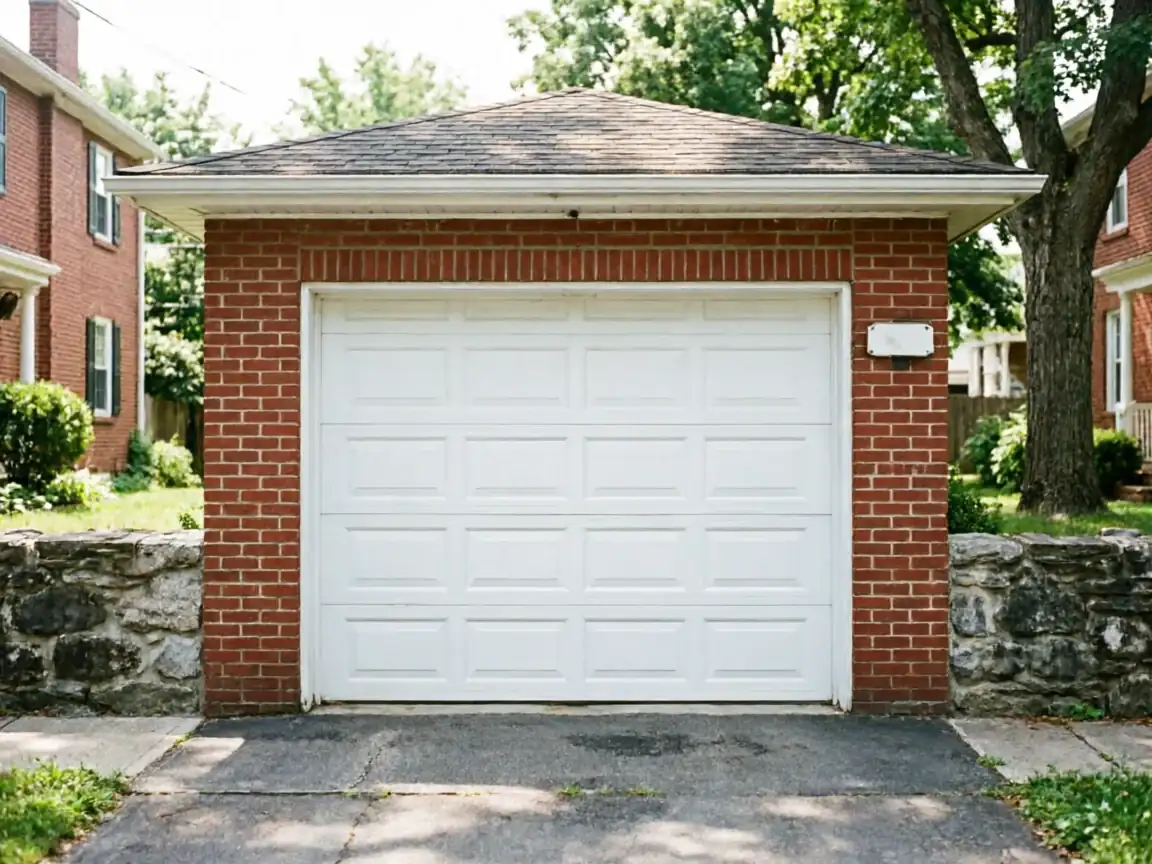
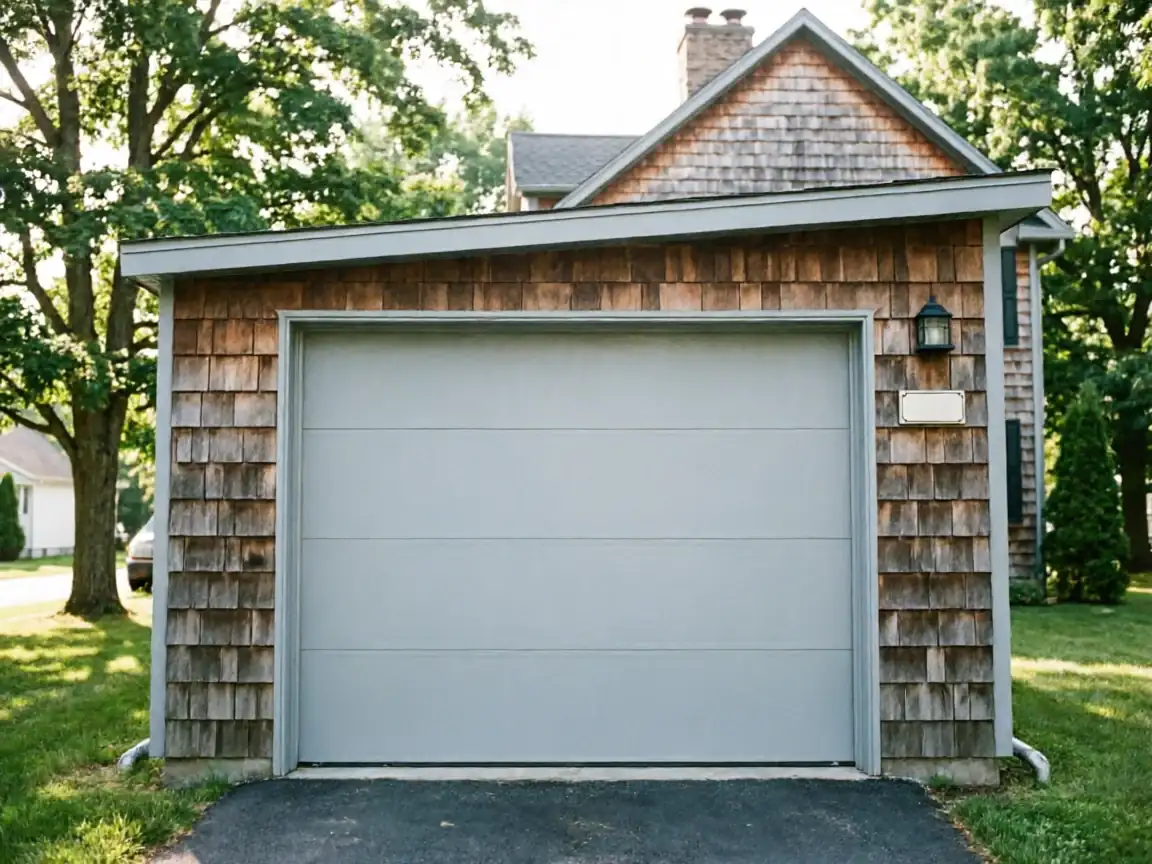
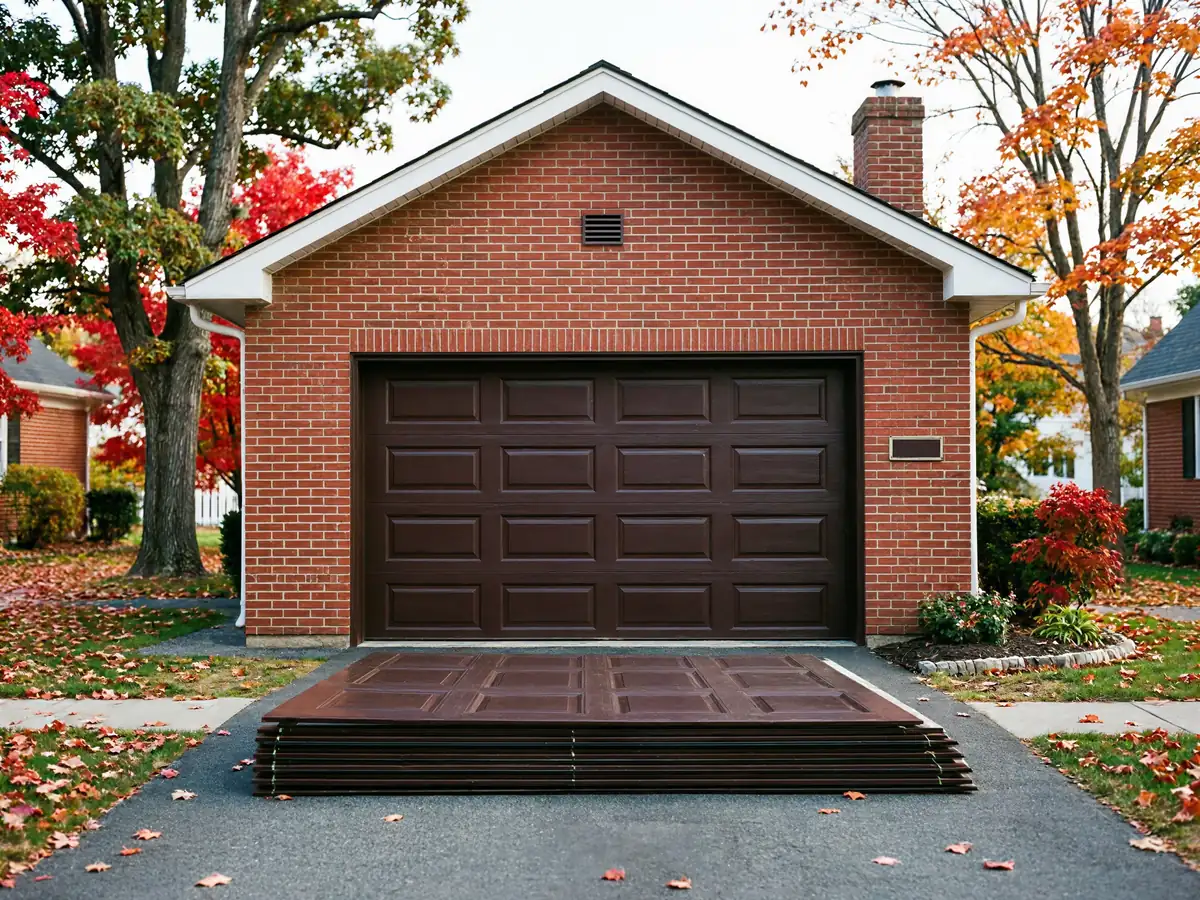
A lot of what we load on the truck for a Mars job is picked for the house, not the catalog. The median home in this pocket of the territory went up around 1962, back when builders framed for a single eight-foot wood door on a wall-mounted torsion spring, not the wider sectional steel doors sold now. That means we carry jamb kits and header reinforcement along with the doors themselves, because the opening often needs work before a new door will hang square.
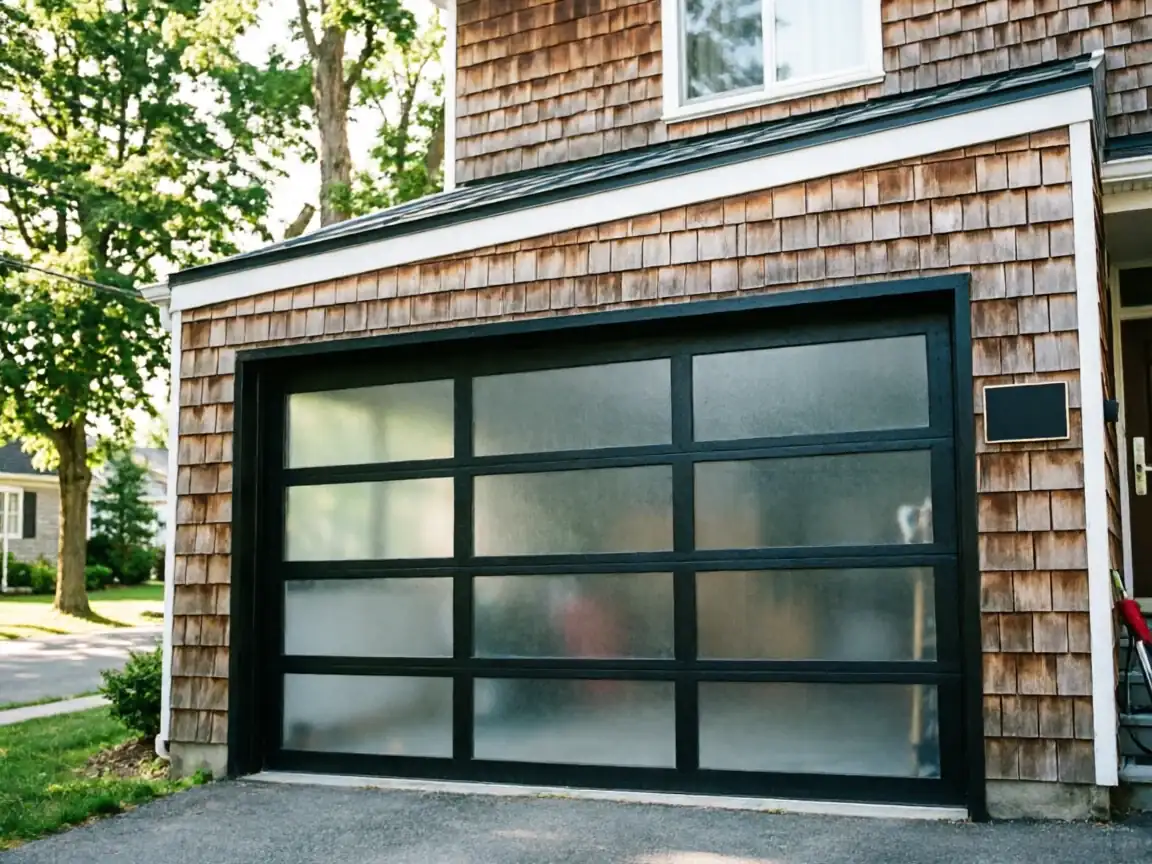
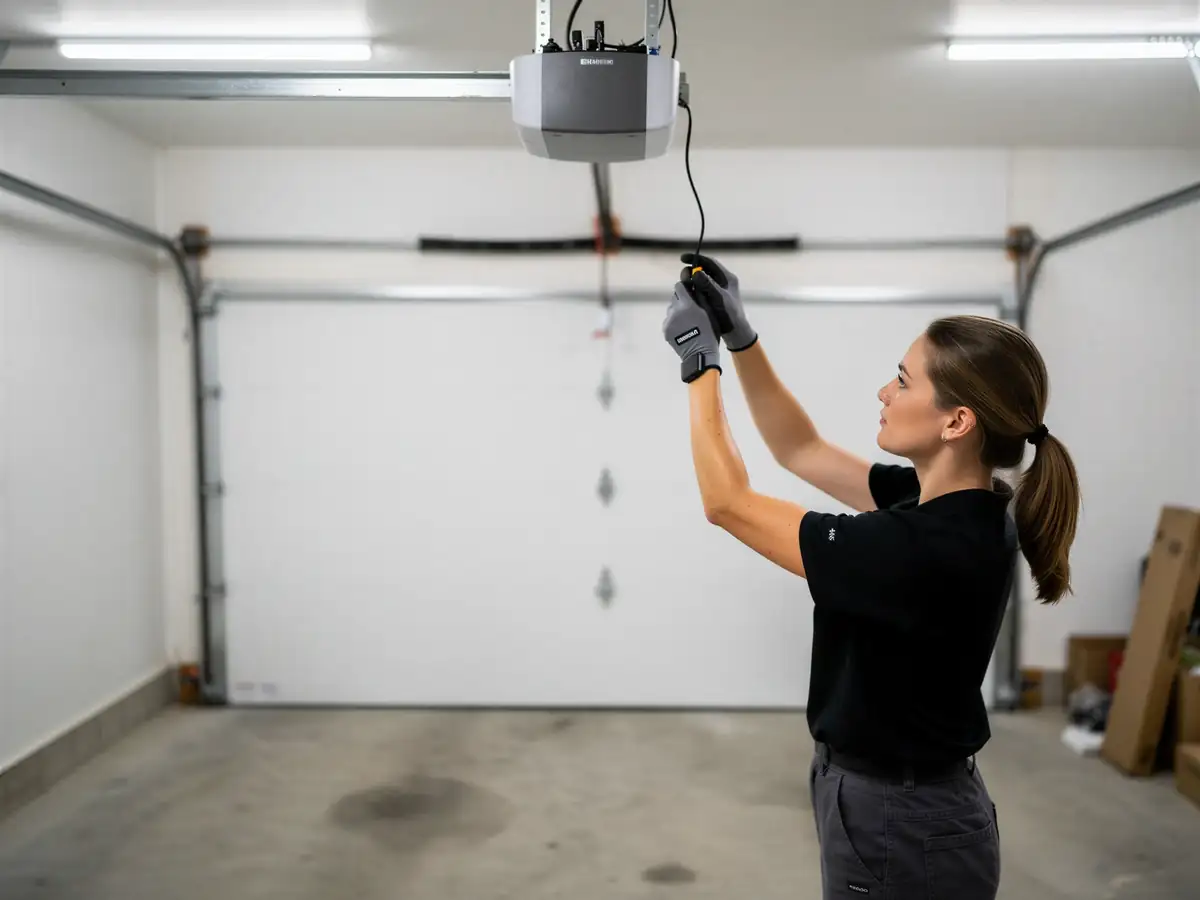
Across the wider service area the building stock runs from 1938 to 1999, with a lot of it concentrated in the 1960s and 70s, so this isn't a one-off - it's the normal condition for a house this age. We stock insulated steel panels rated for a cold, severe climate band, since single-layer doors from the build era leak heat badly once the foam core has broken down. Openers get swapped too; chain-drive units from that period rarely meet current force-sensing standards, so a new opener comes with every full install, not as an upsell.
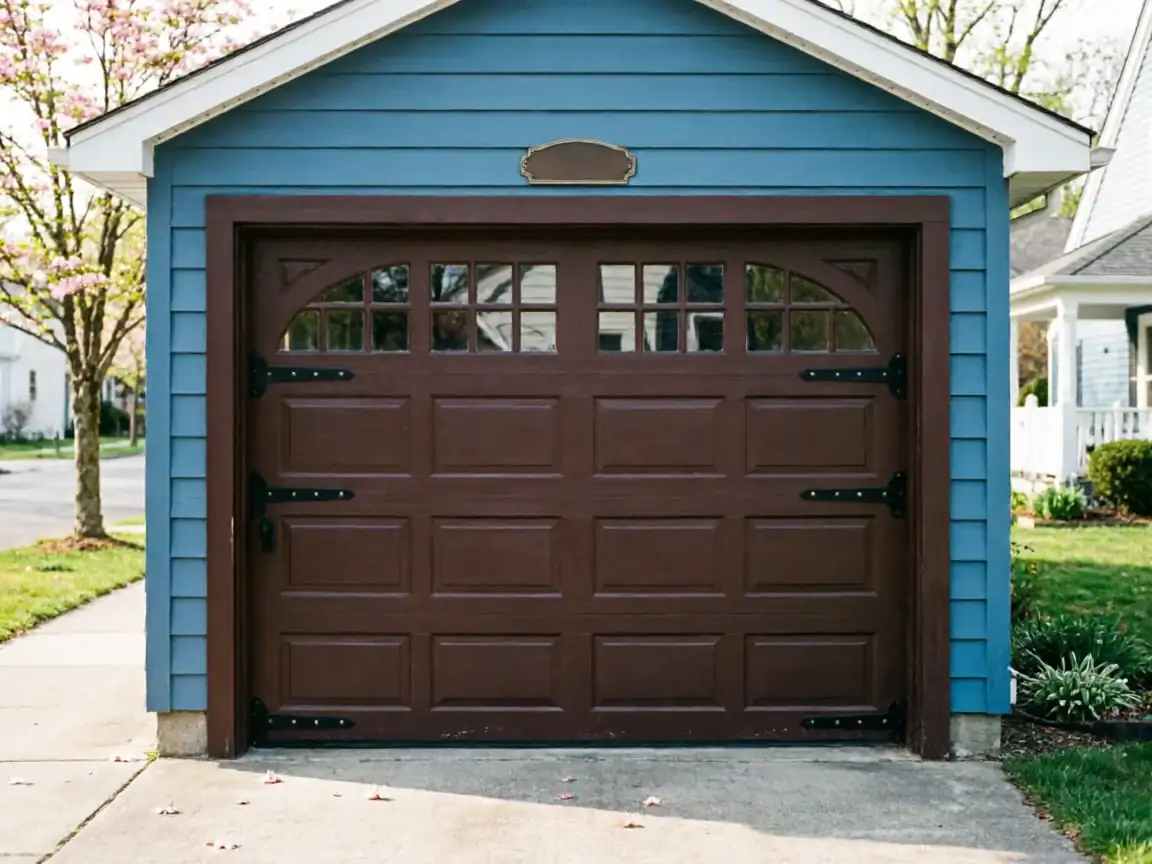
What we don't carry on the truck is custom wood - carriage-style doors get special-ordered and the lead time runs longer than a steel replacement, which matters if the old door has already failed shut.
How It Shows Up
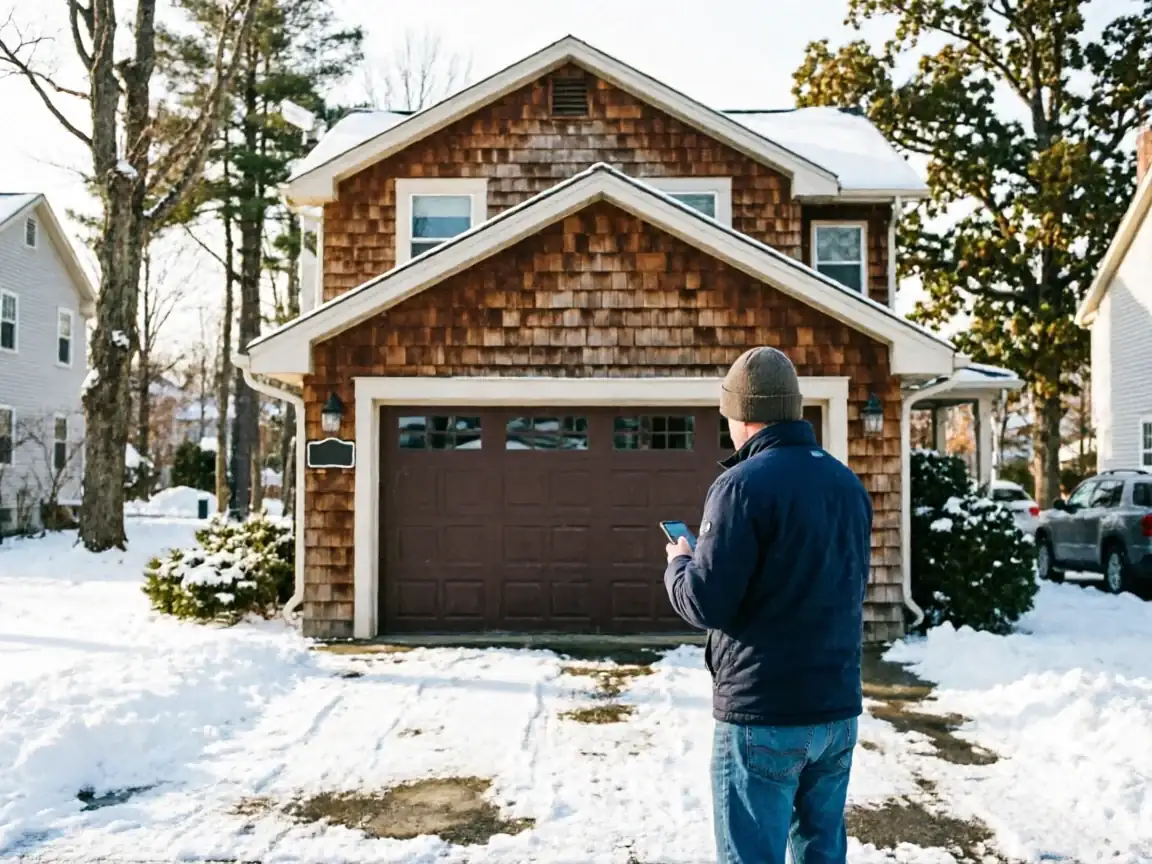
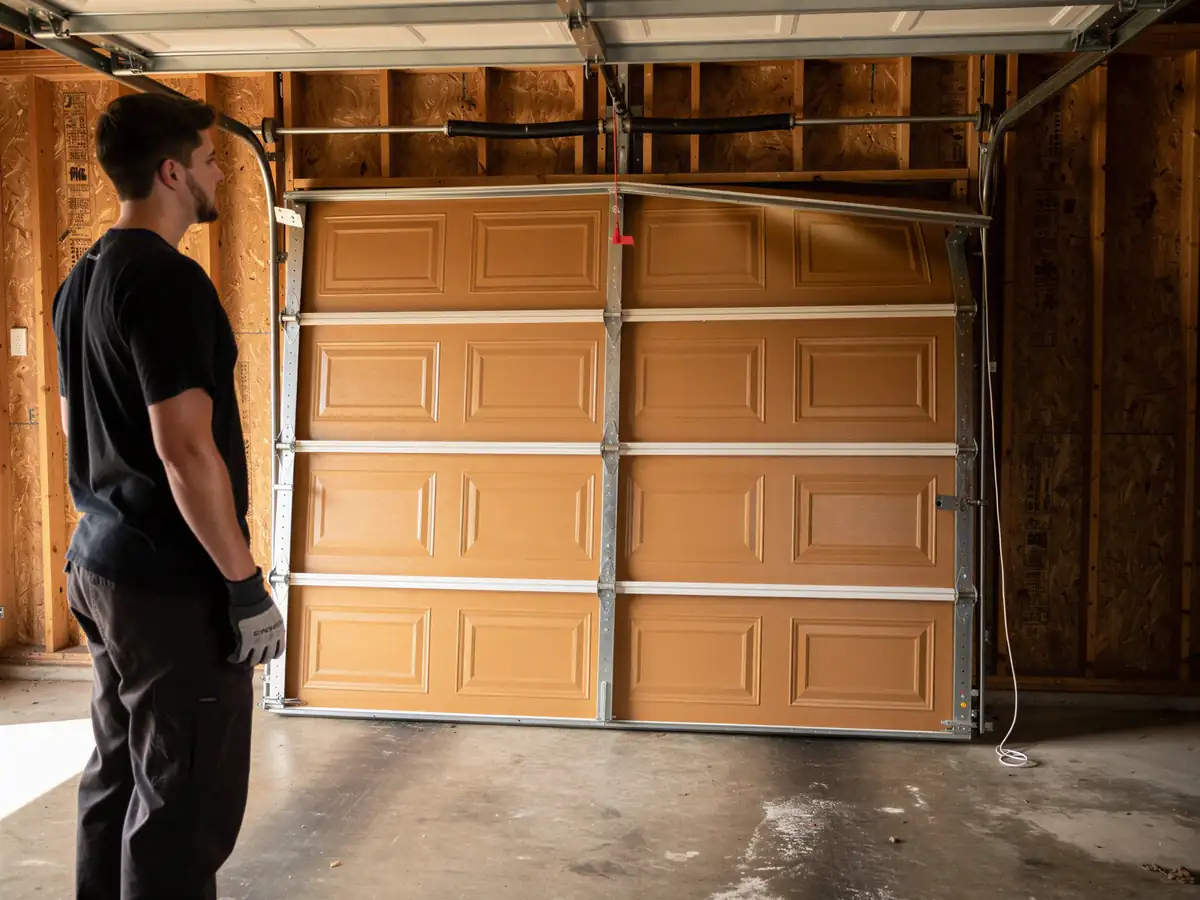
In a neighborhood built around 1962, the call usually starts with a door that's gotten heavy to lift by hand, or an opener straining and reversing partway up. That's the original torsion spring giving out after six decades of cycles nobody tracked. On these older single-car and narrow two-car openings, the track is often bolted straight to wood framing that's shifted slightly over the years, so a new door can bind on one side even when the spring and cables are fine.
With roughly 580 households in Mars itself, we're not seeing a flood of identical calls the way we might in a denser suburb - but the pattern repeats enough that it's predictable. Owners usually notice the door first, then the draft underneath it, then the fact that the bottom panel has started to rust or bow where water sat against 1960s-era steel that was never galvanized to today's standard.
Sometimes the opener is the symptom and the door is fine - worth checking before you replace anything, since a new door on a dying opener just buys you a second call.
What You Pay
Mars carries a median household income of $58,000
Noticeably below the $72,842 median across the broader service area, and that gap shows up in how people here make the call between repair and full replacement. A lot of the conversation is about matching the door to the budget rather than the other end of the options sheet - a basic insulated steel door sized for the original 1962 opening costs less than retrofitting a wider modern opening to match a premium door.
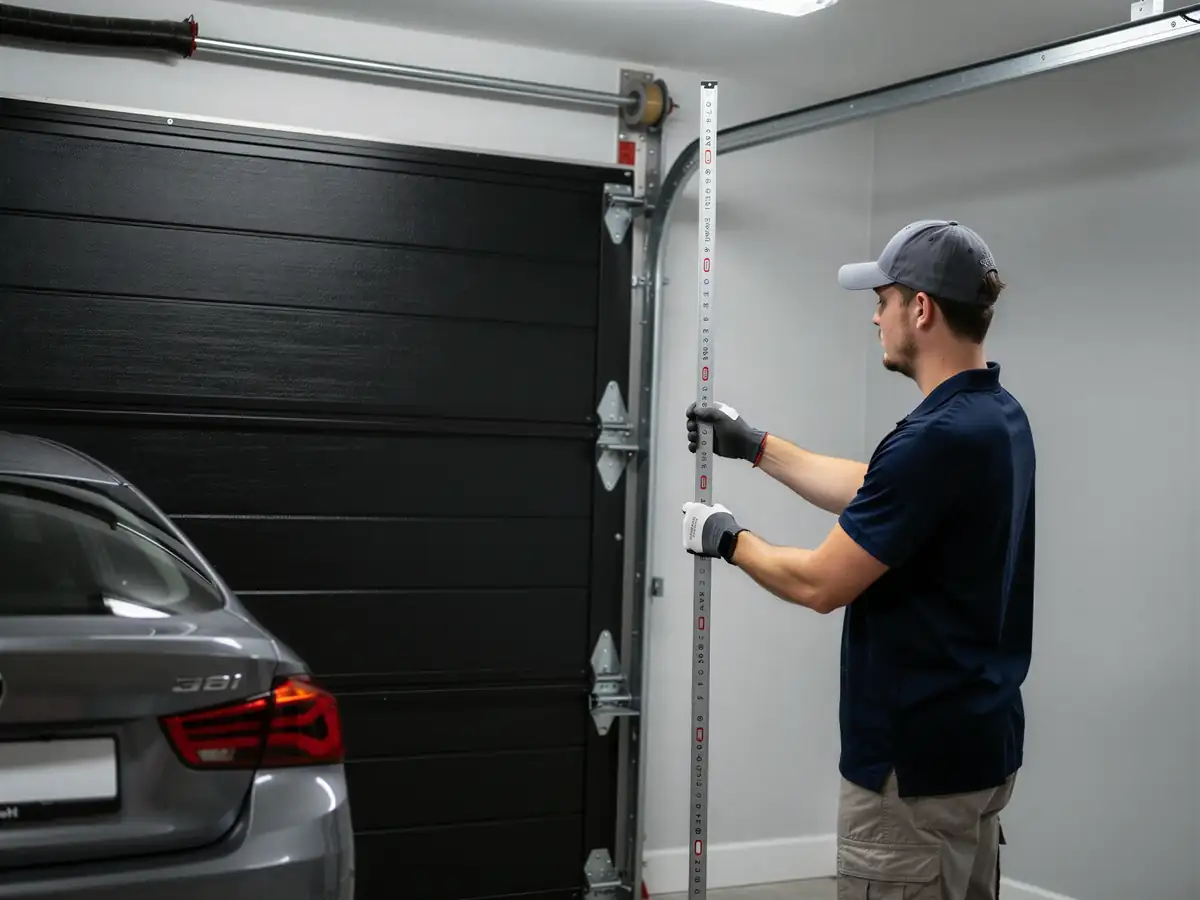
We don't have a fixed price to quote without seeing the opening, the number of panels, and whether the jamb needs rework
And we won't invent one here. What we can say is that the age of the house changes the quote more than the brand of door does - reframing a narrow 1960s opening adds labor that a straightforward panel swap on a newer house wouldn't need.
If the spring and track are sound and only the panels are failing
A partial fix is sometimes the honest answer instead of a full new install - we'll say so if that's what the door needs.
What the Fix Involves
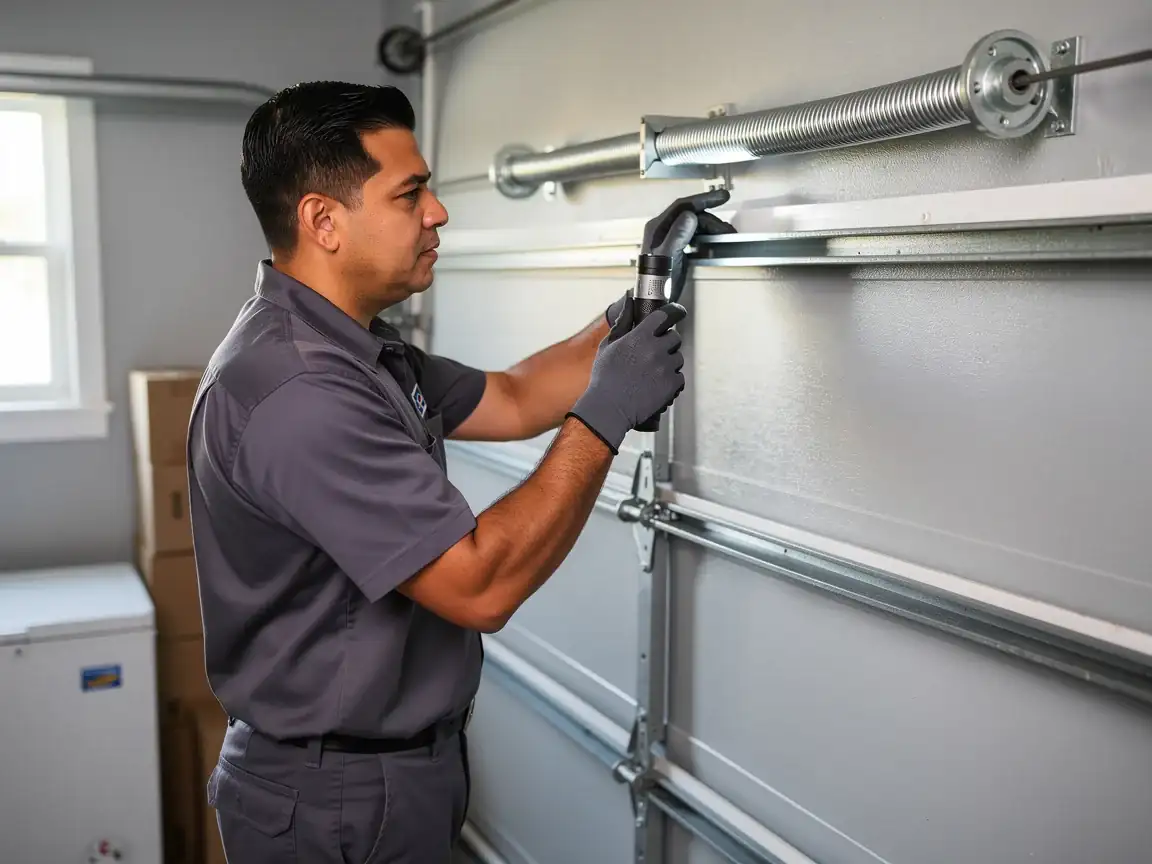
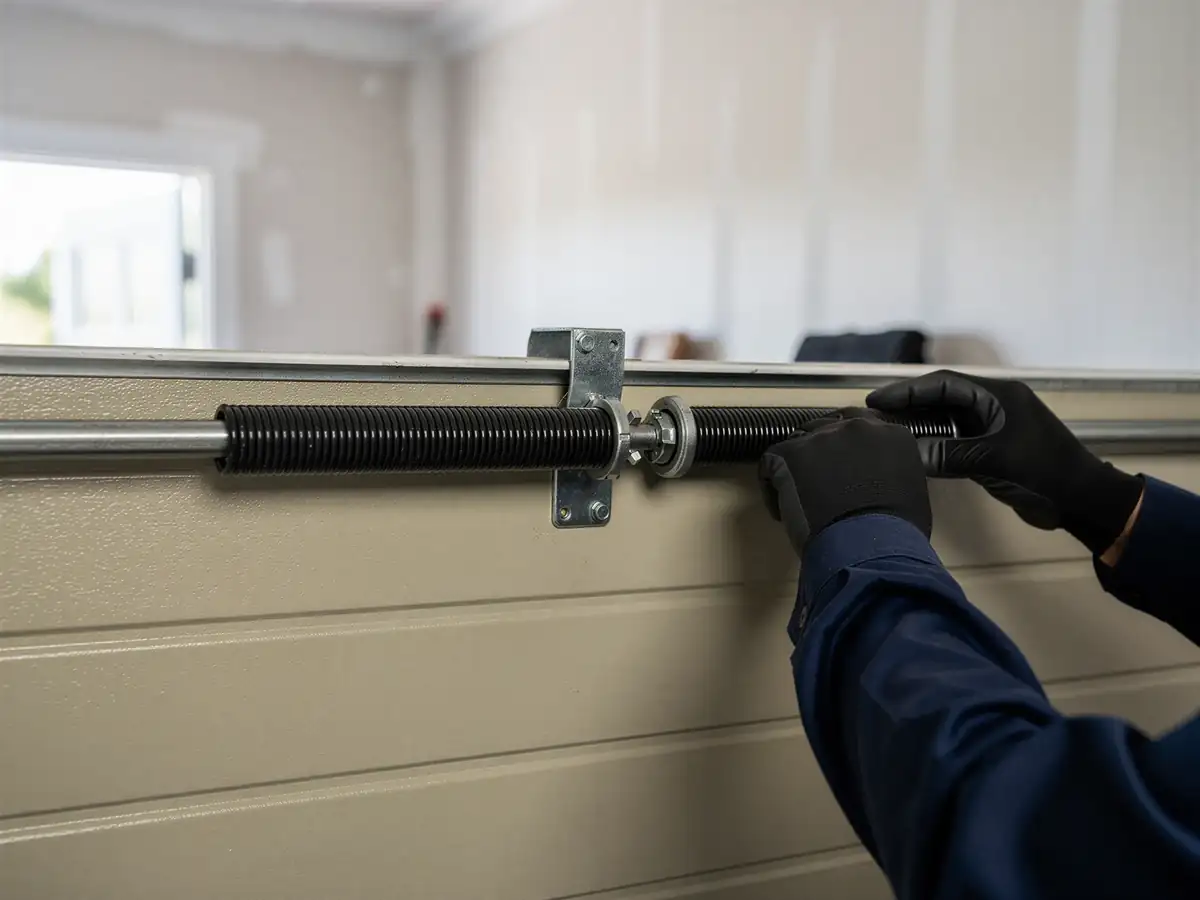
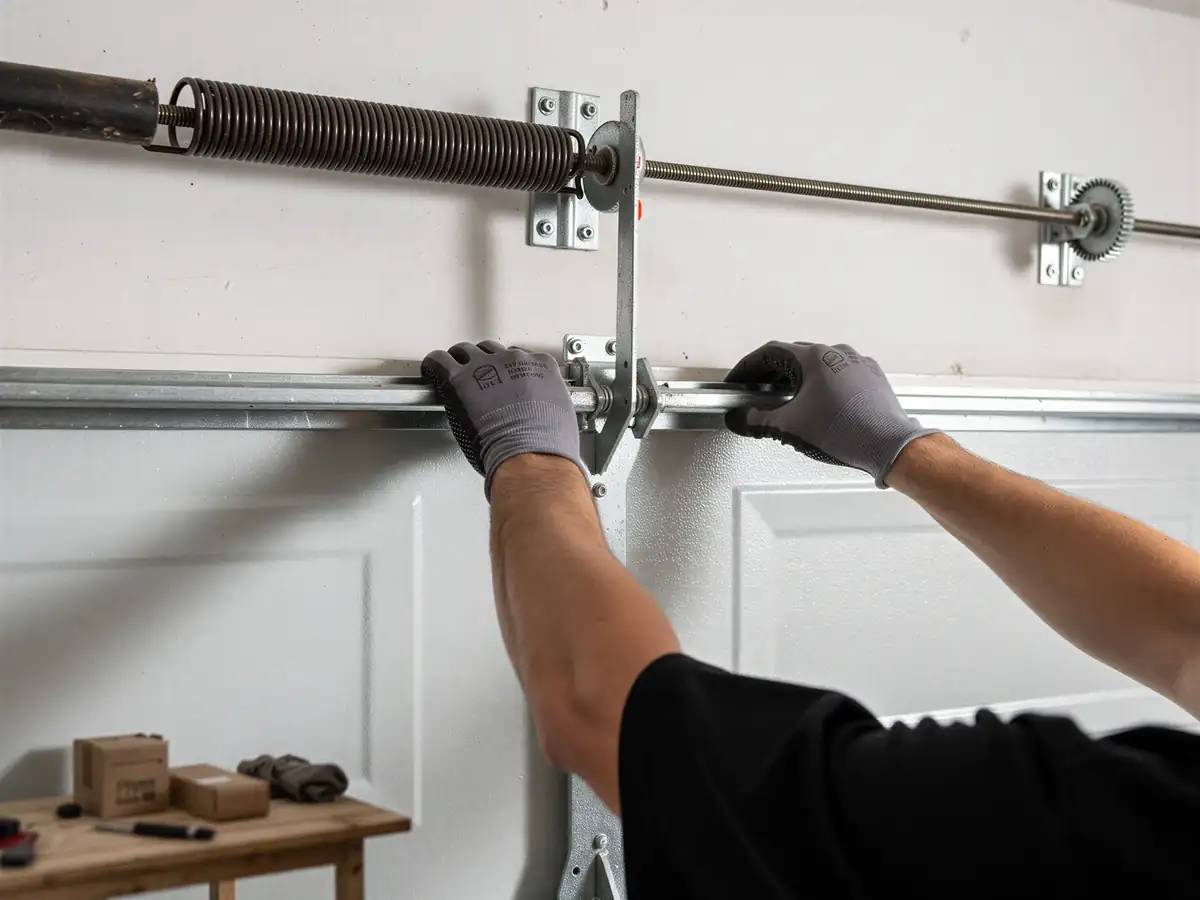
On a house from the early 1960s, the job almost never starts with just pulling the old door off the track. We check whether the header has settled, whether the jamb is still plumb, and whether the existing torsion hardware - likely original to 1962 - is safe to reuse or needs to come out with the door. Reusing a 60-year-old spring on a new door is not something we do; the steel fatigues in ways you can't see from outside.
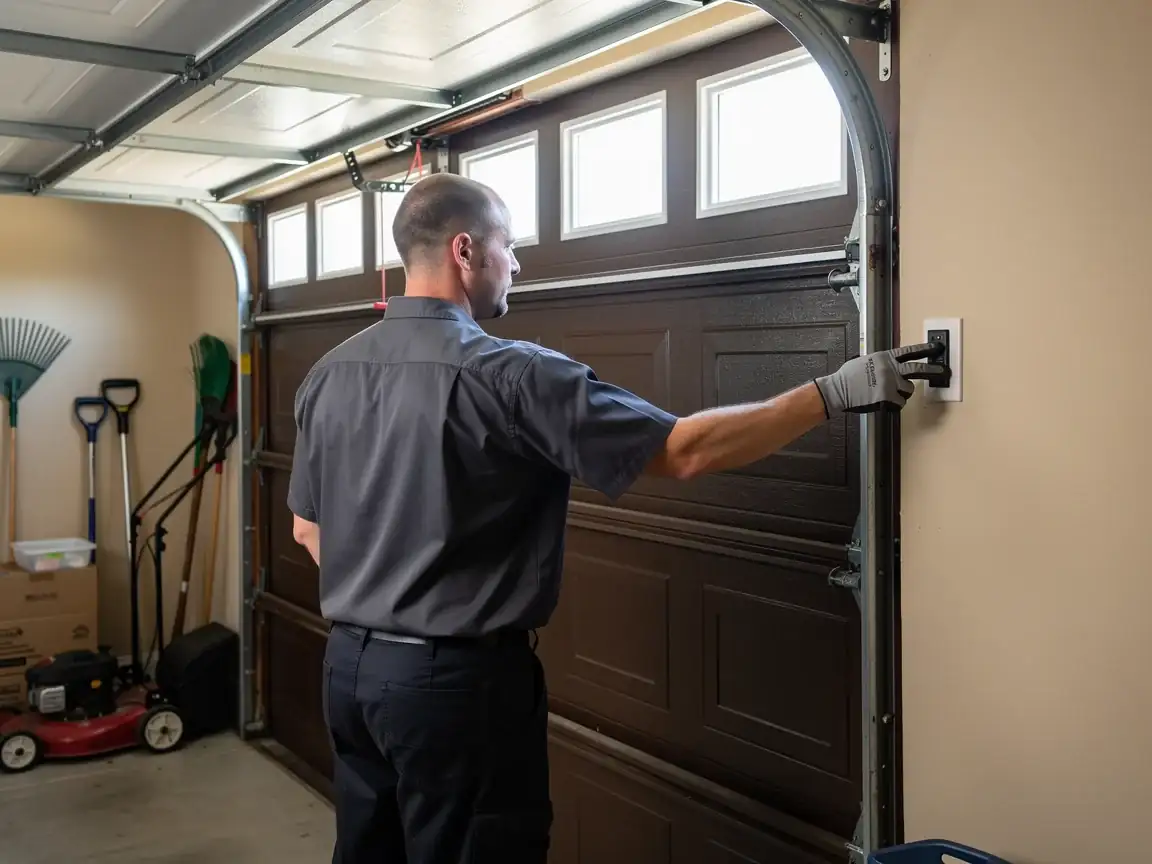
Once the opening is squared, the new sectional door goes in on fresh track and a correctly sized spring for the door's actual weight, since a lot of these older openings were measured by eye the first time around. The opener gets mounted and force-tested, not just bolted up and left - that matters more in a cold-climate build where ice on the bottom seal can throw off the sensor.
Most installs here run a single day once the opening doesn't need structural rework; if the jamb needs rebuilding, that adds a step we'll walk through before we start, not after.