Parts We Carry
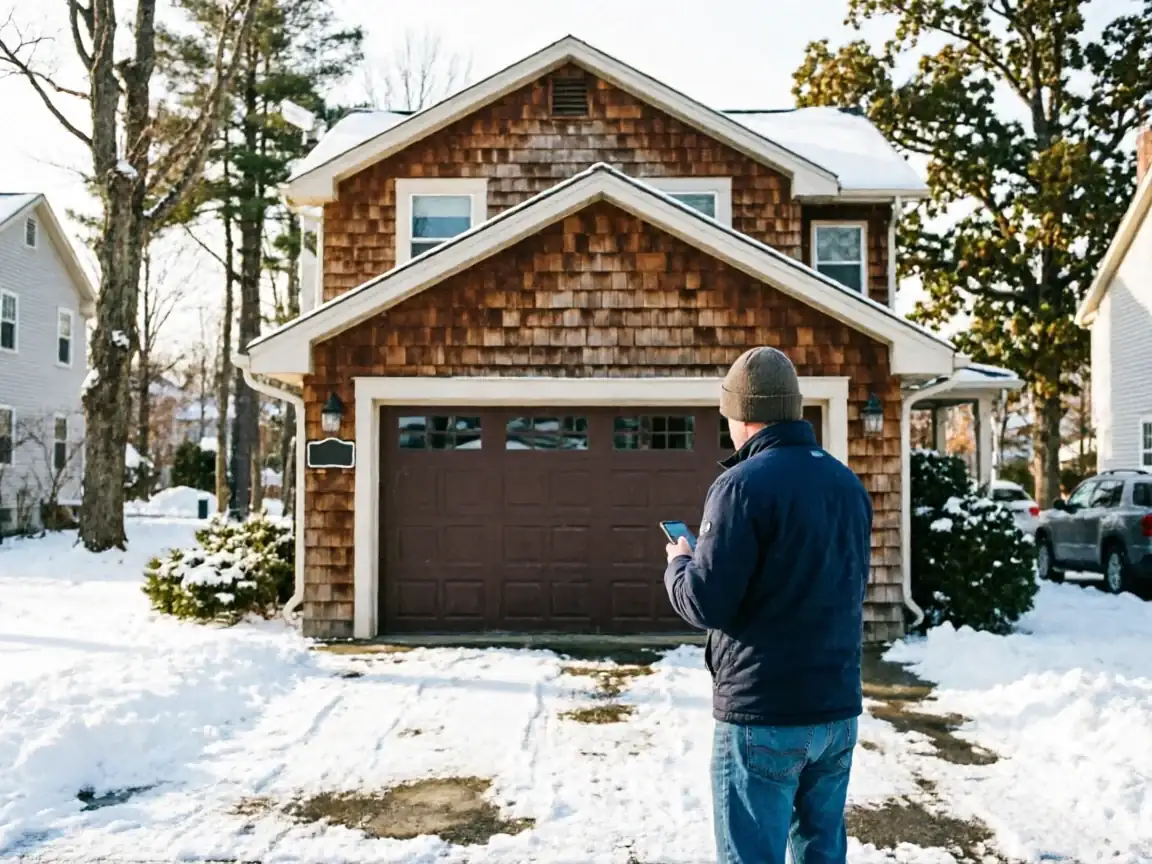
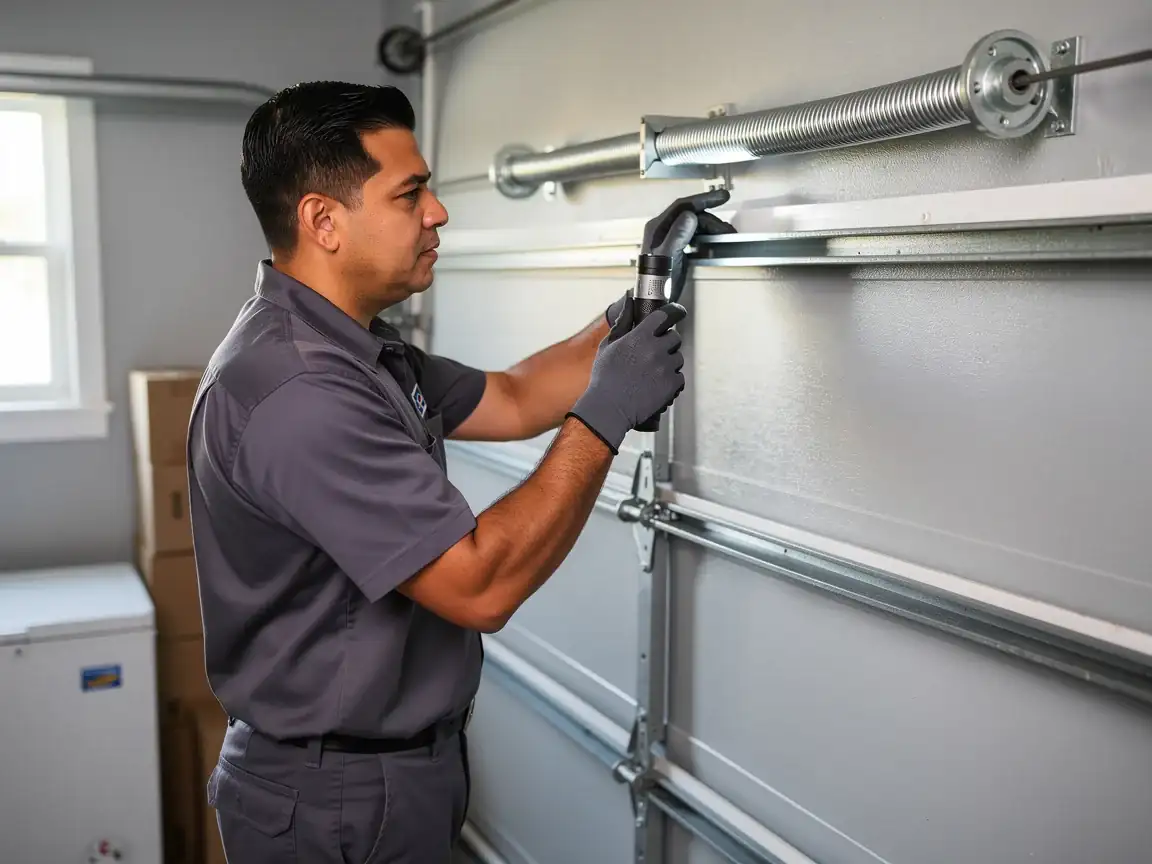
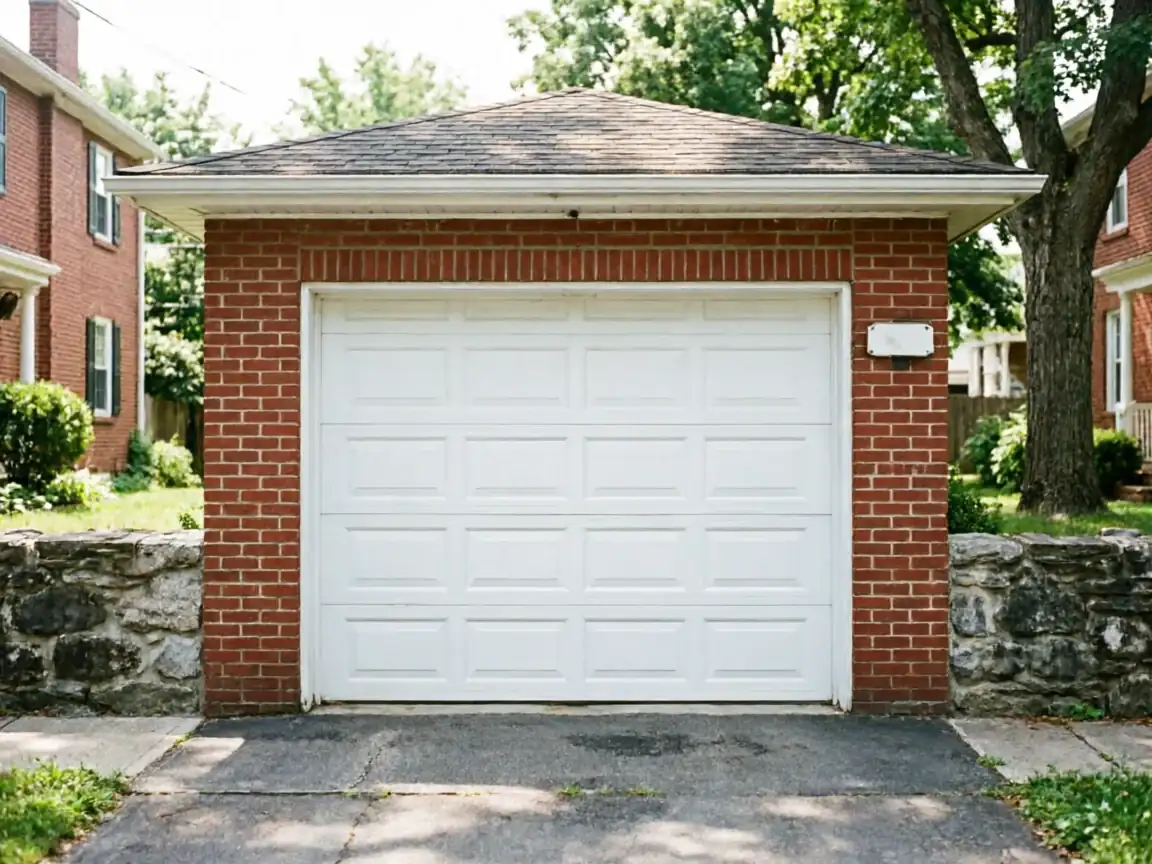
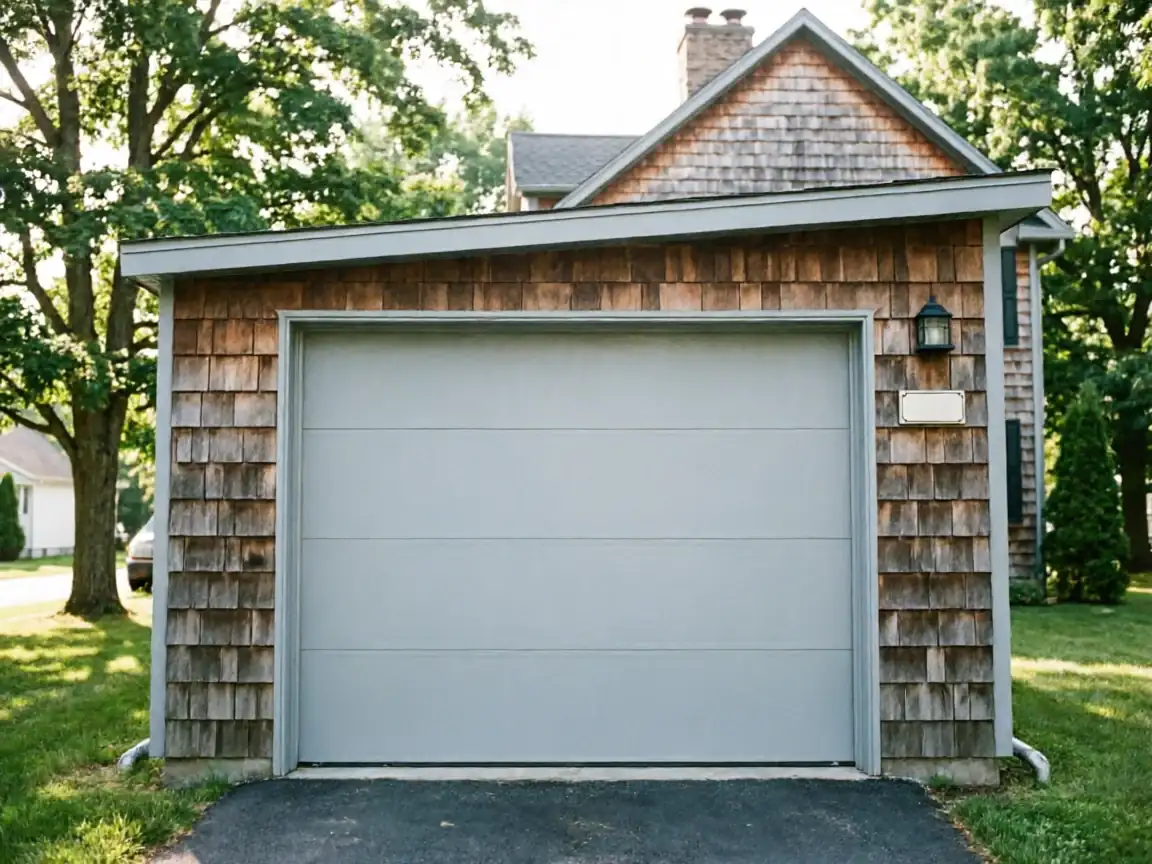
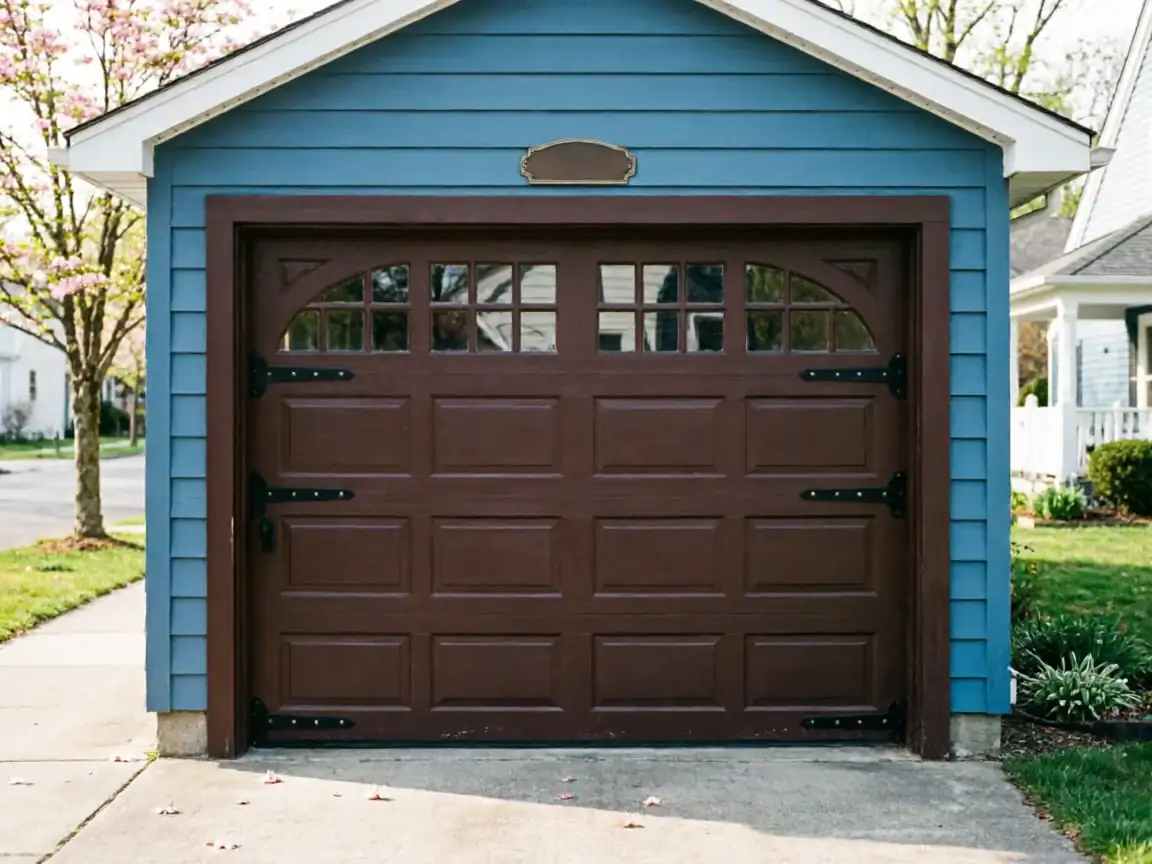
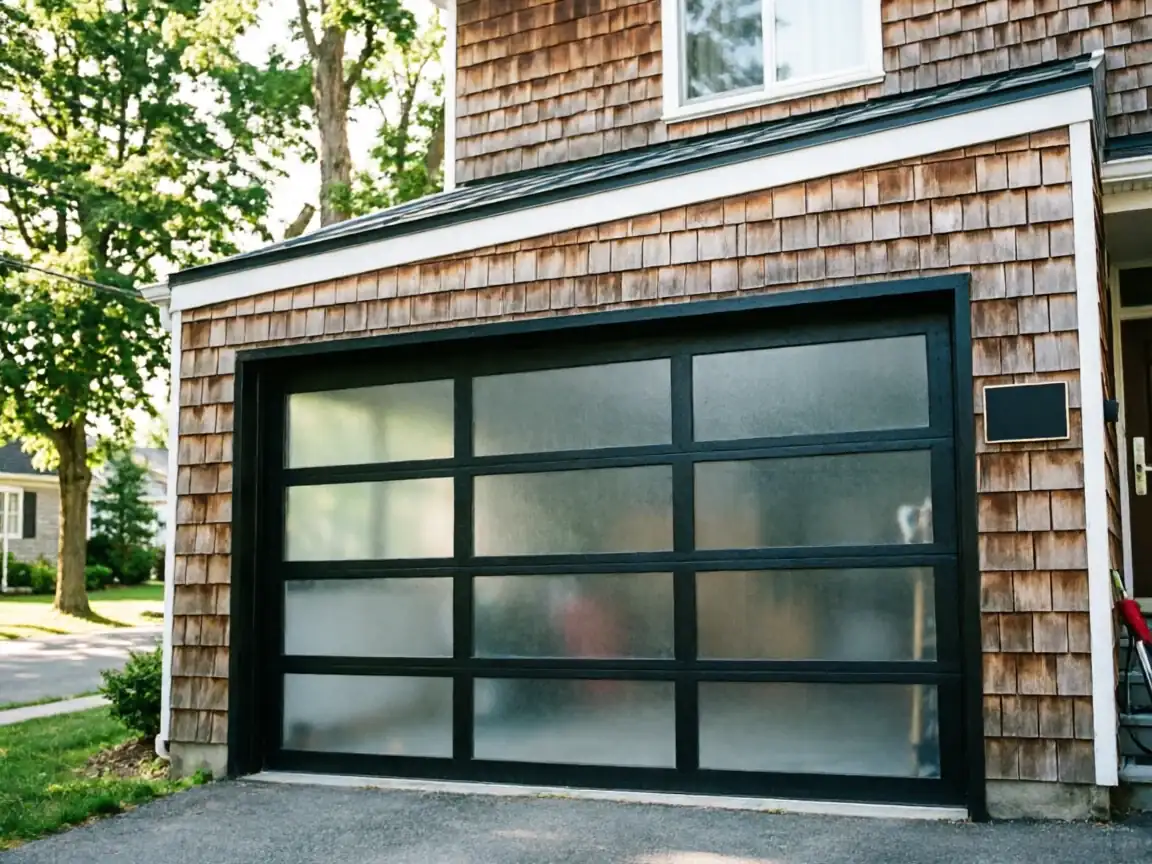
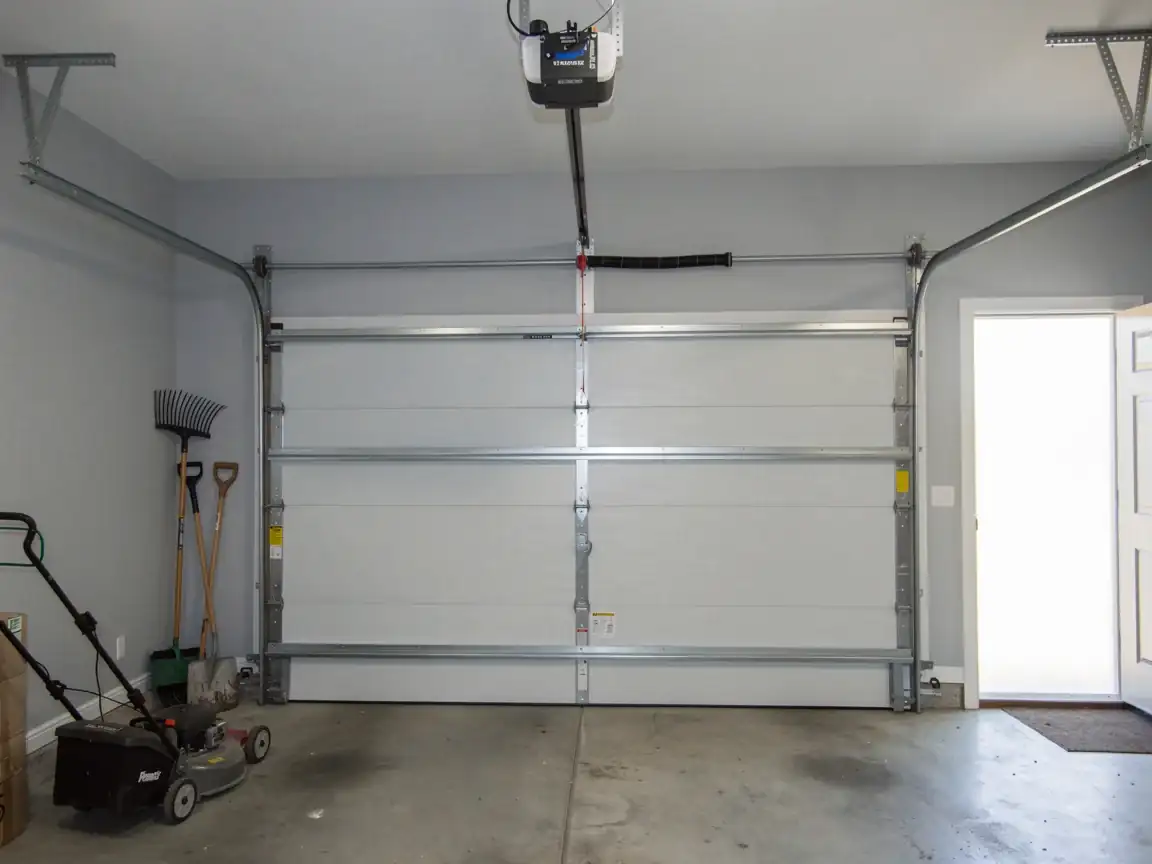
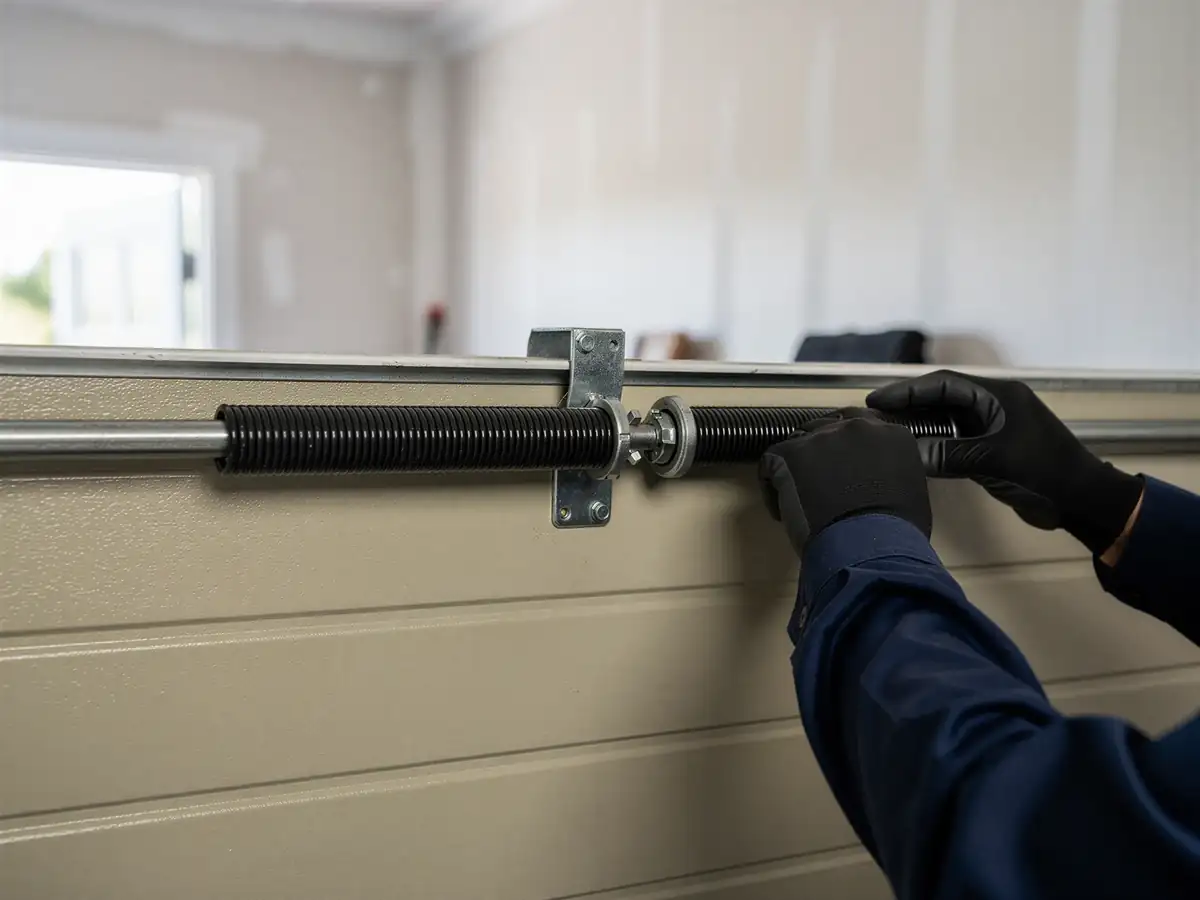
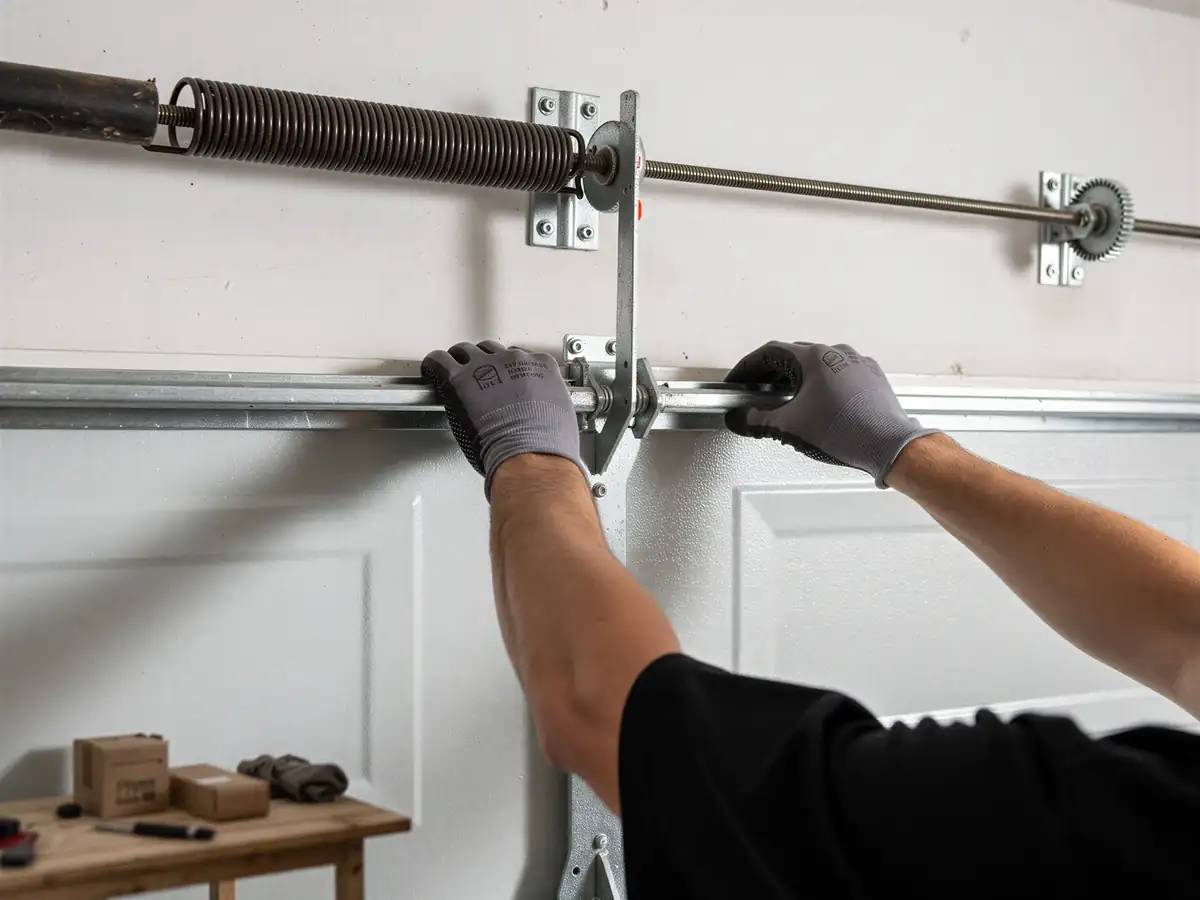
Mars sits about 13 miles out from Butler, and the housing here skews older than the service area as a whole - median build year around 1962, versus 1973 across the broader territory we cover. That decade matters on a garage door call. Homes from this era were built before galvanized torsion springs became standard on most tracks, and a lot of the original hardware is still mounted the way it left the factory: single torsion spring on a center bracket, steel tracks without the reinforced lip you see on anything built after the mid-70s. We carry torsion and extension springs sized for both generations, because showing up with only the newer stock means a wasted trip on half the doors in town. Rollers, cables, and center brackets for the older bracket spacing are the parts that actually get used here - not the universal kits that fit a 1995 build but bind on a 1962 frame. We also keep standard weatherstrip and bottom seal stock on the truck, since cold-severe winters chew through seals faster than people expect. What we don't carry is custom-width panel stock for odd original openings - if a door's size falls outside standard runs, that part gets special-ordered and the job waits on it.
How It Shows Up
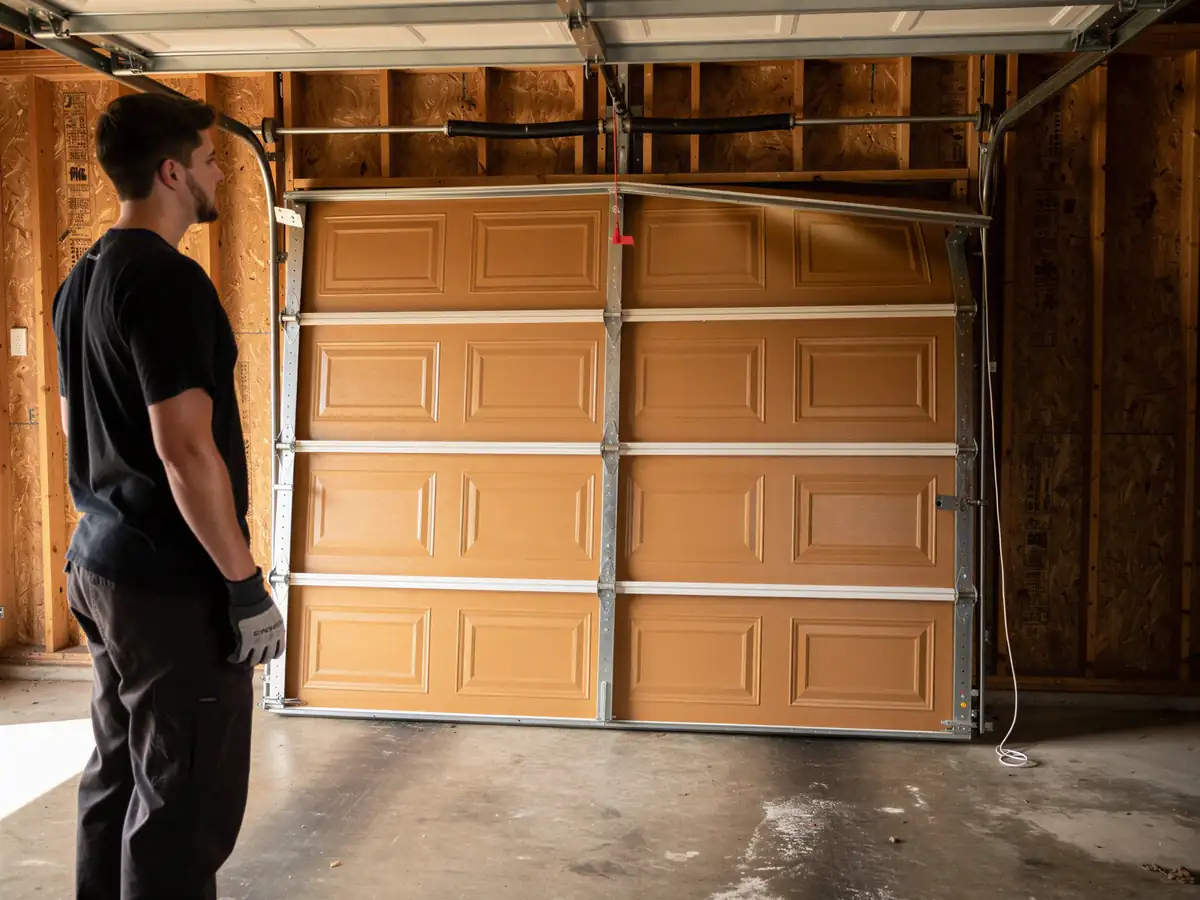
The most common call out of Mars is a spring that let go overnight, usually in the stretch of winter when temperatures swing hard. Cold-severe conditions mean steel contracts and expands more here than in a milder climate, and a torsion spring that's been cycling through that for sixty years has more fatigue in it than the same part would in a newer build. You'll hear it as a bang from the garage, or just find the door won't lift past a few inches the next morning. The second pattern is slower: rollers in the original tracks wearing oblong instead of round, which shows up as a door that shudders or catches partway through its travel rather than failing outright. Because a lot of Mars houses never had their tracks upgraded, that wear is more common here than in neighborhoods built after 1980. A third issue, less dramatic but just as real, is opener force settings drifting on older systems paired with heavier original wood-core doors - the opener strains, the gears wear, and eventually it just stops responding to the remote. None of these show up the same way on a newer door, which is why diagnosing by sound and symptom still starts with knowing roughly how old the door is.
What the Fix Involves
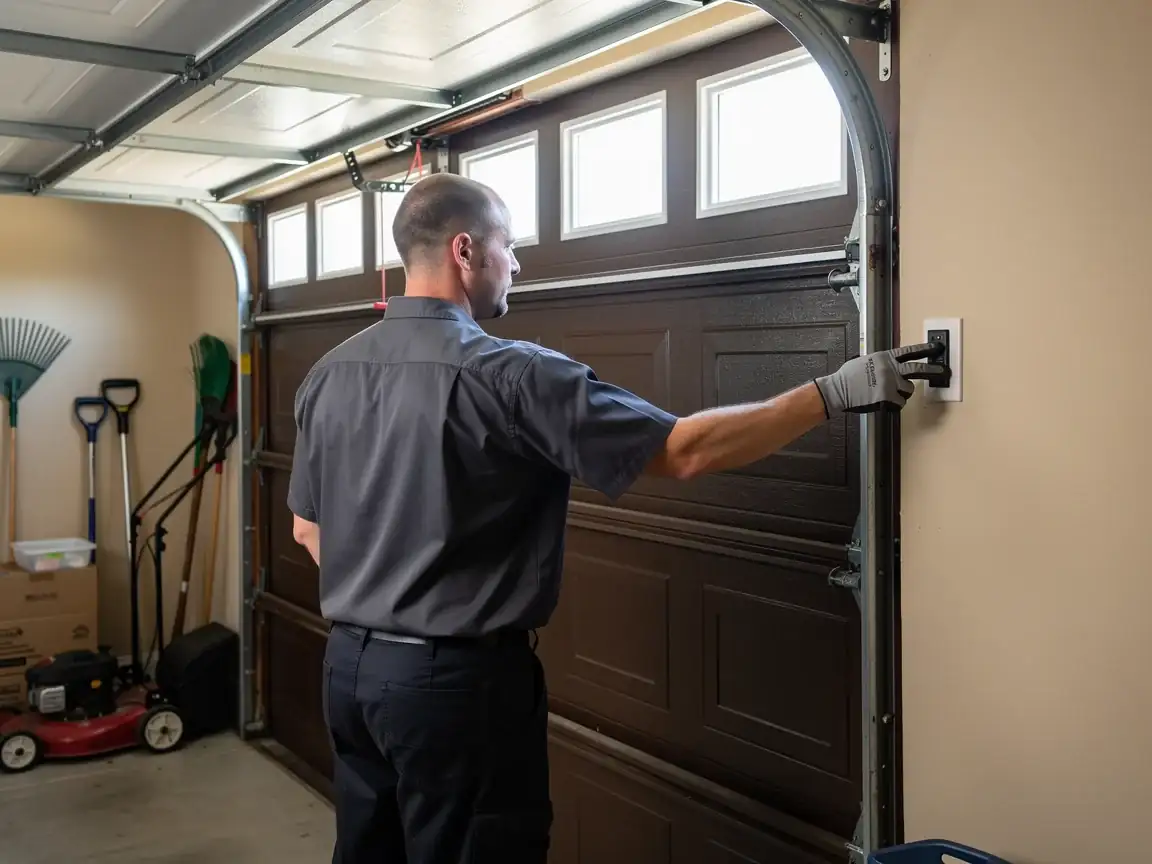
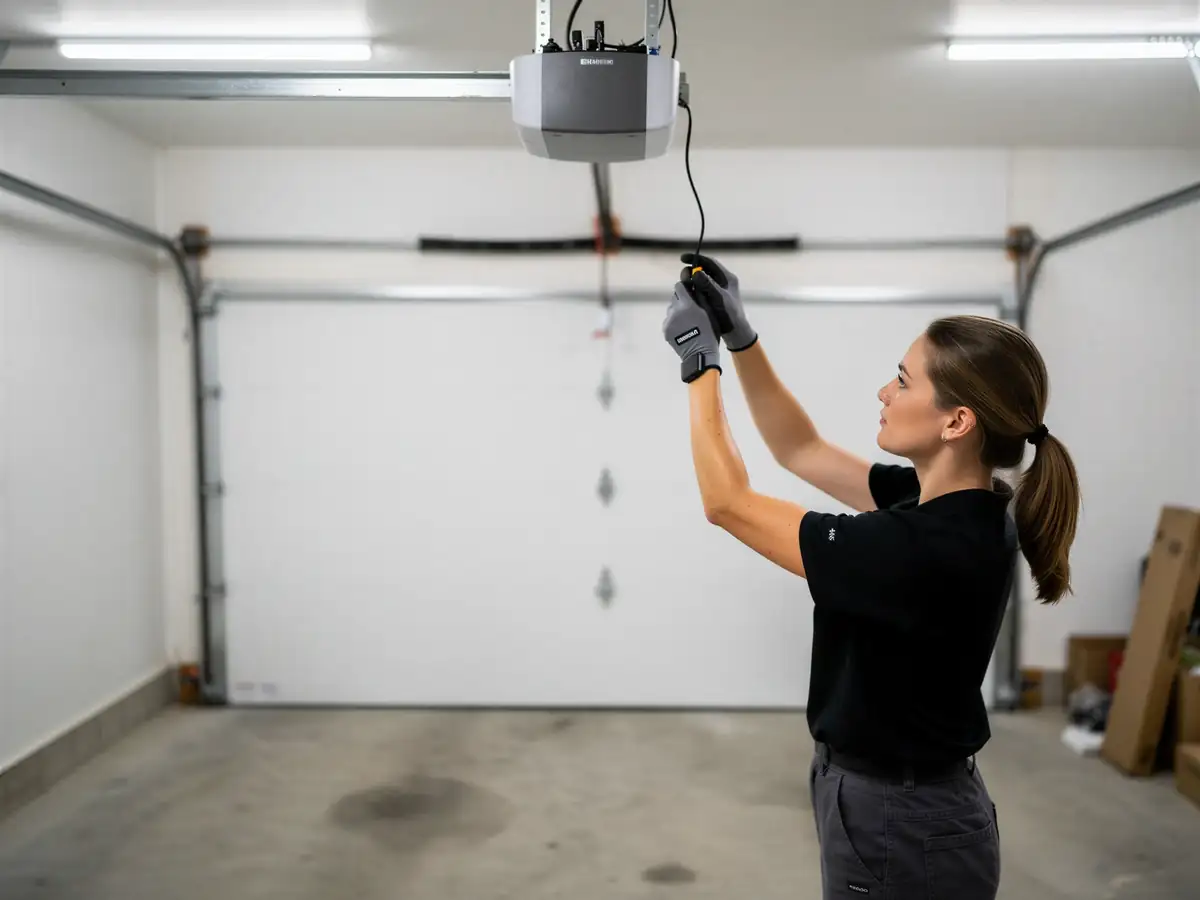
A typical spring repair starts with matching the wire gauge and wind to what's already on the door - critical on a 1962 build because the original spring spec doesn't always match what a generic replacement kit assumes. From Butler, that's a 13-mile trip before a tech even opens the garage, so the diagnosis and the parts call tend to happen on-site rather than over the phone. If it's a roller or cable issue, the tech checks the track alignment first, since older single-piece tracks in this part of the service area are more prone to drifting out of plumb over decades than the double-track systems in newer construction. Opener work on these houses often means re-balancing the door by hand before touching the opener itself - a heavier original door throws off the force settings and burns out gears if that's skipped. We finish with a manual lift test, not just a remote test, because a door that only moves right under power assist isn't actually fixed. If a part isn't something we carry on the truck for an older build, we'll tell you that up front rather than string the job out over two visits without saying why.