What You Pay
We don't post a flat number here because cable jobs in Zelienople vary more than people expect. A single frayed cable on a door that's otherwise sound is a short visit. A snapped cable that's let the door drop crooked and bent a track on the way down is a different job entirely, and sometimes the spring went with it. Median household income here runs $64,583, a bit below the wider service area's $72,842, and we size the work to match - we're not going to sell a full track replacement when a cable swap and a roller check solves it. What drives the price is almost always what's behind the cable: drum condition, whether the other side needs to come off too so the door doesn't run lopsided, and how much the old hardware fights us. We travel from our Butler shop, 14 miles each way, which is built into how we schedule the day rather than tacked onto your bill as a surprise trip charge. Ask for the number when you call and we'll walk you through what we're seeing, not just a part price.
Where This Job Goes Sideways
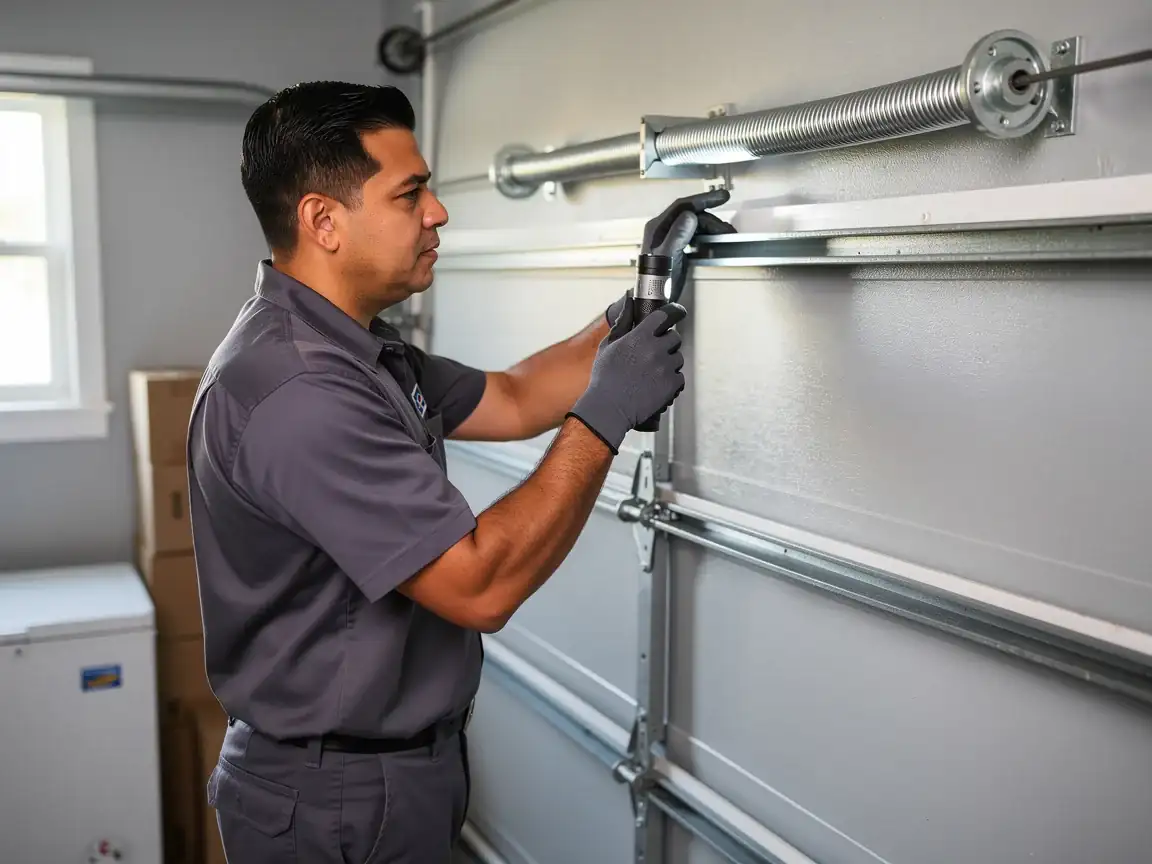
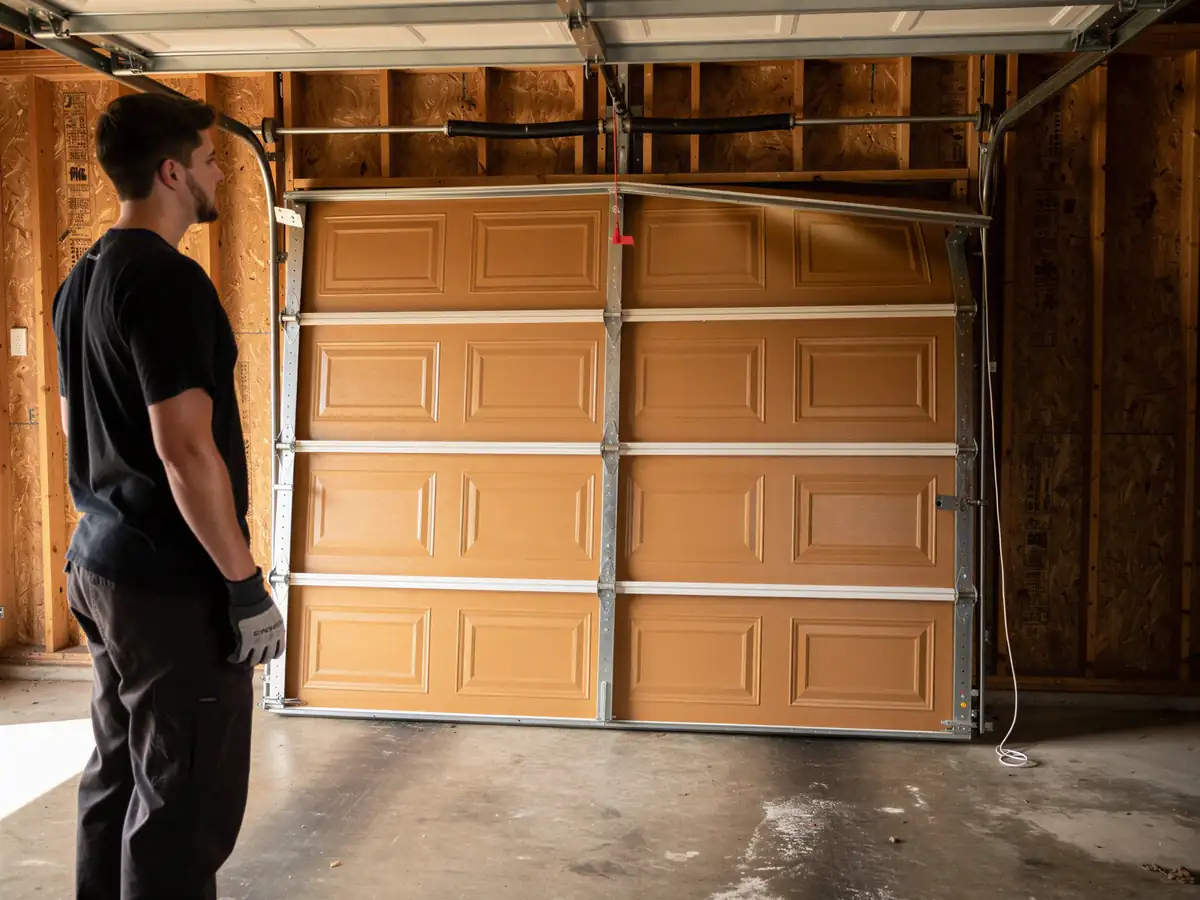
The failure that turns a simple cable swap into a bigger job is the drum. On doors built around the early-to-mid 1970s - and with 1,923 households in Zelienople sitting on housing stock with a median build year of 1973, that's most of this town - the cable drums are original or close to it. When a cable finally lets go, it's often because the drum groove wore thin first and started chewing the cable rather than guiding it. Replace the cable alone on a worn drum and you'll be back out in a year. The other place it goes wrong is the second cable. If one side snapped from age, the other side is the same age and under the same load, and we'll flag it rather than leave you with a mismatched pair that fails again within months. We've also seen doors where someone tried to re-thread a frayed cable by hand to get by - understandable, but it usually leaves the cable off-track inside the drum, which is worse than the original fray.
Why It Happens Here
Zelienople sits in a severe-cold climate band, and that matters more for cables than people think. Cold doesn't just stiffen springs - it makes steel cable more brittle at the exact spots where it flexes over the drum and around the bottom bracket, which is where fraying usually starts. Combine that with a housing stock centered on 1973 and you get a lot of original or first-replacement cable that's done 50 winters of contraction and expansion on the same fibers. We see the same pattern across the 1960s-70s stock that covers most of the 43 named areas we work, but it shows up here specifically because that's what's actually on the houses in this town, not because cable fails the same everywhere.
The DIY Question
A cable under tension is not a weekend project, and we'll say that plainly: the door's full weight is riding on that cable and its spring, and if it lets go while you're working on it, it comes down fast. Where homeowners can genuinely help themselves is in catching it early - a cable that's started to fray looks like a small cluster of bent wire strands near the bottom bracket, not a clean break, and you'll usually see it before it snaps if you look. If you see that, stop using the door and call rather than running it a few more times to see how long it lasts. That's the honest limit of what we'd ever suggest doing yourself here; everything past looking at it is a job for someone with the clamps and winding bars to do it without losing a finger or a door panel.