What You Pay
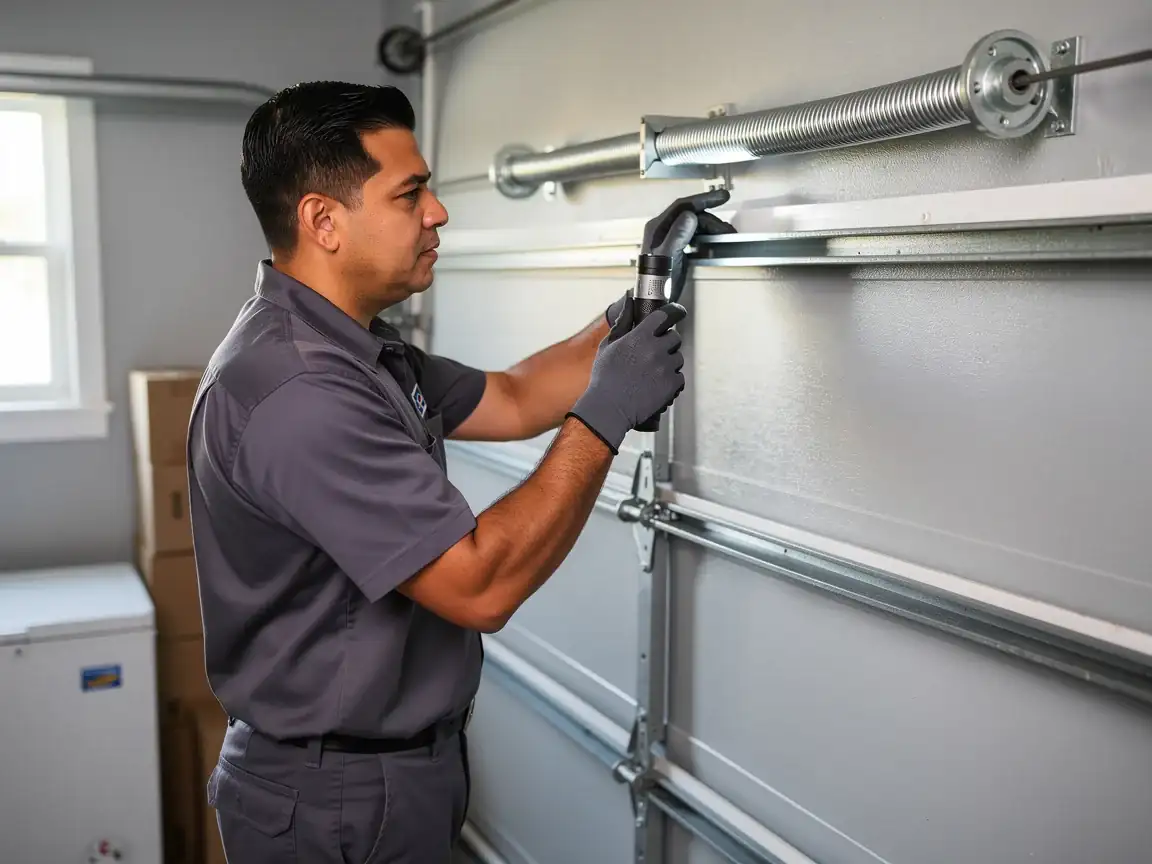
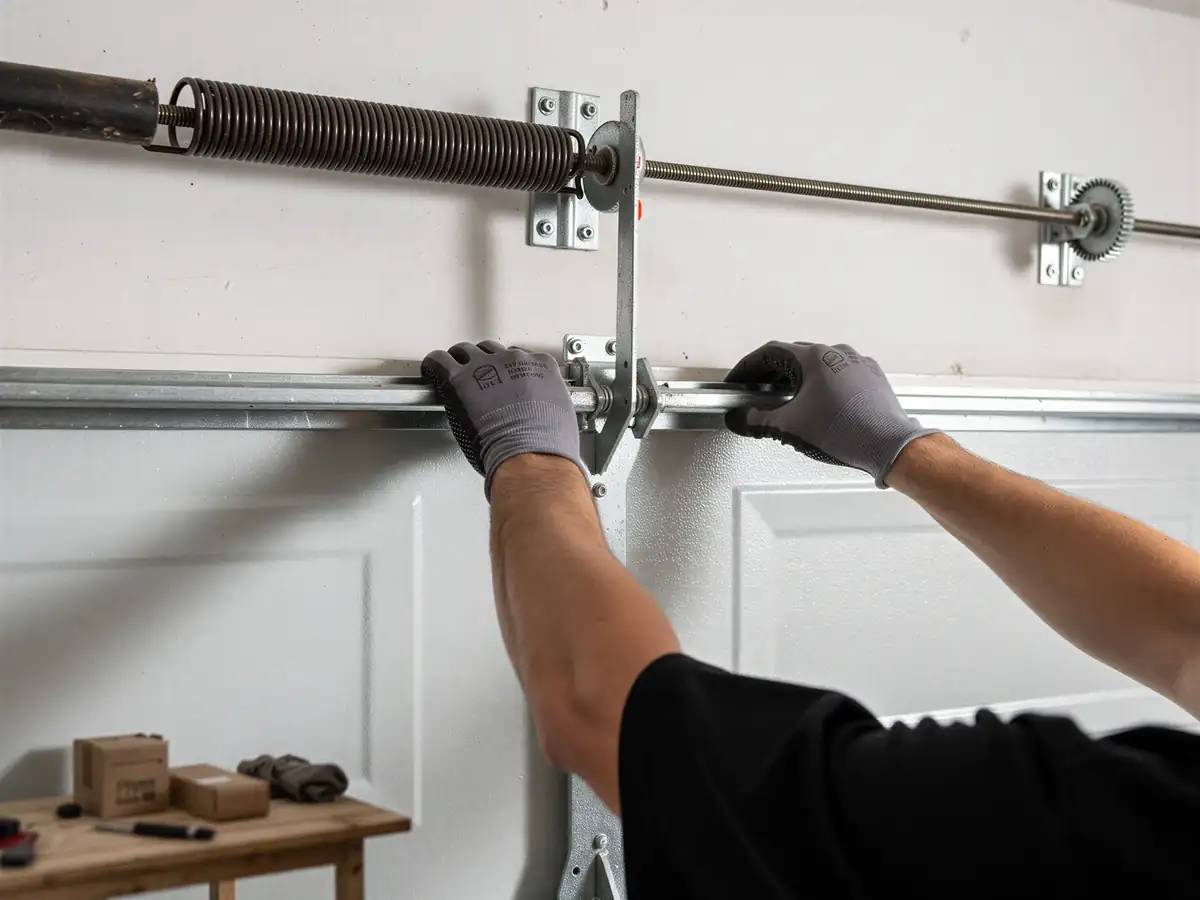
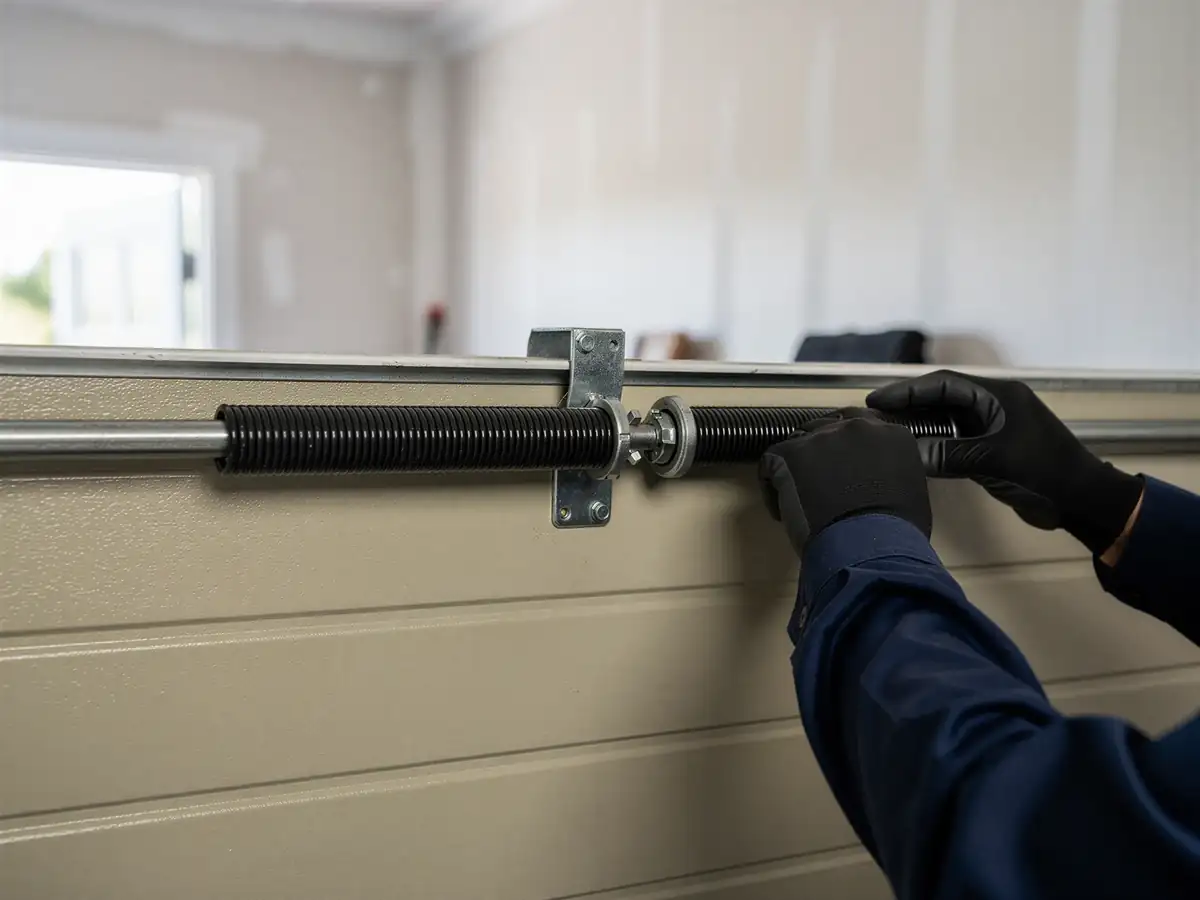
We don't post a flat number for spring repair here because what's on your header wall decides the cost, not the town. A single torsion spring swap is a different job from a pair, and a door still running the old extension-spring-and-pulley setup common on houses built around 1973 takes different parts and different time than a torsion conversion. What we can tell you: median household income in Zelienople sits at $64,583, a bit under the wider service area's $72,842, and that's worth mentioning because it shapes a real conversation we have with a lot of homeowners here - repair versus replace, and whether it's worth paying extension spring. Call ahead with your door's age and whether it's a single or double, and we'll give you a number before the truck leaves Butler, not after. The fourteen-mile drive out doesn't change the labor rate. It just means we ask you to describe the spring setup on the phone first so we're not guessing when we show up.
Where This Job Goes Sideways
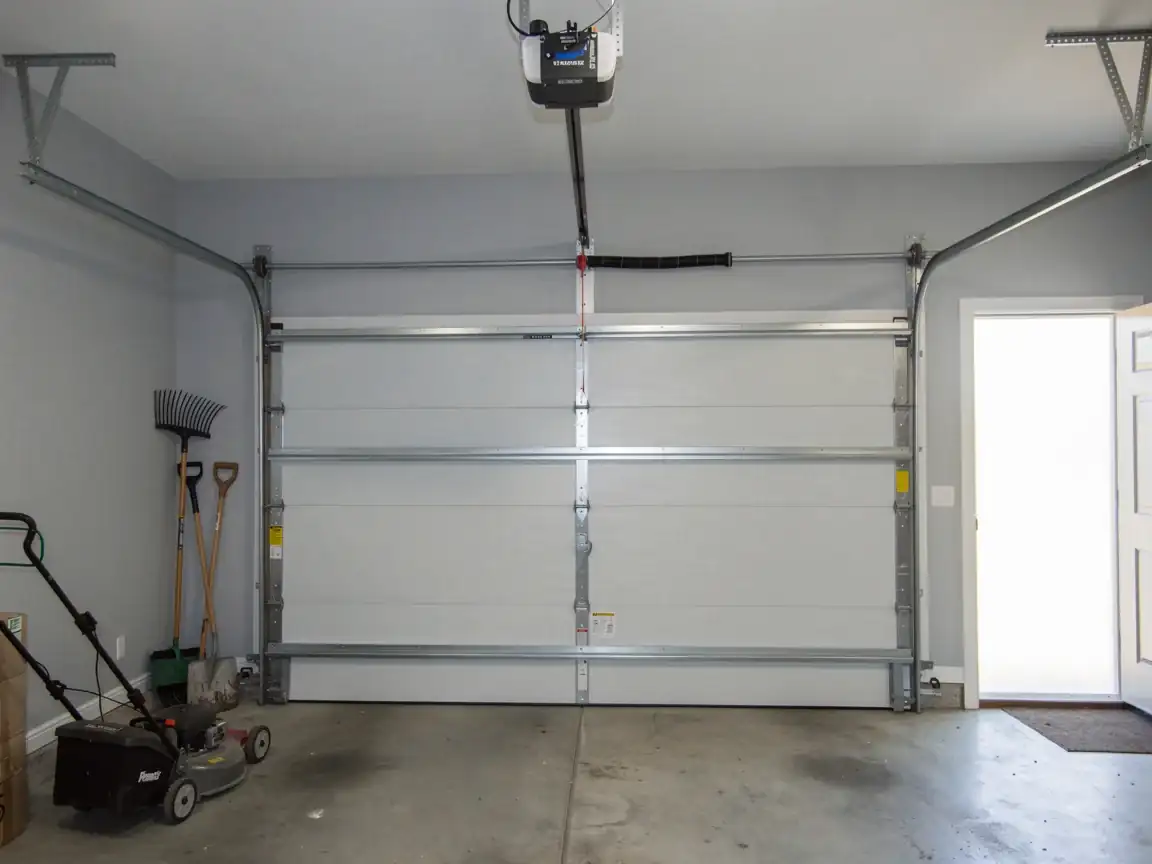
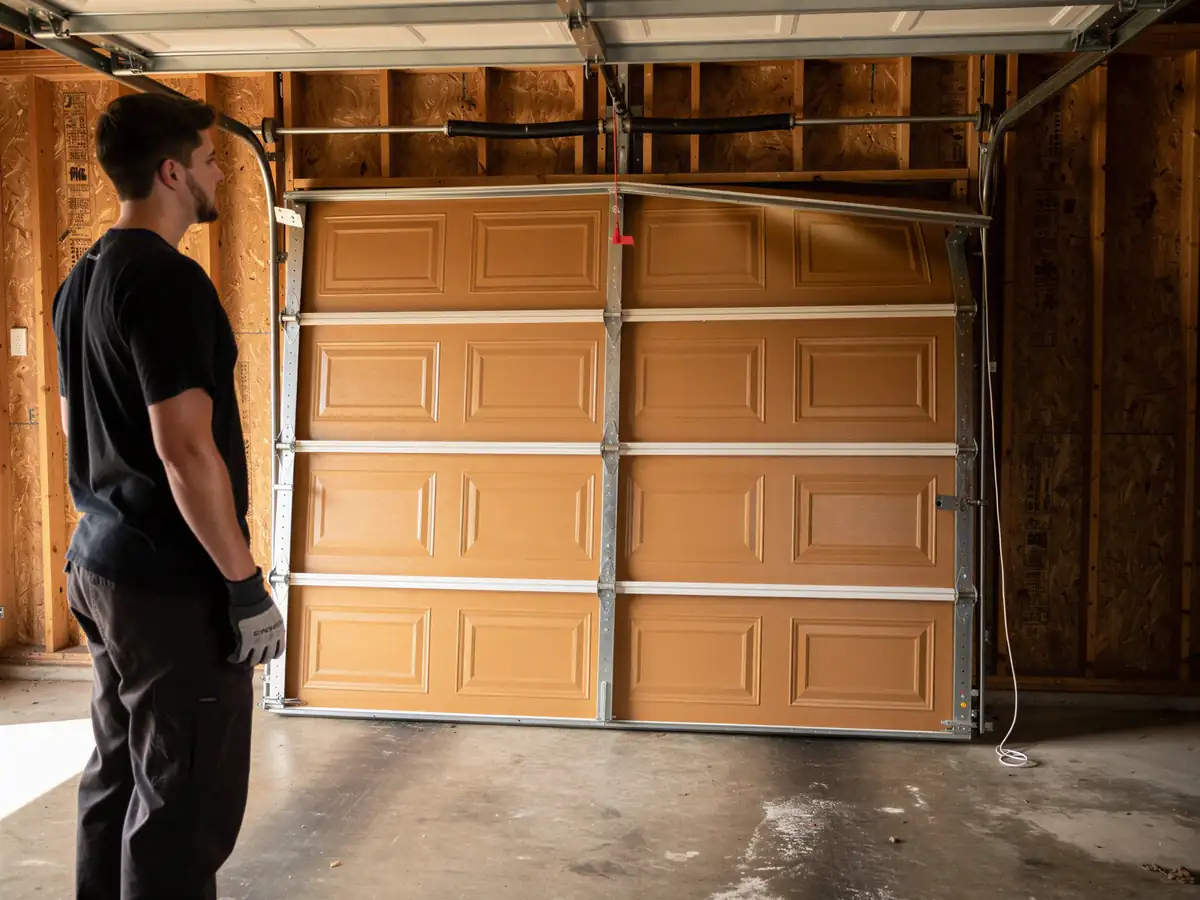
The failure we see most in this stretch of homes isn't the spring itself - it's the drum or the cable that's been quietly fraying behind it for years on a door nobody's touched since it was new. On a house from the early 1970s, that often means an extension spring setup with a pulley and safety cable that was never retrofitted when the codes changed. Snap one side and the door racks sideways in the track instead of dropping straight, which bends the track and turns a spring job into a track-and-roller job. We also run into stripped torsion cones on the conversions some owners did themselves or had done decades back - the set screws were never torqued to spec, and the shaft spins without turning the spring. Either way, the fix costs more once the door's already come off true. If your door has started making a grinding sound when it goes up, or one side drops faster than the other, that's the warning before the break, not after it.
Why It Happens Here
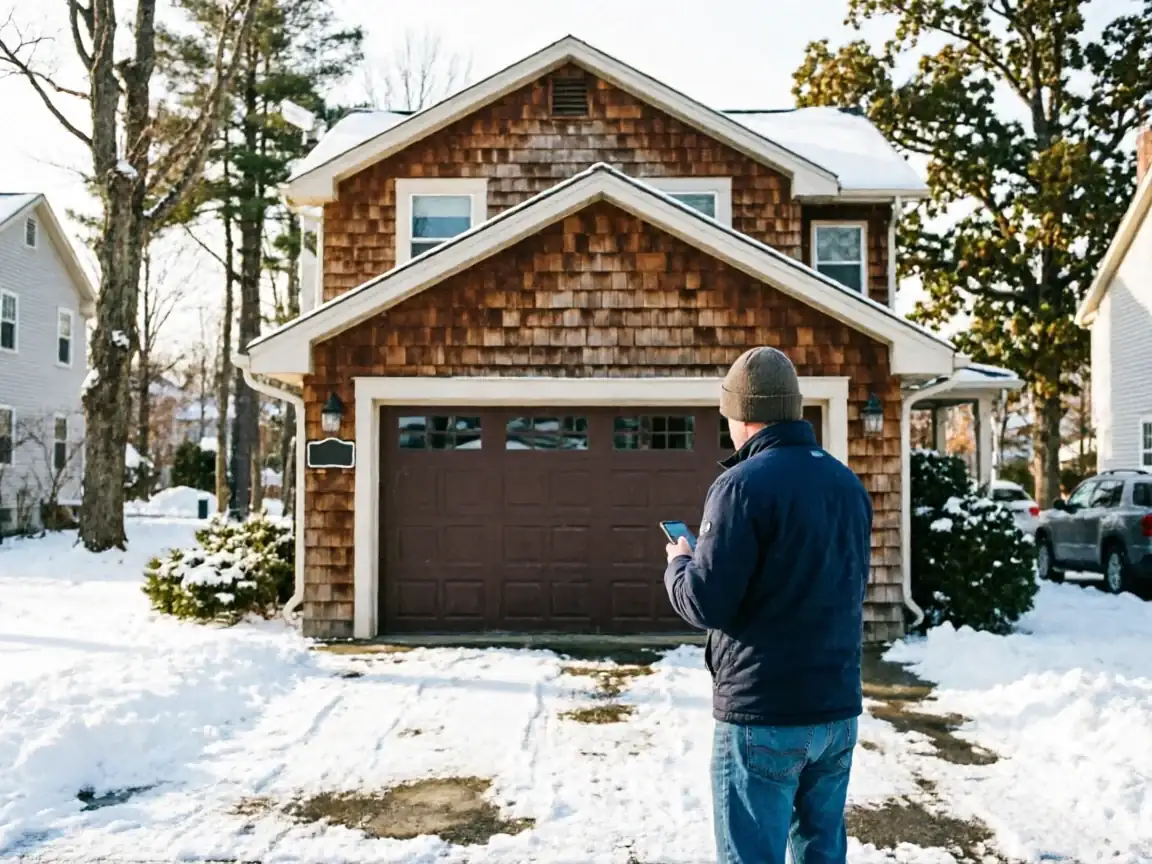
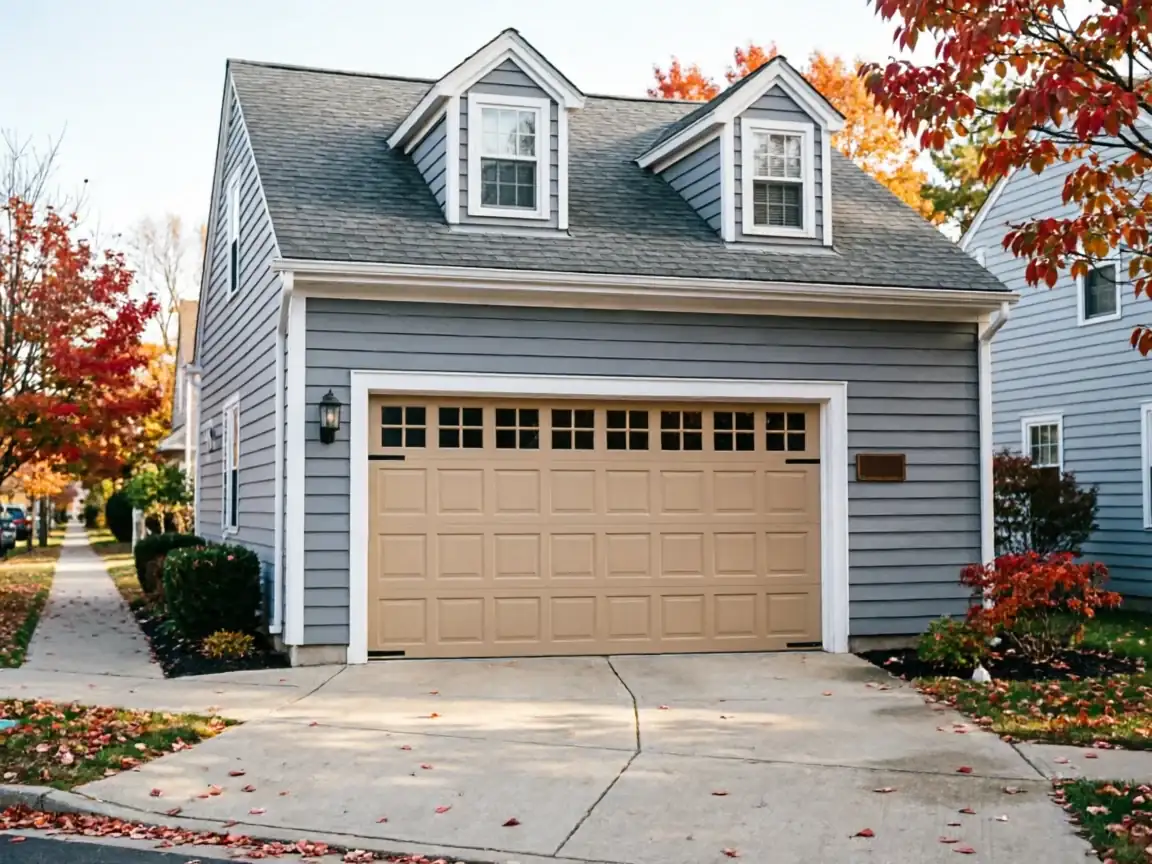
Housing in this stretch of the service area clusters around a median build year of 1973, and Zelienople's own stock lines up with that. Doors from that period were built lighter than what goes up today, often on extension springs with open coil assemblies rather than the enclosed torsion shaft that's been standard for new construction for the last couple of decades. That older hardware has had fifty-plus years of winters to work on it. This is a cold-climate service area - the kind of cold that shrinks steel coils and stiffens lubricant in January, which is exactly when a spring that's been fine for eleven months decides it's done. Combine a decades-old spring with a hard freeze and you get the 6 a.m. call where the door won't budge or has already let go overnight. None of this is unique to one street - it's a function of when the neighborhood was built and what the winters here do to steel every year since.
The DIY Question
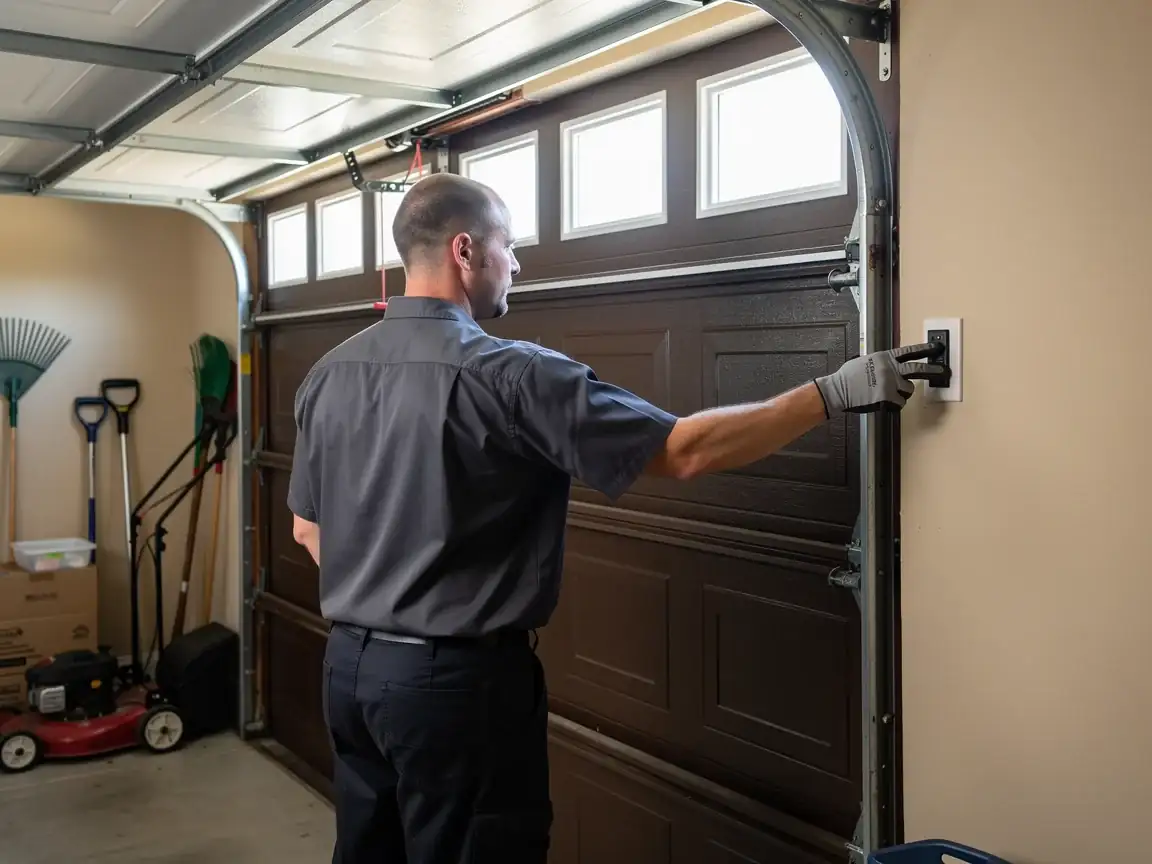
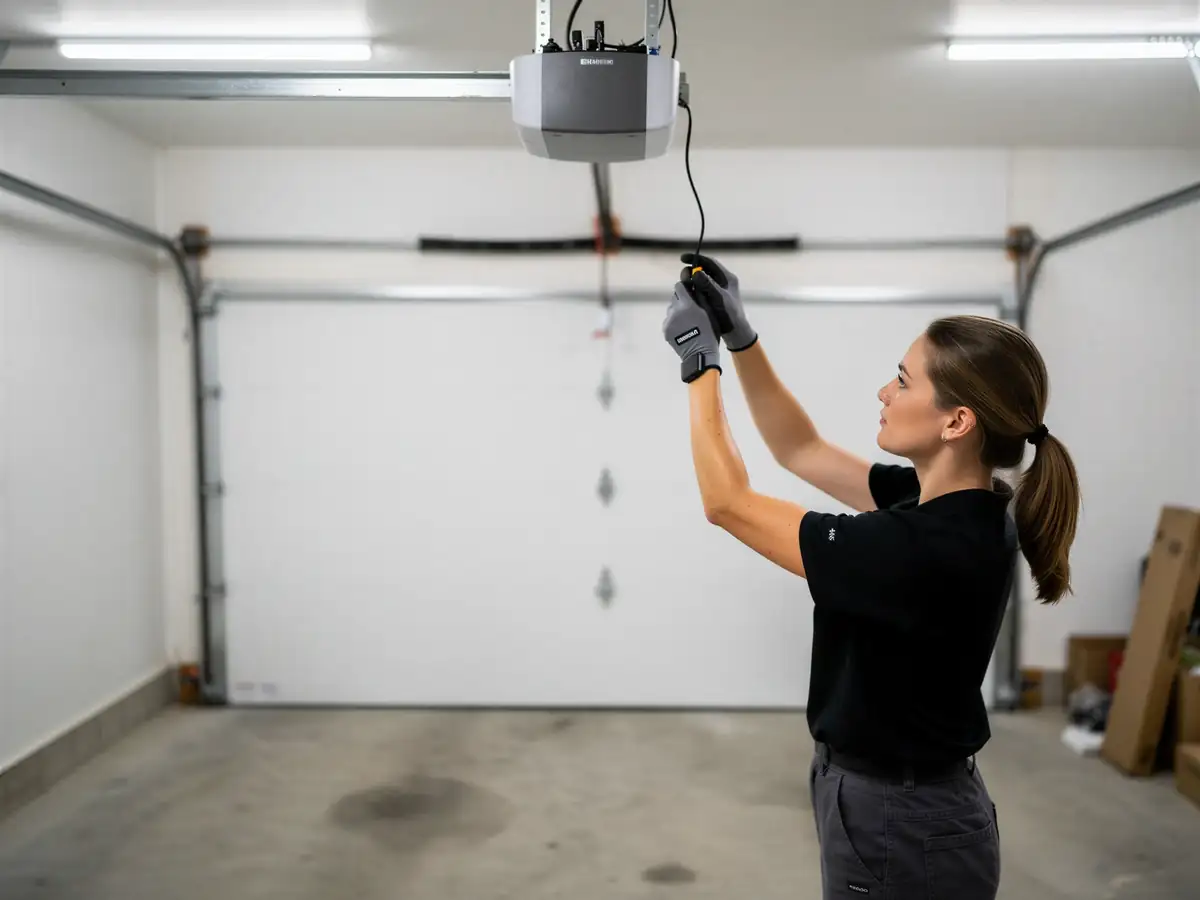
Don't do this one yourself. A wound torsion spring under tension can take a finger or worse, and even a fully-extended extension spring carries enough force to put someone in the hospital if the retaining cable has already started to fray - which, on a door this old, it may have without any visible sign. We'll say plainly where we draw our own line: if your opener is also failing at the same time as the spring, we'll tell you honestly whether it's worth repairing both or whether the door's age means replacement is the better money. That's not an upsell; it's the same math we'd want someone to do on our own house. What you can safely check yourself: whether the door is unbalanced (it shouldn't drift up or down on its own when disconnected from the opener) and whether the cables look frayed or kinked. See either, call us and don't try to open it.