What You Pay
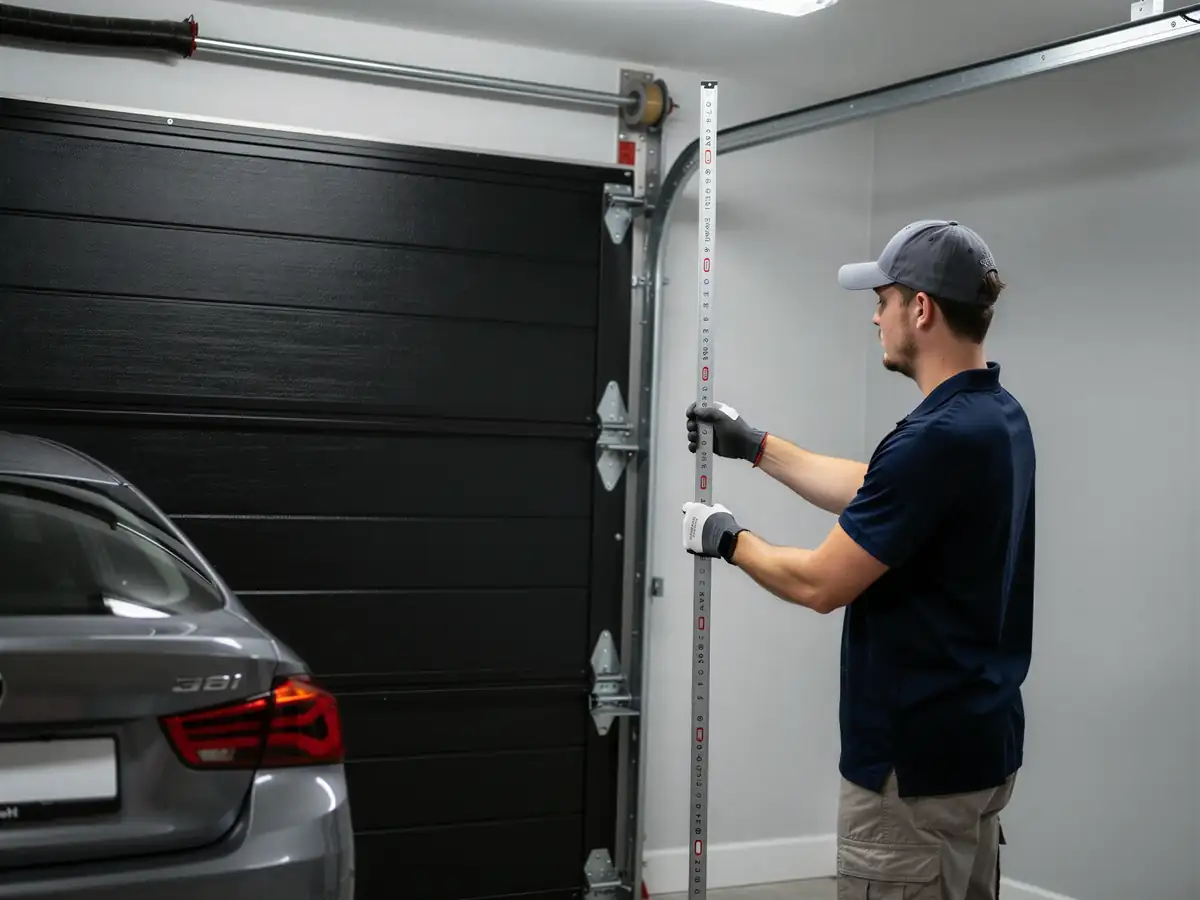
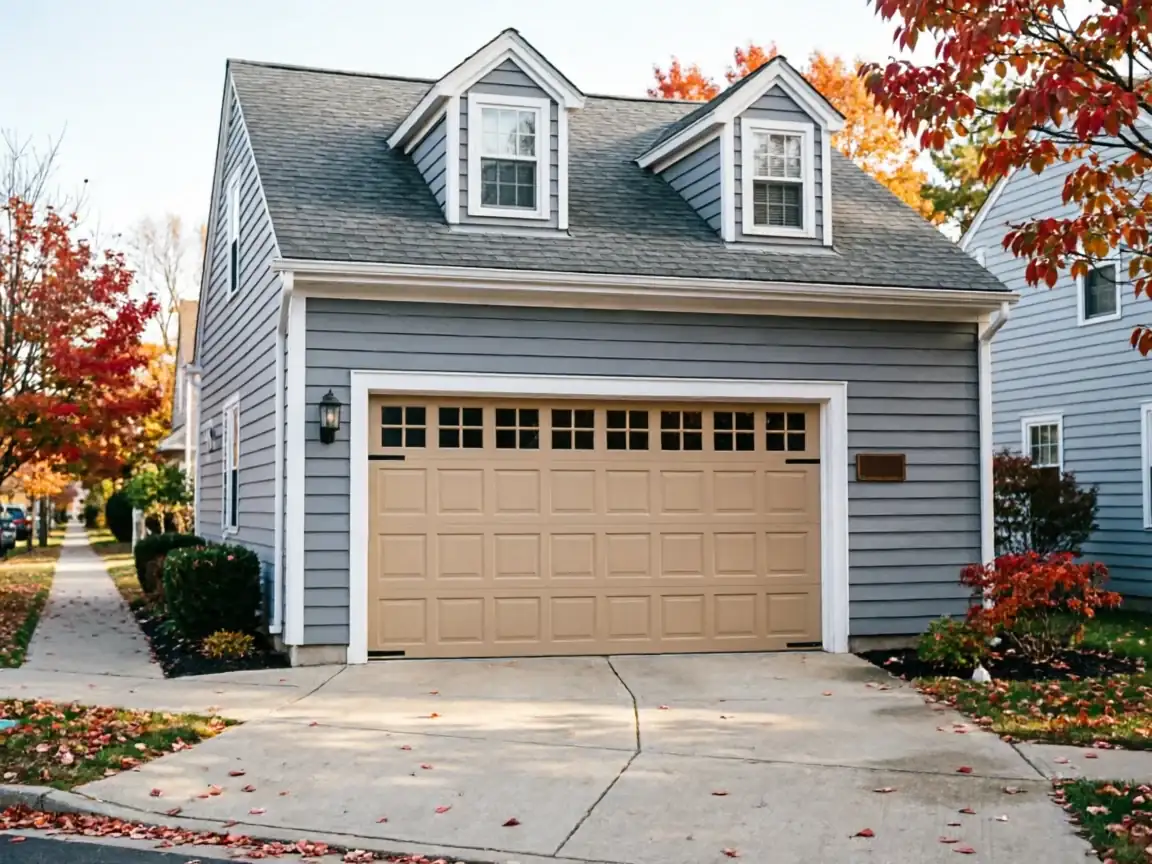
We don't post a maintenance price here because every visit depends on what we find once the door's open - a 1973-era torsion spring that's never been touched is a different job than an opener with a worn gear kit. What we can tell you: most of the houses in Zelienople were built right around 1973, which means a lot of original hardware is still hanging in those tracks. That's the number that matters more than anything else on this page, because it tells us what we're walking into before we even load the truck. A door that old has had decades to collect small problems - a dry roller here, a bent bracket there - that don't show up as a full breakdown but do show up on an inspection. We'll give you a number on-site after we've actually looked at the springs, the cable condition, and the opener's drive system, not before.
Where This Job Goes Sideways
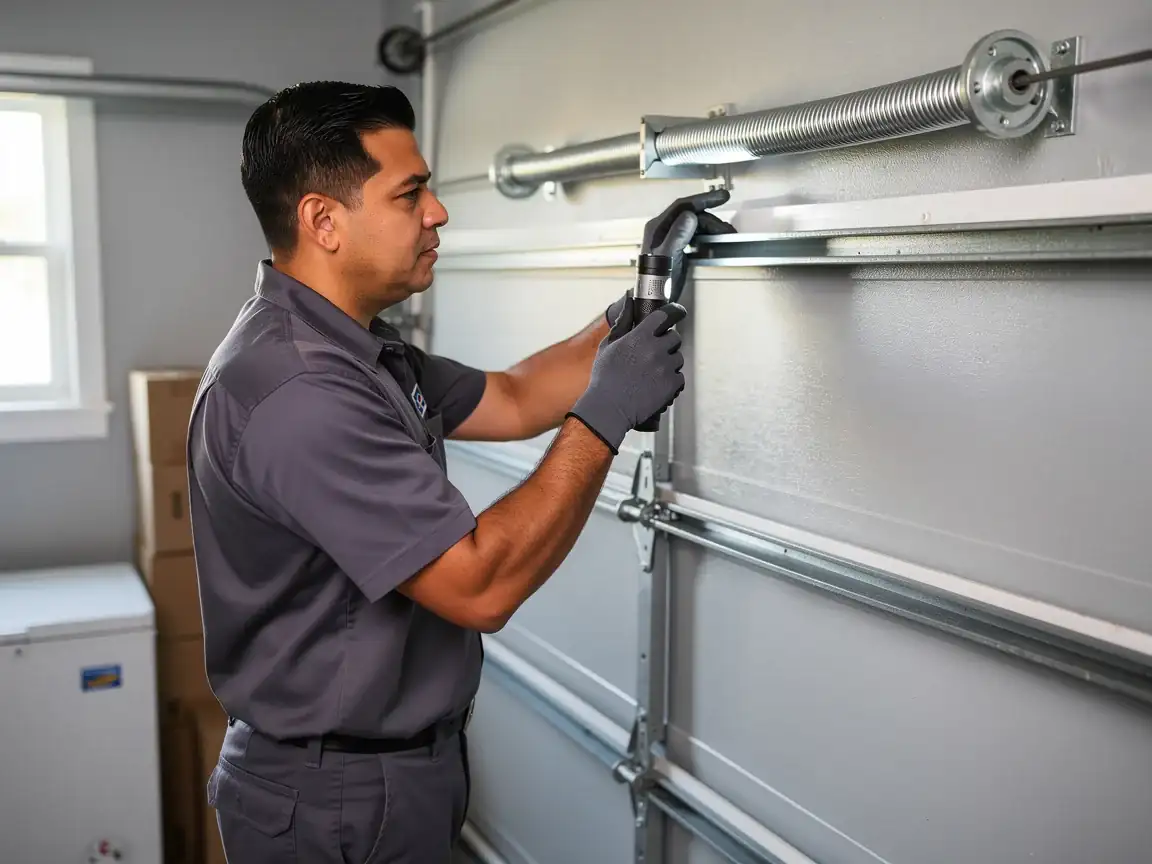
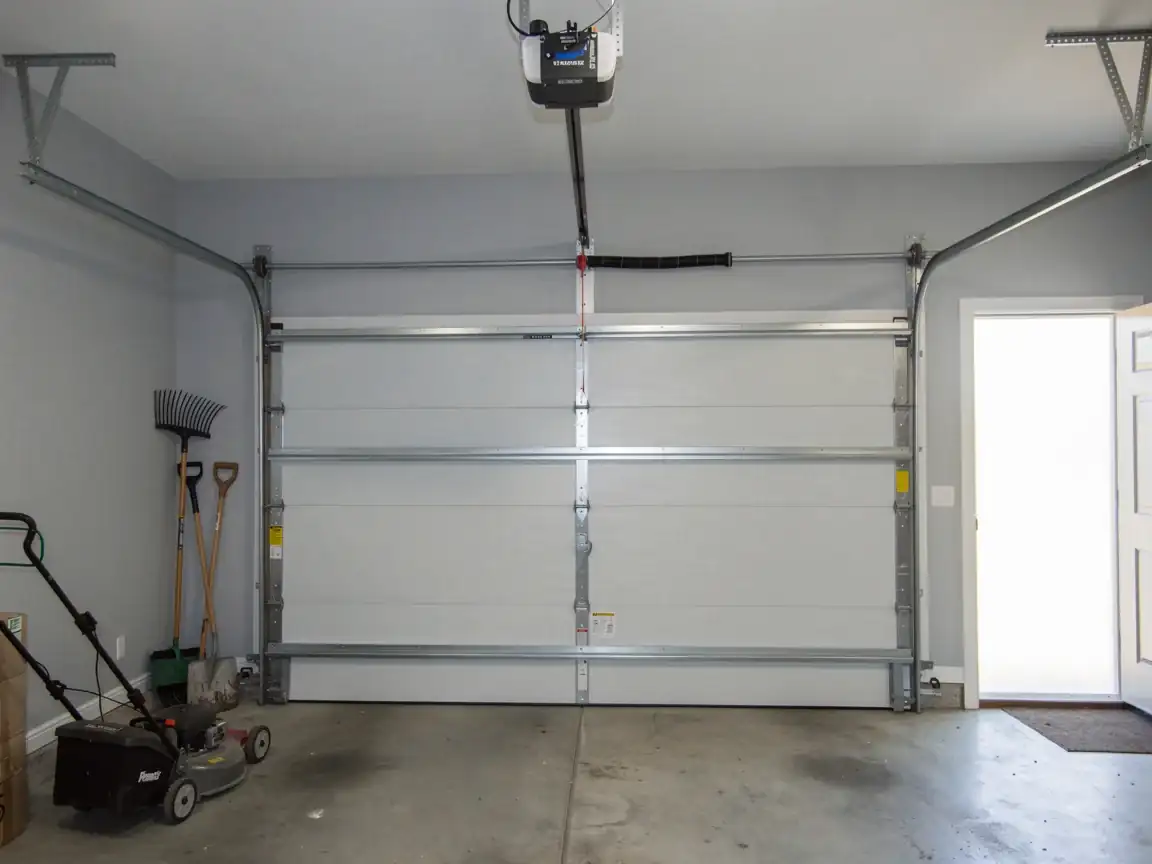
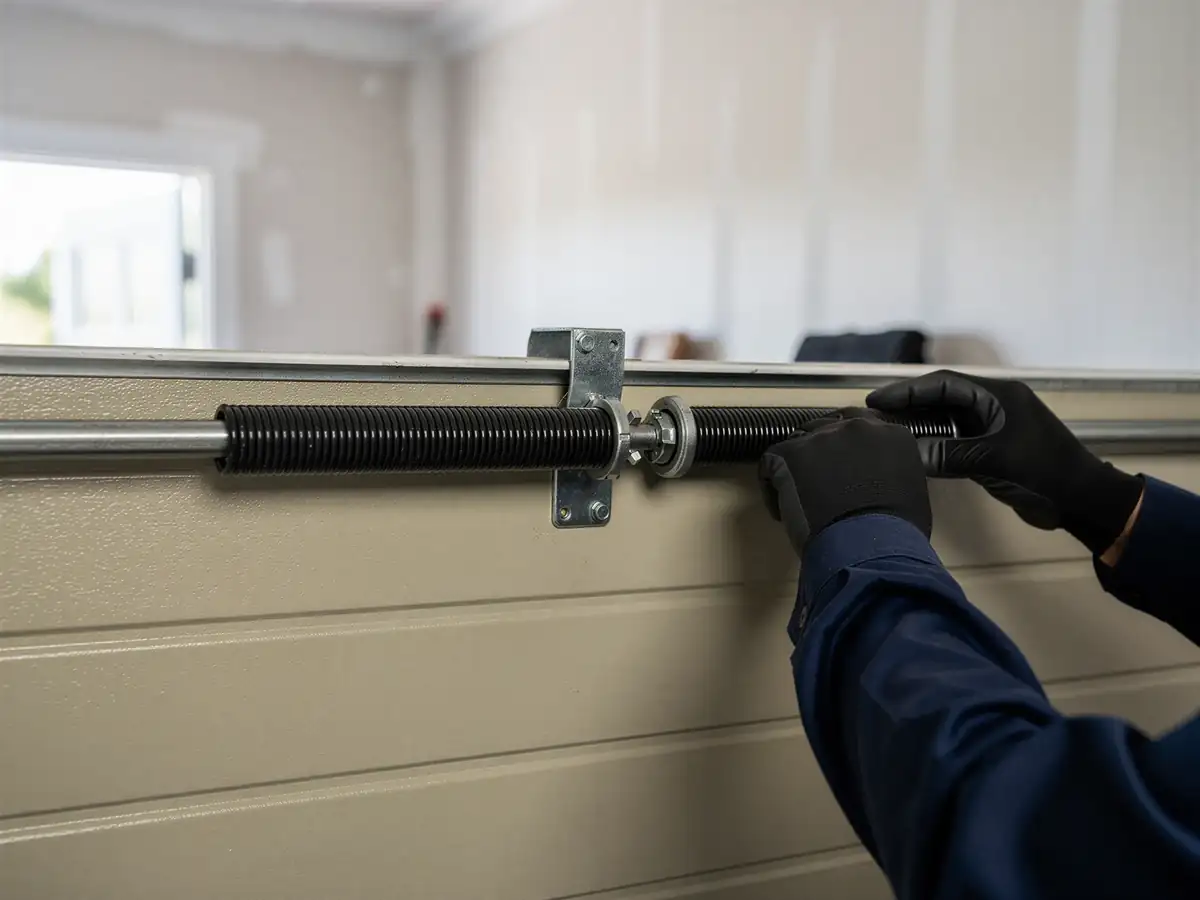
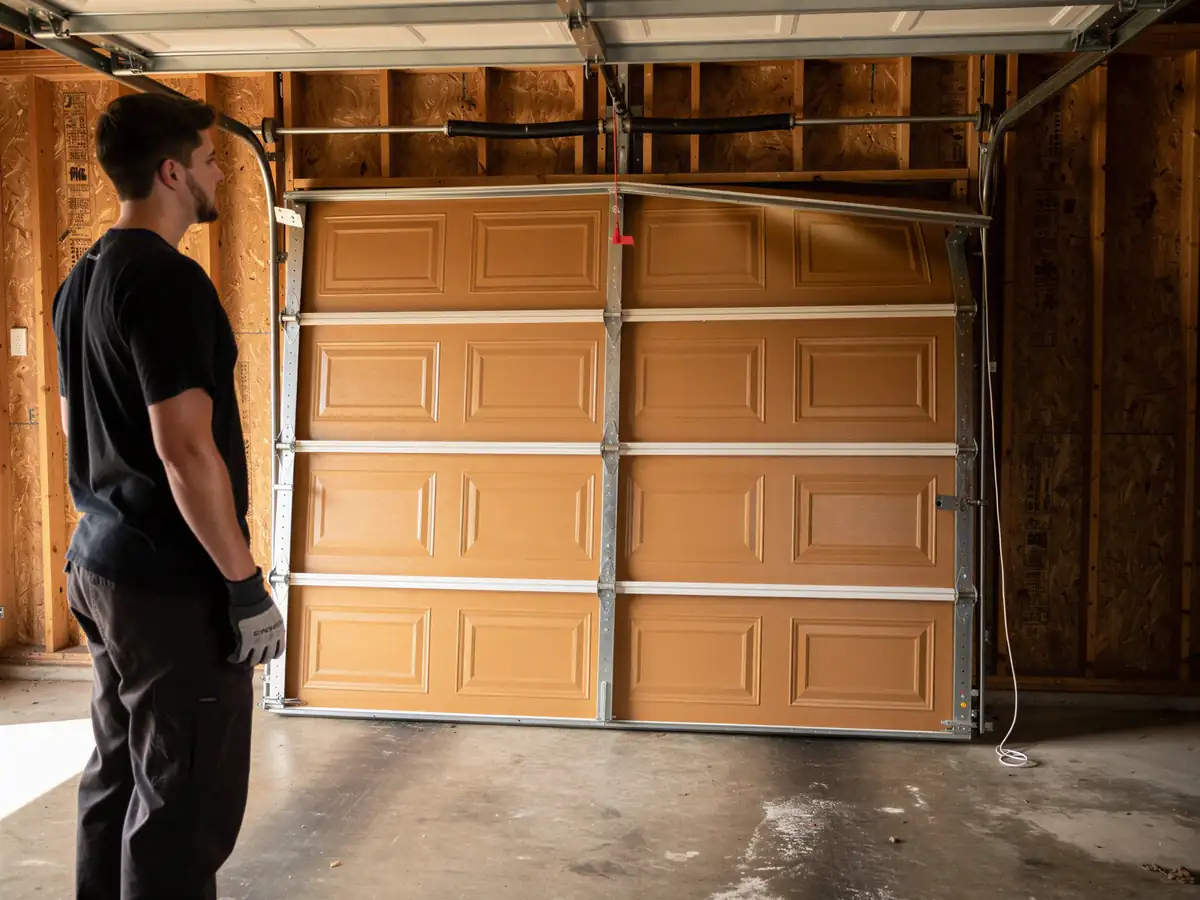
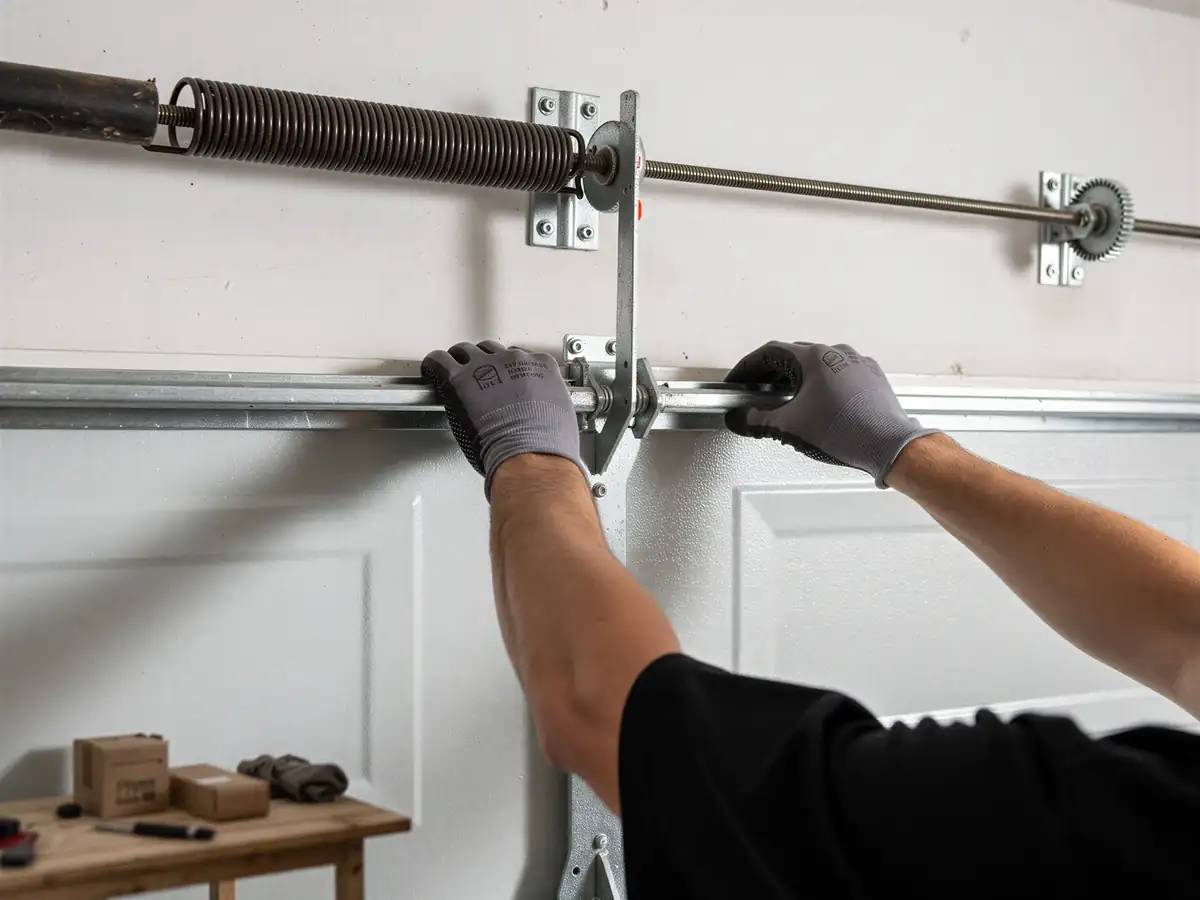
The common failure point on a house this age is the spring. A torsion spring rated for 10,000 cycles that's never been serviced is usually well past its working life by now, and when it lets go, it tends to take a cable or a bottom bracket with it if nobody caught it early. On the opener side, a lot of these houses still have a chain-drive unit from an earlier remodel, and the sprocket wear on those doesn't announce itself - the door just starts stuttering halfway up. We also see panels that have been painted over enough times that nobody noticed the steel underneath rusting through at the bottom corners. None of this is unique to one street or one house; it's what happens to hardware that's been doing its job quietly for fifty years without anyone checking it.
Why It Happens Here
Zelienople's median household income runs about $64,583, noticeably lower than the roughly $72,842 median across the wider Butler service area, and that gap shows up in how doors get maintained. A homeowner stretching a budget tends to defer the $150 tune-up until something actually breaks, which is reasonable on its own but means the hardware ages without anyone catching the slow failures - a spring losing tension, a sensor drifting out of alignment. Add in a cold-climate winter that puts real stress on steel and lubricant every year, and you get doors that work fine in July and bind or sag in January. With 1,923 households in Zelienople, a fair number of them are sitting on the same 1973-vintage hardware, quietly waiting for the same two or three failure points to show up.
The DIY Question
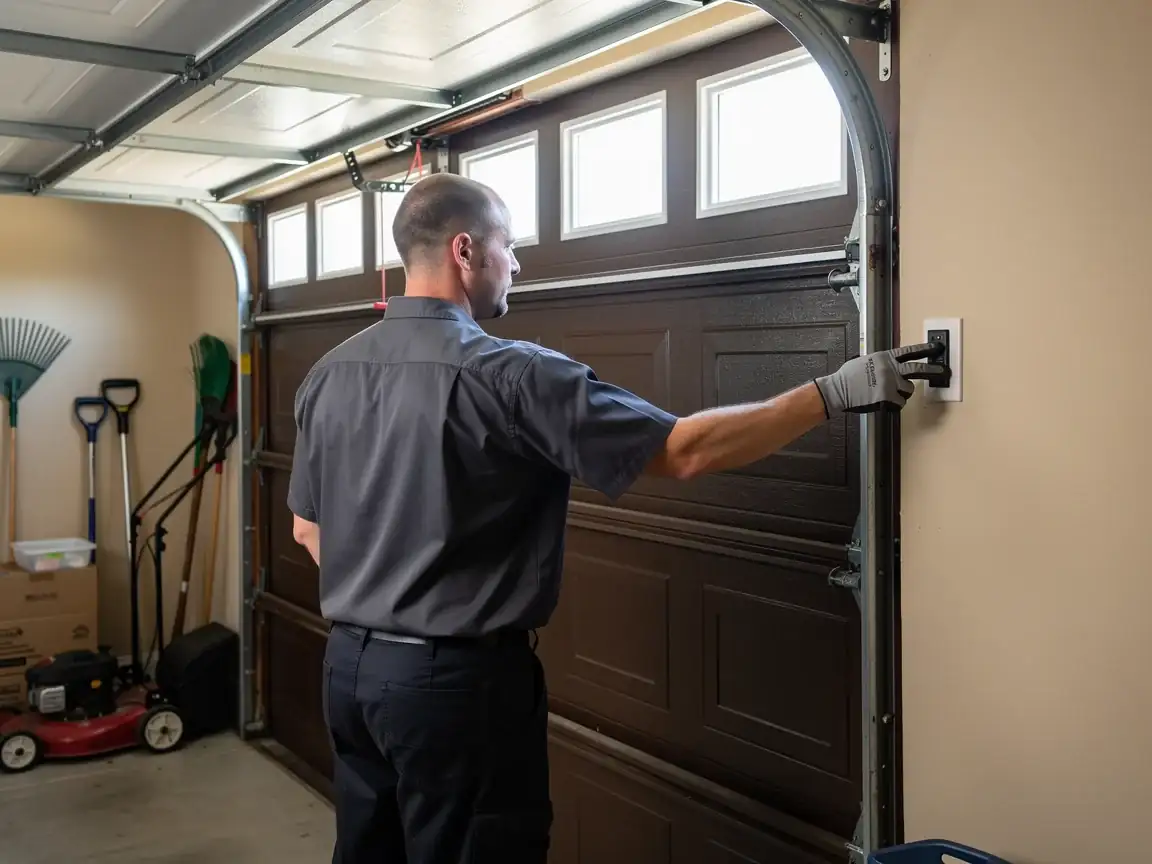
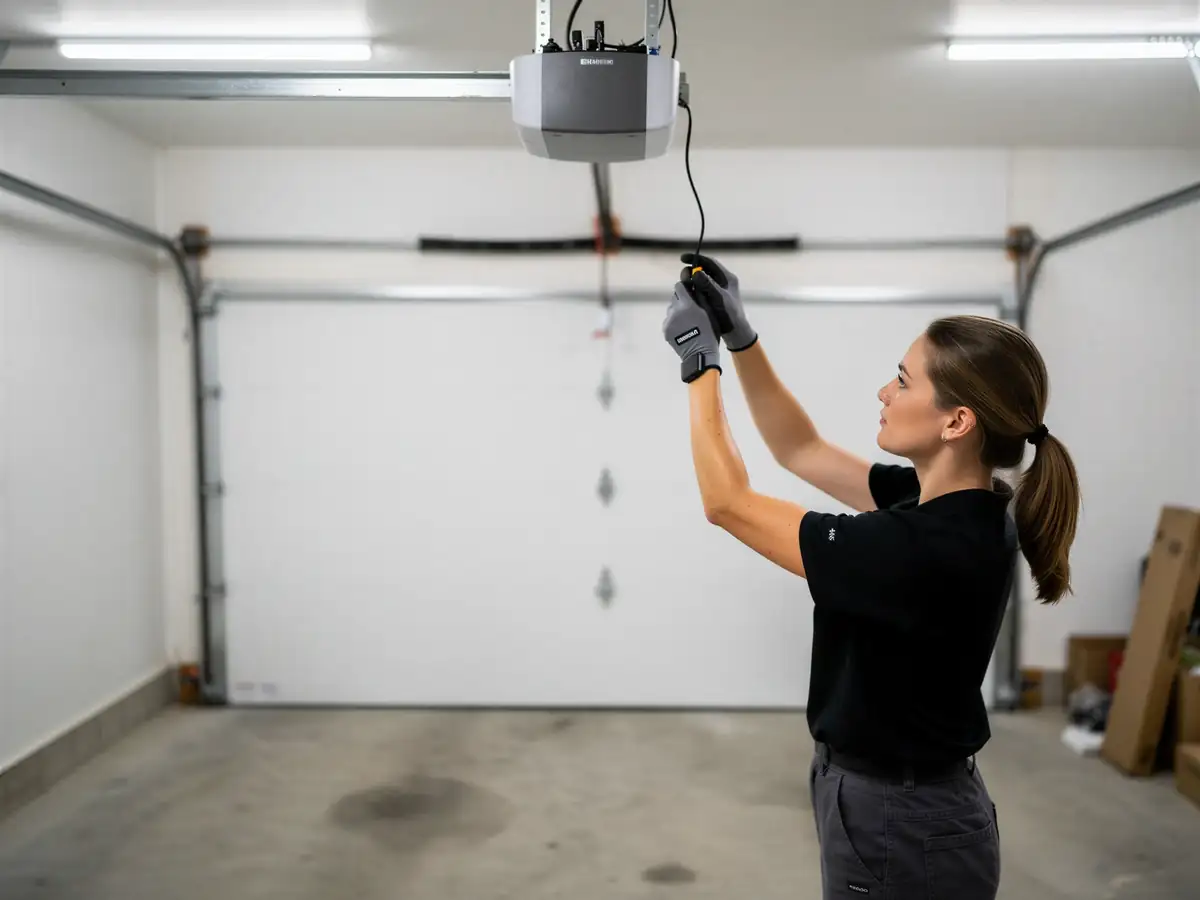
Lubricating hinges and rollers, tightening loose bolts on the track brackets, and checking that the door reverses when it hits an obstruction - all of that is fair game for a homeowner with a ladder and twenty minutes. Spring tension is not. A torsion spring holds enough stored force to break a hand or worse if the winding bar slips, and on a door this age, the spring is often at or past the point where it should be replaced rather than adjusted. If your opener is from the original build and it's starting to run louder or slower than it used to, that's also a call-a-pro situation - gear kits inside older openers aren't always worth sourcing parts for, and sometimes the honest answer is that replacing the unit costs less than keeps fixing it.