What You Pay
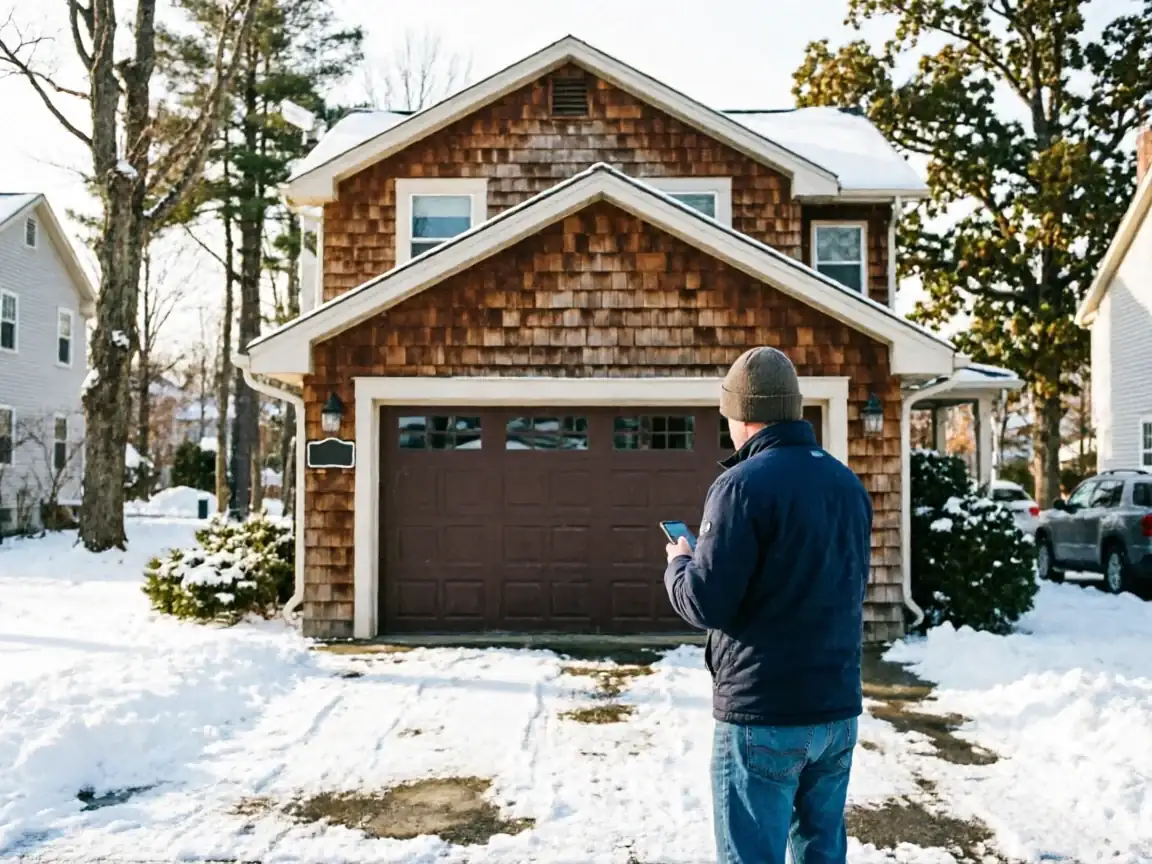
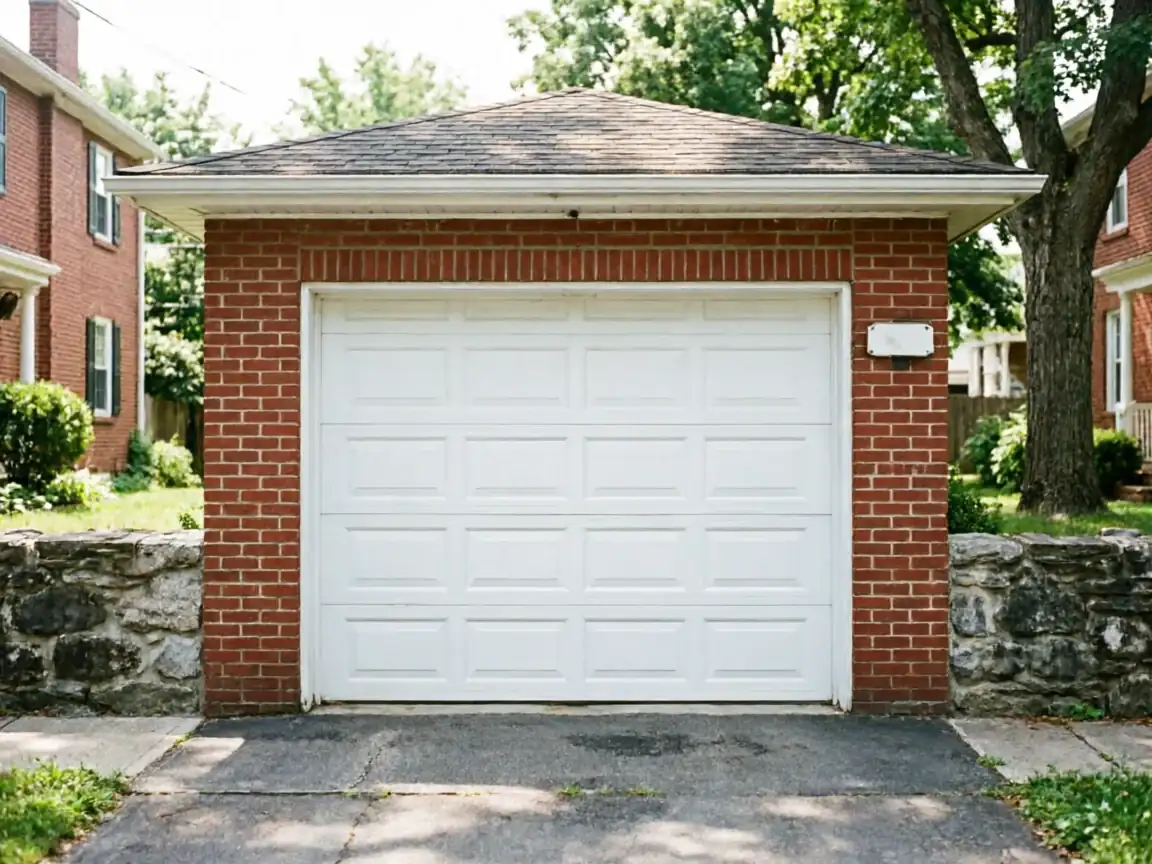
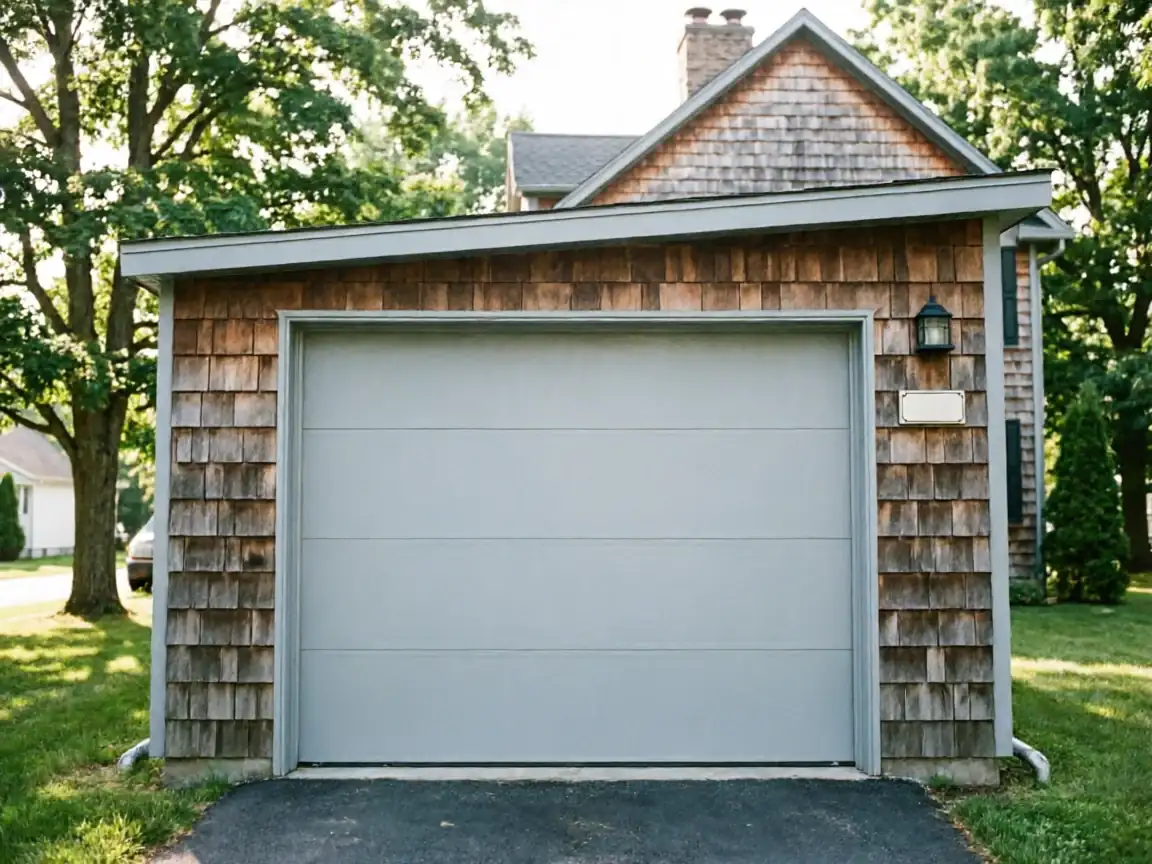
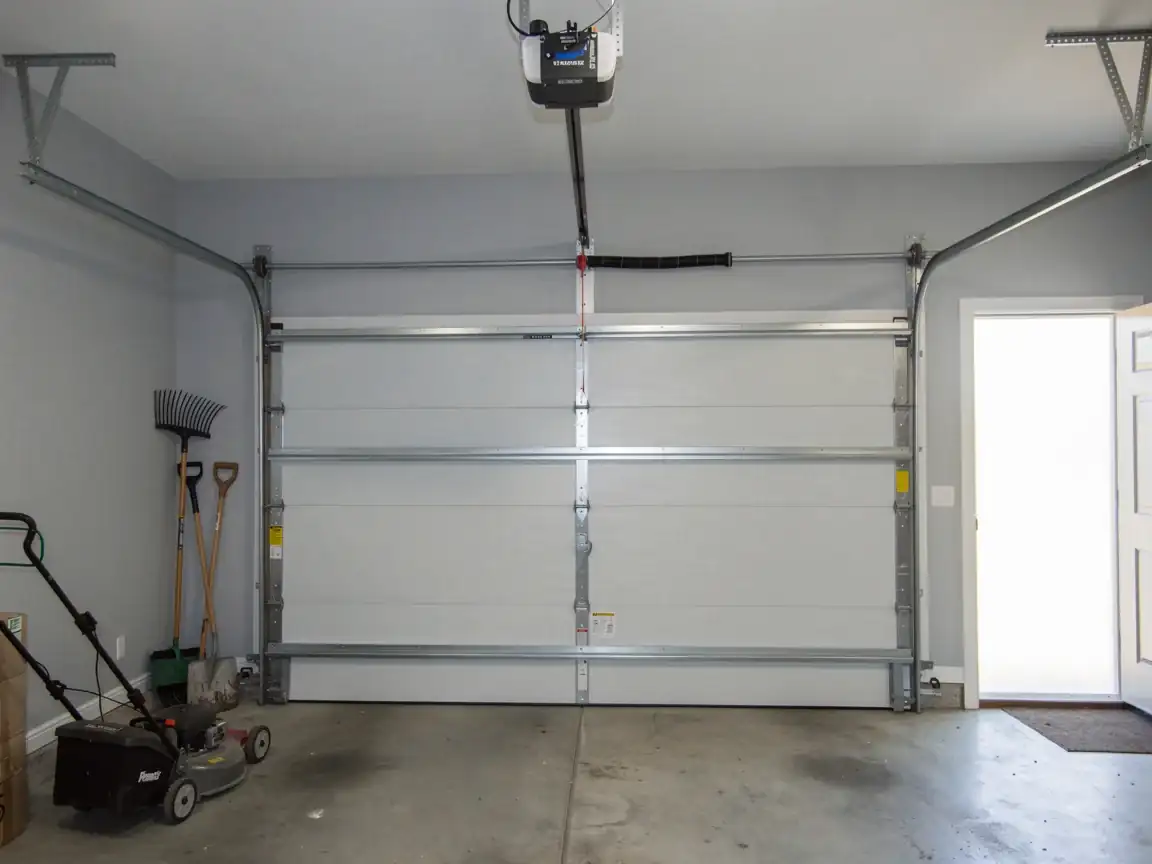
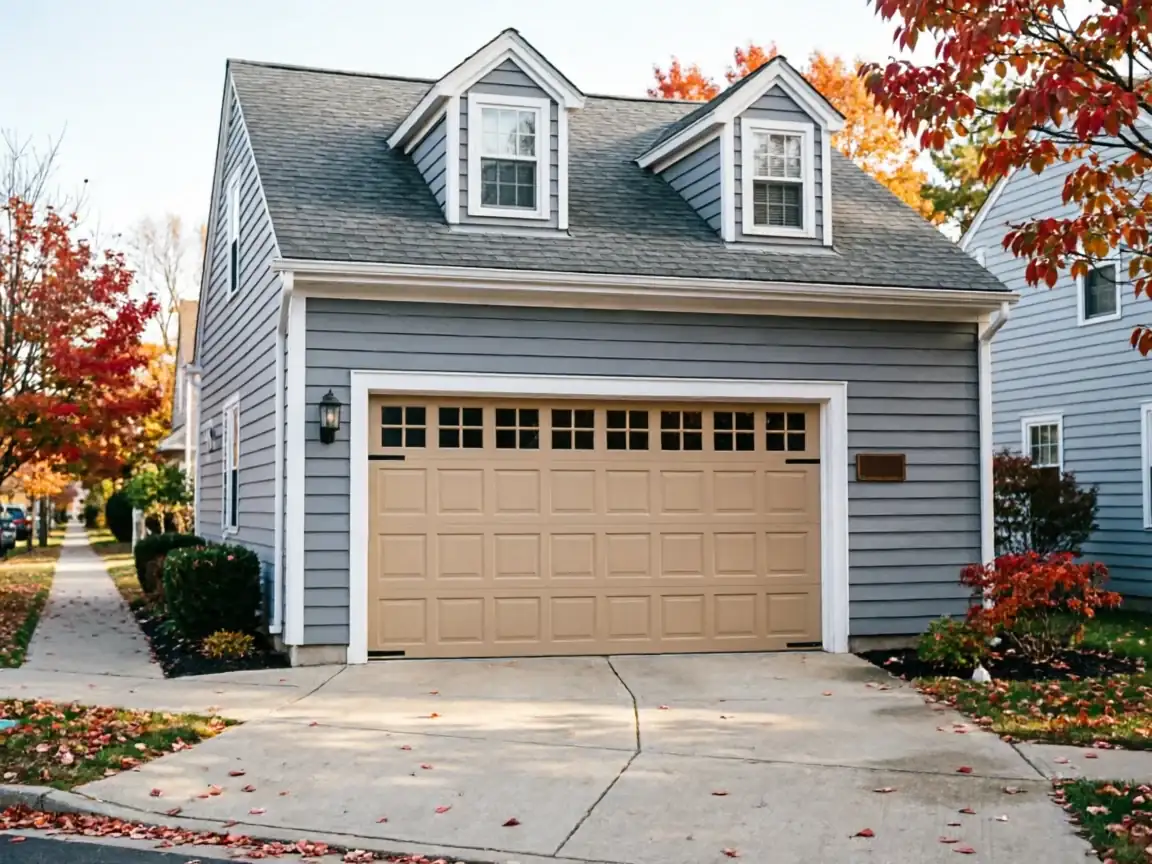
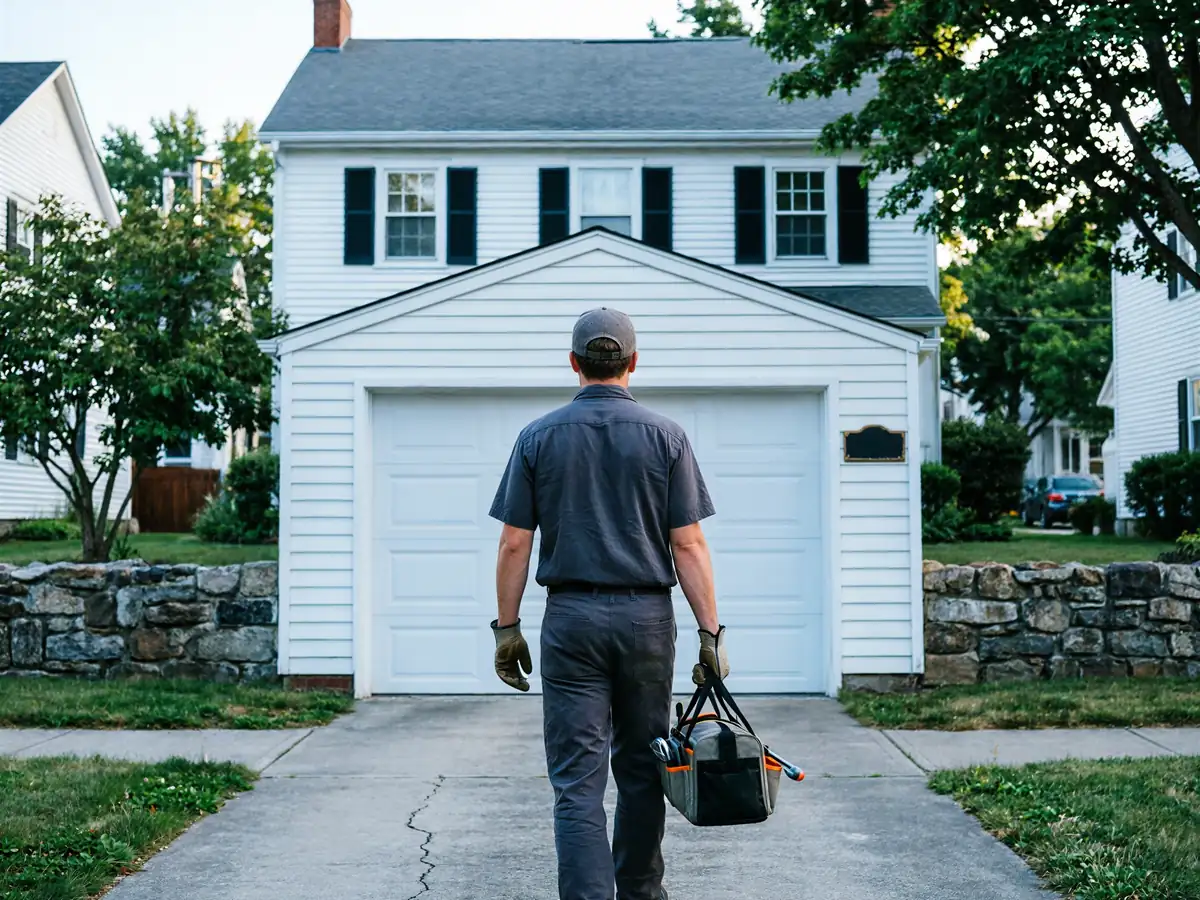
Before anyone talks price, look at what's actually hanging in the bay. Most garage doors in Zelienople date to right around 1973, which means a lot of single-car steel sectional doors on narrower tracks than what gets built today. That matters for opener installs because the bracket spacing, the header clearance, and sometimes the track radius on these older doors don't match the universal kits built for modern 16-foot two-car openings. We quote based on what's actually on the wall, not a flat number, because a 1970s single door with the original track takes different hardware than a wider door someone swapped in during a remodel. Zelienople sits at about 1,923 households, which is a smaller, steadier market than some of the bigger named areas closer to Butler - we're not running a high-volume install schedule out here, so each job gets priced on the door in front of us, not a volume rate. Household income here runs around $64,583, a bit under the wider service area's $72,842, and that's part of why we stock a mid-tier belt-drive option alongside the premium models - it fits both the budget and the older single-car openings without forcing an upgrade the door doesn't need.
Where This Job Goes Sideways
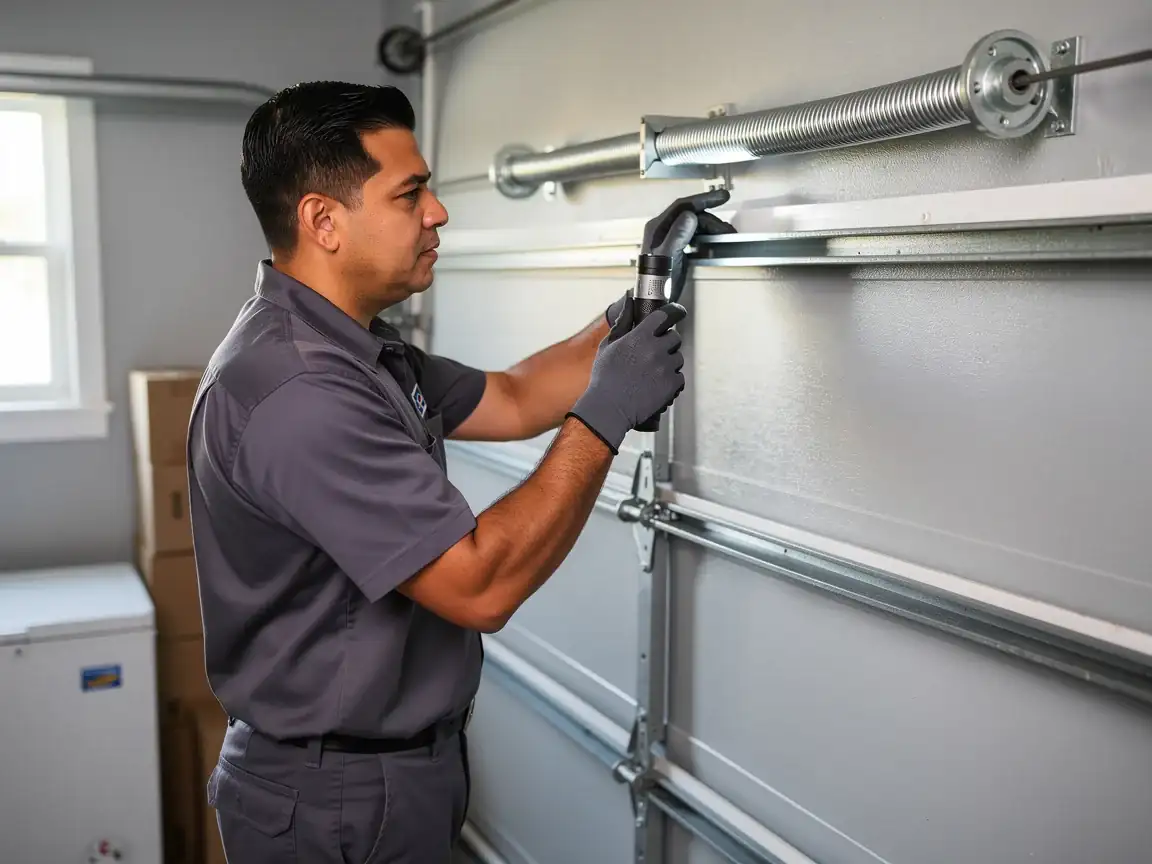
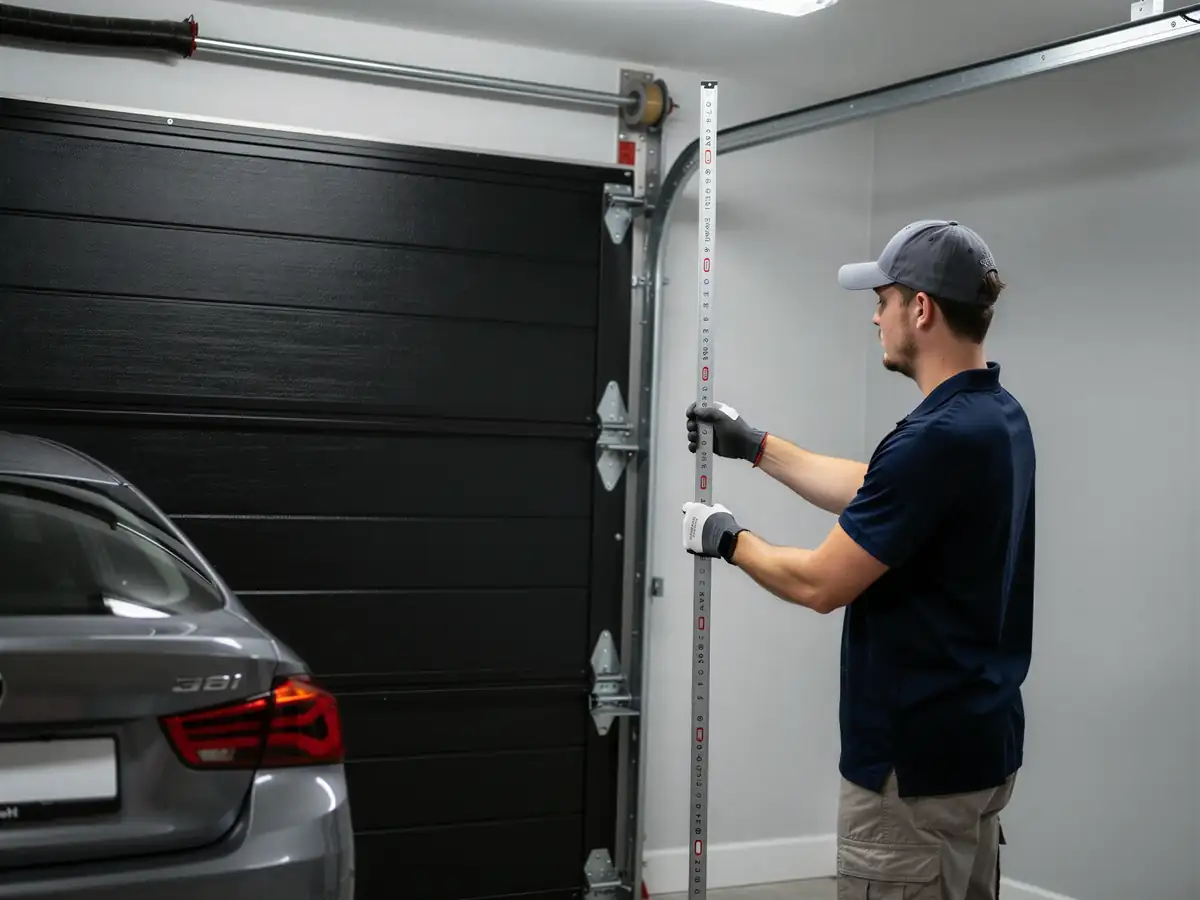
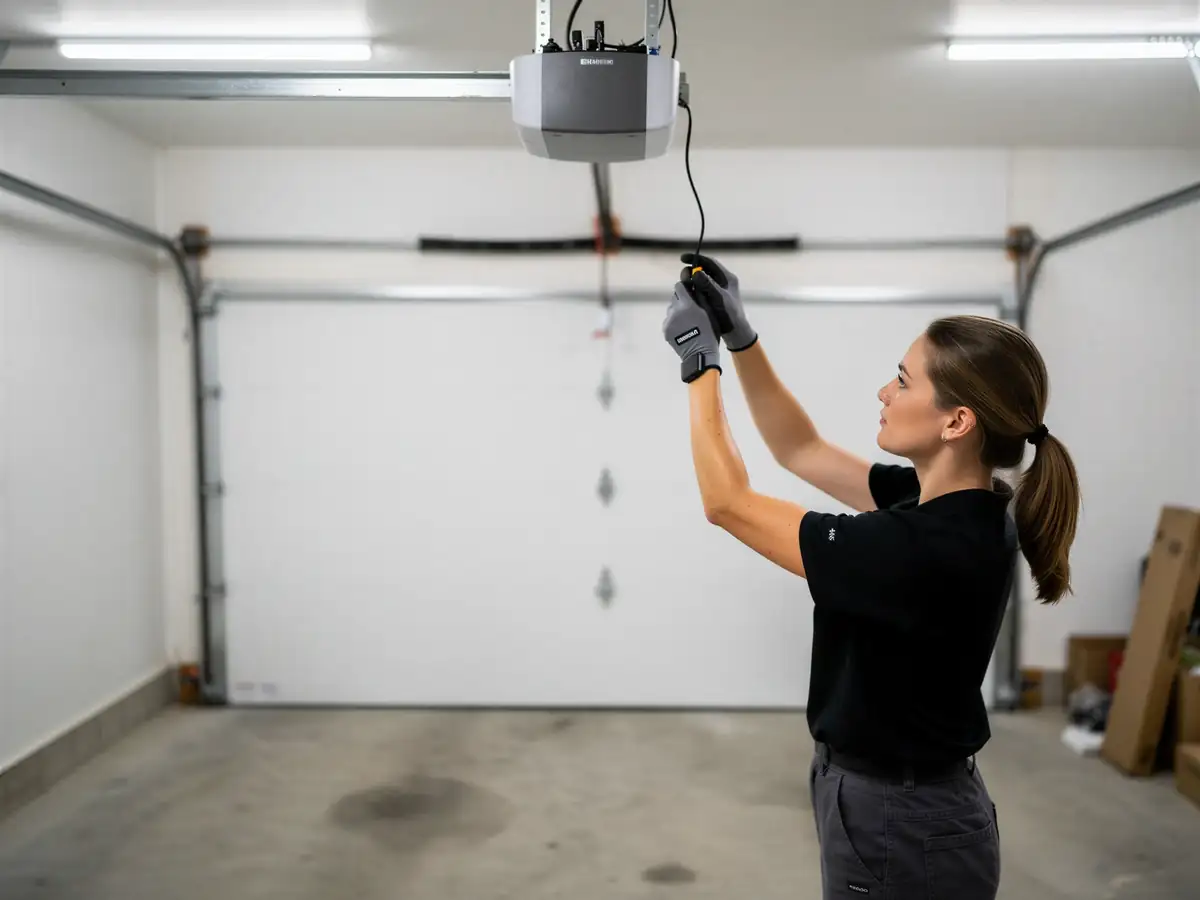
The failure point on these older Zelienople doors usually isn't the opener itself - it's what the opener gets bolted to. A door built when the housing stock here went up, somewhere in the 1960s-70s run that covers most of this corner of the service area, often has a wood header that's taken fifty-some years of freeze-thaw. Drive the new opener's mounting bracket into punky wood and you get a bracket that pulls loose six months later, usually on the coldest morning of the year. We check the header and the track plumb before the opener goes in, not after. The other sideways moment: owners want to reuse the old travel limits or the original wall button wiring from a door this age, and that wiring is rarely rated for a modern opener's logic board. We don't force a full rewire if the existing run tests fine, but we won't install blind on wiring we haven't checked.
Why It Happens Here
Zelienople's housing stock lines up with the broader pattern across this part of the service area - built mostly in the 1960s and 70s, median year right around 1973, across the dozens of named communities we cover out of Butler. That means openers here are almost always going onto doors and headers built for a different generation of hardware, not onto fresh framing. Add the climate: this area sits in a cold band with severe winters, and that's hard on an opener in two specific ways - the logic board in an unheated garage has to handle real cold without faulting, and the drive's gear set has to move a door that's picked up extra weight from old insulation or a slightly warped panel. An opener rated for a mild climate fails here faster than it would somewhere milder. That's the whole reason we steer owners toward units with a wider temperature tolerance rather than whatever's cheapest.
The DIY Question
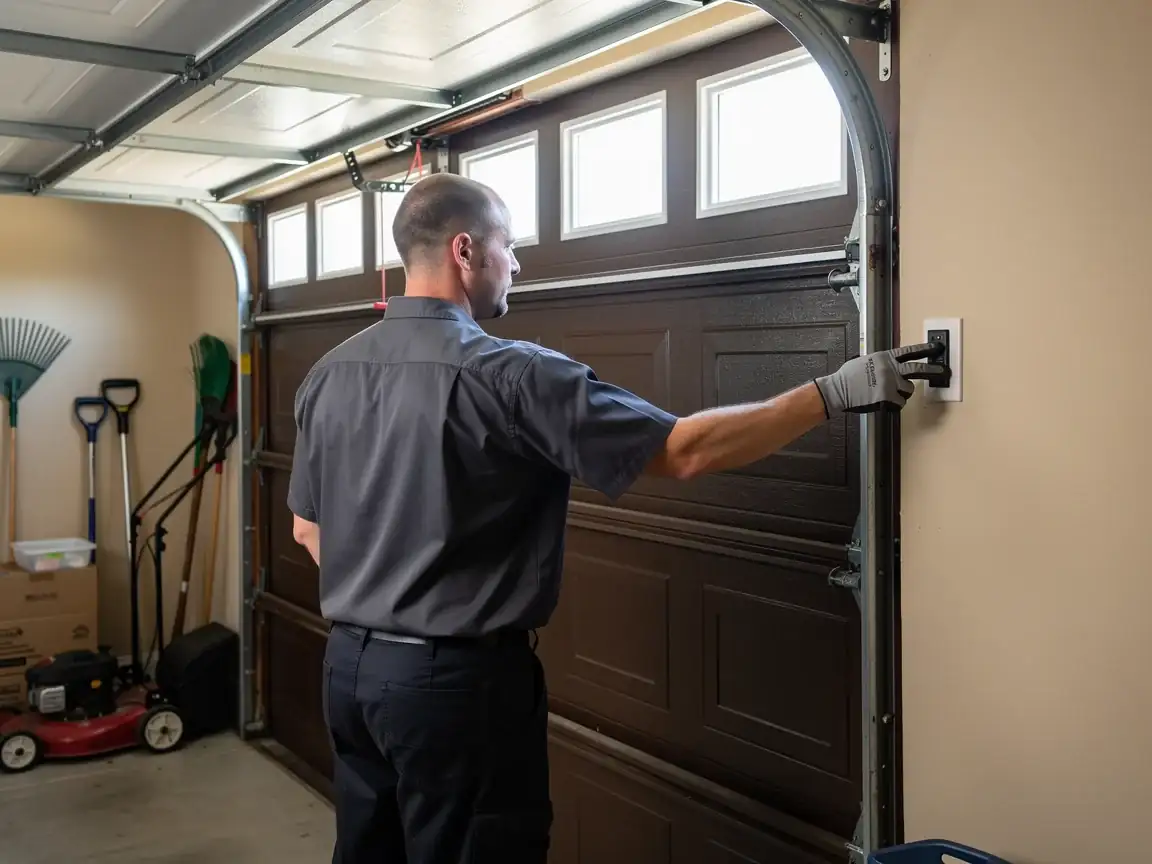
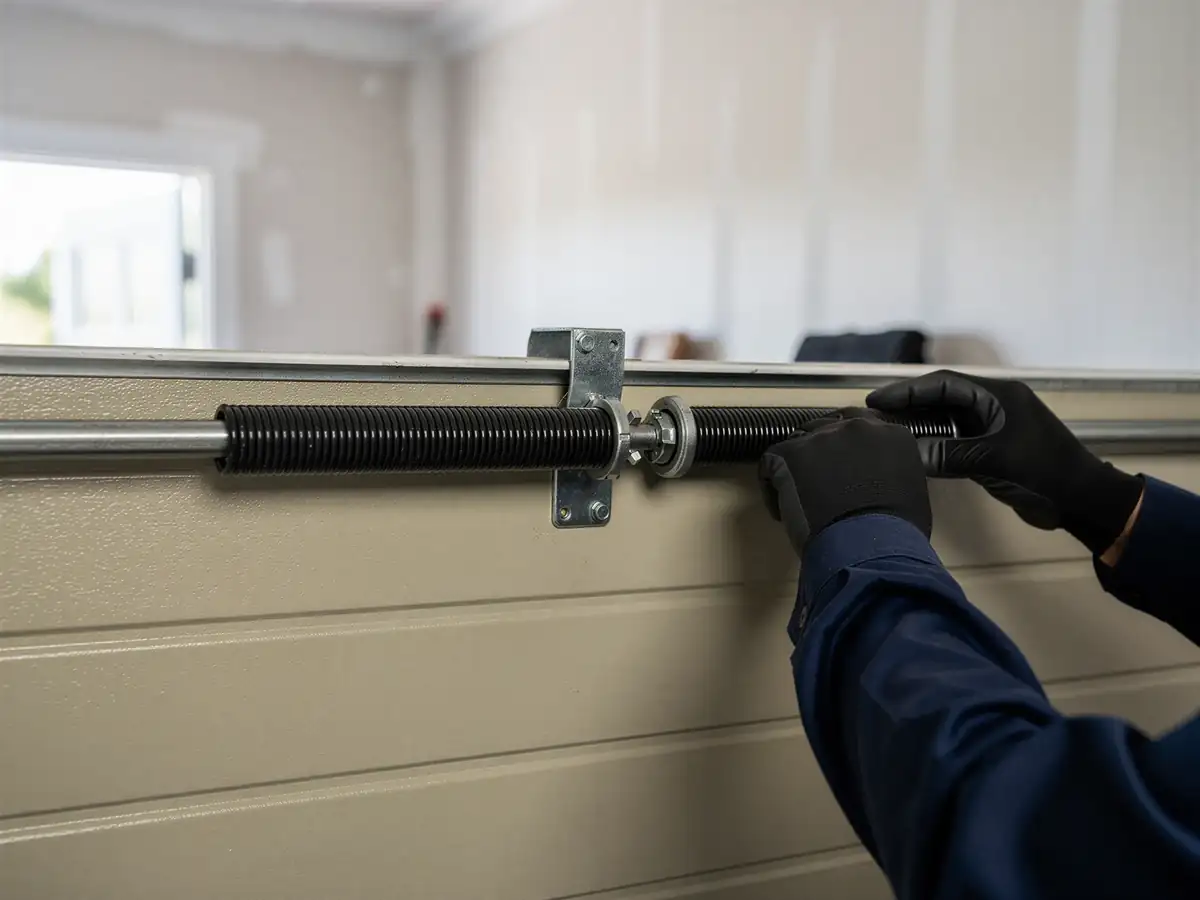
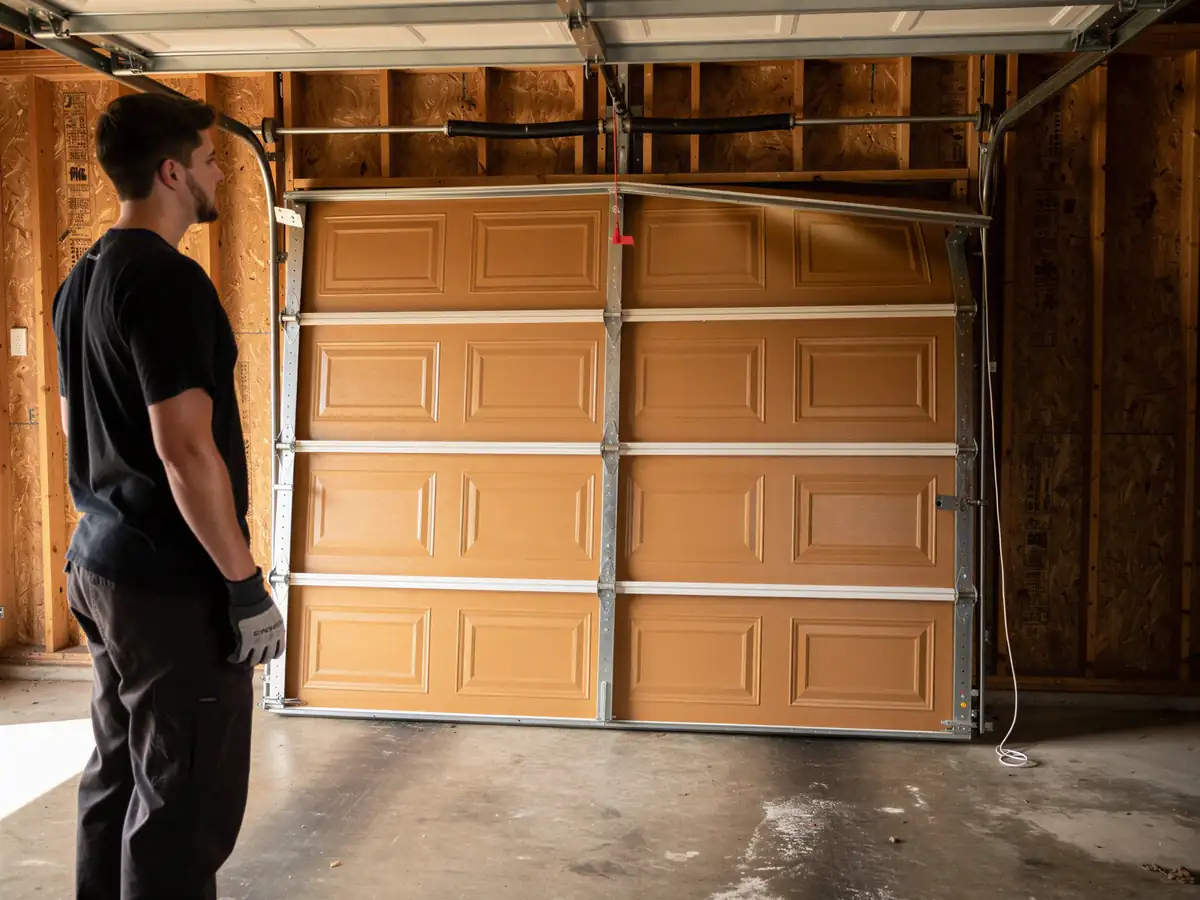
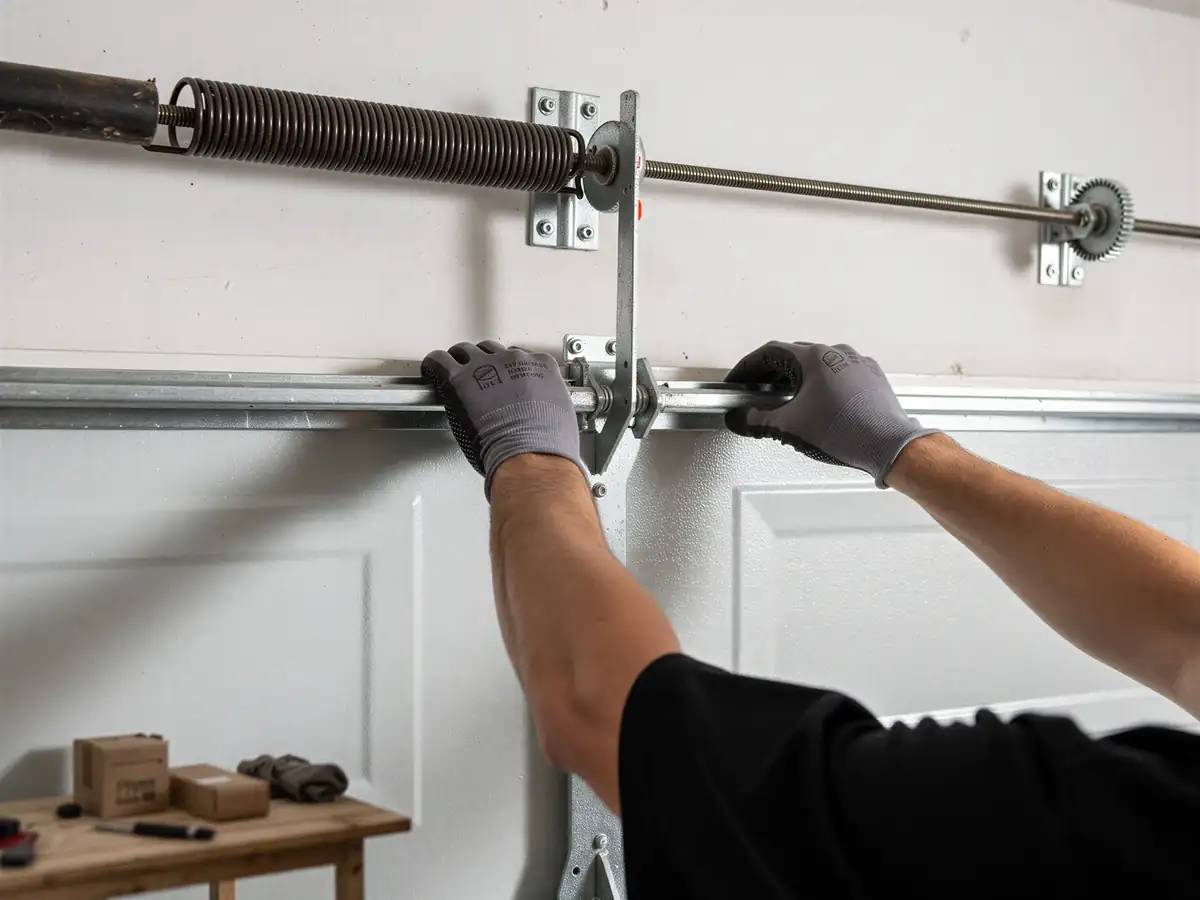
A straightforward swap - same bracket points, same door weight, modern opener replacing a dead one - is a reasonable DIY job if you're comfortable on a ladder and know how to set travel limits. Where it stops being reasonable is exactly where Zelienople's older stock tends to land: a header that needs reinforcing, or a track that's not square because the door's shifted over fifty years. If you get the opener running but the door's pulling hard to one side, you haven't fixed anything - you've just put a motor on a problem. Our honest limit here: we won't rebuild a rotted header or replace a bent track as part of an opener install quote. That's a separate repair, and we'll say so before we start rather than pad the job.