Why It Happens Here
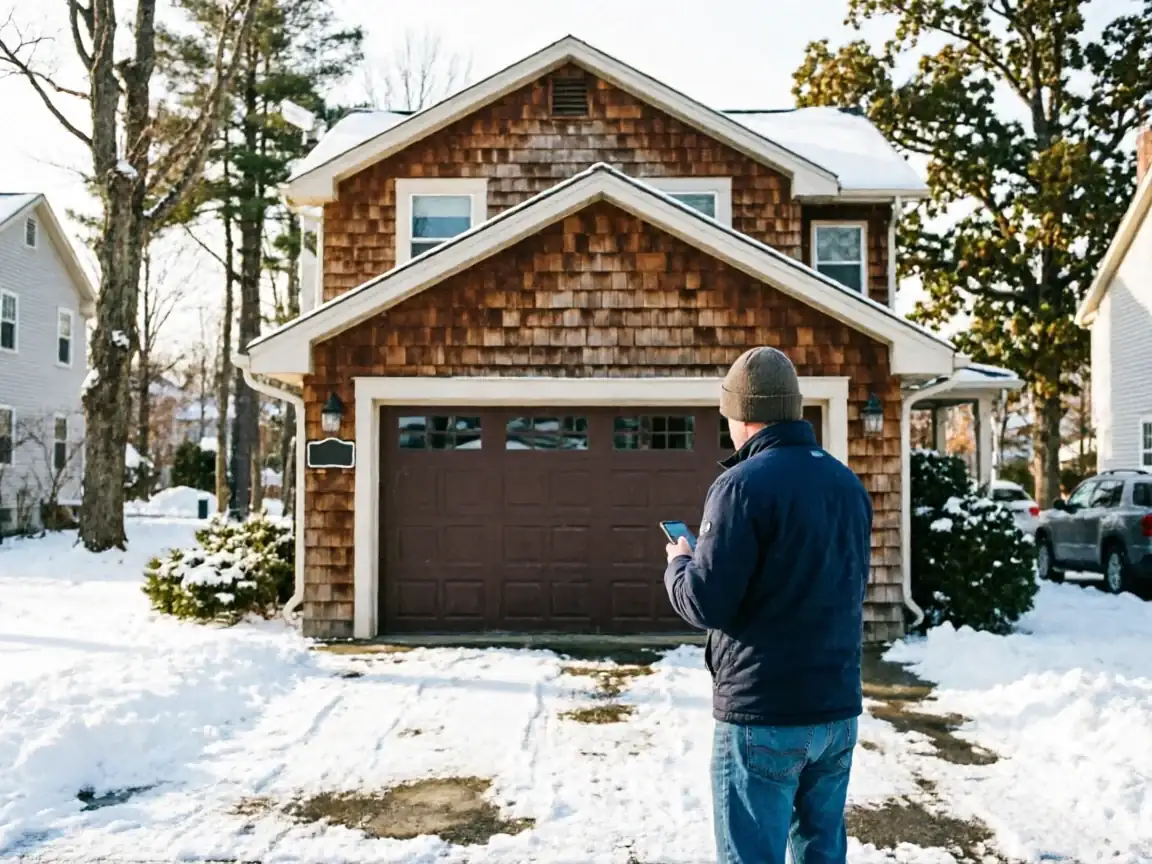
Oak Hills sits three miles out from our shop in Butler, which matters more than it sounds like it should. A cable snap doesn't wait for a convenient morning, and a short drive means we can usually get a truck out the same day instead of stacking the job behind farther calls. That's the first number worth knowing about this town.
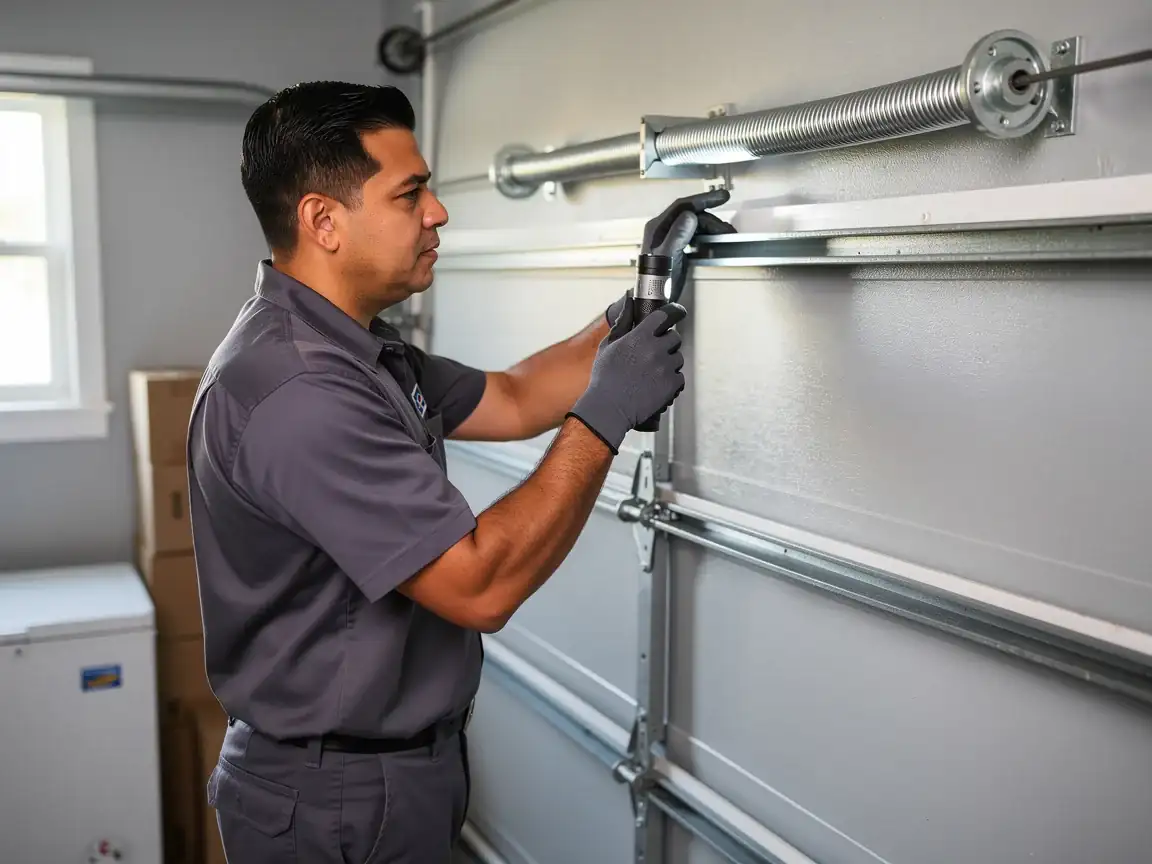
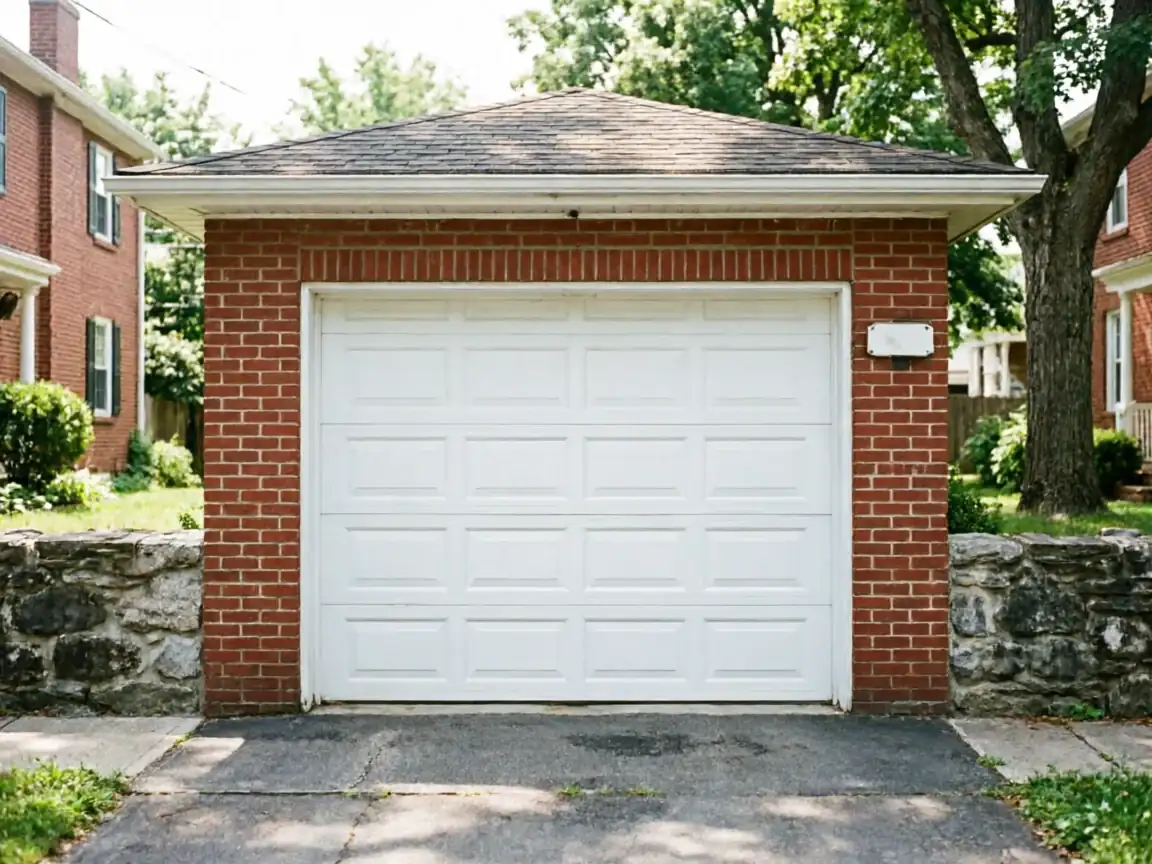
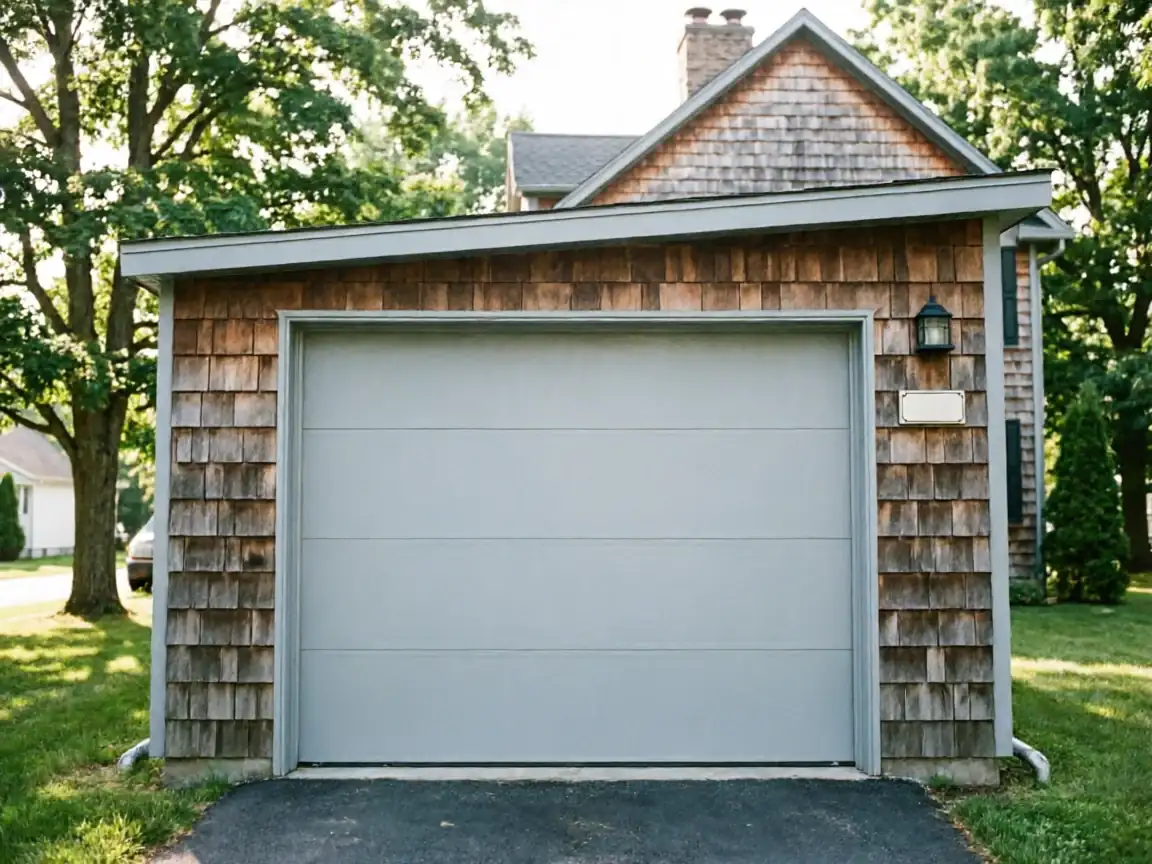
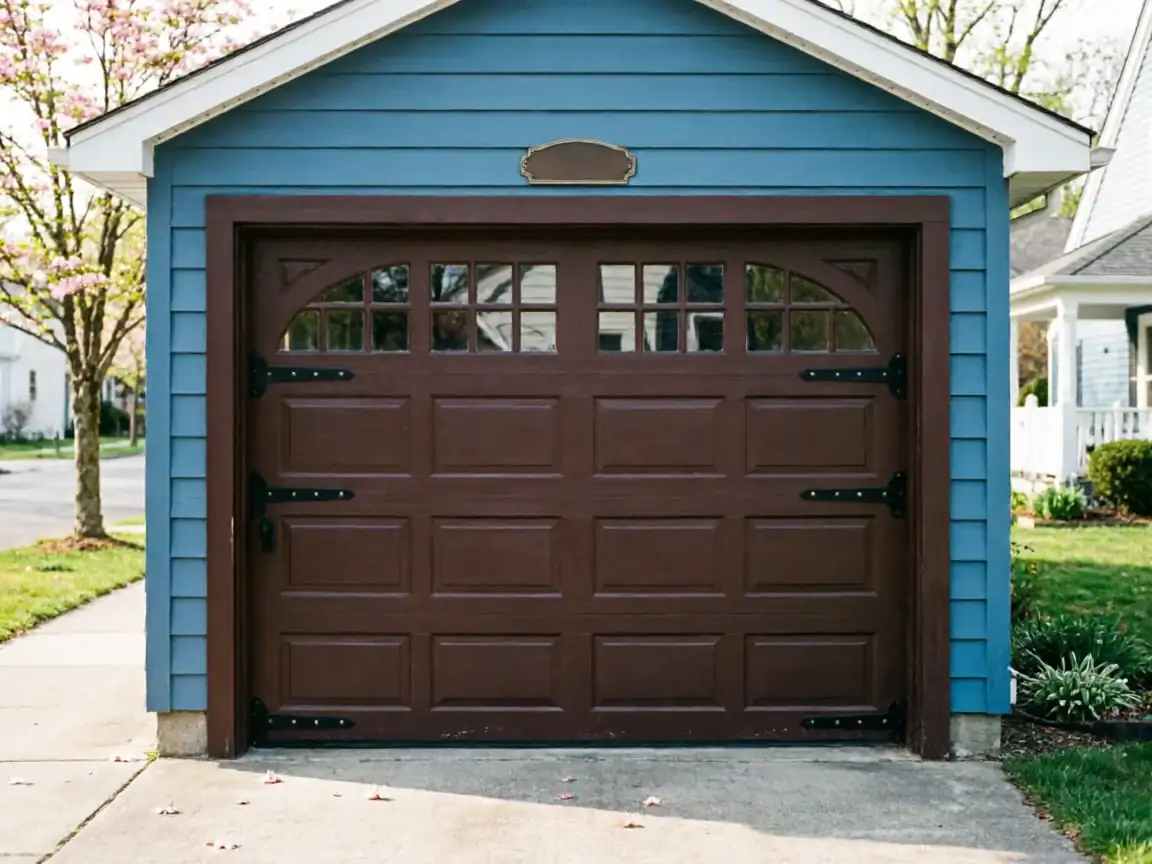
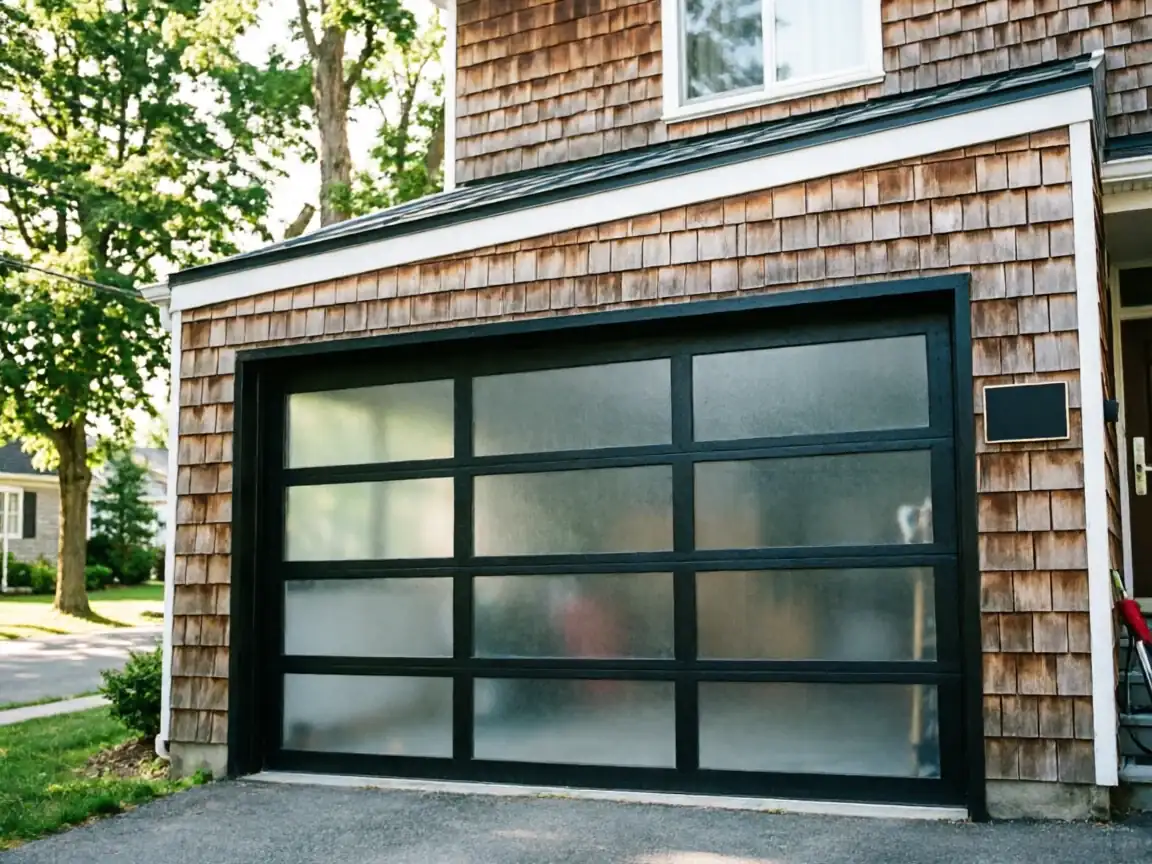
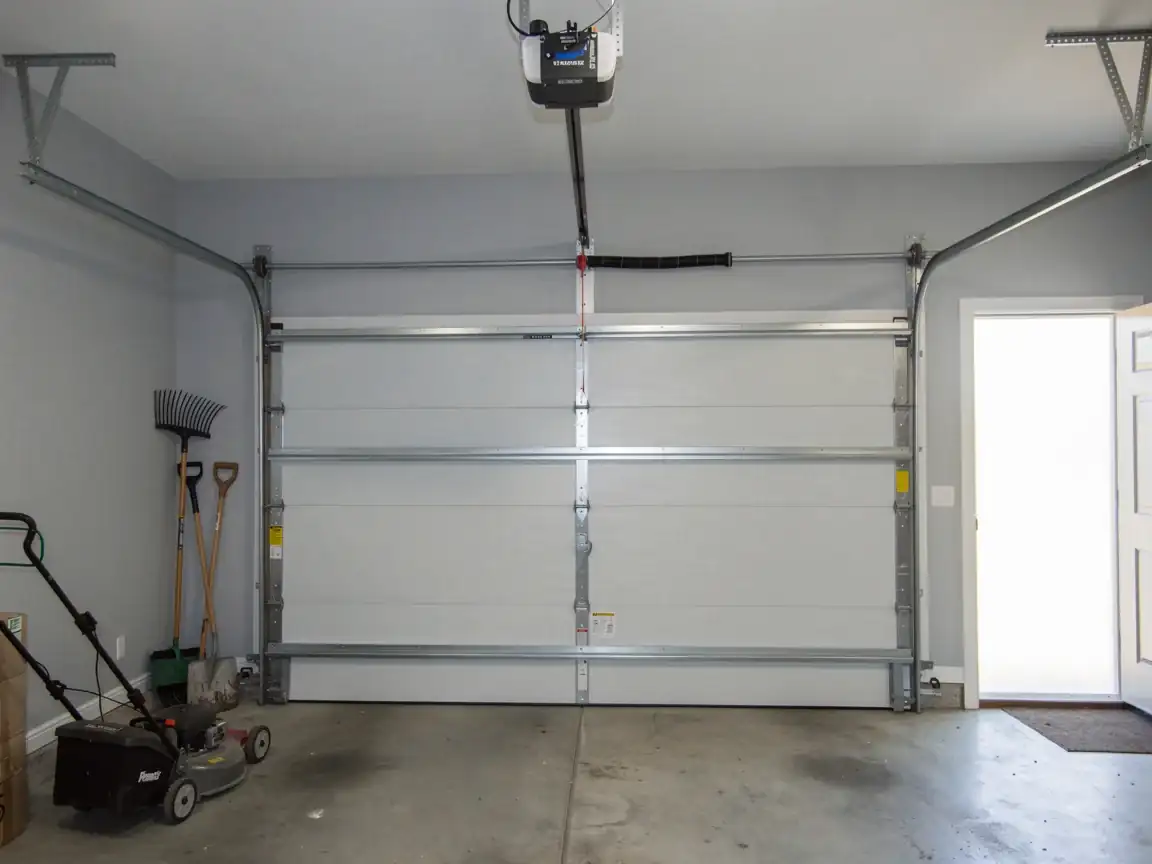
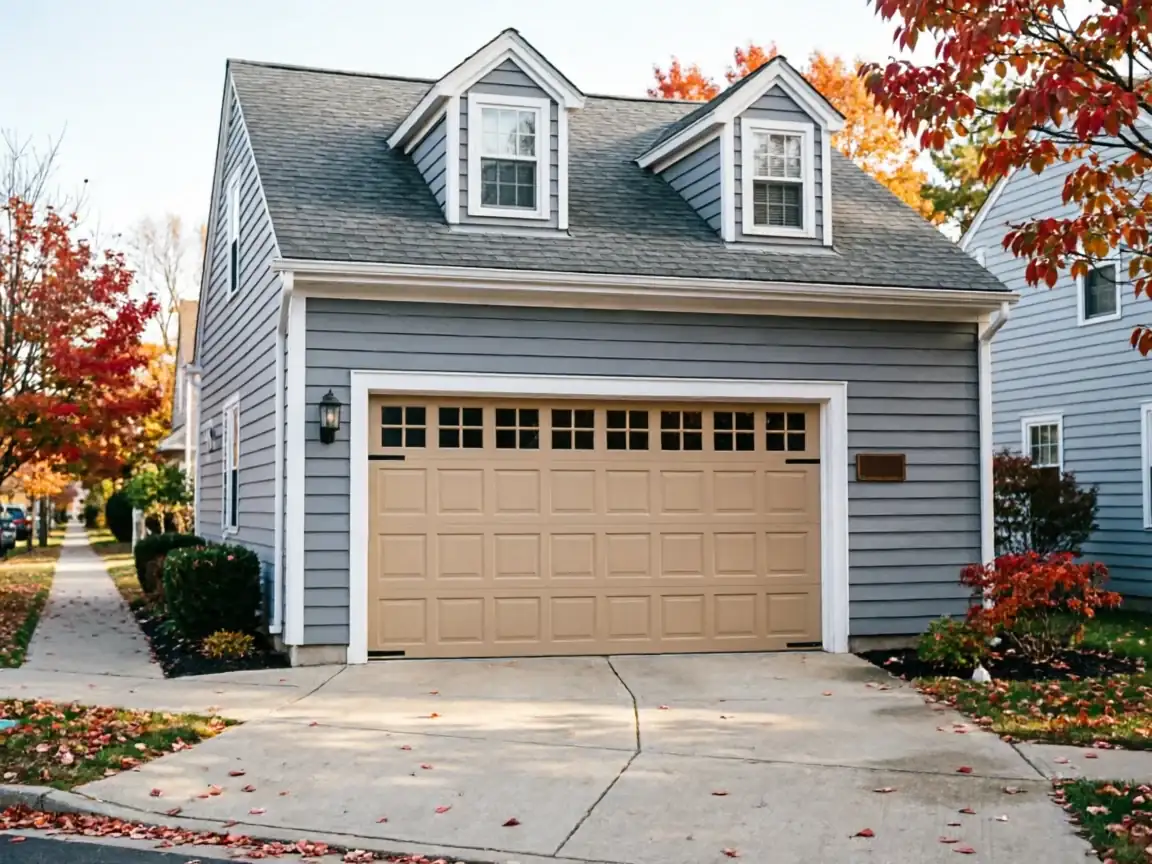
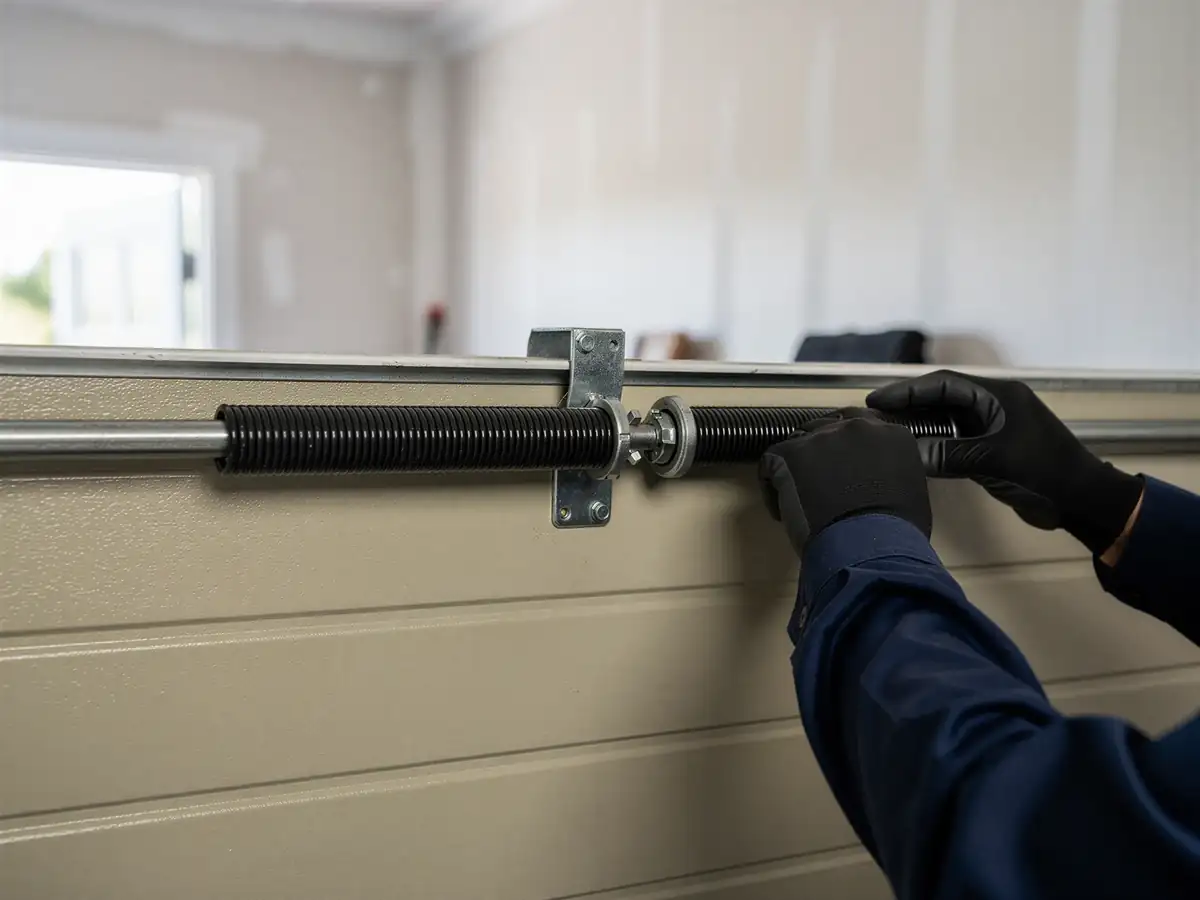
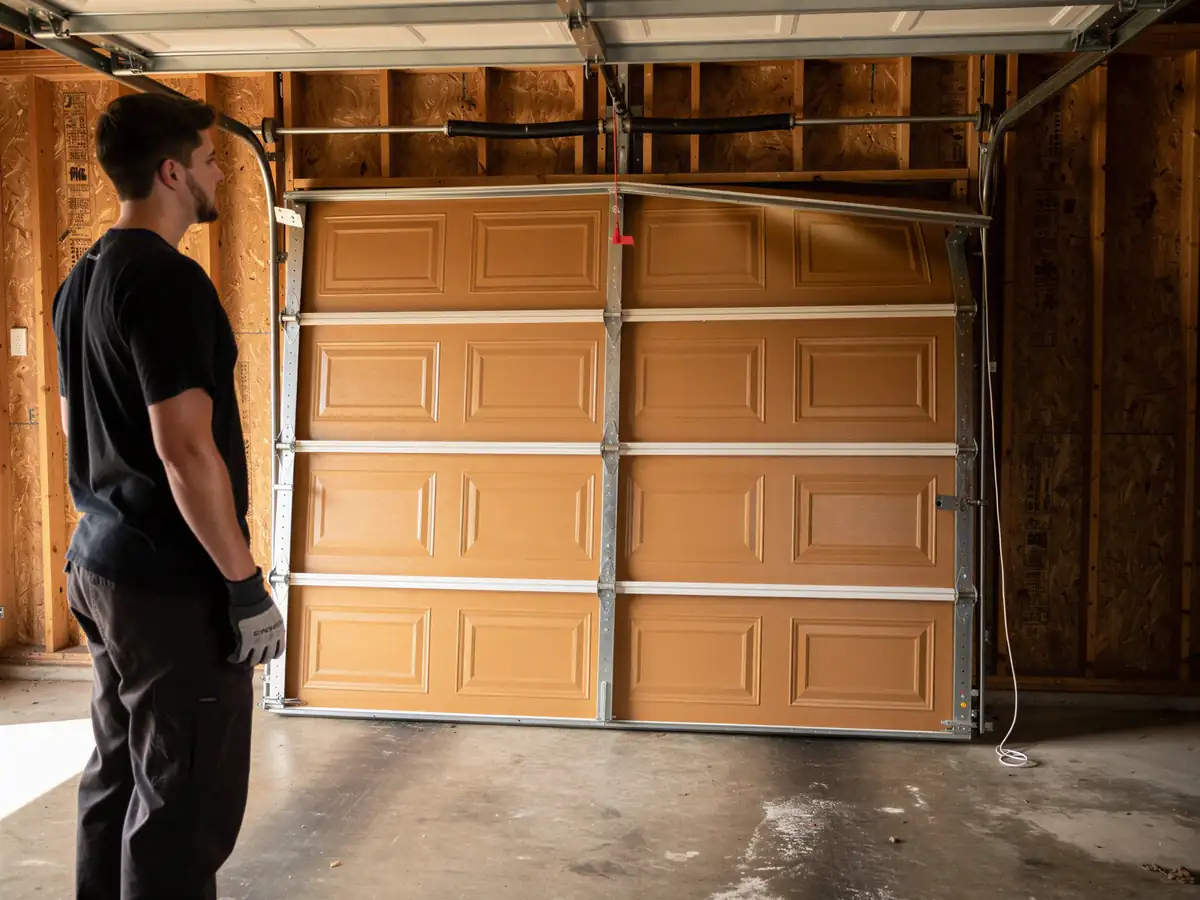
The second is the housing stock. Oak Hills skews a bit newer than a lot of the neighborhoods we cover out of Butler - the median home here went up around 1979, compared to the 1973 median across the wider service area. That extra few years matters for cable work specifically: homes from this stretch were more likely built with standard torsion spring systems and galvanized lift cables rather than the older extension-spring setups still common on the 1950s and 60s houses closer in. Torsion cables wear differently - they fray where they wind onto the drum, not where they stretch over a pulley.
The cold is the other factor that doesn't care what year the house was built. This area sits in a severe cold climate band, and repeated freeze-thaw cycles stiffen the steel strands in a cable, making them brittle right at the drum winds where the bending stress is highest. That's usually where we find the break.
Parts We Carry
We stock lift cables sized for the standard torsion drum setups that match the garage doors common to homes built in the Oak Hills era - late 1970s single and double door openings, galvanized aircraft cable in the gauges that fit those drums. We also carry the hardware that tends to go with a cable failure: drum sets, end fittings, and the clips that anchor the cable to the bottom bracket, since a cable rarely breaks without taking a fitting or two with it.
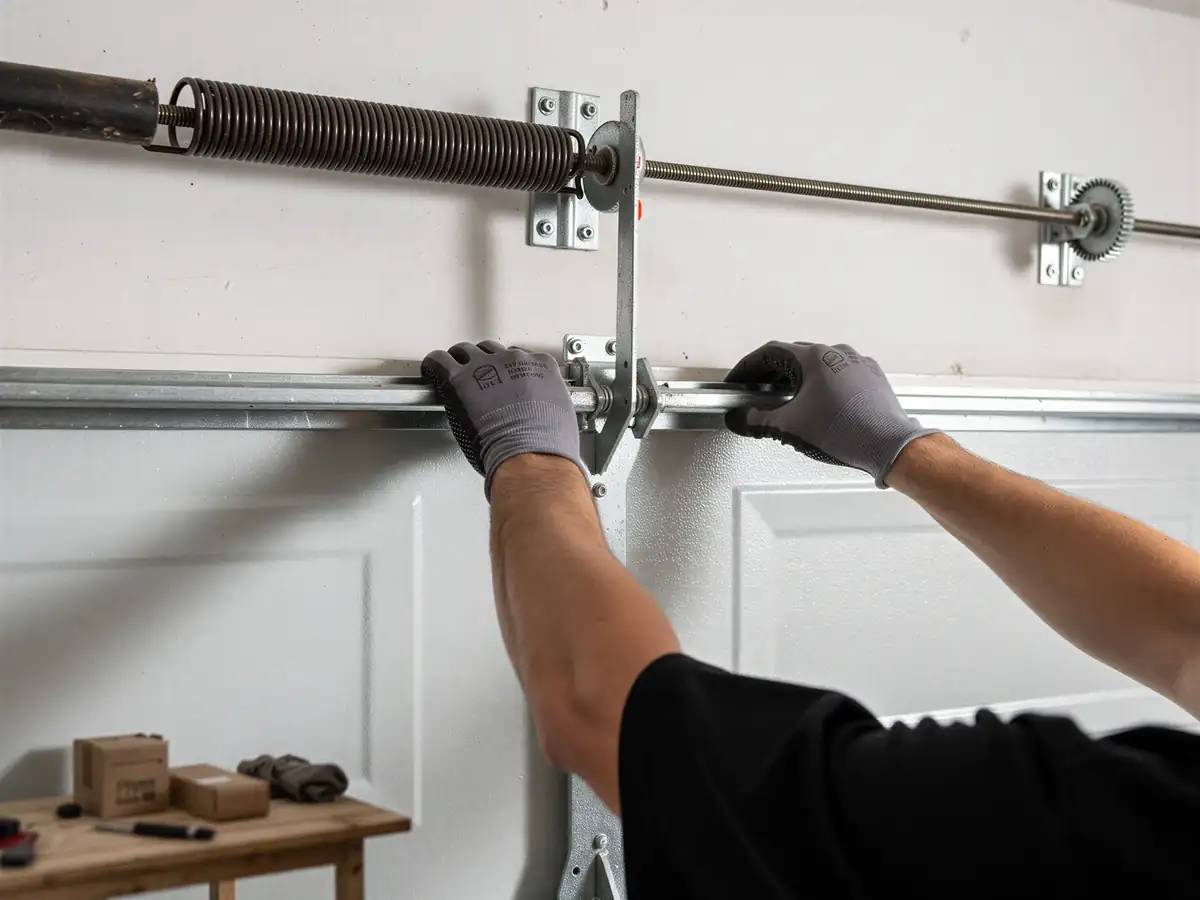
What we don't carry on the truck is obsolete extension-spring cable sized for the oldest doors in this part of the service area - those older pulley-and-stretch systems. If your garage is one of the few older holdouts near Oak Hills rather than the more typical newer build, we may need to order that cable rather than pull it off the shelf, which can add a day to the job. That's the one honest limit on how fast we can turn a job like this around.
The DIY Question
A garage door cable is under enough spring tension to take a finger off if it lets go wrong
And that's true whether the door is a 1960s single-car or a late-70s double. We don't recommend homeowners touch a broken cable themselves, full stop - not because the parts are hard to find, but because the torsion drum holding the other end is still loaded even after the cable snaps.
If you're set on doing something yourself before we get there
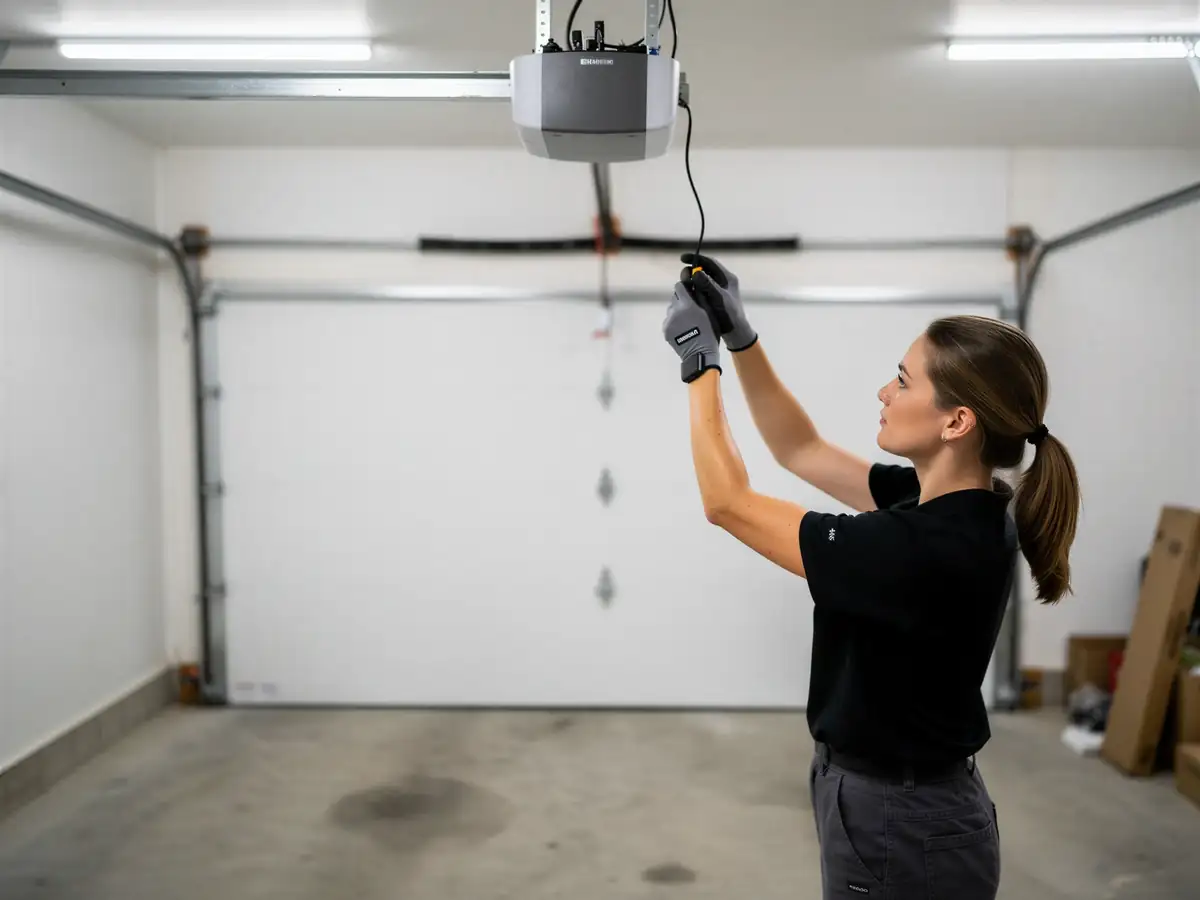
The safe move is to unplug the opener and prop the door shut with a clamp on the track, not to try to wind anything back by hand. Leave the spring and drum alone. That's the same advice for a torsion setup in a newer Oak Hills build as it would be for an older extension-spring door - the tension doesn't know what decade your house was built.
What the Fix Involves
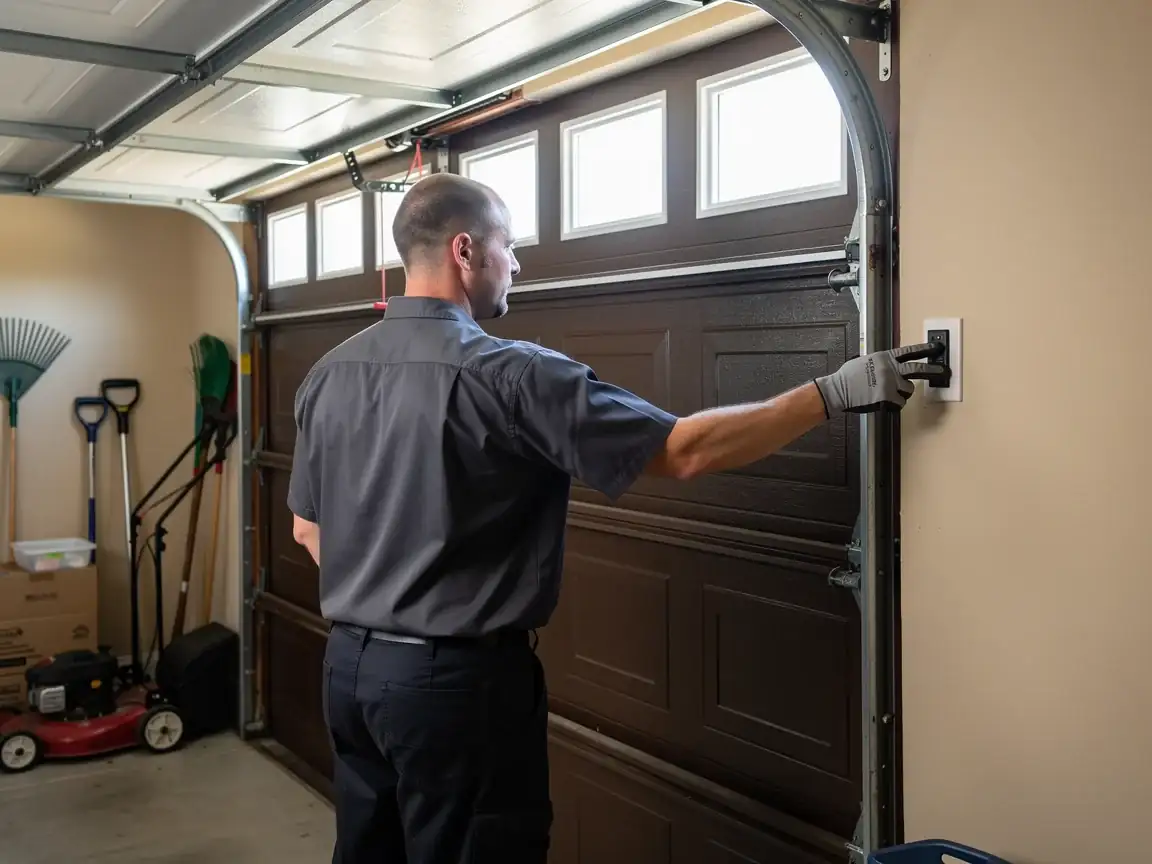
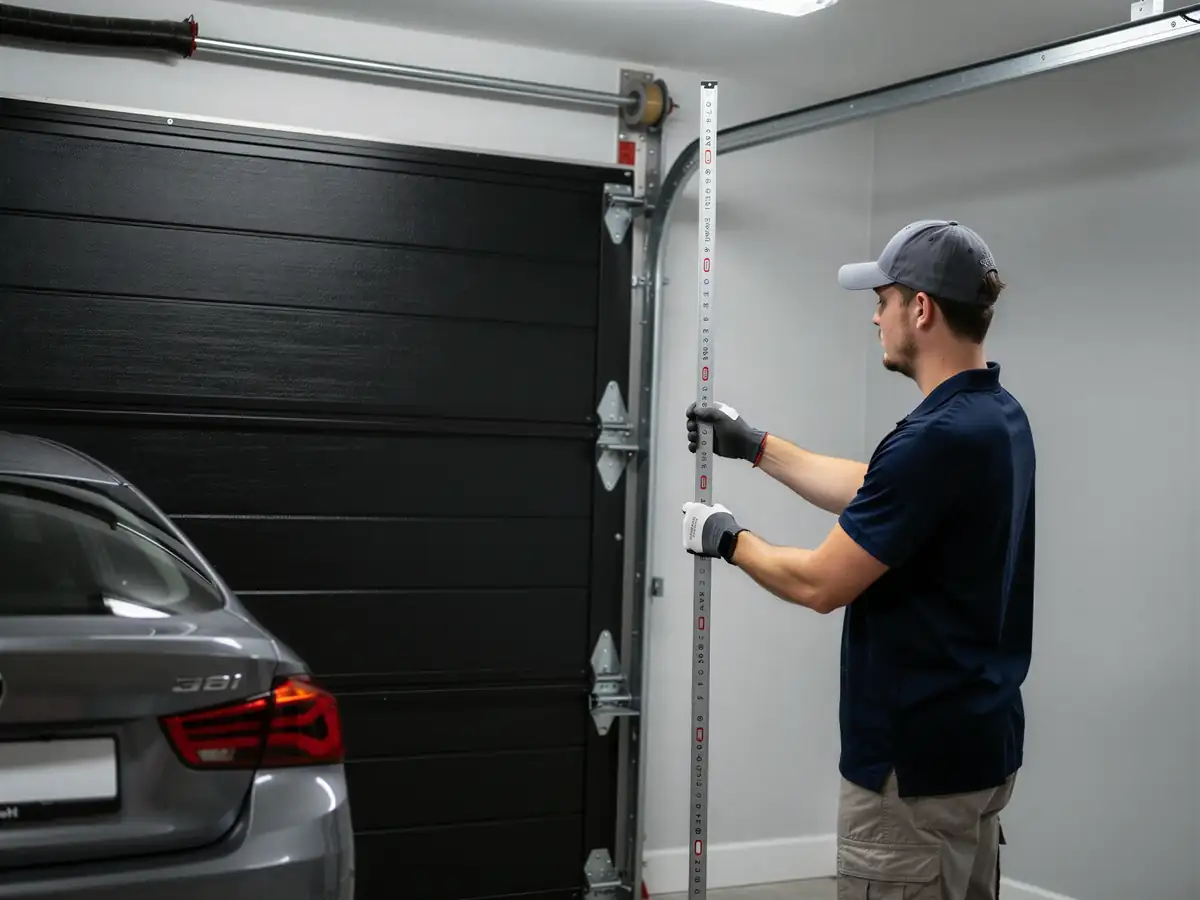
Once we're on site, the job starts with releasing tension safely - clamping the torsion spring or securing the extension spring track, depending on what era of hardware your door has. Then we pull the broken cable off the drum and bottom bracket, check the drum groove for wear grooves cut by the old cable (common once a cable's been fraying a while before it finally lets go), and swap in new galvanized cable sized to the drum.
We test the balance afterward - a door that closes and holds halfway open on its own is balanced; one that drifts up or slams down isn't, and that usually means the spring tension needs adjusting too, not just the cable. For most Oak Hills doors built in the torsion-spring era, that's a same-visit fix. Older extension-spring doors sometimes need a pulley or fitting replaced alongside the cable, which we'll quote on site before doing the work.