
Why It Happens Here
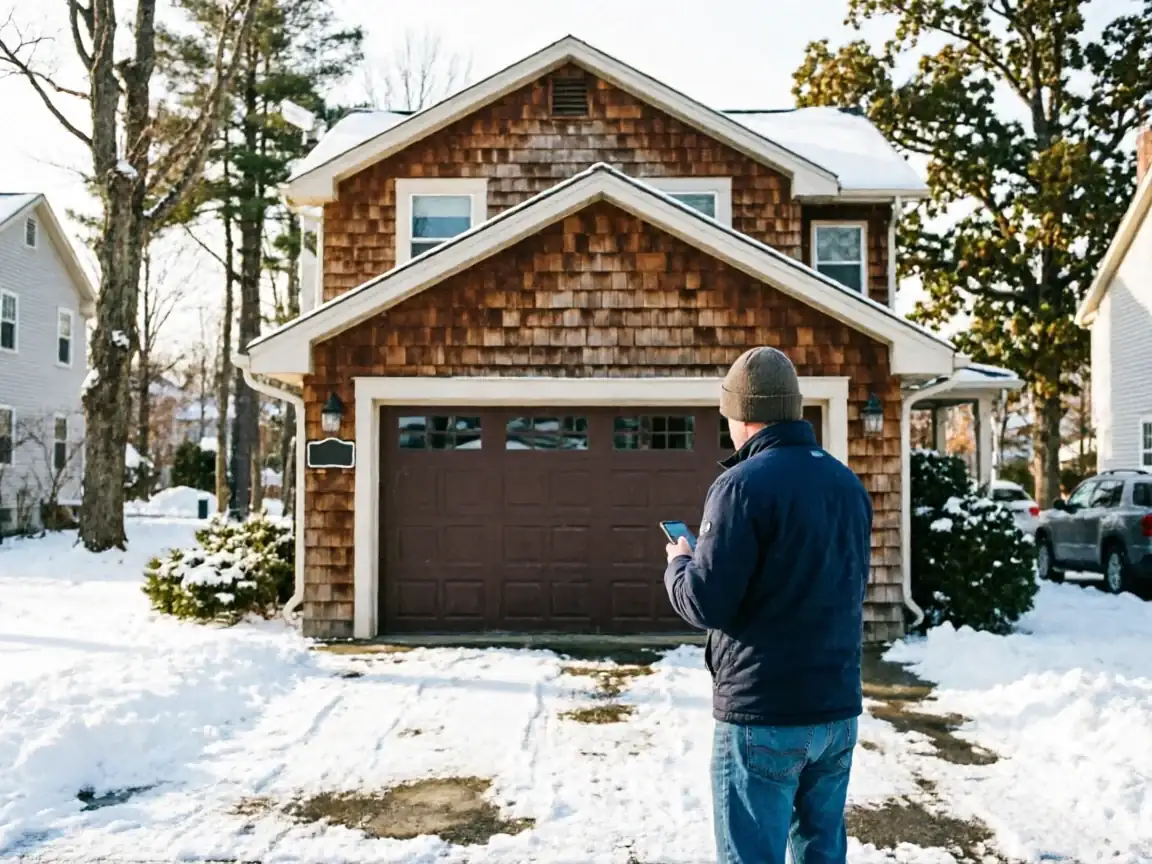
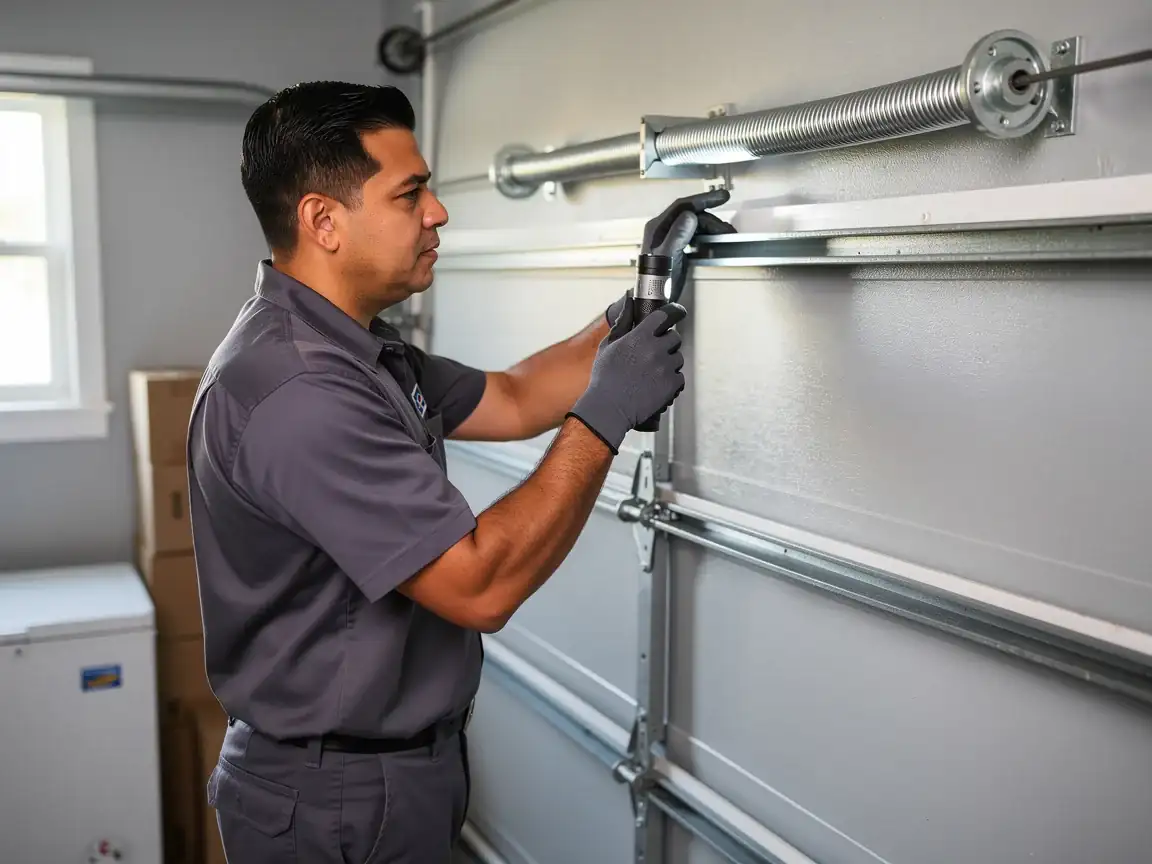
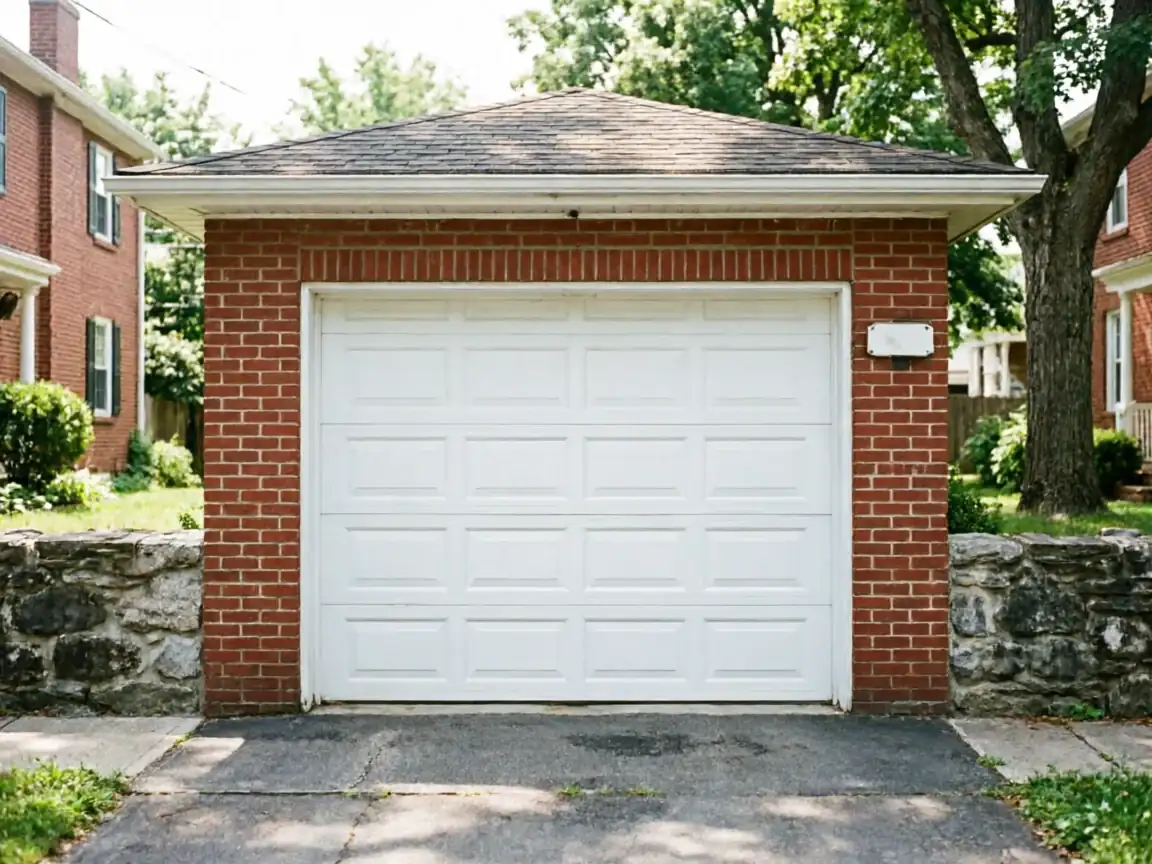
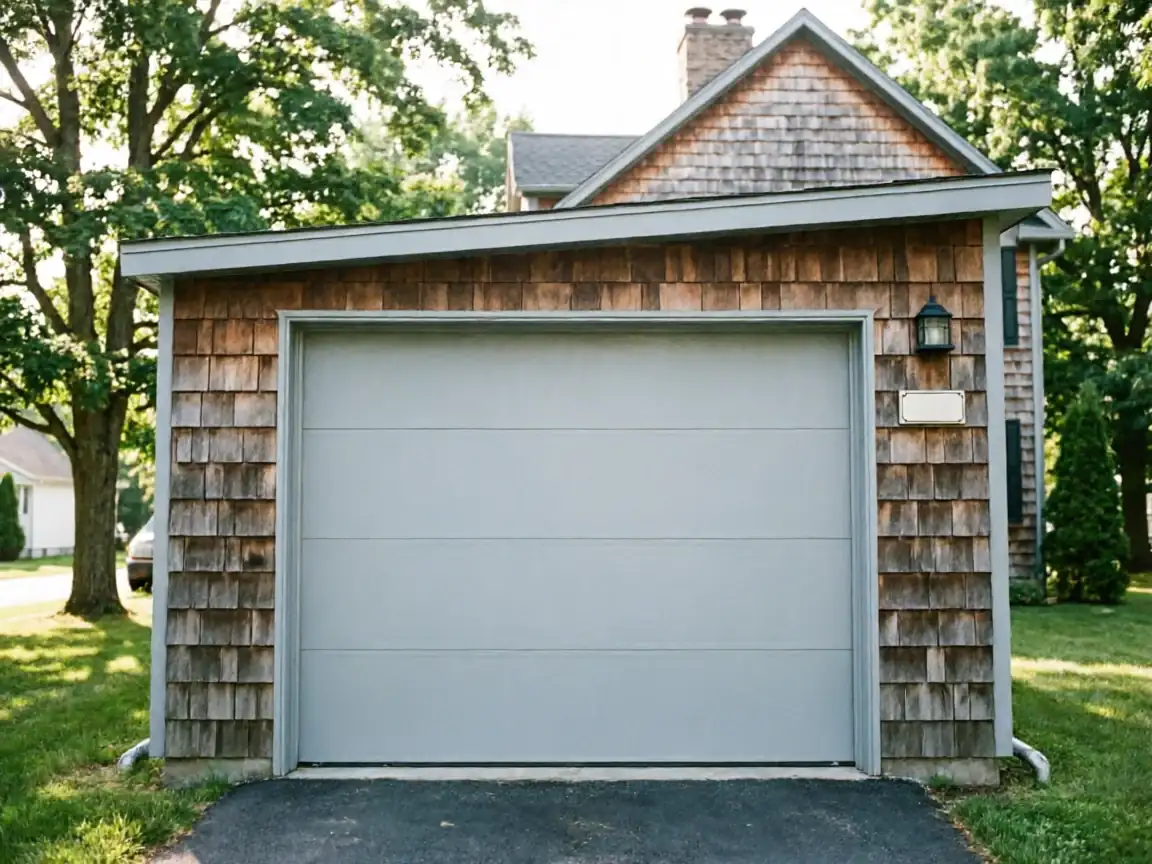
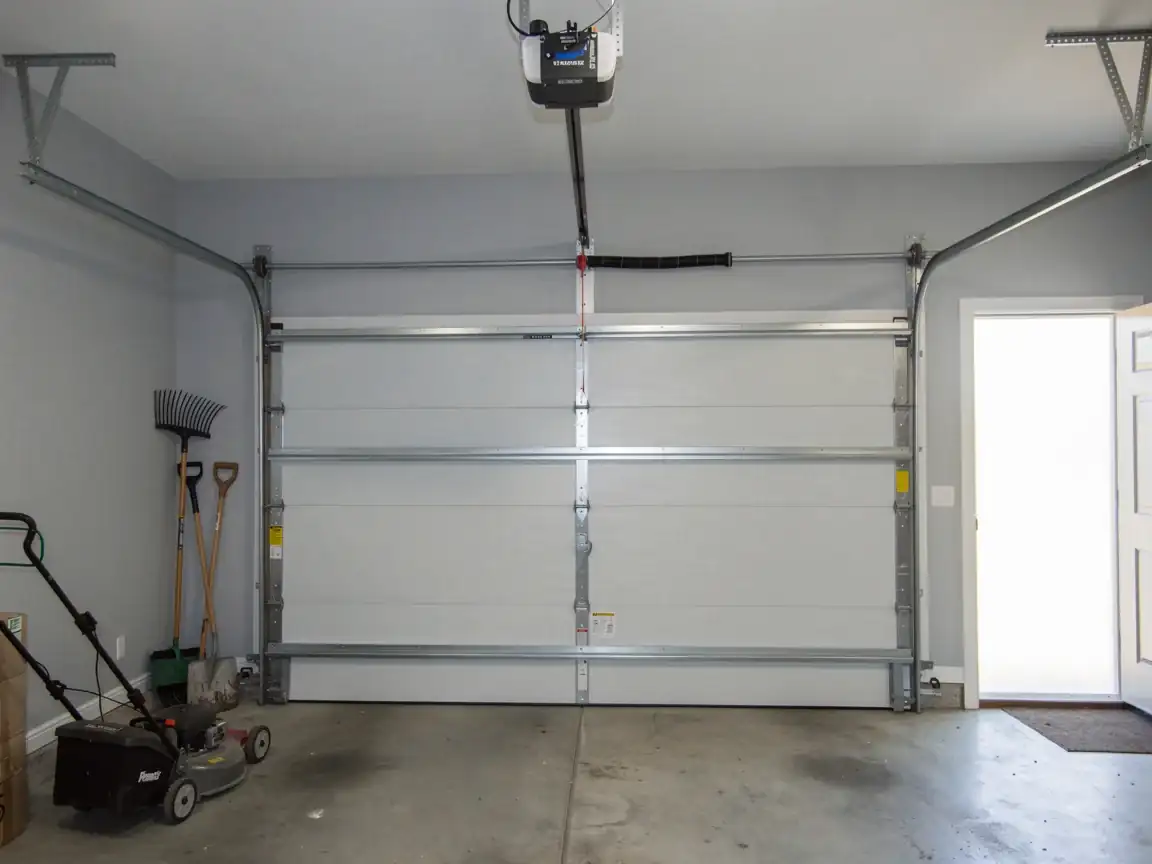
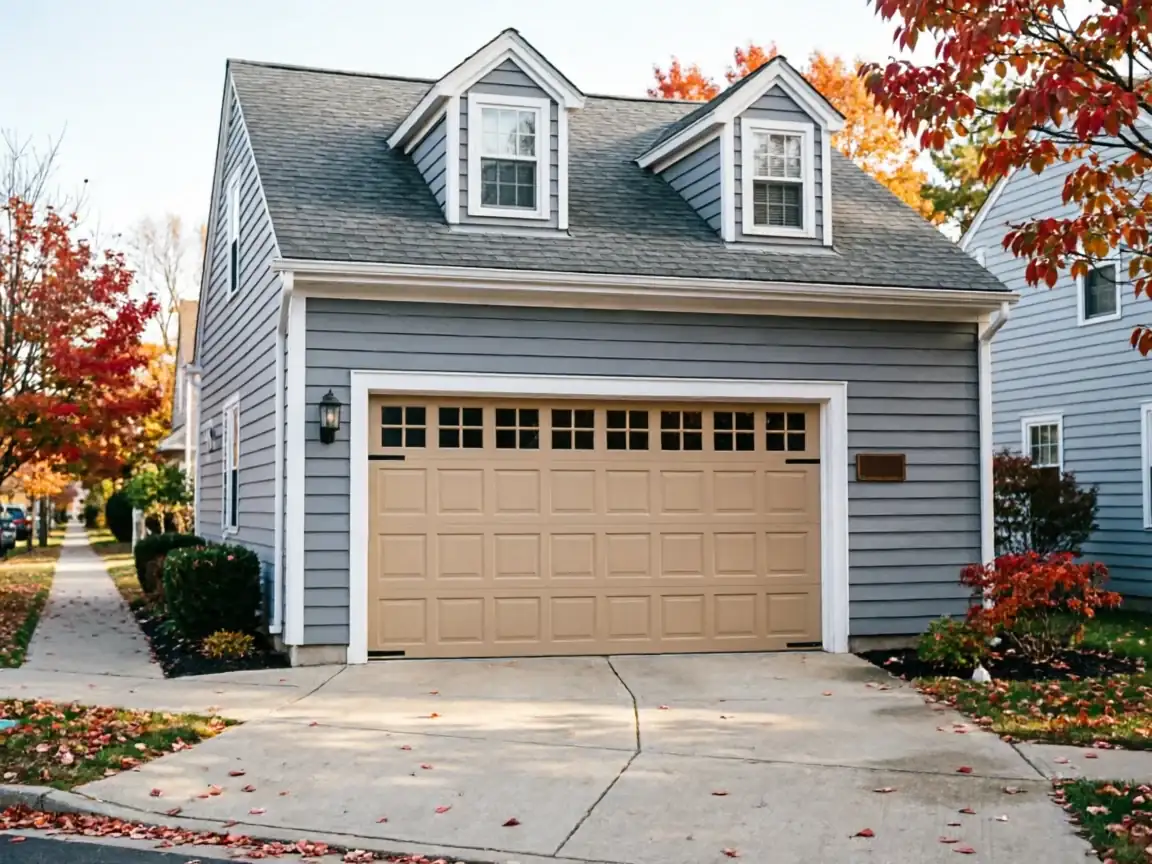
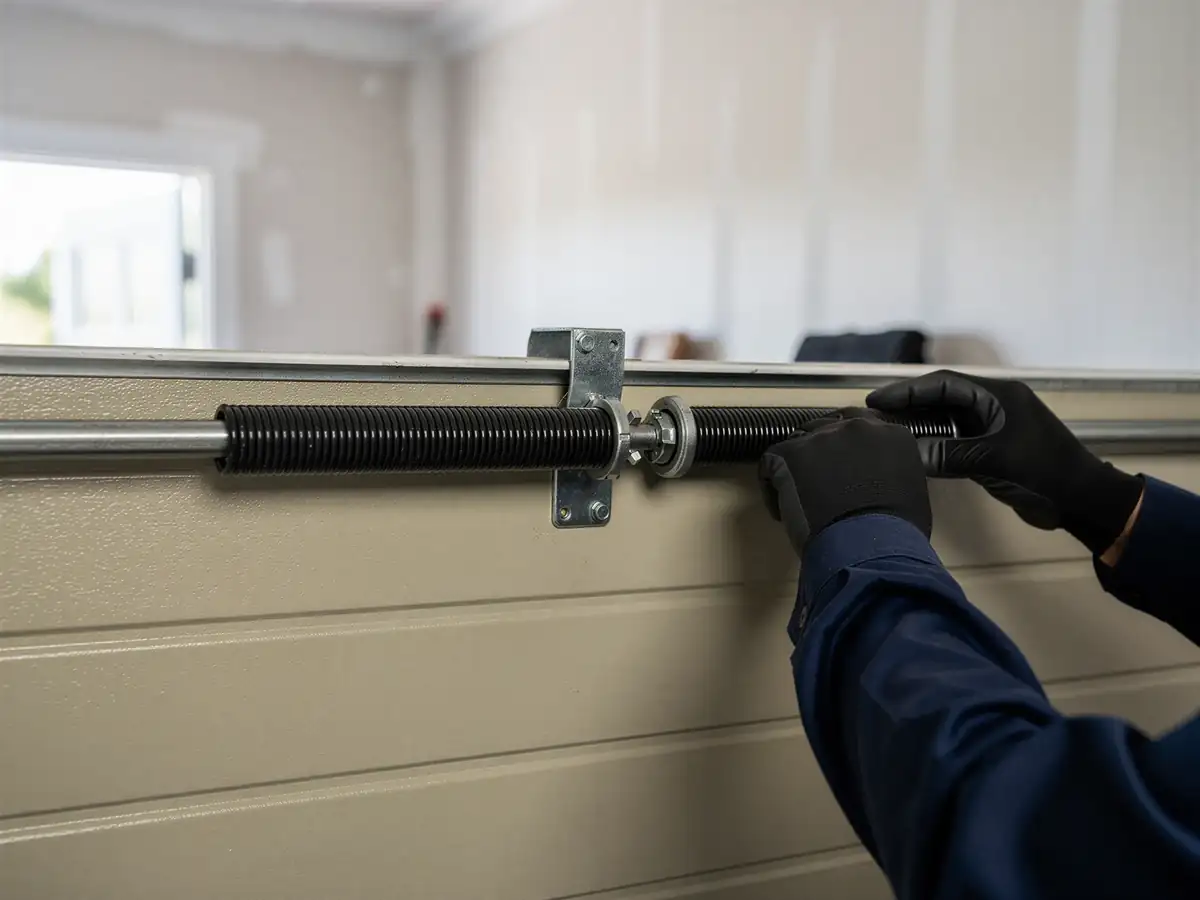
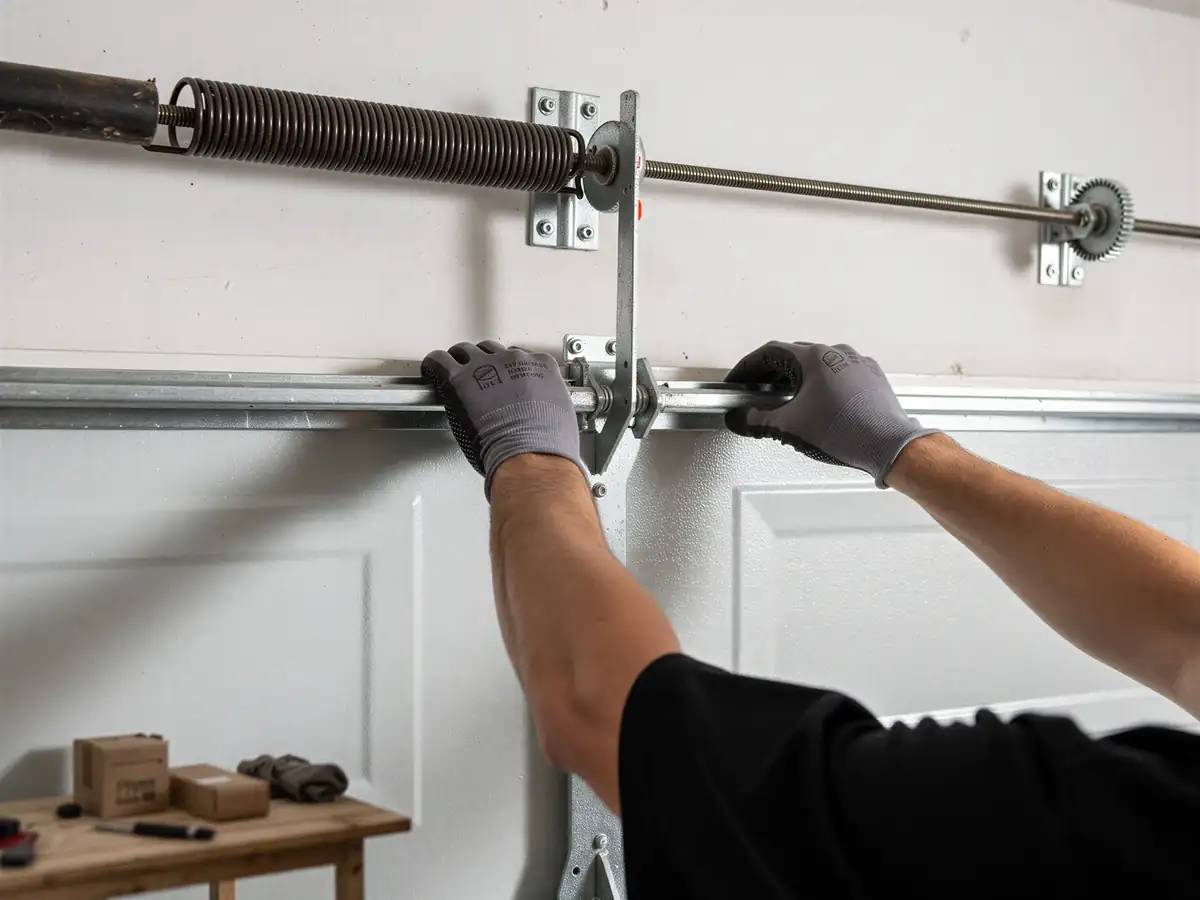
Oak Hills is small - 1,196 households, tucked about 3 miles from our shop in Butler. That size matters for the kind of calls we get. In a town this compact, the housing went up in a tighter window than you'd see across the wider service area; the median build year here is 1979, newer than the 1938-1999 spread and 1973 median across the broader Butler service area. That means fewer of the oldest one-piece doors and more torsion-spring setups from the late '70s and '80s - openers bolted on later, brackets drilled into jambs that weren't built for them. The failure we see most isn't a rotted panel, it's a torsion spring that's done 40-plus winters of cold-weather cycling and finally lets go on a January morning. Cold-band winters here mean the steel contracts, grease stiffens, and a spring already near the end of its life snaps instead of just binding. With under 1,200 households total, we're not managing a dozen different housing eras - we're mostly dealing with one generation of hardware, which actually makes diagnosis faster once we're on site.
Parts We Carry
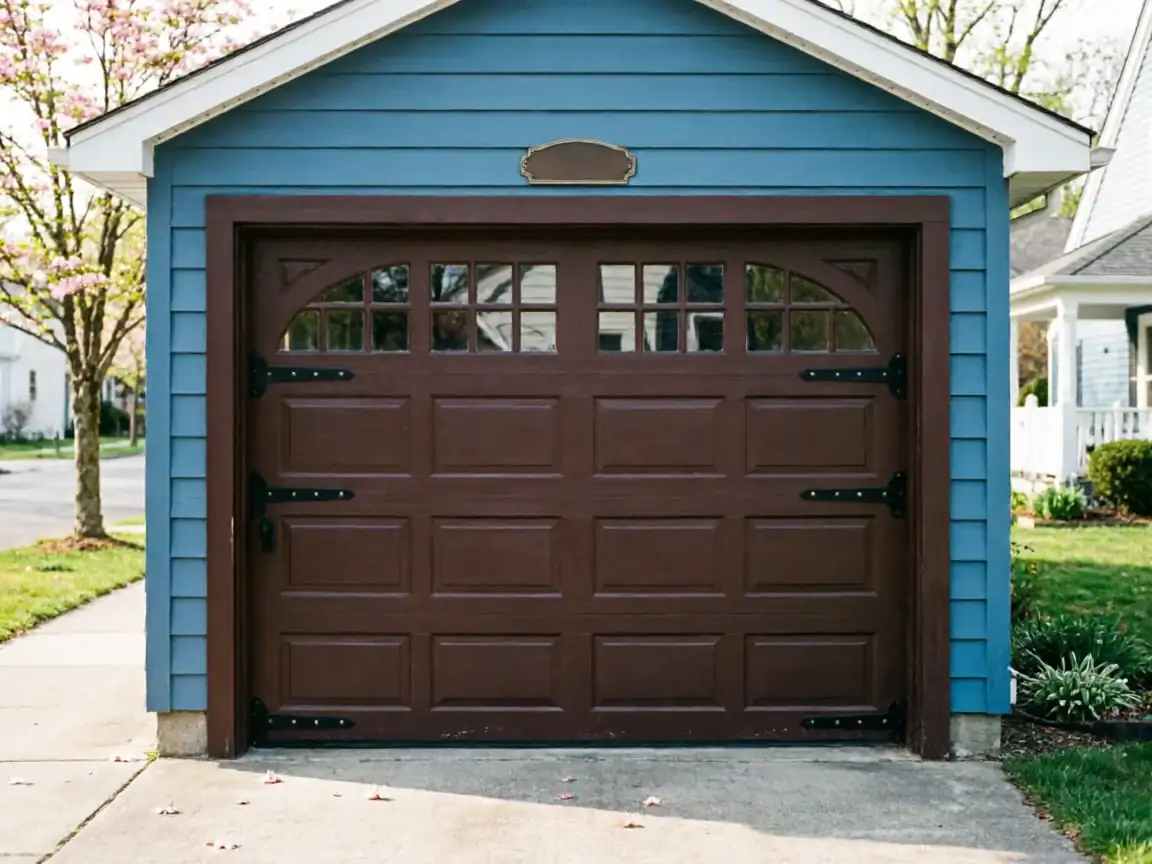
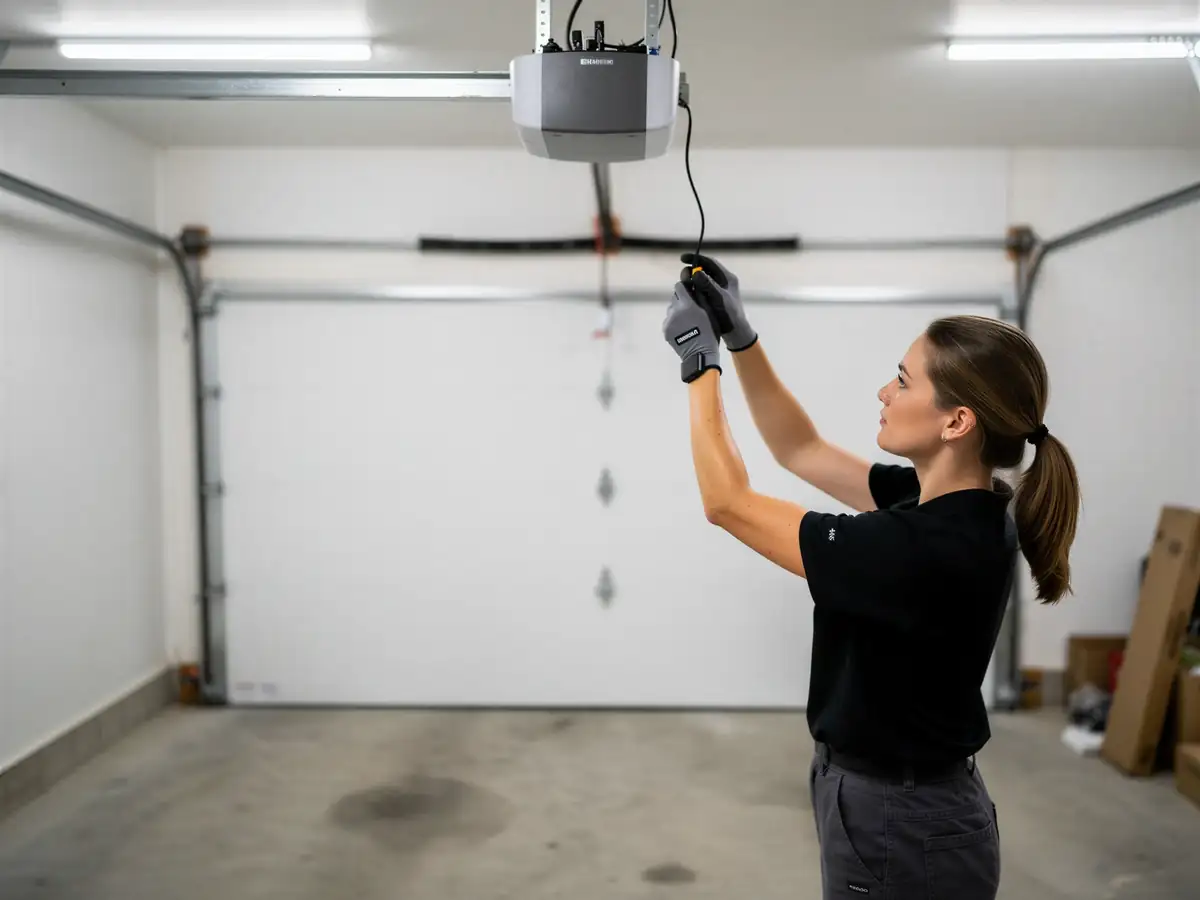
Because Oak Hills skews to one build era, the parts truck is loaded for it. Torsion springs sized for the double and single-car openings common to late-1970s construction, extension cables, nylon and steel rollers, and the steel tracks that mounting pattern calls for. We carry replacement openers compatible with the older bracket spacing you'll find on a house from this period, so we're not drilling new holes into trim that's held up fine for 45 years. What we don't stock on the truck: specialty wood-panel doors or custom-width sections - those get special-ordered, and if your door needs one, we'll tell you upfront rather than let you wait on a truck that doesn't have it.
What the Fix Involves
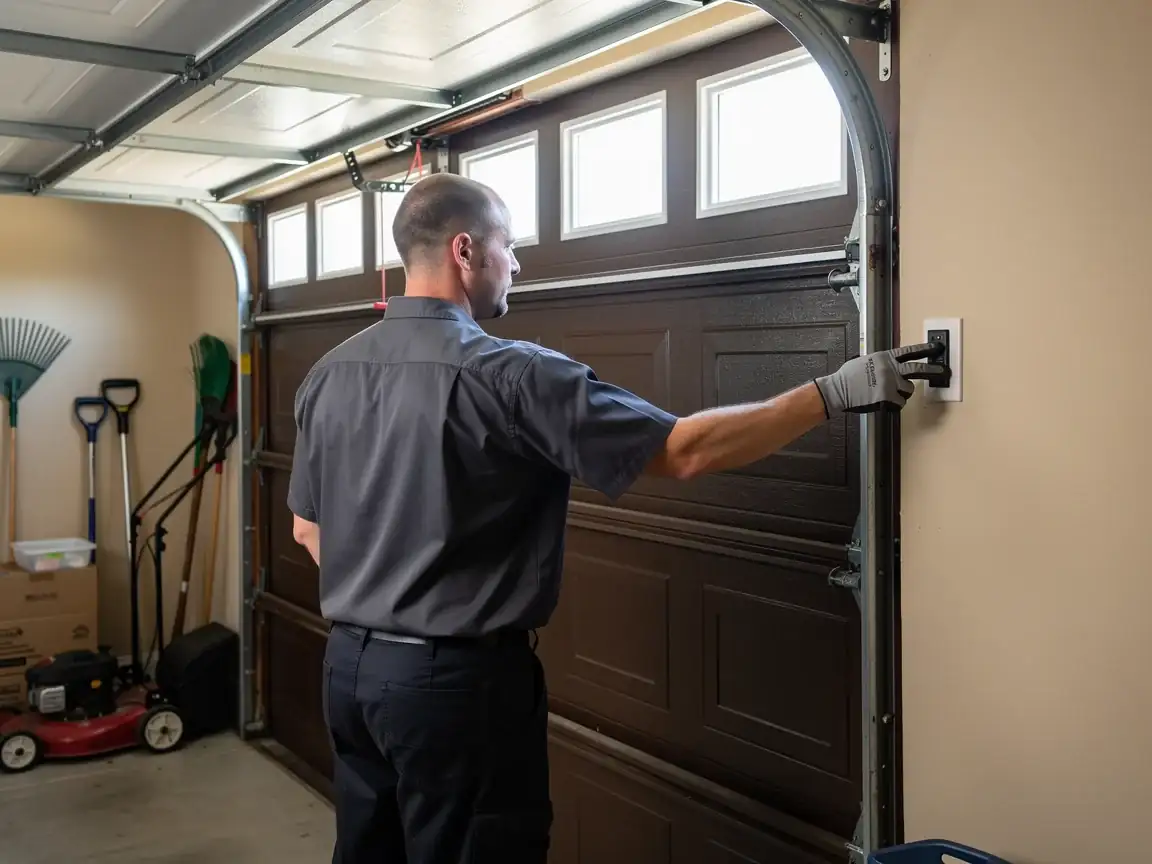
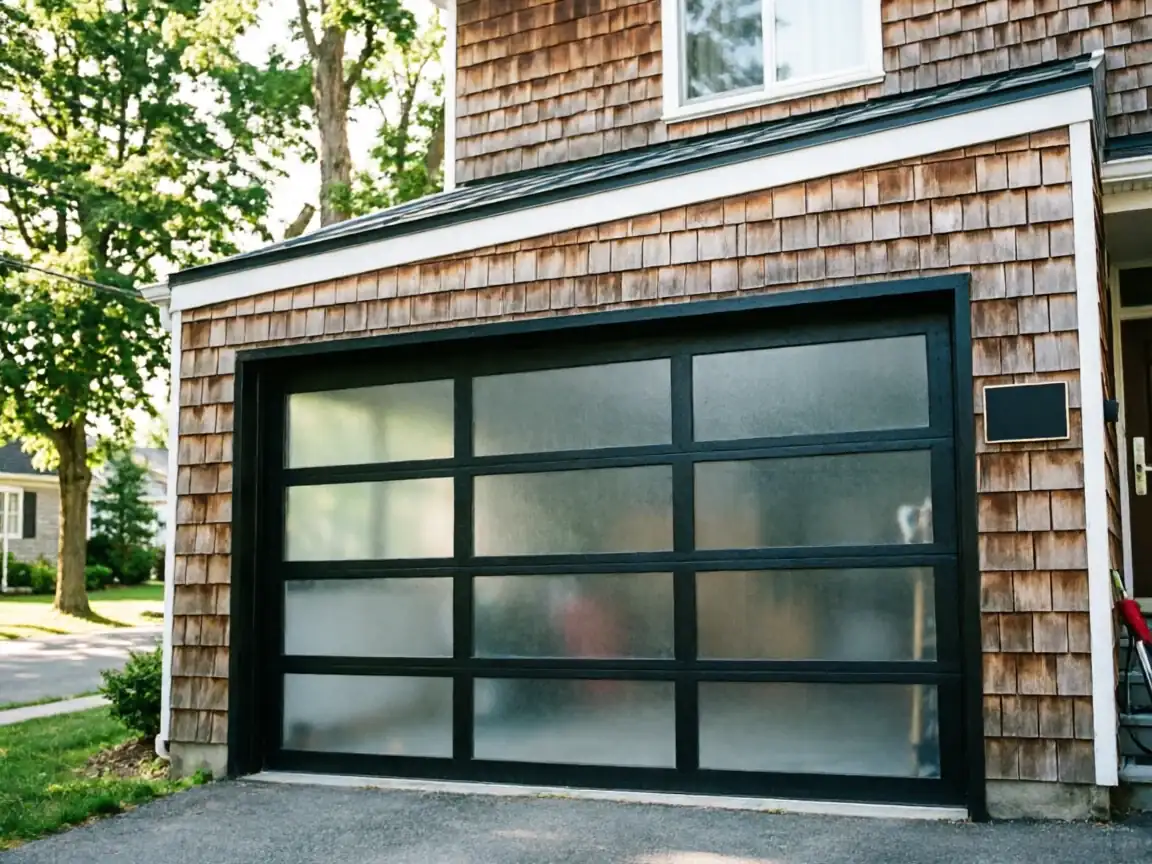
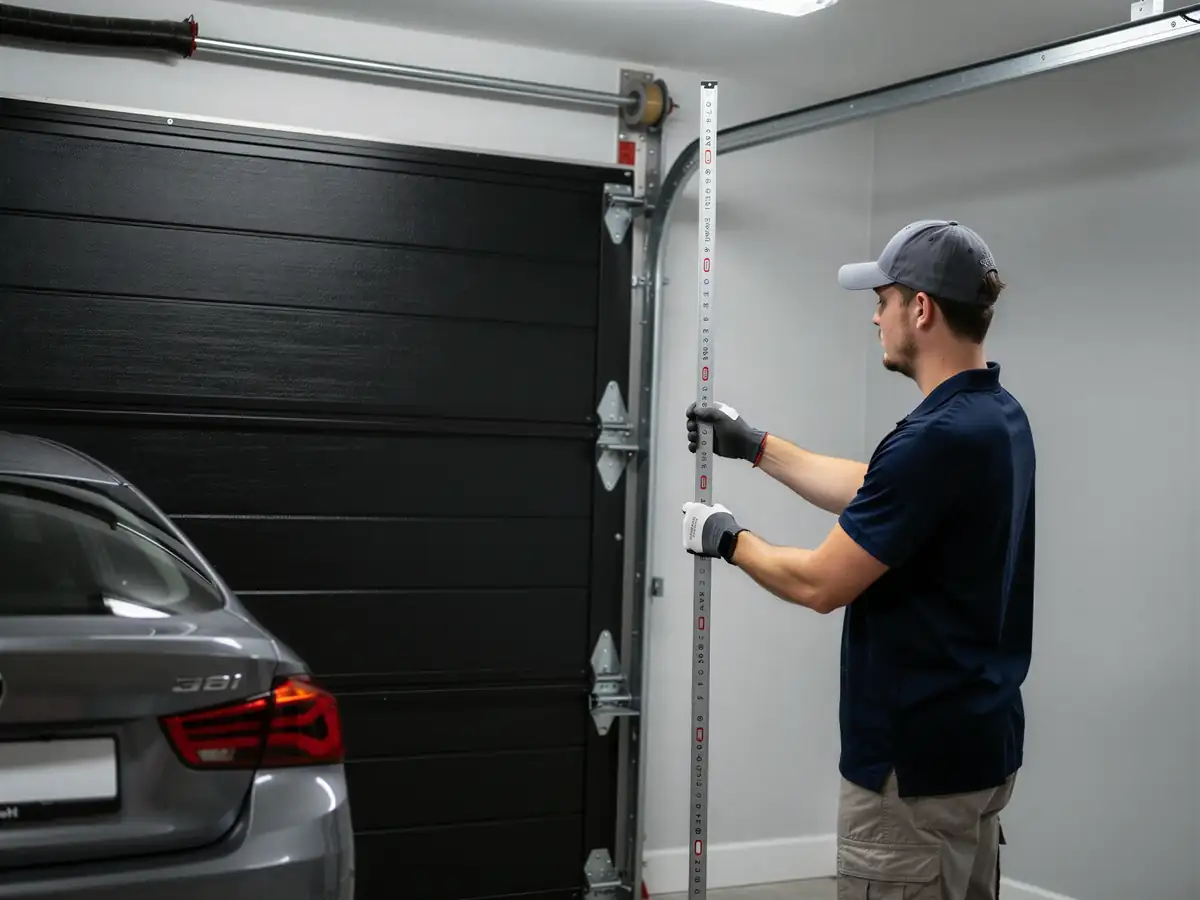
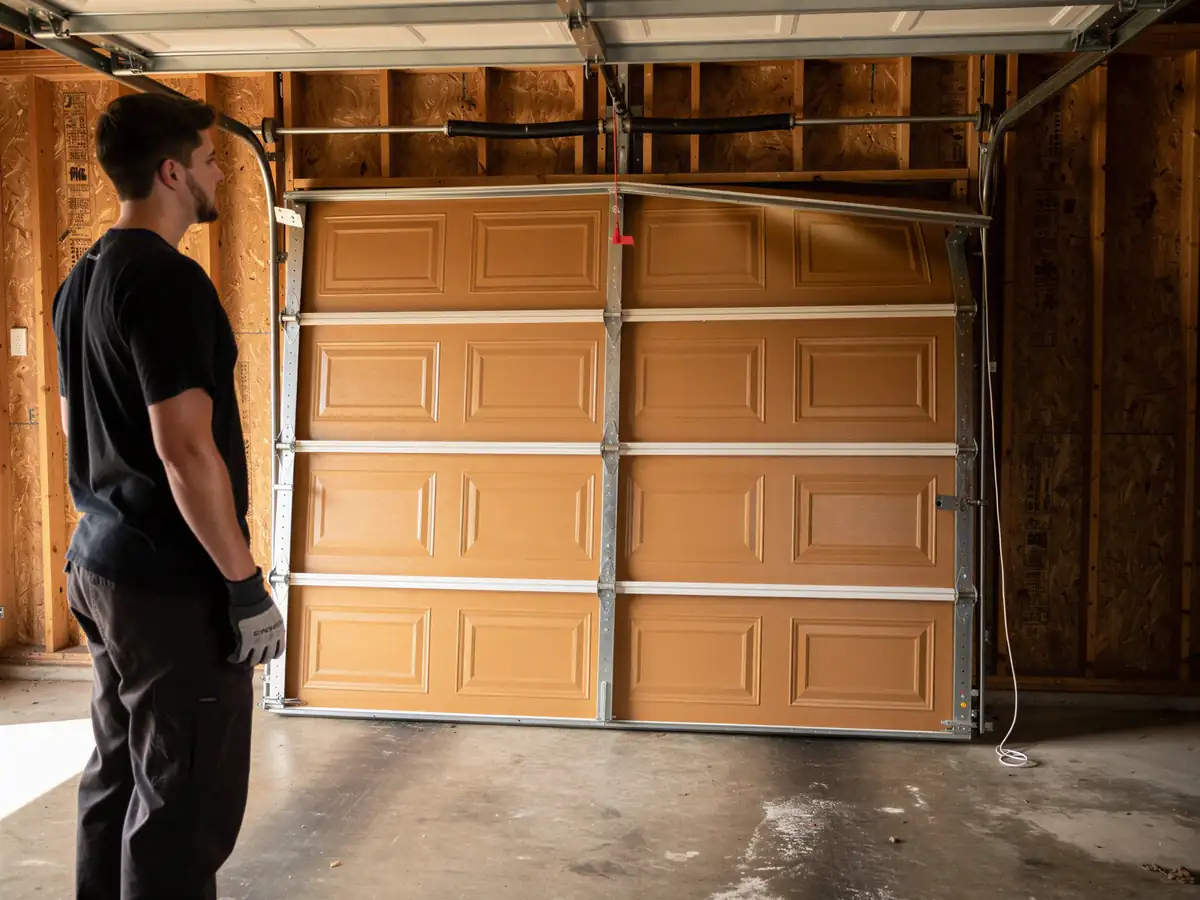
Most emergency calls in Oak Hills end with a spring replacement, a cable swap, or a roller and track realignment. We assess the door first - if the springs are original to a house built around 1979, we check both sides even if only one failed, because the other side is usually close behind on cycle count. Replacing just one spring on a matched pair is a short-term fix that costs you a second call within a year or two. A full fix on a standard double door with torsion springs typically runs under two hours once we're on site, not counting drive time from Butler. The one thing we won't do is talk you into a full door replacement when a spring and a cable will get you another decade - but if the door itself is warped, rusted through, or the track is bent beyond straightening, we'll say so instead of patching it.