Why It Happens Here
Start with the money, because it changes the decision. Oak Hills carries a median household income of $88,807, well above the $72,842 median across the rest of the Butler service area. That matters for maintenance because owners at that income level are usually better off keeping a door running than replacing it the moment something squeaks - the repair-or-replace line sits further out here than it does in lower-income pockets of the coverage area.
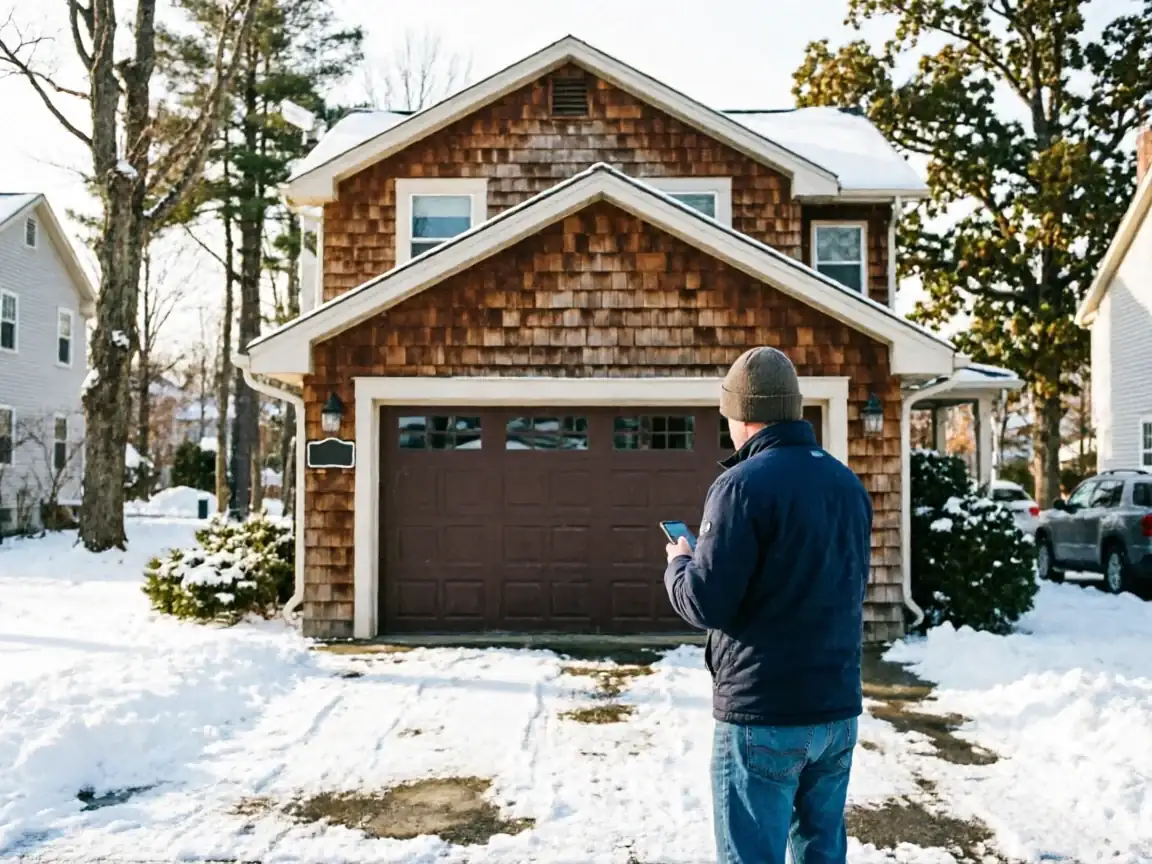
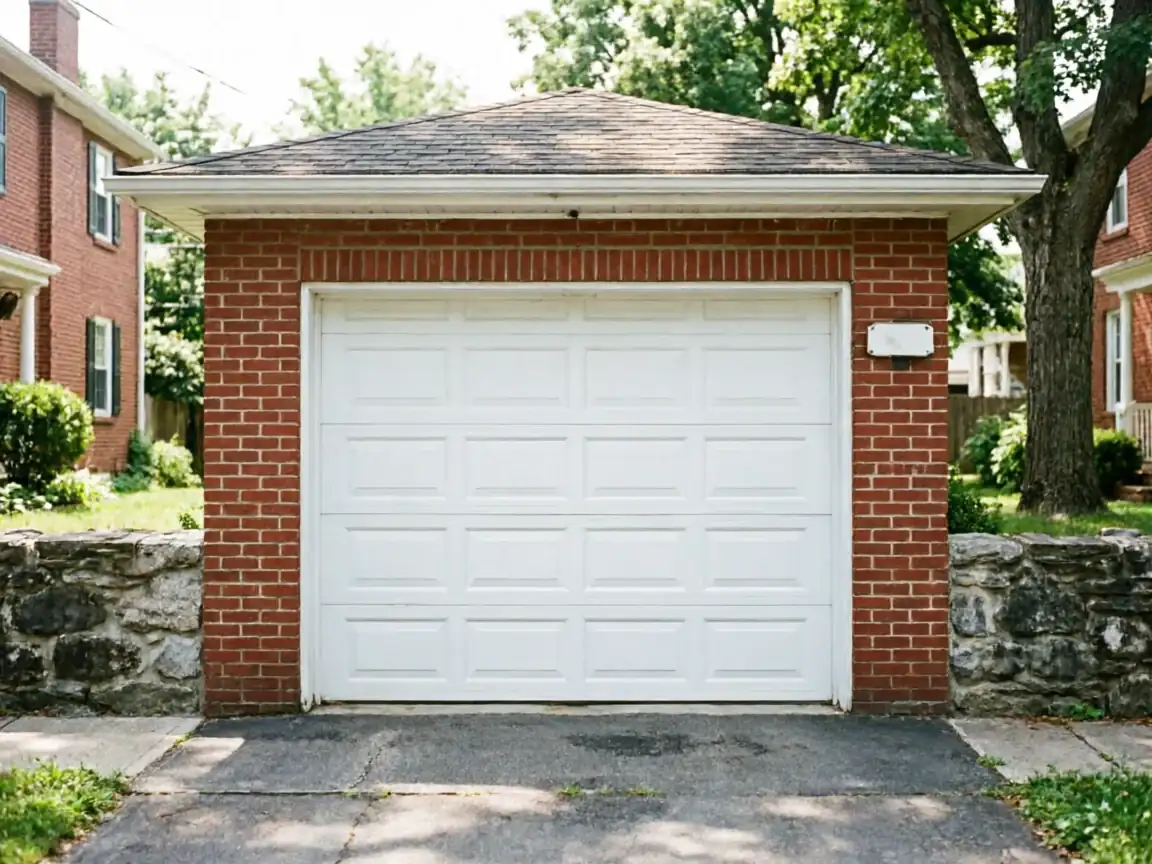
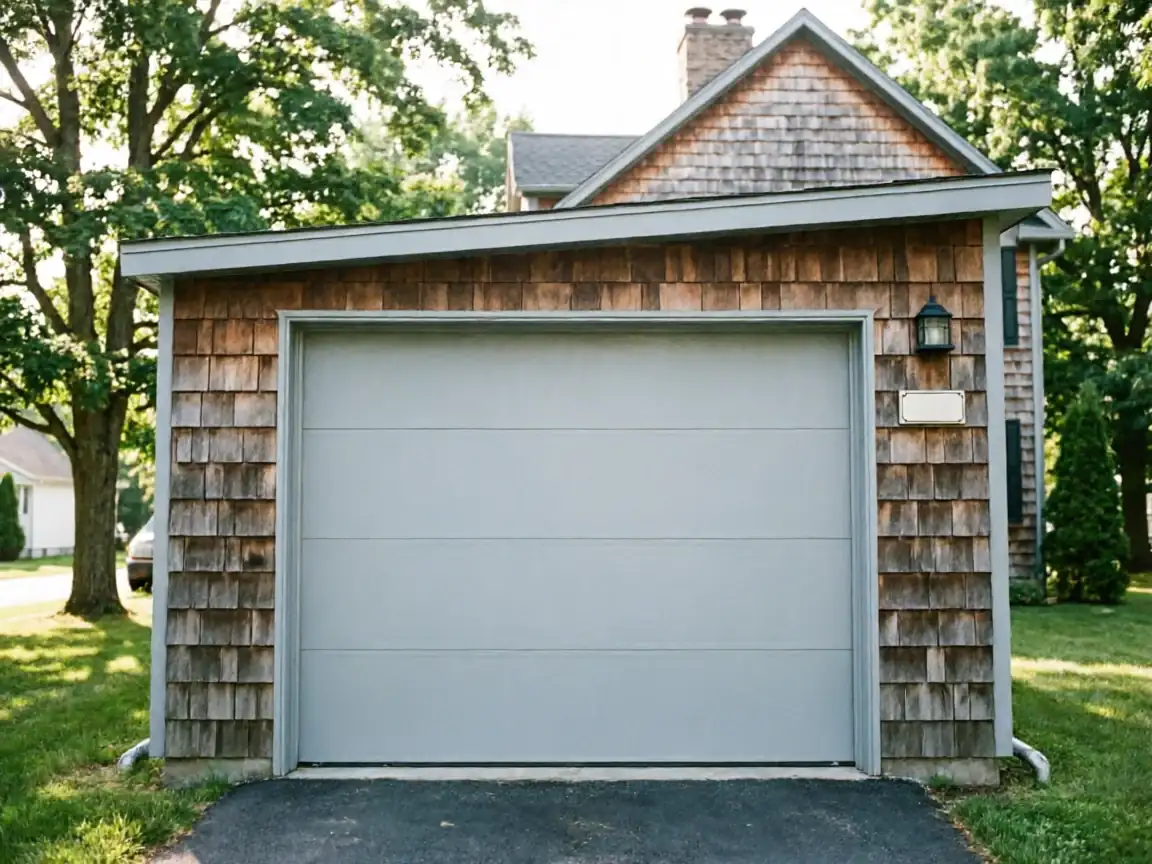
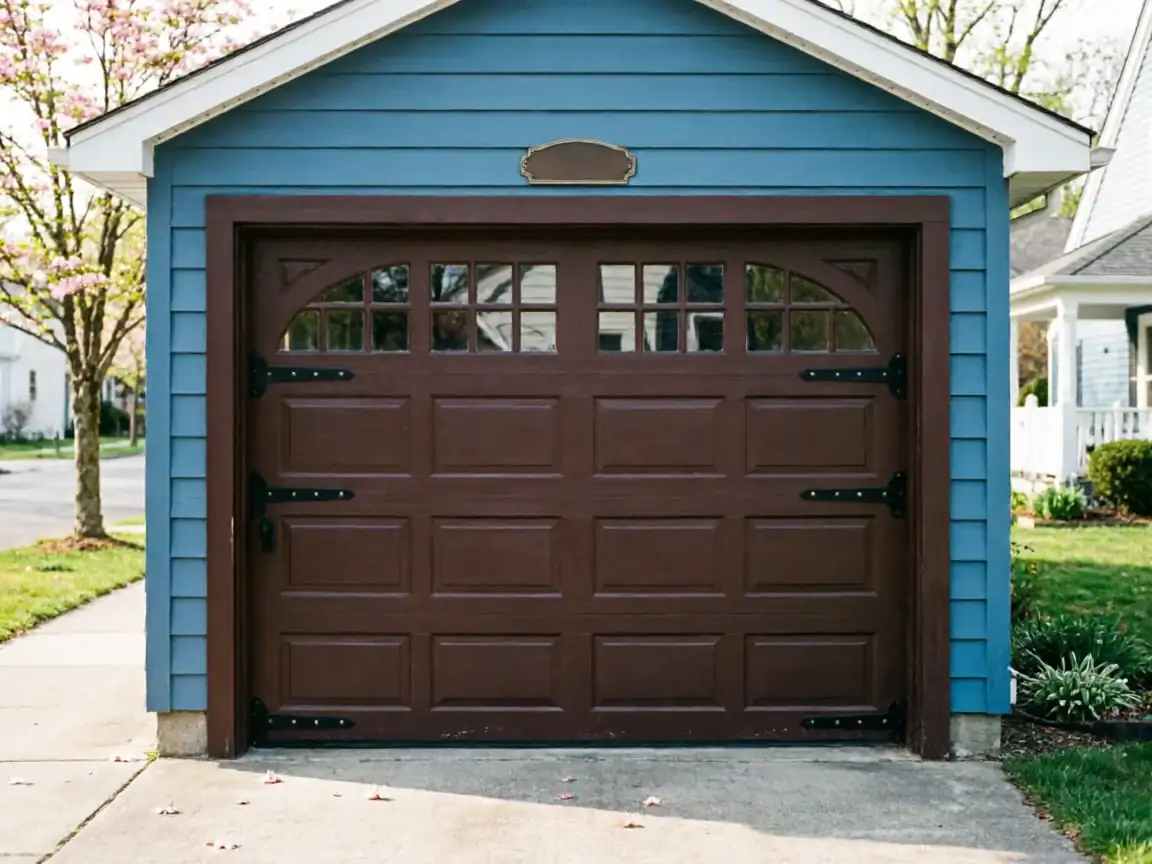
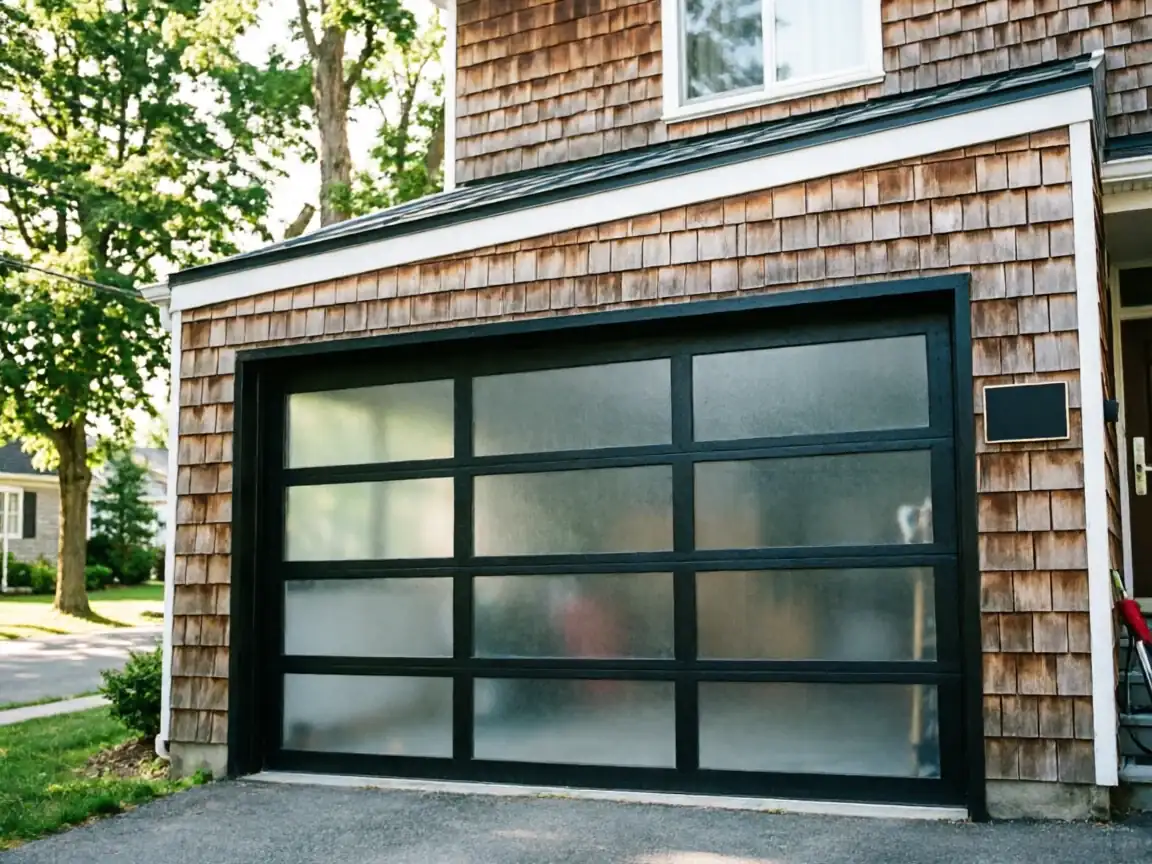
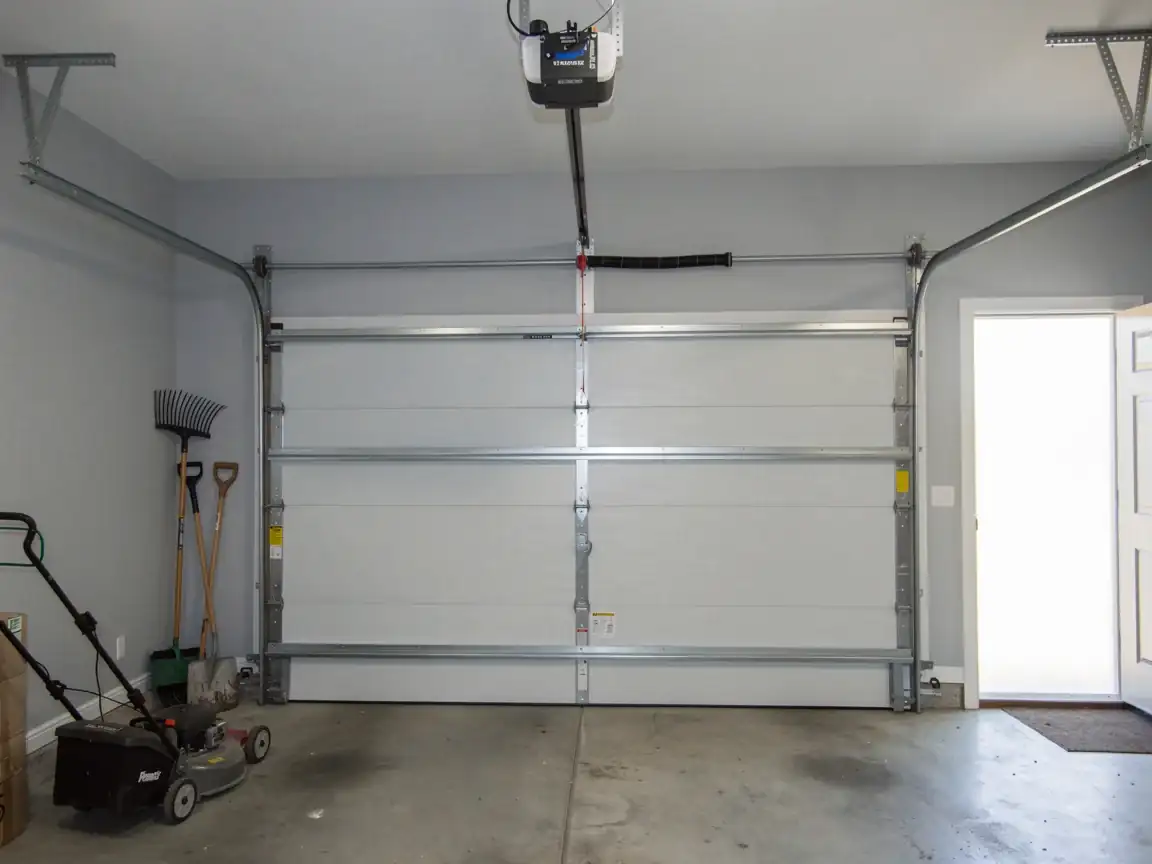
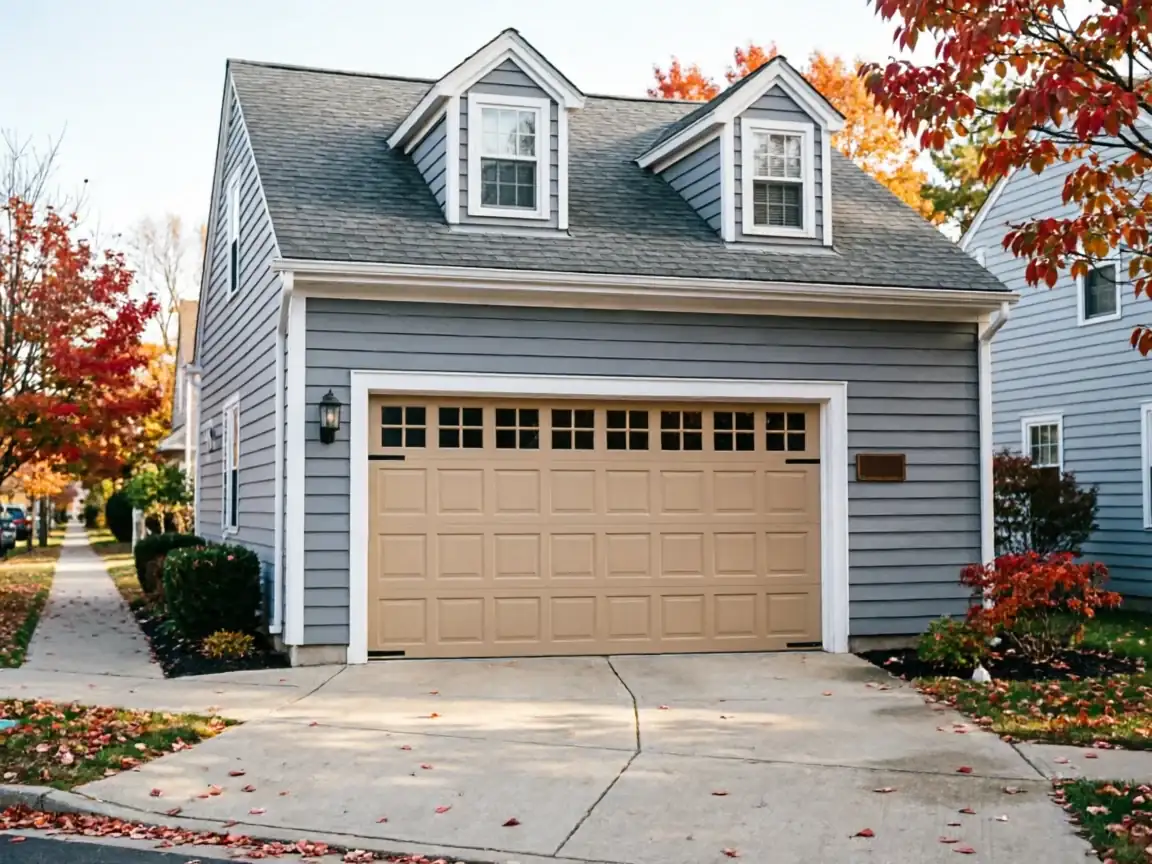
The housing itself tells the other half of the story. Oak Hills has a median build year of 1979, newer than the 1973 median across the broader service area, where stock mostly dates from the 1960s and 70s. A door and opener installed around 1979 is now pushing past four decades of steel panels, torsion springs, and roller bearings that were never meant to run this long. Add a cold-climate service area with severe winter swings, and grease that thickens, metal that contracts, and springs that lose tension do it faster here than in a mild climate. None of that shows up as a sudden break - it shows up as a slow drift in balance that most owners don't notice until the opener starts straining.
Parts We Carry
For houses built around 1979, the parts that wear out are predictable: torsion springs sized for the single and double openings common to that era, steel rollers that have outlived their nylon replacements, lift cables fraying at the drum, and hinges worn oval instead of round. We stock the sizes that match this kind of door and bring them out from Butler rather than ordering on the day of the call.
What we don't carry on the truck is anything unusual - a discontinued opener board or a specialty panel from a door nobody sold in volume. If your door needs one of those, expect a lead time rather than a same-visit fix. That's the honest limit of a mobile maintenance service: common parts ride with us, rare ones don't.
The DIY Question
Some of this you can do yourself
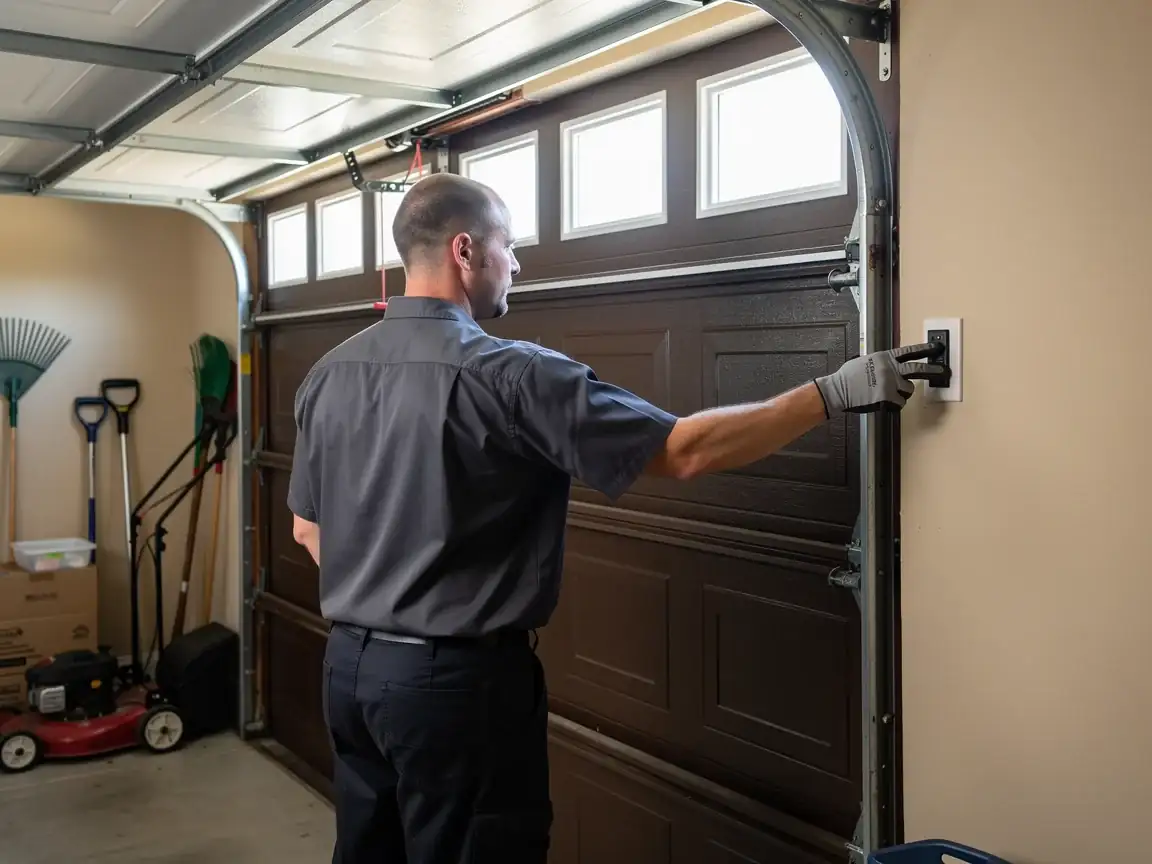
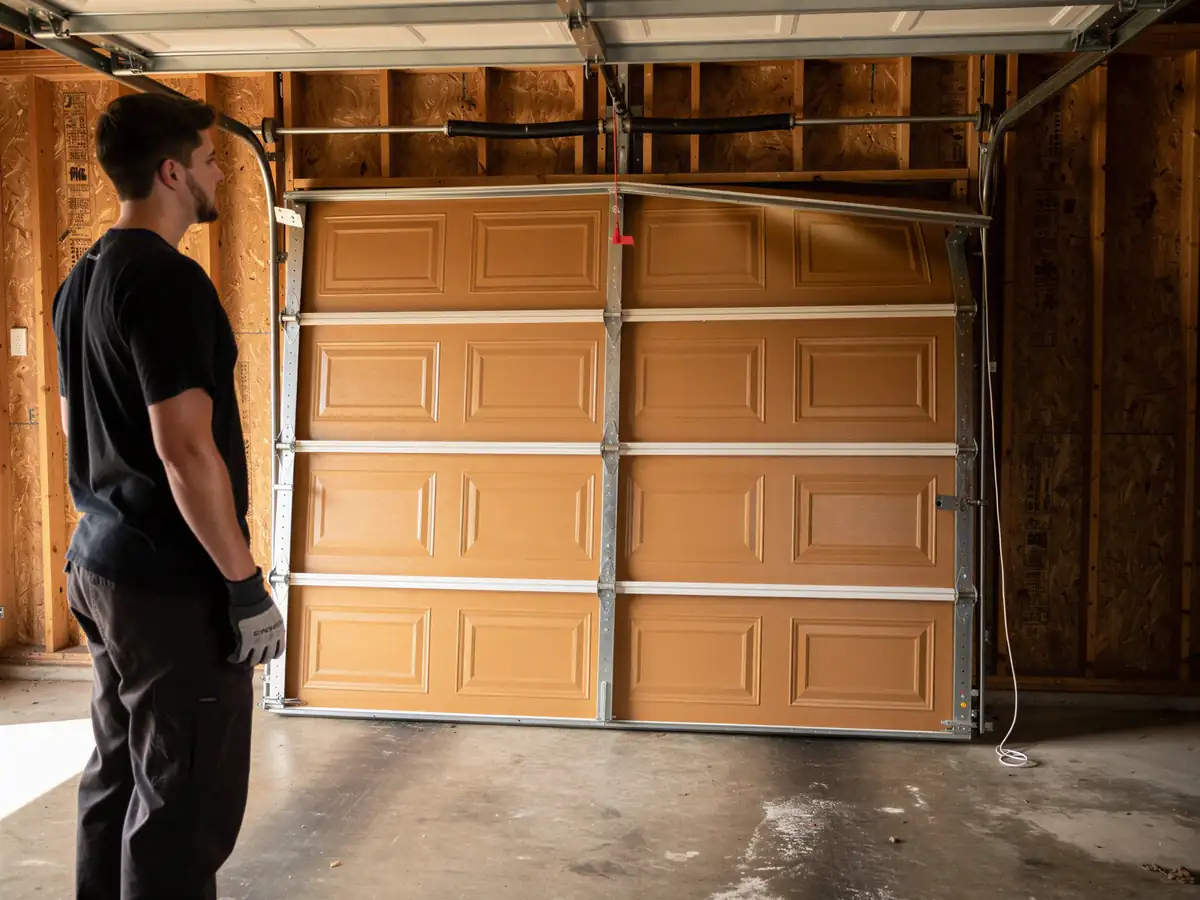
Wiping down and lubricating the track and rollers, checking that the weatherstripping along the bottom panel hasn't cracked from winter cold, and watching the door's balance - does it stay put when you pull the release and lift it halfway, or does it drop or shoot up - are all things an owner can check without tools beyond a flashlight.
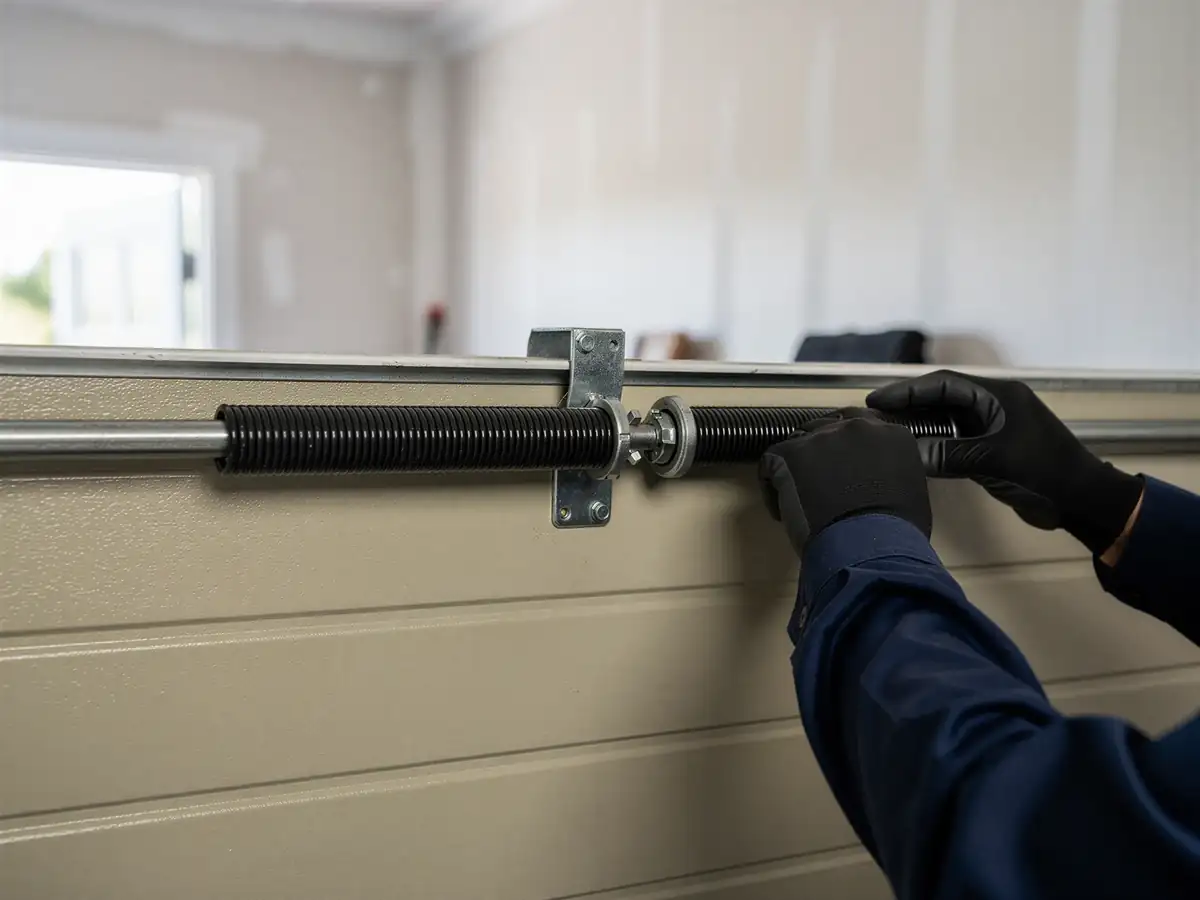
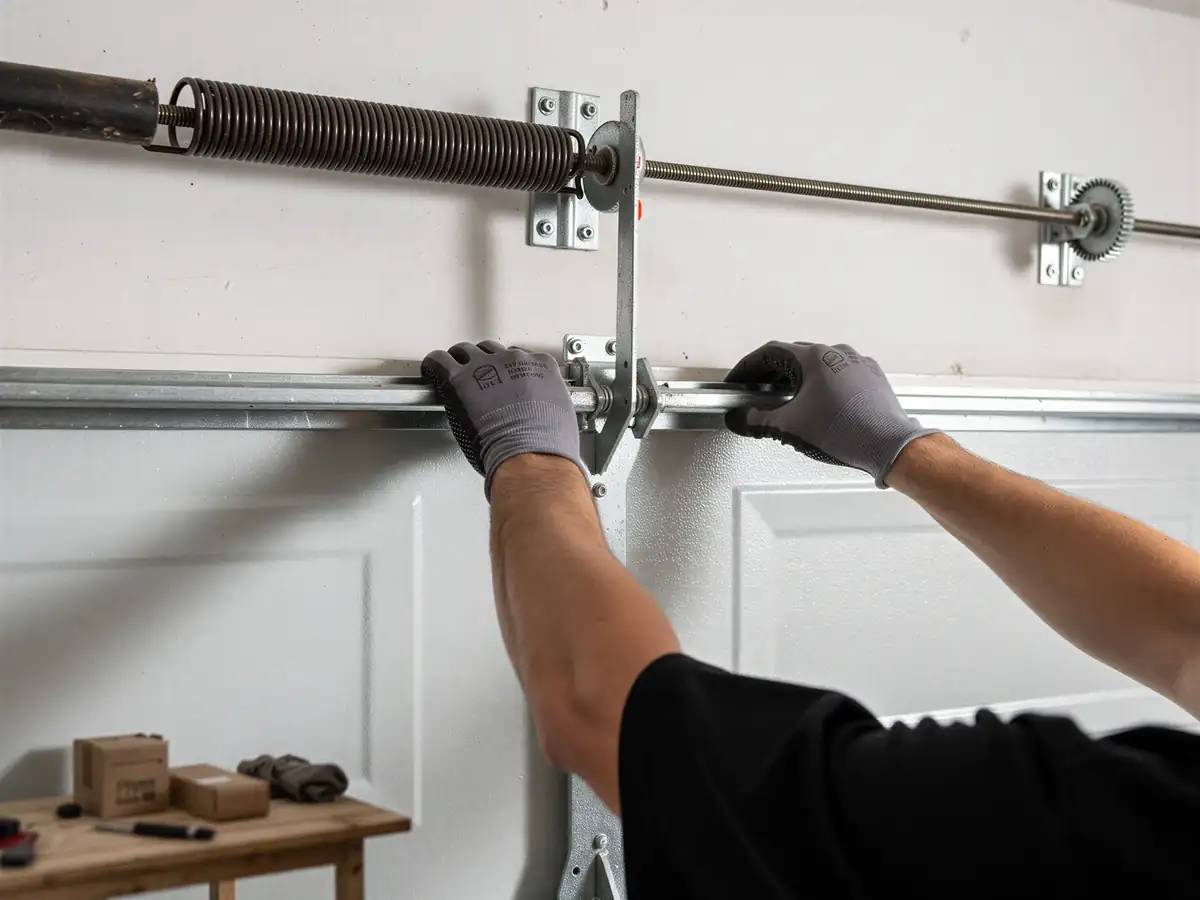
What you shouldn't touch is the torsion spring itself
A door from this era carries enough stored tension in that spring to break a hand or worse if the winding bar slips. Same goes for the cables under load. If the balance check fails, that's the point to call rather than the point to start loosening set screws.
What the Fix Involves
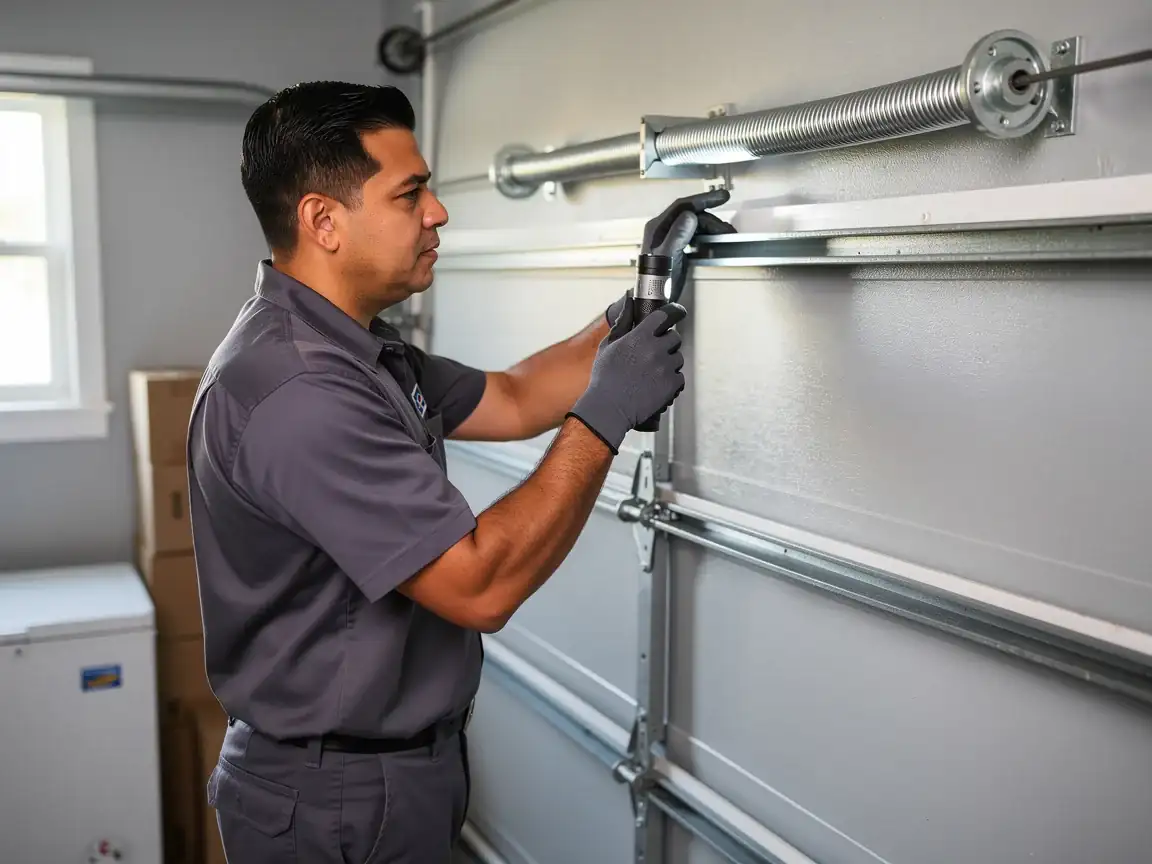
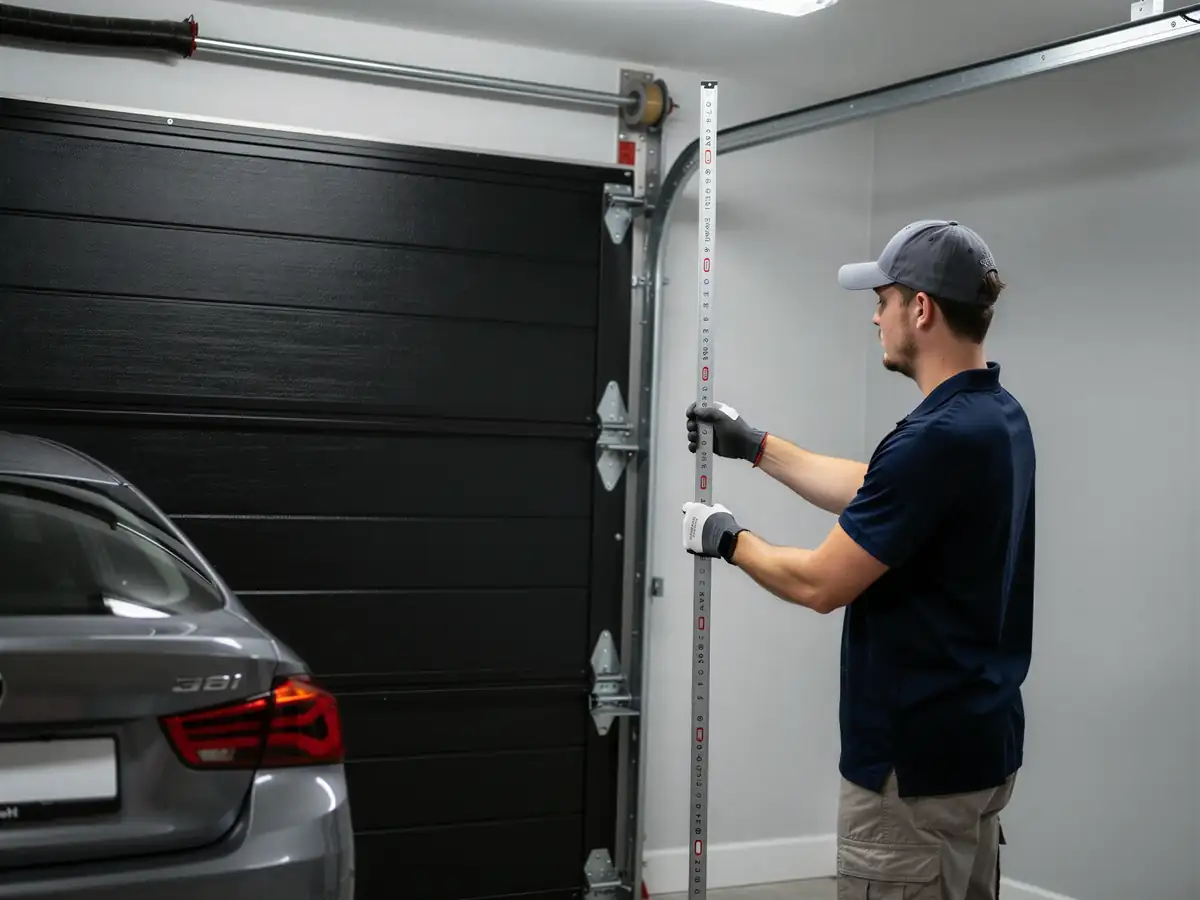
A maintenance visit on a door from this period starts with a balance and tension check, since springs on doors built around 1979 are well past the point where tension drifts without anyone noticing. From there it's lubricating rollers and hinges, tightening the track brackets that cold-weather expansion and contraction loosen over the years, and checking the cable drums for fraying.
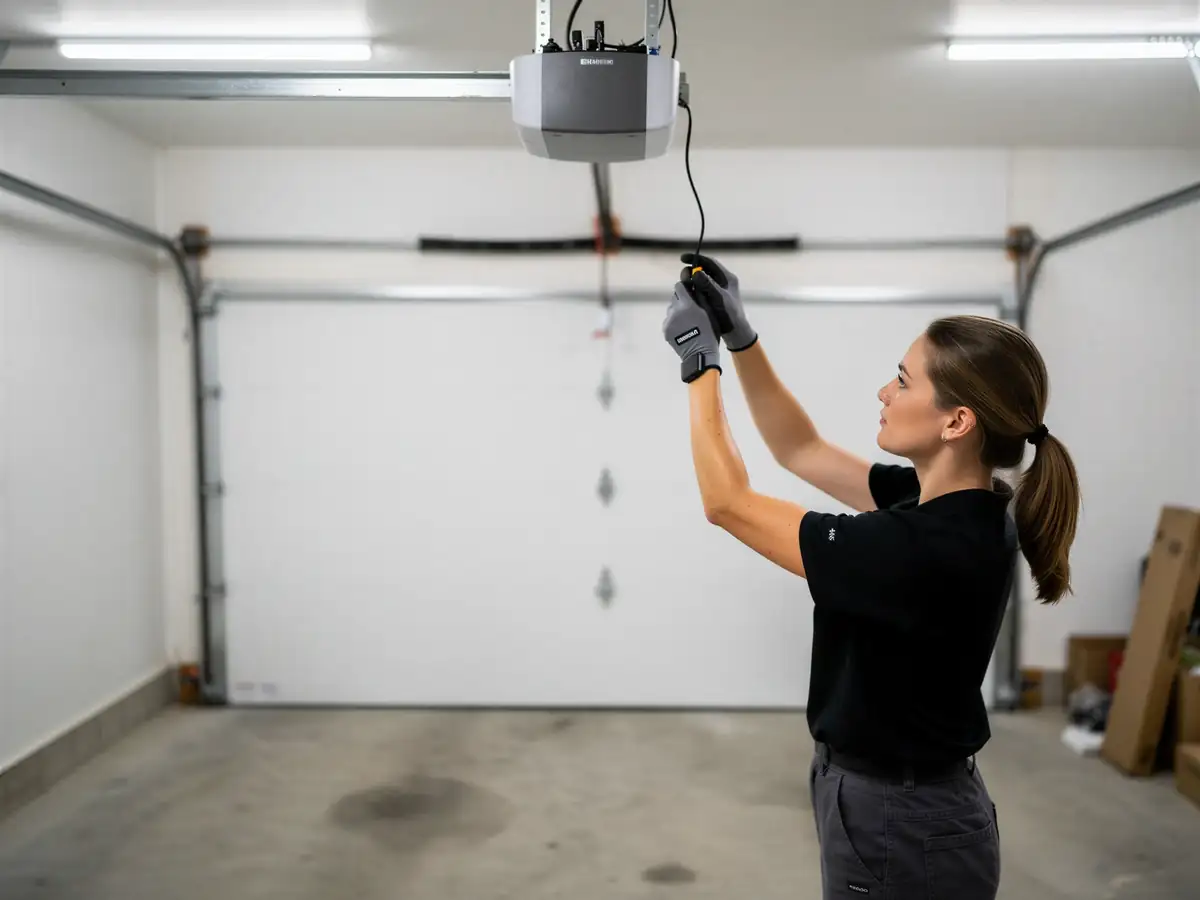
We also check the opener's force settings, since a door that's lost spring tension makes the opener work harder to compensate, which shortens the motor's life. If the spring itself is sagging - not broken, just weak - this is the visit where we catch it before it snaps on its own schedule. That's the whole point of doing this on a schedule instead of waiting for the door to tell you.