Why It Happens Here
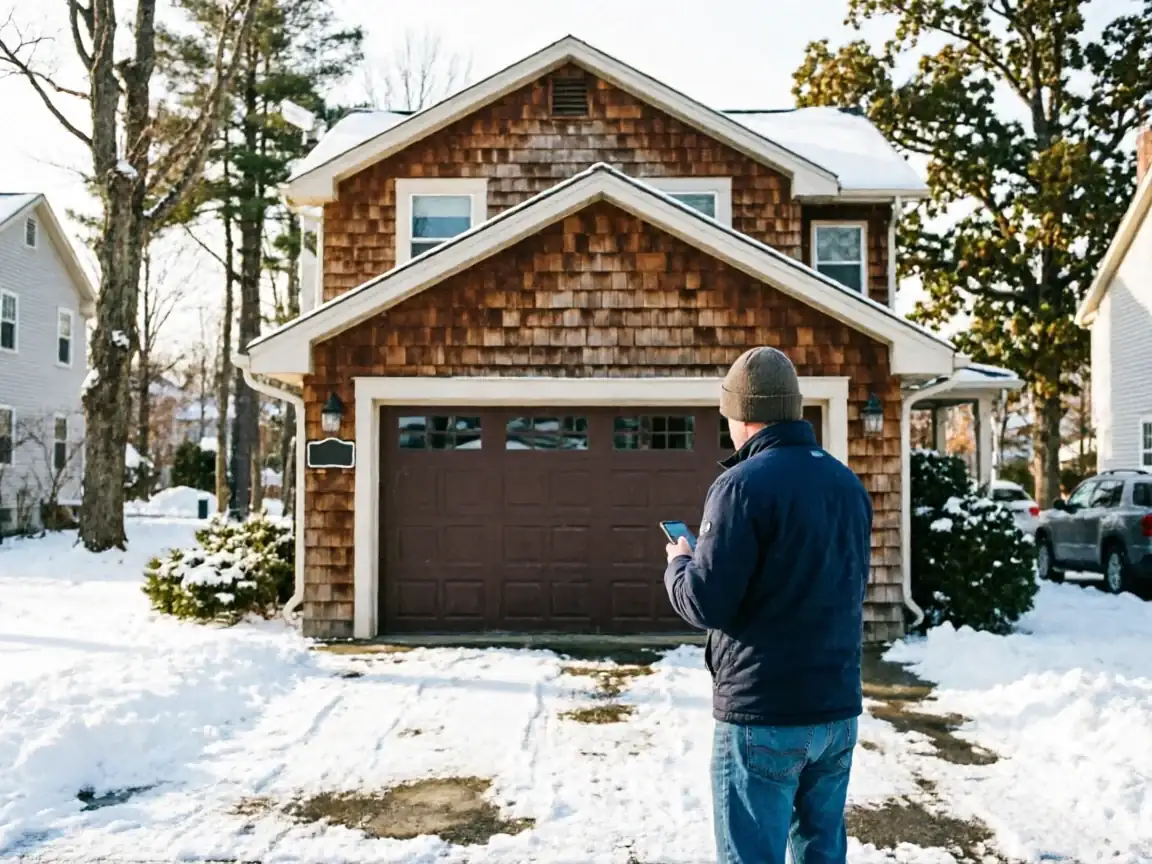
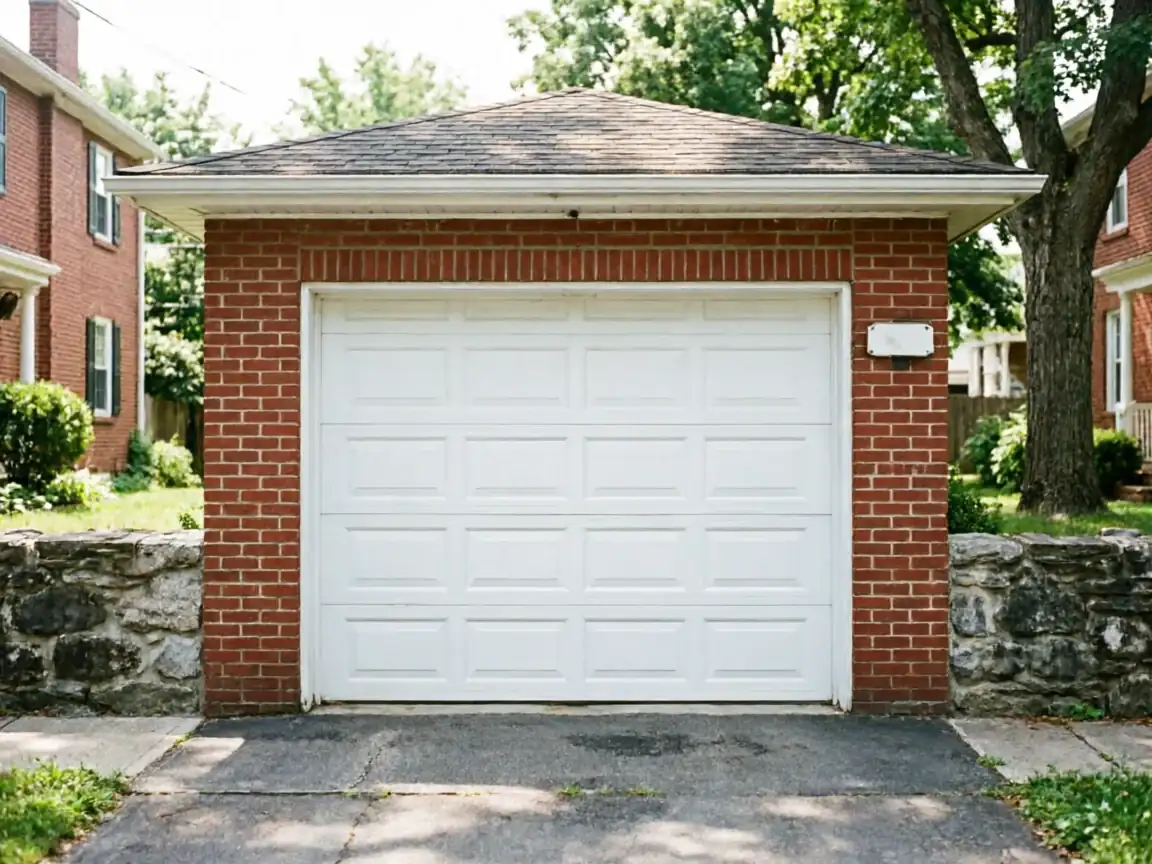
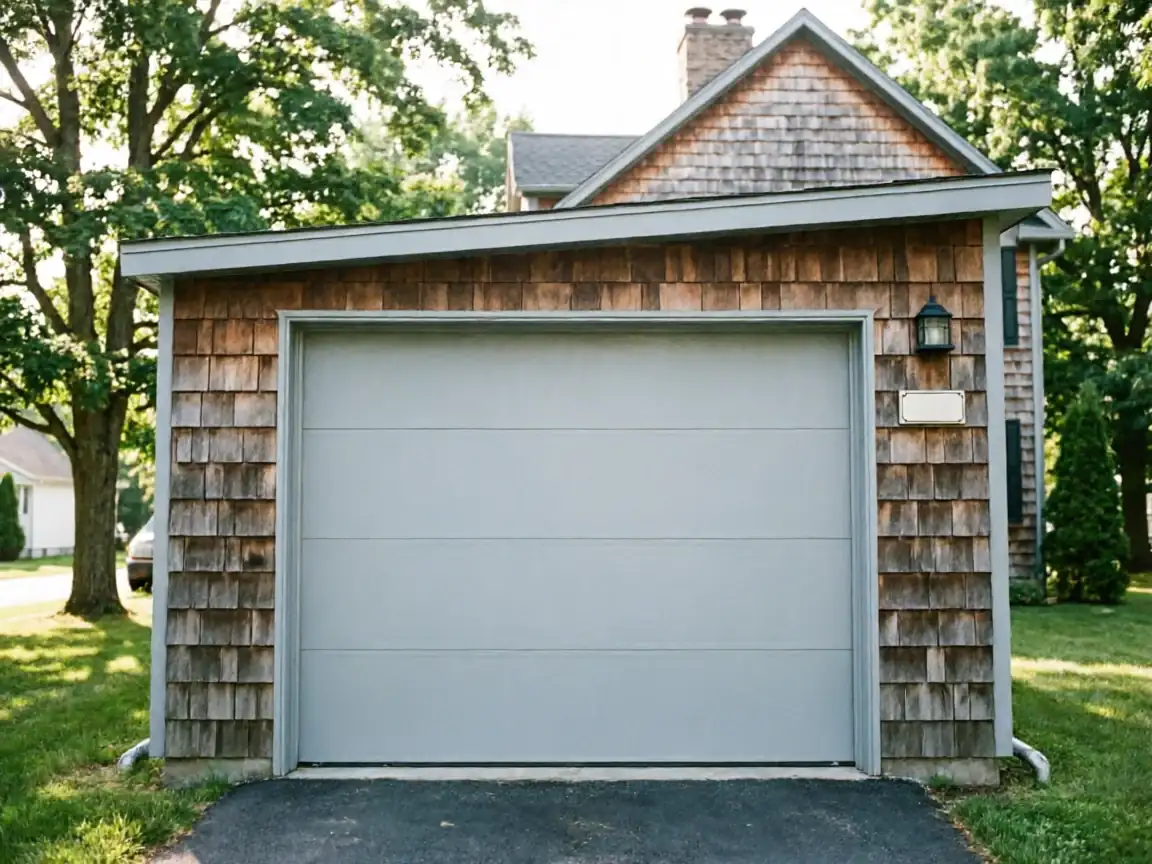
Oak Hills sits about three miles out from Butler, and the houses here cluster around a 1979 build date, a good deal newer than a lot of the stock we see closer in. That matters for one reason: a door and opener installed when a house went up in 1979 has had roughly forty-five years to run on the same springs, the same cable, and in a lot of cases the same rollers. Nobody swaps out a torsion spring that hasn't broken yet, so if your house dates to that build window and the door has never been serviced, what's on the track right now is very likely original hardware, not a replacement from some prior repair.
The cold is the other half of it. We're in a severe cold climate band here, and steel contracts in winter - springs lose tension faster, nylon rollers crack, and old grease on a track from the Carter administration turns to something closer to wax. A door that drags in January and opens fine in July usually isn't broken, it's just original parts meeting weather they weren't built to handle forever.
Oak Hills is a small area - about 1,196 households - so we're not pulling from some huge, varied housing stock here. Most calls follow the same pattern: a door roughly the same age as the house, wearing out at roughly the same point every other door on that build year wears out.
Parts We Carry
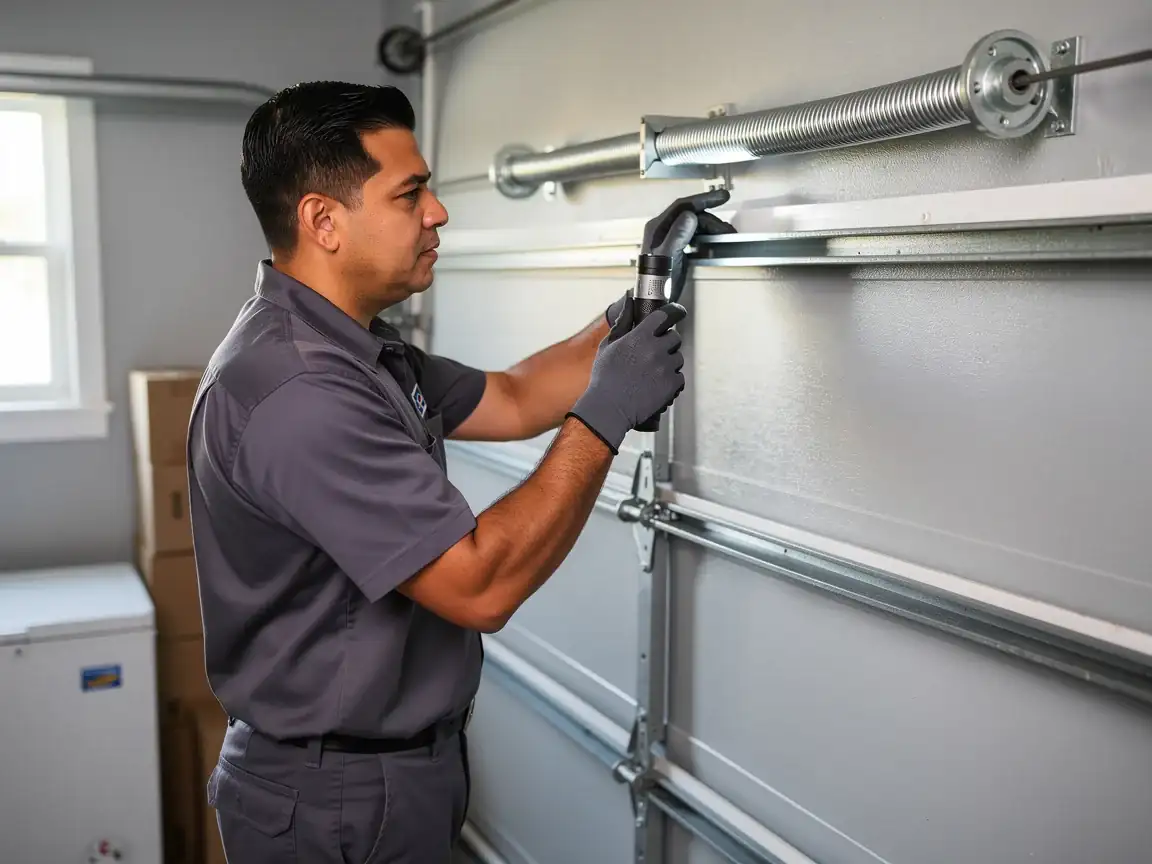
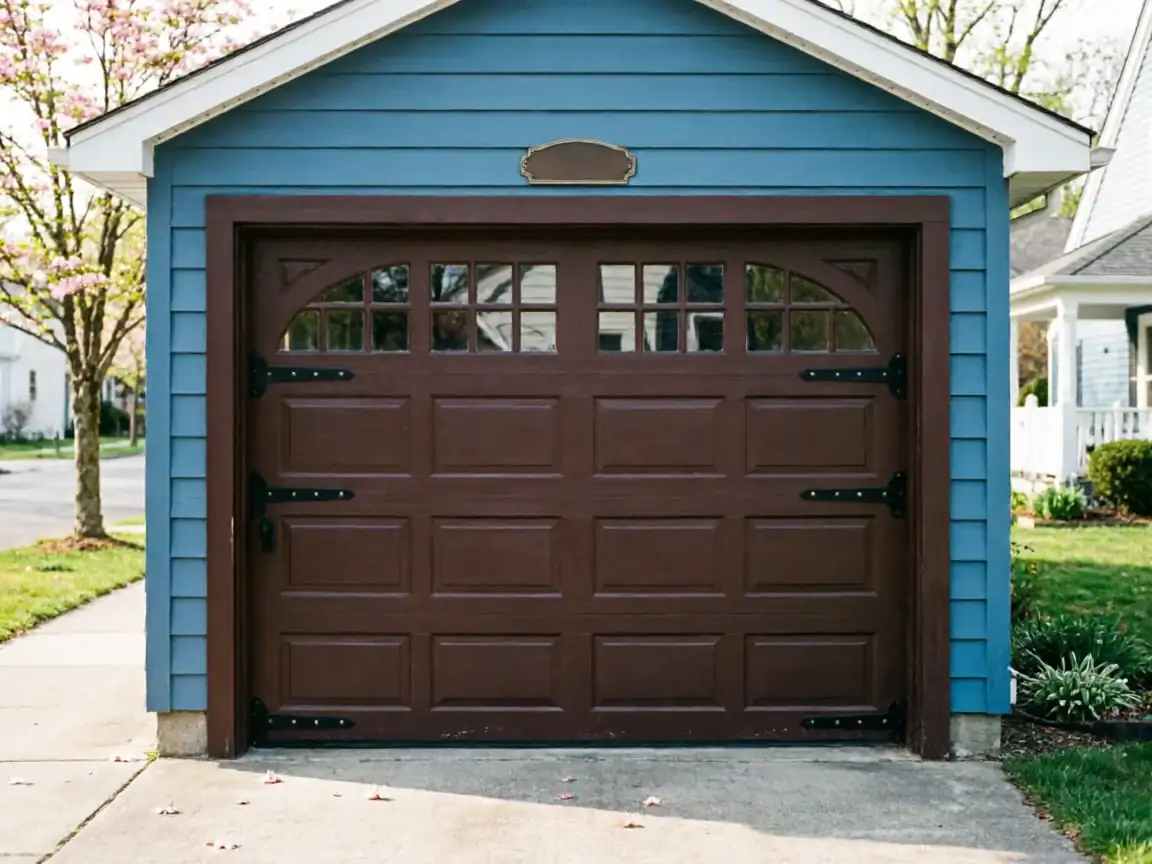
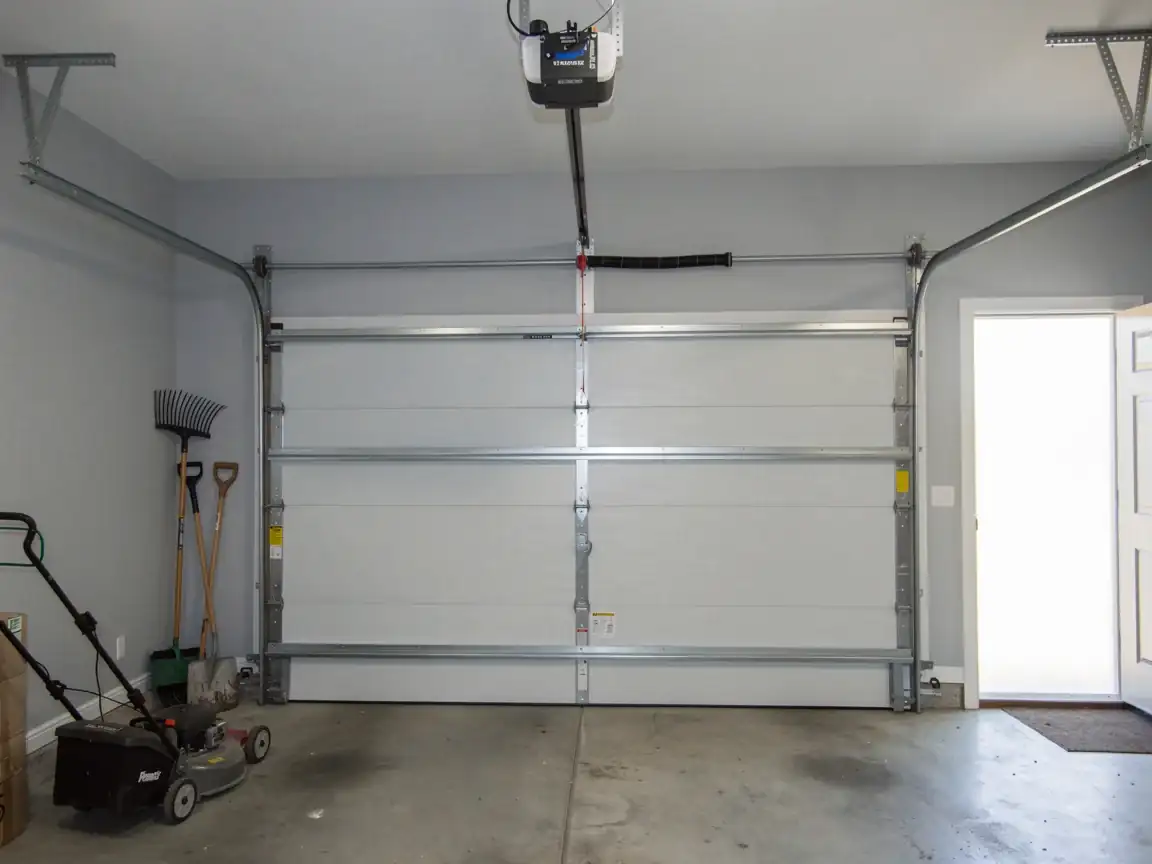
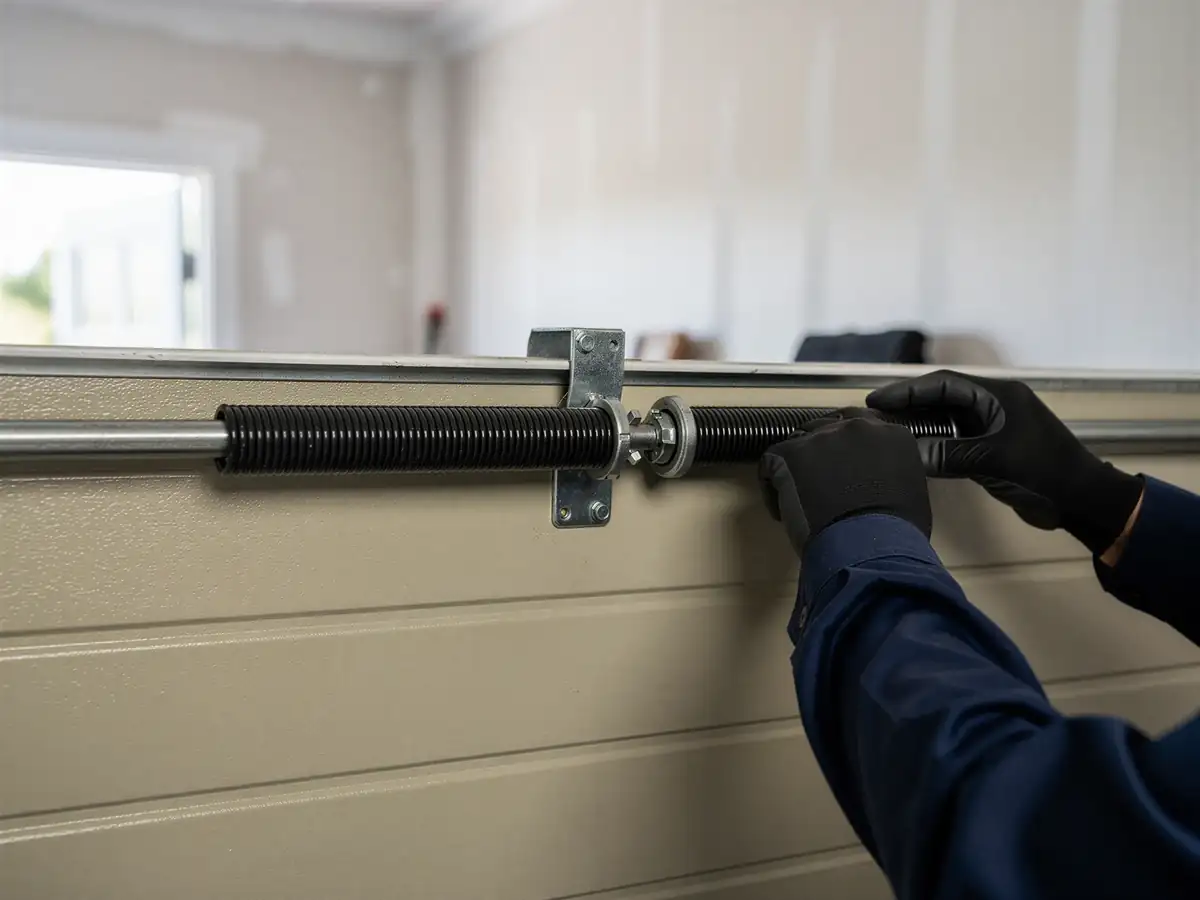
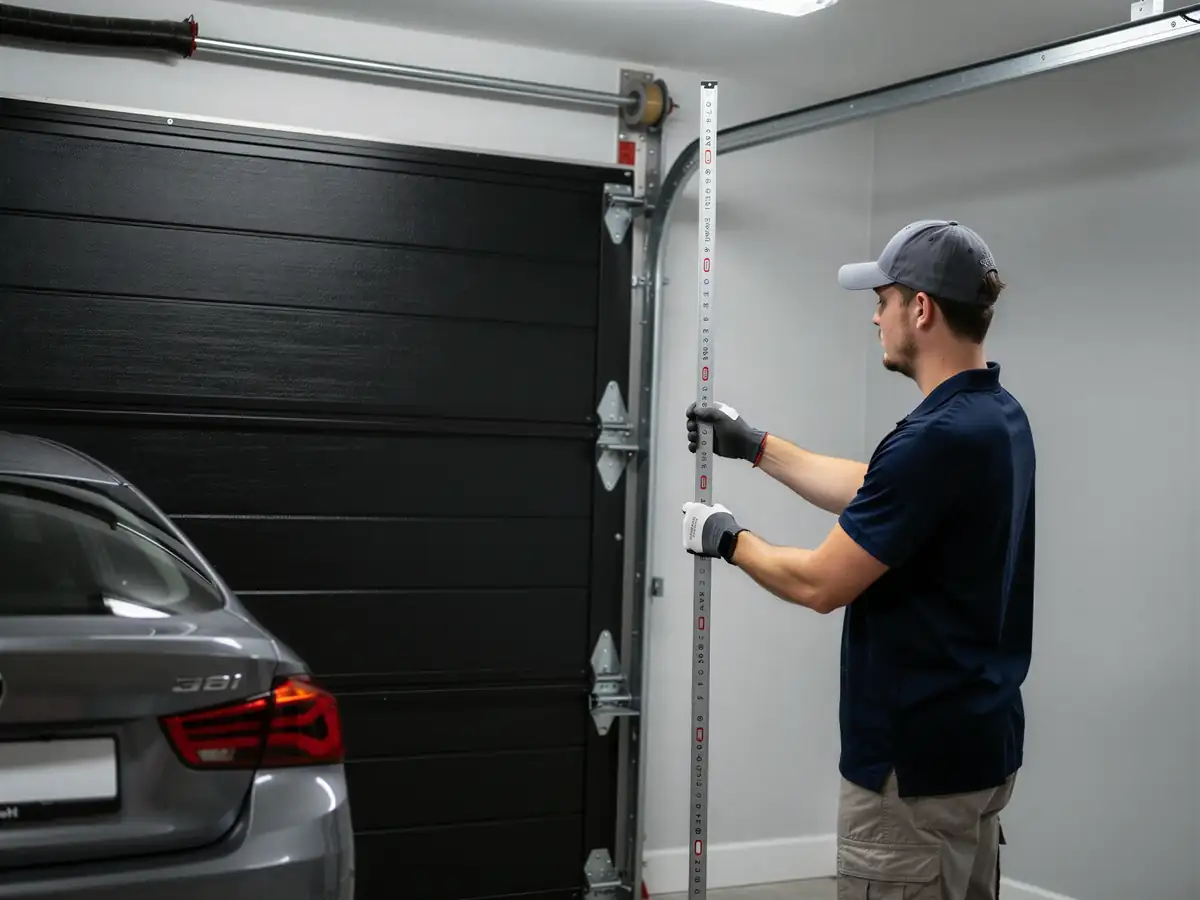
For a door from this era, the parts that fail first are torsion springs, nylon and steel rollers, lift cables, and the bottom bracket hardware that takes the daily stress of the door's full weight. We carry standard torsion spring sizes that fit most residential doors built in the 1970s through 1990s, along with cable and roller stock sized for that same generation of hardware.
What we don't carry on the truck is anything proprietary to a specific opener brand's circuit board or a specialty panel for a discontinued door model - if your opener logic board has failed or you need a matched replacement panel for a door nobody makes anymore, that's a special-order part, and we'll tell you honestly if it's a multi-day wait rather than pretend we can pull it off the shelf. For the mechanical stuff - springs, cables, rollers, hinges, the bracket hardware that actually breaks on original installs - we stock what fits a house from Oak Hills' build period.
The DIY Question
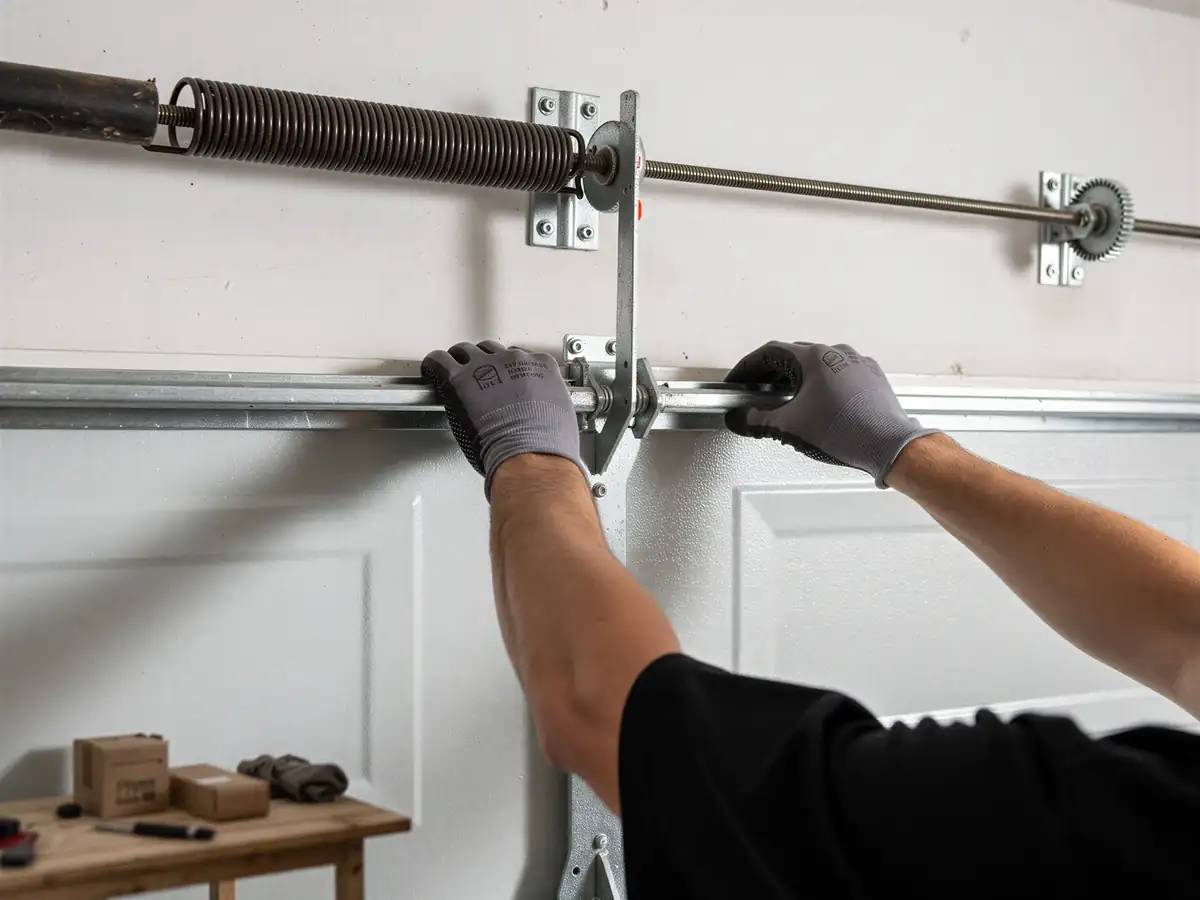
A torsion spring is under enough tension to do real damage if it lets go while you're working on it
And that's true whether the door is five years old or forty-five. We'd rather tell you plainly: springs, cables, and anything involving the torsion bar are not a weekend project, regardless of what a video makes it look like.
What you can check yourself before calling anyone
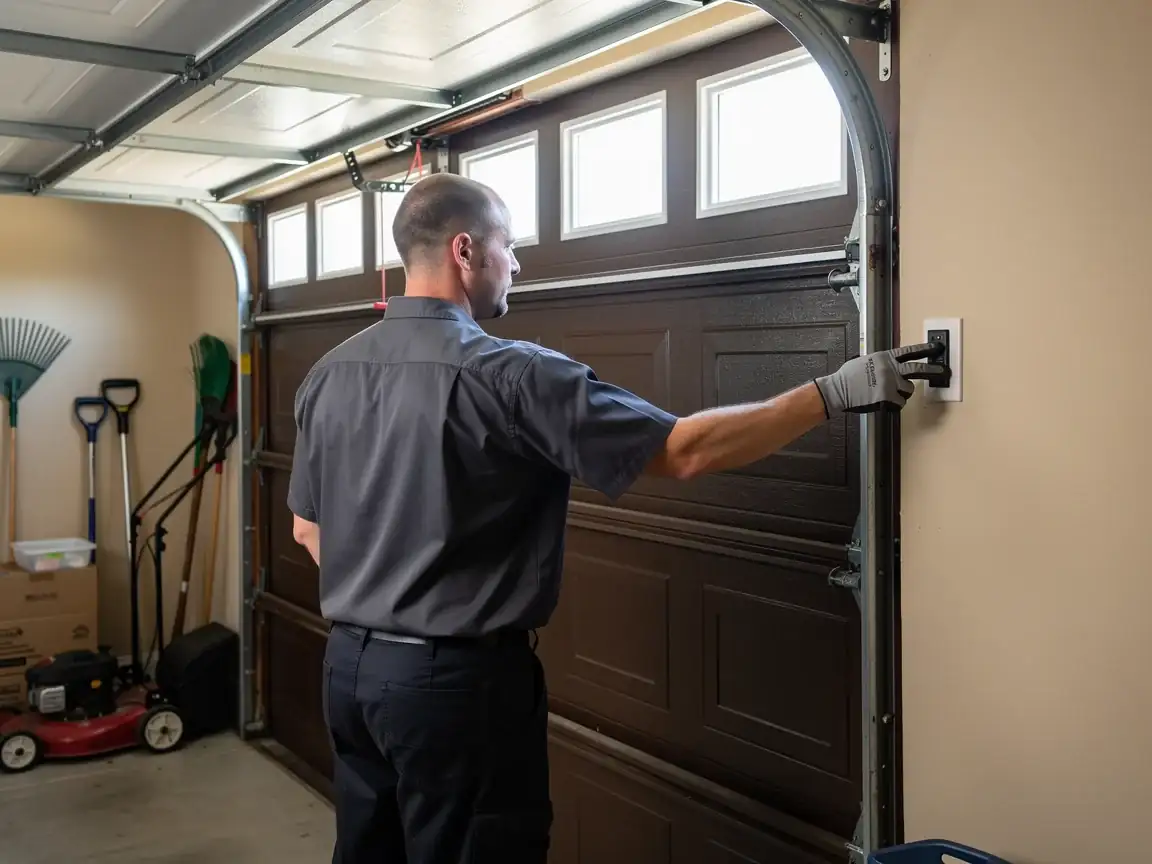
The track for visible gaps or bent sections, the weatherstrip at the bottom for cracking, and whether the door reverses properly when it hits resistance going down - that's a safety feature, not optional. If the door is slow, noisy, or uneven on one side but still moves under its own power, that's often a lubrication or roller issue, and a decent silicone-based garage door lubricant on the rollers and hinges can buy you time without touching anything under tension.
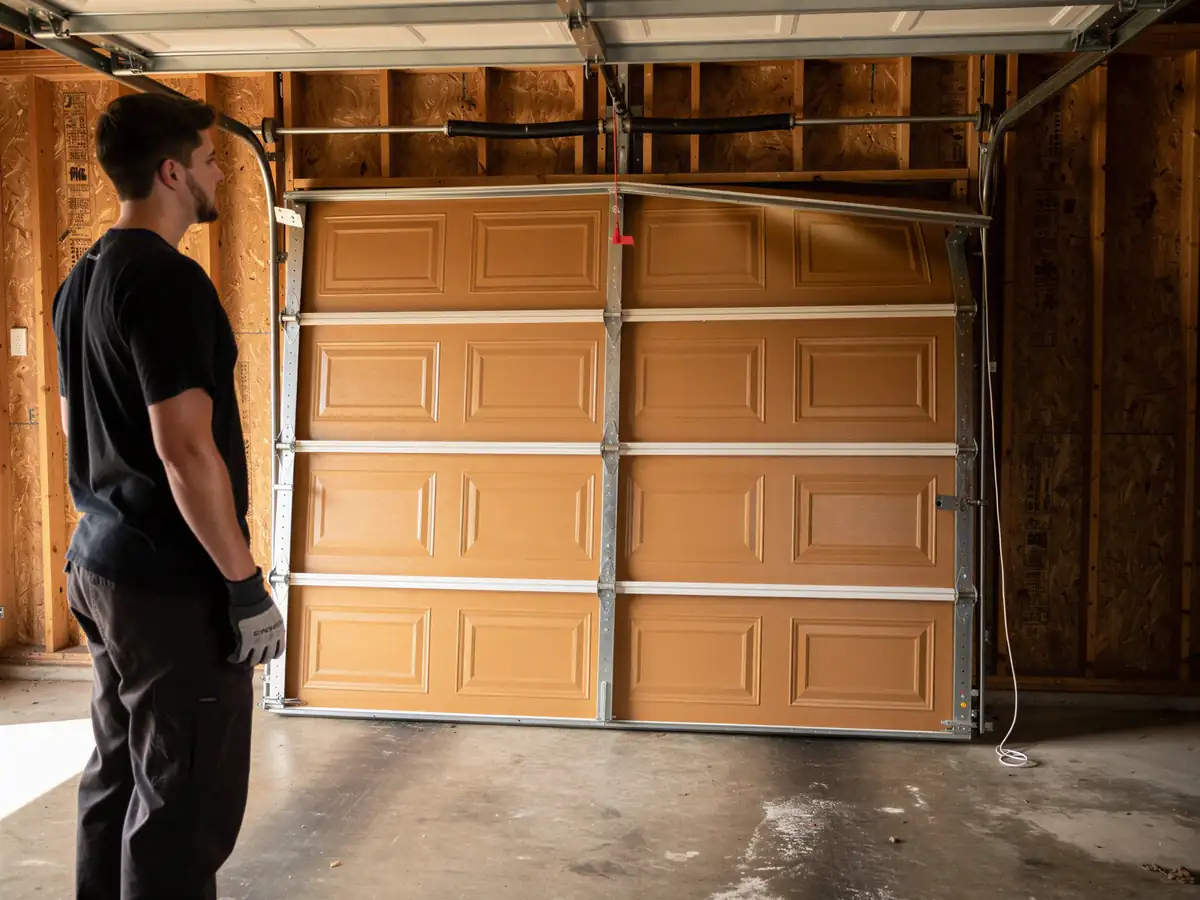
If the door won't budge, drops fast, or one side is clearly lower than the other, stop
That's spring or cable failure, and on original 1979-era hardware that's been running for decades without service, it rarely gives a warning before it goes.
What the Fix Involves
Most calls in Oak Hills start with us checking whether we're dealing with original hardware or something a prior owner already replaced - that changes what's on the truck. If it's original torsion springs from the build year, we're usually looking at full spring replacement rather than a patch job, since springs don't get repaired, they get swapped as a matched pair.
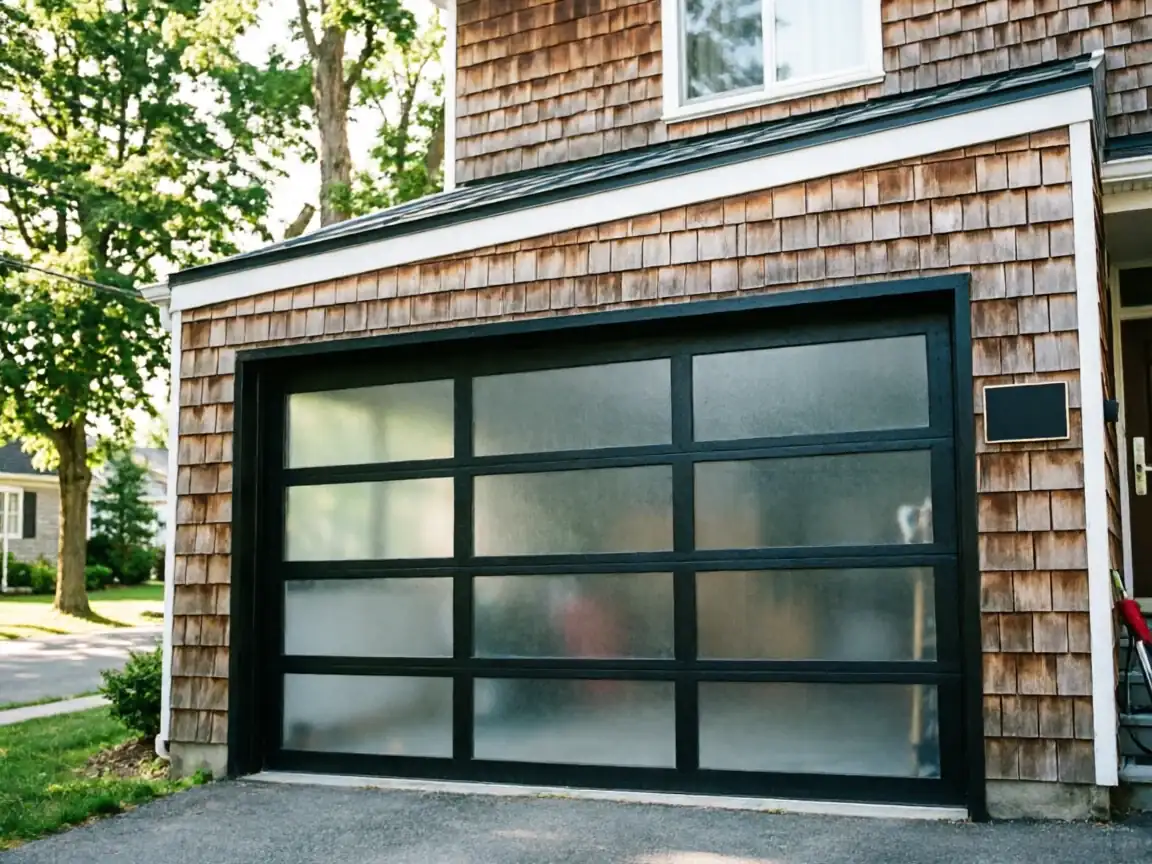
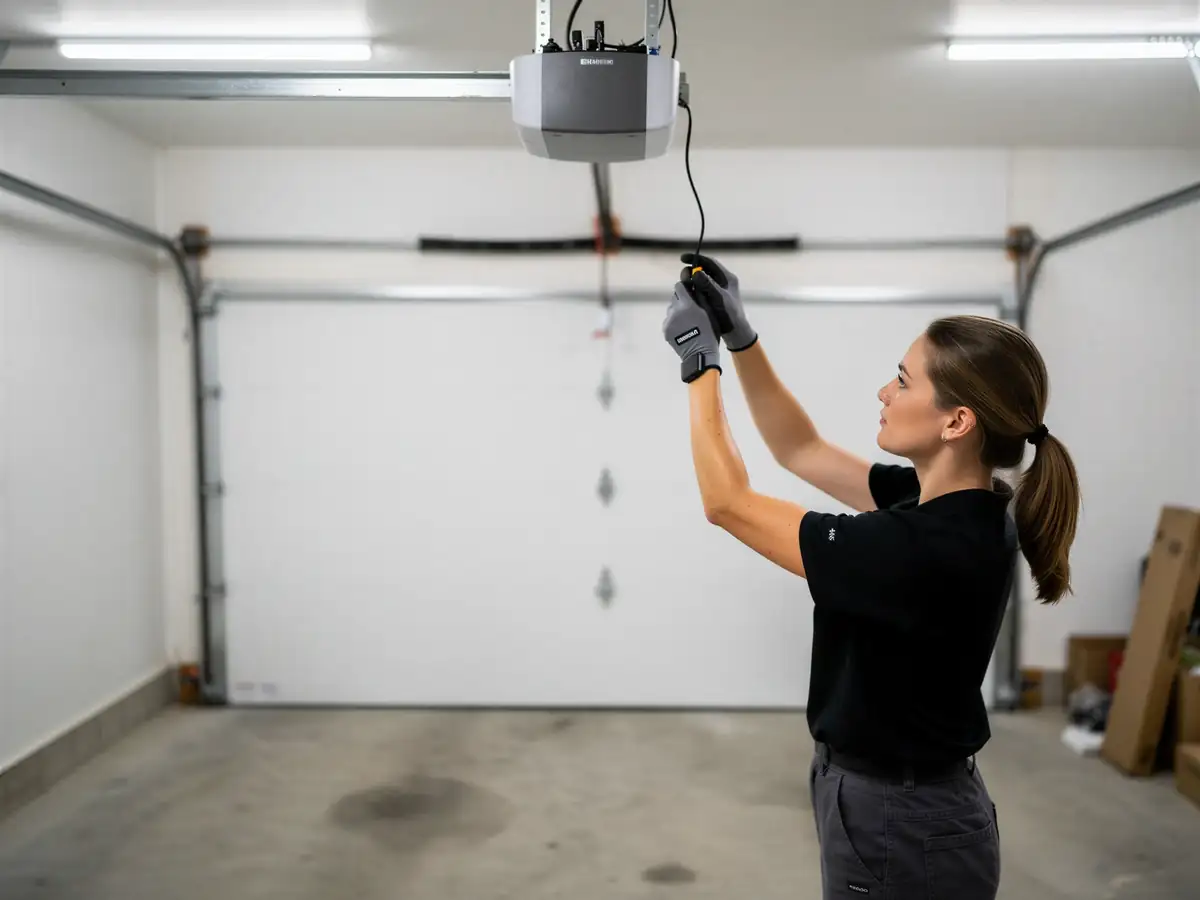
Cable and roller replacement is more straightforward and faster, usually done in one visit. Opener issues are their own category - if the opener itself is original to 1979, it predates most of the safety-reversal technology that's now standard, and in that case replacement is usually the honest recommendation over repair, since parts for openers that old often don't exist anymore.
We travel out from Butler for these calls - there's no branch office in Oak Hills, just a truck that comes out for the job. That's worth knowing up front so you're not expecting a storefront nearby.