Why It Happens Here
Butler's housing overall centers on 1973, but Oak Hills skews a few years newer, with a median build year around 1979. That gap matters more than it sounds. A garage built in the early 1970s usually got a bare chain-drive opener with no photo-eye sensors, because federal rules requiring them didn't exist yet. A garage built closer to 1979 is more likely to have had at least one opener swap since, often into the first generation of openers that included basic reversing sensors, but still ran on worn relay logic and single-frequency remotes that anyone with a universal clicker can open.
The other factor is the cold. This part of Pennsylvania sits in a severe cold climate band, and openers in unheated garages here take a real beating over a winter. Grease in the drive gear stiffens, circuit boards see condensation cycles, and battery backups (if the unit even has one) fade faster than the spec sheet promises. On a 1,196-household area like this, we see a consistent pattern: openers that are mechanically fine but electrically tired, failing right when the first hard freeze hits.
So the fix here usually isn't 'replace a dead unit.' It's figuring out whether the opener, the wiring, or the sensors are the actual point of failure before anything gets swapped out.
Parts We Carry
For a home in this age range, the usual call is a chain-drive or belt-drive opener rated for a cold garage, paired with a fresh set of safety sensors if the existing pair is cloudy, cracked, or just misaligned from years of lawn equipment bumping the bracket. We stock standard 1/2 HP and 3/4 HP drive units, replacement circuit boards for openers that still have good mechanics but a fried logic board, and wall console / remote kits that work with rolling-code security instead of the single-frequency type still running in some of these garages.
We also carry battery backup packs separately, since a lot of openers from this era either never had one or had one that's long dead. In a severe-cold area, losing opener power during a winter outage is a real inconvenience, not a theoretical one.
What we don't stock on the truck: openers that only pair with a specific home automation ecosystem a homeowner already has installed. Those get special-ordered, and we'll tell you that up front rather than make you wait at the curb for a part we don't have.
The DIY Question
A straight opener swap, same mounting rail, same door, is within reach for a patient homeowner with the right tools
Where it goes wrong is the safety sensor alignment and the force-setting calibration, both of which, if done wrong, can leave a door that doesn't reverse on an obstruction. That's not a hypothetical liability; it's the entire reason federal law requires those sensors in the first place.
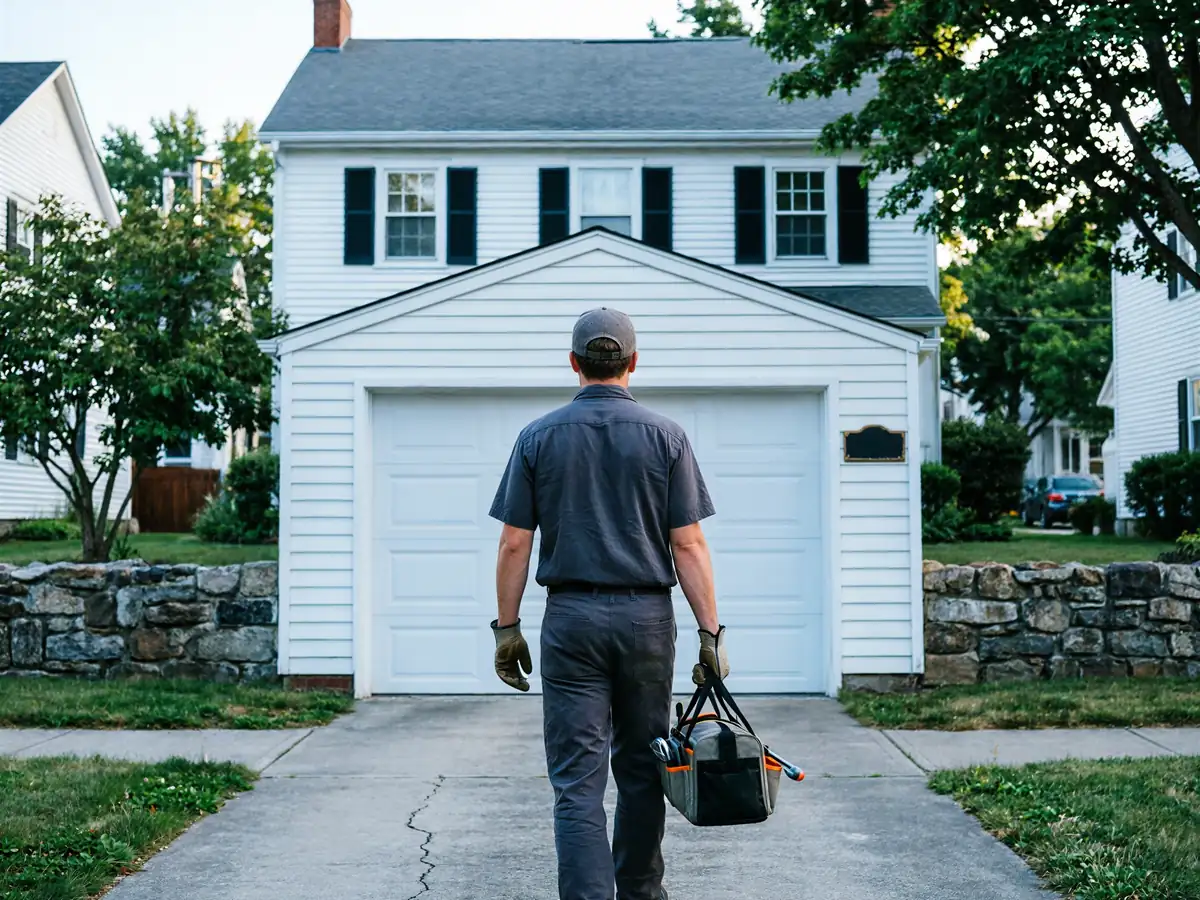
We're coming from Butler, about 3 miles out
Which means we're not positioned to do same-hour emergency swaps the way a shop based in Oak Hills itself might be. If your opener dies on a Tuesday morning and you need the car out by nine, a DIY temporary fix (manual release, pull the door by hand) buys you time until we can get a tech out. We'd rather you do that than rush a sensor install because you're late for work.
- 3 miles
Given the median household income here runs around $88,807
Most of the calls we get in this area are for mid-tier belt-drive units rather than the cheapest chain-drive option, but we'll quote both and let you decide.
What the Fix Involves
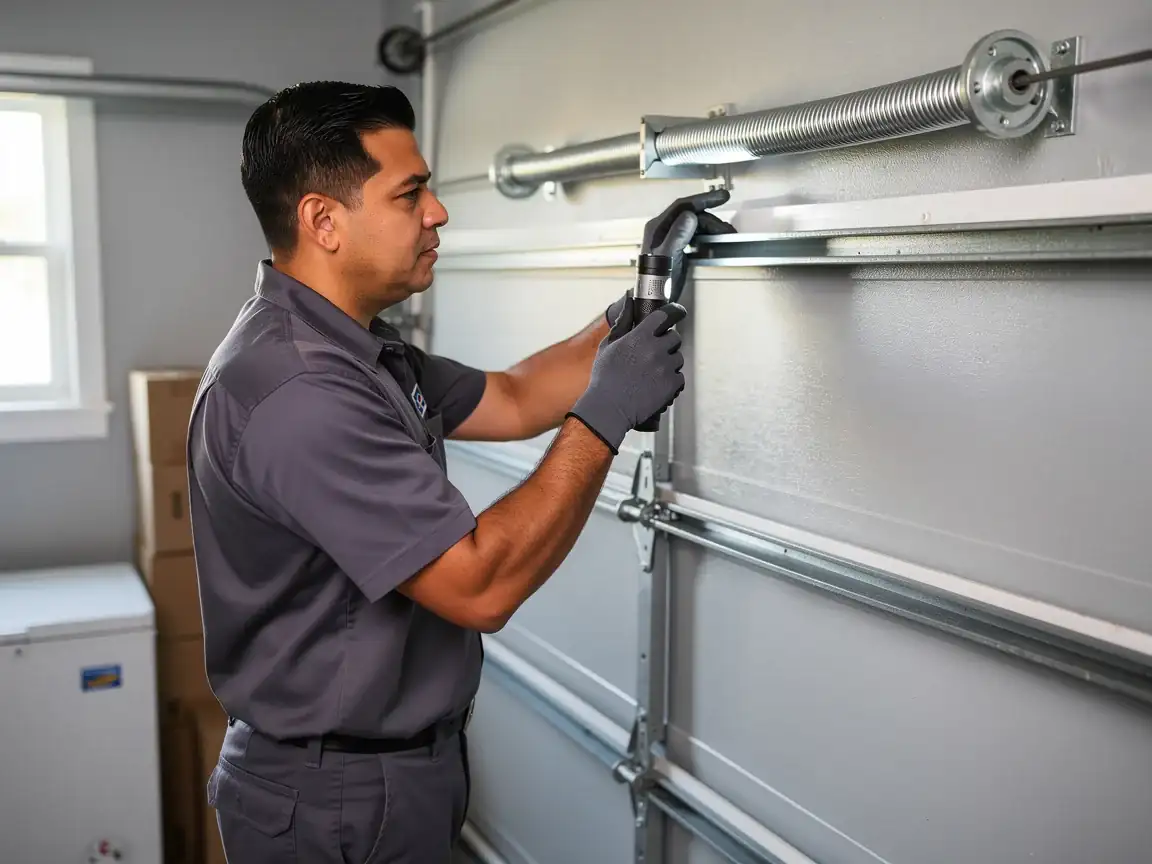
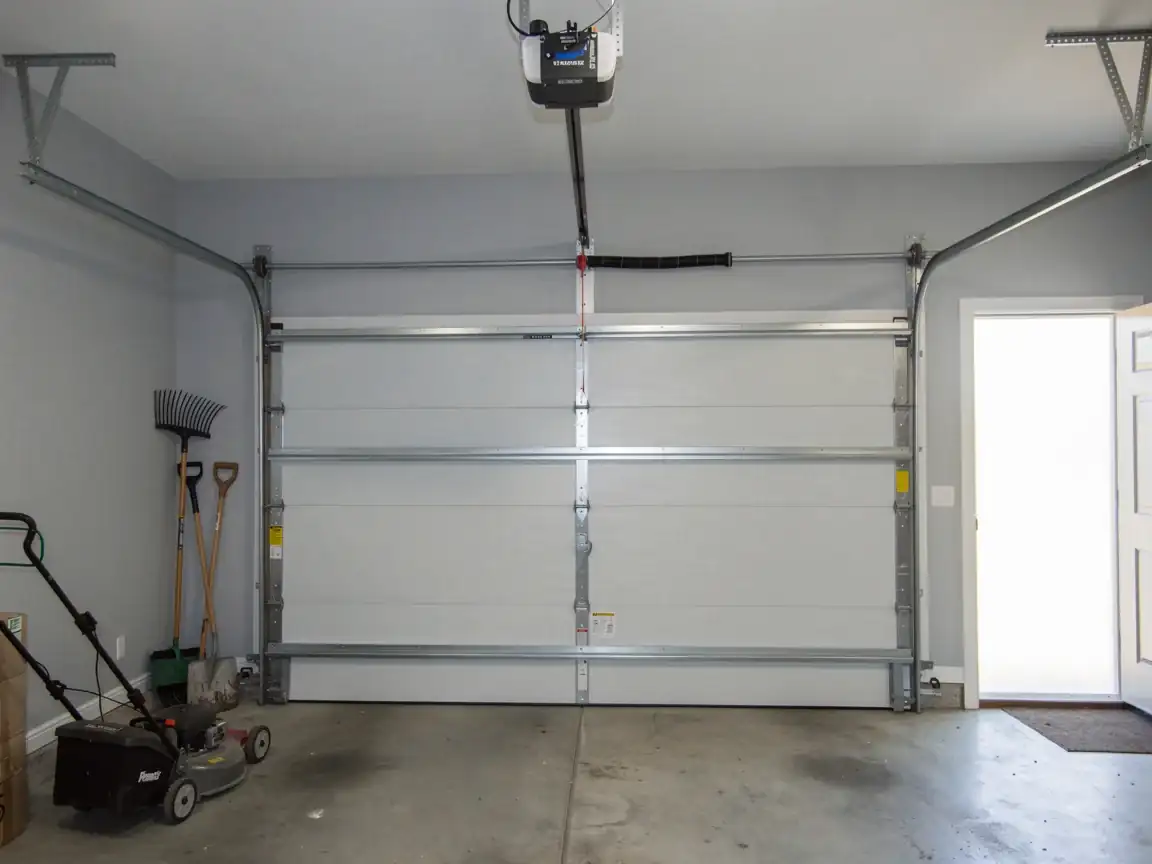
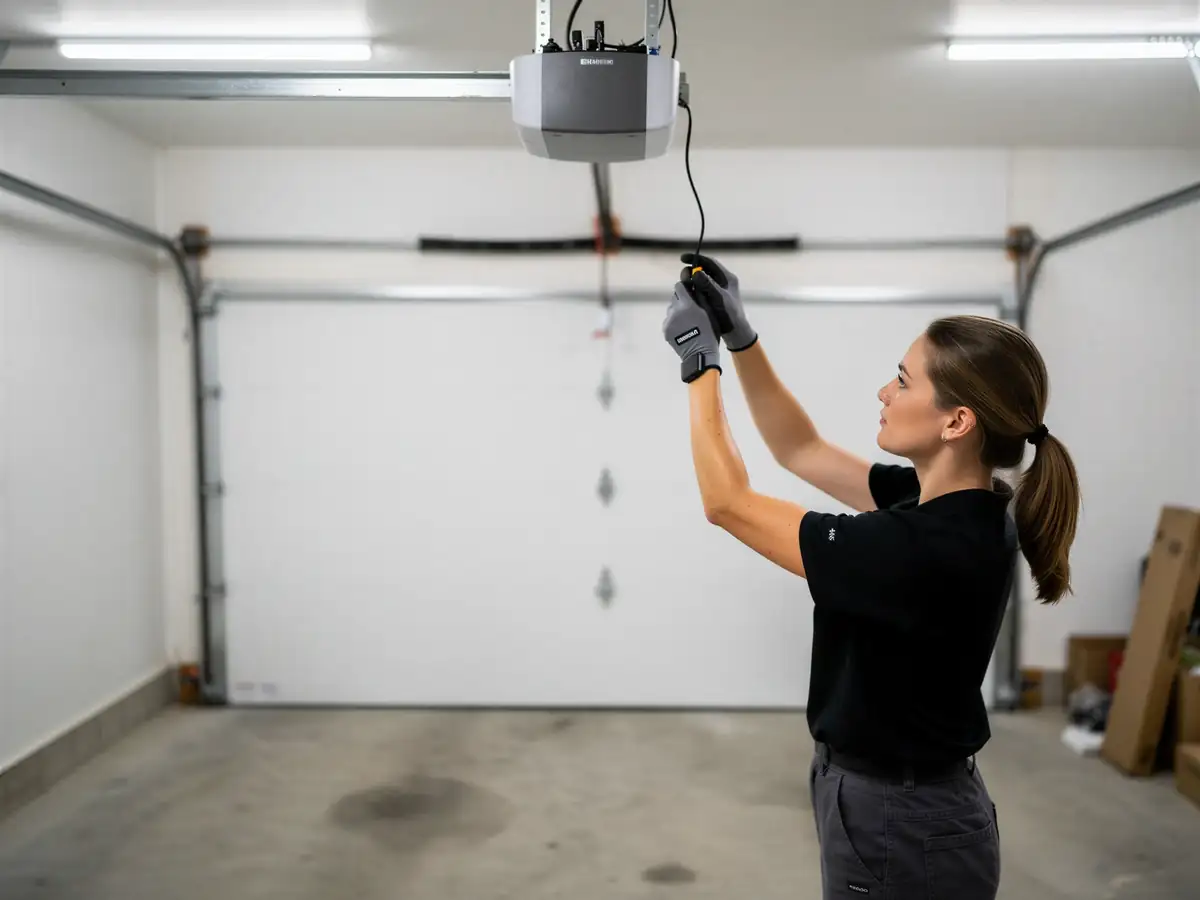
First, we check whether the existing rail and mounting bracket are still sound, since reusing them (when the door itself is fine) saves a real chunk of labor. Then we pull the old unit, run new wiring to the wall console if the old wiring's brittle, which is common in anything wired before the 1980s, and mount the new drive head.
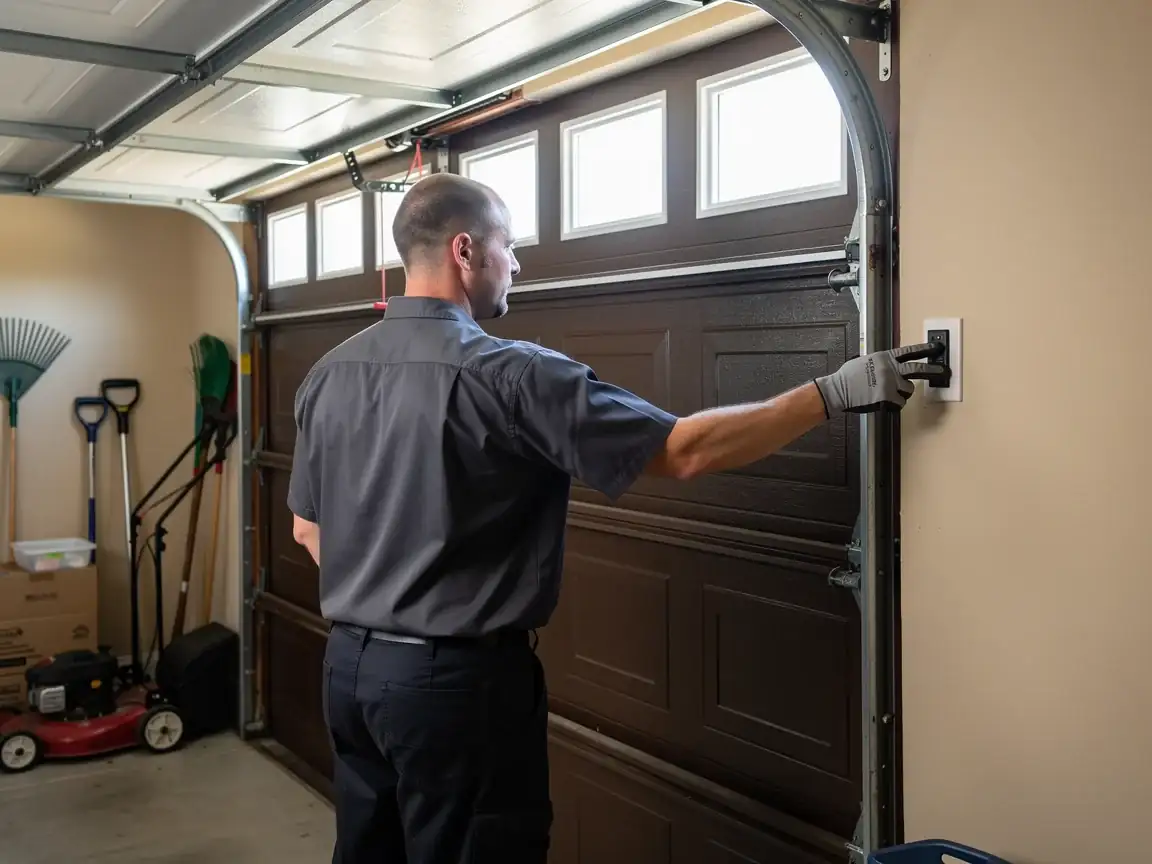
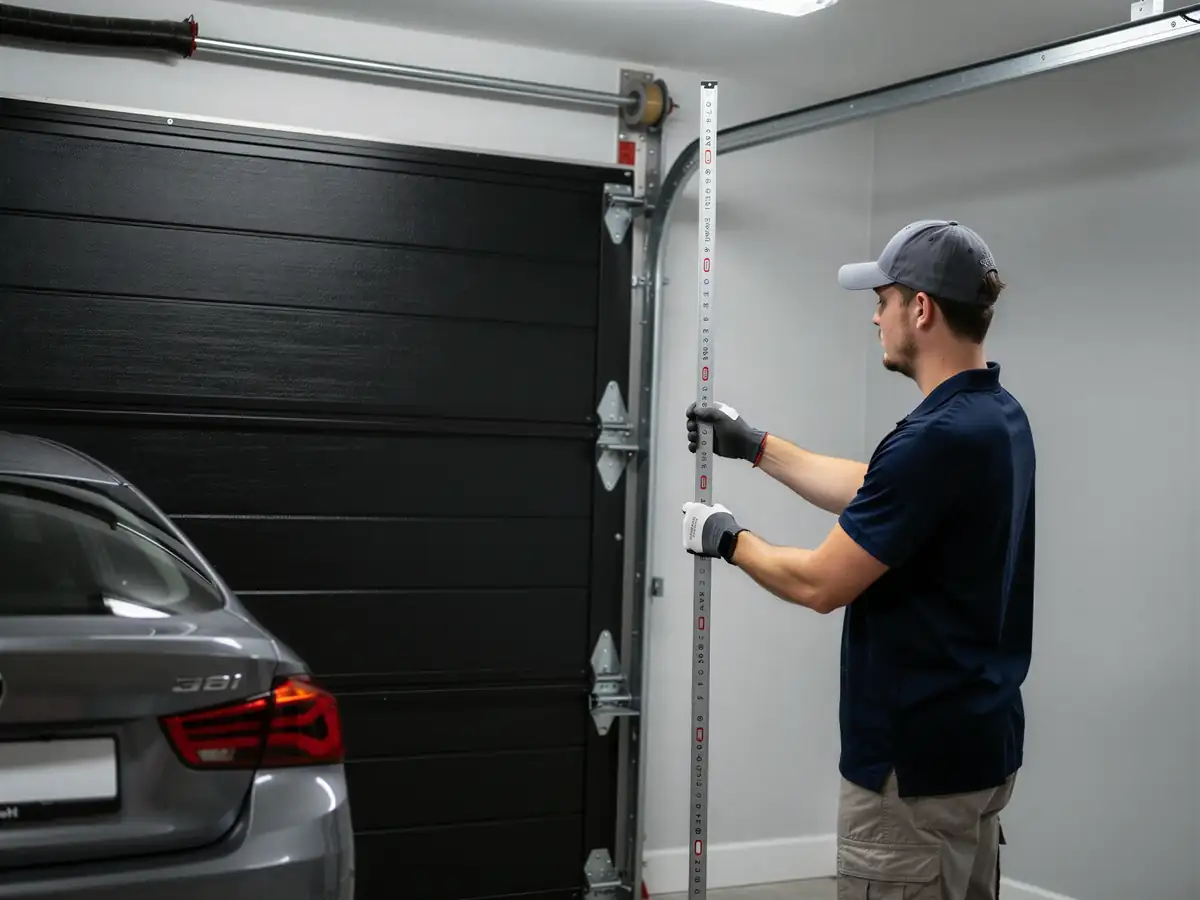
Sensor alignment comes next, and we test it with an actual obstruction, not just the LED indicator, because a sensor that lights up green can still be misaligned enough to fail a real reversal test. We set the open and close force limits to the door's actual weight, which matters more on older wood panel doors than on newer steel ones.
Last step is the battery backup and remote programming, including wiping any old remotes that might still be floating around from a previous owner. On a typical single-door job this runs under a half day. Double doors or any rail-replacement on top of the opener swap add time, and we'll tell you that before we start, not after.