Parts We Carry
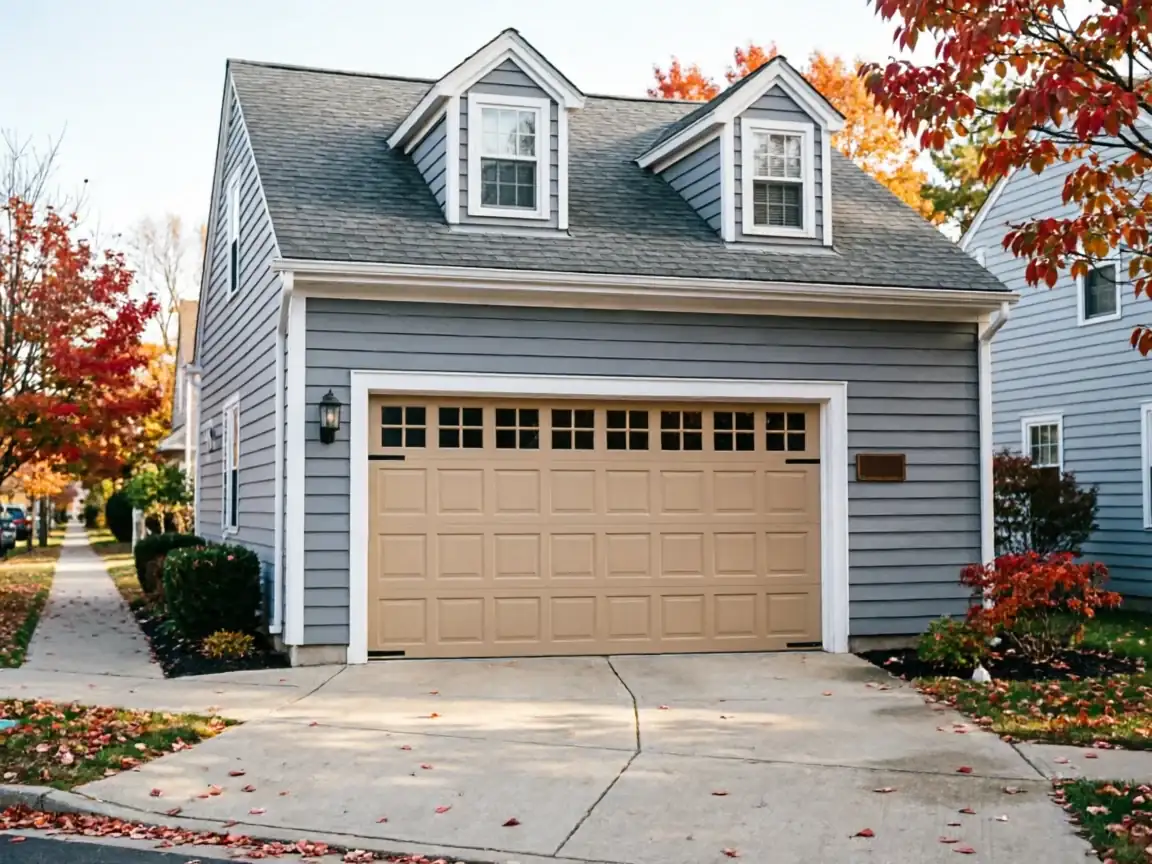
Most houses in Shanor-Northvue were built around 1974, during the same wave that put up a lot of this part of the county. Doors from that era started with whatever opener the builder threw in, usually a basic chain-drive unit, and plenty of those have been swapped out once or twice already. We carry chain-drive openers for heavier wood and older steel doors, belt-drive units for anyone who wants a quieter garage next to a bedroom, and jackshaft models for garages with low ceiling clearance, which shows up more than you'd expect on houses from this build period. Given a median household income of $98,878 here, we see more requests for belt-drive openers with battery backup than the stripped-down chain units that move faster in lower-income pockets of our service area. Winters in this climate band run severe-cold, so whatever drive you pick, the motor needs a cold-rated duty cycle, not just a sticker that says it works. One limitation: smart openers with built-in cameras sometimes sit on a manufacturer backorder of several weeks, and we won't promise a date we don't control. If that's the unit you want, we'll tell you the real wait up front instead of guessing.
Why It Happens Here
A door built around 1974 was sized and hung for the openers of that decade; lighter steel, simpler torsion setups, brackets that don't always line up with today's rail mounts. When a homeowner here calls about a new opener, it's rarely because the old one just quit. More often someone replaced the door itself at some point and kept the original opener, or vice versa, and now the bracket spacing is off by an inch or the header isn't where a modern unit expects it. We also see garages that were never wired for an opener at all, because in 1974 that wasn't standard, and the owner is adding one decades later. None of this is unique to one house; it's a pattern tied to when this whole section of the county went up. It means the install isn't always a straight swap. Sometimes the header needs reinforcing before a heavier belt-drive unit goes up, and sometimes the existing wiring from a 1970s box won't carry a modern opener's circuit without an upgrade. We check the header and the wiring before we quote the job, not after we're standing in the garage with the new unit on the bench.
What the Fix Involves
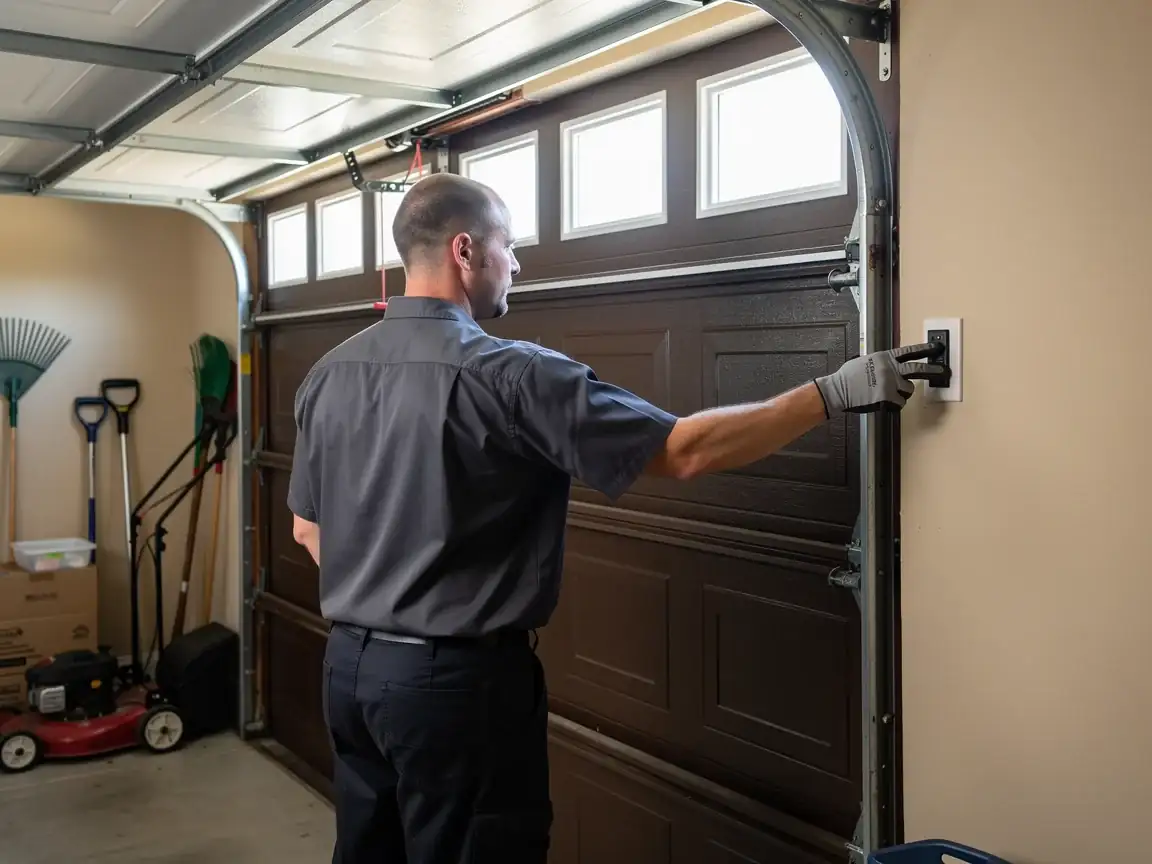
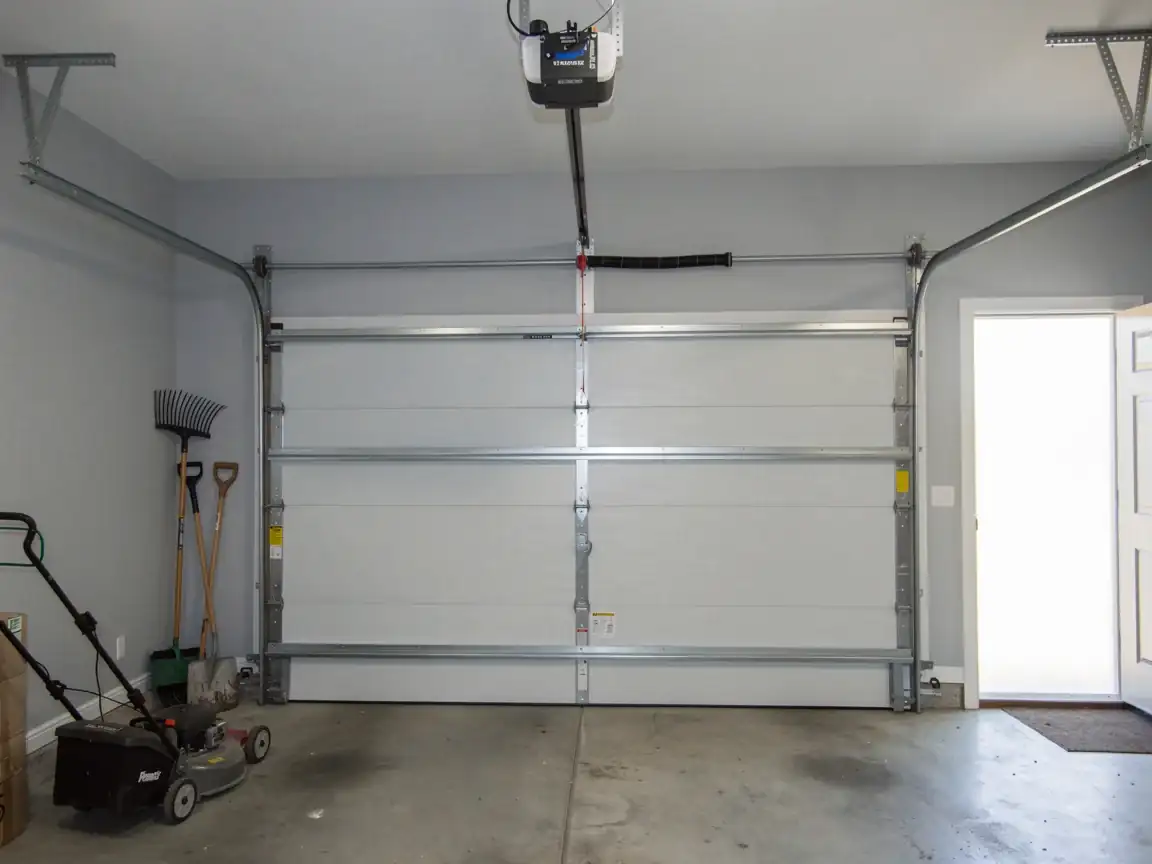
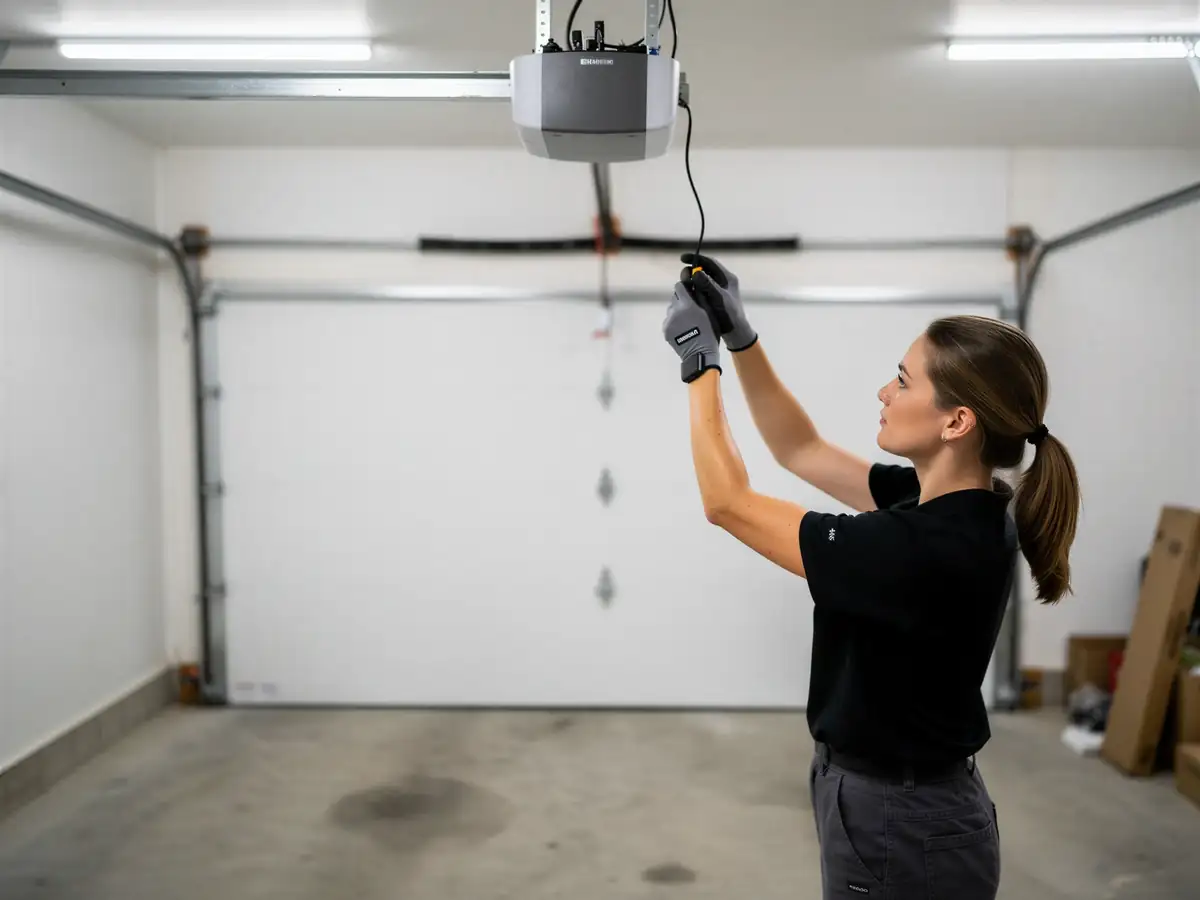
The old opener comes down first, motor head and rail together, and we check the header board behind it for rot or undersize framing before anything new goes up. For houses with the original 1970s brackets still in place, we often need to re-drill or relocate mounts to match a modern rail's spacing. Once the rail is set and the motor head is hung, we run the safety sensor wiring across the base of the door opening, low enough to catch a pet or a bike tire, and test the force settings so the door doesn't slam on resistance. Wiring is the part that varies most here: some garages still run off a single ungrounded outlet from the original build, and that needs an upgrade before a modern opener's circuit board will run safely on it. We program the remotes and any keypad last, then run the door through a full open-close cycle with the sensors blocked to confirm it reverses correctly. We don't skip that last test even when we're confident the install went clean.
What You Pay
We don't post a flat number here because the drive type and whatever wiring or bracket work the garage needs change the total more than the town does. A straight chain-drive swap on a header that's already sound costs less than a belt-drive unit going into a garage that also needs a new circuit run. What we can say is that households in this part of our coverage, with a median income well above the wider service area's $72,842, more often choose the belt-drive and battery-backup combination over the base chain unit, and that choice is what moves the price more than anything about the address. We give a firm number after we've looked at the header and the existing wiring, not before, because guessing on either one means either undercharging or coming back with a change order mid-job. Financing details and exact unit pricing aren't something we publish site-wide since they shift with supplier costs.