Parts We Carry
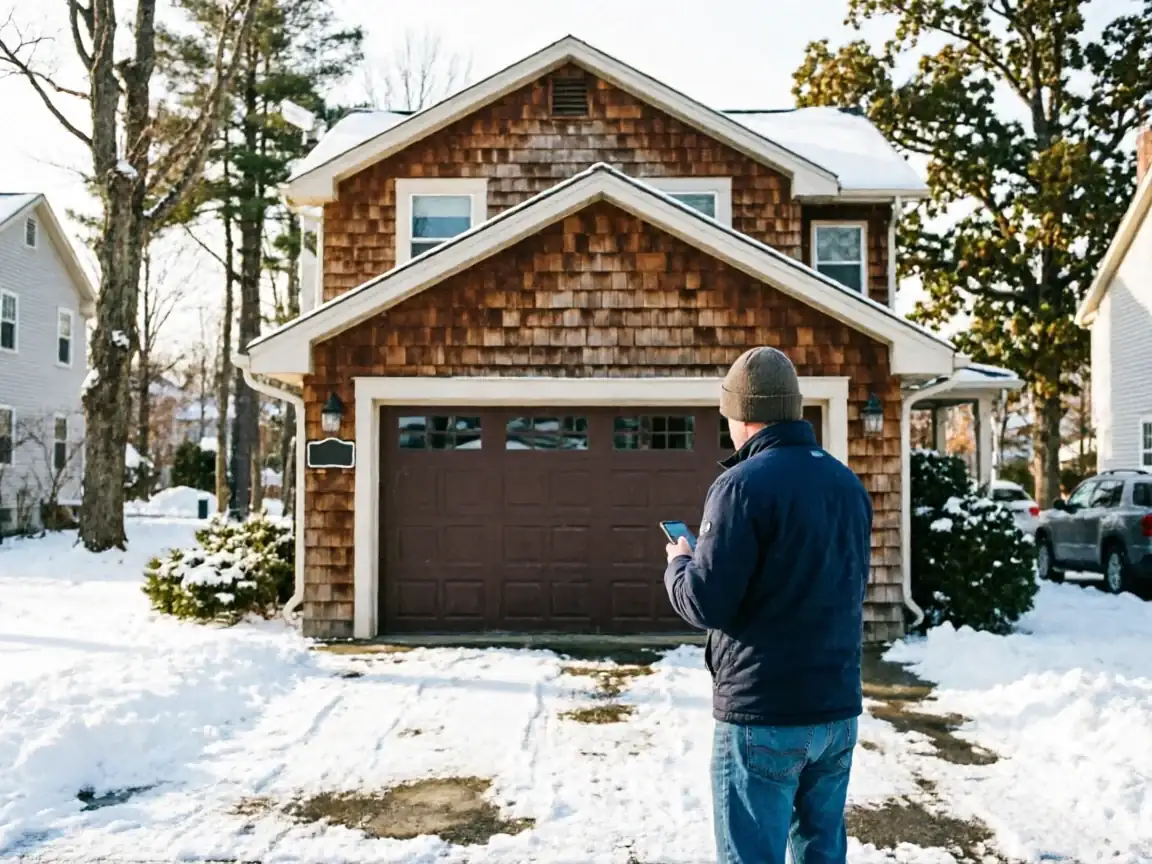
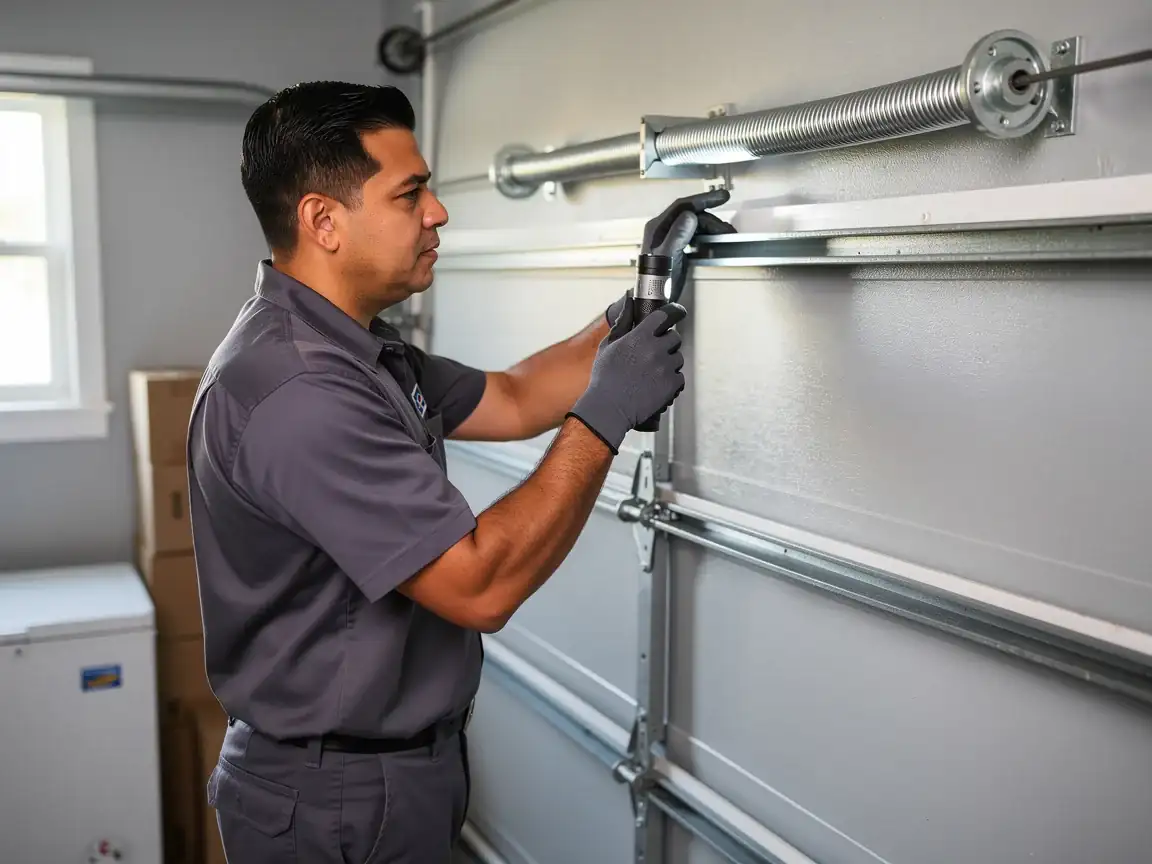
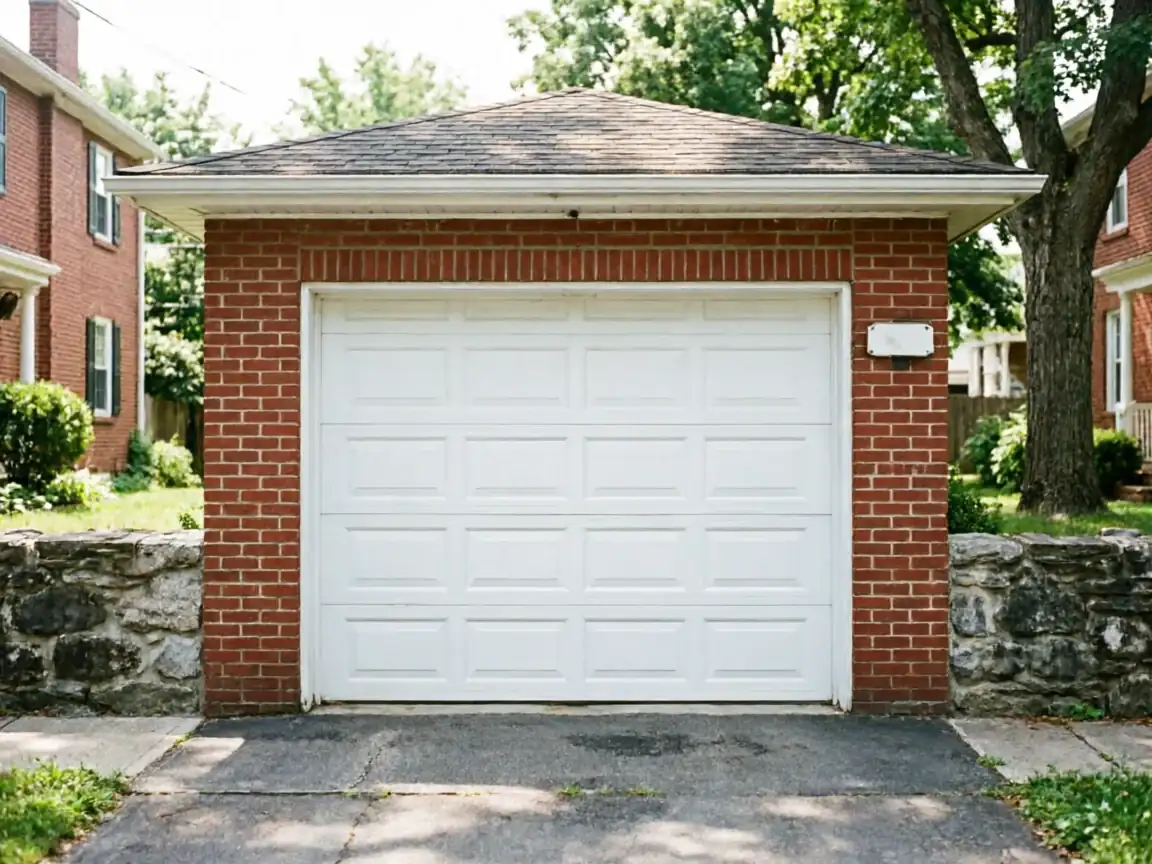
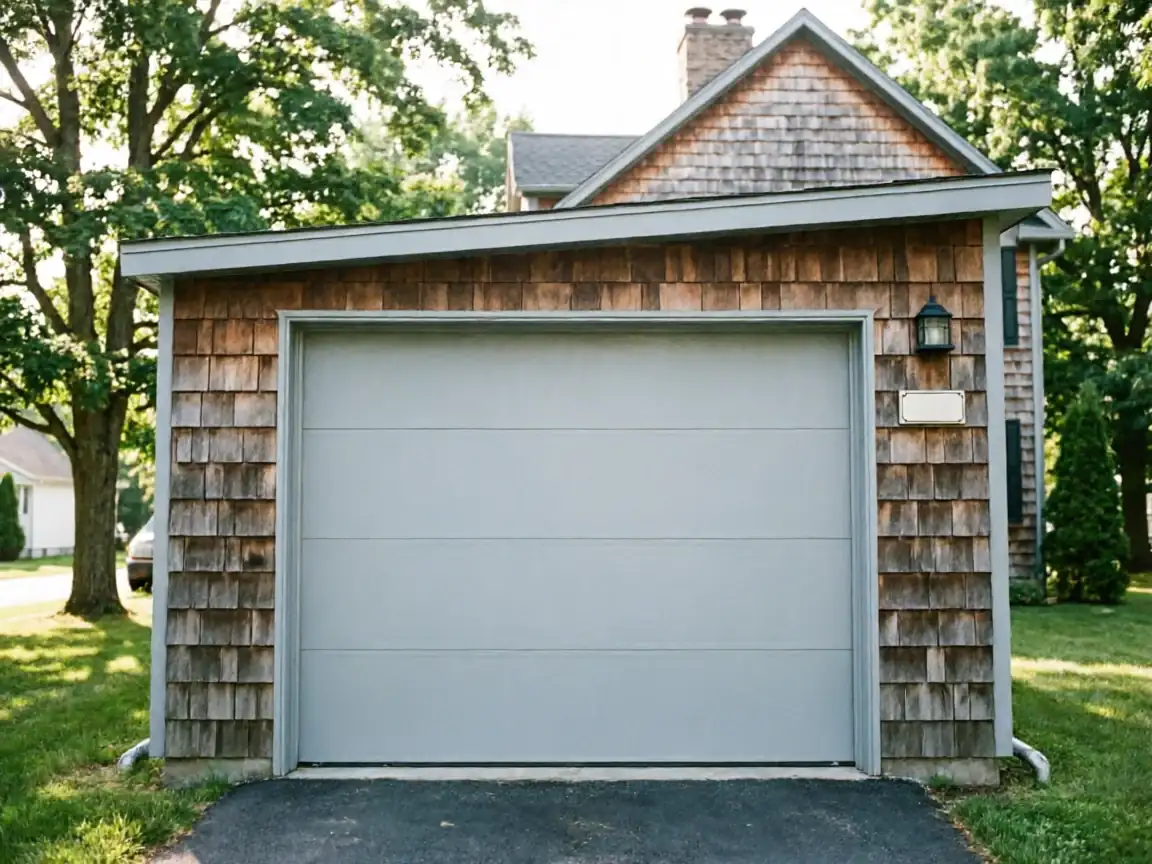
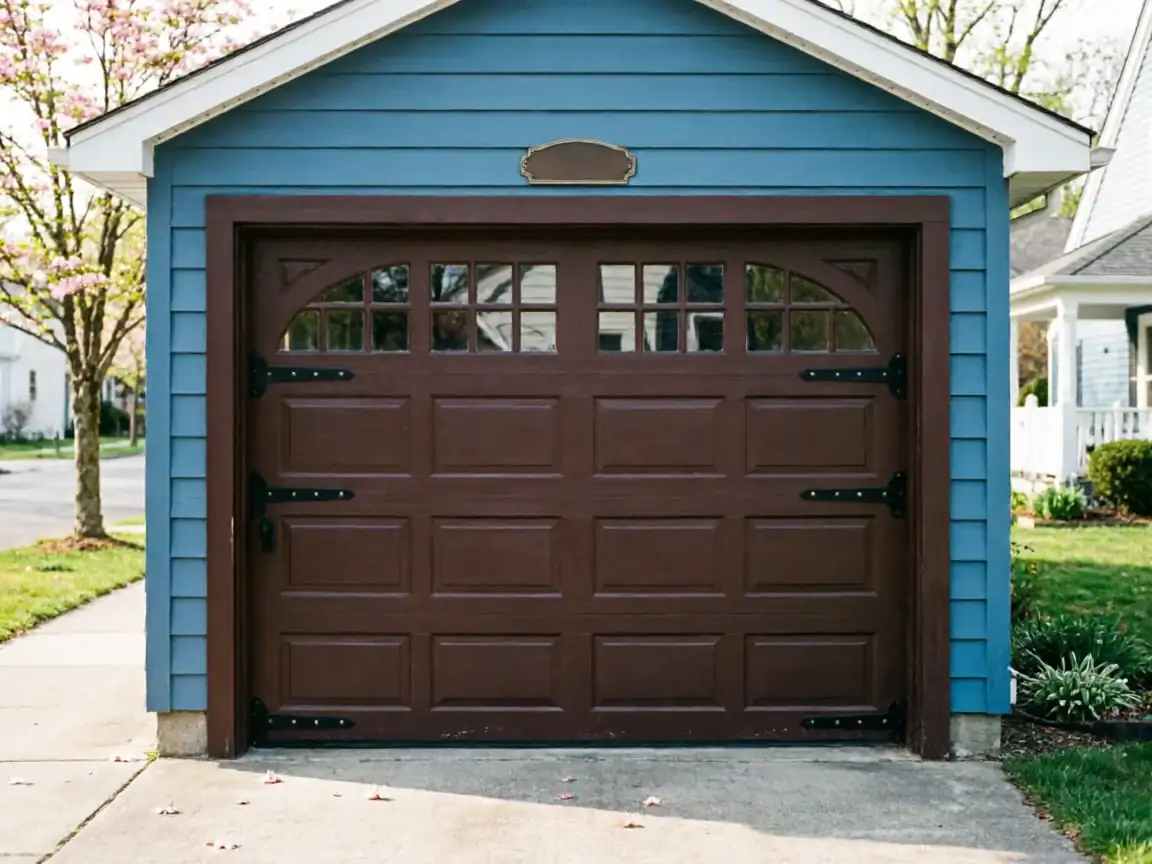
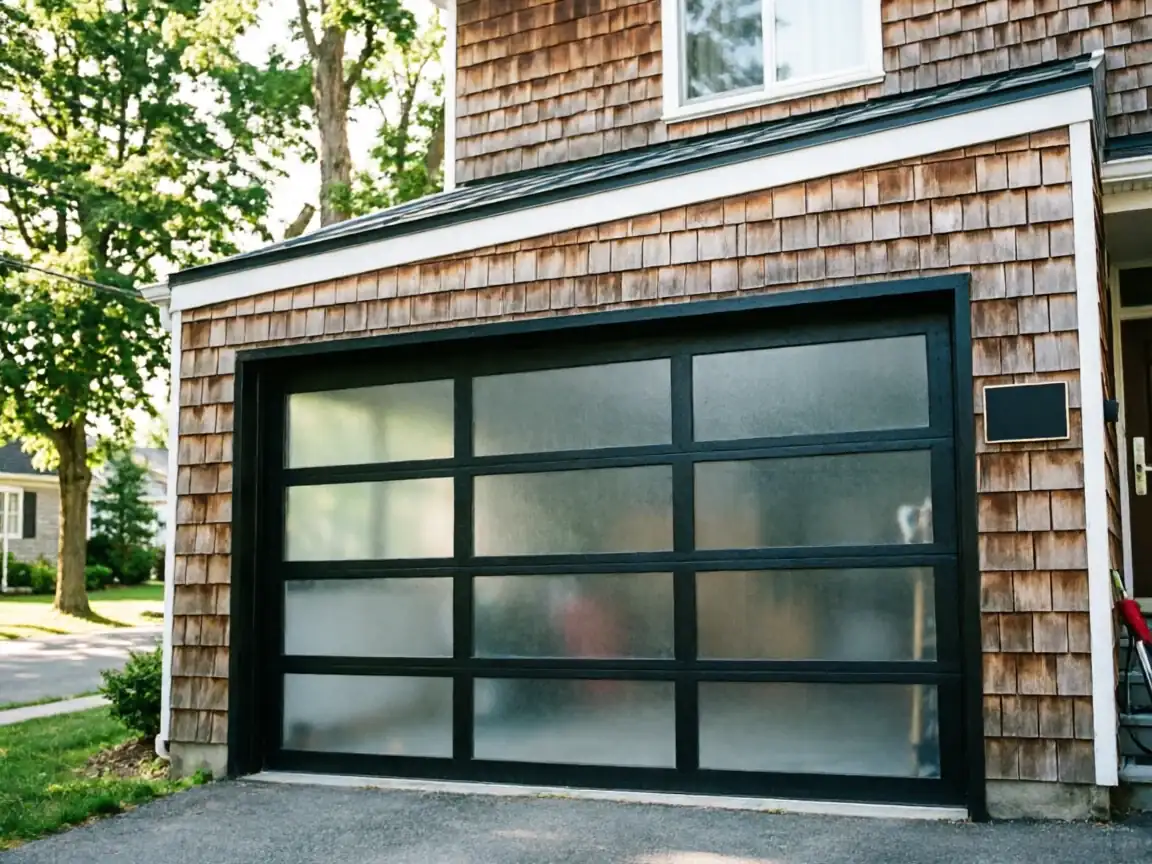
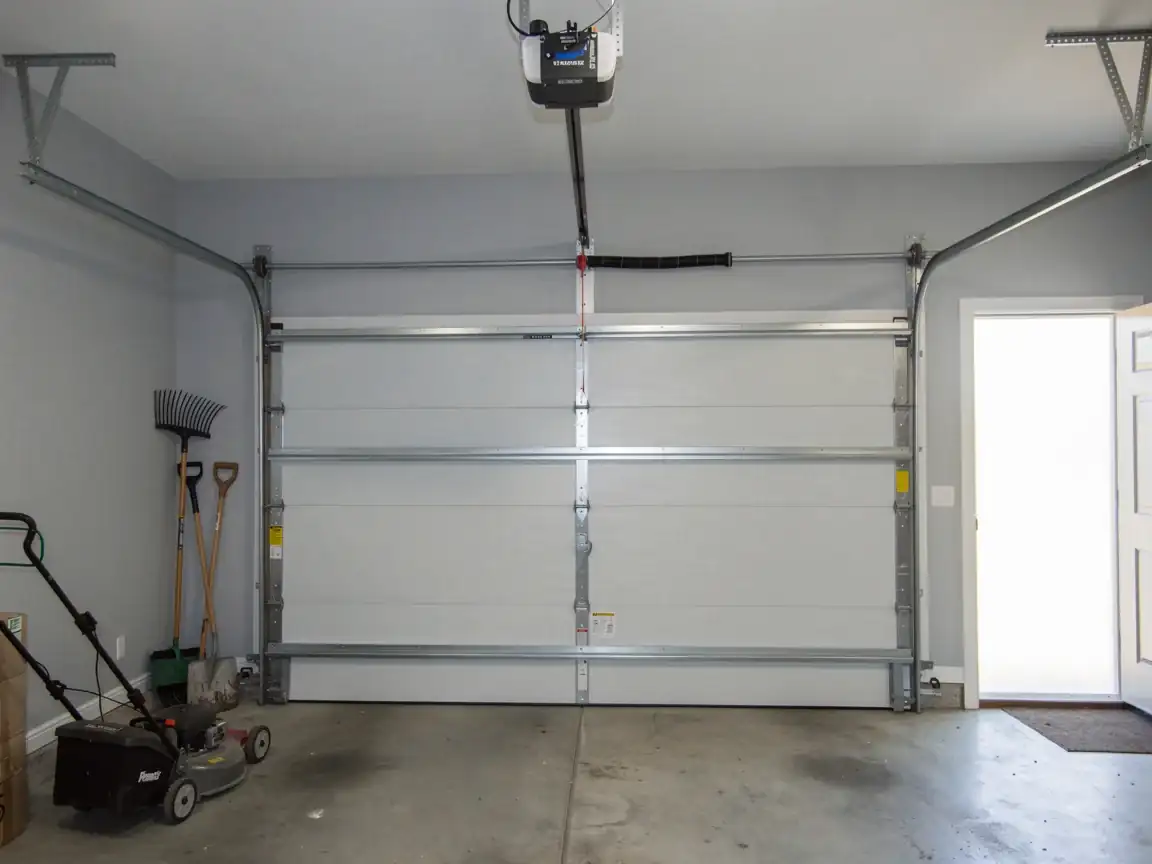
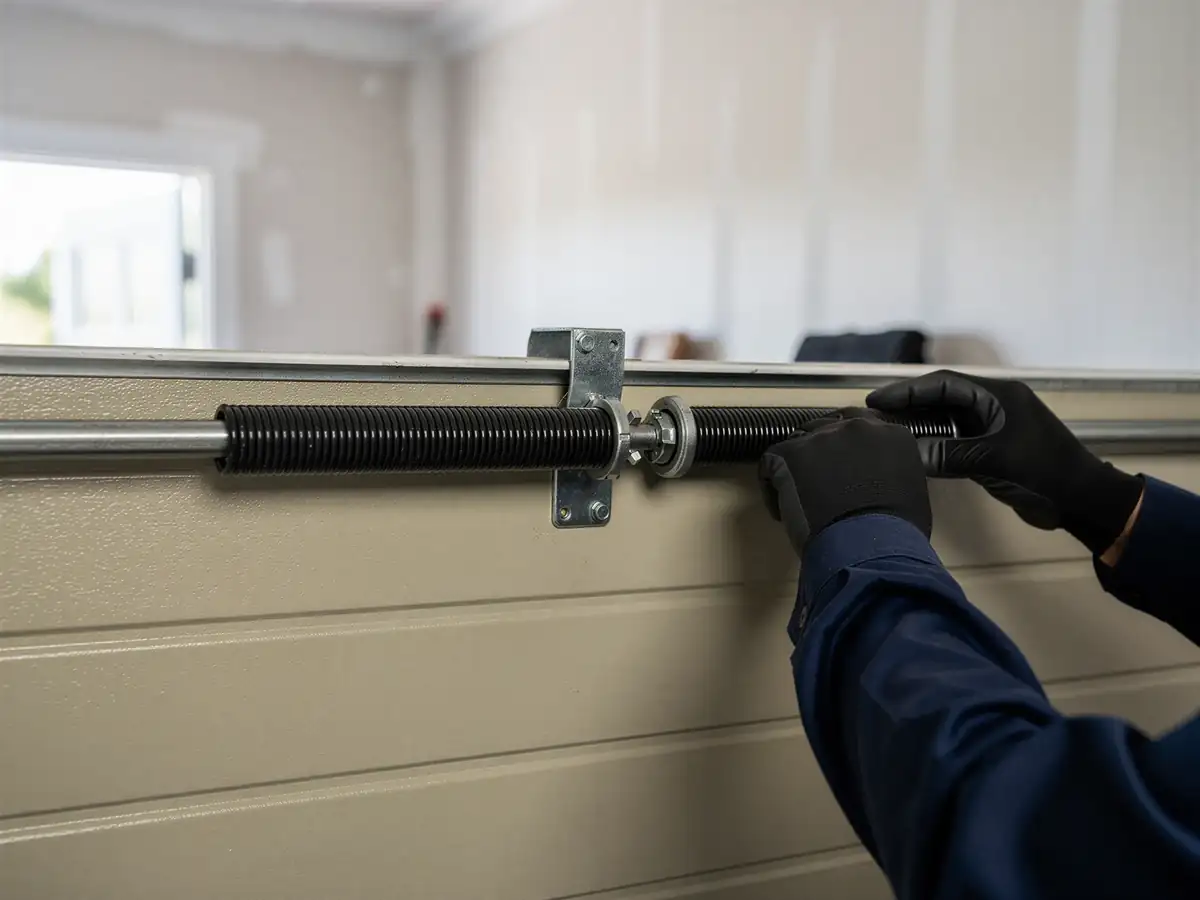
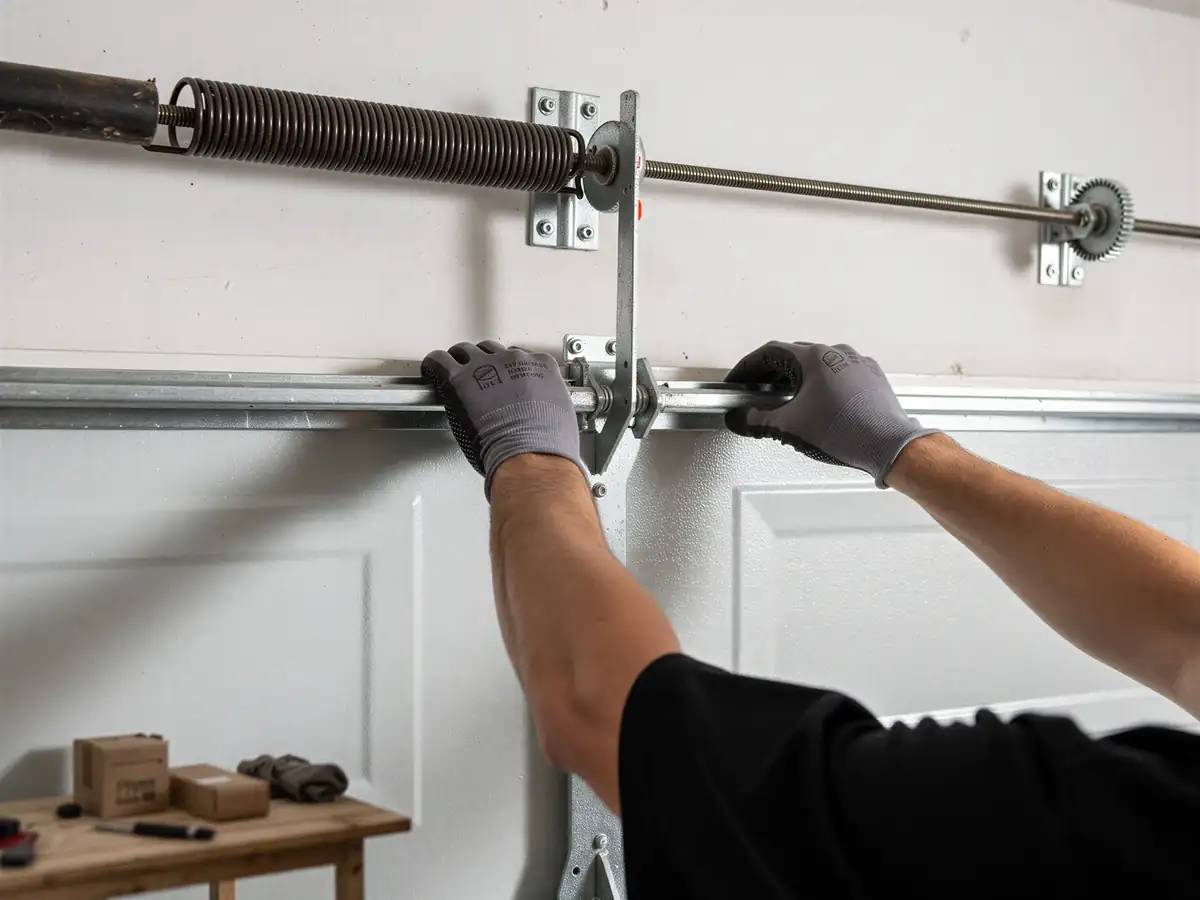
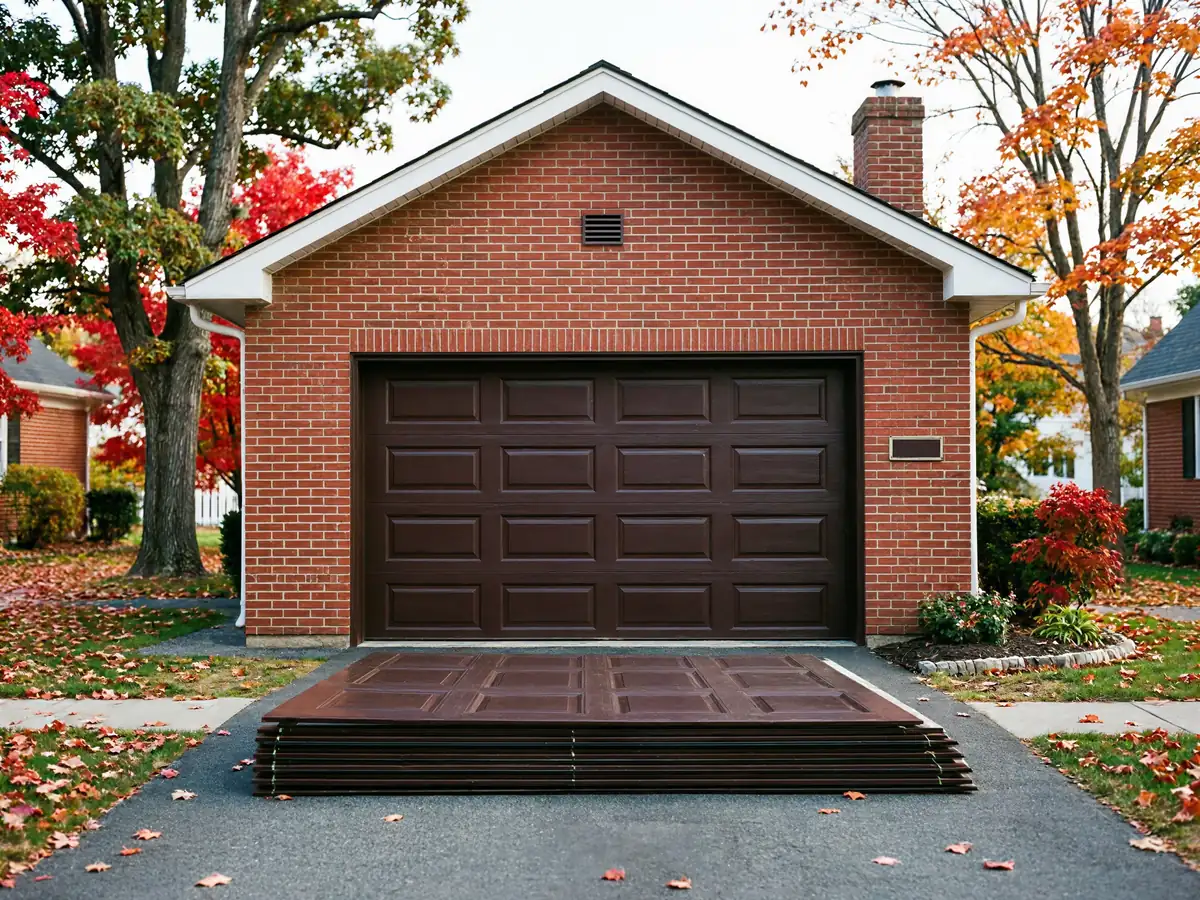
Shanor-Northvue's houses cluster around a 1974 build date, right at the tail end of the stretch that runs across this whole service area (median 1973, spanning 1938 to 1999). That one-year gap sounds trivial until you're standing in front of the door. Houses from this exact window usually took a 16x7 steel sectional on a standard-lift torsion system, and a lot of them still have it. We carry replacement torsion springs sized to that era's drums, galvanized tracks in the common widths, and rollers rated for the cold-climate wear this region sees. We also stock insulated steel sections for the severe-cold band this area sits in, since a single-layer door from the 1970s does nothing for the garage once January sets in. What we don't carry on the truck is anything custom-cut - wood doors built to odd original openings sometimes need a special order, and we'll tell you that up front rather than make you wait on a surprise.
Why It Happens Here
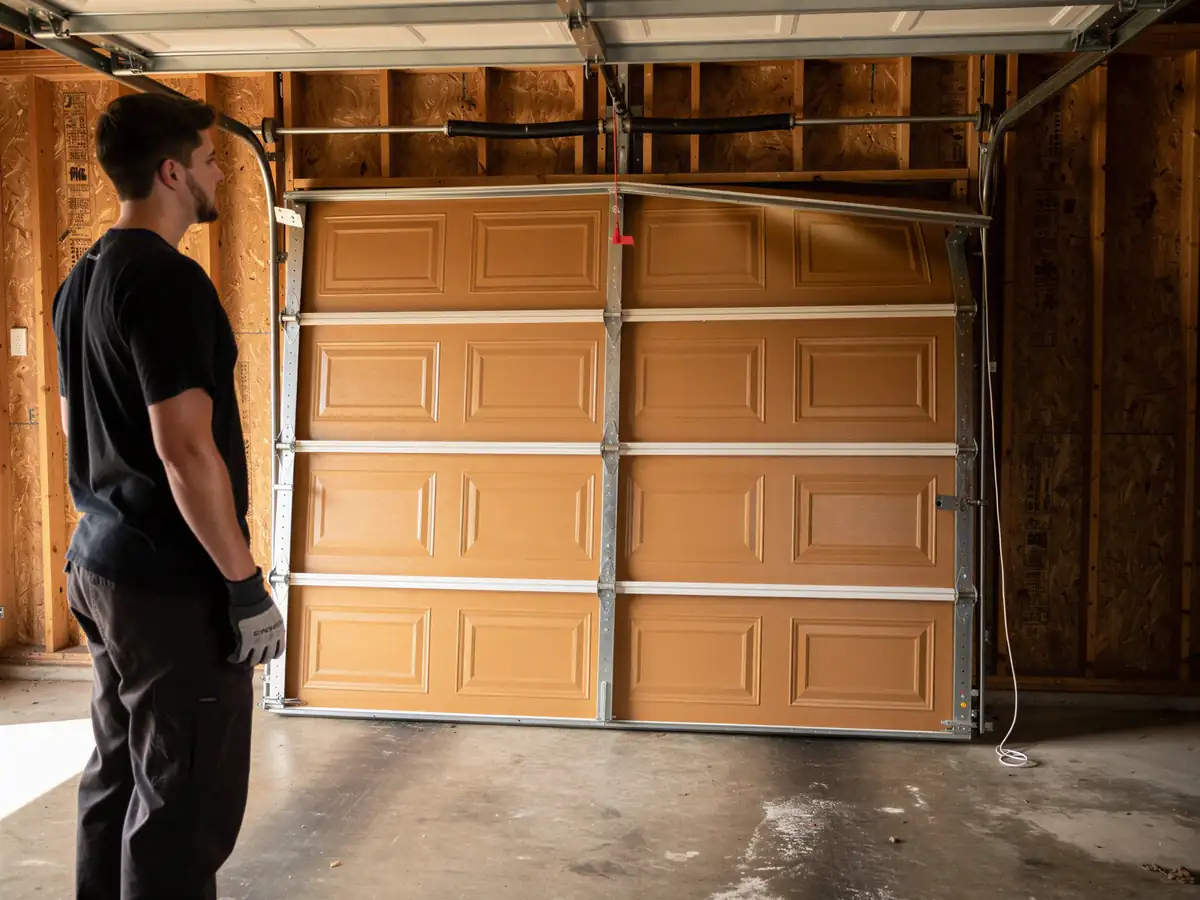
A door built when Shanor-Northvue's homes went up - call it 1974 give or take - is now pushing fifty years on hardware that was never meant to last that long. Torsion springs in this era's garages are usually rated for a set number of cycles, and most of them hit that number quietly: one morning the door just won't lift, or it lifts crooked because one cable stretched more than the other. With 2,194 households in this stretch, we see the same handful of failure patterns over and over - worn rollers in the original steel track, a single spring that was never upgraded to a matched pair, and openers bolted onto a door that's heavier than the motor was built for. The cold doesn't cause the failure so much as it exposes it: metal contracts, grease stiffens, and the slack that was hiding all summer suddenly isn't hiding anymore.
What the Fix Involves
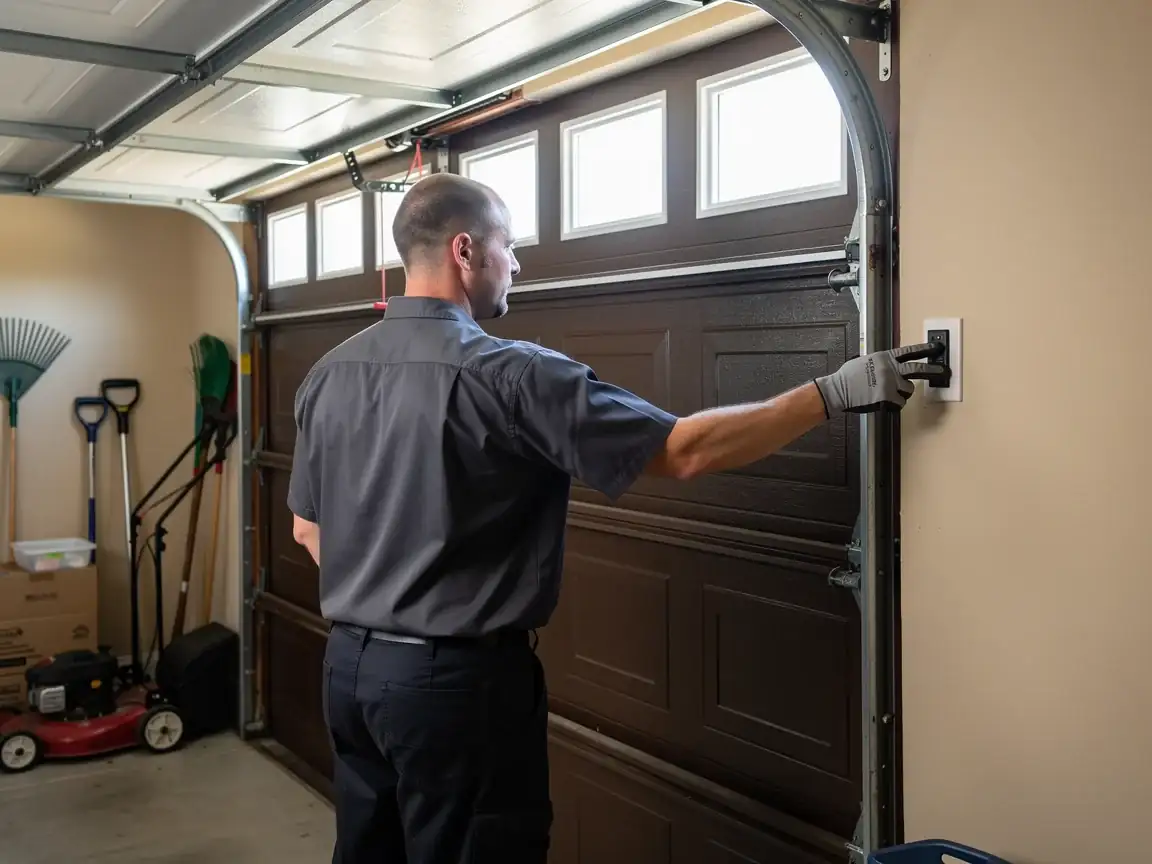
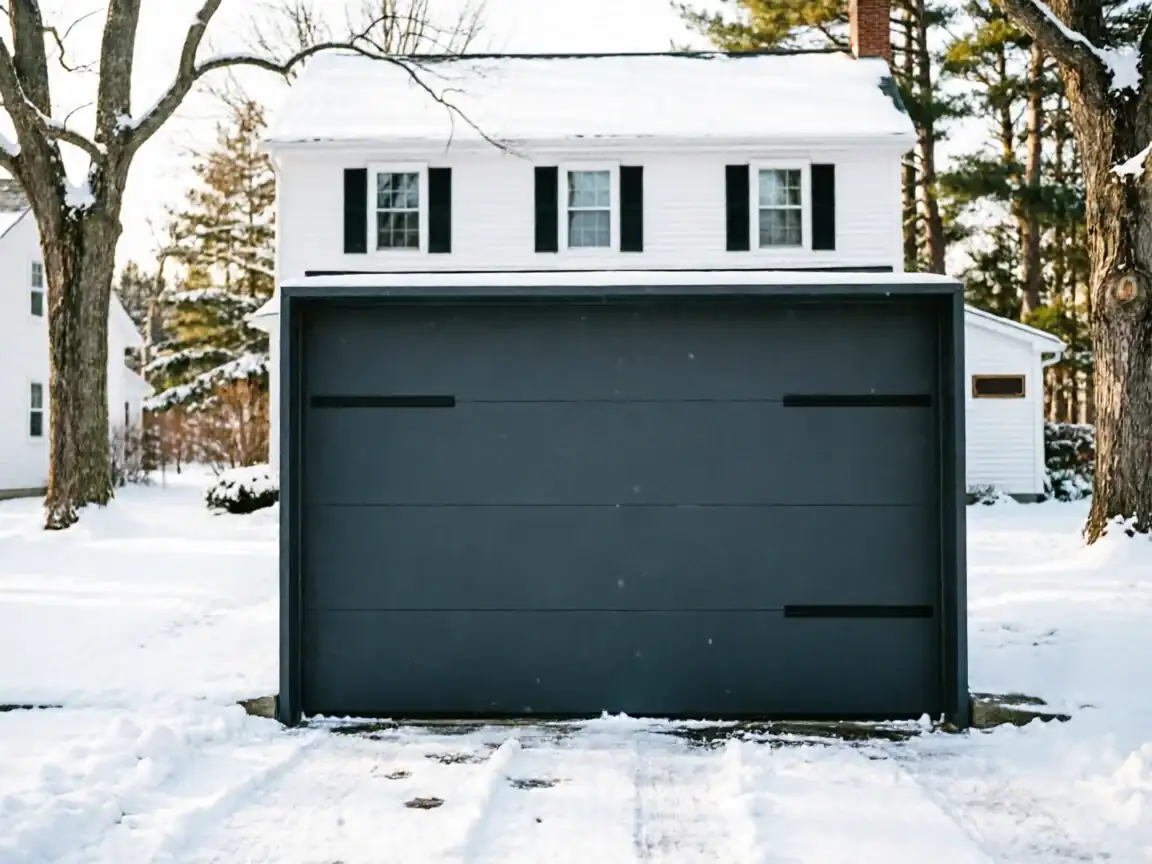
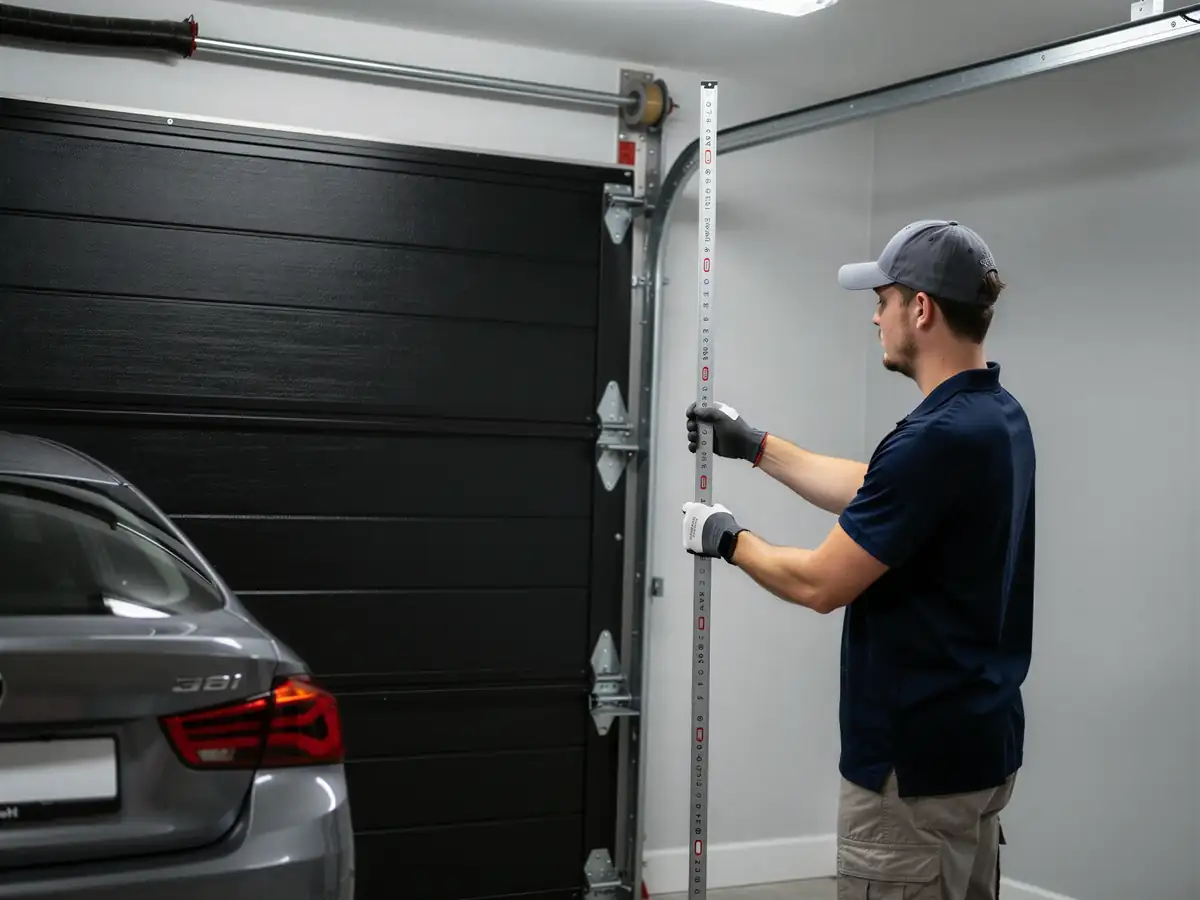
For most Shanor-Northvue installs, the job is a full swap: old sectional and track out, new insulated door in, torsion spring matched to the new door's weight rather than reused from the old one. Reusing a decades-old spring on a new door is a shortcut we don't take - it's the single fastest way to end up back at the same house in six months. Given the severe-cold band this area sits in, we steer people toward insulated panels with a tighter bottom seal, since an uninsulated door from the original 1970s build does the garage no favors once temperatures drop. The honest limitation: if your opening is out of square or the header's settled over fifty-plus years, that gets fixed as part of the install, and it adds time. We'd rather find that before we start than discover it halfway through.
What You Pay
This stretch runs noticeably higher on income than the service area overall - $98,878 median here against roughly $72,842 across the wider area - and that shows up in what people choose, not just what they can afford. More Shanor-Northvue jobs land on insulated steel or higher-grade panels than the bare-minimum option, because the extra cost of a better door is a smaller share of the household budget here. We don't post a flat price for installation because the door size, insulation level, and whether the opener gets replaced alongside it all move the number. What we can tell you plainly: the base cost difference between a standard steel sectional and an insulated one is real, and for this climate band it's usually worth paying.