Why It Happens Here
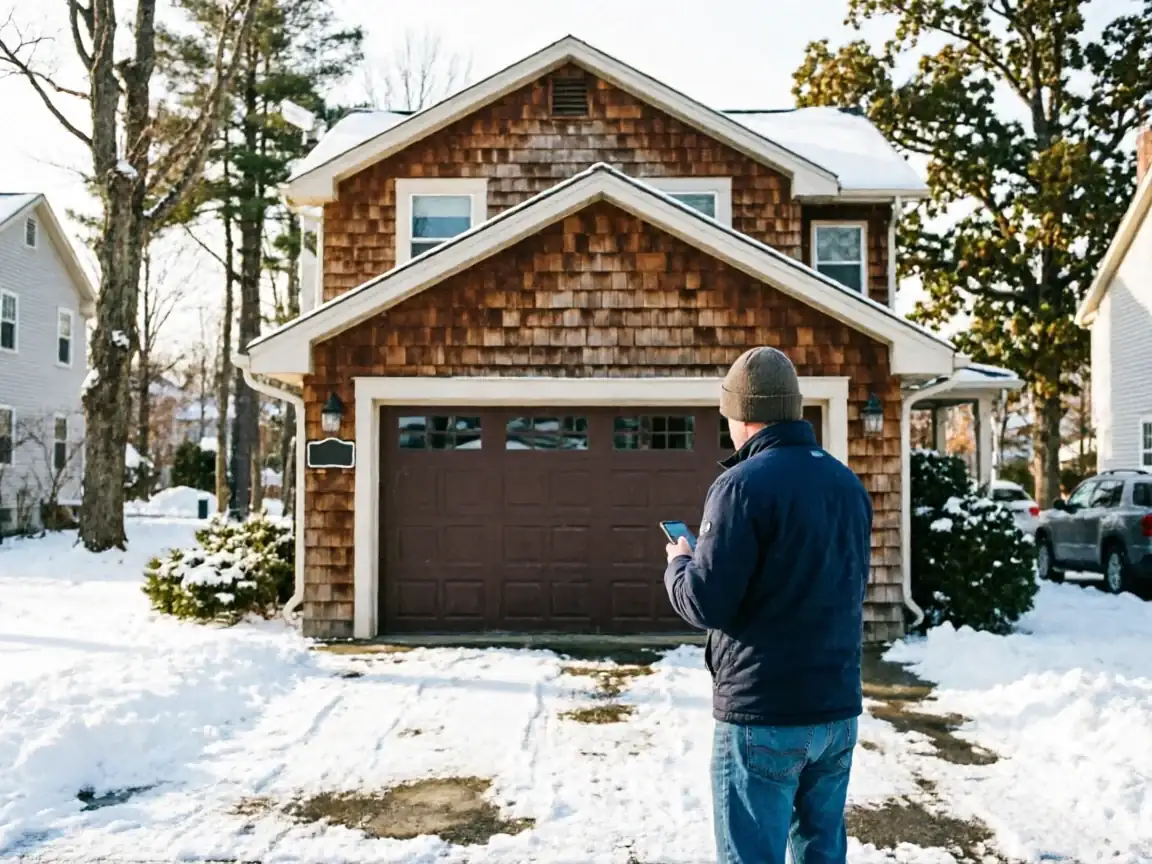
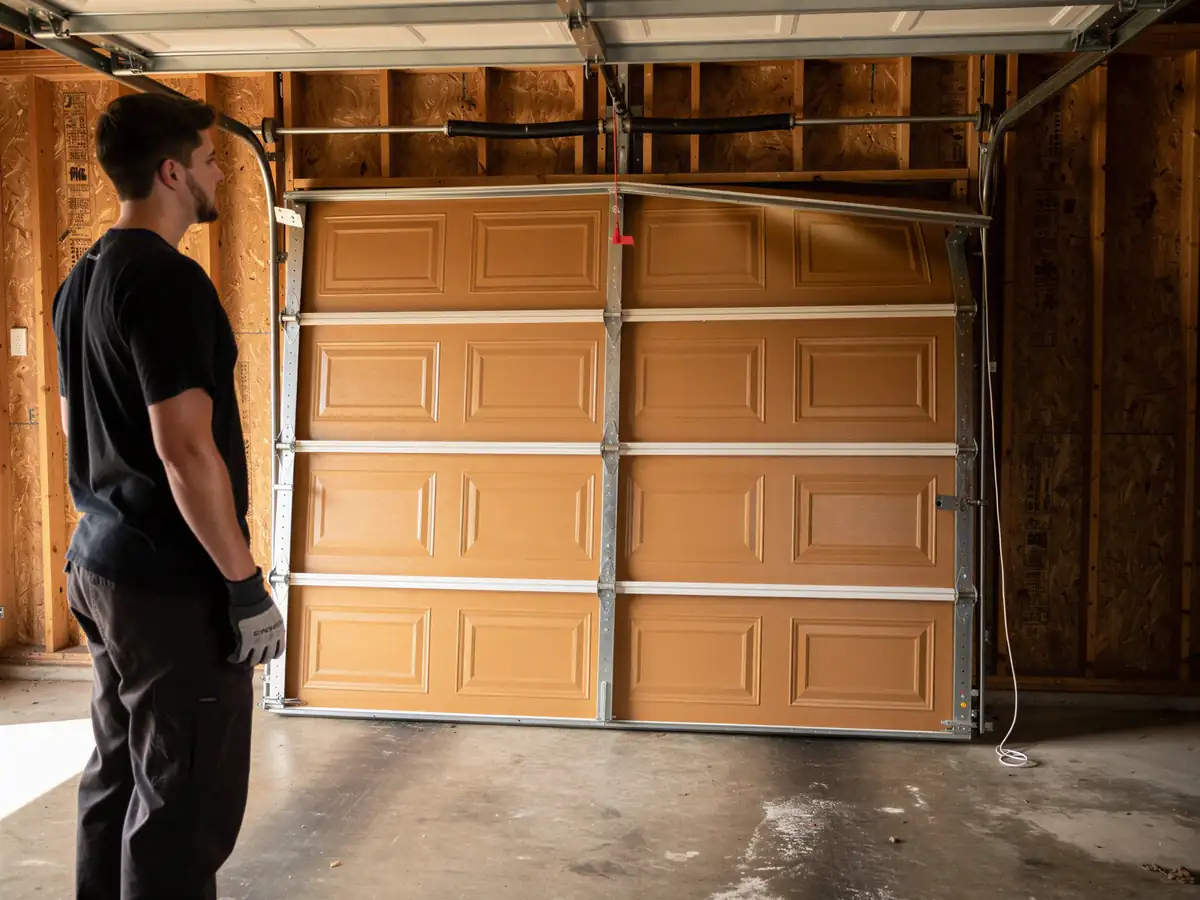
Most houses in Meridian went up around 1964, which puts this pocket squarely in the 1960s-70s building wave that covers a lot of the service area. That matters more than people think. A door hung in 1964 has had sixty years to go through springs, but the track, the header bracket, and the jamb hardware are often still the pieces that came with the house. Nobody pulls those unless something breaks. So when we get a call from this part of the service area, we're usually looking at a spring or cable failure on hardware that was never swapped out, not a door that's been maintained on a schedule. The fix is straightforward on its own, but the surrounding parts - the bracket it bolts to, the track it rides in - are old enough that they sometimes don't survive the repair cleanly. We check all of it before we quote anything, because finding a second problem mid-job costs you time we'd rather not add to the bill.
How Long You Are Without the Door
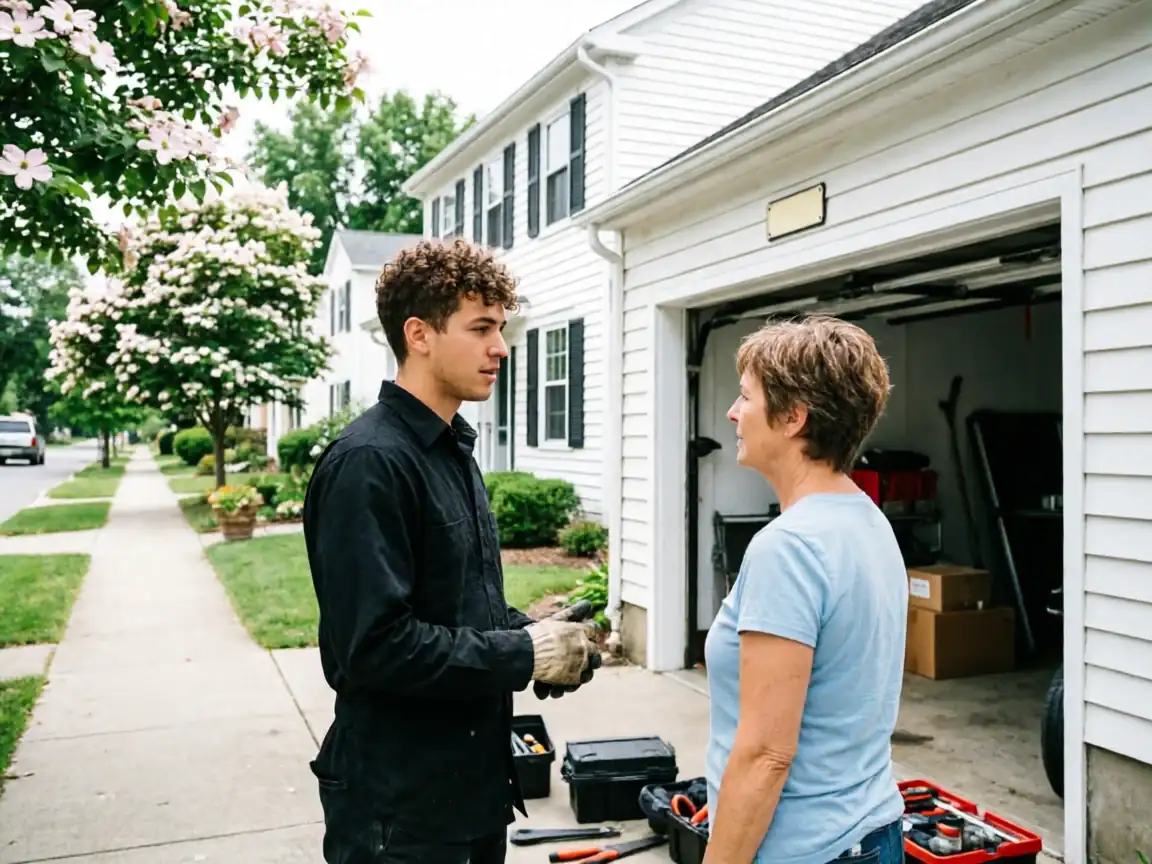
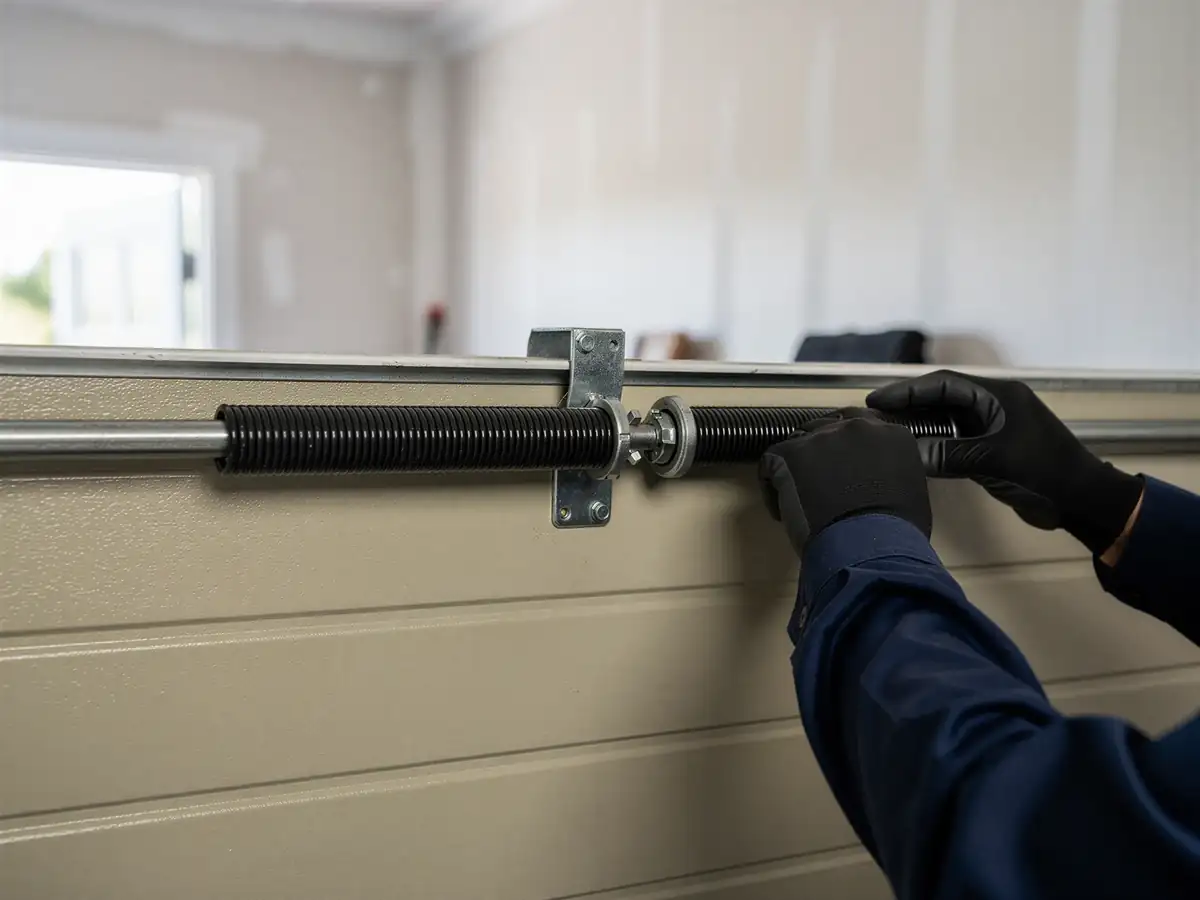
We run out of Butler, and Meridian is about 3 miles from there, so travel isn't the bottleneck on a repair call. What takes time is parts. If the torsion spring or cable on your door is the original 1960s-era size, it's not always something we're carrying on the truck that exact day - older doors sometimes used hardware that's a step off from what's stocked for newer builds. We'd rather tell you that up front than promise a same-visit fix and miss it. A straightforward spring or cable swap on common hardware is usually done in one visit. If your door turns out to need an odd-sized part, we'll tell you as soon as we see it, not after we've already started.
Where This Job Goes Sideways
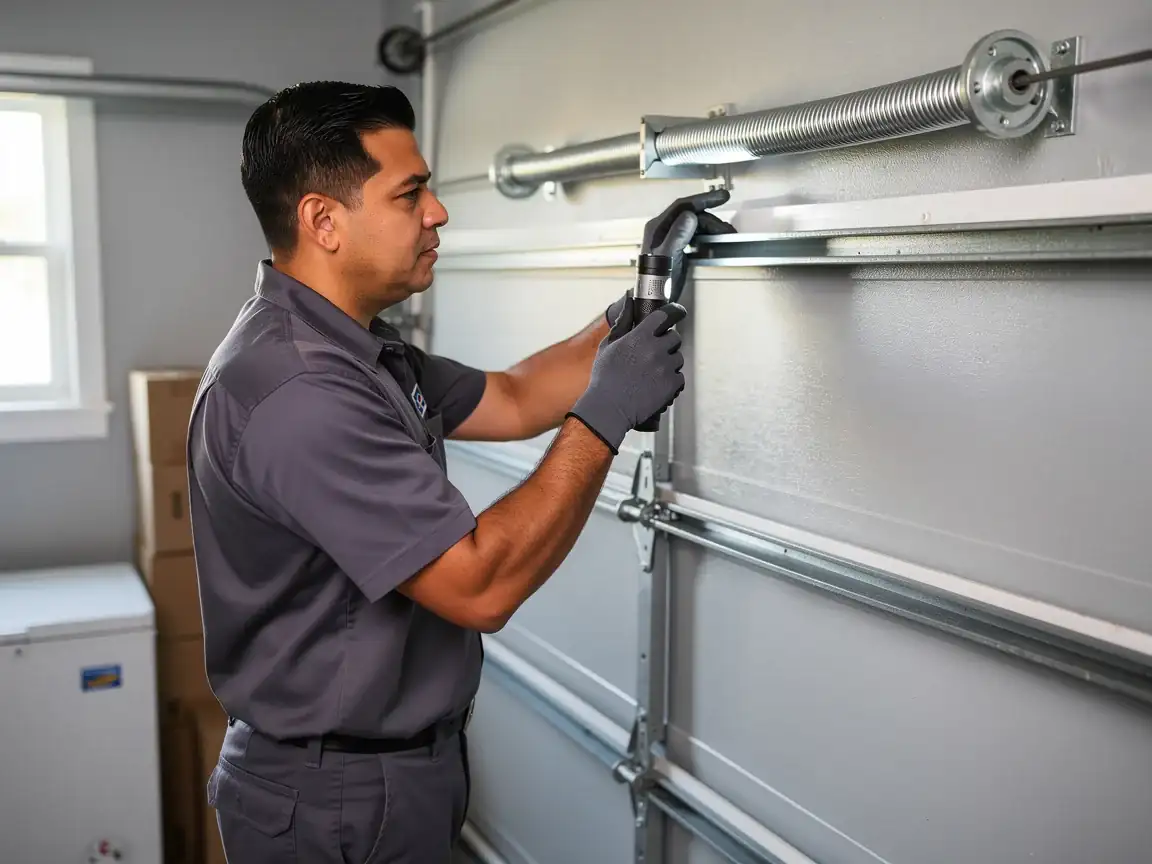
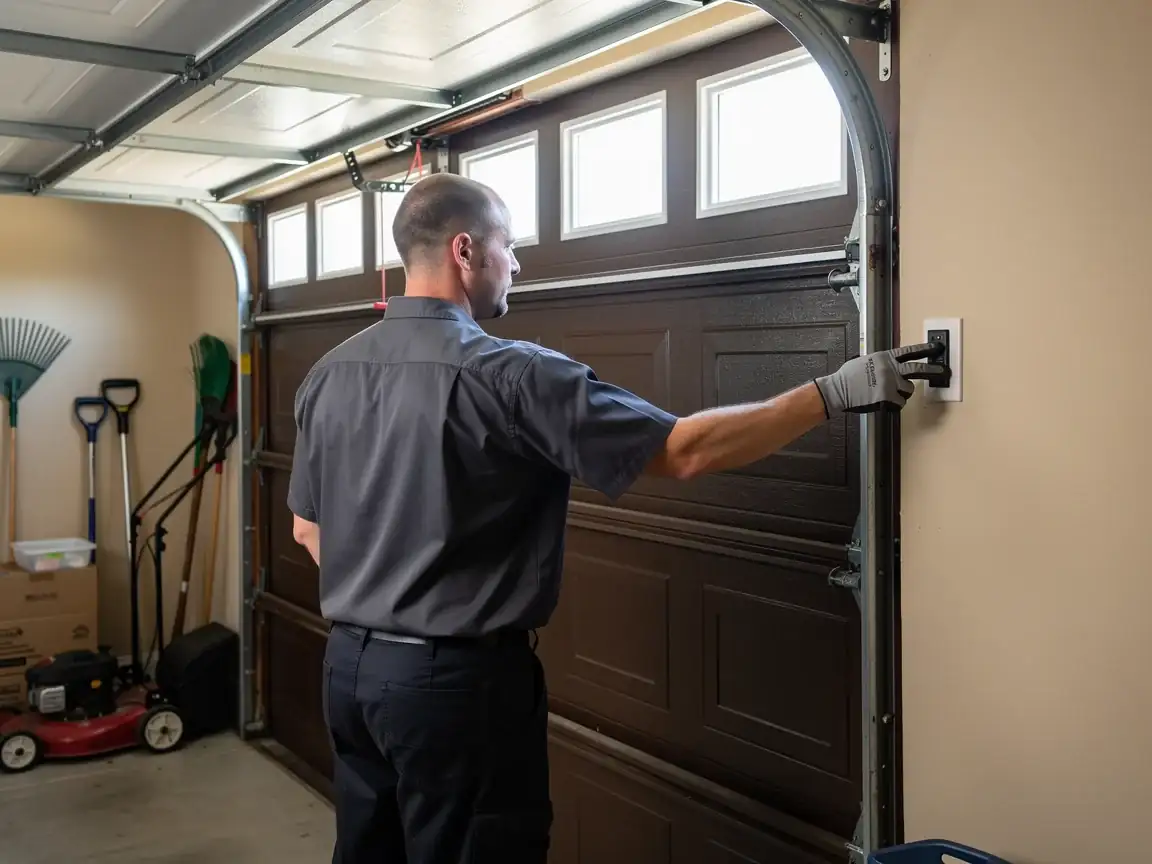
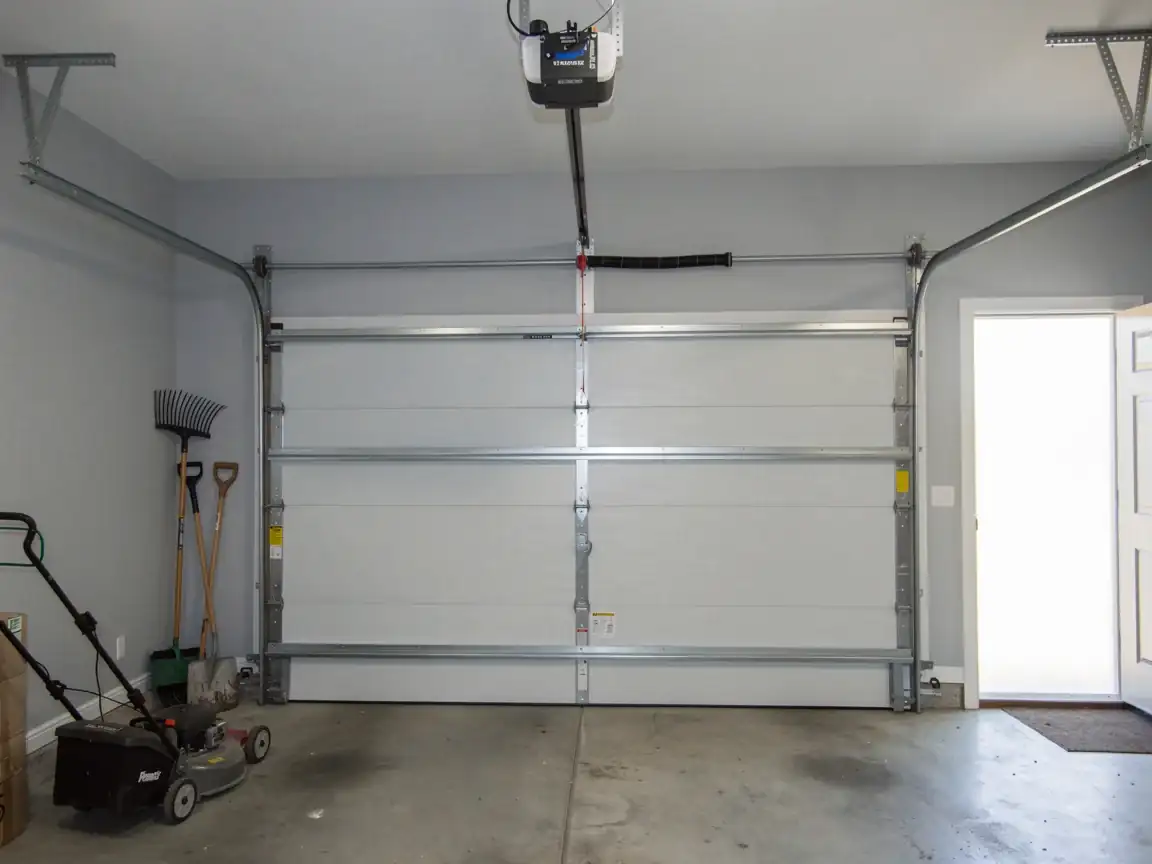
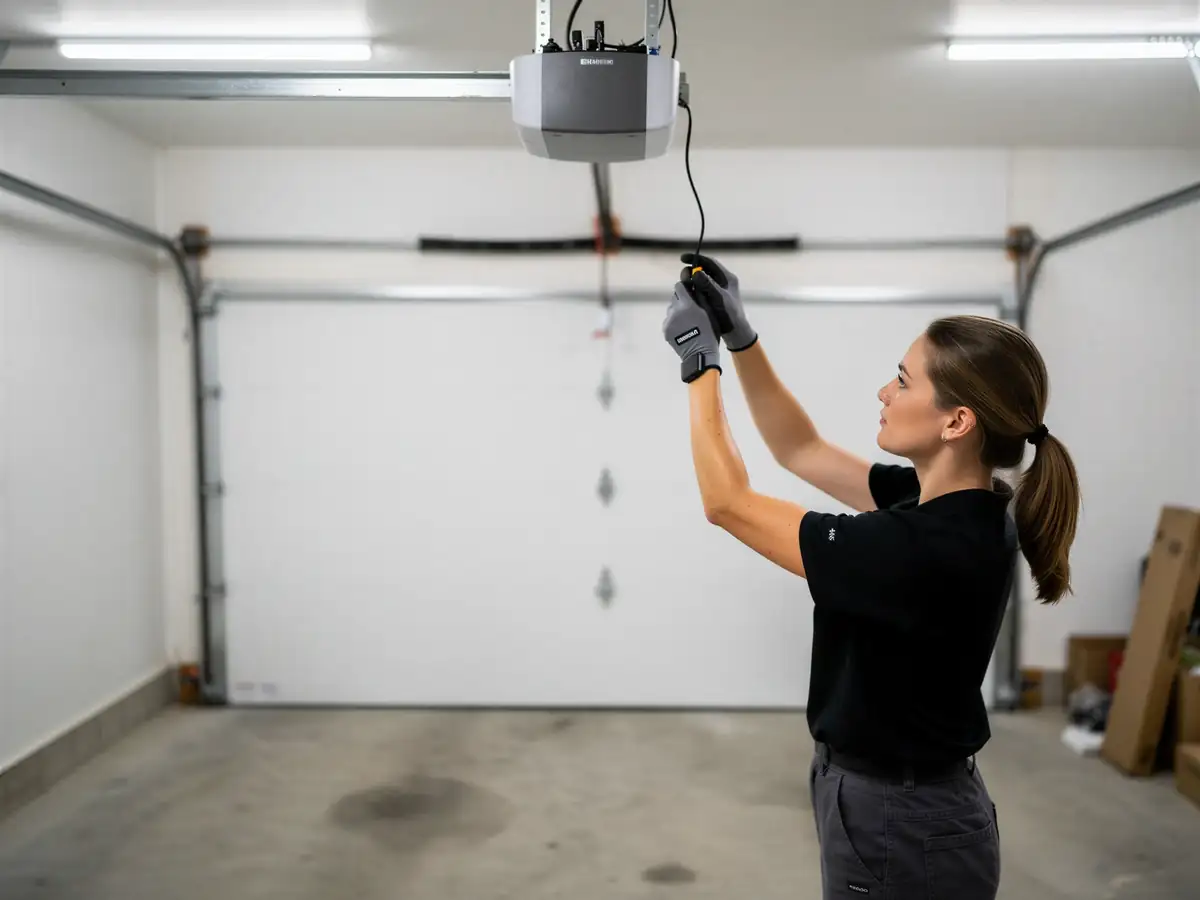
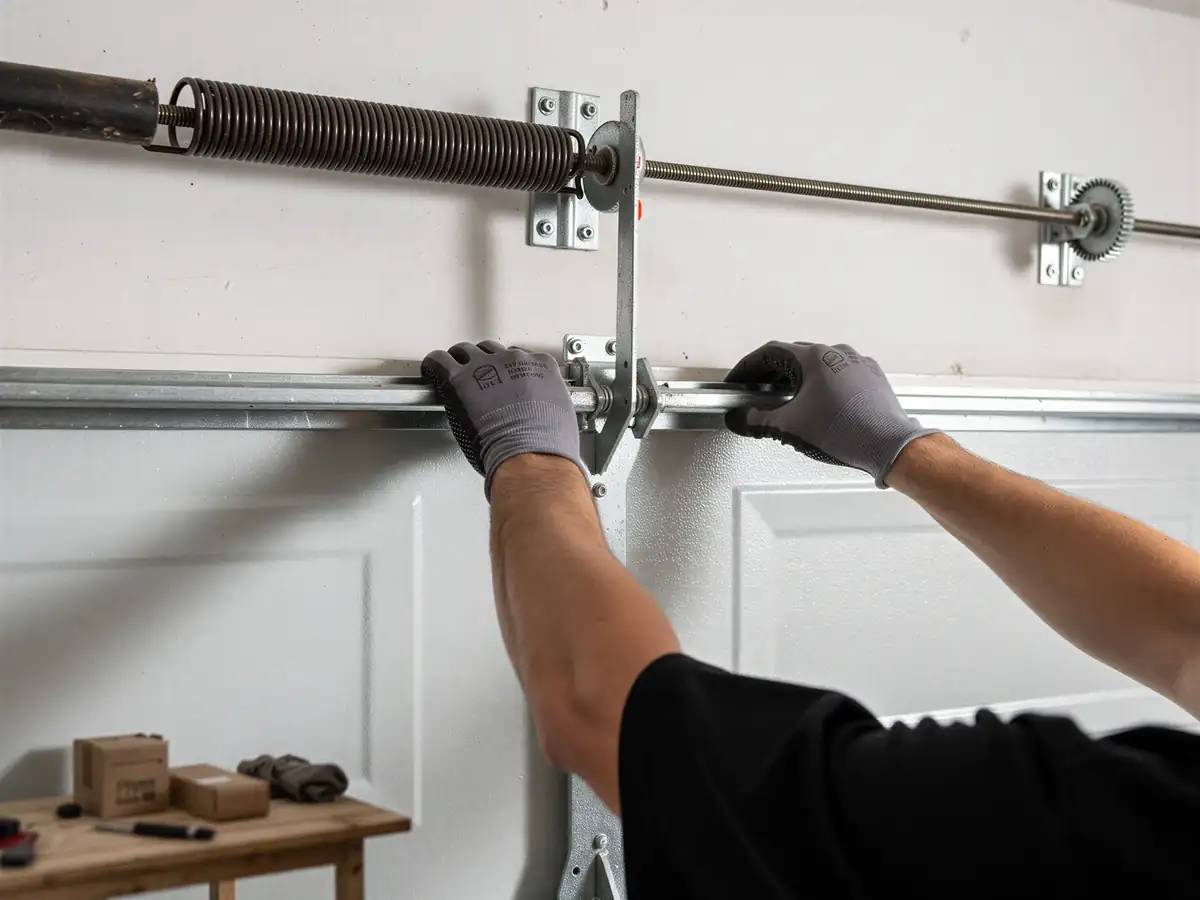
The trouble spot on a house this age is almost never the spring itself - it's what the spring is bolted to. On original 1960s hardware, the center bracket or the end bearing plate can be rusted thin enough that it won't hold a new spring under proper tension. We've opened up jobs expecting a ten-minute spring swap and found a bracket that needed replacing too. We tell you before we touch anything, not after. The other place this goes sideways is the opener, if the house still has an older unit wired into original framing - those mounts weren't built for today's heavier operators, and reinforcing them adds a step nobody budgeted for. Neither of these is common, but on housing stock this old, it's common enough that we check for it as part of every call, rather than assuming the obvious part is the only part.
Parts We Carry
We stock the torsion springs, cables, and rollers that fit the common door sizes across this part of the service area - the sizes that match houses built in the 1960s-70s wave this neighborhood is part of. Standard residential torsion springs, galvanized cable, and nylon or steel rollers are truck stock, so most repairs don't wait on an order. Where we don't carry something on the truck is odd or discontinued hardware - a bracket style or a non-standard spring size from a door that was never updated since it went in. On those, we tell you what we need and what it'll take to get it, rather than guessing at a fix that won't hold. If your door needs full replacement rather than a repair, that's a different conversation and a different page.