Why It Happens Here
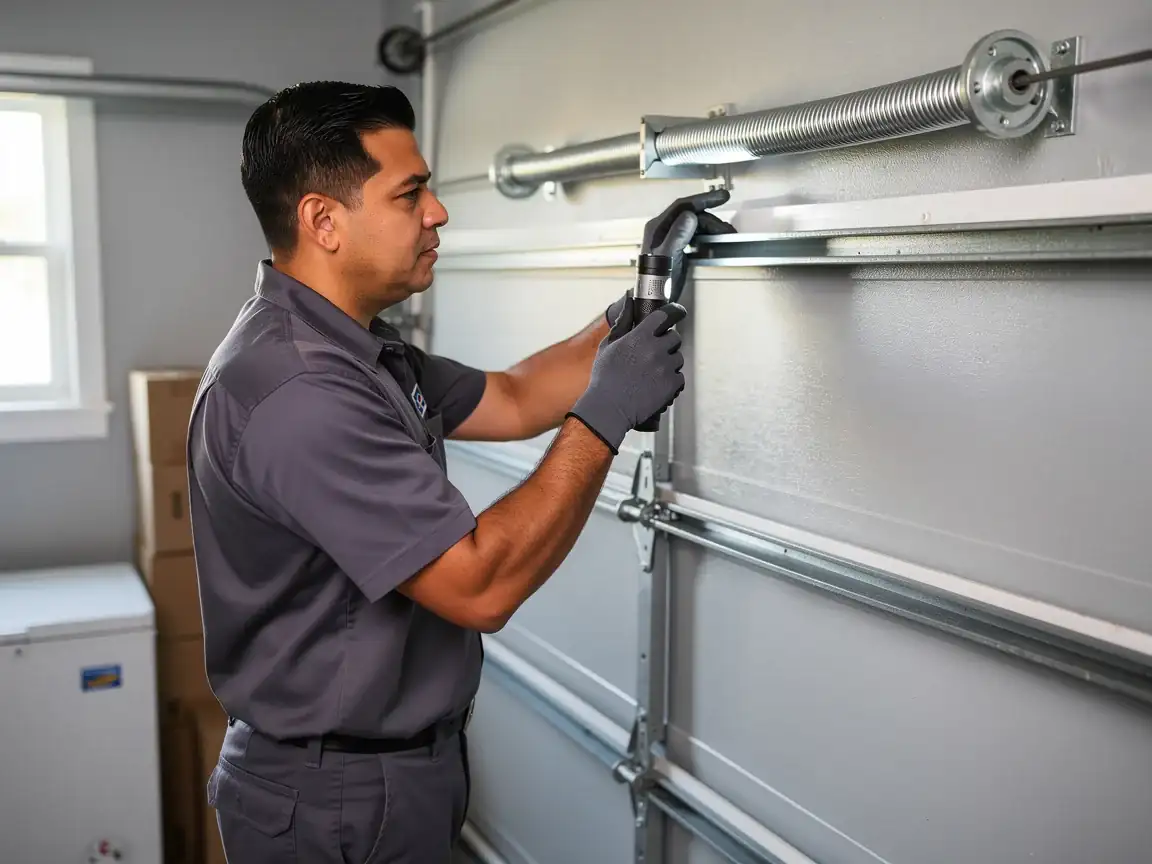
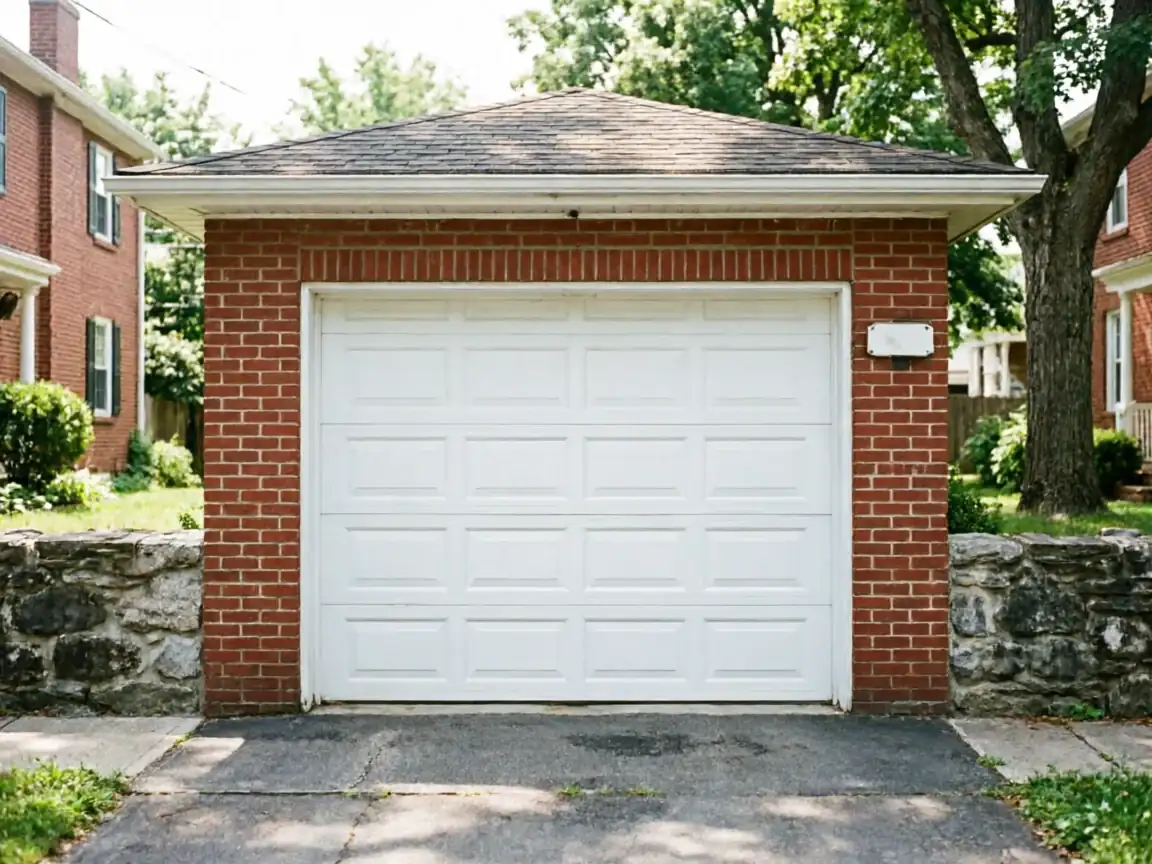
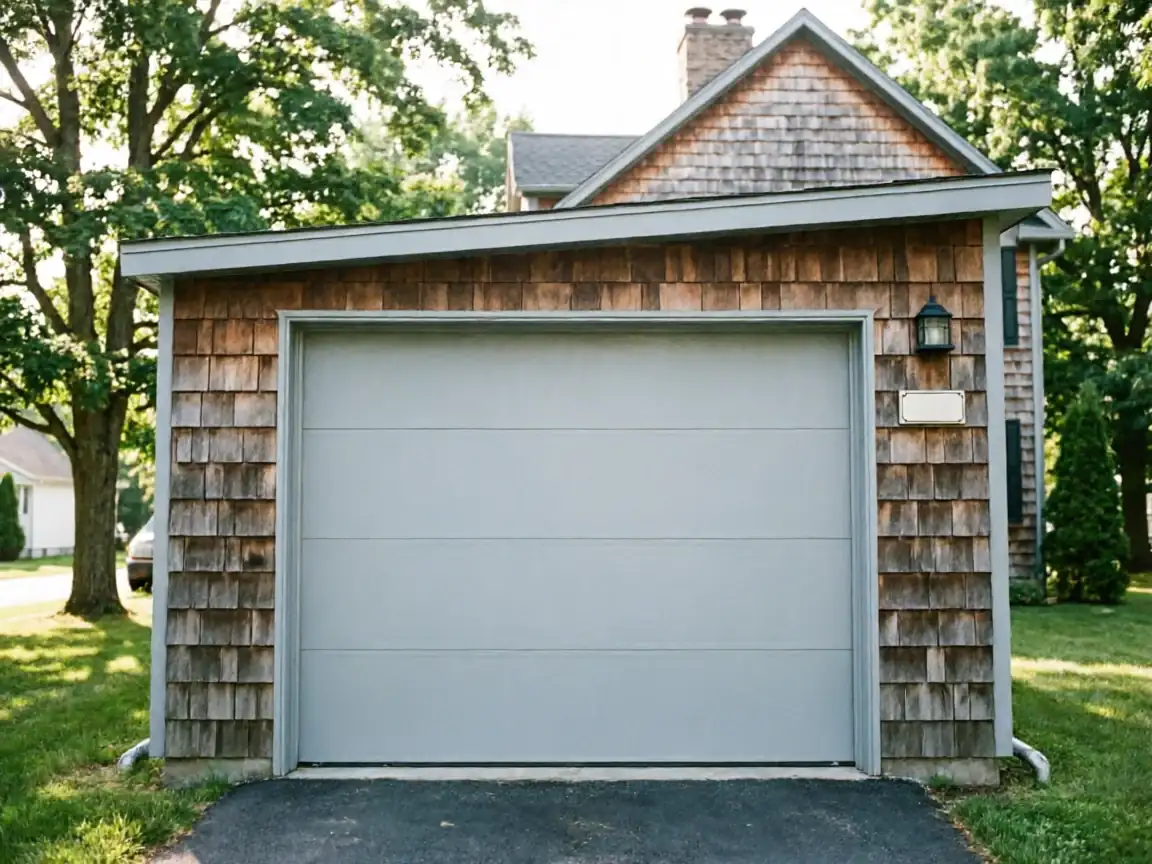
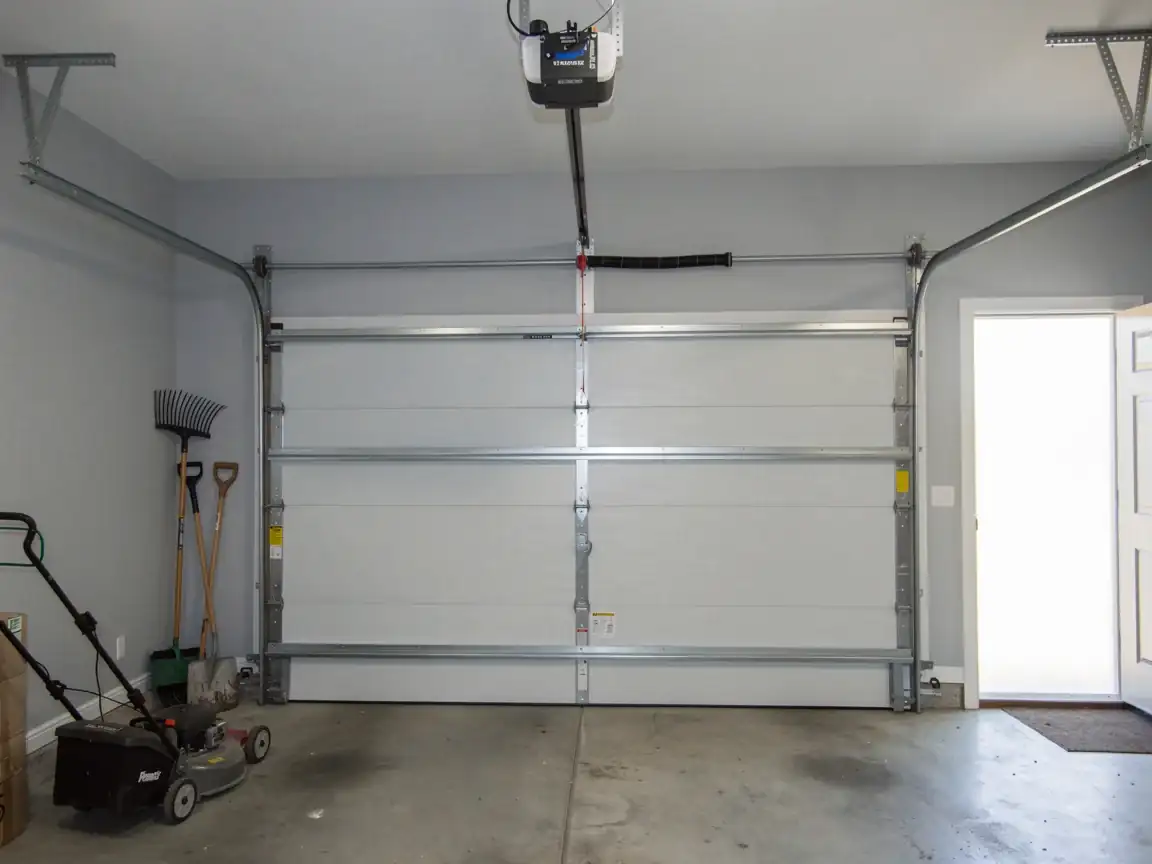
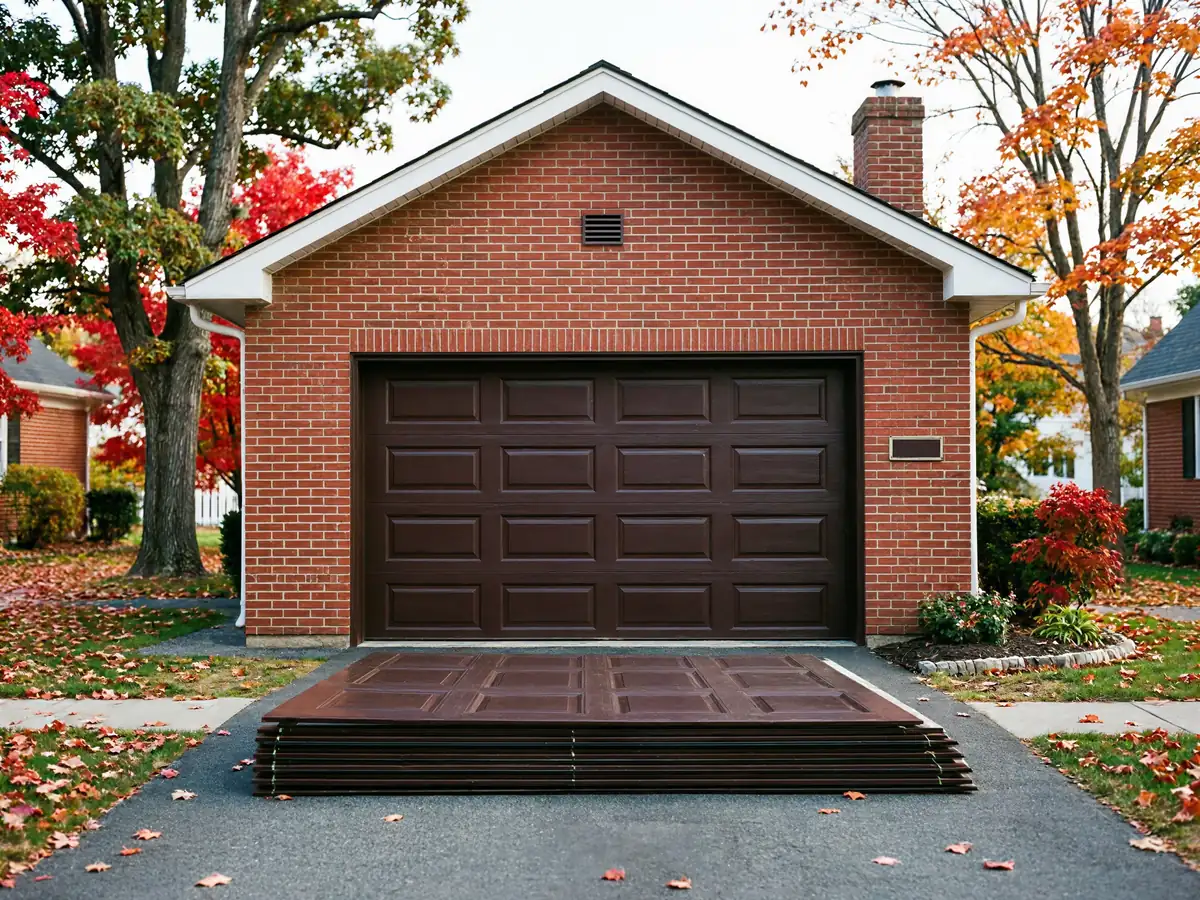
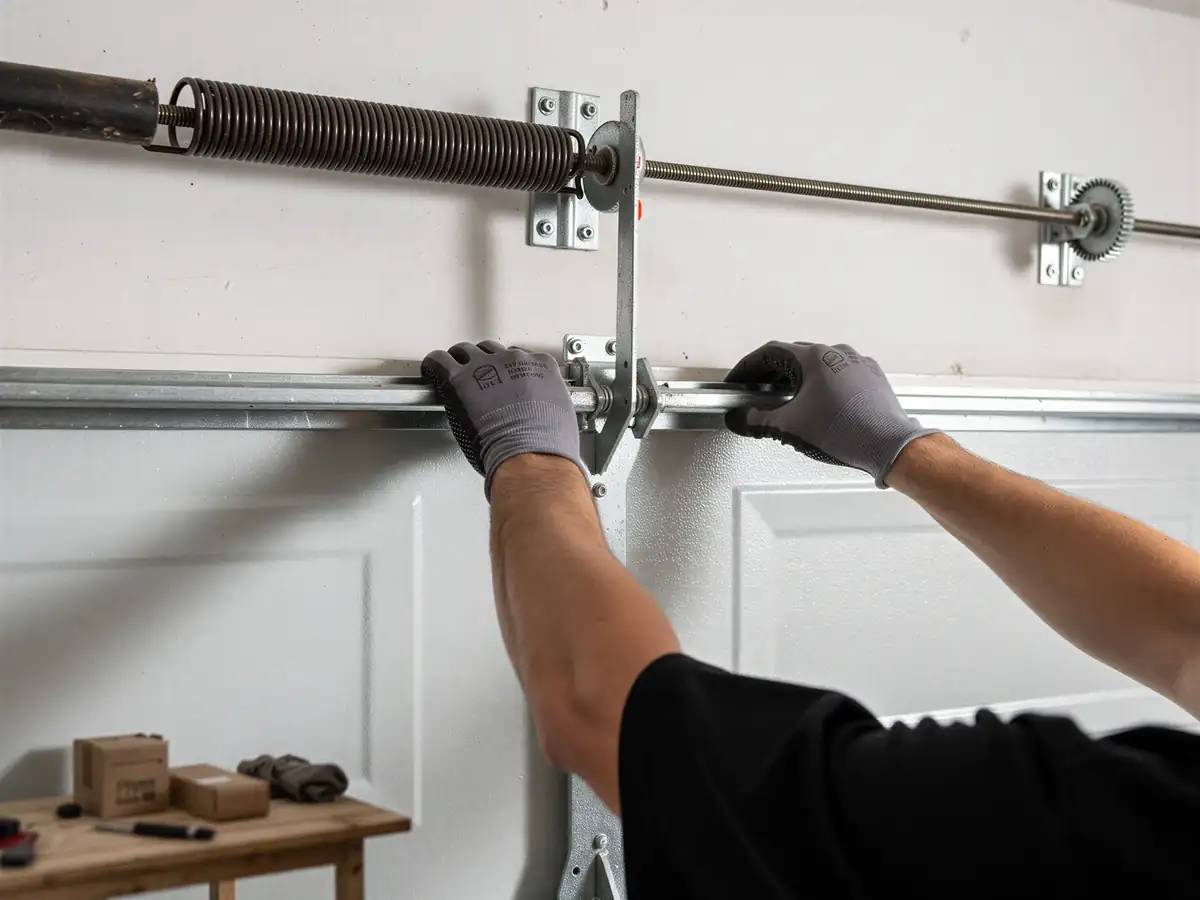
Most of the garage doors we open up in Meridian sit on torsion springs that were sized decades ago for a lighter, single-layer door. Meridian's housing stock centers on 1964, and that matters more than people expect: a spring wound for a 1960s hollow-panel door is undersized once that door gets swapped for a heavier insulated replacement, which is exactly what's happened on a lot of these garages over the years. The spring keeps working, but it works harder than it was built for, and the coil count that was fine in 1964 starts losing tension faster than it should.
The cold makes it worse. This whole service area sits in a severe cold climate band, and steel springs lose flex as the temperature drops - the same coil that's merely tired in July can snap outright on a 10-degree morning because the metal's gone brittle right when the door's heaviest to lift. We see this pattern across the wider Butler service territory too, but in Meridian specifically, the age of the original hardware is the variable that decides whether a cold snap just strains a spring or breaks it.
How Long You Are Without the Door
We run out of Butler, about 3 miles from Meridian, so there's no local depot sitting around the corner waiting on you - every job starts with that short drive. Once we're on site, a standard torsion spring swap is a same-visit repair; the door comes back down the same day in the overwhelming majority of cases. What stretches a job out isn't distance, it's parts. If your garage has an older double-spring setup or a size we don't carry on the truck that day, we're ordering it in, and that adds time we can't promise away.
We won't quote a response window here because it depends on what's broken and what's in stock when you call, not on the mileage from Butler. What we can tell you is that the short haul from Butler keeps Meridian well within a normal day's routing, so you're not waiting on us to finish a job across the county first.
How It Shows Up
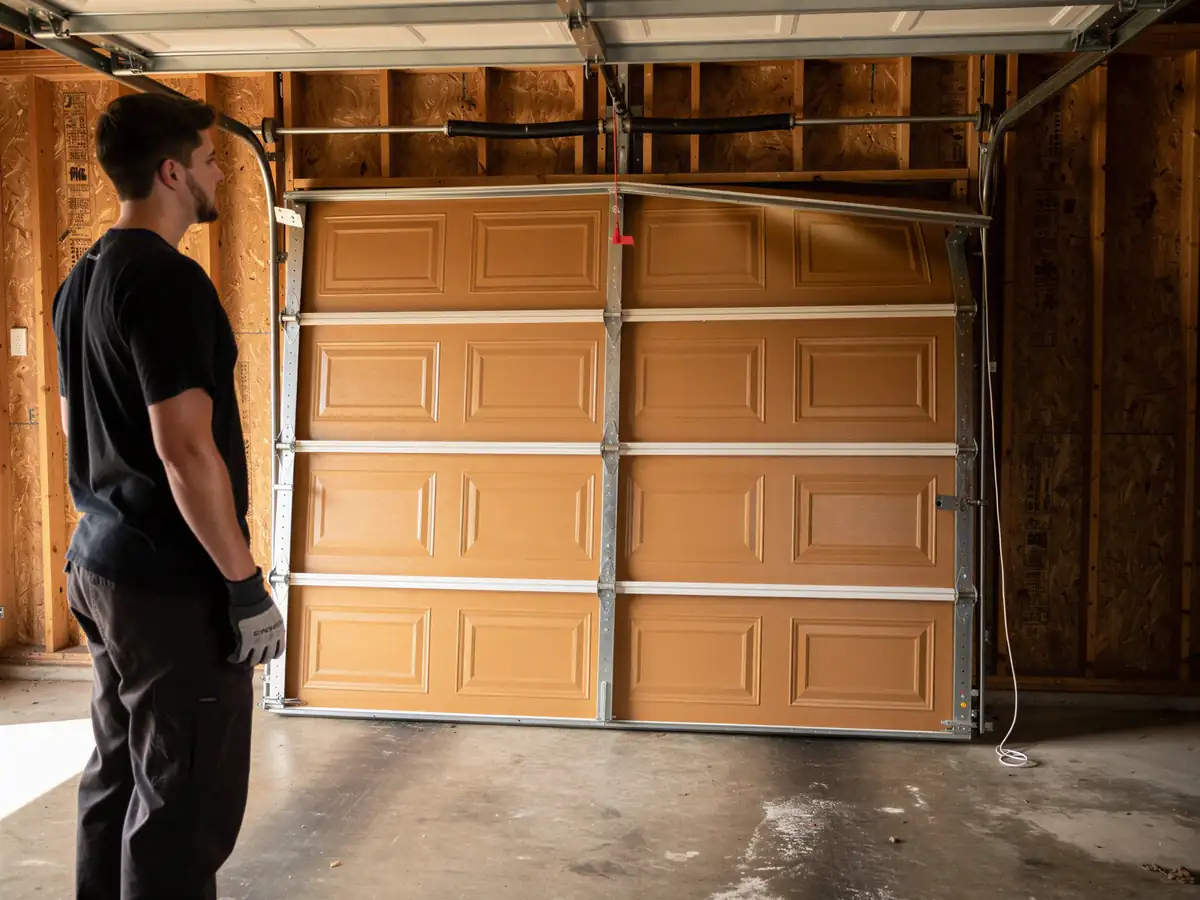
The classic sign is a door that won't budge
Or one that slams down fast because the spring's no longer holding the weight on the way down. On the older Meridian doors built around that 1964 median, you'll sometimes hear a loud bang from the garage before anything looks wrong - that's the spring letting go, usually a torsion spring snapping clean at a weak point in the coil.
Another pattern specific to this older stock
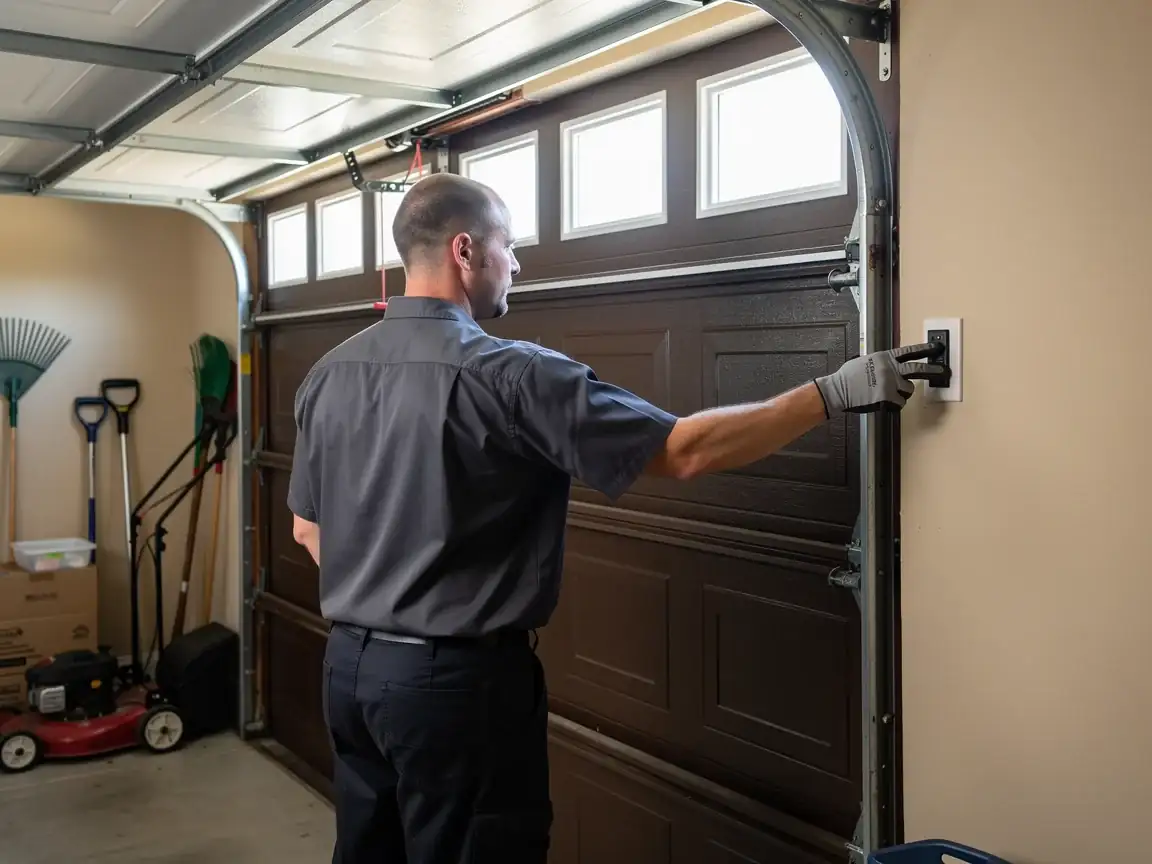
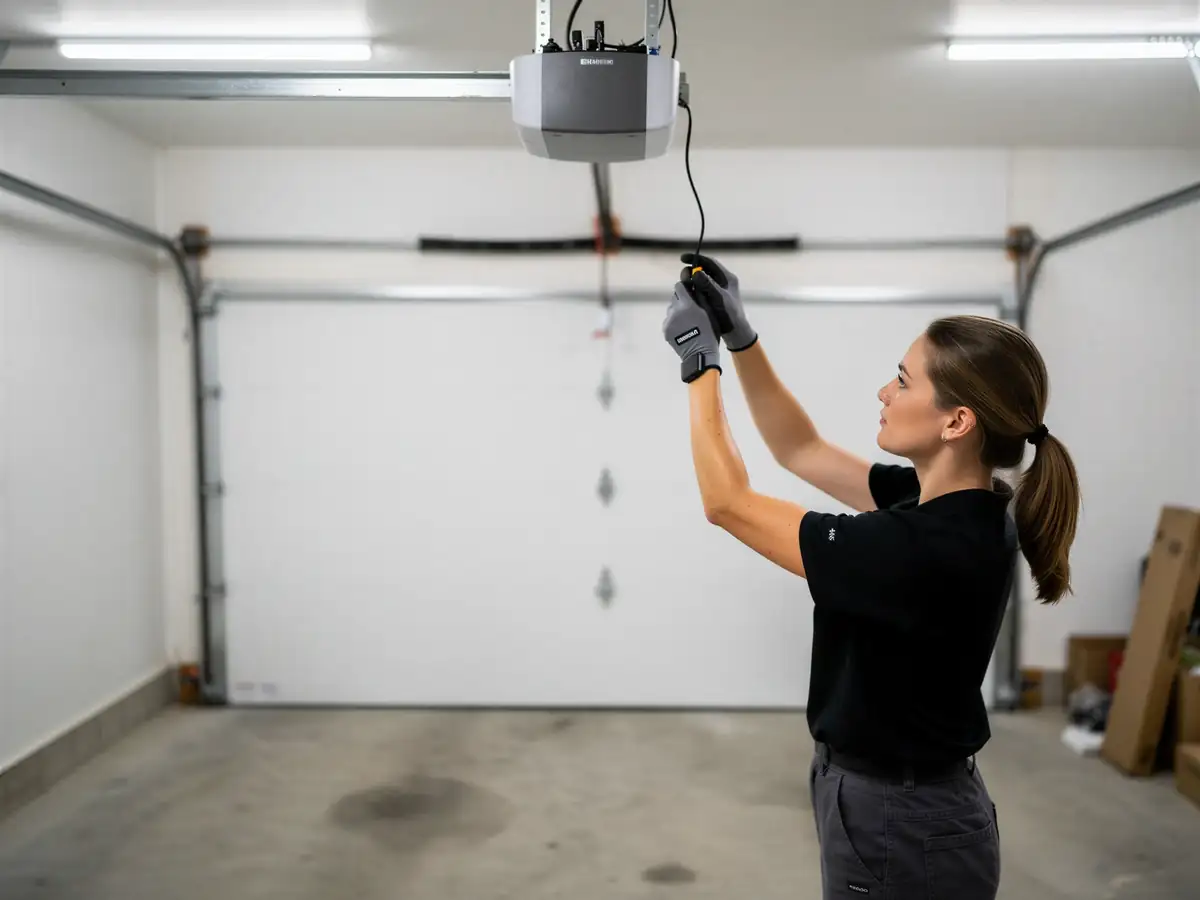
Openers straining audibly on doors that used to lift quiet. If the opener motor sounds like it's working too hard, the spring is doing less of the lifting than it's supposed to, and the motor is picking up the slack it was never built to carry. That's wear showing up in the wrong part of the system, and it's one of the more common ways a spring problem gets misdiagnosed as an opener problem on these houses.
Where This Job Goes Sideways
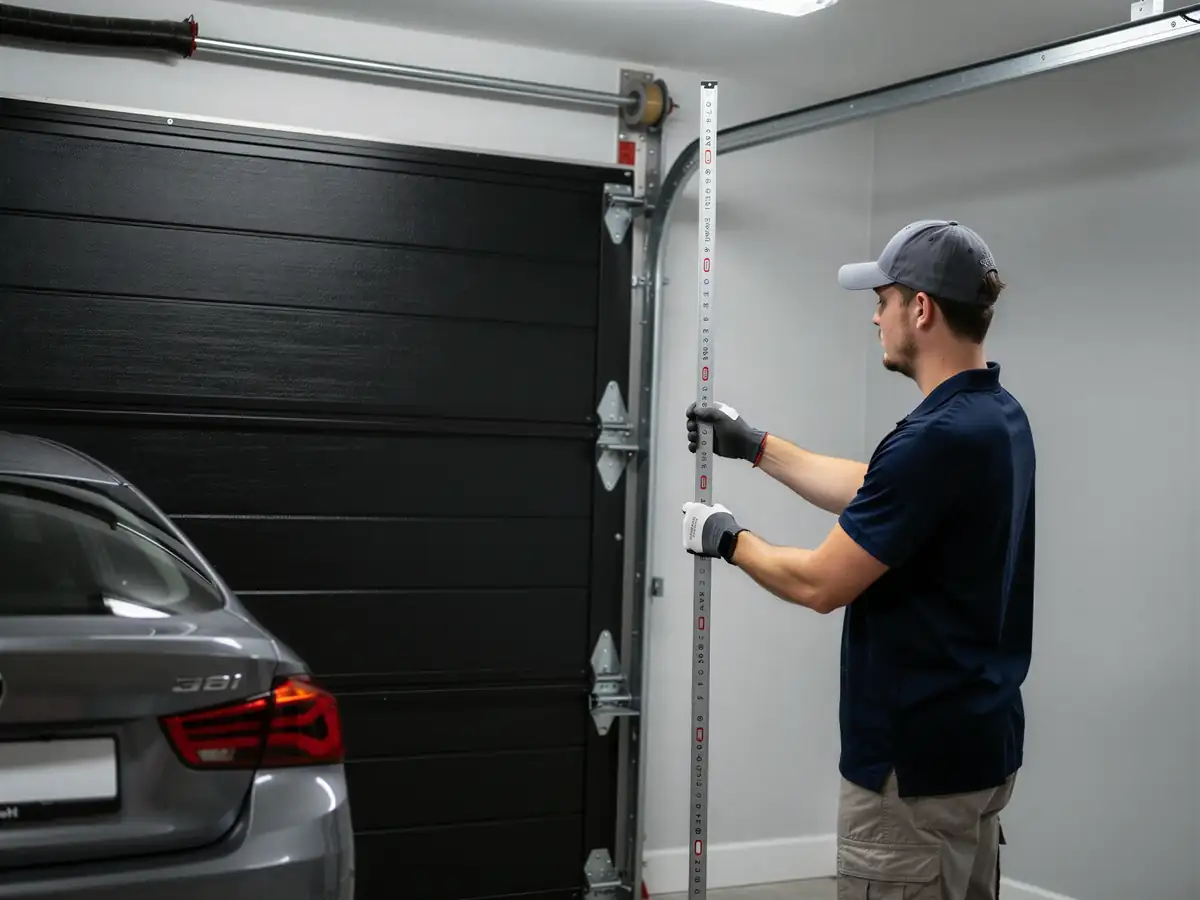
The job goes wrong when someone assumes a single spring swap fixes a door that's actually running on mismatched hardware. A fair number of Meridian garages have had a door replaced since 1964 without the torsion spring ever being resized to match the new door's weight. Put in a correct-for-today spring on one side and leave a decades-old mismatched one on the other, and you've got an uneven lift that strains cables, rollers, and the opener all at once.
We'll be straight about a limitation here: we don't replace a single spring on a two-spring system as a cost-saving shortcut. Both springs on a torsion pair wear together, and replacing only the broken one means the second one - already near the end of its life - fails within months, usually at a worse moment. If your spring is original to a door from this era, we're going to tell you to replace the pair, not patch the half that failed.
Parts We Carry
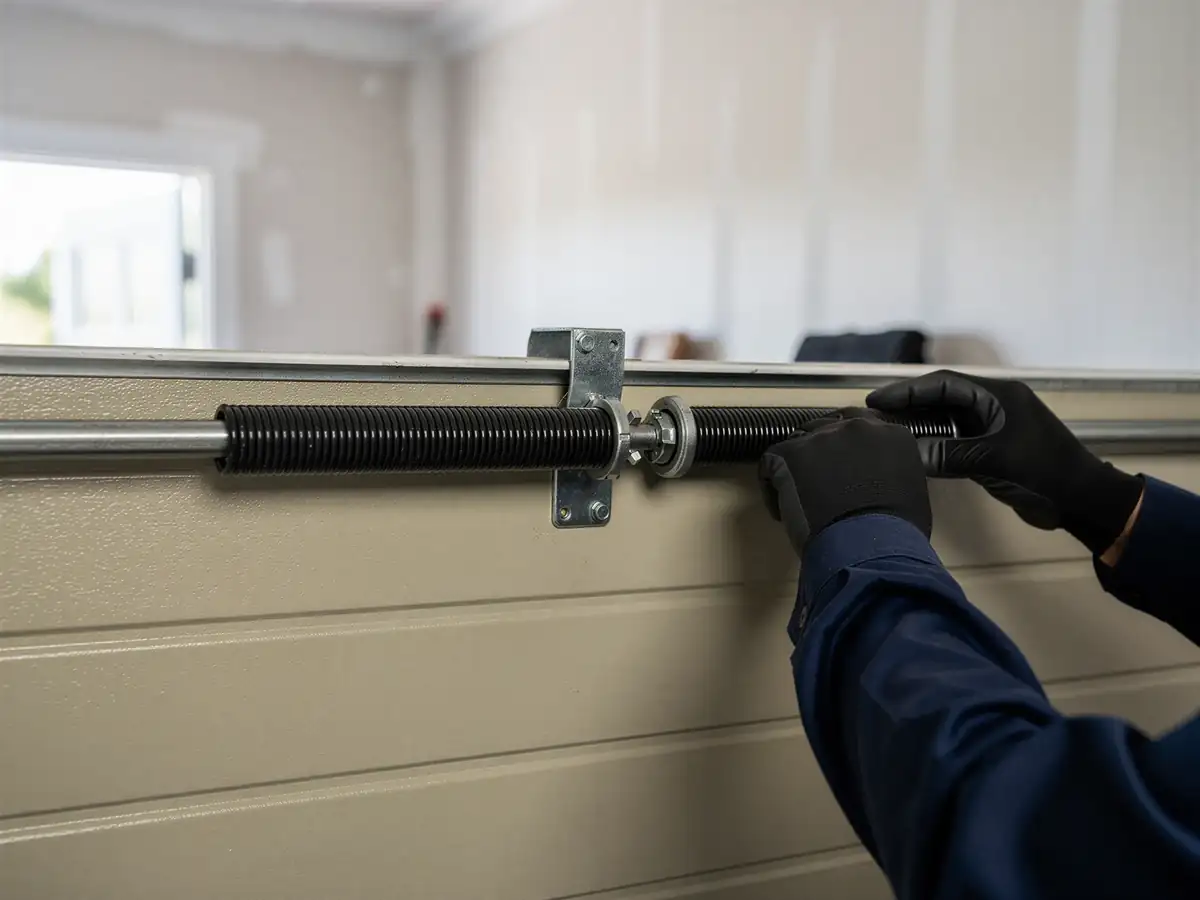
We stock standard torsion springs sized for the door weights common across this part of the service area, plus the cables and end bearing plates that usually go along with a spring failure. What we don't keep on the truck is the full range of older, oversized torsion springs that some of the original 1964-era installations used - those builds sometimes ran nonstandard shaft diameters that newer stock doesn't match, and when we hit one of those, we order it rather than force a fit.
That's the honest limit of a same-day repair here: common sizes go back together the day we arrive, uncommon ones from the older housing stock take longer because the part simply isn't something a supply house keeps shelved in volume. We'd rather tell you that up front than promise a timeline we can't hold to.