Why It Happens Here
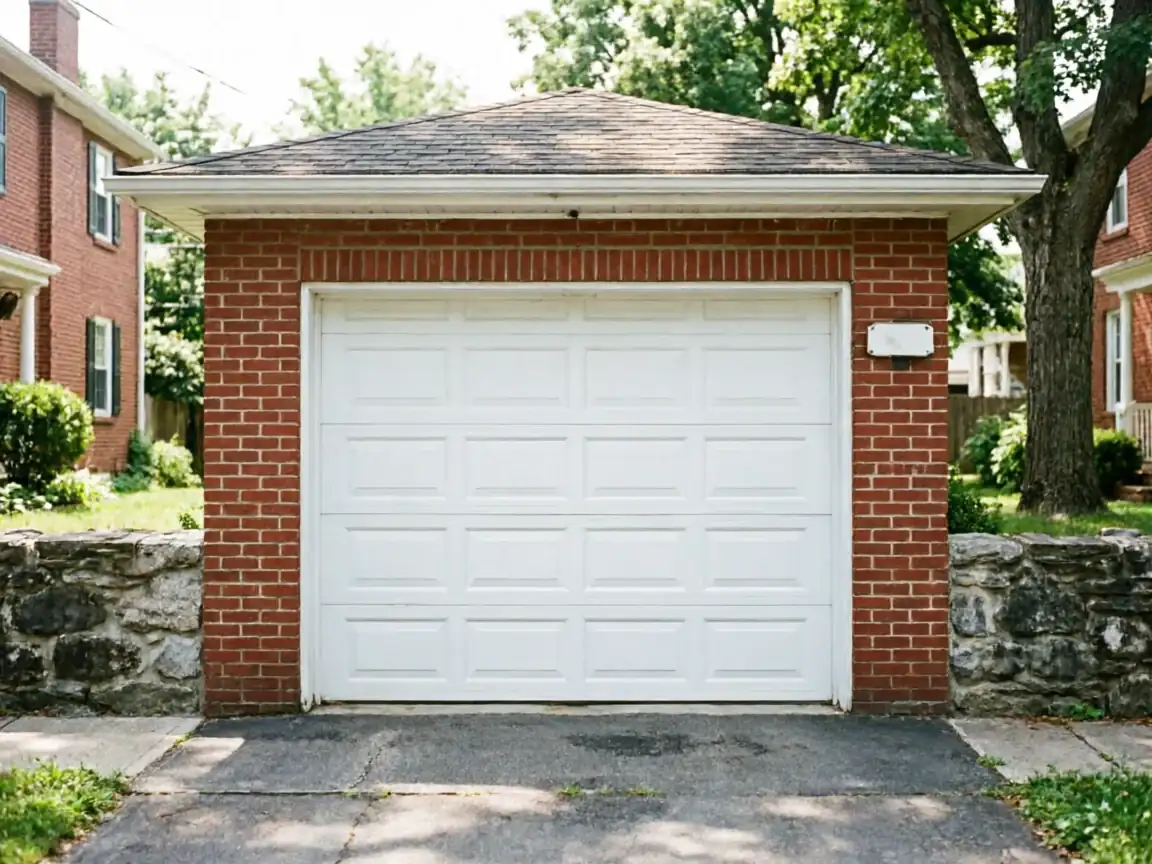
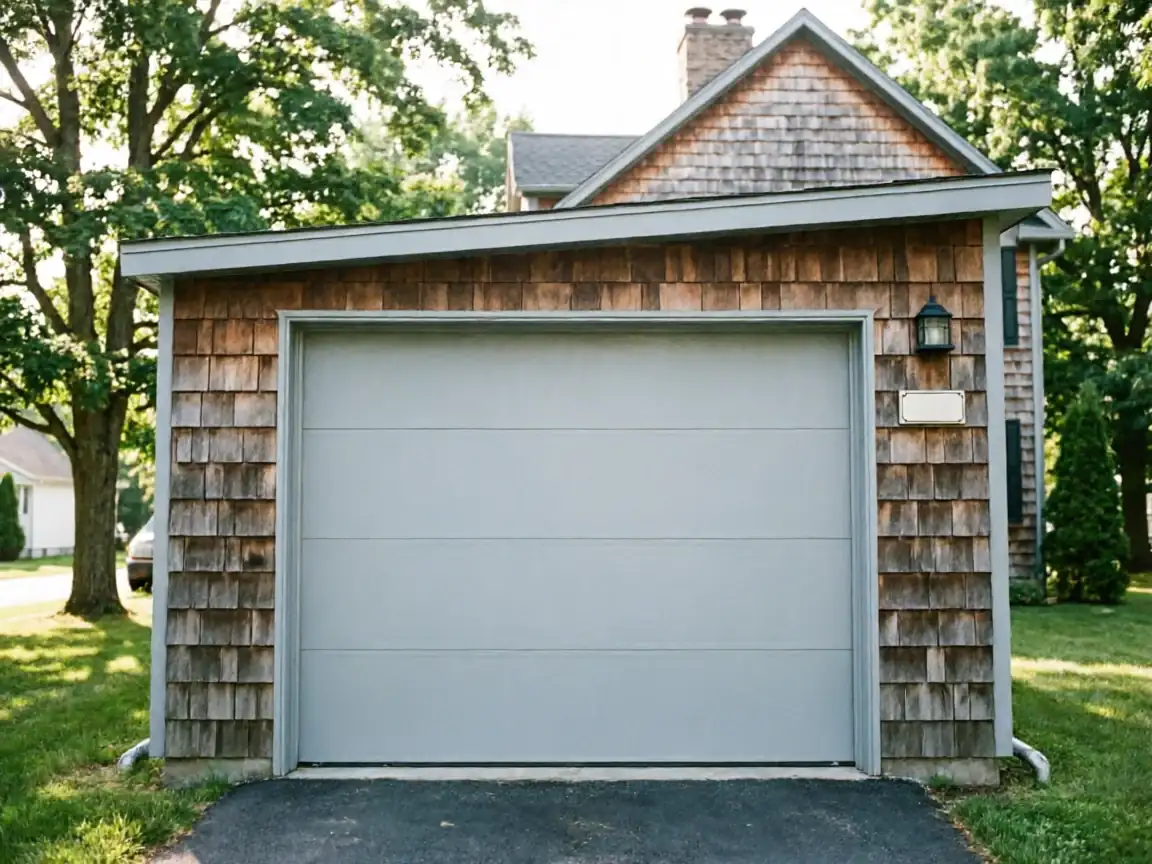
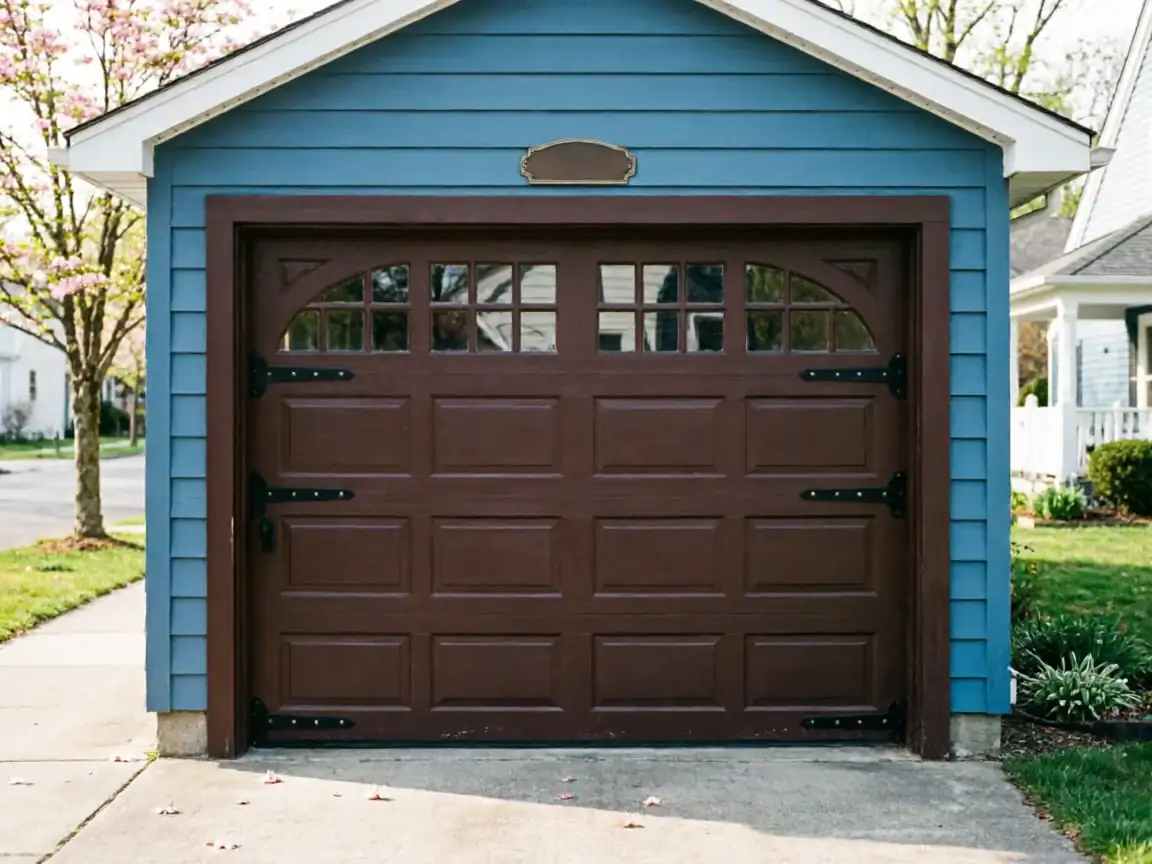
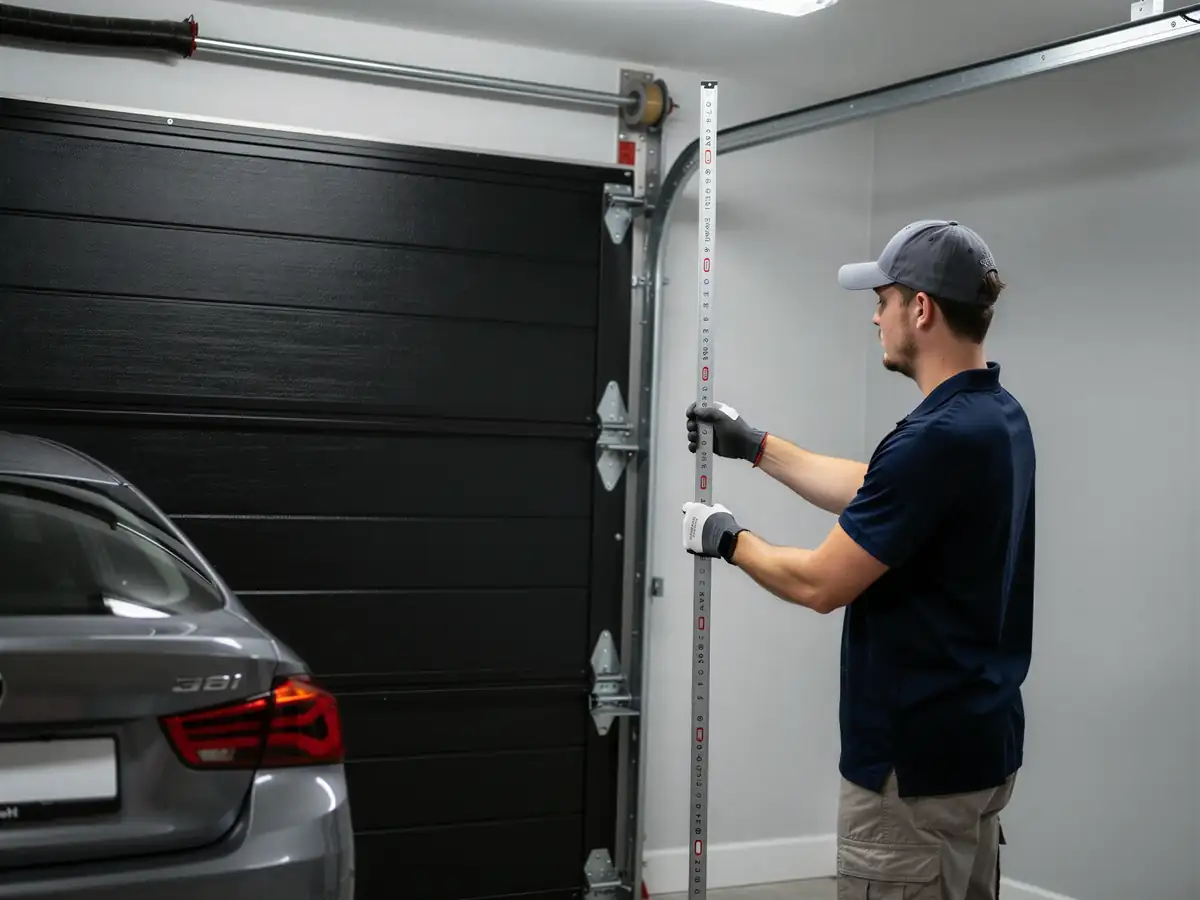
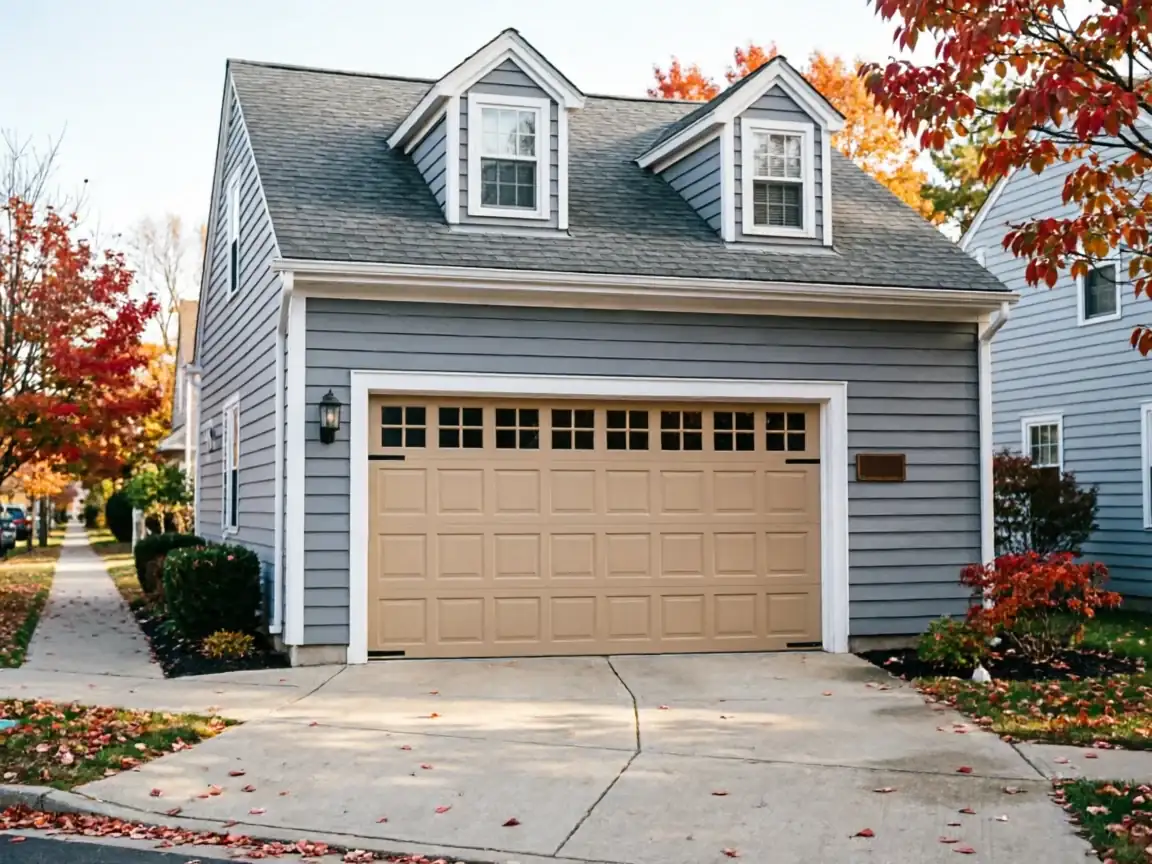
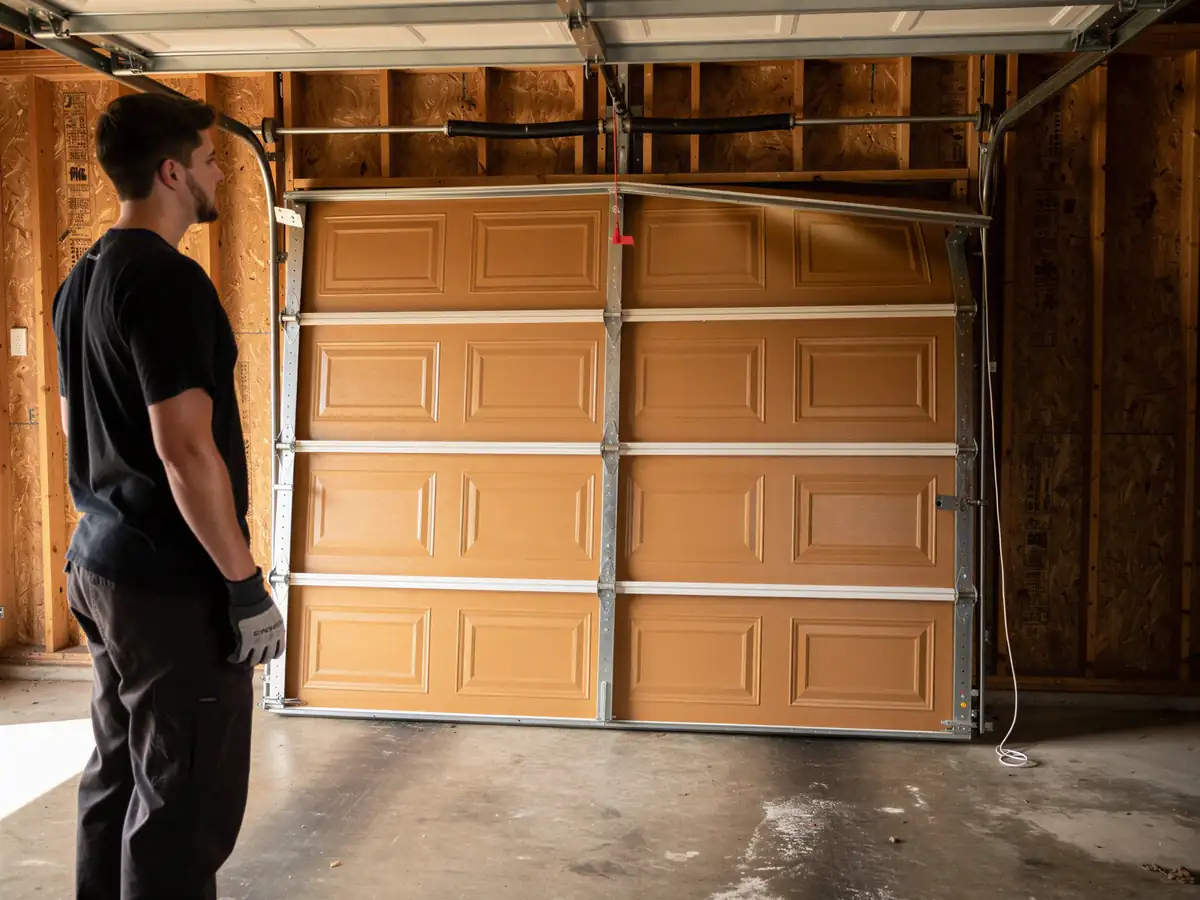
Most houses in Meridian went up around 1964, a good ten years ahead of the 1973 median for the wider Butler service area. That matters more than it sounds. A door installed in 1964 was almost always a single-layer steel or wood sectional on extension springs, hung on a track built for a lighter panel than what's standard now. Fifty-plus years later, that original hardware is either gone and replaced piecemeal, or it's still there and tired - bent track rails, a header that was never sized for a modern insulated door, jamb brackets that have loosened in framing that's settled. When we get called out for a "new door" in Meridian, the conversation usually starts with what's behind the old one, not just what's in front of it. The opening itself is often narrower or shorter than what current door lines ship as standard, which changes which models fit without framing work. None of this is a Meridian-specific defect - it's just what a 1964 build gives you sixty years on, and it's the first thing we check before we quote anything.
How Long You Are Without the Door
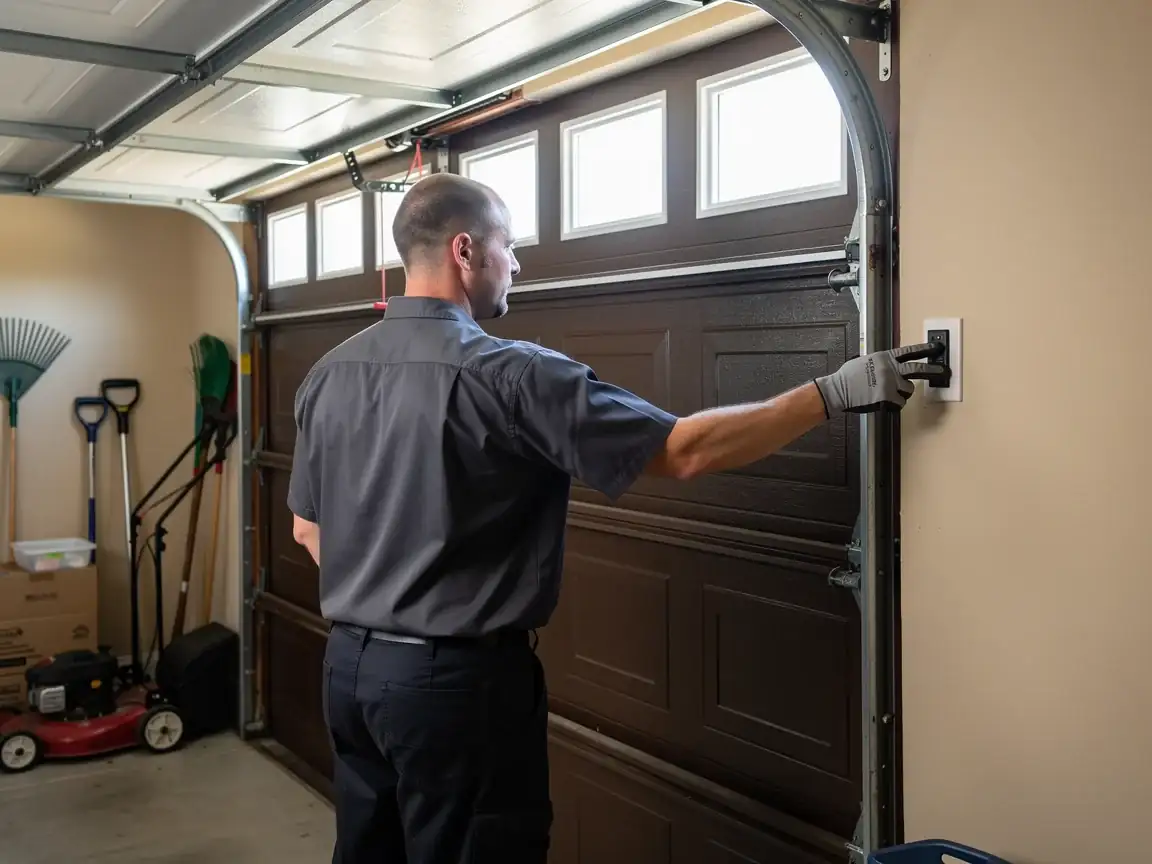
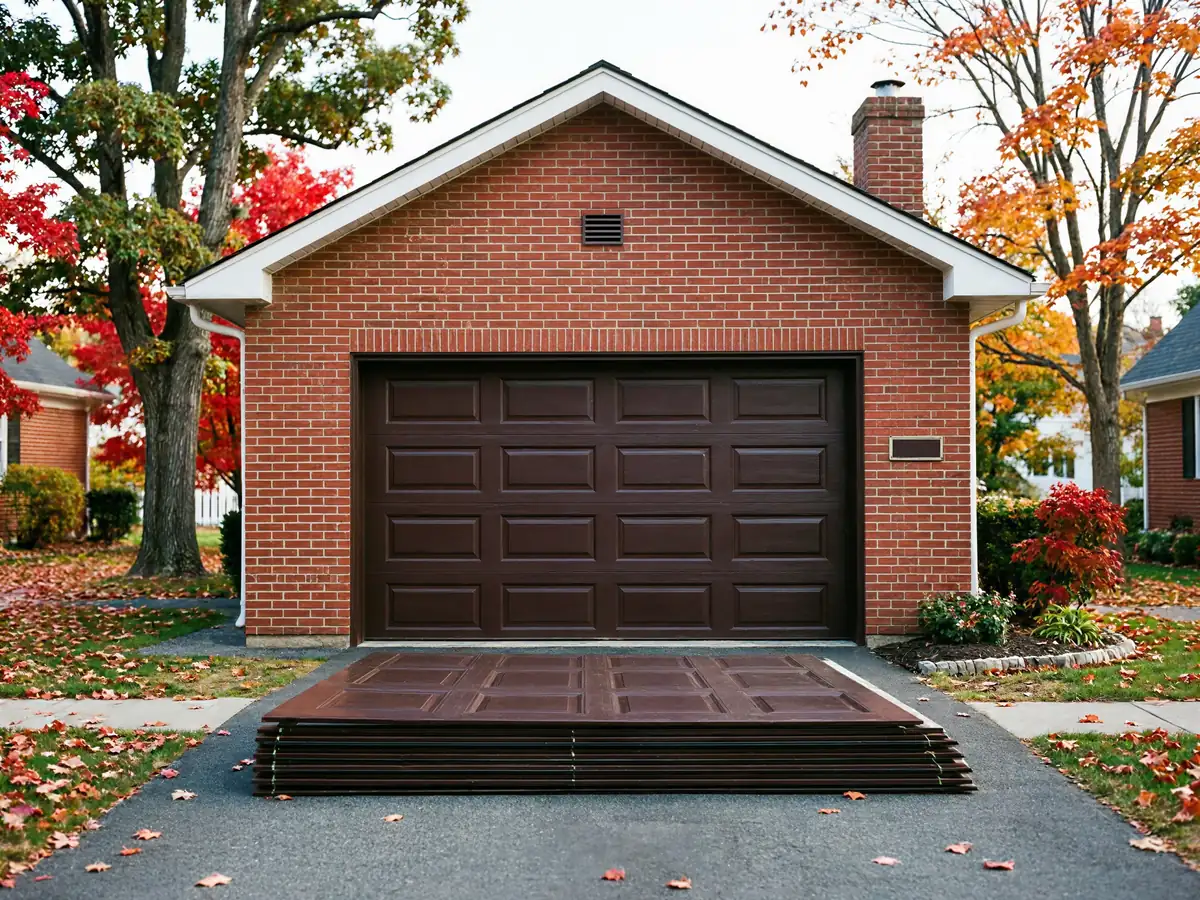
We travel from Butler, about three miles out to Meridian, so there's no separate dispatch or branch delay built into the job - it's the same truck and crew doing installs anywhere else on that route. A straightforward swap, where the opening and framing are sound, usually runs a single visit. Where the 1964-era jamb or header needs rework to take a current door, that's a second trip for carpentry before the door goes in, and we'll tell you that up front rather than discover it mid-install. We don't carry every model on the truck - some insulated or custom-width doors are special order, and lead time on those is the manufacturer's, not ours.
Where This Job Goes Sideways
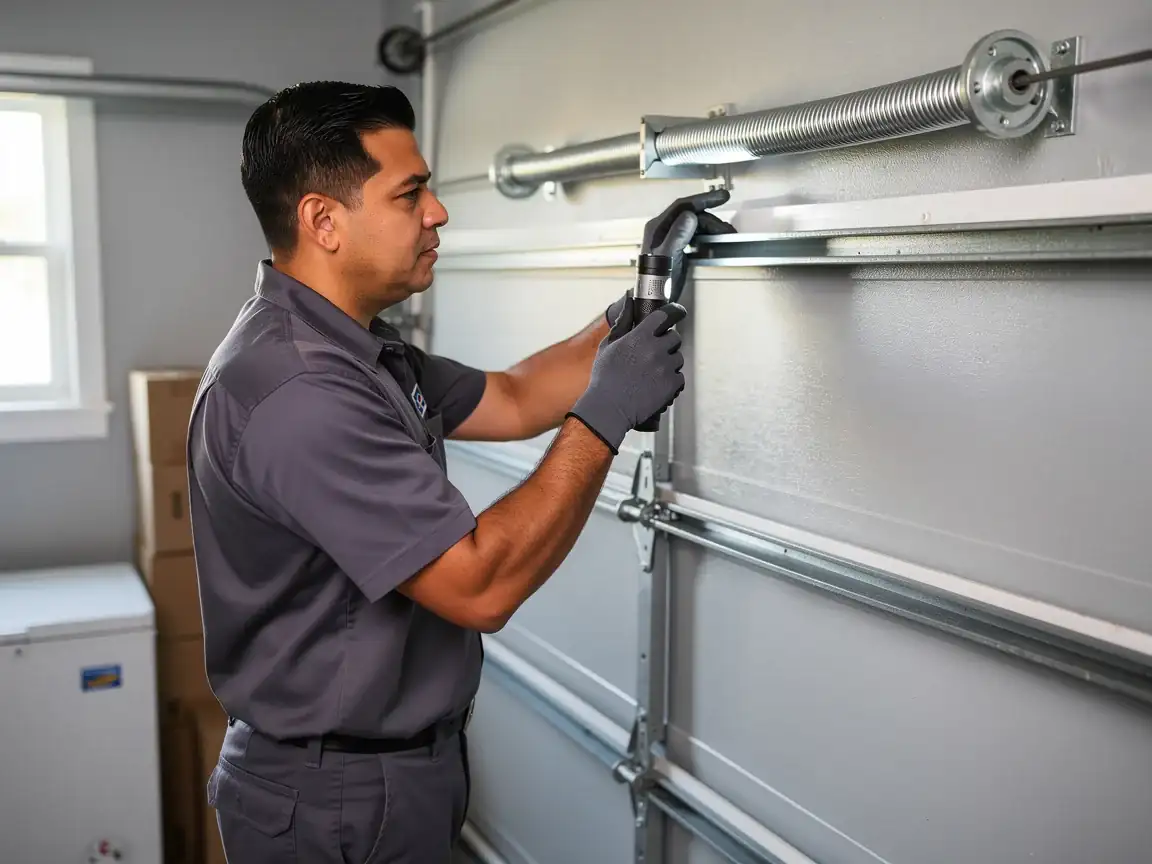
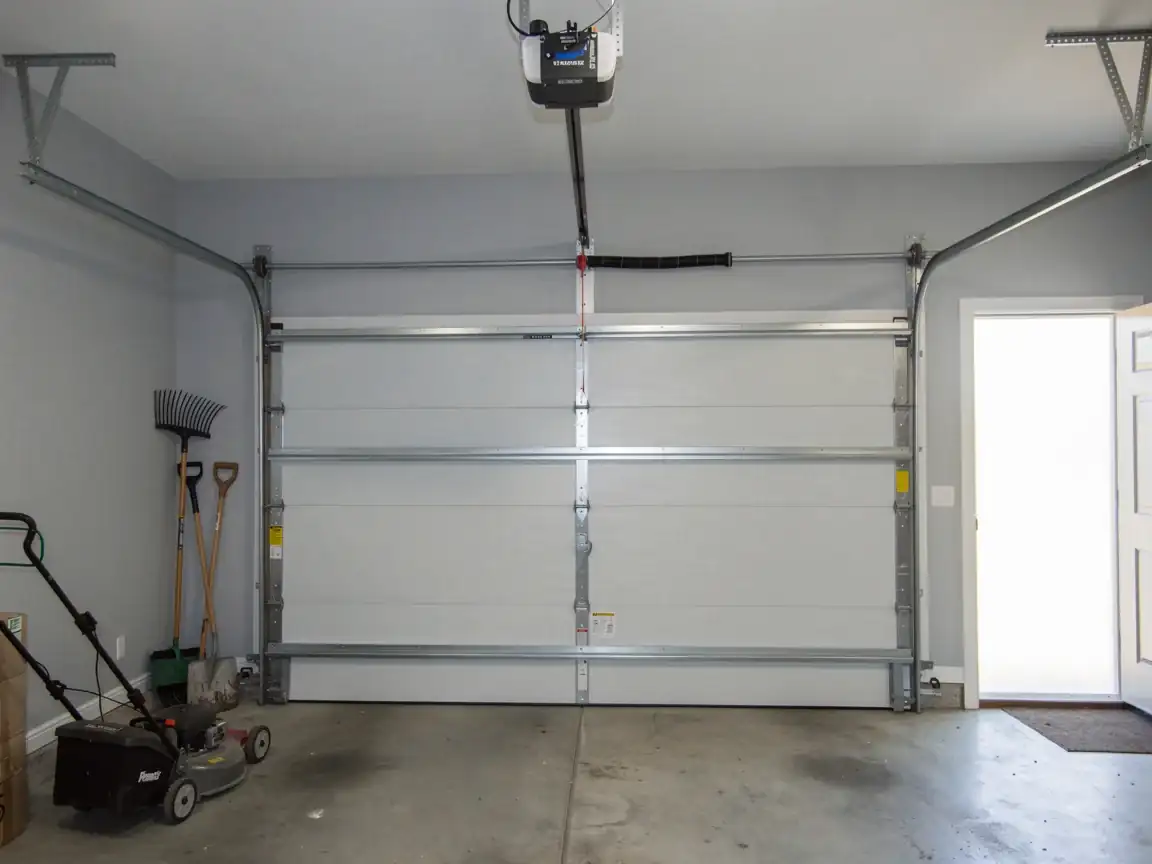
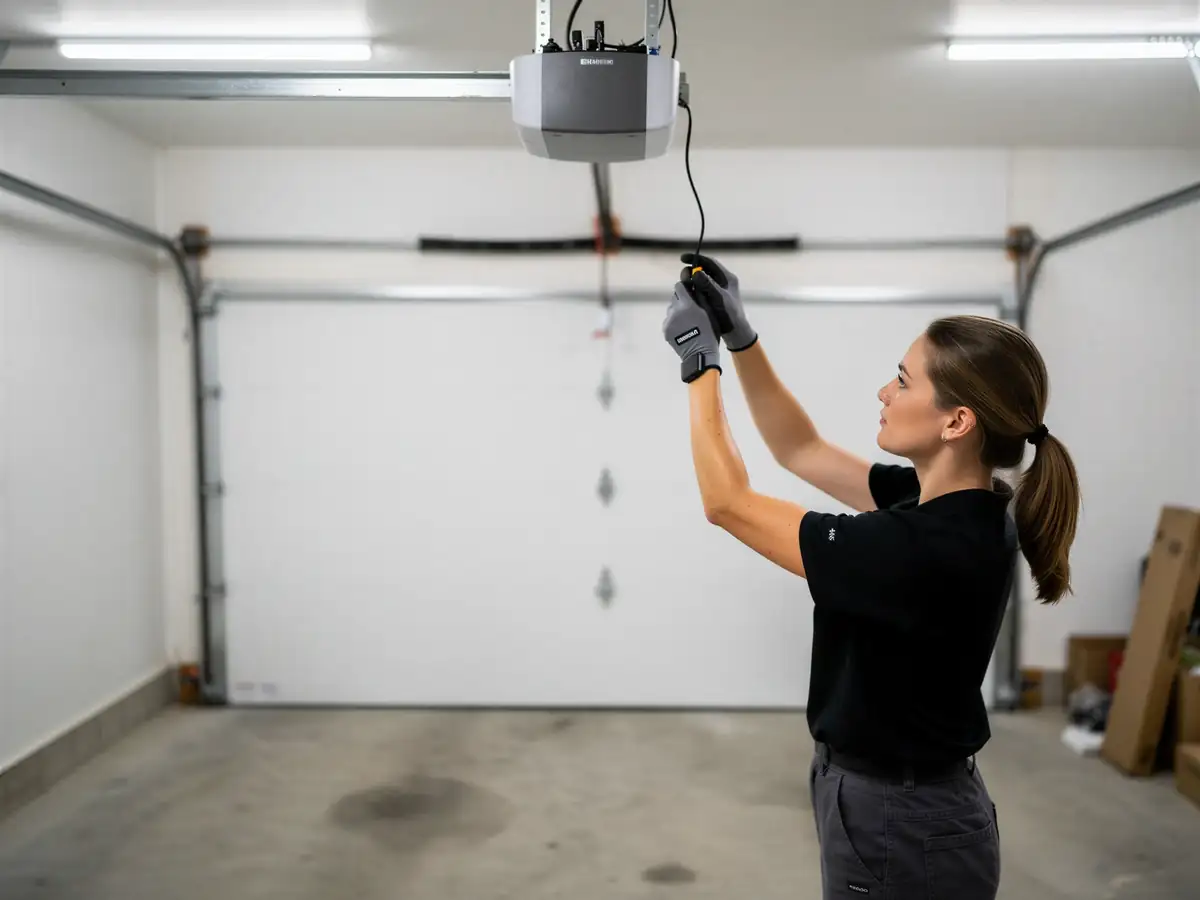
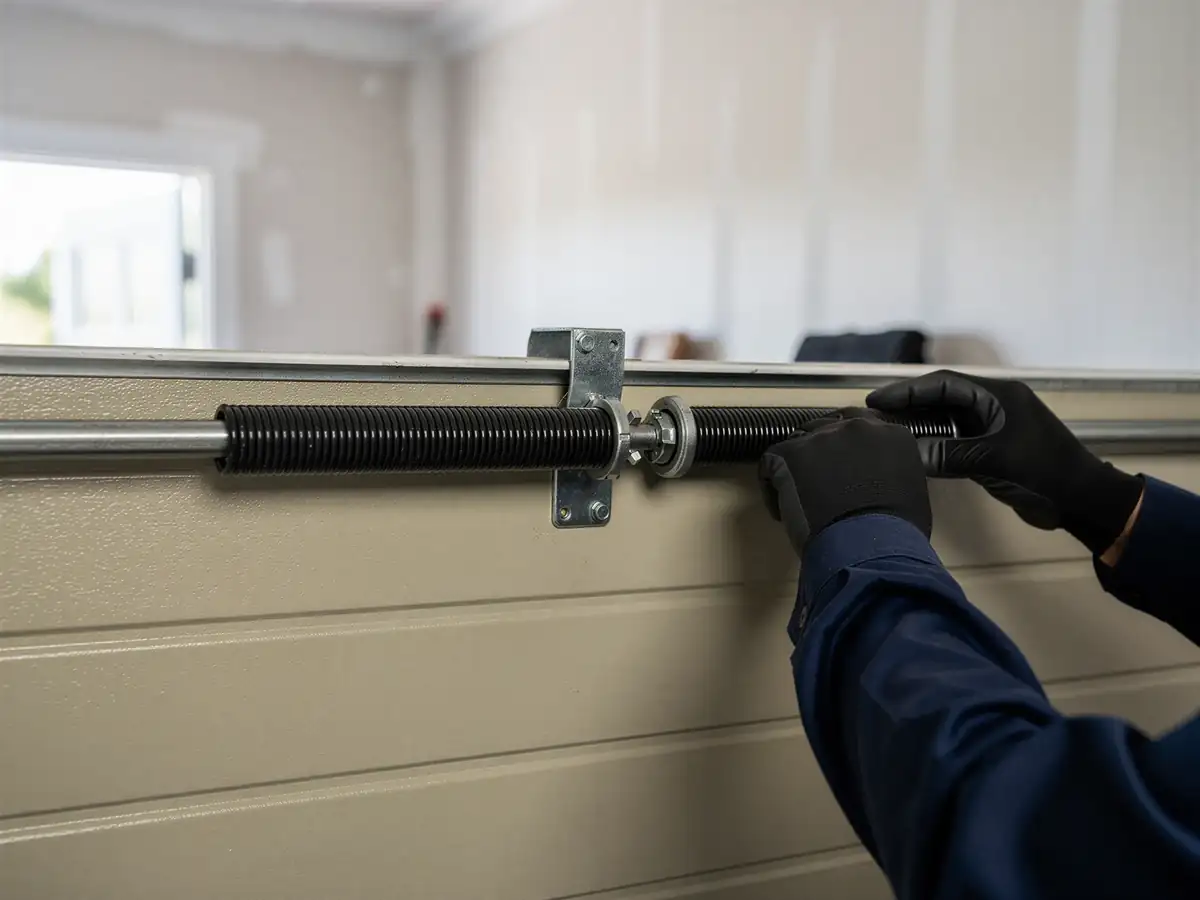
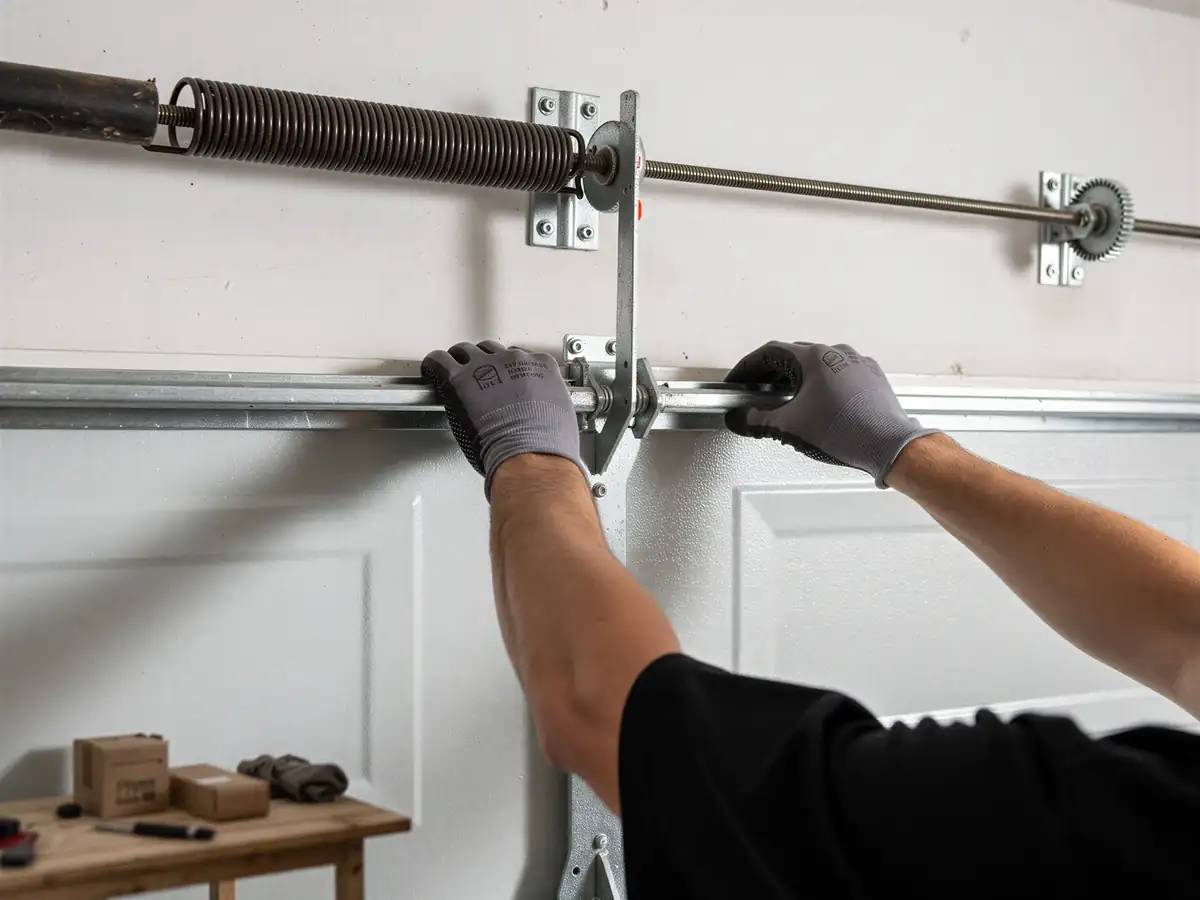
The failure point on a Meridian install almost never the door itself - it's the framing underneath the trim. Pull the casing on a house from this era and you'll sometimes find the header is a single piece of undersized lumber never meant to carry a modern insulated door's weight plus a jackshaft opener. If we quote the door and skip that inspection, the install stalls once the old trim comes off and the header doesn't match current load expectations. The other place this goes sideways is the spring system: a door this old was almost certainly on extension springs mounted along the horizontal track, not a torsion bar over the header. Swapping to a new door without addressing that means putting a modern panel on hardware it was never engineered for.
Parts We Carry
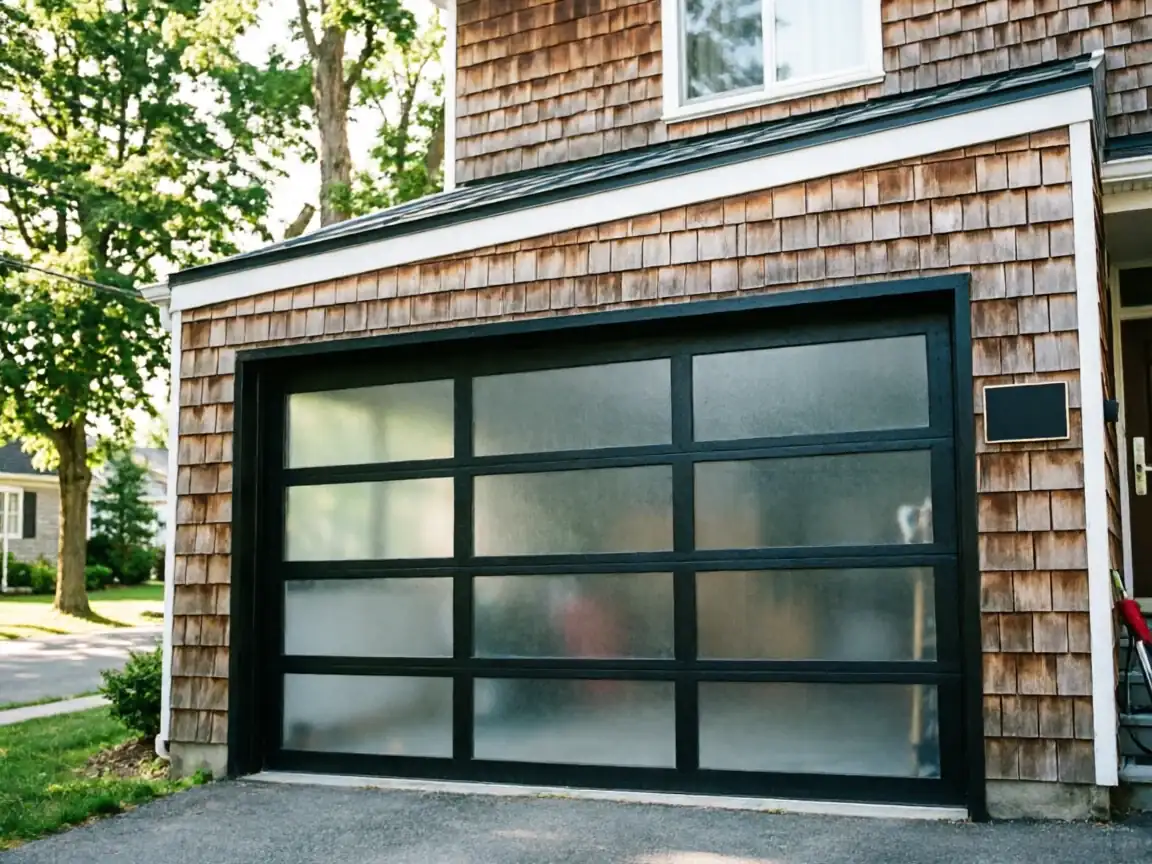
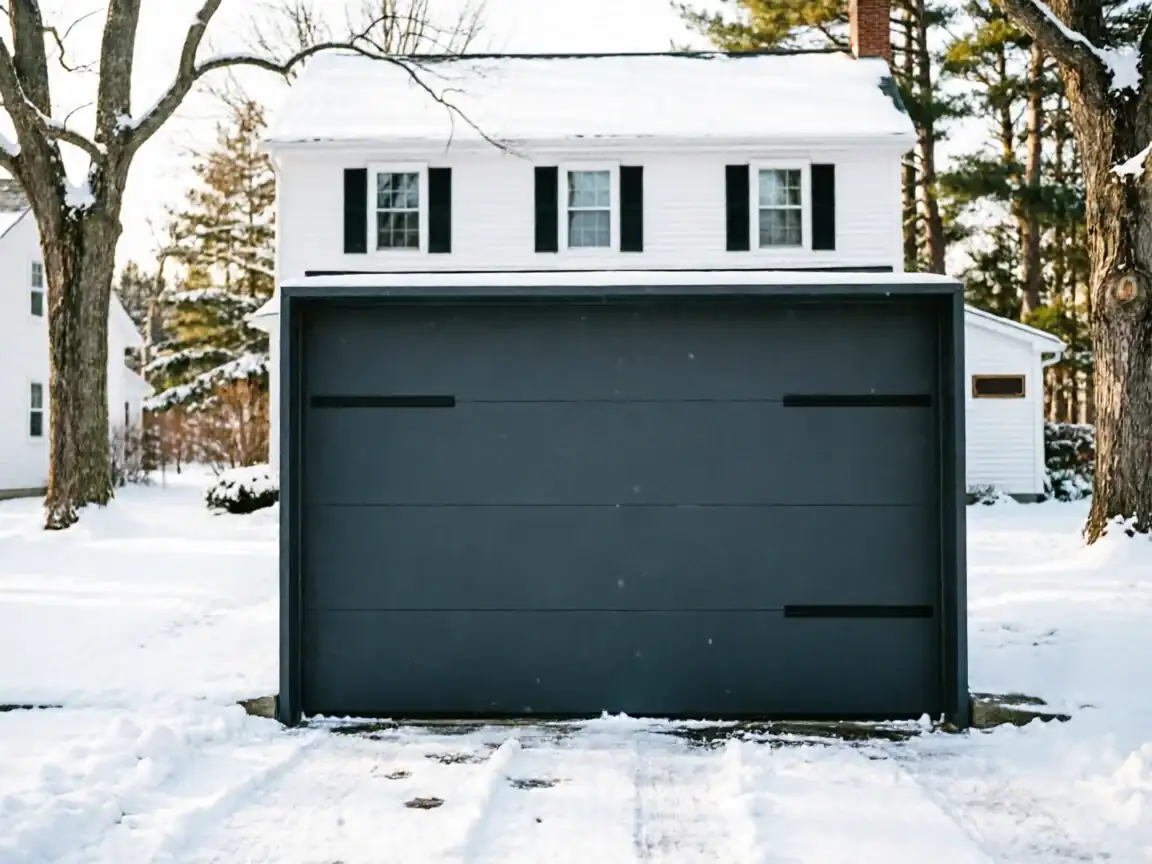
For jobs in this part of the service area we stock standard torsion springs sized to common residential door weights, steel rollers, galvanized track sections, and cable in the lengths that cover most single and double door widths. What we don't keep on hand are the wide or custom-insulated doors and some opener models with specialty rail kits - those come in on manufacturer lead time once we've measured your opening. Severe winter conditions in this part of Pennsylvania mean we default to weatherstripped bottom seals and insulated panel options rather than the bare steel doors that were standard when these houses were built; the cold load here is enough that the thinner original doors underperform against it.